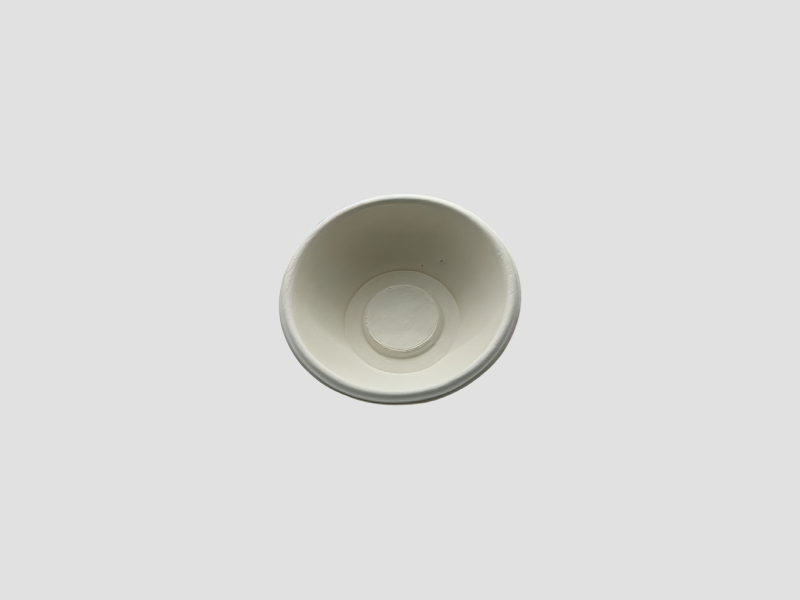
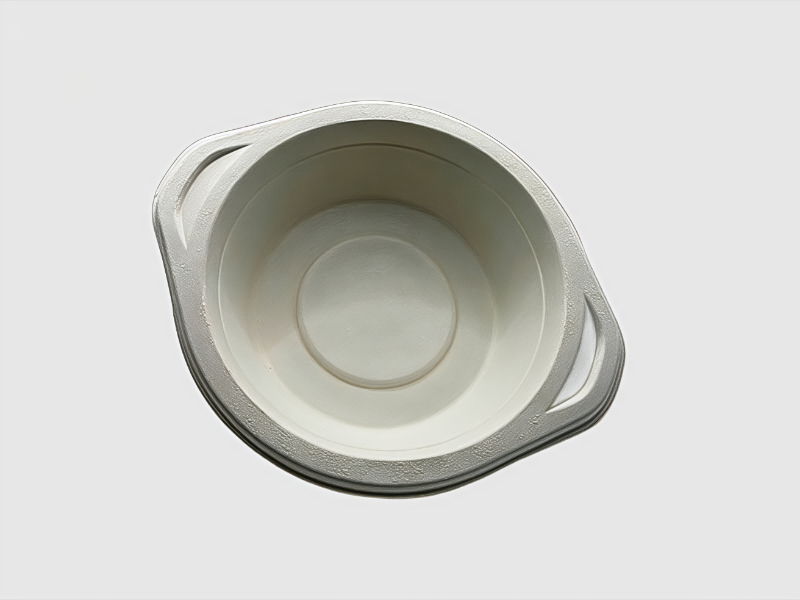
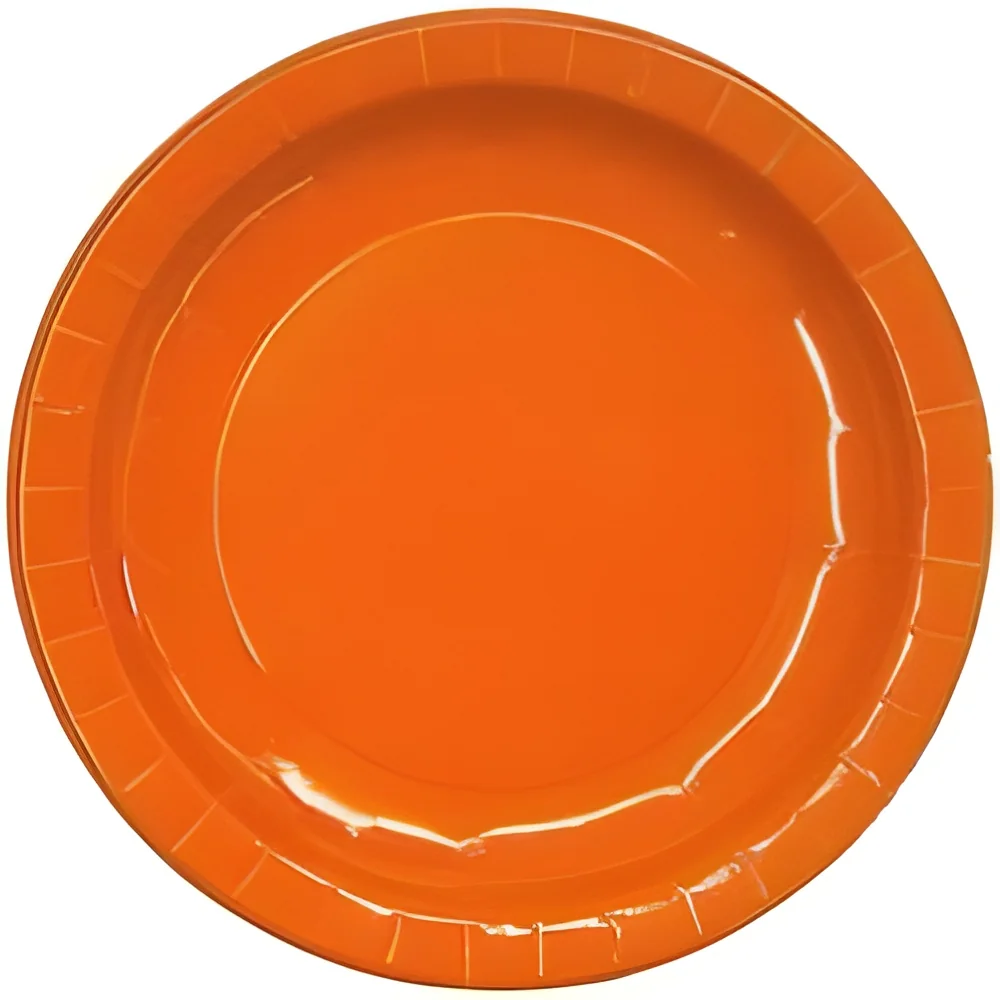
What are Disposable Food Plates & Bowls?
Disposable food plates and bowls are single-use tableware designed for serving food and beverages. Made from various materials, including paper, plastic, and biodegradable substances, these products are engineered for convenience and efficiency in food service environments. Their design often includes features that enhance usability, such as leak resistance and durability, making them suitable for a variety of occasions.
These disposable items are primarily used in settings such as restaurants, catering services, and events where quick cleanup is essential. They are ideal for outdoor gatherings, picnics, and large-scale food service operations, where traditional dishware may be impractical. The growing demand for disposable food plates and bowls reflects the increasing focus on convenience and hygiene in the food industry, particularly in the wake of heightened health standards.
The relevance of disposable food plates and bowls in the market is underscored by their role in promoting efficiency and sanitation. As businesses seek sustainable options, the rise of eco-friendly variants has further expanded the market. Companies are now prioritizing suppliers that offer products compliant with safety and environmental regulations, ensuring they meet consumer expectations and industry standards.
Key Features and Specifications
Disposable food plates and bowls come with a range of features and specifications designed to meet the needs of various food service applications. Understanding these specifications is crucial for businesses looking to make informed purchasing decisions.
Key specifications include:
1. Material Type
- Common materials include plastic, paper, and biodegradable options.
- Each type has specific benefits regarding durability and environmental impact.
2. Size and Capacity
- Available in various sizes to accommodate different food portions.
- Typical ranges include small (6 inches) to large (12 inches or more).
3. Heat Resistance
- Some products can withstand high temperatures, suitable for hot foods.
- Specifications typically indicate maximum temperature tolerances.
4. Leak Resistance
- Many disposable bowls and plates are designed to prevent leaks and spills.
- This is essential for serving liquids and saucy dishes.
5. Eco-Friendliness
- Options include compostable and recyclable materials.
- These products aim to reduce environmental impact.
6. Design Features
- Some plates and bowls come with compartments or lids for enhanced functionality.
- This allows for better food presentation and transport.
7. Weight and Thickness
- Varying thickness levels impact durability and usability.
- Heavier options are more suitable for heavier food items.
8. Customization Options
- Many suppliers offer printing services for branding.
- Custom sizes and colors may also be available.
In summary, the diverse range of features and specifications for disposable food plates and bowls ensures that businesses can find suitable products to enhance their food service operations while meeting customer preferences.
Common Applications and Use Cases
Disposable food plates and bowls are utilized across numerous industries, each benefiting from their convenience and efficiency.
1. Food Service Industry: Restaurants and cafes often use disposable tableware for takeout orders and outdoor events, minimizing cleanup and enhancing customer convenience.
2. Catering Services: Catering companies rely on disposable plates and bowls for large events, such as weddings and corporate functions, where quick service is essential.
3. Food Festivals: These products are ideal for outdoor food festivals, allowing vendors to serve a large number of customers efficiently without the need for extensive cleanup.
4. Healthcare: Hospitals and care facilities use disposable tableware to ensure hygiene and reduce the risk of contamination during meal service.
5. Educational Institutions: Schools and universities use disposable food plates and bowls for cafeteria services and events, providing students with convenient meal options.
6. Events and Parties: Disposable tableware is popular for home gatherings, parties, and picnics, offering an easy cleanup solution for hosts.
7. Food Trucks: Mobile food vendors often utilize disposable options to serve customers quickly and maintain cleanliness in limited space.
Product Variants and Subcategories
Disposable food plates and bowls come in various variants, catering to different needs and preferences within the food service industry.
Classic Paper Plates: These plates are made from sturdy paper materials, often coated for leak resistance. They are ideal for serving dry foods and are easy to dispose of after use.
Plastic Bowls: Lightweight and durable, plastic bowls are perfect for both hot and cold foods. They are frequently used in takeout and delivery services due to their versatility.
Biodegradable Plates: Made from materials like sugarcane or palm leaves, these eco-friendly plates offer a sustainable option for businesses looking to reduce their environmental impact while maintaining quality.
Heavy-Duty Disposable Plates: These thicker plates are designed to hold heavier foods without bending or breaking, making them suitable for meat dishes and hearty meals.
Divided Plates: Featuring compartments, these plates allow for the separation of different food items, ideal for serving meals with multiple components.
Benefits and Advantages
Disposable food plates and bowls provide numerous benefits that make them an attractive option for businesses.
1. Convenience: The single-use nature of these products eliminates the need for washing and sanitizing, saving time and labor costs.
2. Hygiene: Disposable tableware minimizes the risk of cross-contamination, ensuring a safer dining experience for customers.
3. Versatility: Available in various sizes and styles, these products can accommodate diverse food types and serving needs.
4. Cost-Effective: Often more affordable than traditional dishware, disposable options can significantly reduce operational costs for food service providers.
5. Custom Branding: Many suppliers offer options for custom printing, allowing businesses to enhance their brand visibility through their tableware.
6. Eco-Friendly Choices: The availability of biodegradable and compostable products enables companies to align with sustainability goals, appealing to environmentally conscious consumers.
Buying Guide for B2B Buyers
When sourcing disposable food plates and bowls, businesses should consider several key factors to ensure they choose the right products.
1. Quality Assessment: Evaluate the materials and construction quality of the plates and bowls. High-quality options will reduce the risk of breakage and leakage.
2. Supplier Verification: Research suppliers to ensure they have a solid reputation for reliability and product safety. Request references and check for certifications.
3. Pricing and MOQ: Understand the pricing structure and minimum order quantities (MOQ) before making a purchase. Ensure that costs align with your budget and operational needs.
4. Delivery and Lead Times: Consider the supplier's ability to meet your delivery requirements. Timely delivery is crucial for maintaining service levels.
5. Compliance Requirements: Verify that the products meet relevant health and safety regulations. Compliance with certifications is essential to avoid legal issues.
Compliance and Certifications
Disposable food plates and bowls must adhere to various quality standards and certifications to ensure safety and performance in food service applications.
ISO 9001: This standard relates to quality management systems, ensuring that manufacturers maintain high-quality production processes.
HACCP: Hazard Analysis Critical Control Point guidelines help ensure food safety by identifying and managing potential hazards in the food service industry.
CE Certification: This certification indicates that the products meet European health, safety, and environmental protection standards, providing assurance to buyers.
Safety Testing: Many manufacturers conduct comprehensive testing to ensure their products are safe for food contact. This includes assessments for chemical leaching and physical durability.
Regional Compliance: Depending on the geographic area, additional regulations may apply. Businesses should confirm that products meet local compliance needs to avoid penalties.
Why Source Disposable Food Plates & Bowls from Pepagora?
Pepagora offers a reliable platform for businesses seeking disposable food plates and bowls, backed by several key advantages.
Verified Supplier Network: Pepagora connects buyers with a network of verified suppliers, ensuring quality and reliability in the sourcing process.
Streamlined RFQ Process: The request for quotation (RFQ) system simplifies the purchasing process, allowing buyers to receive competitive quotes and choose the best options for their needs.
Trade Assurance and Support: Buyers benefit from trade assurance, which protects their purchases and enhances confidence in transactions.
Regional Coverage: Pepagora’s extensive reach across India, the GCC, and Southeast Asia ensures that businesses can find suitable suppliers regardless of their location, facilitating efficient sourcing.

 IN
IN

 India
India