IN
IN₹
Apparel & Fashion
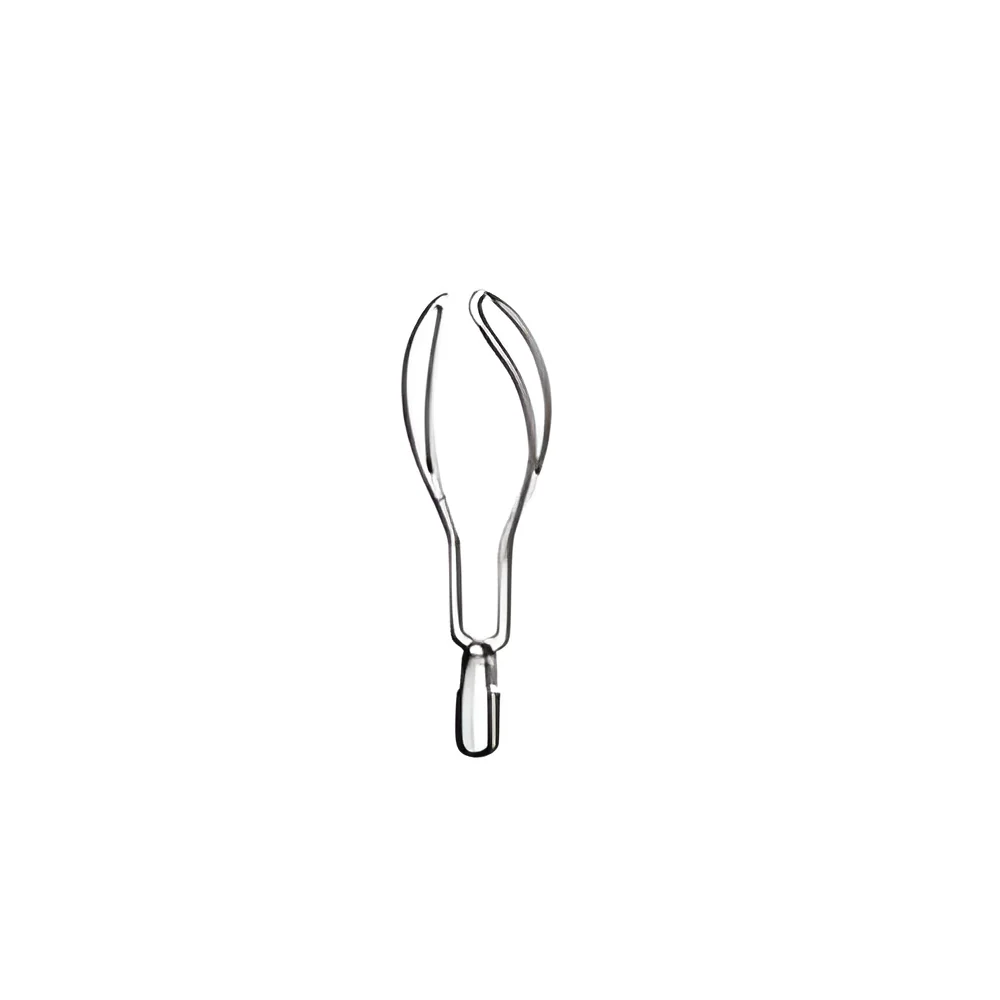
Description
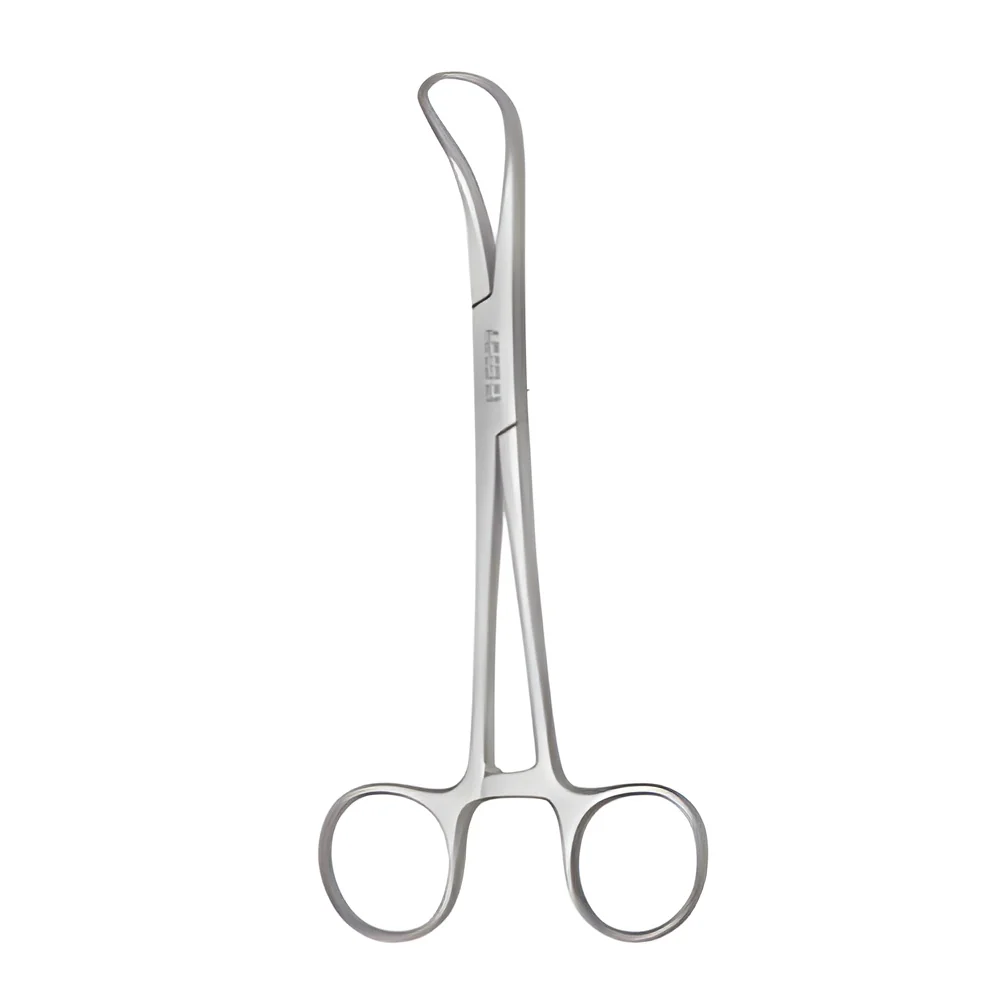
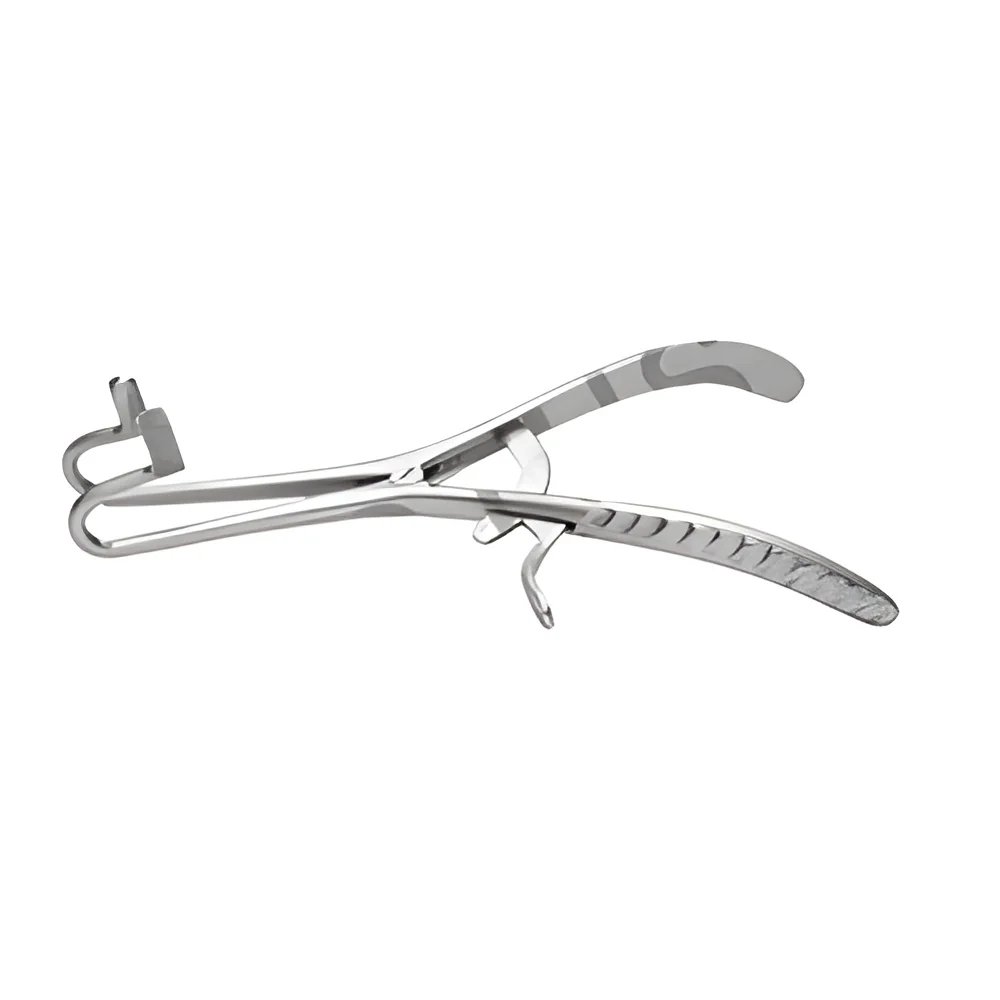
Wrigley Obstetric Forceps are precision-engineered medical instruments specifically designed for low-force traction during perineal delivery. Smaller than standard obstetric forceps, they are crafted for scenarios where the fetal head is on the perineum and only gentle, controlled assistance is needed to complete the birth. This design prioritizes patient safety and comfort, often requiring only perineal infiltration for analgesia instead of more extensive regional or general anesthesia. Built for reliability, these forceps offer medical professionals a trusted tool that balances effective intervention with minimal physical impact, supporting positive clinical outcomes in delicate delivery situations.

These forceps are a critical resource in modern obstetric practice, utilized extensively in hospital labor and delivery units, specialized maternity clinics, and emergency care settings. They are employed by obstetricians, certified nurse-midwives, and delivery teams managing both routin...
Wrigley Obstetric Forceps are precision-engineered medical instruments specifically designed for low-force traction during perineal delivery. Smaller than standard obstetric forceps, they are crafted for scenarios where the fetal head is on the perineum and only gentle, controlled assistance is needed to complete the birth. This design prioritizes patient safety and comfort, often requiring only perineal infiltration for analgesia instead of more extensive regional or general anesthesia. Built for reliability, these forceps offer medical professionals a trusted tool that balances effective intervention with minimal physical impact, supporting positive clinical outcomes in delicate delivery situations.

These forceps are a critical resource in modern obstetric practice, utilized extensively in hospital labor and delivery units, specialized maternity clinics, and emergency care settings. They are employed by obstetricians, certified nurse-midwives, and delivery teams managing both routine and complex births. The medical industry relies on them to safely navigate the final stage of delivery, particularly when a mother's pushing efforts are insufficient or when expediting delivery is beneficial for fetal or maternal health. Their application is fundamental in reducing the risk of complications associated with prolonged second-stage labor, making them a staple in both public healthcare systems and private maternity services globally.

The business value of Wrigley Forceps stems from their specialized design, proven reliability, and consistent demand within the healthcare supply chain. For medical distributors and procurement teams, they represent a high-quality, essential product with predictable replenishment cycles from hospitals and birthing centers. Their durable construction withstands repeated sterilization, ensuring long-term cost-effectiveness for healthcare facilities. The instrument's focus on minimizing tissue trauma and reducing analgesia requirements translates to better patient recovery experiences and potentially shorter hospital stays, adding tangible value to clinical operations. This combination of clinical efficacy and operational durability makes them a sound and reliable investment for any medical supplier's portfolio.

Key Features:
- Compact and specifically sized for low-force traction during perineal delivery.
- Precision-engineered design for safe application and fetal head positioning.
- Compatible with minimal analgesia, typically perineal infiltration.
- Durable construction from medical-grade materials for repeated use and sterilization.
- Ergonomically designed handles for secure grip and controlled application by the practitioner.

Benefits:
- Enables safe, controlled delivery with minimal intervention, supporting natural birth processes.
- Reduces the need for extensive maternal analgesia, improving patient comfort and recovery.
- Minimizes tissue trauma and potential for maternal or fetal injury during assisted delivery.
- Provides reliability and precision for medical professionals in critical delivery moments.
- Offers durability and cost-effectiveness through a long product lifecycle with proper care.
Specifications
| Additional Information | |
|---|---|
| Country of Origin | India |
Application
Wrigley Forceps are specialized obstetric instruments designed for the final stage of delivery when the fetal head is positioned on the perineum. Their compact design allows for minimal, gentle traction, making them ideal for situations where only slight assistance is needed to safely complete the birth process. This reduces the need for more invasive interventions and supports a more natural delivery progression.
These forceps are essential in hospital maternity wards, birthing centers, and obstetric clinics where controlled, low-force assistance is a priority. Medical professionals value them for scenarios where spontaneous delivery is nearly complete but requires precise, gentle support to ensure safety for both mother and baby. Their use often minimizes the need for extensive analgesia, frequently requiring only local perineal infiltration, which supports faster recovery and improved patient comfort.
- Assisted vaginal delivery during the second stage of labor when gentle traction is required.
- Guiding and positioning the fetal head on the perineum for a controlled, safe delivery.
- Providing minimal intervention in low-force delivery scenarios to avoid more invasive procedures.
- Reducing patient discomfort and the need for extensive analgesia during the final delivery phase.
- Emergency obstetric care where timely, controlled forceps-assisted delivery is clinically indicated.
Trade Details
| Available Stock | In Stock |
| Sample Availability | No |
Payment Terms
| Payment Terms |
|
Company Profile
Bir International, Punjab
 Punjab, India
Punjab, IndiaHealth & Personal Care•Manufacturer•Distributor / Wholesaler•Importer / Exporter
Factory Details
Factory SizeBelow 1000 sqm
Annual Production Capacity0
Obstetric Wrigley Forceps For Low Force Traction Delivery
Wrigley Obstetric Forceps provide safe, low-force traction for perineal delivery. These compact forceps minimize intervention, reduce analgesia needs, and ensure controlled delivery for medical professionals in maternity care.
Min. Order Quantity: 1 unit
Shipping
Shipping fee and delivery date to be negotiated. Contact supplier now for more details.
Bir International
 Punjab, India
Punjab, IndiaHealth & Personal CareManufacturer