What are Decorative Panels & Wall Claddings?
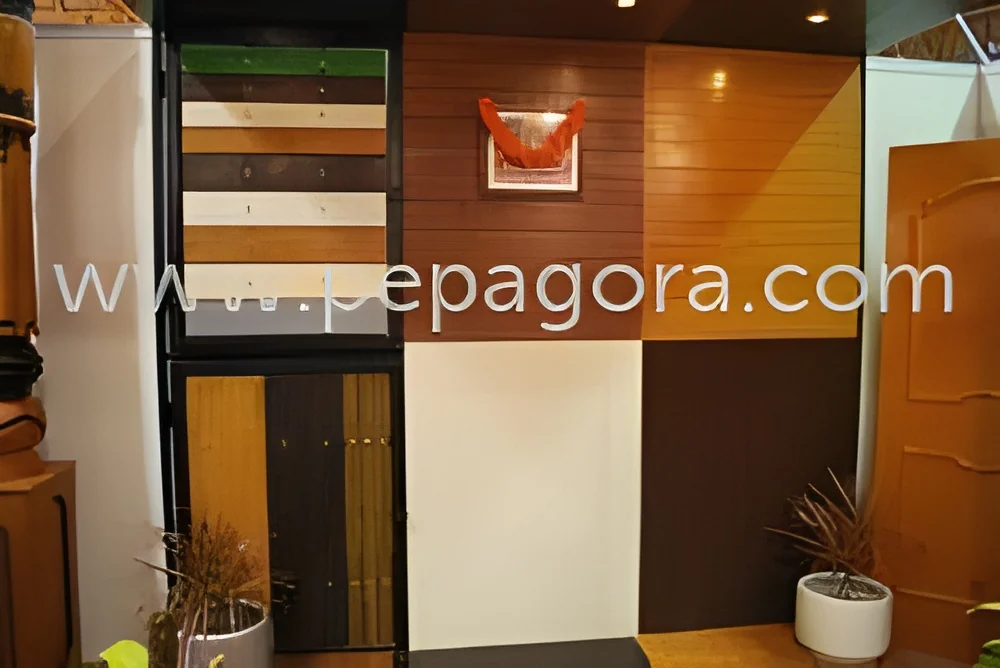
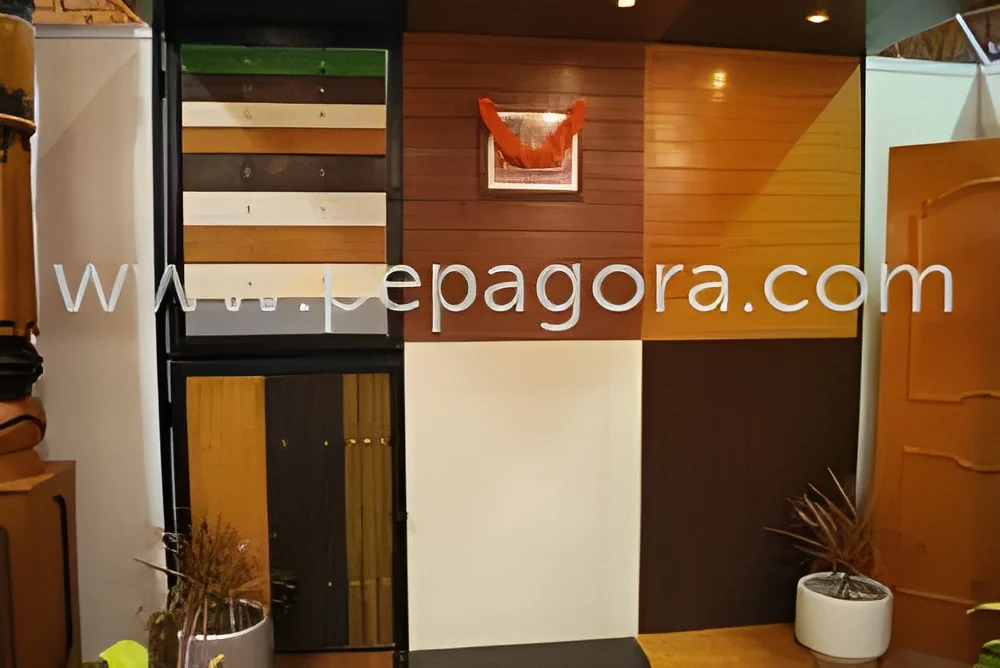
Decorative panels and wall claddings are versatile materials used to enhance the aesthetic appeal and functionality of interior and exterior spaces. These products come in various designs, textures, and materials, allowing businesses to achieve a unique look that aligns with their brand identity. They serve not only as a decorative element but also provide structural benefits and insulation properties.
Primary uses of decorative panels and wall claddings include applications in commercial spaces, residential buildings, and industrial environments. They are commonly utilized in offices, hotels, retail establishments, and even in manufacturing facilities. These products can transform ordinary walls into striking focal points, improve acoustics, and offer protection against wear and tear. Given their wide-ranging applications, the demand for decorative panels and wall claddings continues to grow in various industries, adapting to modern design trends and sustainability practices.
Key Features and Specifications
Decorative panels and wall claddings are characterized by several key features and specifications that make them suitable for diverse applications. Understanding these specifications will help businesses select the right product for their needs.
Key specifications include:
1. Material Composition
- Decorative panels can be made from wood, metal, plastic, or composite materials.
- Each material offers different aesthetic qualities and durability.
2. Thickness
- Typical thickness ranges from 4mm to 25mm depending on application needs.
- Thicker panels provide better insulation and durability.
3. Surface Finish
- Available finishes include matte, glossy, textured, or patterned.
- Surface finishes can enhance design flexibility and visual appeal.
4. Fire Rating
- Many panels have fire-resistant properties, classified according to local regulations.
- Fire ratings can range from Class A to Class C depending on material.
5. Acoustic Properties
- Panels designed for sound absorption can significantly reduce noise levels.
- Specifications may include sound transmission class (STC) ratings.
6. Installation Method
- Options include adhesive, clip, or tongue and groove systems.
- Installation method affects the ease of use and cost.
7. Environmental Impact
- Many products are designed to be eco-friendly or made from recycled materials.
- Compliance with sustainable building standards is increasingly important.
8. Aesthetic Versatility
- Available in a wide range of colors, patterns, and textures.
- Customization options may be available for specific design needs.
In summary, decorative panels and wall claddings offer a range of features and specifications that cater to various business applications. Choosing the right product involves understanding these key factors.
Common Applications and Use Cases
Decorative panels and wall claddings serve numerous industries, enhancing both functionality and aesthetics.
1. Hospitality Industry: Hotels and resorts utilize decorative panels to create inviting lobbies and stylish guest rooms. The right choice adds a touch of luxury and comfort.
2. Retail Spaces: Stores and boutiques use wall claddings to attract customers and create an immersive shopping experience. Unique designs can help products stand out.
3. Office Environments: Businesses often install decorative panels to improve workplace aesthetics and acoustics. This can lead to a more productive and enjoyable work atmosphere.
4. Healthcare Facilities: Hospitals and clinics use wall claddings that meet hygiene standards and provide a calming environment for patients and staff alike.
5. Residential Projects: Homeowners are increasingly using decorative panels in living spaces, kitchens, and bathrooms to add personality and style.
6. Educational Institutions: Schools and universities install decorative wall claddings in classrooms and common areas to foster a positive learning environment.
7. Industrial Settings: Factories and warehouses may utilize durable wall claddings that withstand harsh conditions while providing a clean and professional appearance.
Product Variants and Subcategories
Decorative panels and wall claddings come in various forms, catering to different design preferences and practical needs. The diversity of these products allows for tailored solutions for specific applications.
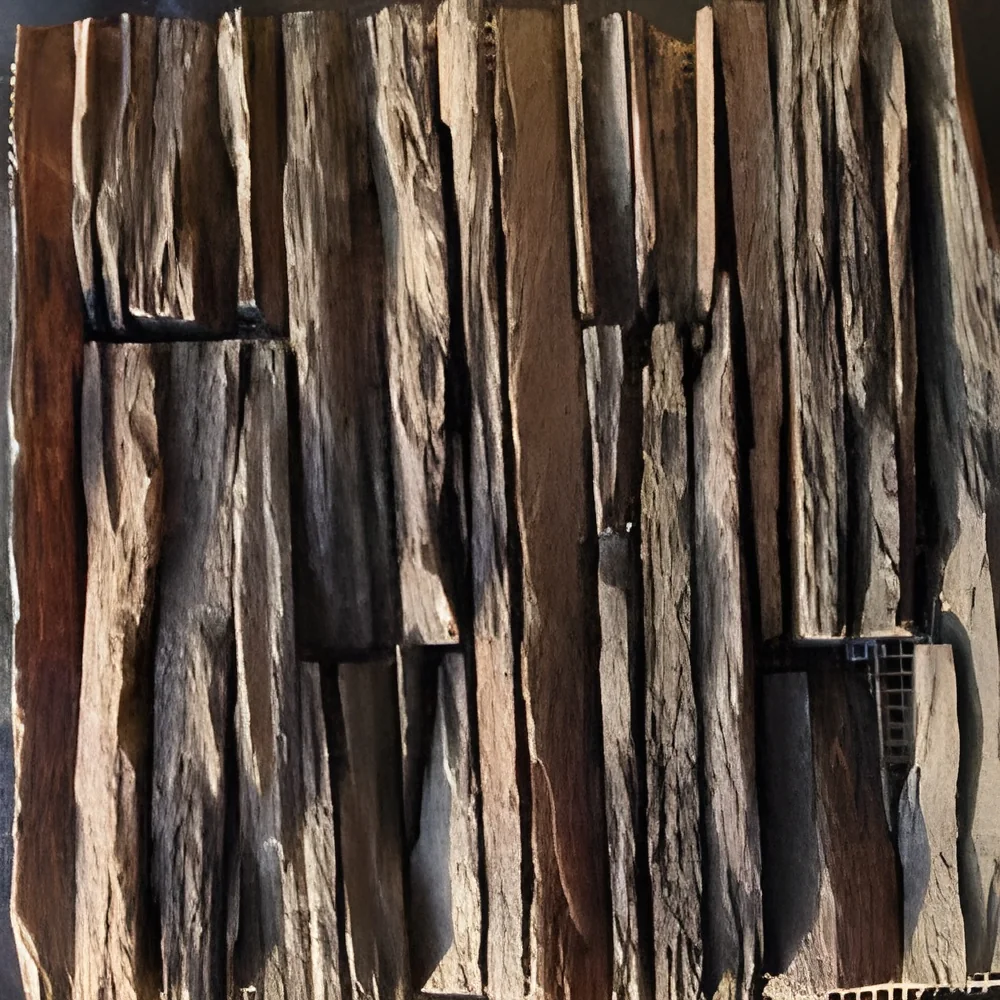
Wood Panels: These panels offer a natural aesthetic that brings warmth to any space. They are often used in residential and commercial interiors for their timeless appeal.
Metal Cladding: Known for its durability and modern look, metal wall cladding is popular in urban settings. It often serves both decorative and protective purposes.
Vinyl Panels: These lightweight and cost-effective panels are ideal for quick renovations. They can mimic the look of more expensive materials while being easy to maintain.
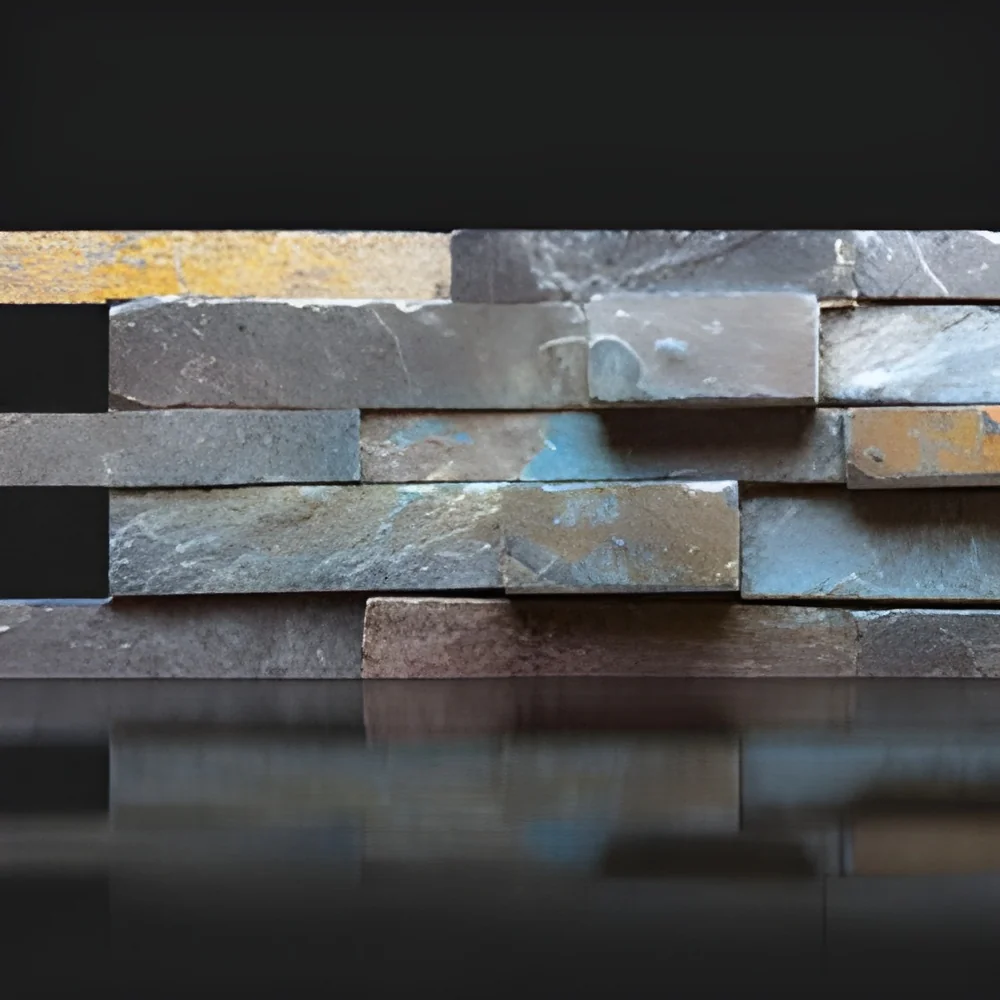
Textured Panels: Available in various designs, textured panels add depth and interest to walls. They are suitable for creating feature walls in homes and businesses.
Benefits and Advantages
Choosing decorative panels and wall claddings offers numerous benefits for businesses looking to enhance their spaces.
1. Aesthetic Appeal: Decorative panels significantly improve the visual aspect of any environment, creating a lasting impression.
2. Versatile Applications: These products can be used in various settings, from commercial to residential, making them a flexible choice.
3. Easy Maintenance: Many decorative panels are designed for easy cleaning and maintenance, saving time and resources.
4. Insulation Properties: Some wall claddings provide thermal insulation, contributing to energy efficiency and cost savings.
5. Sound Absorption: Panels with acoustic properties help minimize noise, creating a more pleasant environment for occupants.
6. Durability: High-quality materials ensure longevity and resistance to wear, making them a worthwhile investment.
Buying Guide for B2B Buyers
When sourcing decorative panels and wall claddings, businesses should consider several factors to ensure they make informed decisions.
1. Quality Assessment: Evaluate product quality by reviewing materials used and looking for certifications. High-quality panels are essential for longevity and performance.
2. Supplier Verification: Vet potential suppliers by checking their track record, client references, and product reviews. Trustworthy suppliers ensure consistent product quality.
3. Pricing and MOQ: Understand the pricing structure and minimum order quantities (MOQ) before making decisions. This helps in budgeting and planning.
4. Delivery and Lead Times: Confirm logistics and lead times with suppliers to ensure timely delivery. Delays can impact project schedules significantly.
5. Compliance Requirements: Ensure that the products meet industry standards and regulations, including safety and environmental compliance, to avoid legal issues.
Compliance and Certifications
Compliance and certifications play a crucial role in ensuring the quality and safety of decorative panels and wall claddings. Products must adhere to relevant quality standards such as ISO 9001, which ensures consistent quality management systems. Additional certifications like CE indicate compliance with European safety standards.
Safety is paramount when considering wall claddings for various applications. Manufacturers must adhere to testing requirements that assess fire resistance, impact resistance, and environmental safety. Compliance with local regulations is also essential, especially in industries like healthcare and education, where safety standards are stringent.
Regional considerations may impact compliance requirements. Different countries and regions may have specific certifications and regulations that businesses must follow. Ensuring that products meet these standards can help prevent potential issues in the supply chain and guarantee customer satisfaction.
Why Source Decorative Panels & Wall Claddings from Pepagora?
Pepagora provides a trusted platform for sourcing decorative panels and wall claddings, offering several key advantages to B2B buyers.
Verified Supplier Network: Pepagora connects businesses with a network of verified suppliers, ensuring that buyers can find reliable sources of high-quality products. This network helps mitigate risks associated with sourcing.
Streamlined RFQ Process: The platform features a user-friendly request for quotation (RFQ) system that simplifies the procurement process. Buyers can easily compare quotes and select the most suitable option for their needs.
Trade Assurance and Support: Pepagora offers trade assurance, providing buyers with protection throughout the transaction process. This includes support in case of disputes or issues with orders.
Regional Coverage: With a strong presence in India, the GCC, and Southeast Asia, Pepagora ensures that businesses can access decorative panels and wall claddings tailored to their regional needs. This broad geographic reach enhances procurement efficiency and connectivity.

 IN
IN


 India
India