
 IN
Custom Bottle & Cap Prototyping
3 products available
What are Custom Bottle & Cap Prototyping?
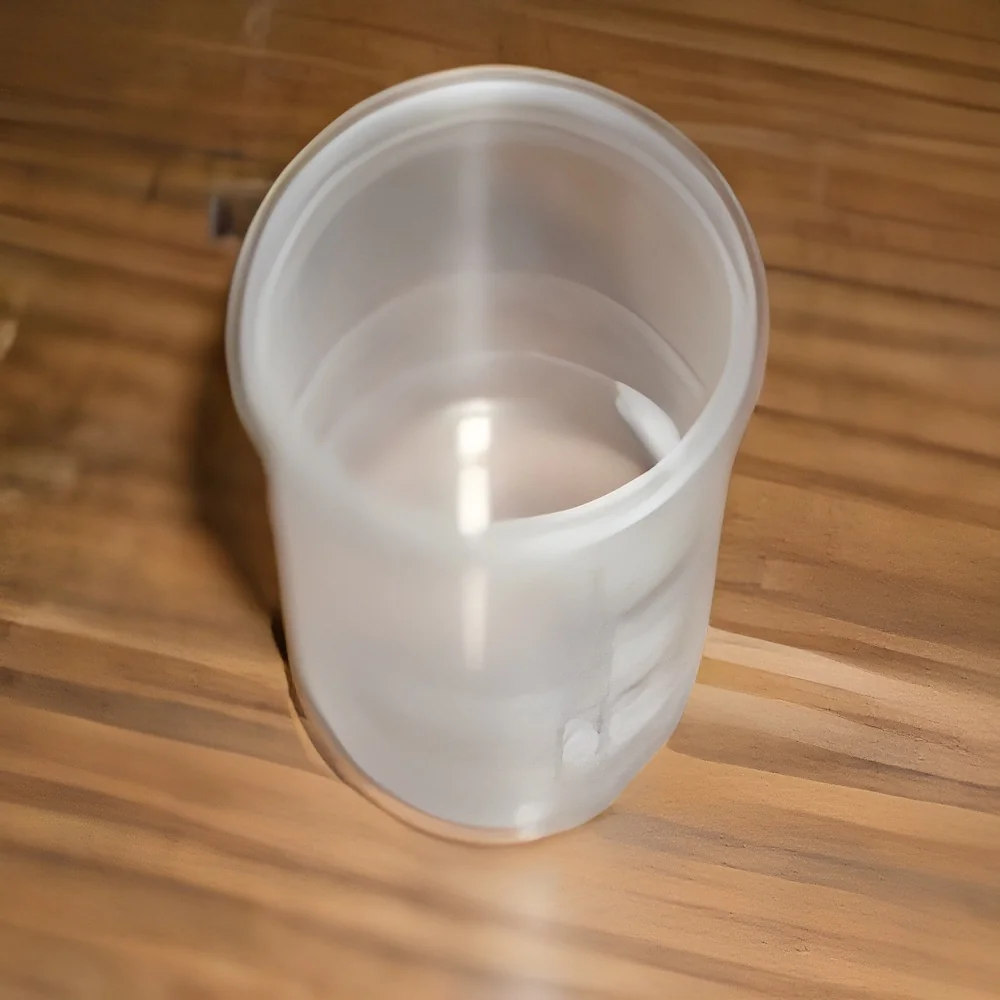
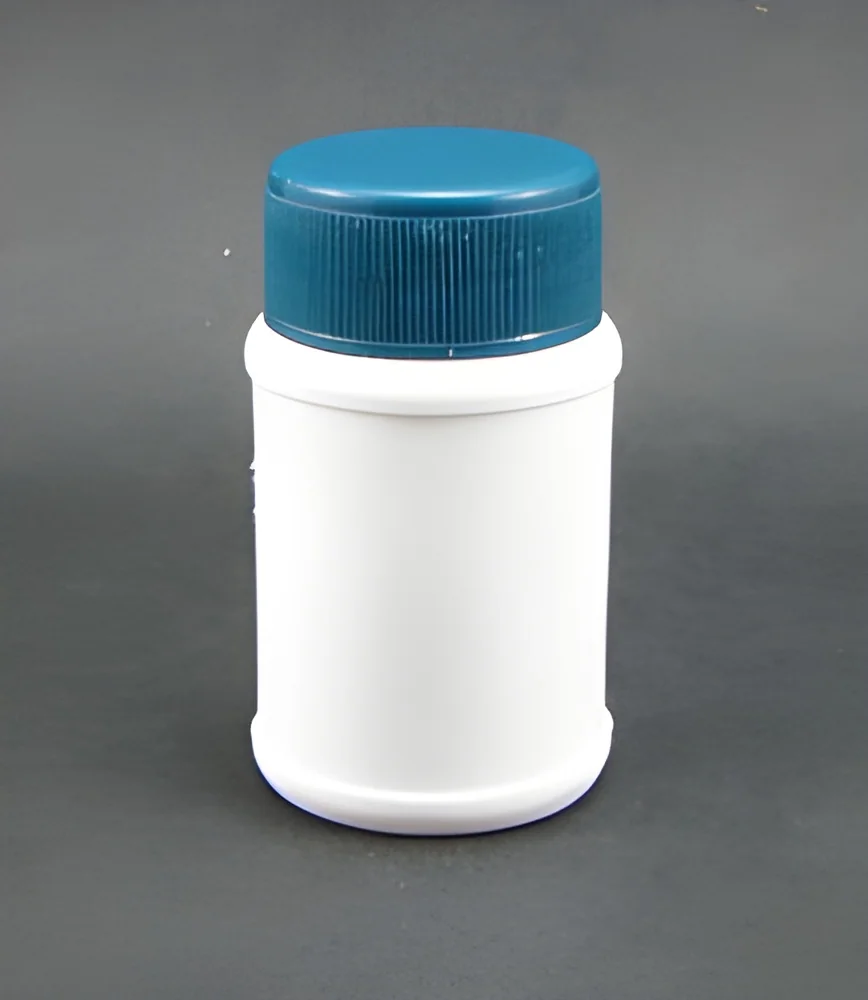
Custom bottle and cap prototyping involves creating tailored designs for bottles and their corresponding caps to meet specific requirements of various industries. This process allows companies to test and refine their product concepts before mass production. Prototyping can include adjustments in size, shape, material, and functionality to ensure that the final product aligns with the intended use and market demands.
The primary uses of custom bottle and cap prototyping are seen in sectors such as food and beverage, pharmaceuticals, cosmetics, and personal care products. Businesses utilize prototypes to assess usability, aesthetic appeal, and compliance with safety regulations. The prototyping phase is critical for gathering feedback from stakeholders and ensuring that the design meets consumer expectations and regulatory standards.
In the current market context, the demand for custom prototyping is increasing as companies seek to differentiate their products in a competitive landscape. Rapid advancements in manufacturing technologies and materials have also enabled more innovative designs. As sustainability becomes a core focus, prototyping offers a way to explore eco-friendly materials and designs that meet contemporary consumer preferences.
Key Features and Specifications
Custom bottle and cap prototyping offers a range of features and specifications tailored to meet diverse needs. Understanding these specifications is vital for businesses looking to select the right prototypes for their products.
Key specifications include:
1. Material Options
- Includes plastics, glass, and biodegradable materials
- Each material has unique properties for durability, safety, and environmental impact
2. Design Customization
- Supports various shapes, sizes, and functionalities
- Allows for branding elements like colors, logos, and textures
3. Safety Standards
- Must adhere to industry-specific safety regulations
- Considerations for food-grade materials, chemical resistance, and child safety
4. Technical Capabilities
- Supports features such as tamper-evident seals and user-friendly dispensing mechanisms
- Engineering considerations to ensure functionality and ease of use
5. Production Capabilities
- Includes short-run and long-run production options
- Flexibility to scale from prototype to full production based on demand
6. Testing and Validation
- Prototypes undergo rigorous testing to ensure they meet industry standards
- Feedback loops available for continuous improvement
7. Lead Times
- Varies based on complexity and volume of prototypes
- Typically ranges from a few days to several weeks depending on requirements
In summary, the diverse features and specifications of custom bottle and cap prototyping provide businesses with the flexibility to innovate and meet market demands effectively.
Common Applications and Use Cases
Custom bottle and cap prototyping serves multiple industries, each with distinct applications that leverage the advantages of tailored designs.
1. Food and Beverage: Companies in this sector often use custom prototypes for beverage bottles and food packaging. Prototyping helps ensure the product maintains freshness and complies with food safety regulations.
2. Pharmaceuticals: In the pharmaceutical industry, prototyping is crucial for creating bottles that securely hold medications while providing easy access and child-proofing features to enhance safety.
3. Cosmetics: Cosmetic brands utilize custom bottle designs to enhance brand identity. Prototyping allows for the exploration of unique shapes that stand out on retail shelves while ensuring product integrity.
4. Personal Care: Personal care products like lotions and shampoos benefit from custom cap designs that offer convenience and functionality, including pump dispensers and screw caps.
5. Household Products: Prototyping in household products focuses on user-friendliness and safety, often creating bottles that are easy to handle and store.
6. Industrial Applications: Custom bottles for industrial chemicals require robust designs to ensure safe transport and handling. Prototyping helps in assessing chemical compatibility and durability.
7. E-commerce Packaging: With the rise of online shopping, custom prototypes help businesses design bottles that are secure for shipping while appealing to consumers upon unboxing.
Product Variants and Subcategories
Custom bottle and cap prototyping presents a variety of options to cater to different needs and preferences. Each variant serves unique functions and industry requirements.
Standard Bottle Design: This variant typically features common shapes and sizes used across various industries. It allows for easy customization in terms of labels and colors while maintaining functionality.
Specialty Bottle Design: These designs cater to niche markets such as luxury cosmetics or gourmet food products. They often include unique shapes and premium materials to enhance brand image.
Child-Resistant Cap Design: This variant focuses on safety by incorporating mechanisms that prevent children from opening the bottle. It is particularly relevant for pharmaceuticals and household chemicals.
Eco-Friendly Bottle Design: With sustainability in focus, this variant uses biodegradable or recycled materials. It appeals to environmentally conscious consumers seeking green products.
Reusable Bottle Design: These designs emphasize durability and reusability, perfect for brands promoting sustainable practices. They often include features like refillable containers.
Benefits and Advantages
Custom bottle and cap prototyping offers several advantages that are beneficial for businesses seeking to innovate and improve their products.
Key benefits include:
1. Enhanced Design Flexibility: Prototyping allows businesses to explore various designs before committing to mass production, ensuring the final product meets expectations.
2. Improved Market Fit: Custom prototypes enable companies to test their products with target audiences, helping refine features and designs based on actual user feedback.
3. Faster Time to Market: By identifying issues early in the design process, businesses can reduce delays and streamline the path from concept to production.
4. Cost Efficiency: Investing in prototypes can help avoid costly mistakes during mass production. Early testing ensures that designs are optimized for manufacturing.
5. Compliance Assurance: Prototyping allows for thorough testing against industry standards, minimizing the risk of non-compliance issues that can arise during production.
6. Brand Differentiation: Unique and well-designed bottles and caps help companies stand out in a crowded market, enhancing brand recognition and appeal.
Buying Guide for B2B Buyers
When sourcing custom bottle and cap prototyping, businesses should consider several critical factors to ensure they select the right supplier and product.
1. Quality Assessment: Evaluate the quality of materials and manufacturing processes used by suppliers. Look for samples and case studies that demonstrate their capabilities.
2. Supplier Verification: Conduct thorough research on potential suppliers, checking their credentials, certifications, and customer reviews to ensure reliability and reputation.
3. Pricing and MOQ: Understand the pricing structure and minimum order quantities set by suppliers. This helps in budgeting and assessing the feasibility of production runs.
4. Delivery and Lead Times: Inquire about delivery schedules and lead times for prototyping services. Timely delivery is crucial for maintaining project timelines and launch dates.
5. Compliance Requirements: Ensure that the prototypes meet all relevant industry regulations and safety standards. This is vital for avoiding legal complications during production.
Compliance and Certifications
Compliance and certifications play a significant role in ensuring that custom bottle and cap prototypes meet industry standards and regulations.
Relevant quality standards such as ISO 9001 ensure that manufacturers maintain quality management systems that consistently produce high-quality products. Compliance with HACCP (Hazard Analysis Critical Control Point) is crucial for industries like food and pharmaceuticals, where safety and hygiene are paramount.
Additionally, industry certifications such as CE indicate that the products meet European health, safety, and environmental protection standards. This certification is particularly important for businesses looking to enter or expand in European markets.
Safety and testing requirements are essential to verify that prototypes are safe for consumer use. This may involve rigorous testing for durability, chemical resistance, and user safety features.
Regional compliance considerations should also be taken into account, as regulations may vary significantly by country or region. Understanding local laws ensures that products are compliant with market requirements.
Why Source Custom Bottle & Cap Prototyping from Pepagora?
Pepagora provides a trusted platform for sourcing custom bottle and cap prototyping, offering several key advantages that set it apart from competitors.
The verified supplier network ensures that businesses are connected with reliable manufacturers who meet stringent quality and compliance standards. This reduces the risk of sourcing from unverified suppliers that may not deliver on quality or reliability.
Pepagora's streamlined RFQ (Request for Quotation) process simplifies the procurement journey. Businesses can easily request quotes from multiple suppliers, allowing for quick comparisons and informed decision-making.
Trade assurance and support further enhance buyer protection. Pepagora offers services that safeguard transactions, ensuring that buyers receive the products as specified and within the agreed timeline.
Finally, Pepagora's regional coverage across India, the GCC, and Southeast Asia allows businesses to tap into a broad network of suppliers and manufacturers. This geographic reach ensures that companies can find the right partners to meet their unique needs, regardless of their location.

 India
 India
Frequently Asked Questions
What are Custom Bottle & Cap Prototyping?
Custom Bottle & Cap Prototyping involves creating tangible models of bottles and caps tailored to specific design requirements. This process allows businesses to test and refine their product concepts before full-scale production.
What are the different types of Custom Bottle & Cap Prototyping?
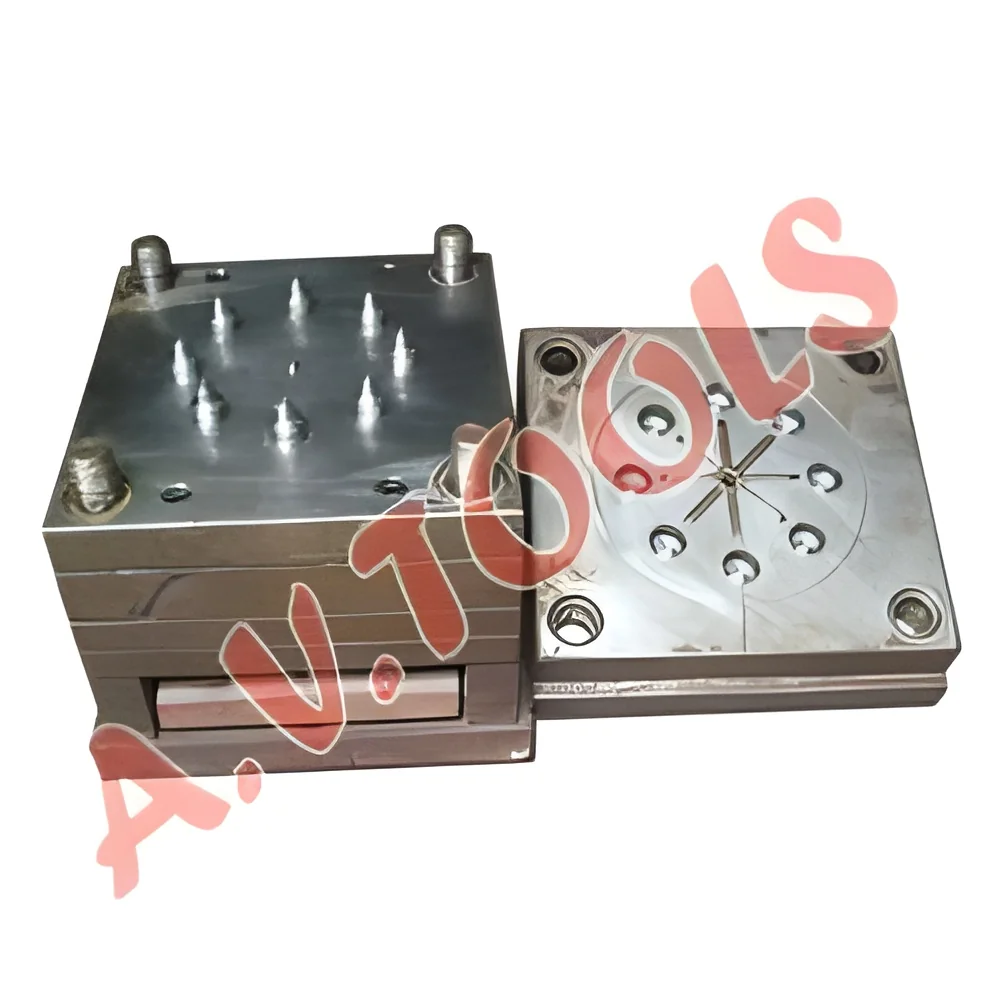
There are several types of Custom Bottle & Cap Prototyping, including 3D printed prototypes, CNC machined prototypes, and injection molded prototypes. Each type varies in terms of materials used, production speed, and fidelity to the final product.
How do I choose the right Custom Bottle & Cap Prototyping?
Choosing the right Custom Bottle & Cap Prototyping depends on factors such as the intended use of the prototype, material requirements, and budget constraints. It is also important to consider the production methods and the level of detail needed in the prototype.
What are the standard specifications for Custom Bottle & Cap Prototyping?
Standard specifications for Custom Bottle & Cap Prototyping include dimensions, weight, material type, and design features such as closures and labeling. It is essential to ensure that these specifications align with the intended final product.
What is the price range for Custom Bottle & Cap Prototyping?
The price range for Custom Bottle & Cap Prototyping can vary widely based on factors such as material choice, complexity of the design, and production methods. Typically, prices can range from a few thousand to several lakhs of Indian Rupees.
What quality standards apply to Custom Bottle & Cap Prototyping?
Quality standards for Custom Bottle & Cap Prototyping often include compliance with safety regulations, material certifications, and industry-specific guidelines. Ensuring adherence to these standards is crucial for product reliability and market acceptance.
Where can I find Custom Bottle & Cap Prototyping suppliers in India?
You can find Custom Bottle & Cap Prototyping suppliers in India through online B2B marketplaces like Pepagora, industry trade shows, and local manufacturing directories. Networking with industry professionals can also help identify reputable suppliers.
Can Custom Bottle & Cap Prototyping be customized?
Yes, Custom Bottle & Cap Prototyping can be tailored to meet the specific needs of a business. Customization options may include size, shape, material, and design features such as logos or branding elements.
What is the typical minimum order quantity for Custom Bottle & Cap Prototyping?
The typical minimum order quantity (MOQ) for Custom Bottle & Cap Prototyping can vary depending on the supplier and the complexity of the project. Generally, MOQs can range from 50 to several hundred units.
What is the typical lead time for Custom Bottle & Cap Prototyping?
The typical lead time for Custom Bottle & Cap Prototyping can vary based on the complexity of the design and production methods used. Generally, lead times can range from a few days to several weeks, depending on the supplier's capabilities.
Why Businesses Trust Pepagora
Thousands of companies trust Pepagora to source smarter and sell faster
Expand Your Sales Globally

Source Smarter,Grow Faster
