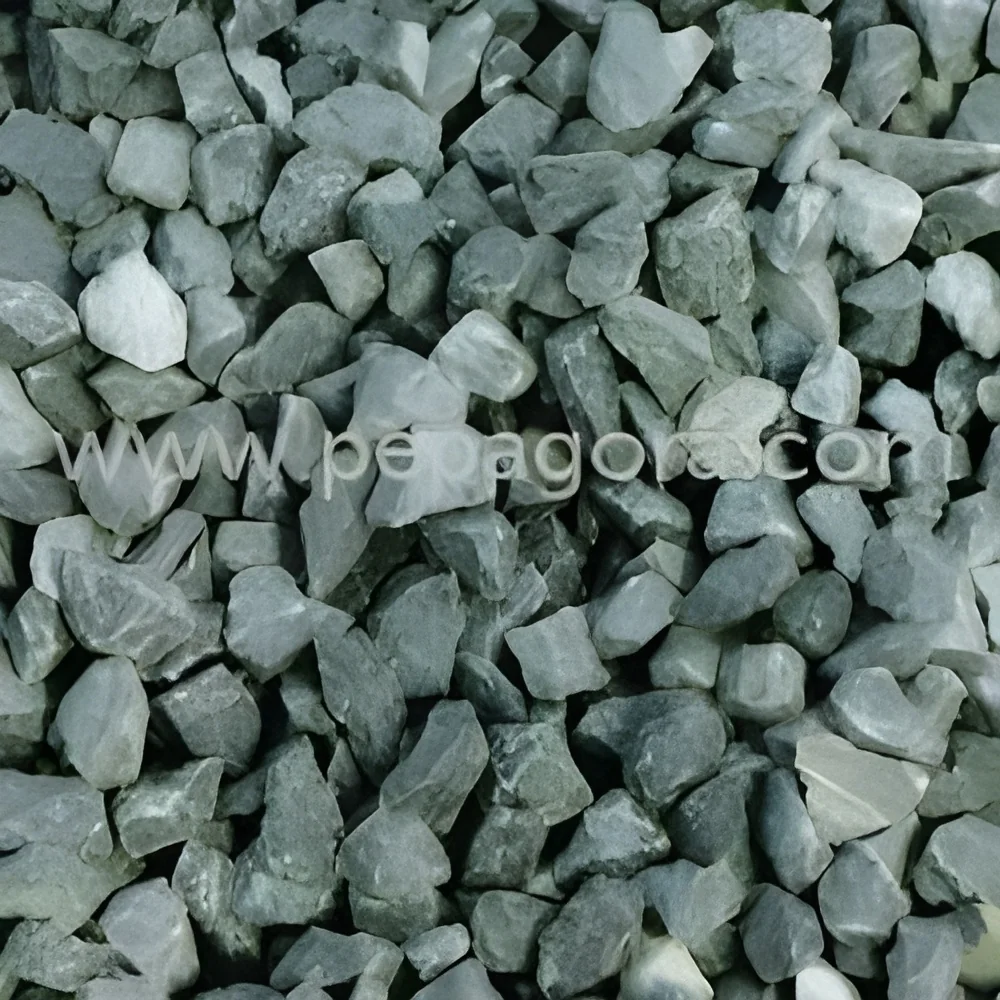
Key Features and Specifications
Crushed gravel (10mm, 20mm, 40mm) is known for its durability, versatility, and ease of use in various applications. Each size offers unique specifications that cater to different needs. Understanding these features is crucial for selecting the right type for specific projects.
Key specifications include:
1. Particle Size Distribution
- 10mm: Ideal for landscaping and drainage applications
- 20mm: Commonly used for concrete production and as a base material
- 40mm: Suitable for large-scale construction and road base
2. Shape and Texture
- Angular particles for better compaction
- Rough surface texture enhances interlocking properties
3. Cleanliness
- Low silt and clay content to ensure good drainage
- Must meet cleanliness standards for certain applications
4. Density
- Varies based on size, typically around 1.5 to 1.8 tons per cubic meter
5. Load Bearing Capacity
- High load-bearing capabilities, particularly in larger sizes
6. Compression Strength
- Meets industry standards to ensure durability and stability
7. Color Options
- Natural stone colors ranging from gray to brown, depending on the source
8. Moisture Content
- Typically low moisture retention, making it suitable for various climates
In summary, the specifications of crushed gravel make it a reliable choice for numerous construction and landscaping applications. Understanding these features will help buyers make informed decisions.
Common Applications and Use Cases
Crushed gravel (10mm, 20mm, 40mm) is utilized across multiple industries, reflecting its adaptability and effectiveness in various settings.
1. Construction: Used as a foundational material for roads, driveways, and building sites, ensuring structural integrity.
2. Landscaping: Ideal for decorative features, drainage solutions, and pathways, providing both aesthetic appeal and functionality.
3. Concrete Production: Serves as a key aggregate component, enhancing the strength and durability of concrete mixes.
4. Erosion Control: Utilized in drainage systems and retaining walls, helping to manage water flow and prevent soil erosion.
5. Road Building: Essential for sub-base and base layers in road construction, contributing to overall road stability.
6. Railways: Employed as ballast to support railway ties, providing stability and drainage for tracks.
7. Sports Facilities: Used in the construction of running tracks and sports fields, offering a stable surface.
In conclusion, the diverse applications of crushed gravel highlight its significance in various sectors, making it a staple in the construction and landscaping industries.
Product Variants and Subcategories
Crushed gravel comes in various sizes and types to meet specific project requirements. Each variant is designed for particular applications, ensuring optimal performance.
10mm Crushed Gravel: This smaller size is ideal for landscaping, providing an attractive finish for flower beds and pathways. Its drainage capabilities make it a popular choice for gardens.
20mm Crushed Gravel: Commonly used for concrete production, this variant provides a balanced combination of strength and workability. It is also suitable as a base material for driveways and foundations.
40mm Crushed Gravel: This larger size is preferred for heavy-duty applications, such as road base and large construction projects. Its load-bearing capacity makes it suitable for industrial uses.
The availability of these variants allows buyers to select the right crushed gravel based on their specific project needs.
Benefits and Advantages
Crushed gravel (10mm, 20mm, 40mm) offers several benefits that make it a preferred choice in construction and landscaping projects.
1. Versatility: Suitable for numerous applications, including landscaping, concrete production, and road construction.
2. Cost-Effectiveness: Generally affordable compared to other materials, making it a budget-friendly option for large projects.
3. Durability: High load-bearing capacity and resistance to weather conditions ensure long-lasting performance.
4. Eco-Friendly: Can be sourced locally, reducing transportation costs and environmental impact.
5. Easy Installation: The angular shape of crushed gravel allows for easy handling and quick installation in various applications.
6. Good Drainage Properties: Effective in managing water flow, minimizing erosion and standing water issues.
In summary, the benefits of crushed gravel make it an attractive choice for a wide range of projects, appealing to both contractors and end-users.
Buying Guide for B2B Buyers
When sourcing crushed gravel (10mm, 20mm, 40mm), it is essential for buyers to consider several key factors to ensure they make the right choice.
1. Quality Assessment: Look for consistent particle size and cleanliness. Quality crushed gravel should meet specific standards for durability and performance.
2. Supplier Verification: Vet potential suppliers by checking their reputation, certifications, and experience in the industry to ensure reliability.
3. Pricing and MOQ: Understand the pricing structure and minimum order quantities (MOQ) to find a supplier that fits your budget and project scale.
4. Delivery and Lead Times: Discuss logistics with suppliers to ensure timely delivery and understand lead times for larger orders.
5. Compliance Requirements: Ensure that the product meets all regulatory standards and certifications, such as CE, relevant to your industry and location.
By considering these factors, B2B buyers can make informed decisions when purchasing crushed gravel.
Compliance and Certifications
Crushed gravel (10mm, 20mm, 40mm) must adhere to various quality and safety standards to ensure its suitability for construction and industrial applications.
Relevant quality standards include ISO 9001, which sets criteria for a quality management system, ensuring consistent product quality. Compliance with such standards indicates that the product meets international quality expectations.
Industry certifications, such as CE certification, demonstrate that the crushed gravel meets specific European safety and environmental requirements. This certification is crucial for buyers in regions that mandate compliance with stringent regulations.
Safety and testing requirements are also essential to ensure that the gravel is free from harmful contaminants and meets performance specifications. Regular testing for particle size, cleanliness, and load-bearing capacity helps maintain product quality.
Regional compliance considerations may vary, and it is important for buyers to be aware of local regulations governing construction materials. Compliance with these regulations is essential for successful project implementation and avoiding potential legal issues.
Why Source Crushed Gravel (10mm, 20mm, 40mm) from Pepagora?
Pepagora provides a trusted platform for sourcing crushed gravel (10mm, 20mm, 40mm) with several key advantages that cater to the needs of B2B buyers.
Verified Supplier Network: Pepagora ensures that all suppliers in its network are thoroughly vetted, providing buyers with confidence in the quality and reliability of the products offered. This verification process helps eliminate concerns about sourcing materials from unknown or unreliable sources.
Streamlined RFQ Process: The request for quotation (RFQ) process on Pepagora is designed to be efficient and user-friendly. Buyers can easily submit their requirements and receive competitive quotes from multiple suppliers, allowing for informed decision-making.
Trade Assurance and Support: Pepagora offers trade assurance to protect buyers throughout the sourcing process. This includes support for logistics and dispute resolution, ensuring a smooth transaction experience.
Regional Coverage: Pepagora’s platform extends across India, the GCC, and Southeast Asia, enabling buyers to access local suppliers and materials. This geographic reach helps in reducing transportation costs and improving delivery times.
In conclusion, sourcing crushed gravel from Pepagora provides a comprehensive solution for B2B buyers, ensuring quality, efficiency, and support throughout the purchasing process.

 IN
IN
 India
India