
 IN
Continuously Variable Transmissions (CVT)
34 products available
Key Features and Specifications
Continuously Variable Transmissions are designed with several key features that enhance their performance and application versatility. These features contribute to their popularity across various industries.
Key specifications include:
1. Gear Ratio Range
- CVTs offer a wide and adaptable gear ratio range, allowing for smooth transitions in power delivery.
- Typical ranges can vary from 2.5:1 to 7:1, depending on the design and application.
2. Efficiency Rating
- High efficiency ratings are a hallmark of CVT technology, often exceeding 90% in optimal conditions.
- This efficiency translates into reduced fuel consumption and lower emissions.
3. Weight
- Many CVTs are lightweight compared to traditional automatic transmissions, which aids in vehicle performance.
- Weights typically range from 30 to 50 pounds, depending on the size and application.
4. Construction Material
- CVTs are often constructed from advanced materials such as aluminum alloys and composite materials, enhancing durability.
- These materials also contribute to weight reduction.
5. Control Mechanism
- CVTs utilize hydraulic or electronic controls for precise adjustments in belt tension and gear ratio.
- This control mechanism allows for quick adaptation to driving conditions.
6. Maintenance Requirements
- CVTs generally require less maintenance than traditional transmissions, although regular fluid checks are necessary.
- Recommended fluid change intervals typically range from 30,000 to 60,000 miles.
7. Operating Temperature Range
- CVTs are designed to operate effectively in various temperature ranges, generally between -20°C to 100°C.
- This range ensures reliability in different environmental conditions.
8. Certification
- Many CVTs are certified under industry standards such as CE, ensuring compliance with safety and environmental regulations.
In summary, the diverse specifications and features of CVTs make them suitable for a wide range of applications while promoting efficiency and performance.
Common Applications and Use Cases
Continuously Variable Transmissions have a broad spectrum of applications across multiple industries.
1. Automotive Industry: CVTs are widely used in passenger vehicles, especially hybrids and compact cars, where they enhance fuel efficiency and provide a smooth driving experience.
2. Agricultural Machinery: In farming equipment, CVTs allow for better torque management, enabling tractors and harvesters to operate efficiently under varying loads.
3. Industrial Equipment: Many industrial machines utilize CVTs for their flexibility and efficiency in applications such as conveyors and material handling systems.
4. Motorcycles and Scooters: CVTs are prevalent in two-wheeled vehicles, providing ease of operation and improved fuel efficiency.
5. Robotics: In robotics, CVTs support precise movement control, allowing for smooth transitions and adaptability in dynamic environments.
6. Marine Applications: Some boats and marine vehicles employ CVTs for better acceleration and fuel efficiency in varying water conditions.
7. Electric Vehicles: Emerging technologies in electric vehicles often incorporate CVTs to optimize performance and range.
Product Variants and Subcategories
Continuously Variable Transmissions come in a variety of forms, catering to different performance needs and application requirements.
Hydraulic CVT
This variant uses hydraulic fluid to transmit power and adjust gear ratios. It is often employed in vehicles requiring high torque and smooth acceleration.
Electronic CVT
Electronic CVTs utilize advanced control systems to manage gear ratios precisely. They are commonly found in modern hybrid vehicles, enhancing efficiency.
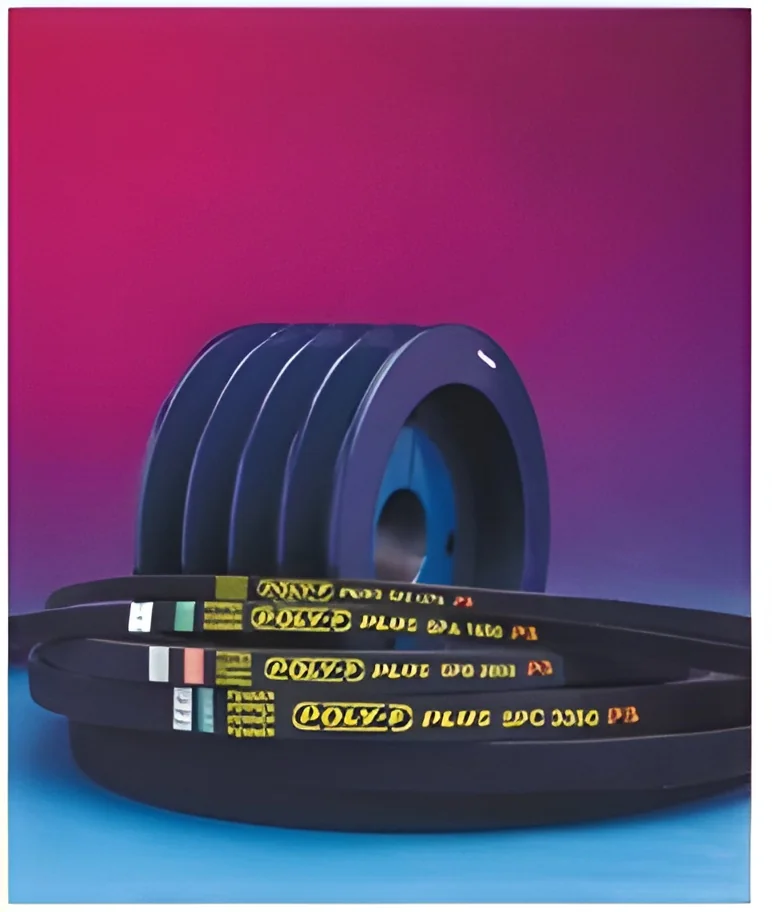
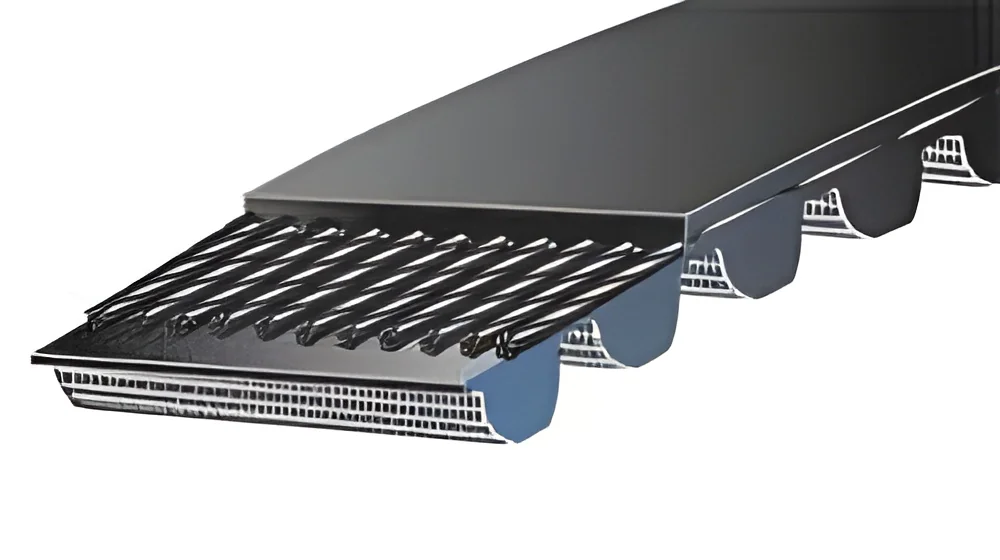
Belt CVT
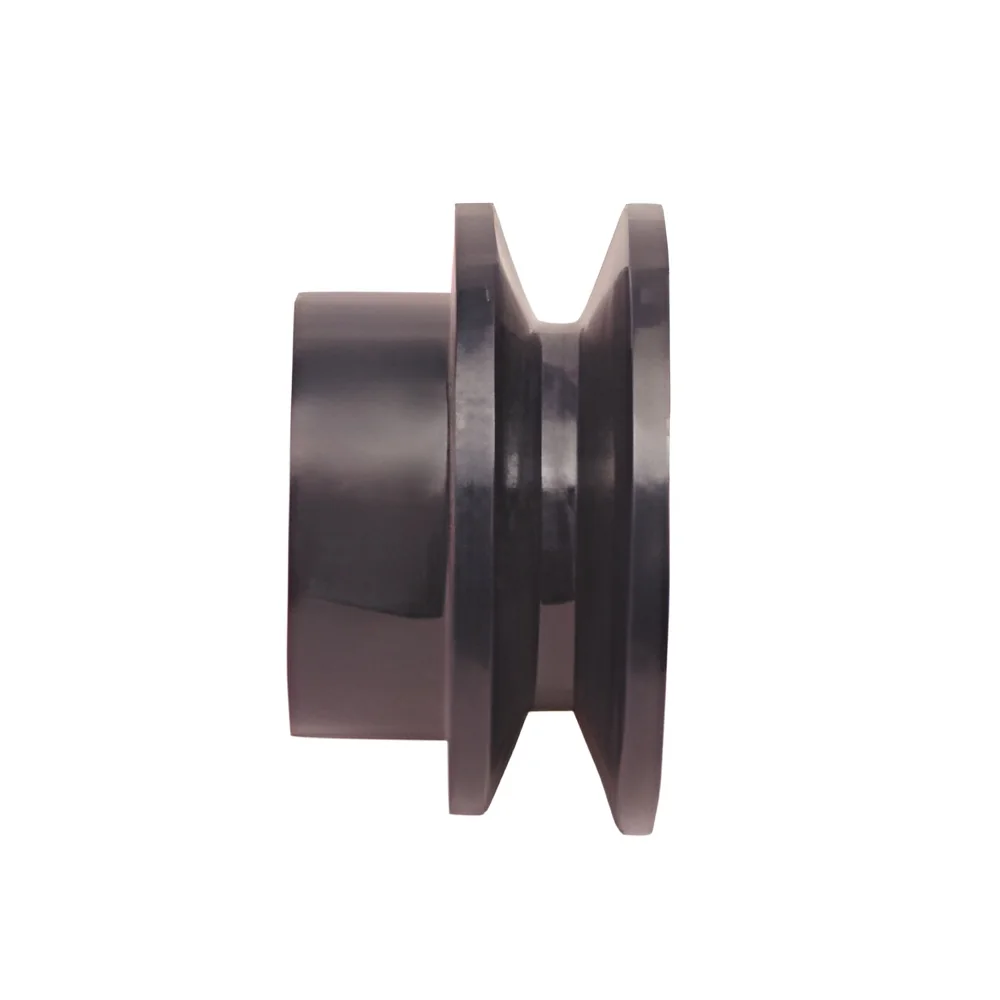
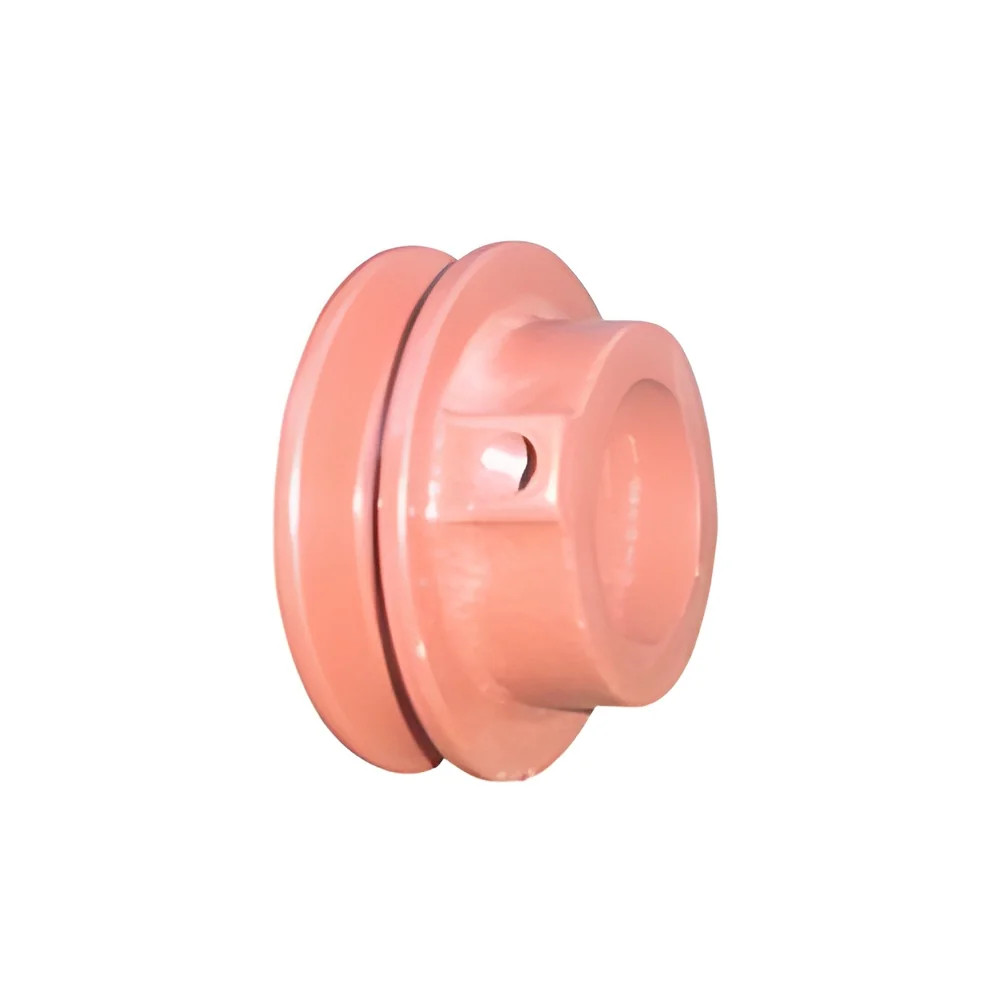
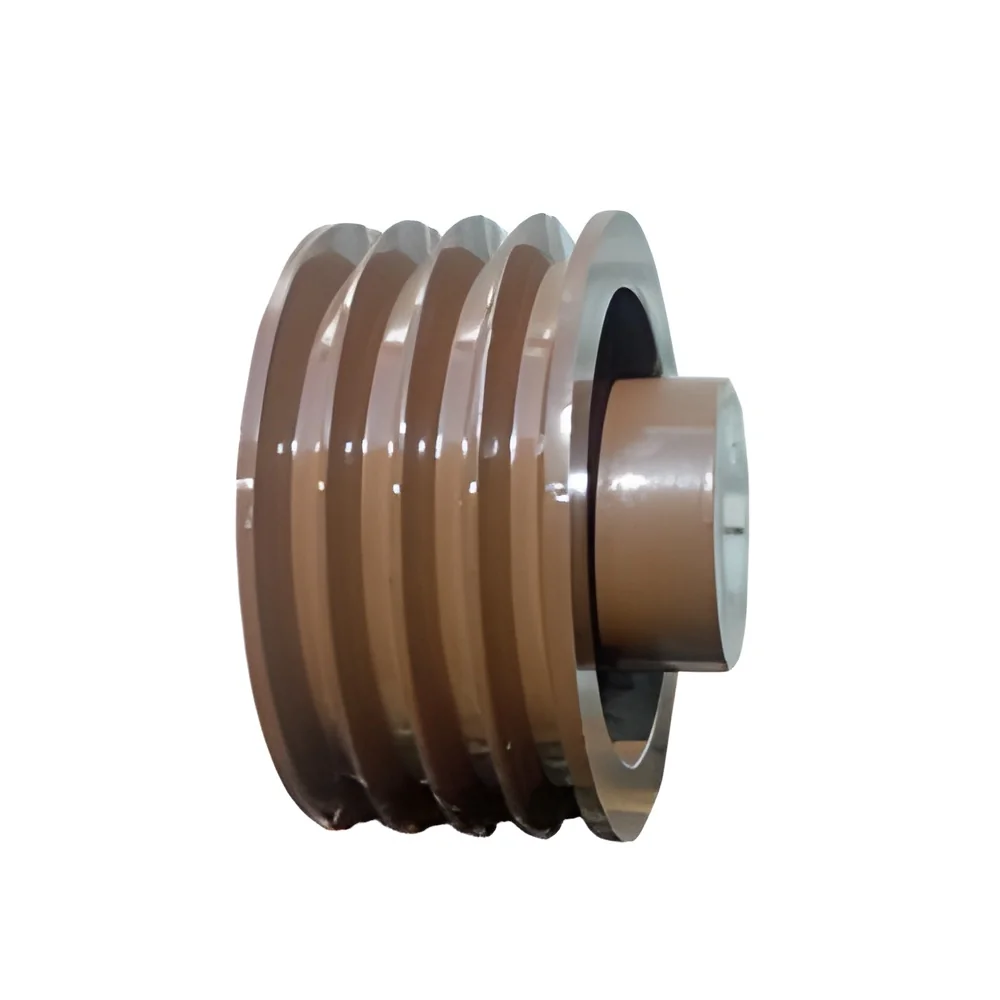
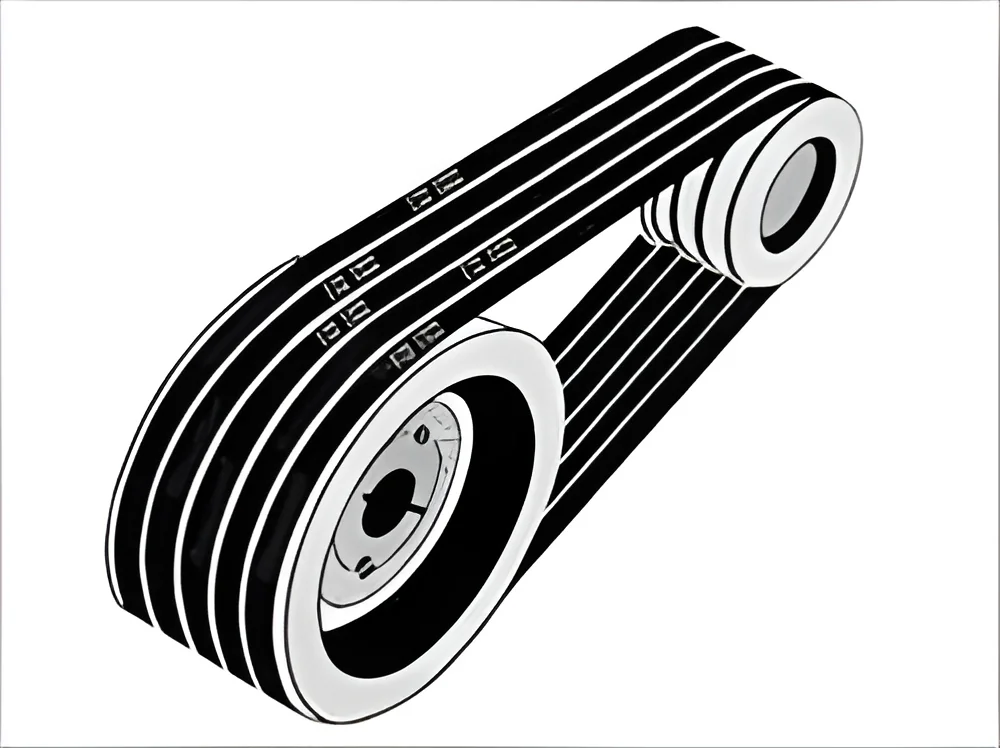
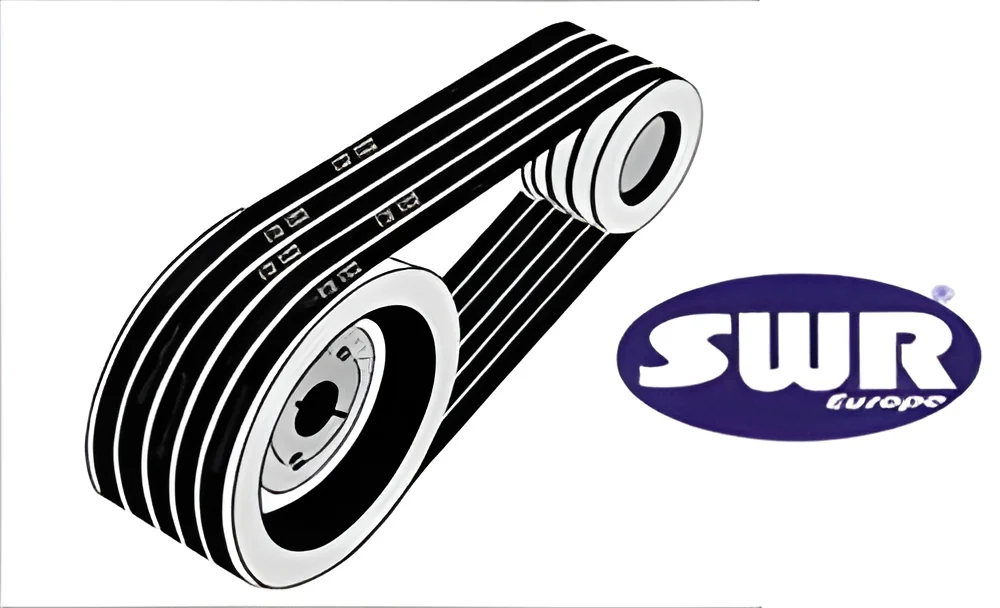
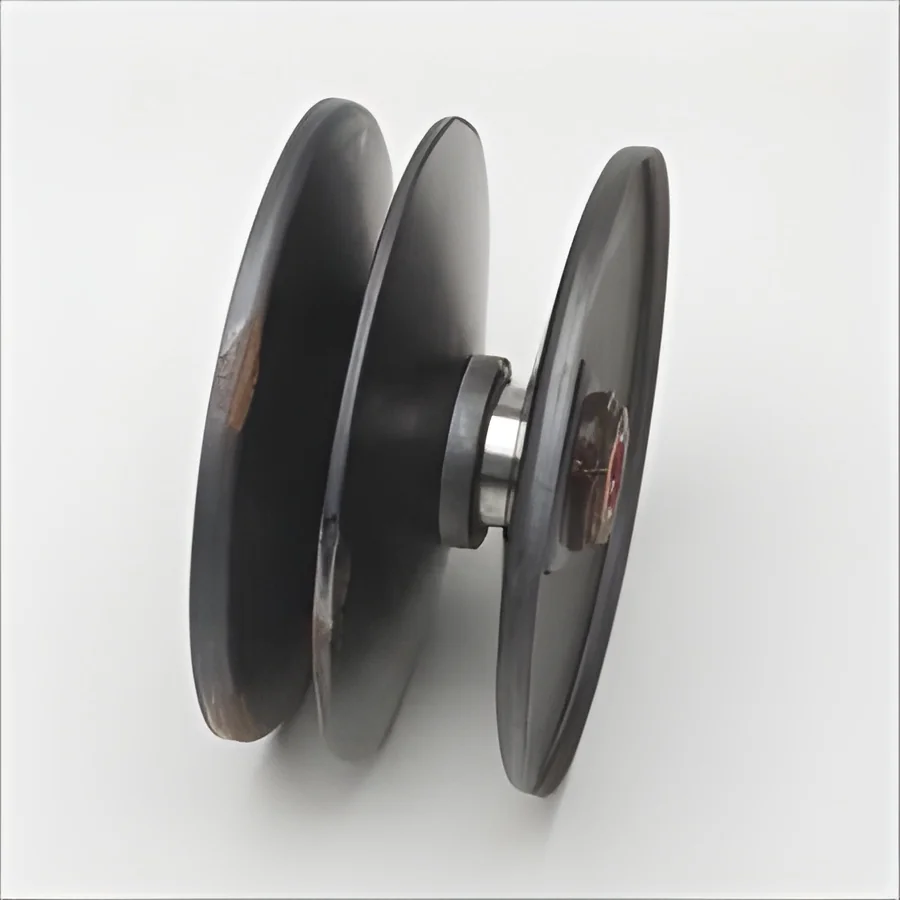
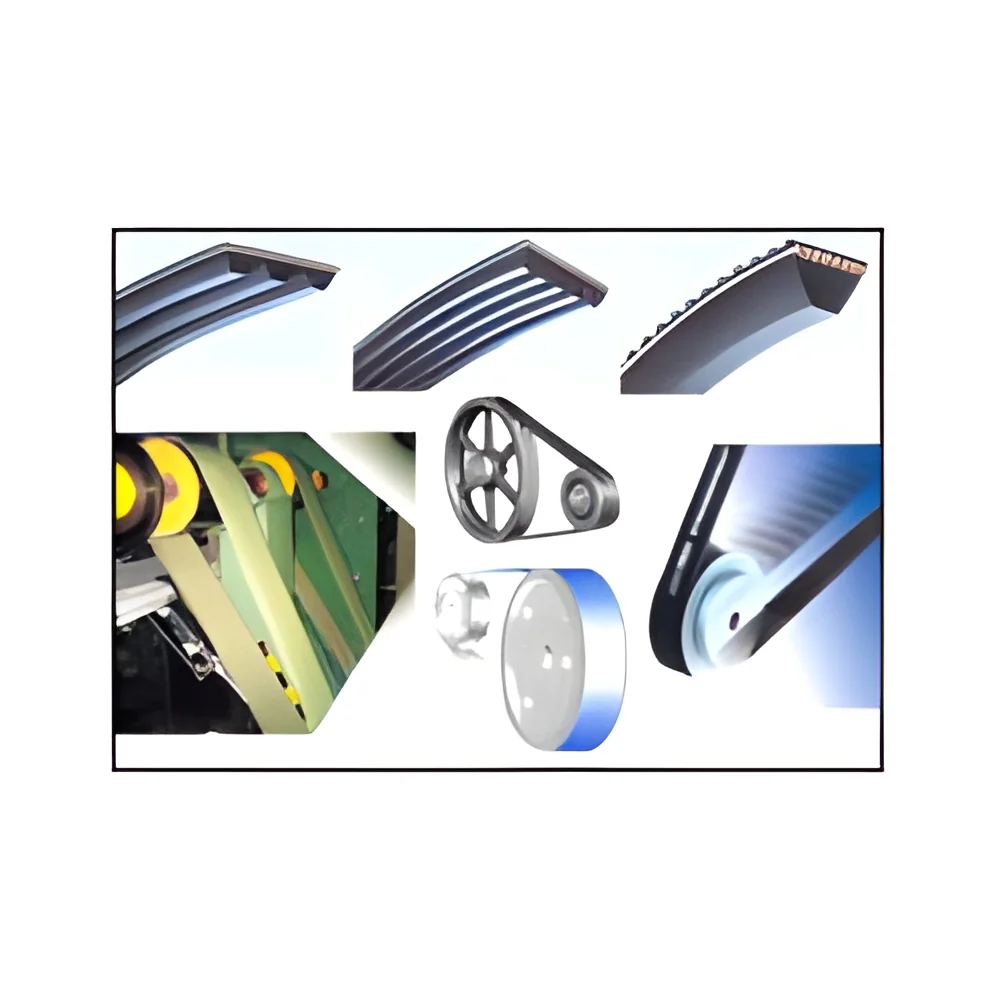
Belt CVTs use a system of belts and pulleys to achieve variable gear ratios. These are popular in scooters and small motorcycles due to their lightweight design.
Chain CVT
Chain CVTs offer robust performance and are often used in heavier machinery or vehicles that require more strength and durability in power transmission.
Benefits and Advantages
Continuously Variable Transmissions offer numerous benefits that make them an attractive choice for various applications.
Key benefits include:
1. Improved Fuel Efficiency: CVTs optimize engine performance, leading to significant fuel savings over traditional transmission systems.
2. Smooth Operation: The seamless transition between gear ratios ensures a smoother driving experience without the jolts of shifting gears.
3. Reduced Emissions: Enhanced engine efficiency translates into lower emissions, supporting environmental sustainability initiatives.
4. Versatile Applications: CVTs can be adapted for use in various vehicles and machinery, from cars to industrial equipment.
5. Lower Maintenance Costs: With their reduced wear and tear, CVTs often incur lower long-term maintenance costs compared to traditional transmissions.
6. Enhanced Performance: The ability to maintain optimal engine speed provides better acceleration and overall vehicle performance.
Buying Guide for B2B Buyers
When sourcing Continuously Variable Transmissions (CVT), it is essential to consider several factors that can impact your purchasing decision.
1. Quality Assessment: Evaluate the quality of the CVT by reviewing manufacturer specifications, certifications, and performance data. Reliable suppliers will provide documented evidence of testing and quality assurance measures.
2. Supplier Verification: Vet potential suppliers thoroughly to ensure they have a proven track record. Look for client testimonials, industry experience, and adherence to recognized quality standards.
3. Pricing and MOQ: Understand the pricing structure and minimum order quantities (MOQ) of the CVTs you are interested in. Compare quotes from multiple suppliers to ensure you receive a competitive offer.
4. Delivery and Lead Times: Consider logistics and delivery timelines when planning your purchase. Confirm lead times with suppliers to ensure they align with your operational schedules.
5. Compliance Requirements: Ensure the CVTs meet any industry-specific compliance and regulatory requirements. Familiarize yourself with relevant standards to avoid future complications.
Compliance and Certifications
Continuously Variable Transmissions must adhere to various compliance standards to ensure quality and safety.
Relevant quality standards such as ISO 9001 ensure that manufacturers meet international quality management principles. This certification reflects a company's commitment to consistent performance and customer satisfaction.
Industry certifications like CE are crucial for CVTs, particularly in markets that prioritize safety and environmental considerations. CE marking indicates that the product meets EU safety, health, and environmental requirements.
Safety and testing requirements for CVTs often involve rigorous assessments to ensure reliability under various conditions. Manufacturers typically conduct performance testing and durability evaluations to validate their products.
Regional compliance considerations may also affect the sourcing of CVTs, especially when dealing with international suppliers. Understanding local regulations can help ensure that your chosen CVTs meet all necessary legal standards.
Why Source Continuously Variable Transmissions (CVT) from Pepagora?
Pepagora offers a reliable platform for sourcing Continuously Variable Transmissions (CVT), ensuring a seamless purchasing experience.
Verified Supplier Network: Pepagora connects buyers with a network of verified suppliers, enhancing trust and transparency in the sourcing process. Each supplier undergoes thorough vetting to ensure they meet quality and reliability standards.
Streamlined RFQ Process: The Request for Quotation (RFQ) process at Pepagora is designed to be user-friendly. Buyers can easily submit requests and receive competitive quotes from multiple suppliers, saving time and effort.
Trade Assurance and Support: Pepagora provides trade assurance measures to protect buyers, ensuring they receive their products as expected. Support is available throughout the purchasing journey, assisting with any inquiries or issues.
Regional Coverage: With a strong presence in India, the GCC, and Southeast Asia, Pepagora offers extensive regional coverage. This geographic reach allows buyers to access a diverse range of suppliers and products tailored to their specific needs.

 India
 India

 India
 India
 India
 India
 India
 India

Frequently Asked Questions
What are Continuously Variable Transmissions (CVT)?
Continuously Variable Transmissions (CVT) are a type of automatic transmission that can change seamlessly through a continuous range of effective gear ratios. Unlike traditional transmissions that use a fixed number of gears, CVTs provide smoother acceleration and improved fuel efficiency by allowing the engine to operate at its optimal RPM.
What are the different types of Continuously Variable Transmissions (CVT)?
There are several types of Continuously Variable Transmissions (CVT), including belt-driven CVTs, chain-driven CVTs, and toroidal CVTs. Each type uses different mechanisms to achieve variable gear ratios, with belt-driven CVTs being the most common in automotive applications.
How do I choose the right Continuously Variable Transmissions (CVT)?
Choosing the right Continuously Variable Transmission (CVT) involves considering factors such as the vehicle's engine size, power requirements, and intended use. Additionally, reviewing manufacturer specifications and compatibility with existing systems is essential to ensure optimal performance.
What are the standard specifications for Continuously Variable Transmissions (CVT)?
Standard specifications for Continuously Variable Transmissions (CVT) typically include parameters such as input torque capacity, gear ratio range, efficiency ratings, and weight. These specifications can vary based on the application, so it is important to refer to specific models for accurate data.
What is the price range for Continuously Variable Transmissions (CVT)?
The price range for Continuously Variable Transmissions (CVT) can vary widely depending on the type, manufacturer, and application. Generally, prices can range from a few thousand to several lakhs in Indian Rupees, depending on the specifications and features required.
What quality standards apply to Continuously Variable Transmissions (CVT)?
Quality standards for Continuously Variable Transmissions (CVT) often include compliance with ISO and SAE standards, as well as manufacturer-specific guidelines. These standards ensure reliability, durability, and performance consistency across various applications.
Where can I find Continuously Variable Transmissions (CVT) suppliers in India?
You can find Continuously Variable Transmissions (CVT) suppliers in India through various online B2B marketplaces, trade directories, and industry exhibitions. Additionally, networking with automotive industry professionals can also provide leads on reputable suppliers.
Can Continuously Variable Transmissions (CVT) be customized?
Yes, Continuously Variable Transmissions (CVT) can often be customized to meet specific performance requirements or fit unique vehicle designs. Customization may include adjustments to gear ratios, materials used, and additional features tailored to the application.
What is the typical minimum order quantity for Continuously Variable Transmissions (CVT)?
The typical minimum order quantity (MOQ) for Continuously Variable Transmissions (CVT) can vary by supplier and specific product. Generally, MOQs may range from a single unit for small-scale orders to several units for bulk purchases.
What is the typical lead time for Continuously Variable Transmissions (CVT)?
The typical lead time for Continuously Variable Transmissions (CVT) varies based on factors such as the supplier, customization requirements, and order quantity. Standard lead times can range from a few days to several weeks, depending on the availability of parts and manufacturing schedules.
Why Businesses Trust Pepagora
Thousands of companies trust Pepagora to source smarter and sell faster
Expand Your Sales Globally

Source Smarter,Grow Faster
