
 IN
Concrete Vibrators
4 products available
What are Concrete Vibrators?
Concrete vibrators are specialized tools designed to eliminate air bubbles and ensure the proper consolidation of concrete mixtures during the pouring process. These devices work by vibrating the concrete, allowing it to flow more freely and fill molds or forms effectively. The primary goal of using concrete vibrators is to enhance the density and structural integrity of the concrete, resulting in a smoother finish and improved durability.
Concrete vibrators are predominantly used in the construction industry, particularly in projects involving the pouring of concrete slabs, foundations, walls, and other structural components. By ensuring thorough mixing and placement of the concrete, these tools play a crucial role in achieving optimal strength and longevity of the structures. The relevance of concrete vibrators extends across various sectors, including residential, commercial, and industrial construction, highlighting their importance in the modern construction landscape.
Key Features and Specifications
Concrete vibrators come with a variety of features that enhance their performance and usability. Understanding these specifications is vital for selecting the right model for your projects.
Key specifications include:
1. Power Source
- Electric or gas-powered options
- Power ratings ranging from 500 to 2,500 watts
2. Vibration Frequency
- Typically between 10,000 to 20,000 vibrations per minute
- Adjustable settings for different concrete mixtures
3. Amplitude
- Varies from 0.5 to 2.0 millimeters
- Influences the effectiveness of air bubble removal
4. Weight
- Range from 4 kg to 15 kg depending on the model
- Considerations for portability and ease of use
5. Shaft Length
- Common lengths from 1 meter to 3 meters
- Longer shafts allow for deeper pours
6. Noise Level
- Usually operates between 70 to 90 dB
- Important for compliance with noise regulations
7. Durability
- Constructed with high-quality materials
- Resistant to wear and tear from concrete exposure
8. Warranty
- Most models come with a warranty period of 1 to 3 years
- Provides assurance of product reliability
Concrete vibrators significantly enhance the quality of concrete applications, making them an essential tool in modern construction practices.
Common Applications and Use Cases
Concrete vibrators are versatile instruments used across various industries to optimize concrete placement and quality.
1. Construction: In residential and commercial projects, vibrators help ensure that concrete is properly compacted, reducing the risk of cracks and voids.
2. Infrastructure: For roads, bridges, and other large-scale infrastructure projects, concrete vibrators ensure high-quality, durable pours that can withstand heavy loads.
3. Precast Concrete: In manufacturing precast elements, vibrators facilitate the production of uniform and robust concrete blocks, panels, and beams.
4. Foundations: Effective use of vibrators during foundation pours enhances the stability and integrity of buildings and structures.
5. Decorative Concrete: In applications like stamped or stained concrete, vibrators help achieve a smooth finish, ensuring aesthetic quality.
6. Industrial Flooring: For warehouses and factories, vibrators assist in creating flat and even surfaces that can support heavy machinery.
7. Retaining Walls: In constructing retaining walls, proper consolidation of concrete is crucial to prevent structural failures.
Product Variants and Subcategories
Concrete vibrators come in various types, each designed for specific applications and user needs.
Electric Concrete Vibrators
These models are powered by electricity, making them suitable for indoor use and smaller projects. They typically offer consistent power levels and are easier to operate in confined spaces.
Gas-Powered Concrete Vibrators
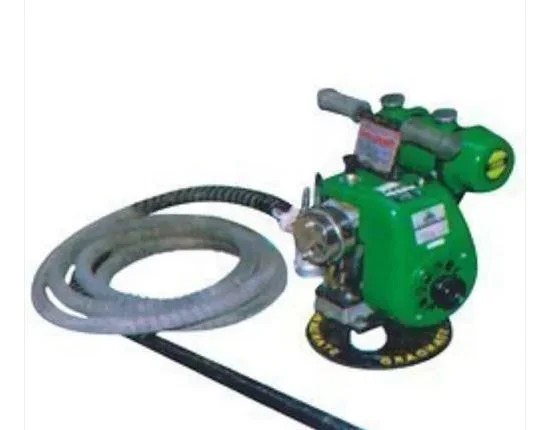
These are ideal for larger outdoor jobs where electricity may not be readily available. Gas-powered options provide greater mobility and higher power outputs, making them suitable for extensive concrete pouring tasks.
Internal Vibrators
Internal vibrators are submerged into the concrete mix and are effective for deep pours. They are commonly used in foundations and large structural elements to ensure thorough consolidation.
External Vibrators
External models are attached to the outside of forms and are often used for precast applications. They provide a steady vibration to the concrete without needing to be submerged.
Benefits and Advantages
Concrete vibrators offer numerous advantages that contribute to improved construction outcomes.
1. Enhanced Concrete Quality: By effectively removing air pockets, vibrators improve the density and strength of the concrete.
2. Reduced Risk of Cracking: Proper consolidation helps prevent shrinkage cracks and voids, leading to a more durable structure.
3. Improved Aesthetic Finish: Vibrators contribute to a smoother surface, enhancing the appearance of concrete finishes.
4. Increased Productivity: Quick and efficient vibration processes enable faster project completion times.
5. Versatility: Available in various forms, concrete vibrators can be used in different applications, from small residential pours to large infrastructure projects.
6. Cost-Effectiveness: Investing in quality concrete vibrators can lead to long-term savings by reducing the need for repairs and maintenance.
Buying Guide for B2B Buyers
When looking to purchase concrete vibrators, there are several critical factors to consider to ensure you make an informed decision.
1. Quality Assessment: Evaluate the build quality and materials used in the vibrators. Look for durability and performance ratings to ensure reliability in demanding conditions.
2. Supplier Verification: Research and vet suppliers to ensure they provide quality products and reliable service. Check for reviews and testimonials from other B2B buyers.
3. Pricing and MOQ: Understand the pricing structure and minimum order quantities. Consider your budget and projected usage to determine the best purchasing options.
4. Delivery and Lead Times: Discuss logistics with suppliers to understand delivery schedules and lead times. Timely delivery is crucial for project planning.
5. Compliance Requirements: Be aware of industry standards and certifications relevant to concrete vibrators, ensuring that the products meet regulatory requirements for safety and performance.
Compliance and Certifications
Concrete vibrators must adhere to several compliance and certification standards to ensure they meet industry safety and quality benchmarks.
ISO 9001 is a key quality standard that governs the production and manufacturing processes of concrete vibrators, ensuring consistency and reliability in performance.
Moreover, CE certification indicates that the product meets European safety, health, and environmental protection standards. It is essential for manufacturers and suppliers targeting markets in Europe.
Safety and testing requirements include rigorous assessments to verify that the vibrators can operate safely under various conditions.
Regional compliance considerations may also vary, so it is crucial for buyers to familiarize themselves with local regulations that govern construction equipment and tools.
Why Source Concrete Vibrators from Pepagora?
Pepagora is an established platform for sourcing concrete vibrators, offering a variety of advantages that simplify the procurement process.
Verified Supplier Network: Pepagora connects buyers with a network of verified suppliers, ensuring that every vendor meets quality standards and reliability benchmarks. This verification process builds trust and confidence in your purchasing decisions.
Streamlined RFQ Process: The request for quotation (RFQ) system on Pepagora allows buyers to easily compare offers from multiple suppliers. This efficiency helps in making informed choices based on price, quality, and delivery terms.
Trade Assurance and Support: Pepagora provides trade assurance, protecting buyers against potential issues during the transaction. The platform also offers customer support to assist with any queries or concerns.
Regional Coverage: With a strong presence in India, the GCC, and Southeast Asia, Pepagora caters to a diverse range of customers. This geographical reach ensures that buyers can find suitable products and suppliers that meet their specific needs and requirements.

 India
 India
Frequently Asked Questions
What are Concrete Vibrators?
Concrete Vibrators are mechanical devices used to eliminate air bubbles and ensure the uniform distribution of concrete during pouring. They help in achieving a dense and strong concrete mix by vibrating the concrete, allowing it to settle into the desired shape and form.
What are the different types of Concrete Vibrators?
The main types of Concrete Vibrators include internal vibrators, external vibrators, and surface vibrators. Internal vibrators are inserted directly into the concrete, while external vibrators are attached to the formwork. Surface vibrators are used on the top layer of concrete to ensure a smooth finish.
How do I choose the right Concrete Vibrators?
When selecting Concrete Vibrators, consider the type of project, the size of the concrete pour, and the specific requirements for compaction. It's also important to evaluate the vibratory frequency and amplitude to ensure compatibility with the concrete mix.
What are the standard specifications for Concrete Vibrators?
Standard specifications for Concrete Vibrators typically include power output, frequency, and amplitude of vibration. Additionally, the build quality, ease of operation, and safety features should be considered to ensure optimal performance.
What is the price range for Concrete Vibrators?
The price range for Concrete Vibrators varies widely depending on the type, brand, and specifications. Generally, you can expect prices to range from a few thousand to several tens of thousands of Indian Rupees.
What quality standards apply to Concrete Vibrators?
Concrete Vibrators should comply with relevant industry standards such as ISI (Indian Standards Institute) and ISO certifications. These standards ensure that the vibrators are safe, efficient, and durable for construction applications.
Where can I find Concrete Vibrators suppliers in India?
You can find Concrete Vibrators suppliers in India through online B2B marketplaces like Pepagora, trade fairs, and construction equipment distributors. It's advisable to compare multiple suppliers to find the best options in terms of quality and pricing.
Can Concrete Vibrators be customized?
Yes, many manufacturers offer customization options for Concrete Vibrators to meet specific project requirements. Customizations may include modifications in size, power specifications, or additional features based on the client's needs.
What is the typical minimum order quantity for Concrete Vibrators?
The typical minimum order quantity (MOQ) for Concrete Vibrators can vary by supplier and model. Generally, MOQs range from one unit to several units, depending on the manufacturer's policies and production capabilities.
What is the typical lead time for Concrete Vibrators?
The typical lead time for Concrete Vibrators can range from a few days to several weeks, depending on the supplier's inventory and production schedule. It's recommended to confirm lead times with the supplier when placing an order.
Why Businesses Trust Pepagora
Thousands of companies trust Pepagora to source smarter and sell faster
Expand Your Sales Globally

Source Smarter,Grow Faster
