
 IN
Concrete Grinders
2 products available
What are Concrete Grinders?
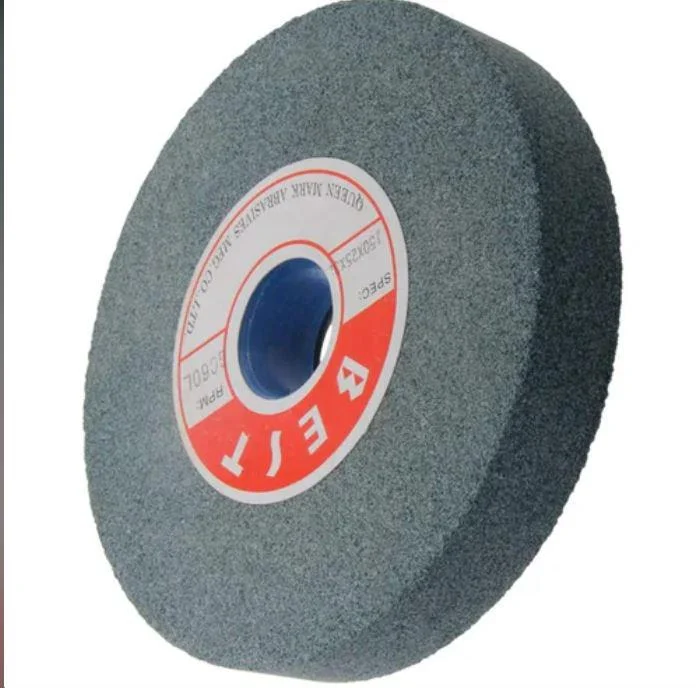
Concrete grinders are specialized tools used for surface preparation and finishing of concrete surfaces. They operate by utilizing rotating diamond blades or grinding wheels to remove layers of concrete, which helps in smoothing rough surfaces, removing coatings, and leveling uneven floors. These machines are available in various sizes and types, making them suitable for both small-scale projects and large industrial applications.
The primary uses of concrete grinders include preparing surfaces for new flooring, polishing concrete for aesthetic purposes, and repairing damaged concrete surfaces. They are commonly employed in construction, renovation, and maintenance projects across various industries such as manufacturing, retail, and hospitality. With the increasing demand for polished concrete floors, concrete grinders have become essential tools in the construction industry, ensuring durability and an appealing finish.
As the market for commercial and residential flooring solutions continues to evolve, the relevance of concrete grinders has grown significantly. The push for sustainability and enhanced aesthetics in concrete applications has led to advancements in grinder technology, making them more efficient and user-friendly. The industry's focus on quality and performance has driven manufacturers to develop innovative concrete grinding solutions that meet the needs of various business sectors.
Key Features and Specifications
Concrete grinders come equipped with several key features that enhance their performance and usability. Understanding these specifications is crucial for businesses looking to invest in the right equipment.
Key specifications include:
1. Grinding Width
- The width of the grinding head, typically ranging from 12 inches to 36 inches.
- Wider heads allow for faster coverage of larger areas.
2. Power Source
- Options include electric, gas, and propane-powered grinders.
- Electric models are often preferred for indoor use due to lower emissions.
3. RPM (Rotations Per Minute)
- The speed at which the grinding wheel rotates, usually between 1,000 and 2,500 RPM.
- Higher RPMs provide faster grinding but may require more operator skill.
4. Weight
- Ranges from lightweight models (around 100 lbs) to heavy-duty machines (over 1,000 lbs).
- Heavier models provide better stability during grinding.
5. Dust Control
- Many grinders feature integrated dust collection systems.
- Efficient dust control minimizes airborne particles and promotes a cleaner work environment.
6. Adjustable Grinding Pressure
- Some models allow operators to adjust the pressure applied to the grinding surface.
- This feature enhances versatility for different applications.
7. Diamond Tooling Options
- Grinders can use various diamond tooling depending on the required finish.
- Options include segmented, turbo, and polishing pads.
8. User Interface
- Many grinders now include digital controls or displays for ease of use.
- Intuitive interfaces simplify operation for users of all skill levels.
In summary, understanding the key features and specifications of concrete grinders is essential for making informed purchasing decisions. Each specification can significantly impact the performance and suitability of the grinder for specific applications.
Common Applications and Use Cases
Concrete grinders serve a wide array of industries, each benefiting from their unique capabilities.
1. Construction: In the construction industry, concrete grinders are used for surface preparation, ensuring that floors are level and ready for the installation of additional materials such as tiles or carpets.
2. Manufacturing: Factories often utilize concrete grinders to maintain smooth, clean floors that support heavy machinery and reduce wear and tear.
3. Retail: In retail spaces, polished concrete floors not only improve aesthetics but also offer durability against high foot traffic, making grinders essential for maintenance.
4. Hospitality: Hotels and restaurants use concrete grinders to create visually appealing floors that enhance the overall ambiance while being easy to clean and maintain.
5. Residential: Homeowners and contractors use concrete grinders for DIY projects or renovations, helping to achieve a polished finish on patios and driveways.
6. Warehousing: Large warehouses benefit from concrete grinding for maintaining flat surfaces, which is crucial for the safe operation of forklifts and other vehicles.
7. Public Infrastructure: Government projects often involve concrete grinding for sidewalks and bridges to ensure safety and longevity.
Product Variants and Subcategories
Concrete grinders are available in various variants to cater to different needs and applications.
Walk-Behind Grinders: These machines are designed for larger jobs and often feature wider grinding heads. They are suitable for commercial and industrial projects, providing efficiency and stability for extensive surface areas.
Handheld Grinders: Ideal for smaller, detailed jobs, handheld grinders offer greater maneuverability and precision. They are often used for edge work, corners, and tight spaces where larger machines cannot operate effectively.
Planetary Grinders: Known for their superior finish quality, planetary grinders feature multiple grinding heads that rotate in different directions. This design allows for faster grinding and polishing, making them suitable for high-end applications.
Benefits and Advantages
Investing in concrete grinders offers numerous benefits for businesses across various industries.
1. Improved Surface Quality: Concrete grinders create smooth and even surfaces, enhancing the overall quality of flooring and reducing maintenance needs.
2. Versatile Applications: With the ability to grind, polish, and restore concrete, these machines can be used for multiple applications, making them a valuable asset.
3. Cost-Effective Solution: By preparing and maintaining concrete surfaces effectively, businesses can save on repair costs and extend the lifespan of their flooring.
4. Enhanced Aesthetics: Polished concrete finishes provide a modern and appealing look, which can attract customers and improve the overall environment of a space.
5. Dust Control: Many concrete grinders come equipped with dust collection systems, promoting a cleaner workplace and improving air quality.
6. Increased Productivity: The efficiency of concrete grinders allows for quicker project completion, enabling businesses to take on more jobs and increase revenue.
Buying Guide for B2B Buyers
When sourcing concrete grinders, businesses should consider several key factors to ensure they make the right choice.
1. Quality Assessment: Evaluate the quality of the grinder by checking for durable materials and reliable performance history. Researching manufacturer reputation can also help in assessing quality.
2. Supplier Verification: It is crucial to vet suppliers for credibility and reliability. Look for reviews, certifications, and industry experience to ensure they can meet your needs.
3. Pricing and MOQ: Understand the pricing structures and minimum order quantities (MOQ) from suppliers. This will help in budgeting and ensuring that you receive competitive pricing.
4. Delivery and Lead Times: Consider logistics such as delivery times and shipping options. Timely delivery is essential for maintaining project schedules.
5. Compliance Requirements: Ensure that the grinders meet relevant industry standards and regulations. This includes safety certifications and environmental considerations that may apply to your location.
Compliance and Certifications
Concrete grinders are subject to various industry standards and certifications that ensure their quality and safety. Compliance with standards such as ISO 9001 indicates that the manufacturer follows quality management principles, ensuring consistent quality in their products.
Industry certifications like CE demonstrate that the equipment meets European safety and environmental requirements. This is particularly important for businesses operating in regions with strict regulatory frameworks.
Safety and testing requirements are critical, as they ensure that the grinders operate effectively without posing risks to users. Manufacturers often conduct rigorous testing to ensure that their products meet safety standards.
Regional compliance considerations may vary depending on the geographic area in which the equipment will be used. Buyers should be aware of local regulations that may impact their purchasing decisions.
Why Source Concrete Grinders from Pepagora?
Pepagora provides a trusted platform for sourcing concrete grinders, offering several key advantages for B2B buyers.
Verified Supplier Network: Pepagora maintains a network of verified suppliers that ensures quality and reliability. This helps businesses find trustworthy partners for their equipment needs.
Streamlined RFQ Process: The platform simplifies the request for quotation (RFQ) process, allowing buyers to easily compare offers from multiple suppliers and make informed decisions.
Trade Assurance and Support: Pepagora offers trade assurance and buyer protection, giving businesses peace of mind when making significant purchases. This support system enhances the overall buying experience.
Regional Coverage: With a strong presence in India, the GCC, and Southeast Asia, Pepagora enables businesses to access a wide range of concrete grinders tailored to their specific regional needs. This geographic reach ensures that buyers can find the right equipment for their market.


Frequently Asked Questions
What are Concrete Grinders?
Concrete grinders are industrial machines used to grind and polish concrete surfaces. They are equipped with rotating diamond blades or disks that effectively remove layers of concrete, making them ideal for surface preparation, leveling, and finishing.
What are the different types of Concrete Grinders?
There are several types of concrete grinders, including handheld grinders, floor grinders, and edge grinders. Handheld grinders are suitable for small jobs and corners, while floor grinders are designed for larger surfaces and heavier applications. Edge grinders are specifically designed to reach tight spaces and edges.
How do I choose the right Concrete Grinders?
Choosing the right concrete grinder depends on your specific project requirements. Consider the size of the area to be worked on, the type of finish desired, and the hardness of the concrete. Additionally, evaluate the power and weight of the grinder to ensure it suits your needs.
What are the standard specifications for Concrete Grinders?
Standard specifications for concrete grinders typically include power ratings (measured in watts or horsepower), grinding width, RPM (revolutions per minute), and weight. It's important to choose a model that matches the scope of your project and the concrete's characteristics.
What is the price range for Concrete Grinders?
The price range for concrete grinders can vary significantly based on the type and features. Handheld models may start from INR 15,000, while larger floor grinders can cost upwards of INR 1,00,000. It's advisable to compare features and specifications to find the best value.
What quality standards apply to Concrete Grinders?
Concrete grinders should comply with relevant quality standards such as ISO and CE certifications. These standards ensure that the grinders meet safety, performance, and reliability requirements, making them suitable for professional use.
Where can I find Concrete Grinders suppliers in India?
You can find concrete grinder suppliers in India through online B2B marketplaces like Pepagora. Additionally, industry trade shows and local hardware stores may also provide valuable contacts for reliable suppliers.
Can Concrete Grinders be customized?
Yes, many manufacturers offer customization options for concrete grinders. This may include modifications to the grinding wheels, power specifications, or additional features to meet specific project needs.
What is the typical minimum order quantity for Concrete Grinders?
The typical minimum order quantity (MOQ) for concrete grinders can vary by supplier. Generally, it ranges from one unit for small orders to larger quantities for bulk purchases, depending on the manufacturer's policies.
What is the typical lead time for Concrete Grinders?
The typical lead time for concrete grinders can range from a few days to several weeks, depending on the supplier's inventory and the complexity of any customizations. It's advisable to confirm the lead time with the supplier before placing an order.
Why Businesses Trust Pepagora
Thousands of companies trust Pepagora to source smarter and sell faster
Expand Your Sales Globally

Source Smarter,Grow Faster
