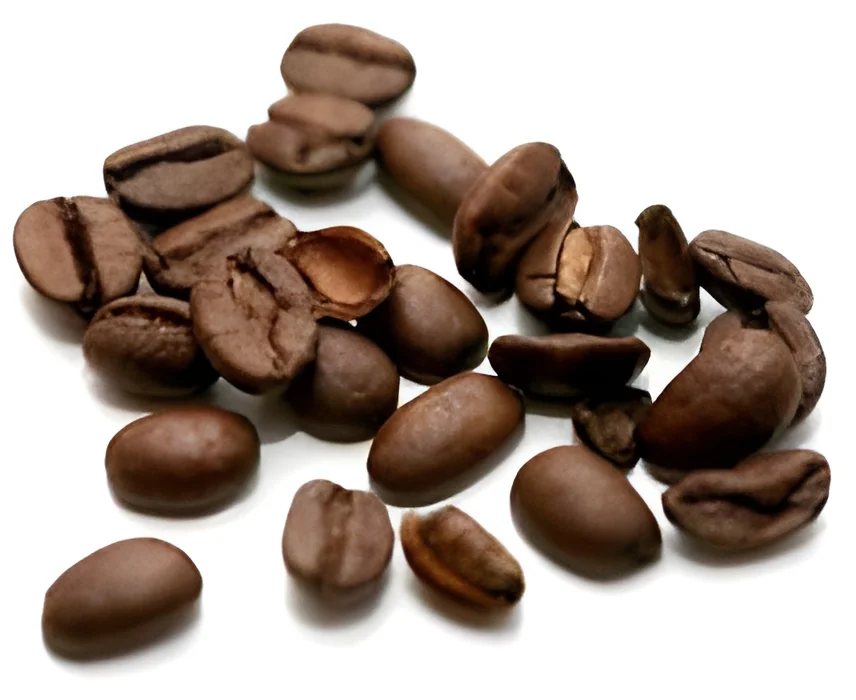
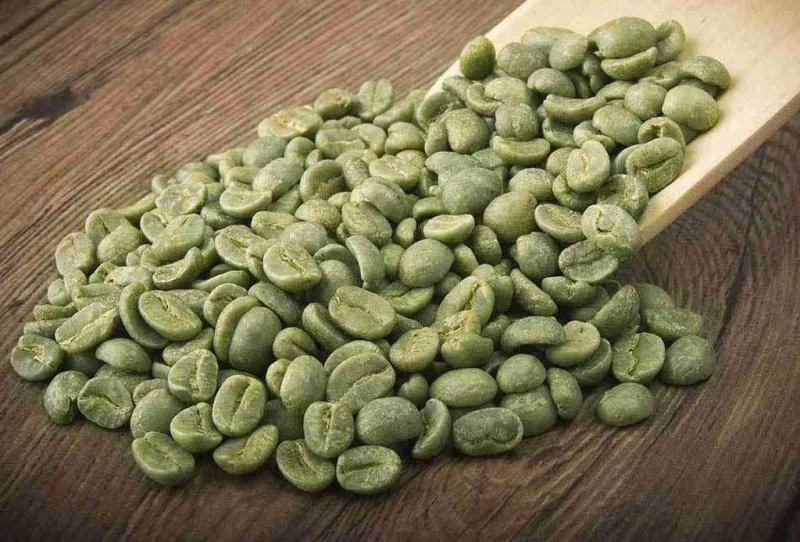
Key Features and Specifications
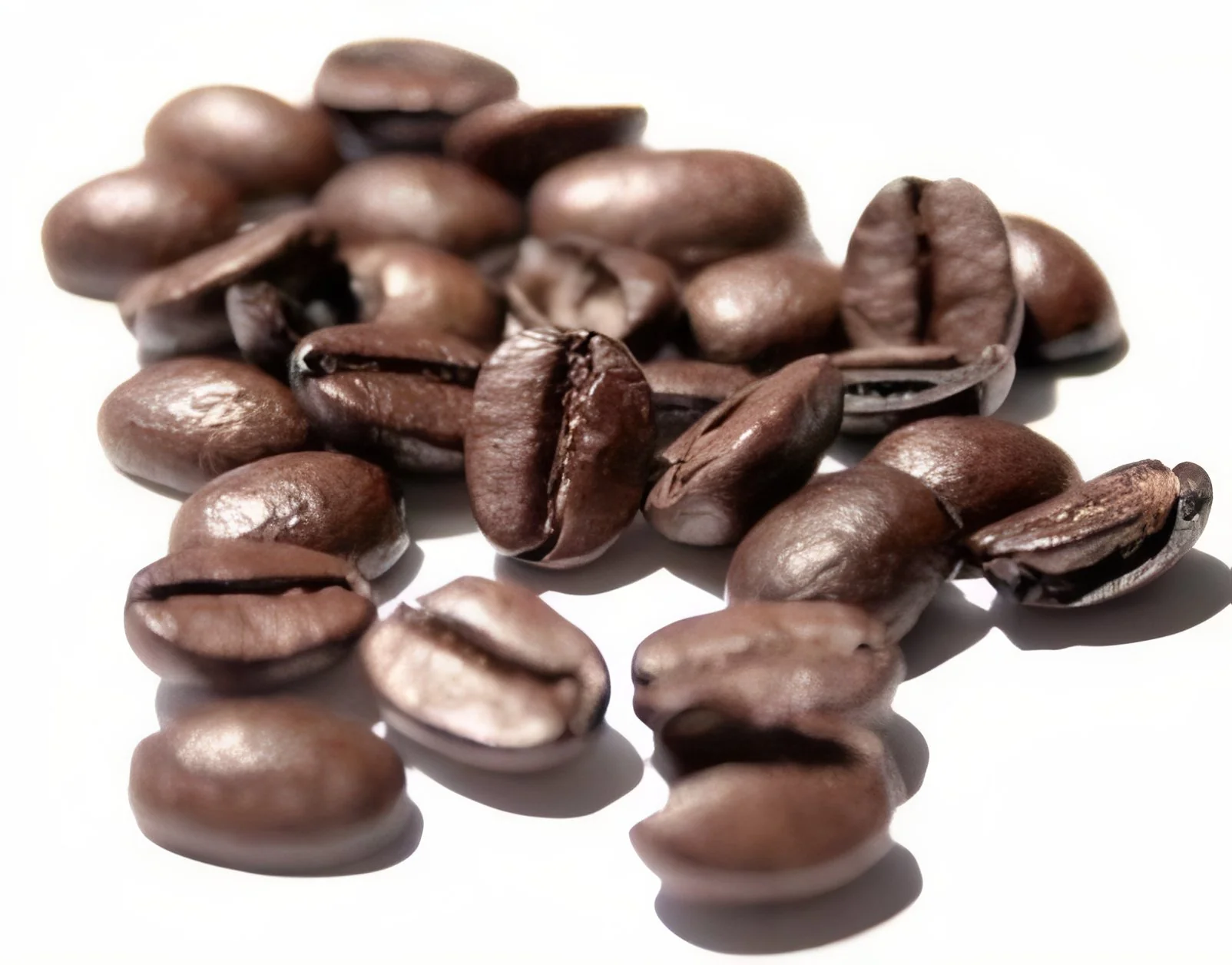
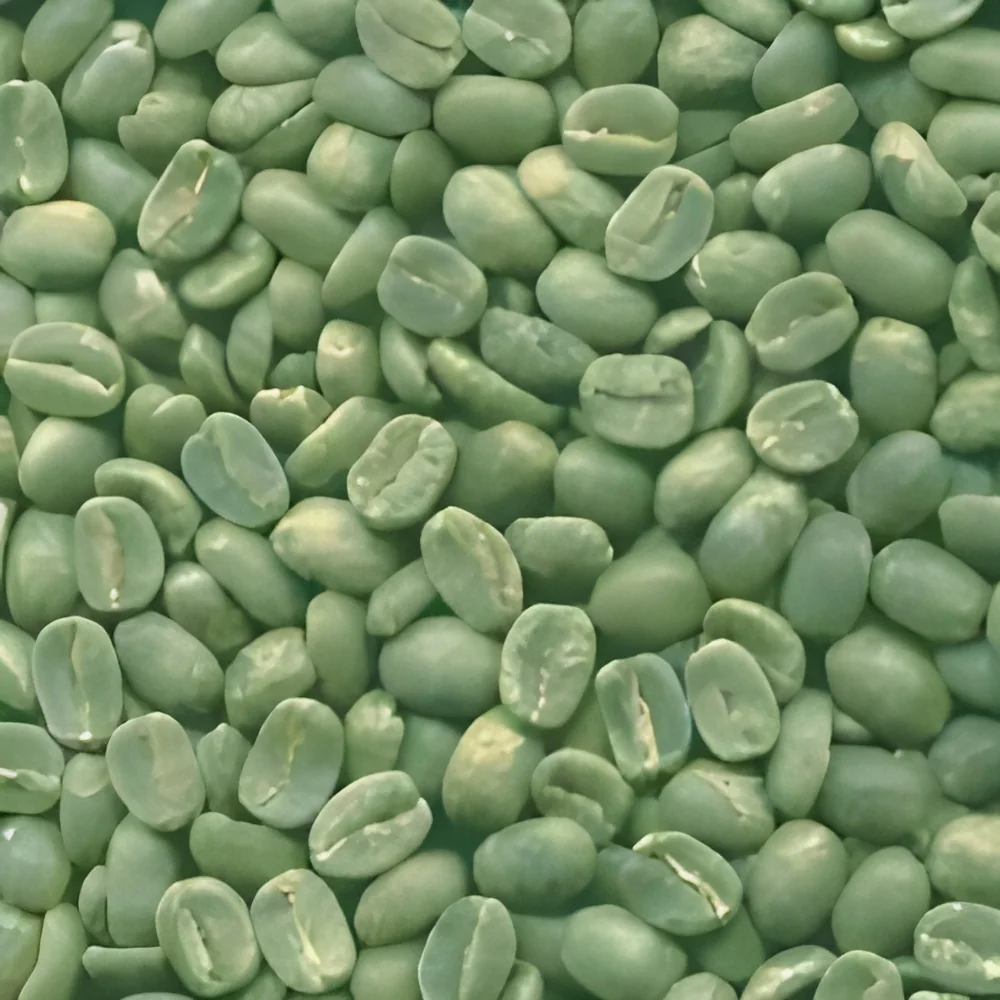
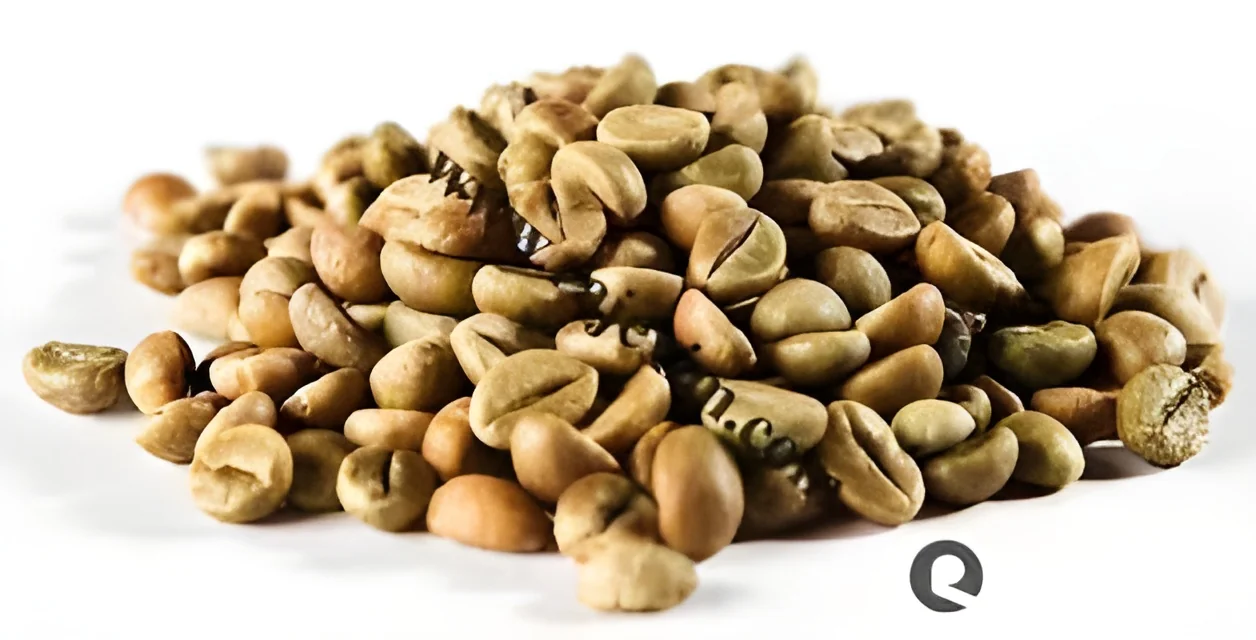
Coffee beans come with various features and specifications that are important for businesses to understand. These specifications can greatly impact the quality and flavor of the final coffee product.
Key specifications include:
1. Bean Variety
- Two primary types: Arabica and Robusta
- Arabica: smoother flavor, lower caffeine
- Robusta: stronger flavor, higher caffeine
2. Flavor Profile
- Arabica: sweet, soft, with hints of fruit and sugar
- Robusta: earthy, nutty, with a bitter finish
3. Growing Conditions
- Arabica: prefers higher altitudes and cooler climates
- Robusta: thrives in lower altitudes and warmer temperatures
4. Caffeine Content
- Arabica: approximately 1.2% caffeine
- Robusta: approximately 2.2% caffeine
5. Harvesting Method
- Arabica: often hand-picked for quality
- Robusta: can be harvested mechanically
6. Processing Method
- Arabica: typically processed using wet or washed methods
- Robusta: often dried naturally or semi-washed
7. Packaging
- Common packaging includes burlap sacks or vacuum-sealed bags
- Size of packaging can vary based on order quantities
8. Shelf Life
- Freshly roasted beans: optimal flavor within 2-3 weeks
- Proper storage can extend shelf life for several months
Understanding these specifications helps businesses ensure they are sourcing the right beans for their specific needs and preferences.
Common Applications and Use Cases
Coffee beans serve various industries and applications that extend beyond traditional coffee shops.
1. Cafes and Restaurants: These establishments use coffee beans to create a variety of beverages, from espresso to specialty lattes, enhancing their menu offerings.
2. Food and Beverage Manufacturing: Coffee beans are utilized in the production of instant coffee, coffee-flavored desserts, and beverages, appealing to a broad consumer base.
3. Retail Coffee Sales: Supermarkets and specialty stores sell packaged coffee beans to consumers who prefer brewing coffee at home.
4. Hospitality Industry: Hotels and resorts provide premium coffee options to guests, improving their overall experience and satisfaction.
5. Coffee Roasters: Businesses that focus on roasting and blending coffee beans for unique flavor profiles rely on high-quality Arabica and Robusta varieties.
6. E-commerce: Online retailers source and sell coffee beans, reaching a wider audience and catering to niche markets.
7. Custom Blends: Some businesses create their own blends using both Arabica and Robusta to achieve specific flavor characteristics.
Product Variants and Subcategories
Coffee beans come in various forms and blends, catering to different consumer preferences and market demands.
Single Origin Arabica: This variant is sourced from a specific region, providing unique flavor profiles that reflect the terroir. It is popular among coffee enthusiasts looking for distinct tastes.
Single Origin Robusta: Known for its strong and bold flavor, this variant appeals to consumers who enjoy a more intense coffee experience. It is often used in espresso blends.
Blended Coffee: A combination of Arabica and Robusta beans, this blend offers a balanced flavor with a robust body, making it a favorite for cafes and restaurants.
Organic Coffee: Sourced from farms that follow organic farming practices, this variant is increasingly popular among health-conscious consumers.
Decaffeinated Coffee: These beans undergo a process to remove caffeine while retaining flavor, catering to consumers who want to enjoy coffee without the stimulating effects.
Benefits and Advantages
Sourcing high-quality coffee beans has several advantages that can benefit businesses in the coffee industry.
1. Superior Flavor: Arabica beans are known for their rich flavor and aroma, appealing to customers who seek an elevated coffee experience.
2. Higher Market Value: Quality Arabica beans often command higher prices, allowing businesses to increase their profit margins.
3. Versatility: Coffee beans can be used in various products, allowing companies to diversify their offerings and appeal to different consumer preferences.
4. Sustainability: Sourcing responsibly grown coffee beans supports ethical farming practices and can enhance a brand's reputation.
5. Customization: Businesses can create unique blends tailored to their target market, setting themselves apart from competitors.
6. Health Benefits: Coffee consumption has been linked to various health benefits, making it a popular choice among consumers looking for functional beverages.
Buying Guide for B2B Buyers
When sourcing Coffee Beans (Arabica, Robusta), there are several factors that B2B buyers should consider to ensure they make informed purchasing decisions.
1. Quality Assessment: Evaluate the quality of coffee beans based on flavor, aroma, and appearance. Consider cupping tests and quality certifications to ensure high standards.
2. Supplier Verification: Conduct thorough research to vet suppliers. Look for established companies with a track record of quality and reliability in the coffee industry.
3. Pricing and MOQ: Understand the pricing structure and minimum order quantities (MOQ) of suppliers. Compare prices across different suppliers to find the best value.
4. Delivery and Lead Times: Confirm the expected delivery times and logistics involved in sourcing the beans, ensuring they align with business operations.
5. Compliance Requirements: Familiarize yourself with any regulatory requirements related to coffee sourcing, including food safety standards and certifications.
Compliance and Certifications
Compliance and certifications play a crucial role in the sourcing of coffee beans to ensure quality and safety.
Relevant quality standards, such as ISO 9001, ensure that suppliers maintain consistent quality management systems. These standards help guarantee that the coffee beans meet specific quality expectations.
HACCP (Hazard Analysis and Critical Control Points) is essential for identifying potential hazards in the coffee supply chain, ensuring that products are safe for consumption.
Additionally, CE marking indicates that the products meet European safety and health requirements, which can be vital for businesses exporting coffee beans to different regions.
Regional compliance considerations may vary, so it is important for buyers to understand local regulations and standards that apply to coffee sourcing in their specific markets.
Why Source Coffee Beans (Arabica, Robusta) from Pepagora?
Pepagora offers a reliable platform for sourcing Coffee Beans (Arabica, Robusta), providing several key advantages for businesses.
Verified Supplier Network: Pepagora connects buyers with a network of verified suppliers, ensuring that businesses can source high-quality coffee beans with confidence.
Streamlined RFQ Process: The platform simplifies the request for quotation (RFQ) process, allowing buyers to receive competitive quotes from multiple suppliers quickly and efficiently.
Trade Assurance and Support: Pepagora provides trade assurance, offering buyer protection to ensure a smooth transaction process. This support helps businesses feel secure in their purchasing decisions.
Regional Coverage: With a strong presence in regions like India, GCC, and Southeast Asia, Pepagora helps businesses access a wide variety of coffee bean options tailored to their specific market needs.

 IN
IN

 Thailand

 India
India