
 IN
Coaxial Cables
1 products available
What are Coaxial Cables?
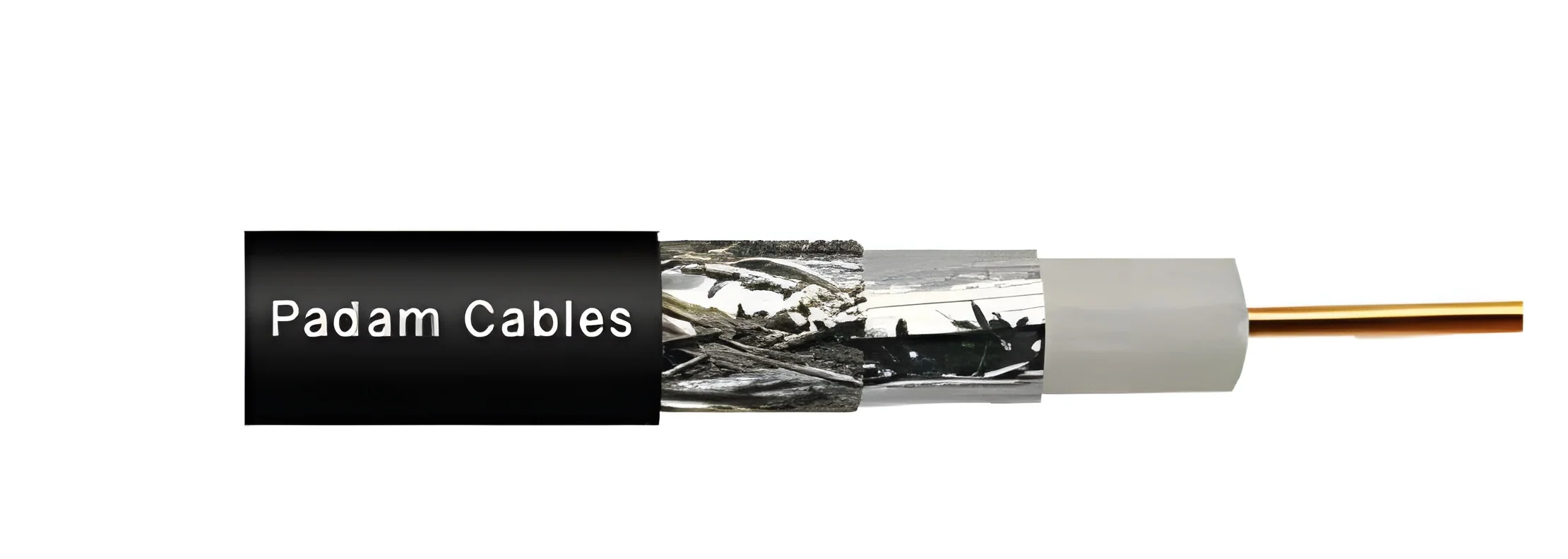
Coaxial cables are electrical cables that consist of a central conductor, an insulating layer, a metallic shield, and an outer insulating layer. This design allows coaxial cables to transmit high-frequency signals with minimal interference. The central conductor typically carries the signal, while the metallic shield protects against electromagnetic interference from external sources.
Coaxial cables are widely used in various applications, including telecommunications, television distribution, and internet connectivity. They are essential for transmitting data over long distances while maintaining signal integrity. Businesses rely on coaxial cables to support their networking infrastructure, ensuring reliable communication and data transfer.
In the current market, coaxial cables remain a critical component in industries such as broadcasting, defense, and industrial automation. Their ability to support high bandwidth and low signal loss makes them a preferred choice for many applications, reinforcing their relevance in the rapidly evolving technology landscape.
Key Features and Specifications
Coaxial cables come with specific features and specifications that determine their performance. Understanding these specifications is crucial for selecting the right cable for various applications.
Key specifications include:
1. Impedance
- Common values include 50 ohms and 75 ohms
- Determines the cable's suitability for different applications
2. Attenuation
- Measured in decibels per meter (dB/m)
- Indicates signal loss over distance
3. Frequency Range
- Typically ranges from DC to several gigahertz
- Affects data transmission capabilities
4. Capacitance
- Measured in picofarads per meter (pF/m)
- Influences signal quality and speed
5. Jacket Material
- Common materials include PVC and polyethylene
- Provides protection from environmental factors
6. Diameter
- Varies based on application requirements
- Affects installation and flexibility
7. Shielding Type
- Options include braided, foil, or a combination
- Determines resistance to interference
8. Operating Temperature
- Generally ranges from -40°C to +85°C
- Ensures performance under varying conditions
These specifications are essential for ensuring the right performance and compatibility for specific applications.
Common Applications and Use Cases
Coaxial cables serve various industries with distinct applications.
1. Telecommunications: In telecommunications, coaxial cables are used for connecting telecommunication devices and providing high-speed internet access. They are integral in both residential and commercial setups.
2. Broadcasting: In broadcasting, coaxial cables transmit audio and video signals from studios to transmission towers. Their ability to maintain signal quality is crucial for television and radio broadcasts.
3. Security Systems: Coaxial cables are commonly used in CCTV systems. They connect cameras to recording devices and monitors, ensuring reliable video transmission.
4. Industrial Automation: In industrial settings, coaxial cables support data transmission between control systems and devices. They play a critical role in ensuring seamless communication in automated environments.
5. Medical Equipment: Coaxial cables are utilized in medical devices for transmitting signals and data. High-quality transmission is vital for accurate diagnostics and monitoring.
6. Aerospace: In the aerospace industry, coaxial cables are used in communication systems on aircraft. They must meet stringent performance and safety standards.
7. Military Applications: Coaxial cables are employed in military communications and surveillance systems, where reliability and durability are paramount.
Product Variants and Subcategories
Coaxial cables come in various types to meet specific needs.
RG-6 Coaxial Cable: This type is commonly used for cable television and satellite installations. Its thicker gauge allows for better signal quality over longer distances.
RG-59 Coaxial Cable: RG-59 is typically used for lower frequency applications, such as analog video signals. It is lighter and more flexible, making it suitable for shorter runs.
Tri-shield Coaxial Cable: This variant features enhanced shielding to reduce signal interference. It is ideal for high-performance applications, including digital and HD video.
Low Loss Coaxial Cable: Designed for minimal signal loss, this type is used in professional broadcasting and telecommunications, where high-frequency signals are critical.
Benefits and Advantages
Coaxial cables offer several benefits that make them a preferred choice in many applications.
1. High Bandwidth: Coaxial cables can support high data transfer rates, making them suitable for demanding applications.
2. Low Signal Loss: The design minimizes attenuation, ensuring that signals remain strong over long distances.
3. Durability: Coaxial cables are built to withstand harsh environments, providing longevity and reliability.
4. Versatility: They can be used in a variety of applications, from telecommunications to industrial automation.
5. Cost-Effectiveness: Coaxial cables generally offer a good balance between performance and cost, making them an economical choice for businesses.
6. Easy Installation: Many coaxial cables are flexible and lightweight, facilitating easier installation.
Buying Guide for B2B Buyers
When sourcing coaxial cables, businesses should consider several important factors to ensure they make the right choice.
1. Quality Assessment: Evaluate the quality of the cables by checking for compliance with industry standards and certifications. High-quality materials and construction are essential for optimal performance.
2. Supplier Verification: It is important to vet suppliers thoroughly. Look for established suppliers with a strong reputation and positive reviews in the industry.
3. Pricing and MOQ: Consider the pricing structure and minimum order quantities (MOQ). Ensure that the pricing aligns with your budget while meeting your requirements.
4. Delivery and Lead Times: Check the supplier's delivery capabilities. Timely delivery is crucial for maintaining project schedules and avoiding delays.
5. Compliance Requirements: Be aware of any regulatory compliance needs, such as safety standards or certifications relevant to your industry.
Compliance and Certifications
Coaxial cables must adhere to specific quality standards and certifications to ensure safety and performance.
ISO 9001 is a widely recognized standard that applies to quality management systems. Compliance with this standard indicates that the manufacturer maintains high-quality processes.
CE certification ensures that the product meets European safety standards. This is particularly important for businesses operating within European markets.
Safety and testing requirements are crucial, particularly in industries such as telecommunications and broadcasting, where signal integrity and reliability are paramount.
Regional compliance considerations may also apply depending on the geographical area of use. Understanding these requirements is essential for companies to ensure compliance and avoid potential issues.
Why Source Coaxial Cables from Pepagora?
Pepagora offers a reliable platform for sourcing coaxial cables, providing several key advantages to B2B buyers.
Verified Supplier Network: Pepagora has a robust network of verified suppliers, ensuring that buyers can access high-quality products from reputable manufacturers. This verification process helps mitigate risks associated with sourcing.
Streamlined RFQ Process: The request for quotation process at Pepagora is designed for efficiency. Buyers can quickly submit their requirements and receive competitive quotes, saving time and effort.
Trade Assurance and Support: Pepagora provides trade assurance, offering buyer protection throughout the procurement process. This support helps ensure that buyers receive the products they need without complications.
Regional Coverage: With a strong presence in India, the GCC, and Southeast Asia, Pepagora facilitates cross-border sourcing. This geographic reach allows buyers to access a wide range of suppliers and products tailored to their needs.



Frequently Asked Questions
What are Coaxial Cables?
Coaxial cables are a type of electrical cable that consists of a central conductor, an insulating layer, a metallic shield, and an outer insulating layer. They are designed to carry high-frequency signals with minimal interference and are commonly used in television, internet, and telecommunications.
What are the different types of Coaxial Cables?
There are several types of coaxial cables, including RG-6, RG-11, RG-58, and RG-59, each designed for specific applications. RG-6 is commonly used for satellite and cable television, while RG-11 is used for longer distances due to its lower signal loss.
How do I choose the right Coaxial Cables?
When selecting coaxial cables, consider factors such as the application, distance, frequency range, and the type of connectors required. It's also important to assess the cable's impedance and attenuation specifications to ensure optimal performance.
What are the standard specifications for Coaxial Cables?
The standard specifications for coaxial cables include impedance (typically 75 or 50 ohms), capacitance per unit length, attenuation (signal loss), and the maximum frequency the cable can carry. These specifications help determine the suitability of the cable for specific applications.
What is the price range for Coaxial Cables?
The price of coaxial cables can vary widely depending on the type, length, and quality. Generally, prices can range from a few hundred to several thousand Indian Rupees per unit, depending on the specifications and manufacturer.
What quality standards apply to Coaxial Cables?
Coaxial cables must adhere to various quality standards, such as ISO, IEC, and UL certifications, to ensure safety and performance. These standards cover aspects like material quality, electrical performance, and environmental resistance.
Where can I find Coaxial Cables suppliers in India?
You can find coaxial cable suppliers in India through B2B marketplaces like Pepagora.com, trade directories, and industry exhibitions. It's advisable to compare multiple suppliers to evaluate their product offerings and customer reviews.
Can Coaxial Cables be customized?
Yes, many manufacturers offer customization options for coaxial cables, including specific lengths, impedance, and connector types. Customization allows businesses to meet specific technical requirements for their applications.
What is the typical minimum order quantity for Coaxial Cables?
The minimum order quantity (MOQ) for coaxial cables can vary by supplier, but it typically ranges from 100 to 1000 meters depending on the type and customization requirements. It's best to check with individual suppliers for their specific MOQs.
What is the typical lead time for Coaxial Cables?
The typical lead time for coaxial cables can range from a few days to several weeks, depending on factors such as stock availability, customization, and shipping options. It's advisable to confirm lead times with the supplier at the time of ordering.
Why Businesses Trust Pepagora
Thousands of companies trust Pepagora to source smarter and sell faster
Expand Your Sales Globally

Source Smarter,Grow Faster
