IN
IN₹
Apparel & Fashion
Loading subcategories...
View More
Description
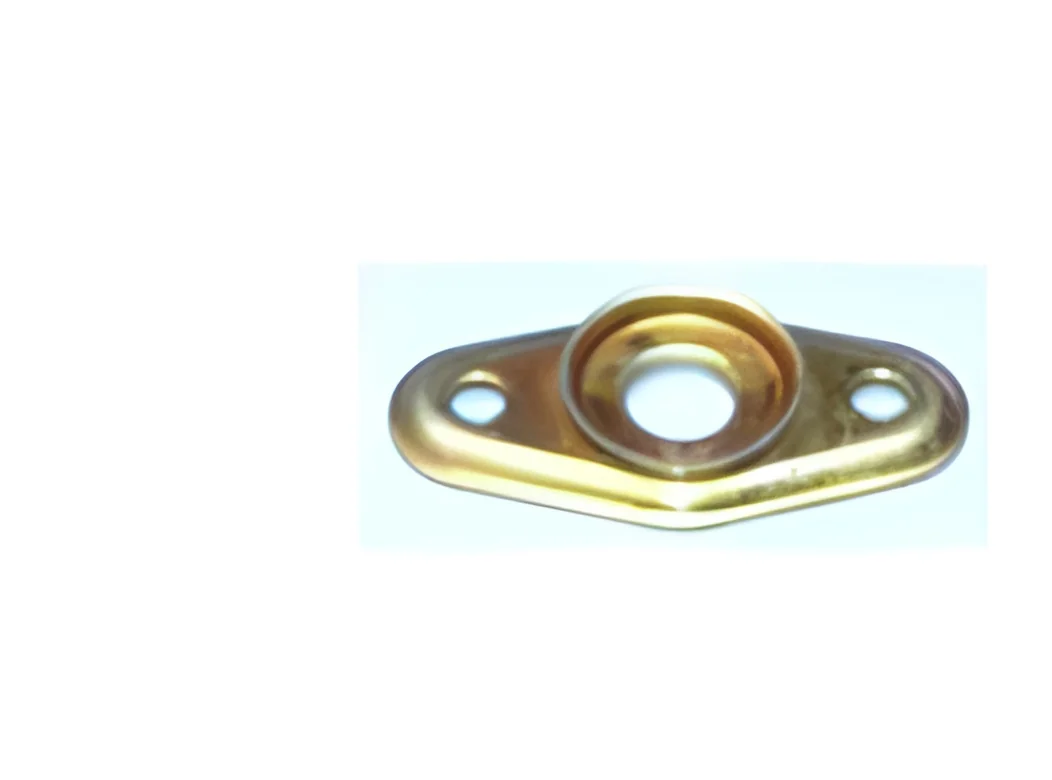
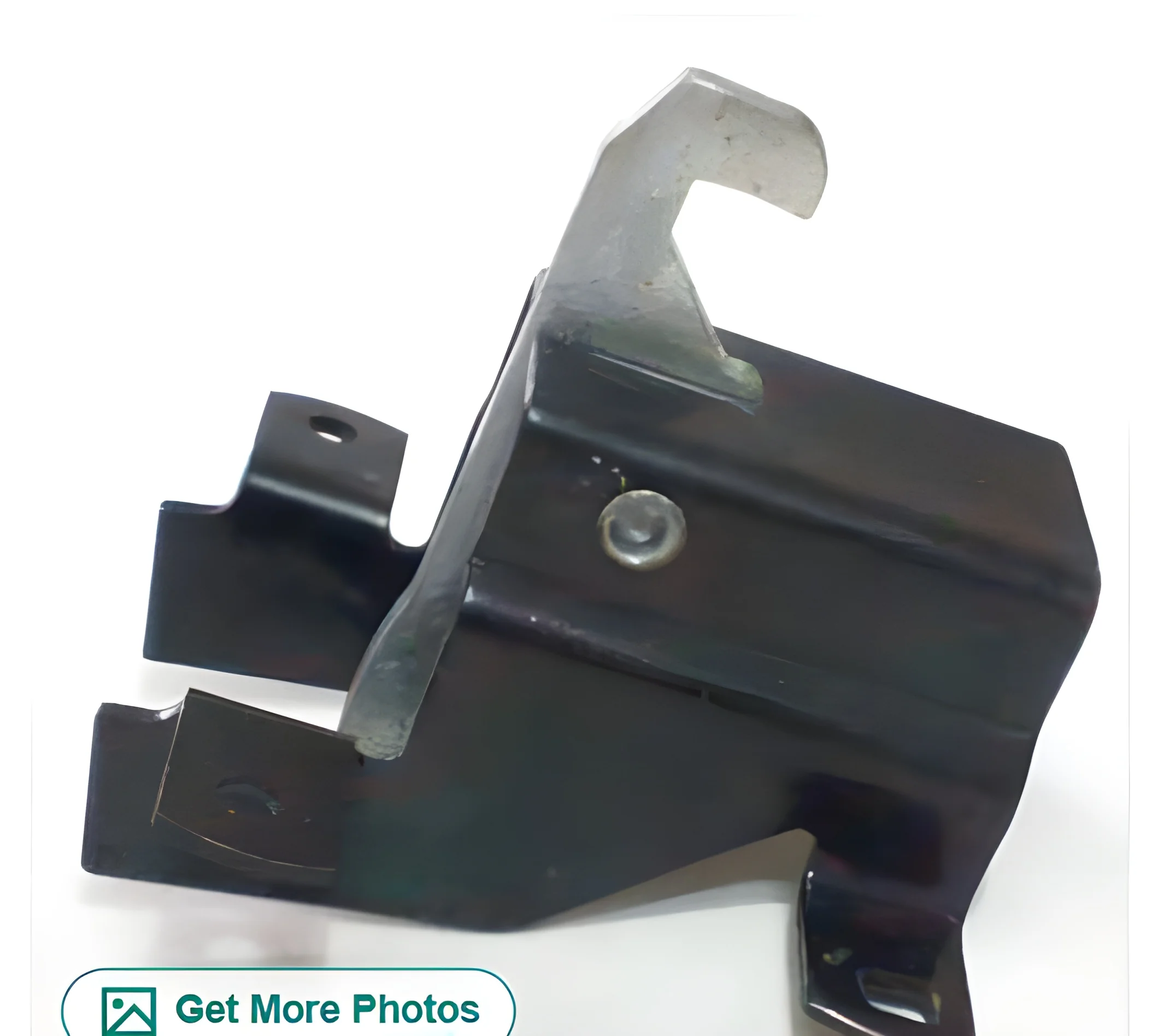
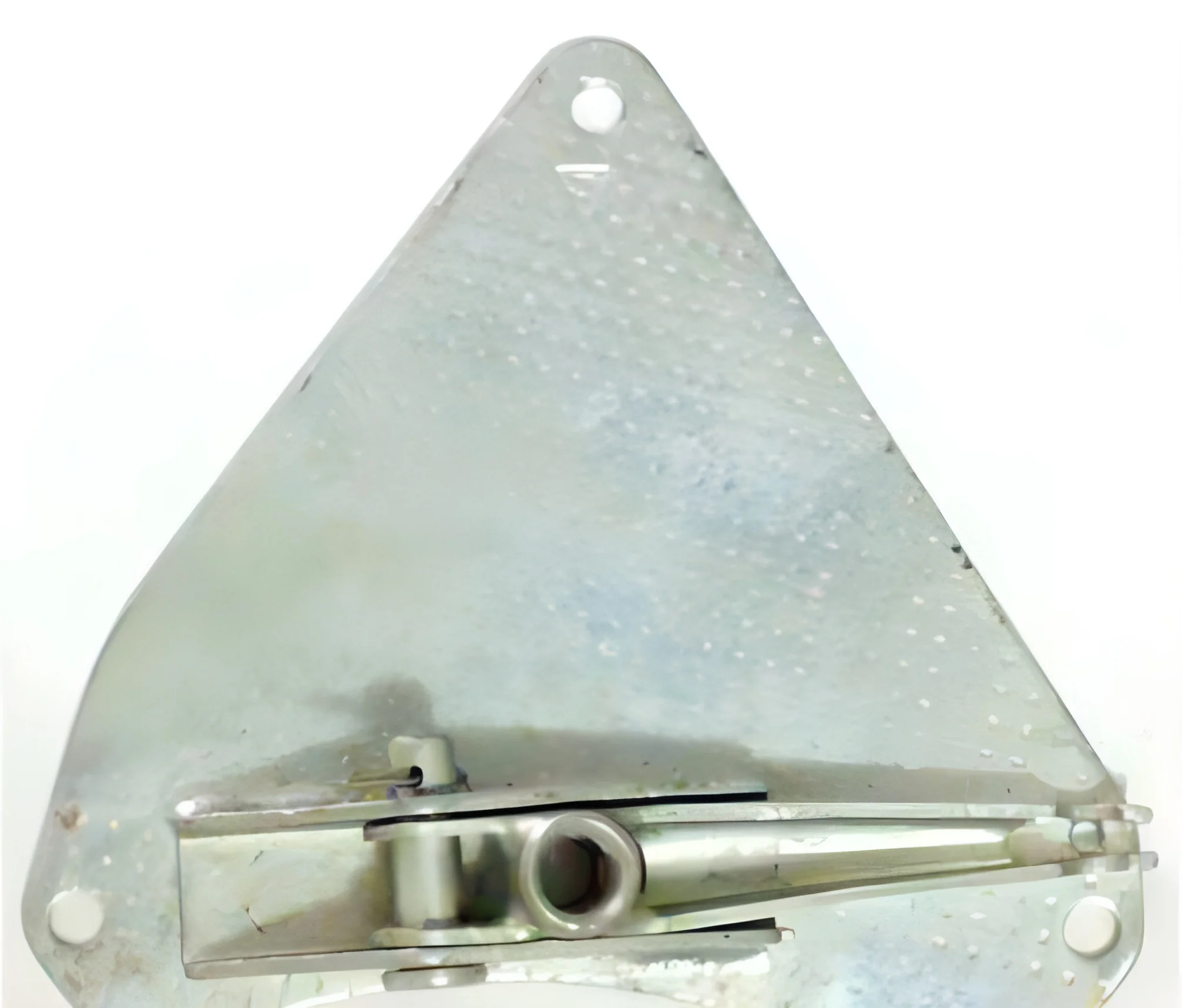
The clutch releasing mechanism represents a fundamental component in manual transmission systems, engineered to precisely manage power transfer between engine and drivetrain. When activated through clutch pedal engagement, this mechanism initiates a coordinated movement where the release bearing and fork work in unison to disengage the clutch disc from the rotating flywheel. This temporary separation interrupts torque transmission, allowing gear changes without damaging components. Available in both mechanical and hydraulic configurations, our mechanisms provide consistent performance across various vehicle platforms and operating conditions. The precision engineering ensures minimal play and maximum responsiveness, delivering the tactile feedback drivers expect while protecting the transmission system from shock loads during shifting operations.

Across multiple industries, the clutch releasing mechanism demonstrates its versatility beyond standard automotive applications. In commerci...
The clutch releasing mechanism represents a fundamental component in manual transmission systems, engineered to precisely manage power transfer between engine and drivetrain. When activated through clutch pedal engagement, this mechanism initiates a coordinated movement where the release bearing and fork work in unison to disengage the clutch disc from the rotating flywheel. This temporary separation interrupts torque transmission, allowing gear changes without damaging components. Available in both mechanical and hydraulic configurations, our mechanisms provide consistent performance across various vehicle platforms and operating conditions. The precision engineering ensures minimal play and maximum responsiveness, delivering the tactile feedback drivers expect while protecting the transmission system from shock loads during shifting operations.

Across multiple industries, the clutch releasing mechanism demonstrates its versatility beyond standard automotive applications. In commercial transportation, heavy-duty versions handle increased torque requirements in buses and delivery vehicles, while agricultural equipment relies on reinforced mechanisms capable of withstanding dust, moisture, and continuous operation. Manufacturing facilities utilize industrial-grade clutch systems in machinery requiring frequent start-stop cycles and precise power control. The marine industry incorporates specialized corrosion-resistant mechanisms for boat transmissions, and off-road vehicles depend on ruggedized designs that maintain functionality in extreme environments. Each application benefits from our customizable approach, ensuring optimal performance in specific operational contexts.

Businesses choosing our clutch releasing mechanisms gain significant operational advantages through enhanced reliability and reduced maintenance costs. The precision manufacturing process ensures consistent quality across production batches, minimizing the risk of premature failure and associated downtime. Customization options allow buyers to specify exact dimensions, materials, and performance characteristics to match their specific requirements. This flexibility, combined with rigorous testing protocols, delivers components that integrate seamlessly into existing systems while extending service intervals. The result is reduced total cost of ownership through fewer replacements, decreased vehicle downtime, and improved operational efficiency across fleets and equipment pools.

Key Features:
- Precision-engineered release bearings for smooth engagement
- Heavy-duty release forks with reinforced construction
- Customizable mounting configurations and dimensions
- Corrosion-resistant materials for extended service life
- Compatible with both mechanical and hydraulic systems

Benefits:
- Prevents drivetrain damage during gear shifts
- Reduces maintenance costs and vehicle downtime
- Enhances driver comfort through smooth operation
- Extends clutch system component lifespan
- Improves fuel efficiency through optimal power transfer
Specifications
| Additional Information | |
|---|---|
| Country of Origin | India |
| Customisable | No |
Application
The clutch releasing mechanism serves as the critical link between driver input and transmission performance in manual vehicles. When the clutch pedal is engaged, this system activates the release bearing and fork to separate the clutch disc from the flywheel, enabling seamless gear transitions without grinding or power loss. This precise disengagement protects the entire drivetrain system from excessive wear during frequent shifting operations in various driving conditions.
Beyond standard passenger vehicles, our heavy-duty clutch mechanisms withstand rigorous demands in commercial and industrial applications. Built with premium materials and customizable specifications, these components maintain consistent performance under high-torque conditions and extended operational cycles. The robust design ensures reliable power transfer management in diverse environments from urban delivery fleets to off-road equipment and manufacturing machinery. Real-world applications:
Real-world applications:
- Manual transmission systems in passenger cars and light trucks
- Commercial vehicle fleets including buses and delivery trucks
- Agricultural machinery such as tractors and harvesters
- Construction equipment including bulldozers and excavators
- Industrial manufacturing equipment and material handling systems
Trade Details
| Available Stock | In Stock |
| Sample Availability | No |
Payment Terms
| Payment Terms |
|
Company Profile

Komal Engineering Works, Punjab
 Punjab, India
Punjab, IndiaAutomotive & Transport•Manufacturer
Factory Details
Factory SizeBelow 1000 sqm
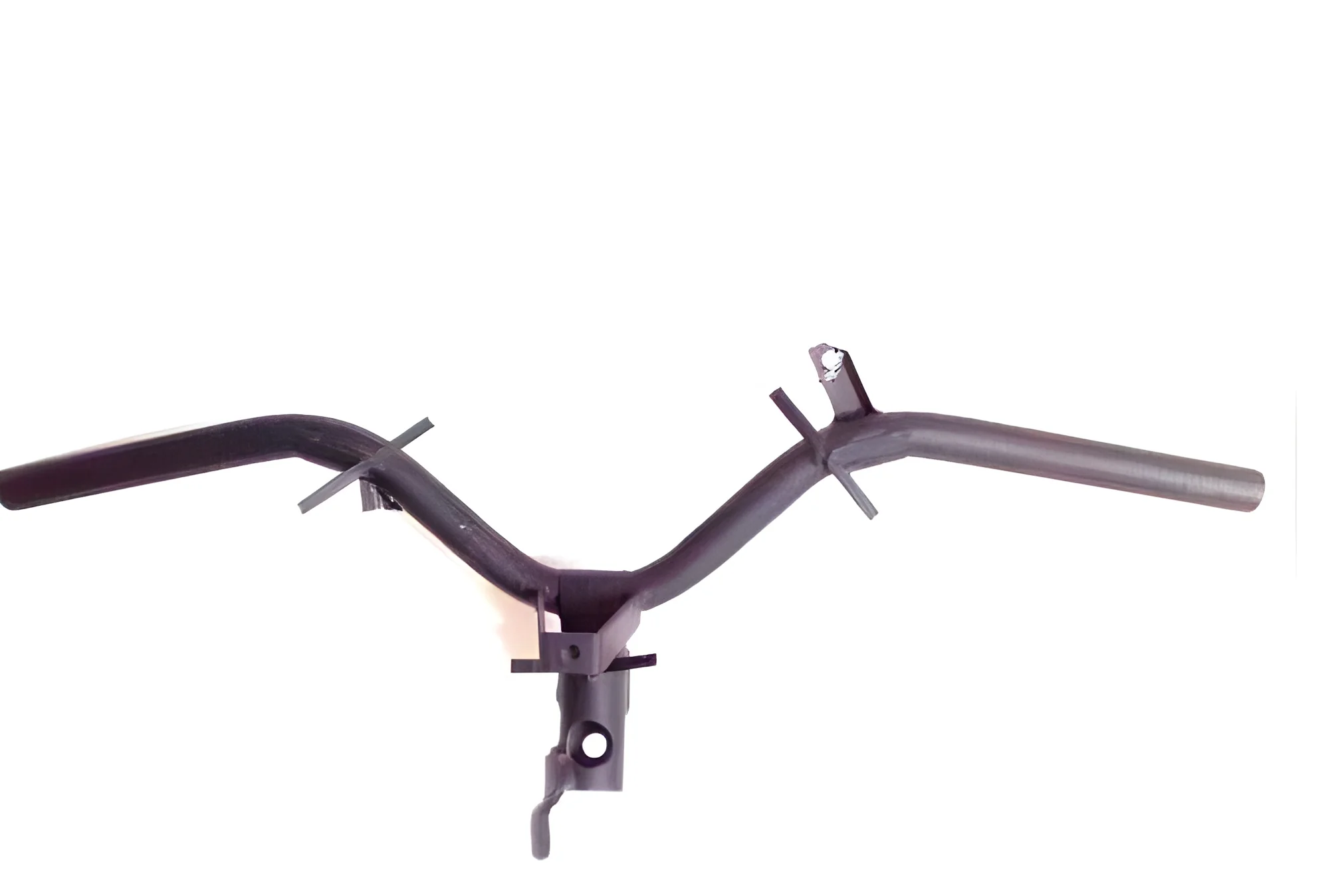
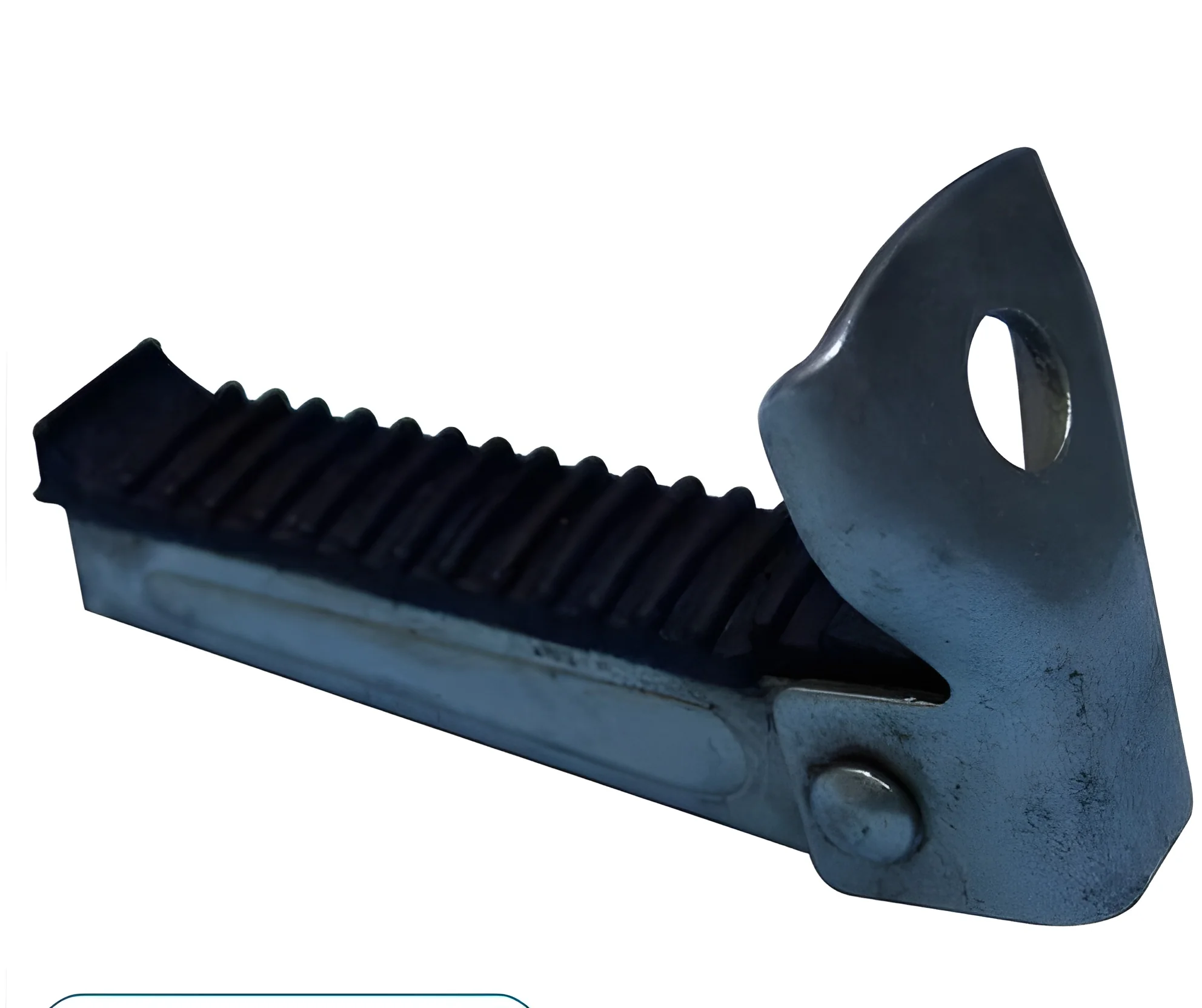
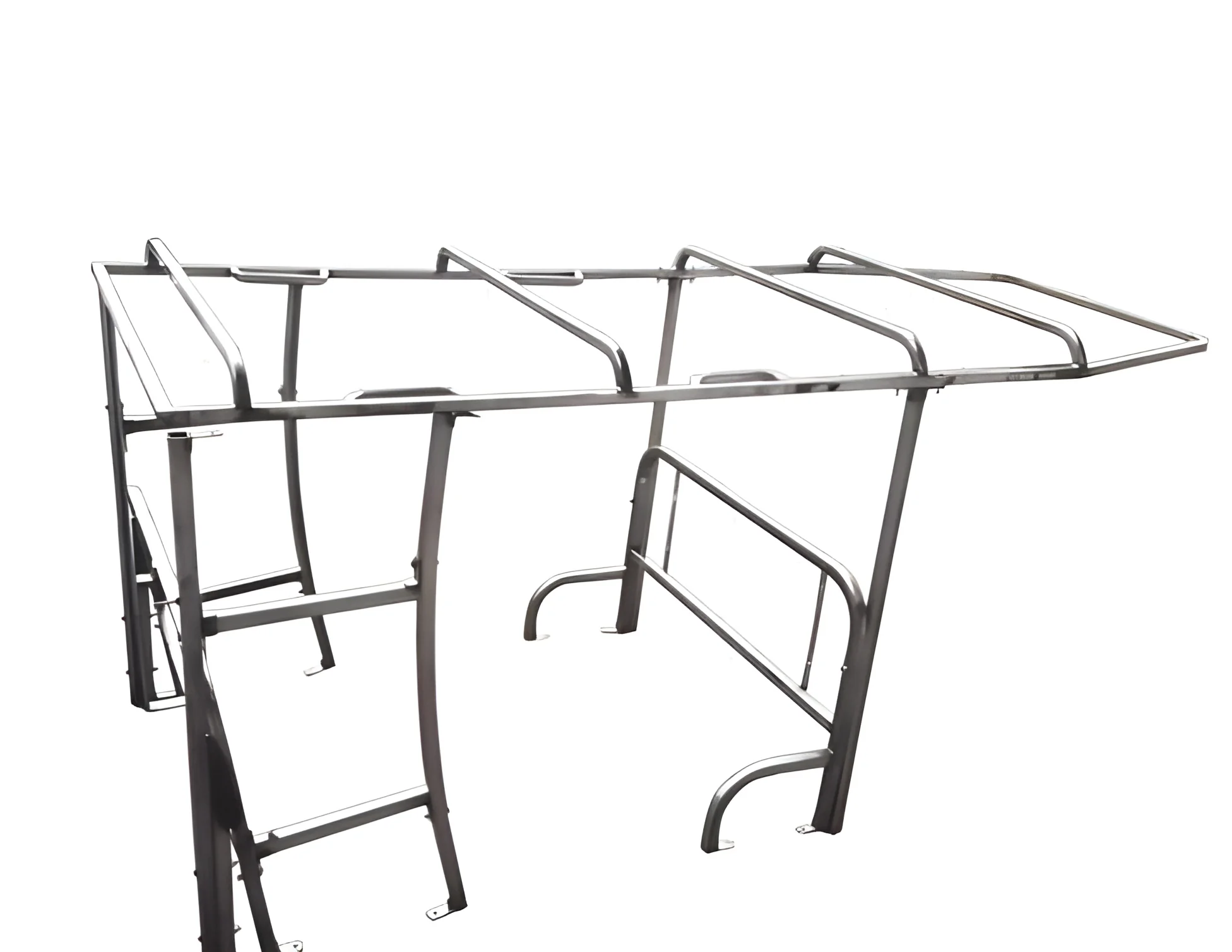
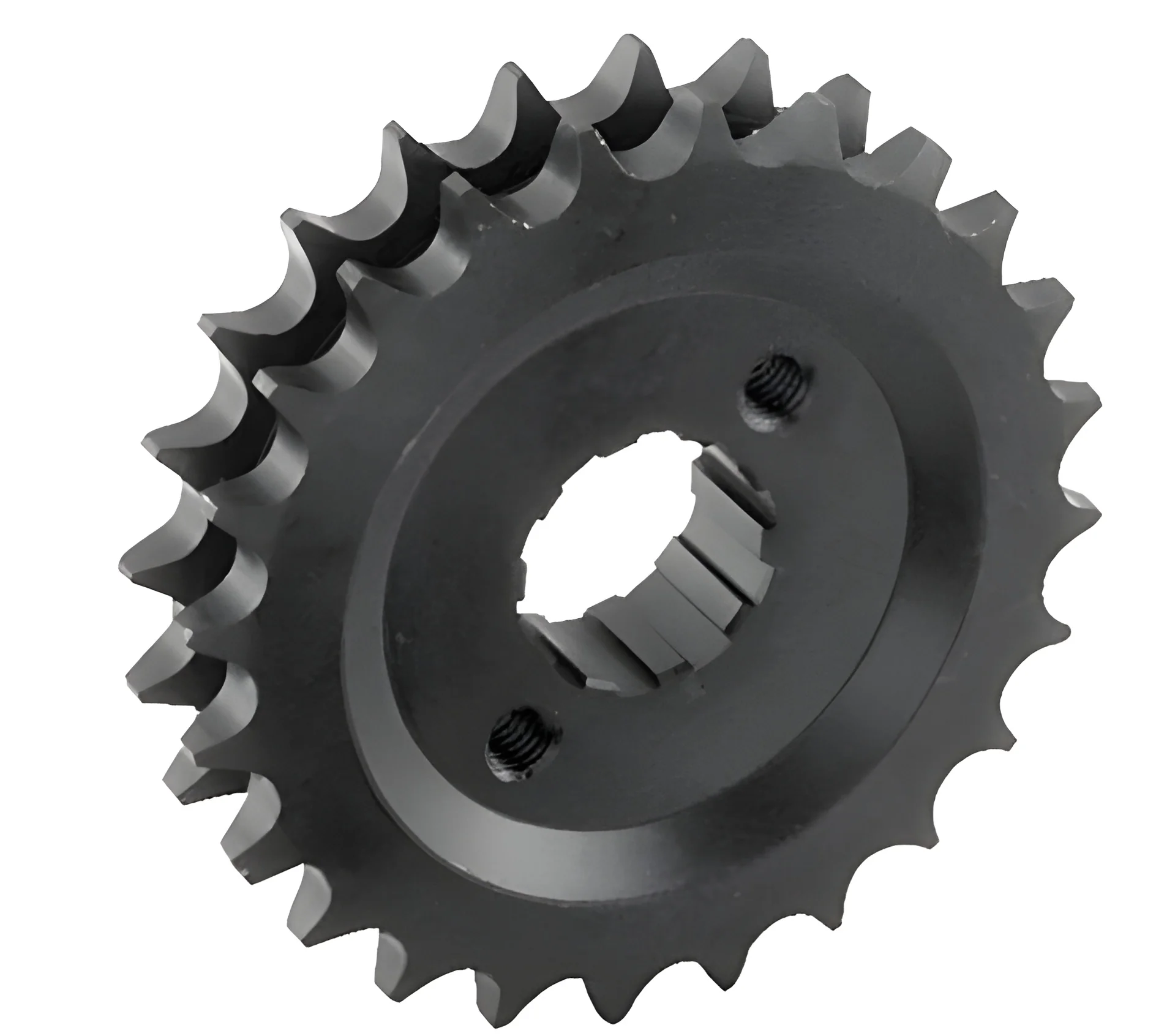
Automotive Clutch Releasing Mechanism For Smooth Gear Shifts
Our precision clutch releasing mechanism ensures smooth gear shifts and prevents drivetrain damage by disengaging engine power from transmission. Ideal for automotive manufacturers seeking reliable, custom solutions.
Min. Order Quantity: 1
Shipping
Shipping fee and delivery date to be negotiated. Contact supplier now for more details.
Komal Engineering Works
 Punjab, India
Punjab, IndiaAutomotive & TransportManufacturer