
 IN
Ceramic & Porcelain Sanitaryware
16 products available
What are Ceramic & Porcelain Sanitaryware?
Ceramic and porcelain sanitaryware refers to a range of bathroom fixtures made primarily from ceramic materials, which are fired at high temperatures to create durable and aesthetically pleasing products. These materials are known for their non-porous surfaces, ease of cleaning, and resistance to stains and odors. Common examples of ceramic and porcelain sanitaryware include toilets, sinks, bathtubs, and bidets. The manufacturing process often involves shaping the raw materials into desired forms, glazing for a smooth finish, and firing to achieve strength.
These products are primarily used in residential and commercial bathroom settings. They play a crucial role in sanitation and hygiene, making them essential in both private homes and public facilities. The demand for ceramic and porcelain sanitaryware is driven by ongoing construction and renovation projects, as well as the growing emphasis on modern, efficient restroom designs. As a result, these products are integral to the construction and design industries, catering to architects, contractors, and property developers.
Key Features and Specifications
Ceramic and porcelain sanitaryware products are characterized by specific design features and technical specifications that enhance their usability and performance. These features make them suitable for a variety of applications across different sectors.
Key specifications include:
1. Durability
- Highly resistant to cracking and chipping
- Long lifespan under normal usage conditions
2. Non-porous Surface
- Prevents absorption of stains and odors
- Easy to clean and maintain
3. Aesthetic Variety
- Available in multiple colors, styles, and finishes
- Customizable designs to match different interior themes
4. Water Efficiency
- Many products feature low water consumption designs
- Compliant with water-saving regulations
5. Installation Flexibility
- Compatible with standard plumbing systems
- Options for different mounting styles (floor-mounted, wall-hung)
6. Hygiene Features
- Some models include antibacterial glazes
- Designed to minimize bacterial growth
7. Weight
- Lightweight options available for easier handling and installation
- Standard weights vary based on product type
8. Certifications
- Compliance with international standards such as CE marking
- Assurance of quality and safety
Ceramic and porcelain sanitaryware offers a balance of functionality and style, making it a popular choice in both residential and commercial applications.
Common Applications and Use Cases
Ceramic and porcelain sanitaryware is widely used across various industries due to its versatility and durability.
1. Residential Construction: Residential buildings utilize ceramic and porcelain sanitaryware for bathrooms, ensuring functional and stylish spaces for homeowners.
2. Commercial Facilities: Hotels, restaurants, and office buildings incorporate these products to provide hygiene and comfort in restrooms, catering to high foot traffic.
3. Healthcare: Hospitals and clinics require sanitaryware that promotes hygiene and ease of cleaning, making ceramic and porcelain fixtures ideal for medical environments.
4. Educational Institutions: Schools and universities install durable sanitaryware in restrooms, meeting the needs of students and staff while ensuring safety and cleanliness.
5. Retail Spaces: Shopping malls and stores often feature modern sanitaryware designs to enhance customer experience and maintain high cleanliness standards.
6. Public Buildings: Government facilities and community centers utilize these products for their reliability and low maintenance requirements.
7. Industrial Applications: Some industries use specialized ceramic sanitaryware that can withstand harsh conditions, contributing to workplace hygiene.
Product Variants and Subcategories
Ceramic and porcelain sanitaryware includes a variety of products designed to meet diverse needs and preferences.
Toilets
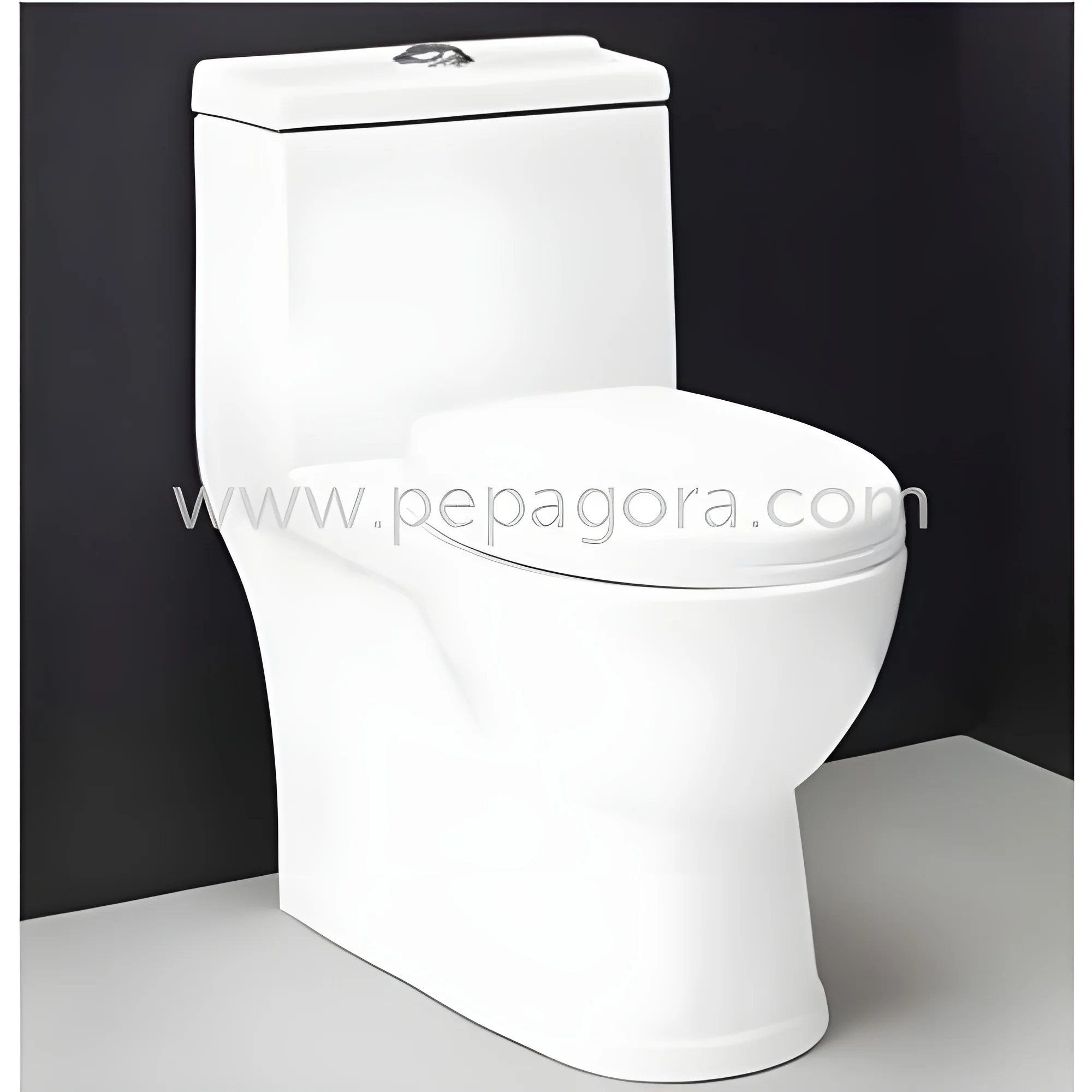
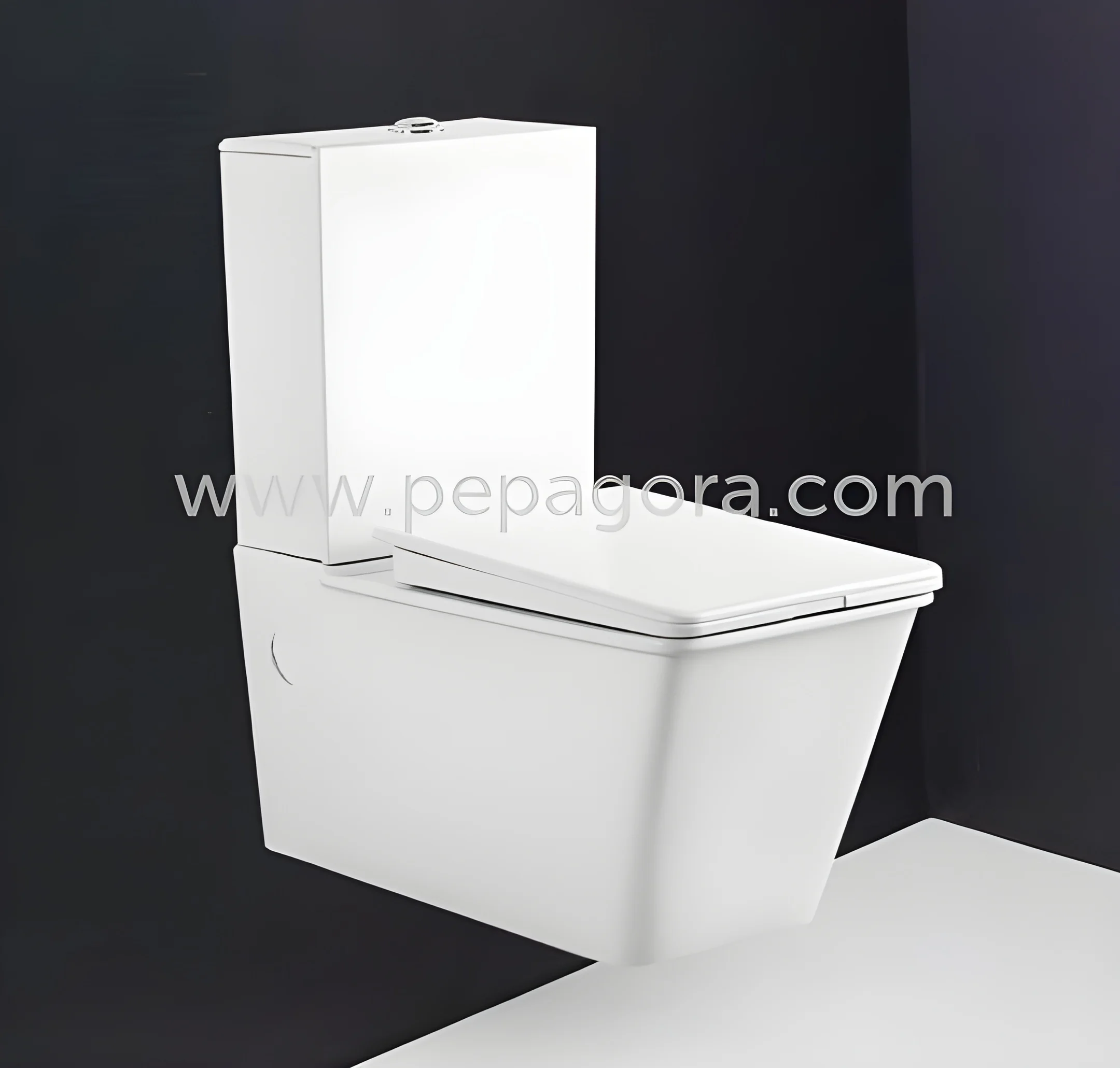
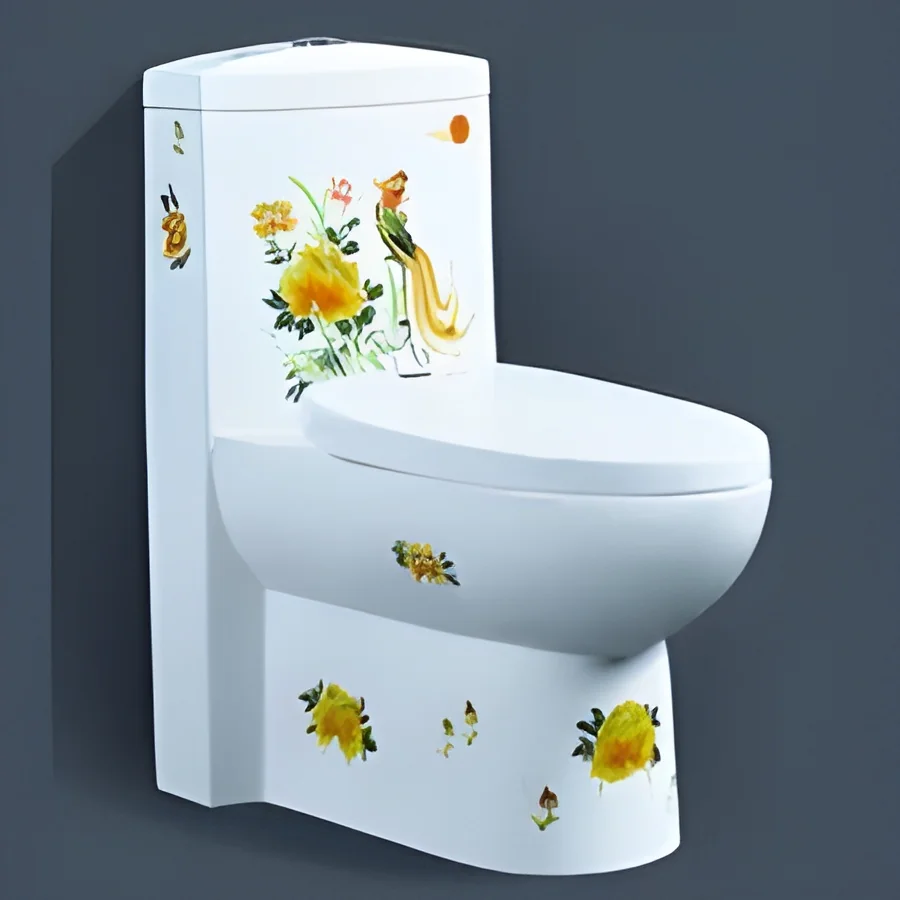
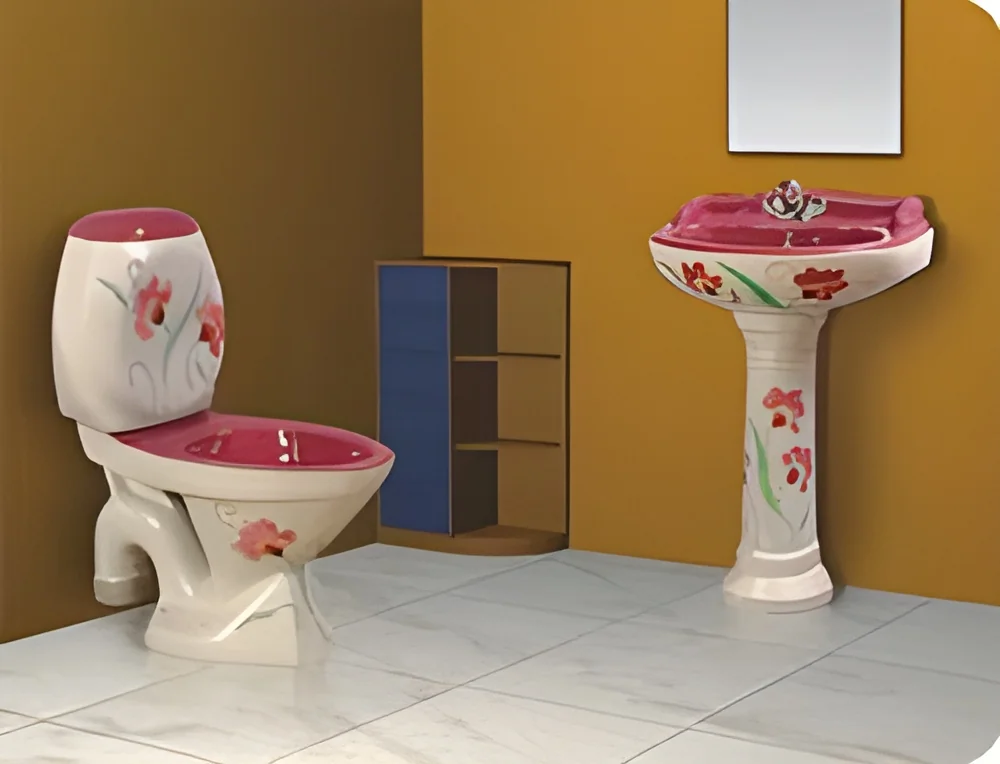
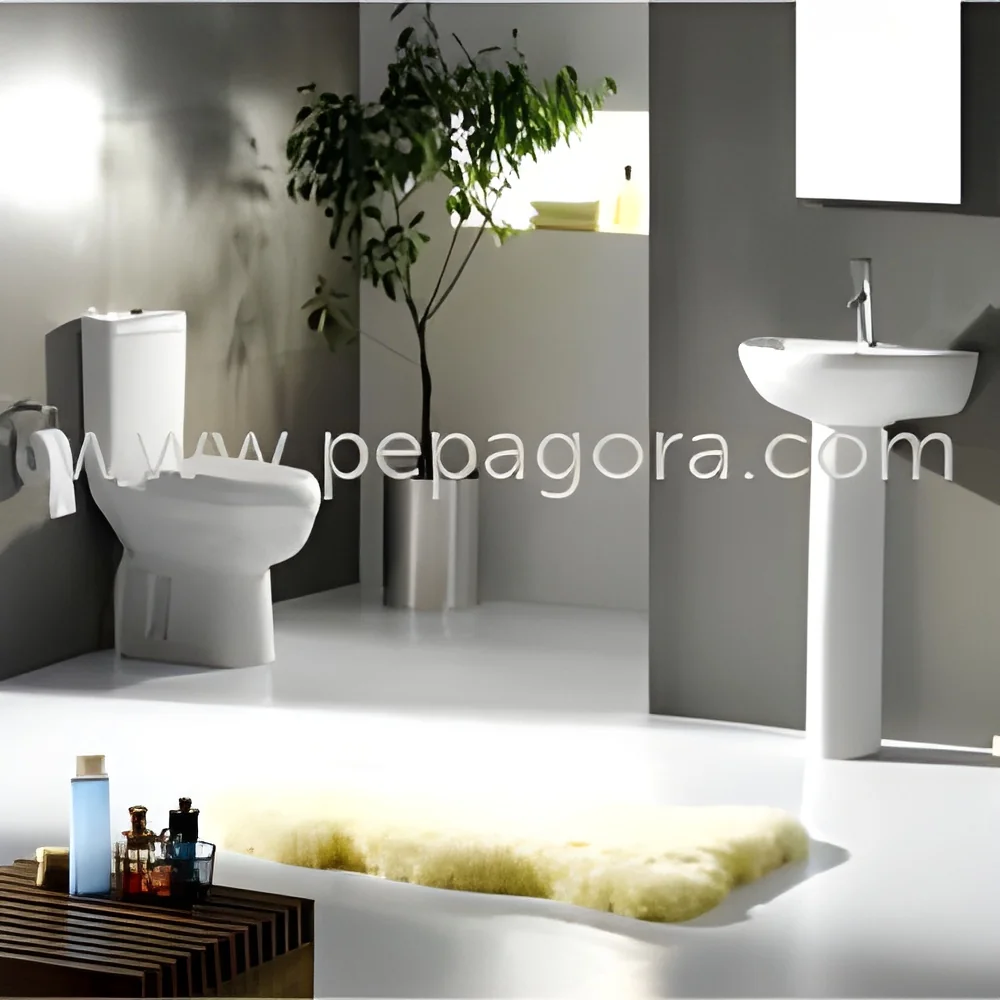
Available in various styles such as one-piece and two-piece designs, toilets offer efficient flushing mechanisms and water-saving features to accommodate different preferences and requirements.
Sinks
From pedestal to undermount styles, sinks come in various shapes and sizes, providing options for both aesthetic appeal and functional use in kitchens and bathrooms.
Bathtubs
Ceramic and porcelain bathtubs are available in a range of designs, including freestanding and alcove models, offering luxurious bathing experiences while ensuring durability.
Bidets
These fixtures enhance personal hygiene and are available in multiple configurations, including integrated bidet-toilet combos and standalone units.
Benefits and Advantages
Ceramic and porcelain sanitaryware offers numerous benefits that make them an ideal choice for various applications.
Key benefits include:
1. Longevity: These products are built to last, reducing the frequency of replacements and overall costs in the long run.
2. Low Maintenance: The non-porous surfaces are easy to clean, requiring minimal upkeep to maintain their appearance and functionality.
3. Hygiene: The materials discourage bacterial growth, promoting a healthier environment, especially in high-traffic areas.
4. Aesthetic Appeal: The variety of styles, colors, and finishes available allows for customization, enhancing the overall design of any space.
5. Water Efficiency: Many models are designed to use less water, contributing to sustainability goals and reducing utility bills.
6. Cost-Effectiveness: The durability and low maintenance requirements lead to reduced overall costs for homeowners and businesses alike.
Buying Guide for B2B Buyers
When sourcing ceramic and porcelain sanitaryware, it is essential for B2B buyers to consider several key factors to ensure they make informed purchasing decisions.
1. Quality Assessment: Evaluate the quality of the products by looking for certifications and industry standards that the sanitaryware adheres to, ensuring durability and safety.
2. Supplier Verification: Vet suppliers by checking their reputation, customer reviews, and compliance with industry regulations to ensure reliability in sourcing.
3. Pricing and MOQ: Understand the pricing structure and minimum order quantities (MOQ) required by suppliers, which can affect budget planning and inventory management.
4. Delivery and Lead Times: Analyze the logistics of delivery options and lead times offered by suppliers to ensure timely availability of products.
5. Compliance Requirements: Be aware of regional and international compliance requirements for sanitaryware to ensure that products meet necessary safety and quality standards.
Compliance and Certifications
Ceramic and porcelain sanitaryware must comply with various quality standards and certifications to ensure safety and reliability.
Key relevant standards include ISO 9001, which sets out the criteria for a quality management system, ensuring consistent quality in manufacturing processes. HACCP (Hazard Analysis and Critical Control Points) is crucial for products used in environments that require strict hygiene protocols, such as healthcare settings.
Industry certifications like CE marking indicate that products meet European safety and environmental protection standards. Compliance with these regulations is vital for manufacturers and suppliers, as it assures customers of the quality and safety of the products.
Regional compliance considerations may vary, so it is essential for buyers to understand local regulations that affect the import and use of ceramic and porcelain sanitaryware in specific markets.
Why Source Ceramic & Porcelain Sanitaryware from Pepagora?
Pepagora provides a trusted platform for sourcing high-quality ceramic and porcelain sanitaryware, offering several key advantages that benefit B2B buyers.
Verified Supplier Network: Pepagora’s extensive network of verified suppliers ensures that buyers can access quality products from reputable manufacturers, minimizing risks associated with sourcing.
Streamlined RFQ Process: The platform simplifies the request for quotation (RFQ) process, allowing buyers to easily compare quotes and make informed decisions based on their specific needs.
Trade Assurance and Support: Pepagora offers trade assurance, providing buyers with protection and support throughout the purchasing process, ensuring a smooth transaction.
Regional Coverage: With a strong presence in India, the GCC, and Southeast Asia, Pepagora facilitates access to a wide range of products, catering to diverse markets and customer needs.

 India
 India
 India
 India
 India
 India
 India
 India

Frequently Asked Questions
What are Ceramic & Porcelain Sanitaryware?
Ceramic & Porcelain Sanitaryware refers to bathroom fixtures and fittings made from ceramic and porcelain materials. These products include items such as toilets, basins, sinks, and bidets, which are widely used for their durability, aesthetic appeal, and ease of maintenance.
What are the different types of Ceramic & Porcelain Sanitaryware?
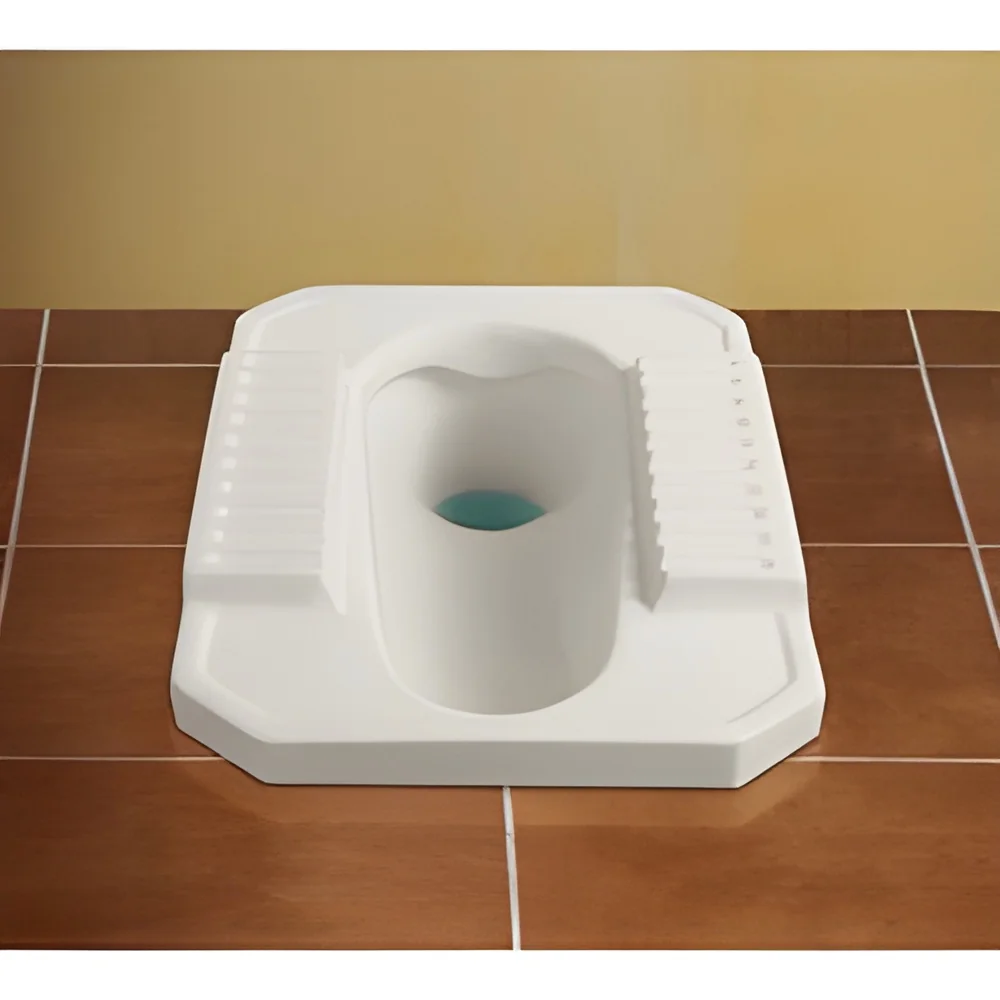
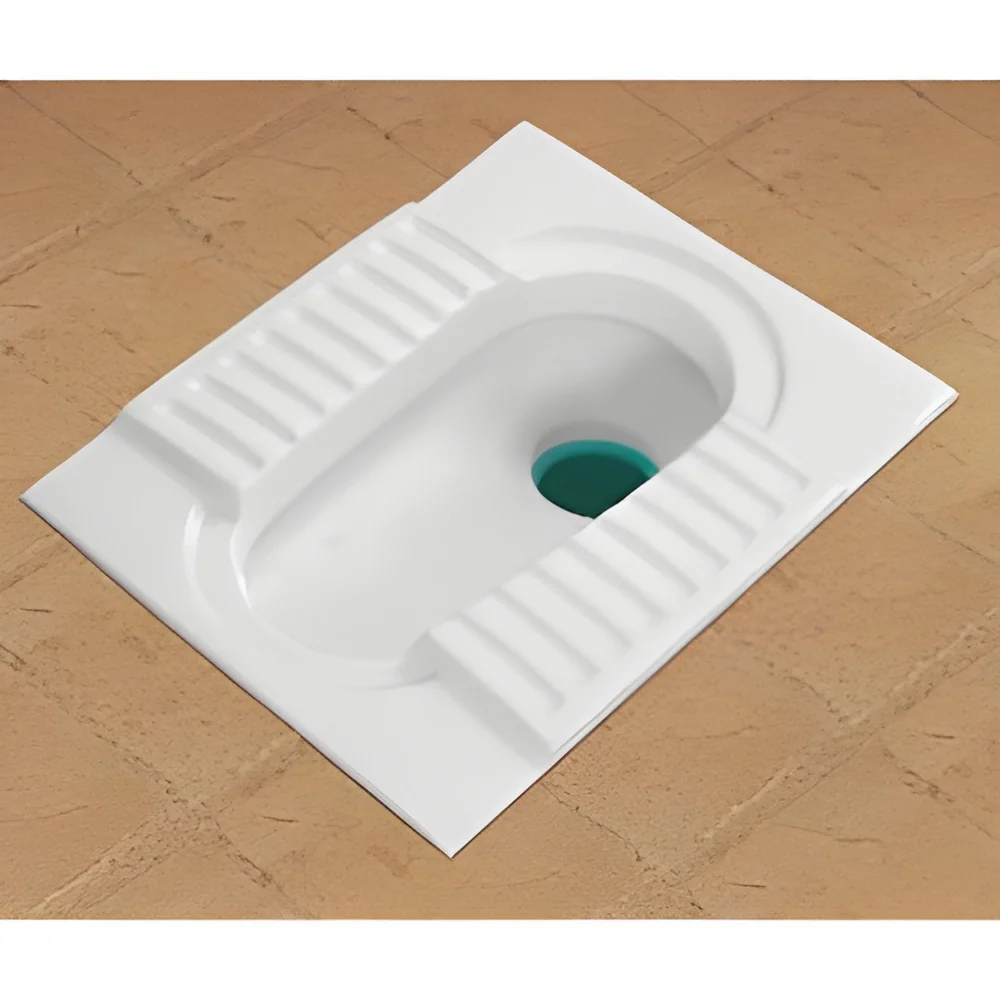
The different types of Ceramic & Porcelain Sanitaryware include wall-mounted toilets, floor-mounted toilets, pedestal basins, wall-hung basins, and bidets. Additionally, there are various styles and designs available to cater to different aesthetic preferences and functional needs.
How do I choose the right Ceramic & Porcelain Sanitaryware?
Choosing the right Ceramic & Porcelain Sanitaryware involves considering factors such as size, style, and compatibility with existing plumbing. It is also important to assess the quality of materials and finishes, as well as the manufacturer's reputation to ensure longevity and reliability.
What are the standard specifications for Ceramic & Porcelain Sanitaryware?
Standard specifications for Ceramic & Porcelain Sanitaryware typically include dimensions, weight, and water consumption rates. Additionally, products should comply with relevant industry standards and certifications to ensure quality and safety.
What is the price range for Ceramic & Porcelain Sanitaryware?
The price range for Ceramic & Porcelain Sanitaryware can vary significantly based on the type, design, and brand. Generally, prices can start from a few thousand rupees for basic models and can exceed tens of thousands for premium designs and features.
What quality standards apply to Ceramic & Porcelain Sanitaryware?
Ceramic & Porcelain Sanitaryware must adhere to quality standards such as ISO 9001 and BIS certifications in India. These standards ensure the products meet specific criteria for safety, durability, and performance.
Where can I find Ceramic & Porcelain Sanitaryware suppliers in India?
You can find Ceramic & Porcelain Sanitaryware suppliers in India through online B2B marketplaces, trade shows, and industry directories. Websites like Pepagora.com offer a comprehensive list of manufacturers and suppliers in this category.
Can Ceramic & Porcelain Sanitaryware be customized?
Yes, many manufacturers offer customization options for Ceramic & Porcelain Sanitaryware. This can include variations in size, color, and design to better fit specific customer needs and preferences.
What is the typical minimum order quantity for Ceramic & Porcelain Sanitaryware?
The typical minimum order quantity (MOQ) for Ceramic & Porcelain Sanitaryware can vary by supplier but generally ranges from 10 to 50 units. It is advisable to check with individual suppliers for their specific MOQ requirements.
What is the typical lead time for Ceramic & Porcelain Sanitaryware?
The typical lead time for Ceramic & Porcelain Sanitaryware can range from 2 to 6 weeks, depending on the supplier and the complexity of the order. Factors such as customization and stock availability can also influence delivery times.
Why Businesses Trust Pepagora
Thousands of companies trust Pepagora to source smarter and sell faster
Expand Your Sales Globally

Source Smarter,Grow Faster
