
 IN
Button Cell Batteries
2 products available
What are Button Cell Batteries?
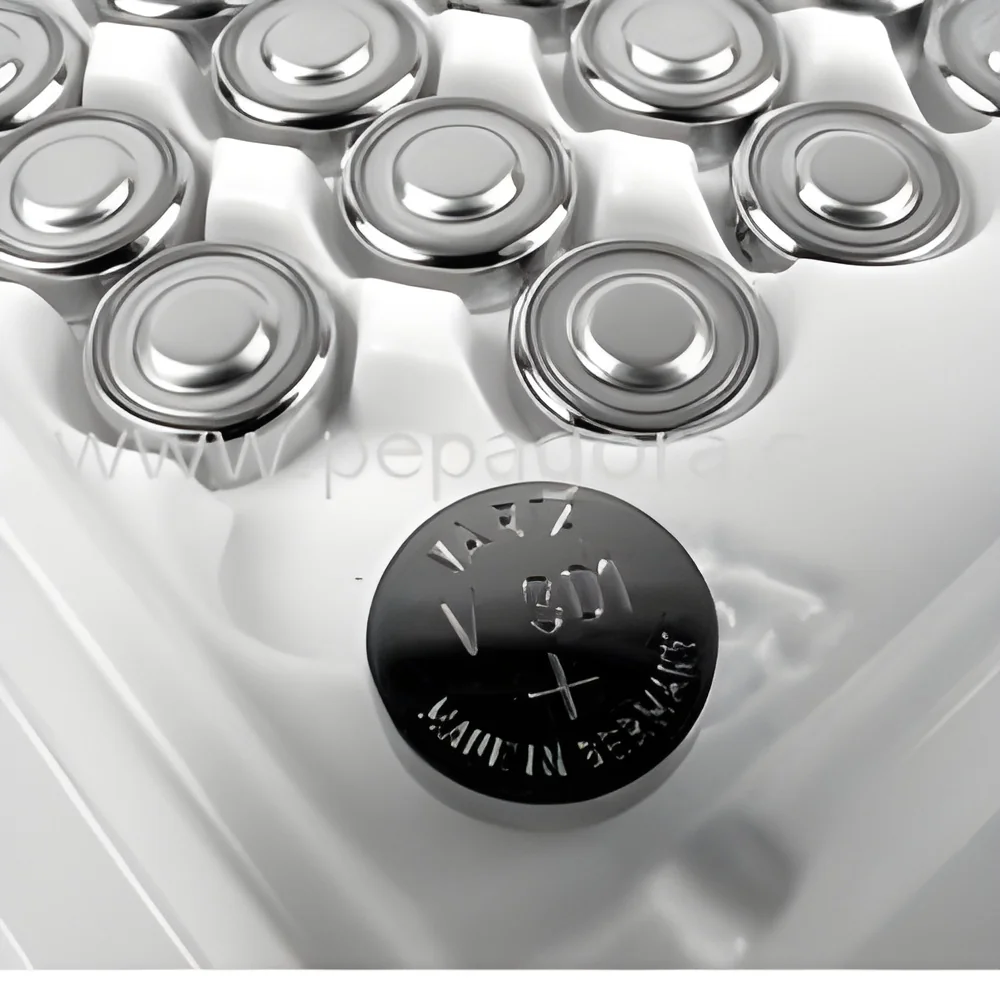
Button cell batteries are small, round batteries that are commonly used in various electronic devices. They are also known as coin batteries due to their shape and size. These batteries are designed to provide a reliable and compact power source, making them ideal for devices with limited space. Their chemistry typically includes lithium, alkaline, or silver oxide, each offering different voltage and capacity options.
These batteries are widely utilized in a range of consumer and industrial applications. Common devices powered by button cell batteries include watches, remote controls, hearing aids, calculators, and medical devices. The versatility of these batteries means they are essential in sectors such as healthcare, consumer electronics, and automotive industries. The growing demand for miniaturized electronics has further boosted the relevance of button cell batteries in today's market.
Key Features and Specifications
Button cell batteries come with various features and specifications that cater to different applications. Understanding these specifications is crucial for selecting the right battery for specific needs.
Key specifications include:
1. Battery Chemistry
- Different chemistries include lithium, alkaline, and silver oxide.
- Each type offers unique voltage levels and energy capacities.
2. Voltage Rating
- Common voltage ratings range from 1.5V to 3V.
- Voltage determines the battery's compatibility with devices.
3. Capacity
- Measured in milliamp hours (mAh).
- Capacity affects how long the battery can power a device.
4. Diameter and Height
- Standard sizes include 10mm to 25mm in diameter.
- Height can vary from 1mm to 6mm, impacting fit in devices.
5. Operating Temperature Range
- Typically suitable for temperatures from -20°C to 60°C.
- Ensures performance in various operational conditions.
6. Shelf Life
- Varies by chemistry, with lithium batteries often lasting up to 10 years.
- Important for devices that are used infrequently.
7. Discharge Rate
- Indicates how quickly the battery loses power over time.
- Affects the longevity of use in low-drain devices.
8. Compliance and Certifications
- Many button cell batteries comply with CE standards.
- Ensures safety and quality assurance.
In summary, understanding these specifications helps businesses make informed decisions when sourcing button cell batteries for their applications.
Common Applications and Use Cases
Button cell batteries serve a wide array of industries and applications. Their compact size and reliable performance make them ideal for various devices.
1. Consumer Electronics: Used in watches, calculators, and remote controls, button cell batteries provide the necessary power in a compact form.
2. Medical Devices: Essential in hearing aids and glucose monitors, these batteries ensure continuous operation in critical health-related devices.
3. Automotive: Found in keyless entry systems and tire pressure monitoring systems, button cell batteries play a crucial role in automotive technology.
4. Industrial Equipment: Utilized in backup systems and sensors, they ensure reliability in industrial monitoring and control devices.
5. Toys: Commonly used in electronic toys and games, these batteries provide safe and long-lasting power for children's products.
Product Variants and Subcategories
Button cell batteries come in various types to meet diverse needs. Each variant has unique features that cater to different applications.
Lithium Button Cell Batteries
These batteries offer a higher energy density and longer shelf life compared to other types. They are commonly used in watches and medical devices due to their reliability and performance.
Alkaline Button Cell Batteries
Known for their affordability, alkaline batteries are widely used in low-drain devices like toys and remotes. They offer good performance but have a shorter lifespan compared to lithium options.
Silver Oxide Button Cell Batteries
These batteries are known for their stable voltage and long-lasting power. They are often used in high-precision devices like watches and calculators.
Benefits and Advantages
Button cell batteries provide several advantages that make them a preferred choice for many applications.
1. Compact Size: Their small form factor allows them to fit into tight spaces, making them ideal for miniaturized devices.
2. Long Shelf Life: Many button cell batteries, especially lithium types, can last for years while stored, reducing the need for frequent replacements.
3. Versatile Applications: Suitable for a wide range of devices, these batteries can be used in consumer electronics, medical devices, and more.
4. Stable Performance: Button cell batteries deliver consistent voltage, ensuring reliable operation in critical applications.
5. Easy Availability: These batteries are widely available and come in various types, making it easy for businesses to source the right option.
6. Environmentally Friendly Options: Many manufacturers are now producing eco-friendly button cell batteries, reducing environmental impact.
Buying Guide for B2B Buyers
When sourcing button cell batteries, it is important for B2B buyers to consider various factors to ensure quality and reliability.
1. Quality Assessment: Evaluate the battery's performance, shelf life, and reliability. Look for suppliers that provide detailed specifications and testing data.
2. Supplier Verification: Vet potential suppliers to ensure they have a good reputation and comply with industry standards. Check for customer reviews and certifications.
3. Pricing and MOQ: Understand the pricing structure and minimum order quantities. Compare costs across suppliers to find the best deal while ensuring quality.
4. Delivery and Lead Times: Inquire about logistics, including delivery times and shipping methods. Efficient supply chains can significantly impact production schedules.
5. Compliance Requirements: Ensure that the batteries meet relevant regulatory standards. This may include safety certifications and environmental regulations.
Compliance and Certifications
Compliance and certifications are crucial for button cell batteries, ensuring they meet quality and safety standards. Many manufacturers adhere to ISO 9001, which outlines quality management principles. This certification confirms that the product meets international quality standards.
CE certification is also common for button cell batteries, particularly in the European market. It indicates that the product complies with safety, health, and environmental protection standards.
Additionally, safety and testing requirements are essential to verify the performance and reliability of the batteries. Manufacturers may conduct extensive testing to ensure their products can withstand various conditions.
Regional compliance considerations are important as different regions may have specific regulations governing battery manufacturing and disposal. Understanding these requirements helps companies avoid legal issues and ensures consumer safety.
Why Source Button Cell Batteries from Pepagora?
Pepagora offers a trusted platform for sourcing button cell batteries with multiple advantages for B2B buyers.
Verified Supplier Network: Pepagora maintains a robust network of verified suppliers, ensuring that buyers can confidently source high-quality batteries. Each supplier undergoes thorough vetting to guarantee reliability.
Streamlined RFQ Process: The Request for Quotation (RFQ) system simplifies the procurement process. Buyers can easily submit their specifications and receive competitive quotes from multiple suppliers.
Trade Assurance and Support: Pepagora provides trade assurance mechanisms to protect buyers. This includes support for resolving disputes and ensuring that transactions are secure.
Regional Coverage: With a strong presence in India, the GCC, and Southeast Asia, Pepagora facilitates access to a wide range of products and suppliers across different markets. This geographic reach allows businesses to source button cell batteries efficiently and effectively.



Frequently Asked Questions
What are Button Cell Batteries?
Button Cell Batteries, also known as coin cells, are small, round batteries commonly used in devices such as watches, calculators, hearing aids, and remote controls. They are designed to provide a compact power source and are typically made with lithium, alkaline, or silver oxide chemistries.
What are the different types of Button Cell Batteries?
The main types of Button Cell Batteries include alkaline, lithium, and silver oxide batteries. Alkaline batteries are often used in low-drain devices, while lithium batteries provide a higher energy density and are suitable for high-drain applications. Silver oxide batteries are known for their stability and longevity, making them ideal for watches and precision instruments.
How do I choose the right Button Cell Batteries?
Choosing the right Button Cell Batteries involves considering the device's power requirements, size constraints, and battery chemistry compatibility. It is important to check the manufacturer's specifications and ensure that the voltage and capacity of the battery match the needs of your device.
What are the standard specifications for Button Cell Batteries?
Standard specifications for Button Cell Batteries include the voltage rating, capacity (measured in milliamp hours), diameter, and thickness. Common voltages for these batteries are 1.5V and 3V, and sizes may vary from 5mm to 25mm in diameter.
What is the price range for Button Cell Batteries?
The price range for Button Cell Batteries can vary significantly based on type, brand, and quantity purchased. Generally, prices can range from INR 10 to INR 200 per battery, with bulk purchases often providing cost savings.
What quality standards apply to Button Cell Batteries?
Button Cell Batteries must comply with various quality standards to ensure safety and performance, including IEC 60086 and ANSI C18. Manufacturers may also adhere to ISO 9001 certification to ensure quality management in production processes.
Where can I find Button Cell Batteries suppliers in India?
You can find Button Cell Batteries suppliers in India through B2B marketplaces like Pepagora.com, trade shows, and industry directories. Searching online with keywords such as 'best Button Cell Batteries suppliers in India' can help you identify reliable manufacturers and distributors.
Can Button Cell Batteries be customized?
Yes, Button Cell Batteries can be customized to meet specific requirements, such as branding, packaging, or even custom specifications. However, customization may require minimum order quantities and additional lead time for production.
What is the typical minimum order quantity for Button Cell Batteries?
The typical minimum order quantity (MOQ) for Button Cell Batteries varies by supplier but usually ranges from 100 to 1,000 units. It is advisable to check with individual suppliers for their specific MOQs.
What is the typical lead time for Button Cell Batteries?
The typical lead time for Button Cell Batteries can range from a few days to several weeks, depending on the supplier's inventory, customization requirements, and order quantities. It is important to confirm the lead time with the supplier at the time of order placement.
Why Businesses Trust Pepagora
Thousands of companies trust Pepagora to source smarter and sell faster
Expand Your Sales Globally

Source Smarter,Grow Faster
