
 IN
INBulk Rice (Basmati, Sona Masoori, Parboiled)
55 products available
Key Features and Specifications
Common Applications and Use Cases
Product Variants and Subcategories
Benefits and Advantages
Buying Guide for B2B Buyers
Compliance and Certifications


 India
India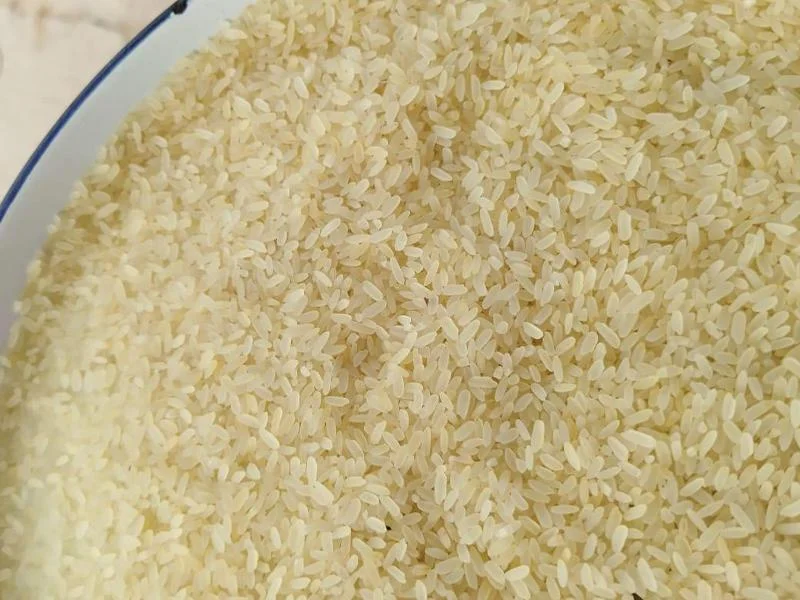



 India
India
 India
India
 India
India


 India
India

 India
India

 India
India
 India
India
 India
India
 India
India
 India
India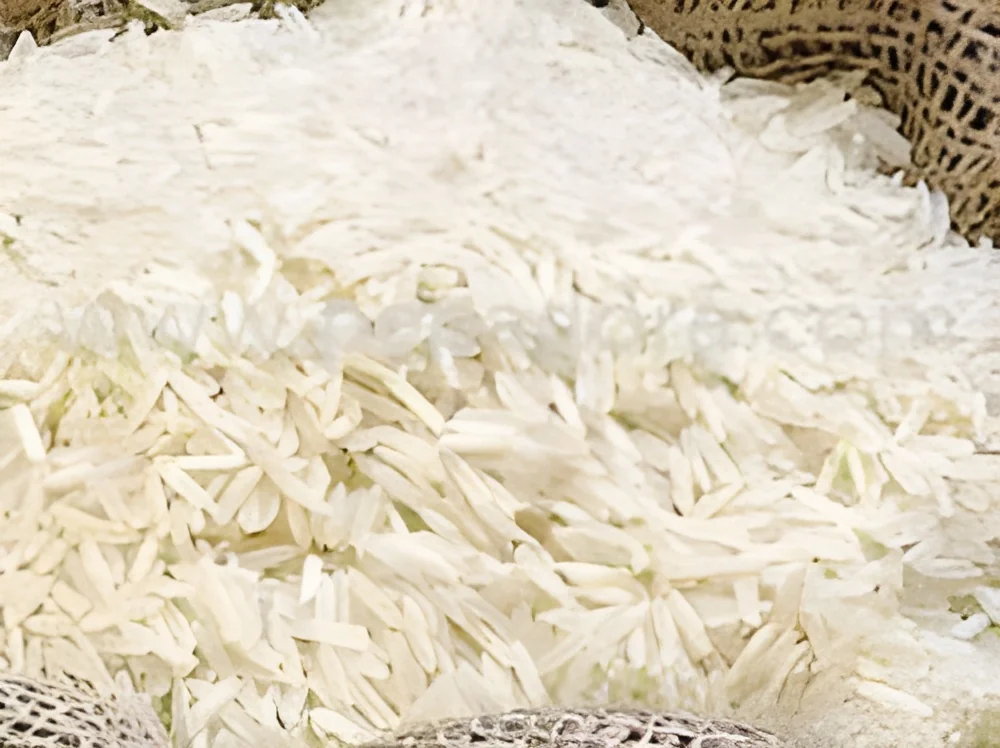





 India
India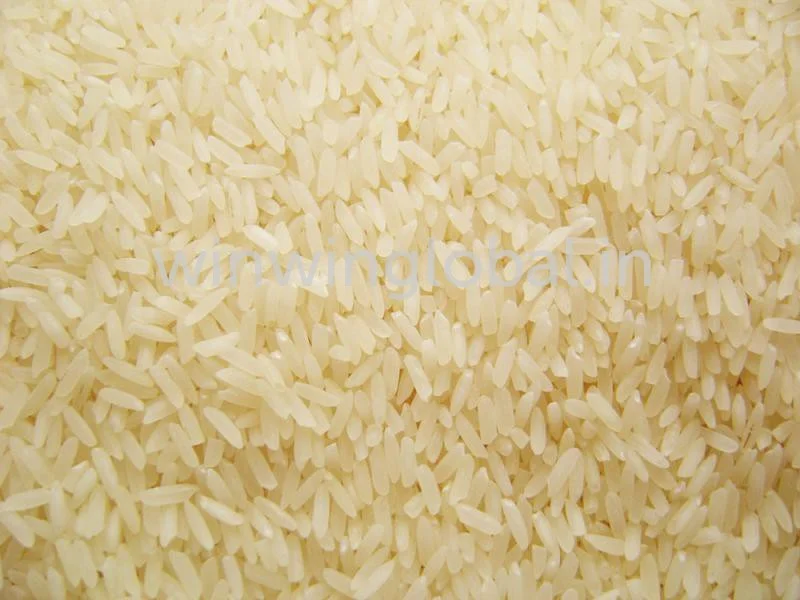

 India
India




Frequently Asked Questions
What are Bulk Rice (Basmati, Sona Masoori, Parboiled)?
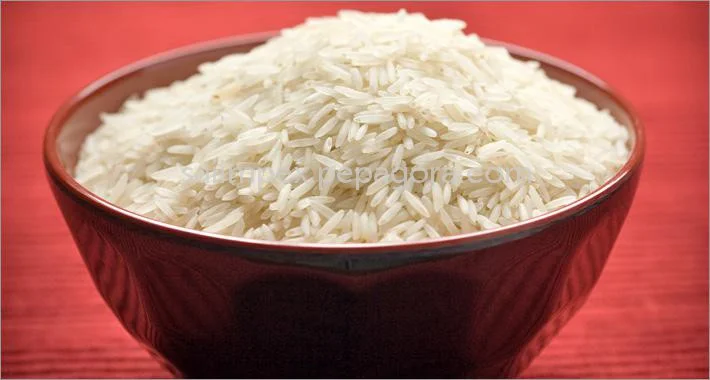
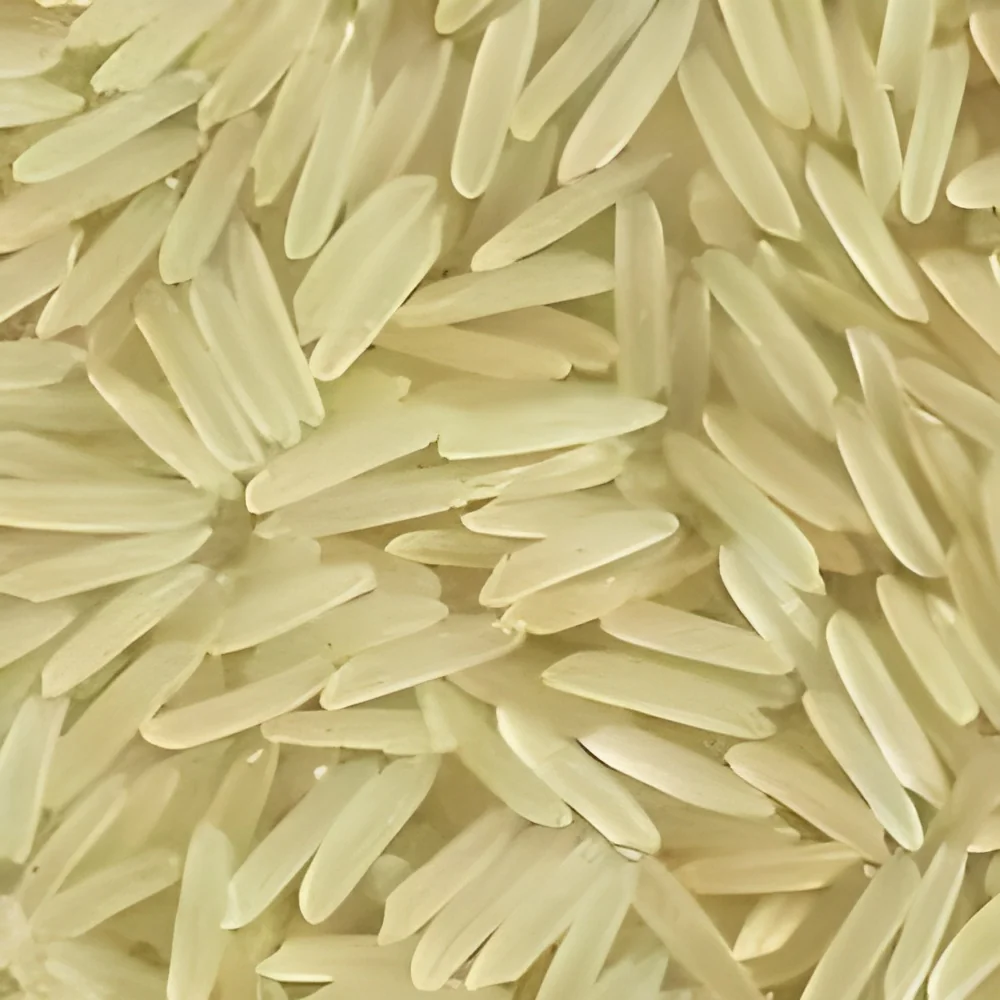
Bulk Rice refers to large quantities of rice sold primarily for commercial purposes. This category includes various types like Basmati, known for its long grains and aromatic flavor; Sona Masoori, a medium-grain rice that is lightweight and aromatic; and Parboiled rice, which undergoes a specific process to enhance its nutritional value.
What are the different types of Bulk Rice (Basmati, Sona Masoori, Parboiled)?
The main types of Bulk Rice include Basmati, Sona Masoori, and Parboiled. Basmati rice is prized for its fragrance and fluffiness, Sona Masoori is favored for its cooking qualities and is often used in South Indian dishes, while Parboiled rice has been pre-cooked in its husk, making it firmer and less sticky after cooking.
How do I choose the right Bulk Rice (Basmati, Sona Masoori, Parboiled)?
Choosing the right Bulk Rice depends on the intended use and taste preferences. Consider factors such as grain type, aroma, cooking time, and the specific culinary applications you have in mind, as different types of rice will yield different results in dishes.
What are the standard specifications for Bulk Rice (Basmati, Sona Masoori, Parboiled)?
Standard specifications for Bulk Rice typically include parameters such as moisture content, broken grain percentage, color, and aroma. For Basmati rice, specific lengths and breadths of the grains are also factored in, while Sona Masoori and Parboiled rice have their own set of specifications regarding grain size and cooking qualities.
What is the price range for Bulk Rice (Basmati, Sona Masoori, Parboiled)?
The price range for Bulk Rice can vary significantly based on the type and quality. Basmati rice generally commands a higher price due to its premium quality, while Sona Masoori and Parboiled rice are often more affordable, with prices typically ranging from INR 30 to INR 100 per kilogram depending on the market and supplier.
What quality standards apply to Bulk Rice (Basmati, Sona Masoori, Parboiled)?
Quality standards for Bulk Rice include the Food Safety and Standards Authority of India (FSSAI) regulations, which govern aspects like purity, moisture content, and absence of contaminants. Additionally, quality checks often involve assessing aroma, grain length, and overall appearance to meet commercial requirements.
Where can I find Bulk Rice (Basmati, Sona Masoori, Parboiled) suppliers in India?
Bulk Rice suppliers in India can be found through various channels including online B2B marketplaces, local wholesalers, and agricultural cooperatives. Platforms like Pepagora.com offer a comprehensive list of verified suppliers and manufacturers, making it easier to connect and procure rice in bulk.
Can Bulk Rice (Basmati, Sona Masoori, Parboiled) be customized?
Yes, Bulk Rice can often be customized to meet specific customer requirements such as packaging size, grain quality, and blend ratios. Many suppliers are open to tailoring their offerings based on buyer needs, ensuring that the rice meets particular culinary or commercial standards.
What is the typical minimum order quantity for Bulk Rice (Basmati, Sona Masoori, Parboiled)?
The typical minimum order quantity (MOQ) for Bulk Rice varies by supplier and can range from 1 ton to several tons. It is advisable to check with specific suppliers for their MOQ policies to ensure your order meets their requirements.
What is the typical lead time for Bulk Rice (Basmati, Sona Masoori, Parboiled)?
The typical lead time for Bulk Rice orders can vary, but it generally ranges from a few days to several weeks depending on factors such as stock availability and logistics. Suppliers often provide estimated delivery times during the ordering process to help manage expectations.
Why Businesses Trust Pepagora
Thousands of companies trust Pepagora to source smarter and sell faster
Expand Your Sales Globally

Source Smarter,Grow Faster
