
 IN
Brake Fluids
1 products available
What are Brake Fluids?
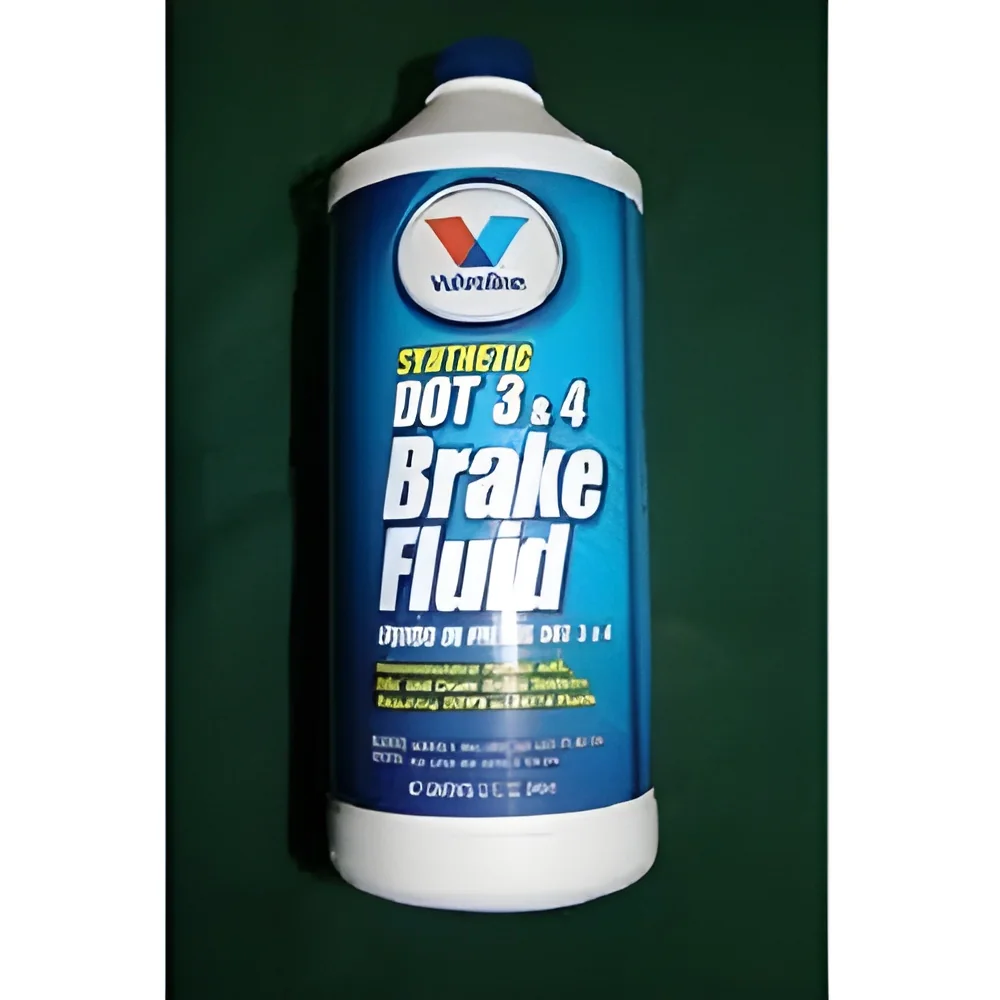
Brake fluids are specialized hydraulic fluids used in braking systems of vehicles and machinery. They function by transmitting force from the brake pedal to the brake mechanism, allowing for effective stopping power. The unique chemical properties of brake fluids prevent the formation of vapor bubbles, which could lead to brake failure.
Brake fluids are primarily used in automotive applications but also find their place in industrial machinery and aviation. In vehicles, they are essential for ensuring safety and performance, as they allow for the reliable operation of disc and drum brakes. In industrial settings, they are employed in hydraulic brakes and systems where precise control is necessary, thereby enhancing operational safety and efficiency.
The market for brake fluids is driven by the growing automotive sector and increasing regulations emphasizing vehicle safety. As manufacturers innovate to meet these demands, the relevance of brake fluids in both automotive and industrial applications continues to expand, making them a critical component in modern transportation and machinery.
Key Features and Specifications
Brake fluids come with various features and specifications that determine their performance and suitability for different applications. Understanding these specifications is essential for businesses seeking the right product.
Key specifications include:
1. Chemical Composition
- Brake fluids can be classified into different types such as DOT 3, DOT 4, and DOT 5, each with varying chemical properties.
- These classifications indicate the fluid's boiling point and moisture absorption capabilities.
2. Boiling Point
- This specification refers to the temperature at which the fluid transitions from liquid to gas, crucial for maintaining braking performance.
- Higher boiling points are preferred for high-performance vehicles.
3. Viscosity
- Viscosity measures the fluid's resistance to flow and is important for ensuring proper fluid dynamics within the braking system.
- It is typically measured at various temperatures to ensure performance under different conditions.
4. Corrosion Resistance
- Brake fluids should protect against corrosion of metal components in the braking system.
- This is assessed through various testing methods to ensure long-term durability.
5. Hygroscopic Nature
- Most brake fluids are hygroscopic, meaning they absorb moisture from the air.
- This property is important for maintaining performance, but excessive moisture can lead to boiling point reduction.
6. Compatibility
- Compatibility with different materials such as rubber seals and hoses is crucial to prevent leaks and failures.
- This ensures that the brake fluid maintains its integrity over time.
7. Shelf Life
- The shelf life of brake fluids is an important consideration for inventory management.
- Most products have a recommended expiration date to ensure optimal performance.
8. Packaging Options
- Brake fluids are available in various packaging sizes, from small containers for personal use to bulk options for industrial applications.
In summary, selecting the right brake fluid involves understanding these specifications to ensure optimal performance and safety in braking systems.
Common Applications and Use Cases
Brake fluids serve a variety of industries, each with specific applications that highlight their importance.
1. Automotive: In the automotive sector, brake fluids are essential for the safe operation of passenger cars, trucks, and motorcycles. They ensure that the braking systems function effectively, especially in high-performance and racing vehicles.
2. Aviation: Aircraft utilize specialized brake fluids to manage hydraulic systems in landing gear and braking mechanisms. The reliability of these fluids is critical for aircraft safety.
3. Industrial Machinery: Many industrial machines, including forklifts and construction equipment, rely on hydraulic brakes. Brake fluids in these settings help maintain performance and safety during operation.
4. Heavy Equipment: Construction and agricultural machinery often use hydraulic systems that require high-performance brake fluids to manage heavy loads and ensure safe operation.
5. Rail Transport: Brake fluids are utilized in railway systems for effective braking control, ensuring safety for passengers and cargo.
6. Motor Sports: High-performance brake fluids are critical in motor sports applications where extreme conditions demand the highest levels of performance.
7. Marine: Certain marine vehicles use brake fluids in their hydraulic systems, ensuring reliable operation in various environmental conditions.
Product Variants and Subcategories
Brake fluids come in a variety of formulations tailored to meet specific performance requirements. This diversity allows businesses to choose the best options for their applications.
DOT 3 Brake Fluid
This variant is commonly used in light-duty vehicles. It has a lower boiling point compared to other types, making it suitable for everyday driving but less ideal for high-performance applications.
DOT 4 Brake Fluid
This fluid is designed for vehicles that require higher boiling points and improved performance under extreme conditions. It is often used in sports cars and heavier vehicles.
DOT 5 Brake Fluid
Unlike other types, DOT 5 is silicone-based and does not absorb moisture. This makes it suitable for applications where moisture resistance is critical, although it is not compatible with all braking systems.
Benefits and Advantages
Brake fluids provide numerous benefits that enhance vehicle and machinery performance.
1. Enhanced Safety: High-quality brake fluids ensure reliable stopping power, reducing the risk of accidents.
2. Improved Performance: Fluids with higher boiling points maintain braking efficiency under extreme conditions, ideal for heavy or performance vehicles.
3. Corrosion Protection: Many brake fluids are formulated to prevent corrosion in metal components, extending the lifespan of braking systems.
4. Temperature Stability: Effective brake fluids maintain their properties across a range of temperatures, ensuring consistent performance.
5. Compatibility: Quality brake fluids are designed to be compatible with a variety of materials, preventing leaks and failures.
6. Easy Availability: Brake fluids are widely available in various packaging options, making them accessible for different industries.
Buying Guide for B2B Buyers
When sourcing brake fluids, several factors should be considered to ensure the right choice for your business needs.
1. Quality Assessment: Prioritize fluids that meet industry standards and specifications. Look for certifications that indicate compliance with recognized quality benchmarks.
2. Supplier Verification: Vet suppliers to ensure they have a reputation for reliability and quality. Request references and check for industry certifications.
3. Pricing and MOQ: Understand the pricing structure and minimum order quantities. Compare options from multiple suppliers to find the best deal.
4. Delivery and Lead Times: Assess the logistics capabilities of suppliers to ensure timely delivery. This is crucial for maintaining inventory levels.
5. Compliance Requirements: Ensure that the brake fluids comply with local and international regulations. This includes safety standards and environmental considerations.
Compliance and Certifications
Brake fluids must adhere to various quality standards to ensure safety and performance. Key standards include ISO 9001, which focuses on quality management systems, and CE certification, which indicates compliance with European health, safety, and environmental protection standards.
Safety and testing requirements are critical in this industry. Brake fluids undergo rigorous testing to assess their boiling points, corrosion resistance, and compatibility with different materials.
Regional compliance considerations may vary, so it is essential for businesses to be aware of local regulations governing automotive and industrial products. This ensures that the brake fluids sourced meet both safety and operational standards.
Why Source Brake Fluids from Pepagora?
Pepagora provides a trusted platform for sourcing brake fluids, offering significant advantages to B2B buyers.
Verified Supplier Network: Pepagora connects businesses with a network of verified suppliers, ensuring that buyers have access to high-quality products from reputable sources. This reduces the risk of sourcing inferior fluids.
Streamlined RFQ Process: The platform features an easy-to-use quotation system that simplifies the procurement process. Buyers can quickly request and compare quotes, saving time and effort.
Trade Assurance and Support: Buyers are protected through trade assurance programs, which safeguard transactions and provide support throughout the purchasing process. This adds an extra layer of security for businesses.
Regional Coverage: Pepagora has extensive geographic reach, covering markets in India, the GCC, and Southeast Asia. This allows businesses to find local suppliers and streamline their supply chains, enhancing operational efficiency.

 India
Frequently Asked Questions
What are Brake Fluids?
Brake fluids are specially formulated liquids used in hydraulic brake systems to transfer force from the brake pedal to the brake components. They are crucial for the effective functioning of vehicle brakes, ensuring safety and performance.
What are the different types of Brake Fluids?
There are several types of brake fluids, including DOT 3, DOT 4, DOT 5, and DOT 5.1, categorized based on their chemical composition and boiling points. Each type is designed for specific applications, with some offering higher performance and temperature resistance.
How do I choose the right Brake Fluids?
Choosing the right brake fluid depends on the vehicle's requirements, the manufacturer's specifications, and the performance needed. Consider factors such as boiling point, viscosity, and compatibility with existing brake system components.
What are the standard specifications for Brake Fluids?
Brake fluids must meet specific industry standards, such as those set by the Department of Transportation (DOT) in the United States. Common specifications include boiling points, viscosity, and moisture absorption, which ensure optimal performance and safety.
What is the price range for Brake Fluids?
The price of brake fluids can vary widely based on the type, brand, and quantity purchased. Generally, prices range from INR 200 to INR 1,500 per liter, depending on quality and specifications.
What quality standards apply to Brake Fluids?
Brake fluids are subjected to various quality standards, including ISO and SAE specifications, ensuring they meet safety and performance criteria. Compliance with DOT standards is also critical for reliability and effectiveness.
Where can I find Brake Fluids suppliers in India?
You can find brake fluid suppliers in India through online marketplaces like Pepagora, trade directories, or by consulting automotive parts wholesalers. It's advisable to check for verified manufacturers and reviews before making a purchase.
Can Brake Fluids be customized?
In some cases, brake fluids can be customized to meet specific performance or chemical requirements for particular vehicles or applications. However, this usually requires consultation with manufacturers or suppliers to ensure compatibility.
What is the typical minimum order quantity for Brake Fluids?
The minimum order quantity (MOQ) for brake fluids can vary by supplier but typically ranges from 20 liters to 200 liters, depending on the manufacturer and product type. It's best to inquire directly with suppliers for their specific MOQs.
What is the typical lead time for Brake Fluids?
The typical lead time for brake fluids can range from a few days to several weeks, depending on the supplier's inventory, order size, and shipping methods. It is advisable to confirm delivery times with suppliers when placing orders.
Why Businesses Trust Pepagora
Thousands of companies trust Pepagora to source smarter and sell faster
Expand Your Sales Globally

Source Smarter,Grow Faster
