
 IN
Bottle Traps & P Traps
2 products available
What are Bottle Traps & P Traps?
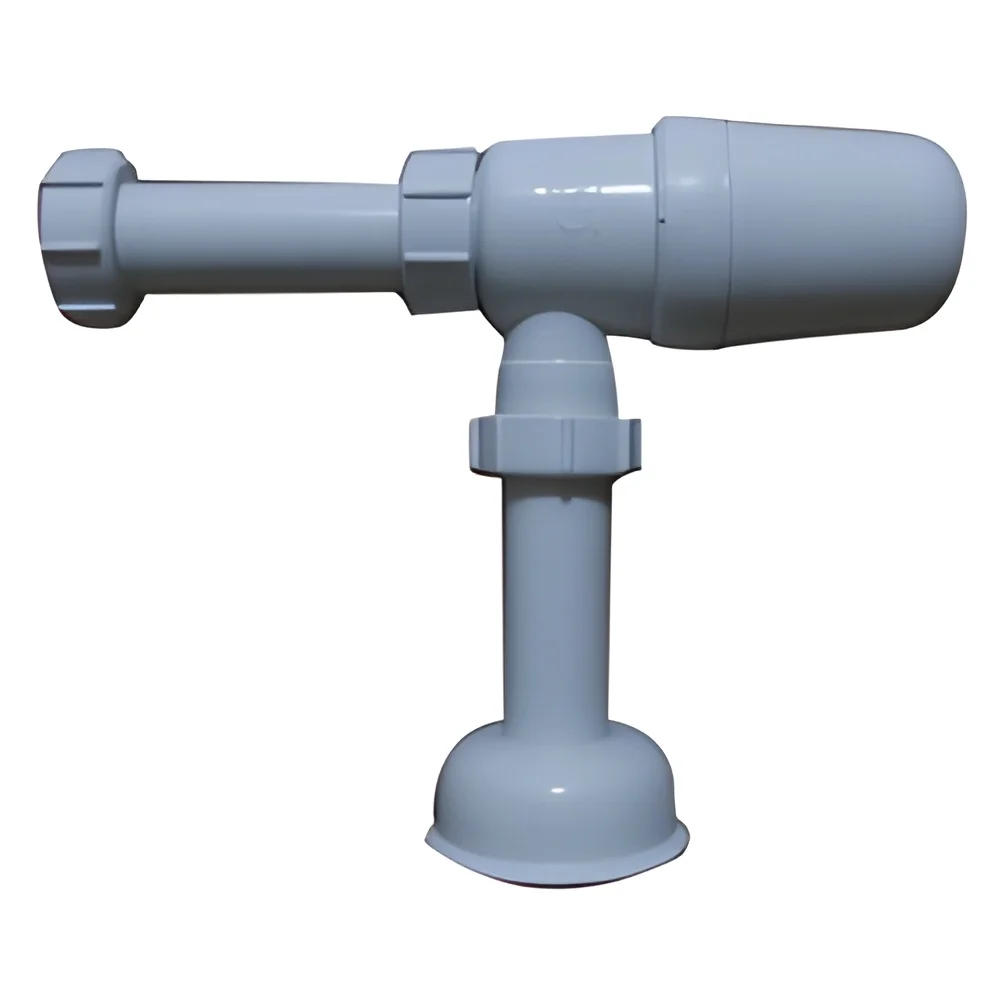
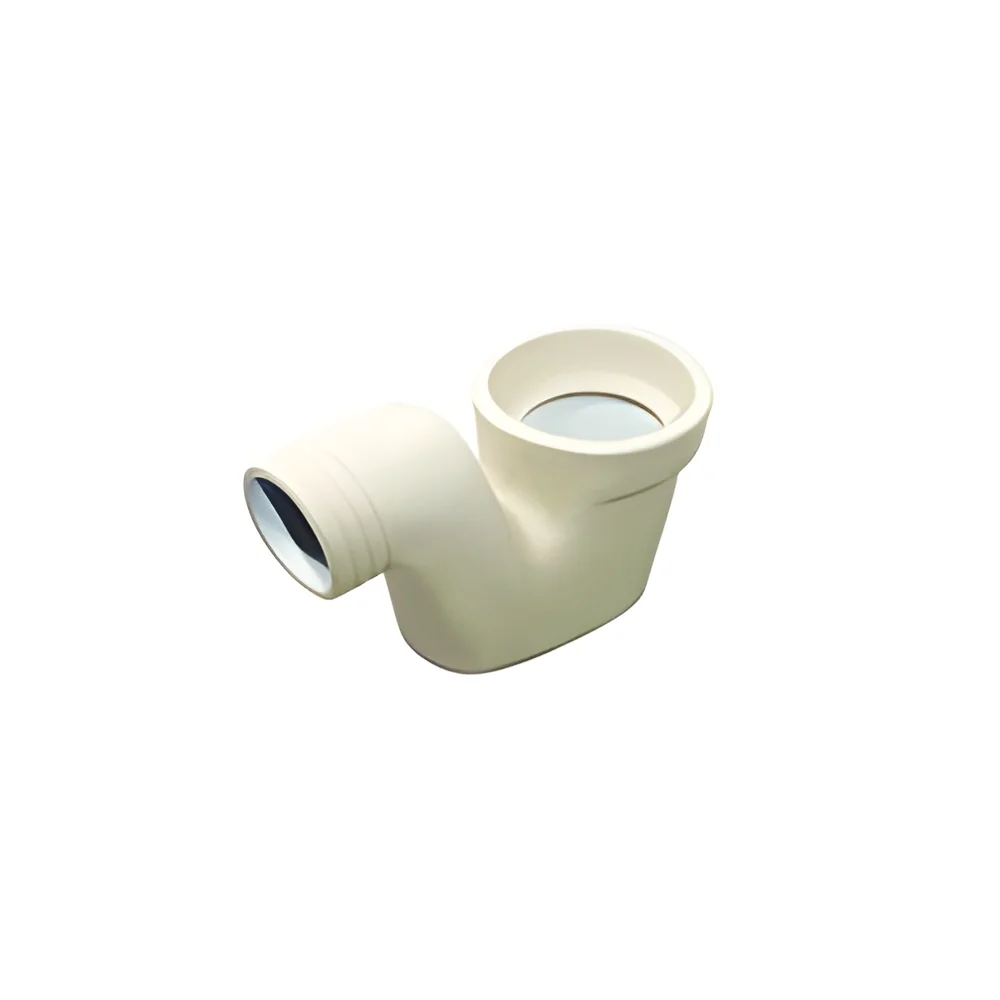
Bottle traps and P traps are essential plumbing components designed to prevent the escape of sewer gases while allowing wastewater to flow through drainage systems. A bottle trap, typically found in sinks and basins, uses a sealed design that creates a water barrier to trap odors. P traps, resembling the letter "P," serve a similar function but are often used in various plumbing applications, including toilets and floor drains. Both types of traps are crucial for maintaining hygiene and sanitation in residential and commercial settings.
These traps are commonly applied in both residential and industrial environments. In homes, they are integral to the plumbing systems of kitchens, bathrooms, and laundry rooms, ensuring that unpleasant smells do not enter living spaces. In industrial applications, bottle and P traps are used in laboratories, manufacturing facilities, and food processing plants, where the management of wastewater and odors is critical to operational efficiency and safety. The market for these products is robust, with increasing demand driven by growing construction activities and a heightened awareness of hygiene.
Key Features and Specifications
Bottle traps and P traps come with a variety of features that enhance their functionality and reliability. Understanding these specifications helps buyers select the right products for their needs.
Key specifications include:
1. Material Composition
- Typically made from durable materials like PVC, ABS, or metal.
- Varies based on application requirements such as corrosion resistance.
2. Size and Dimensions
- Available in various sizes to fit standard plumbing installations.
- Common diameters include 1.5 inches, 2 inches, and larger for industrial applications.
3. Flow Rate
- Designed to accommodate different flow rates based on the application.
- Specifications often range from 10 to 50 liters per minute.
4. Weight Capacity
- Must support the weight of accumulated waste without failure.
- Varies based on material and design, typically ranging from 0.5 kg to 5 kg.
5. Installation Type
- Options for both horizontal and vertical installation.
- Facilitates adaptability to specific plumbing layouts.
6. Seal Type
- Features a water seal that prevents gas escape.
- Standard seal depths usually range from 50 mm to 100 mm.
7. Certification Standards
- Compliance with industry standards such as CE.
- Ensures quality and safety for users.
8. Maintenance Requirements
- Generally low maintenance, but periodic checks are recommended.
- Easy access for cleaning to prevent clogs.
In summary, understanding the key features and specifications of bottle traps and P traps is vital for making informed purchasing decisions. Their design and materials can significantly impact their performance in various settings.
Common Applications and Use Cases
Bottle traps and P traps find application across a diverse range of industries.
1. Residential Plumbing: In homes, these traps are installed under sinks, basins, and bathtubs to prevent foul odors and ensure proper drainage.
2. Commercial Kitchens: Used in restaurants and food processing areas, these traps manage wastewater while maintaining hygiene standards.
3. Healthcare Facilities: In hospitals and laboratories, they help control odors and manage waste from medical and chemical processes.
4. Manufacturing Plants: Employed in production lines, these traps ensure that wastewater is effectively managed, preventing contamination and maintaining safety.
5. Educational Institutions: Schools and universities utilize bottle traps in laboratories and kitchens to handle wastewater appropriately.
6. Industrial Laundries: In facilities that process large volumes of textiles, these traps are critical for managing effluent and maintaining cleanliness.
7. Food Processing Units: Essential in factories where food is processed, they help in odor control and compliance with health regulations.
Product Variants and Subcategories
Bottle traps and P traps come in several variants to meet specific application requirements.
Standard Bottle Trap
This variant is designed for residential use, typically found in sinks and washbasins. It features a compact design that efficiently controls odors and is easy to install.
Heavy-Duty P Trap
Made from robust materials, this variant is suitable for industrial applications. It can handle larger volumes of wastewater and is often used in manufacturing plants and commercial kitchens.
Miniature Bottle Trap
Ideal for small spaces, this compact variant is used in tight installations, such as under small sinks or in portable toilets. It effectively prevents odor escape without taking up much room.
Benefits and Advantages
Choosing bottle traps and P traps offers numerous advantages for businesses and individuals.
1. Odor Control: These traps create a barrier that effectively prevents unpleasant smells from entering living or working spaces.
2. Easy Installation: Most traps are designed for straightforward installation, reducing labor costs and time.
3. Low Maintenance: With minimal upkeep required, they provide a cost-effective solution for wastewater management.
4. Versatile Applications: Suitable for various environments, including residential, commercial, and industrial settings.
5. Compliance with Standards: Many traps meet industry regulations, ensuring safe and effective use in critical applications.
6. Durable Materials: Built from high-quality materials, they resist corrosion and wear, extending their lifespan.
Buying Guide for B2B Buyers
When sourcing bottle traps and P traps, it is essential to consider several key factors to ensure the right fit for your needs.
1. Quality Assessment: Evaluate the material quality and construction standards to ensure longevity and reliability. Look for products that comply with relevant certifications.
2. Supplier Verification: Choose suppliers with a solid reputation and proven track record. Verify their credentials and ask for references to ensure reliability.
3. Pricing and MOQ: Understand the pricing structure and minimum order quantities. Seek competitive pricing while ensuring the quality of the products.
4. Delivery and Lead Times: Discuss logistics with suppliers to understand delivery schedules and lead times. Timely delivery is crucial for maintaining project timelines.
5. Compliance Requirements: Ensure that the products meet local and international compliance standards. This is particularly important in regulated industries such as healthcare and food processing.
Compliance and Certifications
Bottle traps and P traps must adhere to specific quality standards to ensure safety and reliability. Relevant certifications include ISO 9001, which emphasizes quality management systems, and CE certification, indicating conformity with health, safety, and environmental protection standards.
Safety and testing requirements are critical, particularly for applications in healthcare and food industries. Products must undergo rigorous testing to ensure they meet performance and safety standards.
Regional compliance considerations can vary, so it is important for B2B buyers to be aware of local regulations and standards applicable in their operational areas. This knowledge helps ensure that the sourced products are compliant and safe for use.
Why Source Bottle Traps & P Traps from Pepagora?
Pepagora offers a reliable platform for businesses looking to source bottle traps and P traps. The advantages of using Pepagora include a verified supplier network, ensuring that buyers engage with reputable manufacturers and suppliers.
The streamlined RFQ process simplifies obtaining quotes, allowing businesses to compare prices and features efficiently. This system enhances transparency and facilitates informed decision-making.
Pepagora also provides trade assurance and support, offering buyers protection against potential issues during transactions. This commitment to buyer safety fosters trust and confidence in the sourcing process.
With regional coverage in India, the GCC, and Southeast Asia, Pepagora enables businesses to access a wide range of products and suppliers, enhancing convenience and flexibility in sourcing bottle traps and P traps.


 India
 India
Frequently Asked Questions
What are Bottle Traps & P Traps?
Bottle traps and P traps are plumbing components designed to prevent sewer gases from entering a building while allowing wastewater to flow out. Bottle traps are typically used in sinks and basins, while P traps are more commonly found in toilets and larger drainage systems.
What are the different types of Bottle Traps & P Traps?
There are several types of bottle traps, including plastic, brass, and chrome-plated variants, each suitable for different applications. P traps can also vary in design, including standard P traps, S traps, and even deep seal P traps, catering to specific plumbing needs.
How do I choose the right Bottle Traps & P Traps?
Choosing the right bottle or P trap depends on factors such as the type of fixture, pipe size, and the specific plumbing requirements of your project. Consider the material, durability, and compatibility with existing plumbing to ensure optimal performance.
What are the standard specifications for Bottle Traps & P Traps?
Standard specifications for bottle traps and P traps typically include pipe diameter, material type, and trap depth. Common diameters are 32mm, 40mm, or 50mm, depending on the application, and materials often include PVC, ABS, or metal.
What is the price range for Bottle Traps & P Traps?
The price range for bottle traps and P traps can vary widely based on material, brand, and specifications. Generally, you can expect prices to start from around INR 100 to INR 500 for standard models, with premium options costing more.
What quality standards apply to Bottle Traps & P Traps?
Bottle traps and P traps must comply with various quality standards, such as ISI (Indian Standards Institute) certifications, which ensure they meet safety and performance criteria. Additionally, manufacturers may adhere to international standards for plumbing products.
Where can I find Bottle Traps & P Traps suppliers in India?
You can find suppliers of bottle traps and P traps in India through various channels, including online marketplaces like Pepagora, local plumbing supply stores, and trade exhibitions. It is advisable to compare multiple suppliers to find the best products.
Can Bottle Traps & P Traps be customized?
Yes, many manufacturers offer customization options for bottle traps and P traps to meet specific needs. Customization may include alterations in size, material, or design to fit unique plumbing requirements.
What is the typical minimum order quantity for Bottle Traps & P Traps?
The typical minimum order quantity (MOQ) for bottle traps and P traps can vary by supplier, but it generally ranges from 10 to 50 units. Larger orders may be required for customized products or bulk purchases.
What is the typical lead time for Bottle Traps & P Traps?
The typical lead time for bottle traps and P traps usually ranges from 1 to 4 weeks, depending on the supplier, order size, and whether the products are customized. It's recommended to confirm the lead time with the supplier during the ordering process.
Why Businesses Trust Pepagora
Thousands of companies trust Pepagora to source smarter and sell faster
Expand Your Sales Globally

Source Smarter,Grow Faster
