
 IN
Boneless Meat Cuts
15 products available
What are Boneless Meat Cuts?
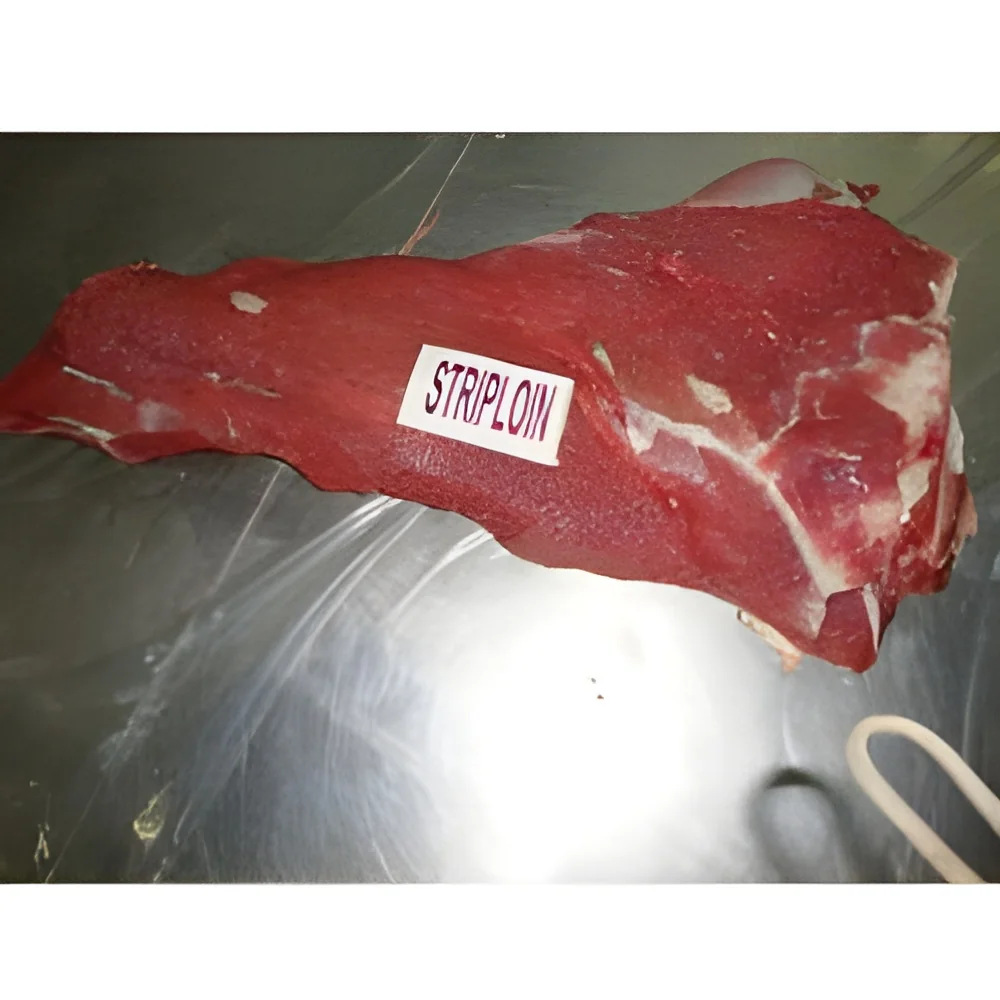
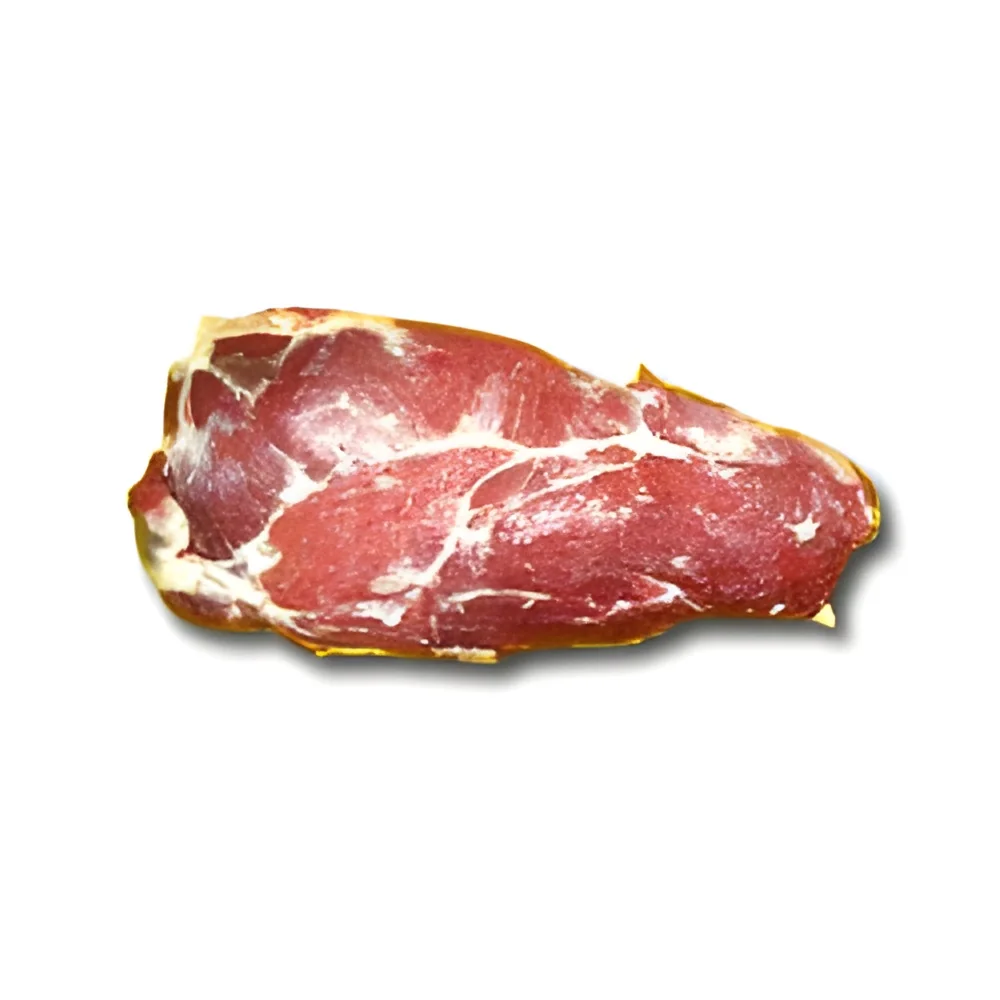
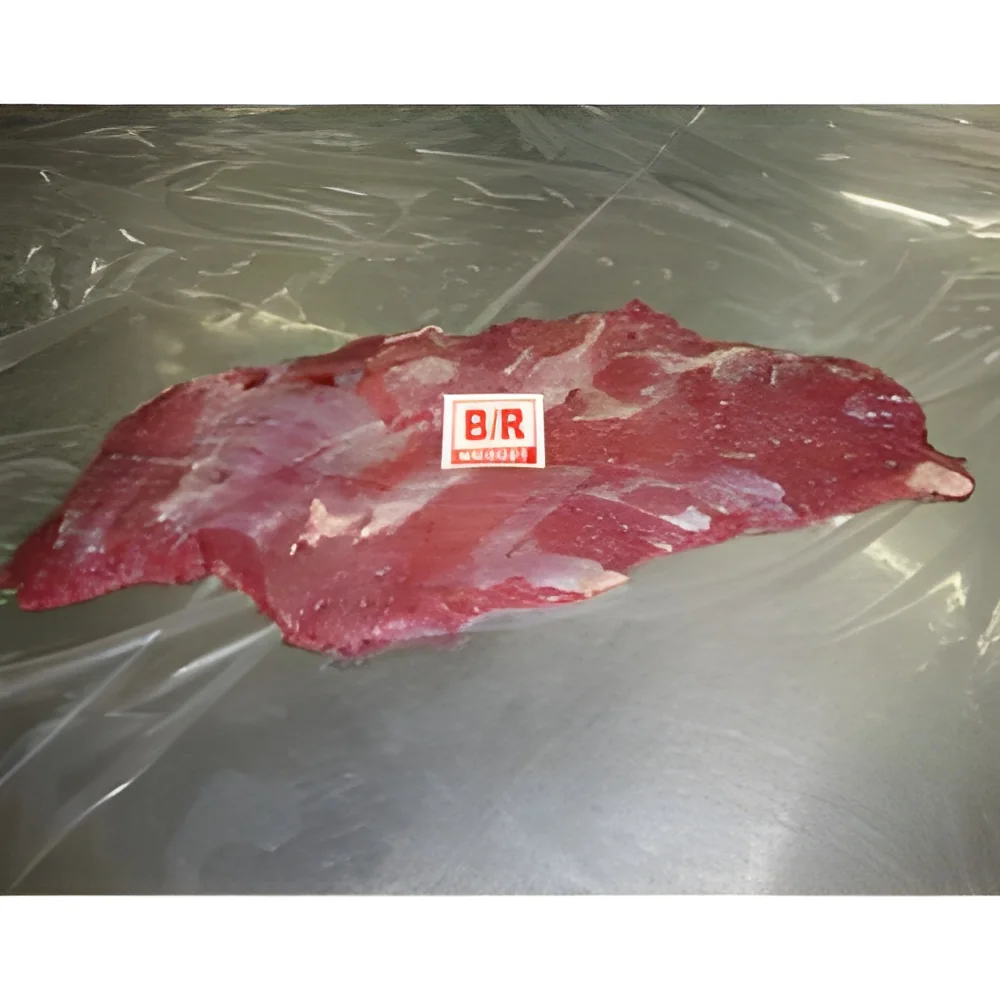
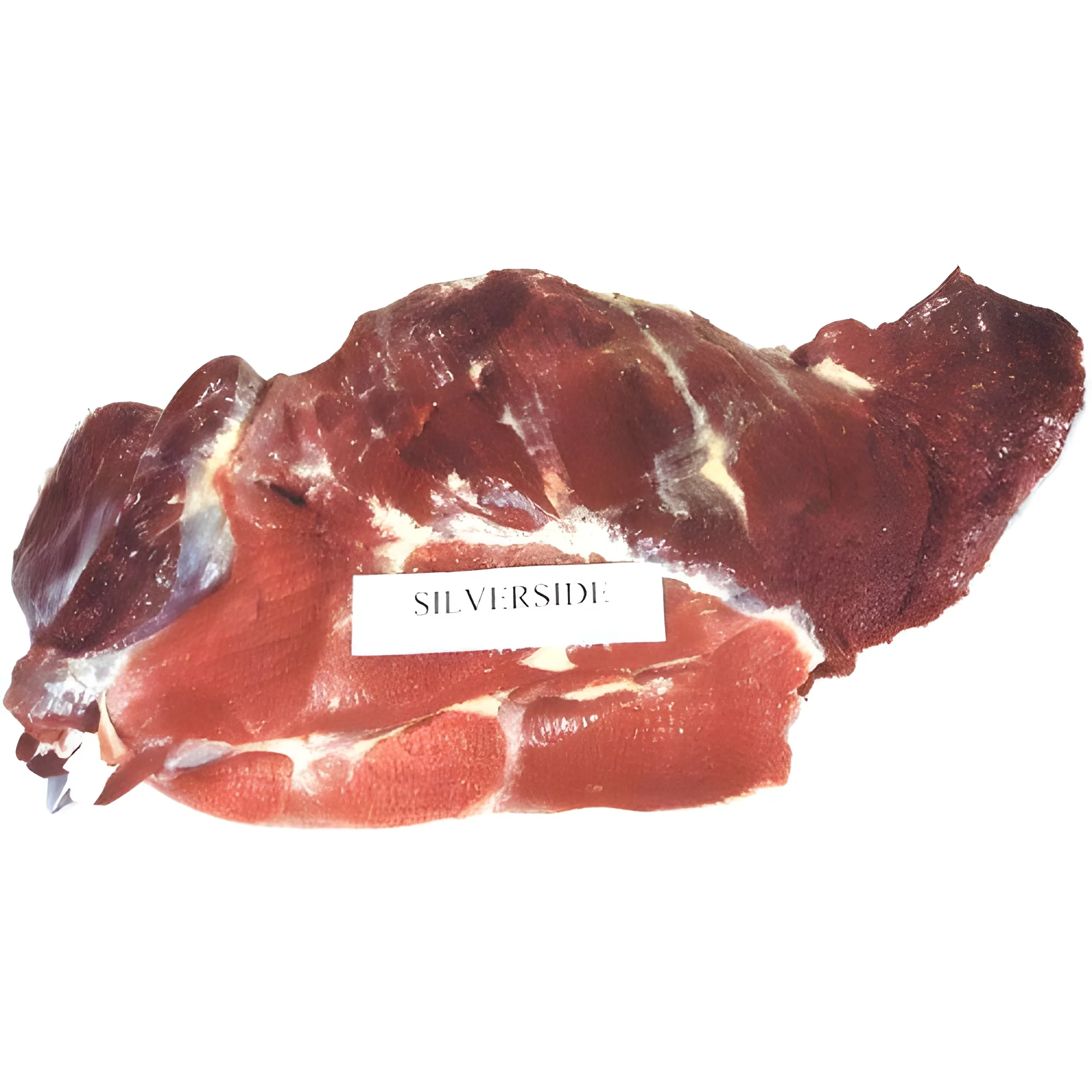
Boneless meat cuts refer to portions of meat that have had the bones removed, making them easier to handle, cook, and serve. These cuts are derived from various animals, including beef, pork, lamb, and poultry. The removal of bones not only enhances the convenience for both consumers and food service operations but also allows for more efficient storage and preparation. Boneless cuts can be found in various forms, such as steaks, fillets, and ground meat, catering to a range of culinary applications.
The primary uses of boneless meat cuts span several sectors, including food service, retail, and food manufacturing. Restaurants and catering services often prefer boneless cuts for their ease of preparation and presentation. Additionally, these cuts are popular in consumer markets due to their versatility in cooking methods, from grilling to frying. The growing demand for ready-to-cook and convenience food products has further propelled the market for boneless meat cuts, making them a staple in many industrial food applications.
In the current market context, the demand for boneless meat cuts continues to rise as consumer preferences shift towards convenience and ready-to-eat options. The meat processing industry is adapting to these trends by providing a range of boneless cuts that meet quality and safety standards. As suppliers innovate and diversify their offerings, boneless meat cuts remain highly relevant in the competitive landscape of food production and distribution.
Key Features and Specifications
Boneless meat cuts are characterized by specific features and specifications that enhance their quality and usability. Understanding these specifications is crucial for businesses looking to source the right products.
Key specifications include:
1. Meat Type
- Various types available include beef, pork, lamb, and poultry.
- Each type has unique flavor profiles and cooking properties.
2. Cut Thickness
- Standard thicknesses vary, typically ranging from 1 inch to 2 inches.
- Thickness impacts cooking time and presentation.
3. Packaging Options
- Available in vacuum-sealed, cryovac, or bulk packaging.
- Packaging affects shelf life and storage requirements.
4. Shelf Life
- Refrigerated boneless cuts typically last 3 to 5 days.
- Frozen options can last several months when stored properly.
5. Weight Range
- Boneless cuts are available in various weight ranges, generally from 0.5 kg to 5 kg.
- Weight selection may depend on specific customer needs and usage.
6. Quality Grades
- Various quality grades exist, including prime, choice, and select.
- Higher grades offer better marbling and flavor.
7. Source Certification
- Sourced from certified suppliers who meet industry standards.
- Ensures traceability and quality assurance.
8. Compliance Standards
- Adherence to safety and quality standards, such as HACCP and CE certification.
- Regulatory compliance ensures product safety for consumers.
In summary, the specifications of boneless meat cuts are designed to meet the diverse needs of businesses while ensuring quality and safety in food production.
Common Applications and Use Cases
Boneless meat cuts serve a broad array of industries, each with specific applications tailored to their needs.
1. Food Service: Restaurants and catering services utilize boneless cuts for ease of preparation and enhanced presentation in dishes.
2. Retail: Grocery stores and supermarkets offer boneless cuts as consumer-friendly options, catering to busy households seeking convenience.
3. Food Manufacturing: Processors incorporate boneless cuts into ready-to-eat meals, processed products, and meal kits, capitalizing on the growing demand for convenience foods.
4. Institutional Catering: Schools, hospitals, and large institutions use boneless cuts for their consistency and ease of portion control in meal preparation.
5. Export Markets: International buyers seek boneless meat cuts for various culinary applications, enhancing trade opportunities for suppliers.
6. Meal Delivery Services: Subscription meal kits and delivery services rely on boneless cuts for their versatility and ease of cooking.
7. Frozen Food Industry: The frozen food sector utilizes boneless cuts in pre-packaged meals, ensuring long shelf life and convenience for consumers.
Product Variants and Subcategories
Boneless meat cuts come in a variety of forms, each suited for different culinary applications and consumer preferences.
Chicken Breast
This variant is known for its lean protein content and versatility. Commonly used in grilling, baking, and stir-frying, chicken breast is favored for its mild flavor.
Pork Tenderloin
A popular choice for its tenderness and flavor profile, pork tenderloin is often marinated or roasted. It is widely used in both home cooking and professional kitchens.
Beef Fillet
Renowned for its tenderness and rich flavor, beef fillet is often prepared as steaks or in gourmet dishes. This cut is a favorite in high-end dining establishments.
Lamb Leg
Boneless lamb leg is prized for its robust flavor and is often roasted or used in stews. It serves as an excellent choice for festive occasions and special menus.
Ground Meat
Available from various meat types, ground meat offers versatility for burgers, meatballs, and sauces. It is a staple in many kitchens for its ease of use.
Benefits and Advantages
The benefits of sourcing boneless meat cuts are manifold, offering significant advantages to businesses in the food industry.
Key benefits include:
1. Convenience: Boneless cuts simplify preparation, reducing cooking time and allowing for quick meal assembly.
2. Versatility: These cuts can be used in a variety of dishes, from stir-fries to roasts, appealing to diverse culinary preferences.
3. Reduced Waste: The absence of bones leads to less waste, maximizing the usable meat per cut and enhancing cost-efficiency.
4. Consistent Quality: Sourcing from certified suppliers ensures a consistent standard of quality, giving businesses confidence in their offerings.
5. Enhanced Flavor: Boneless cuts often maintain better flavor retention during cooking, leading to more satisfying meals.
6. Healthier Options: With an emphasis on lean cuts, boneless meats cater to health-conscious consumers seeking lower-fat options.
Buying Guide for B2B Buyers
When sourcing boneless meat cuts, businesses must consider several critical factors to ensure they make informed purchases.
1. Quality Assessment: Evaluate quality based on visual appearance, texture, and marbling. Ensure that cuts meet industry standards for freshness and safety.
2. Supplier Verification: Vet potential suppliers for certifications, reputation, and reliability. A trusted supplier network is essential for maintaining product quality.
3. Pricing and MOQ: Understand the pricing structure and minimum order quantities. This helps in budgeting and ensures that orders align with business needs.
4. Delivery and Lead Times: Assess logistics capabilities, including delivery schedules and lead times. Timely delivery is crucial for maintaining inventory levels.
5. Compliance Requirements: Familiarize yourself with local regulatory requirements, including health and safety standards. Ensuring compliance is essential for legal and operational success.
Compliance and Certifications
Compliance and certifications play a vital role in the sourcing and distribution of boneless meat cuts. Key quality standards such as ISO 9001 and HACCP ensure that products meet stringent safety and quality requirements.
Industry certifications, particularly CE certification, verify that products comply with European health, safety, and environmental protection standards. This certification is crucial for exporters and businesses targeting international markets.
Safety and testing requirements encompass regular inspections and quality checks to ensure that meat cuts are free from contaminants and adhere to hygiene standards.
Regional compliance considerations may vary, and businesses must stay informed about local regulations governing meat products to ensure they meet all necessary requirements.
Why Source Boneless Meat Cuts from Pepagora?
Pepagora provides a trusted platform for sourcing boneless meat cuts with several key advantages that stand out in the market.
Verified Supplier Network: Pepagora connects buyers with a network of verified suppliers who meet industry standards. This network ensures that businesses can source high-quality products with confidence.
Streamlined RFQ Process: The platform offers a streamlined request for quotation (RFQ) process that simplifies the procurement steps. Buyers can easily compare offers and select the best options for their needs.
Trade Assurance and Support: Pepagora provides trade assurance, protecting buyers against potential risks during transactions. This support fosters trust and facilitates smooth business operations.
Regional Coverage: With a focus on India, the GCC, and Southeast Asia, Pepagora ensures that businesses can access a wide range of suppliers and products across these dynamic markets. This geographic reach enhances sourcing opportunities and promotes trade growth.

 India
 India
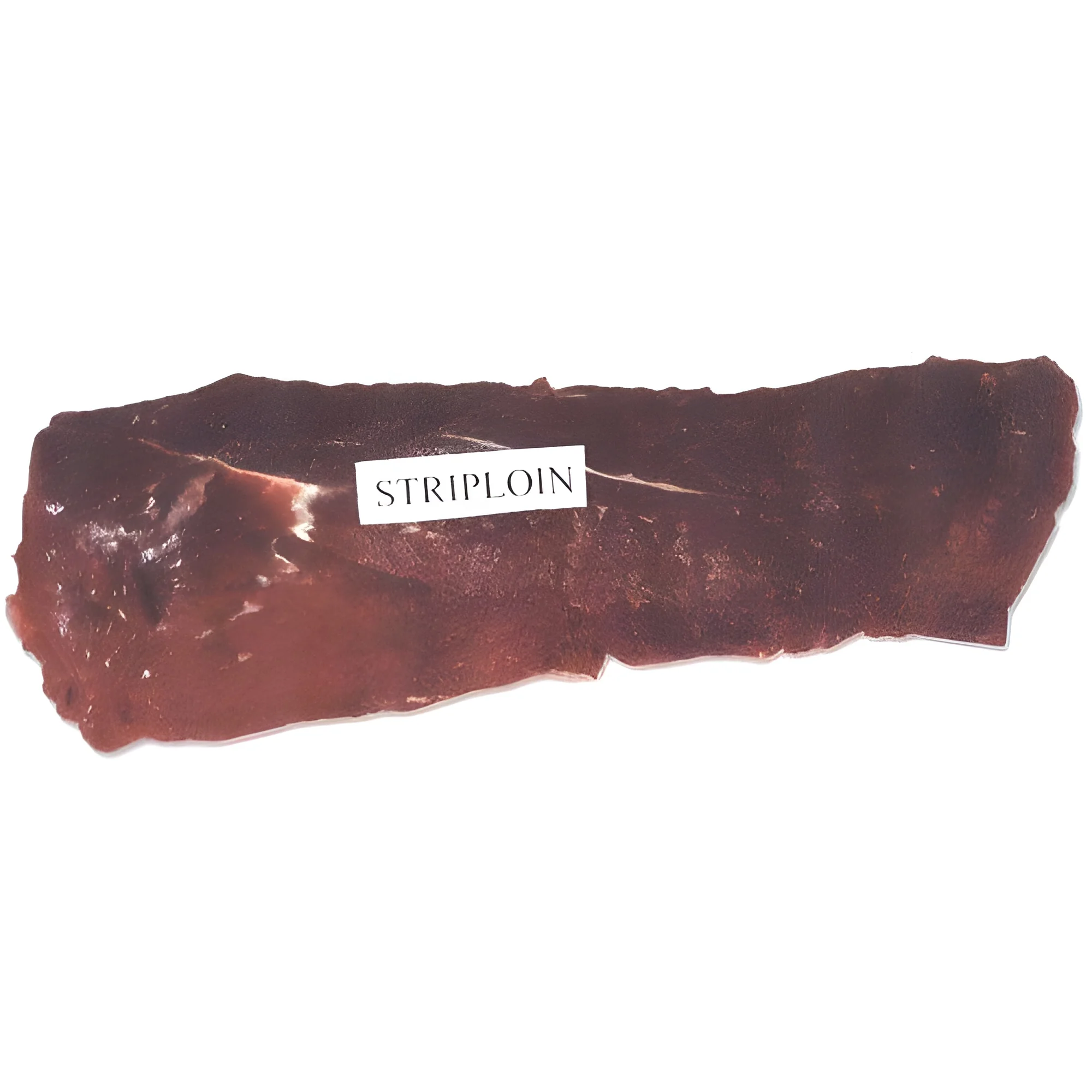
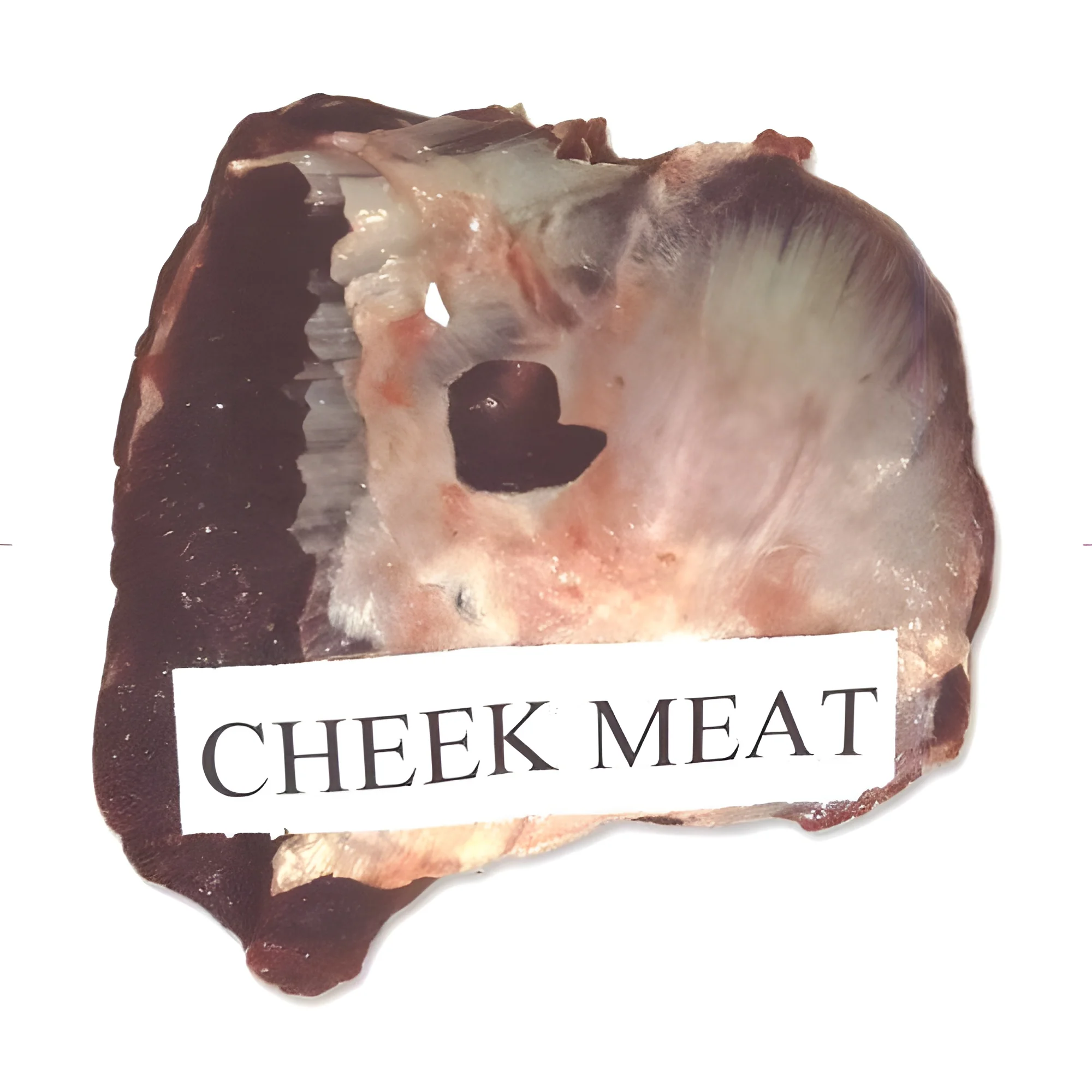
 India
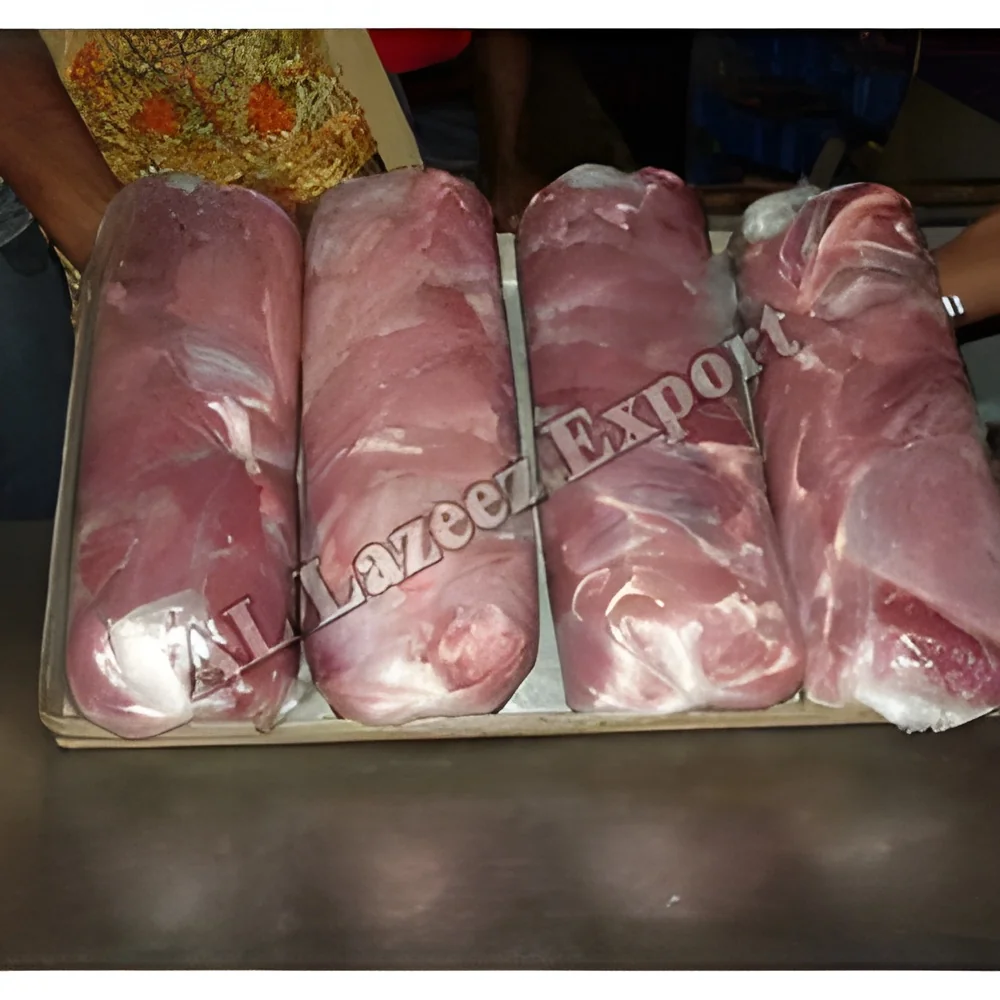
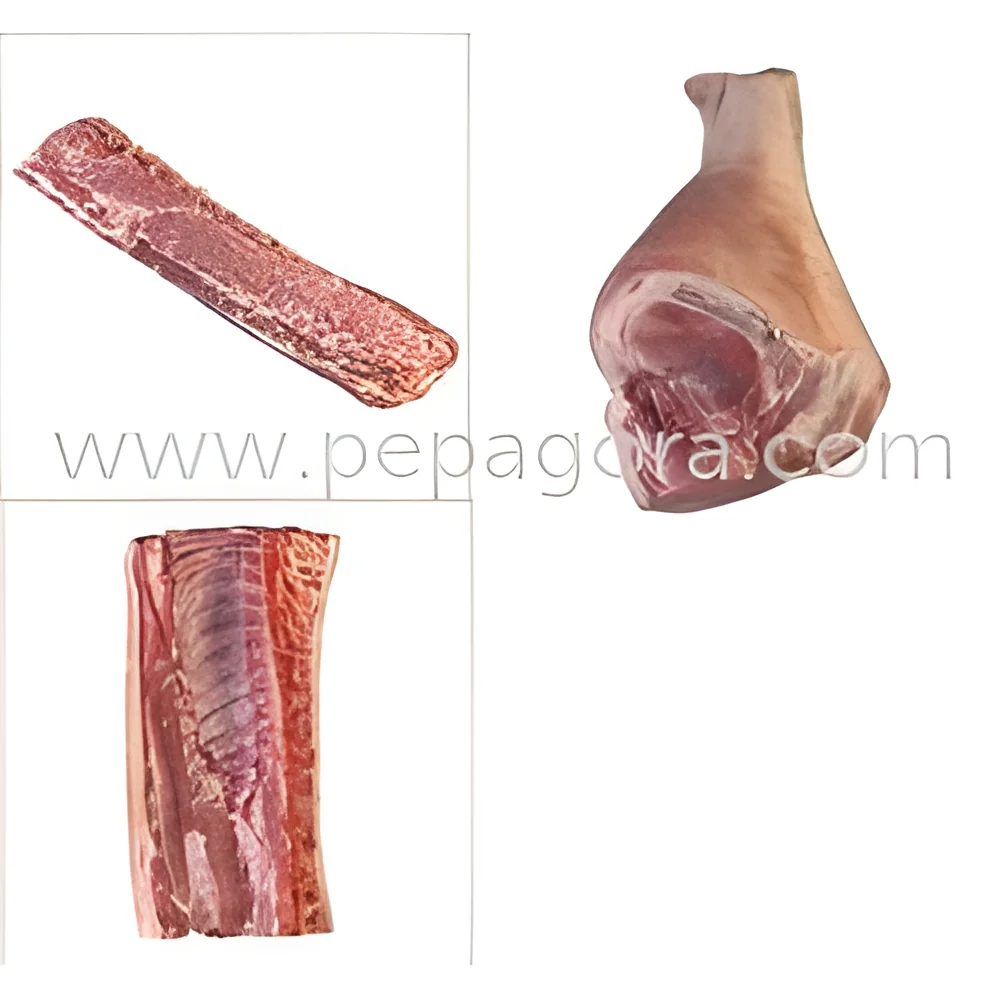
Frequently Asked Questions
What are Boneless Meat Cuts?
Boneless Meat Cuts refer to pieces of meat that have had the bones removed, making them easier to cook and consume. These cuts are popular for their convenience and versatility in various culinary applications.
What are the different types of Boneless Meat Cuts?
There are several types of Boneless Meat Cuts, including boneless chicken breasts, boneless pork chops, and boneless beef steaks. Each type offers different flavors and textures, suitable for various recipes.
How do I choose the right Boneless Meat Cuts?
To choose the right Boneless Meat Cuts, consider the cooking method, flavor preference, and intended dish. Additionally, check for freshness, color, and packaging to ensure quality.
What are the standard specifications for Boneless Meat Cuts?
Standard specifications for Boneless Meat Cuts typically include size, weight, and fat content. Buyers should also look for proper packaging and labeling that complies with food safety regulations.
What is the price range for Boneless Meat Cuts?
The price range for Boneless Meat Cuts can vary significantly based on the type of meat, quality, and supplier. Generally, prices may range from moderate to premium, reflecting different cuts and sourcing methods.
What quality standards apply to Boneless Meat Cuts?
Quality standards for Boneless Meat Cuts often adhere to local food safety regulations, including hygiene, freshness, and proper handling. Certifications from relevant food safety authorities may also indicate higher quality.
Where can I find Boneless Meat Cuts suppliers in India?
You can find Boneless Meat Cuts suppliers in India through online B2B marketplaces, local butcher shops, and meat processing companies. Researching supplier reviews and credentials can also help ensure reliability.
Can Boneless Meat Cuts be customized?
Yes, Boneless Meat Cuts can often be customized according to specific requirements, such as portion size, thickness, and packaging. Discussing your needs with suppliers can facilitate tailored offerings.
What is the typical minimum order quantity for Boneless Meat Cuts?
The typical minimum order quantity (MOQ) for Boneless Meat Cuts varies by supplier but is often set to ensure economic viability. It can range from a few kilograms to several hundred kilograms depending on the supplier.
What is the typical lead time for Boneless Meat Cuts?
The typical lead time for Boneless Meat Cuts depends on the supplier and the order size, but it generally ranges from a few days to a couple of weeks. It's advisable to confirm timelines when placing an order.
Why Businesses Trust Pepagora
Thousands of companies trust Pepagora to source smarter and sell faster
Expand Your Sales Globally

Source Smarter,Grow Faster
