
 IN
Blast Furnace Slag Aggregates
4 products available
What are Blast Furnace Slag Aggregates?
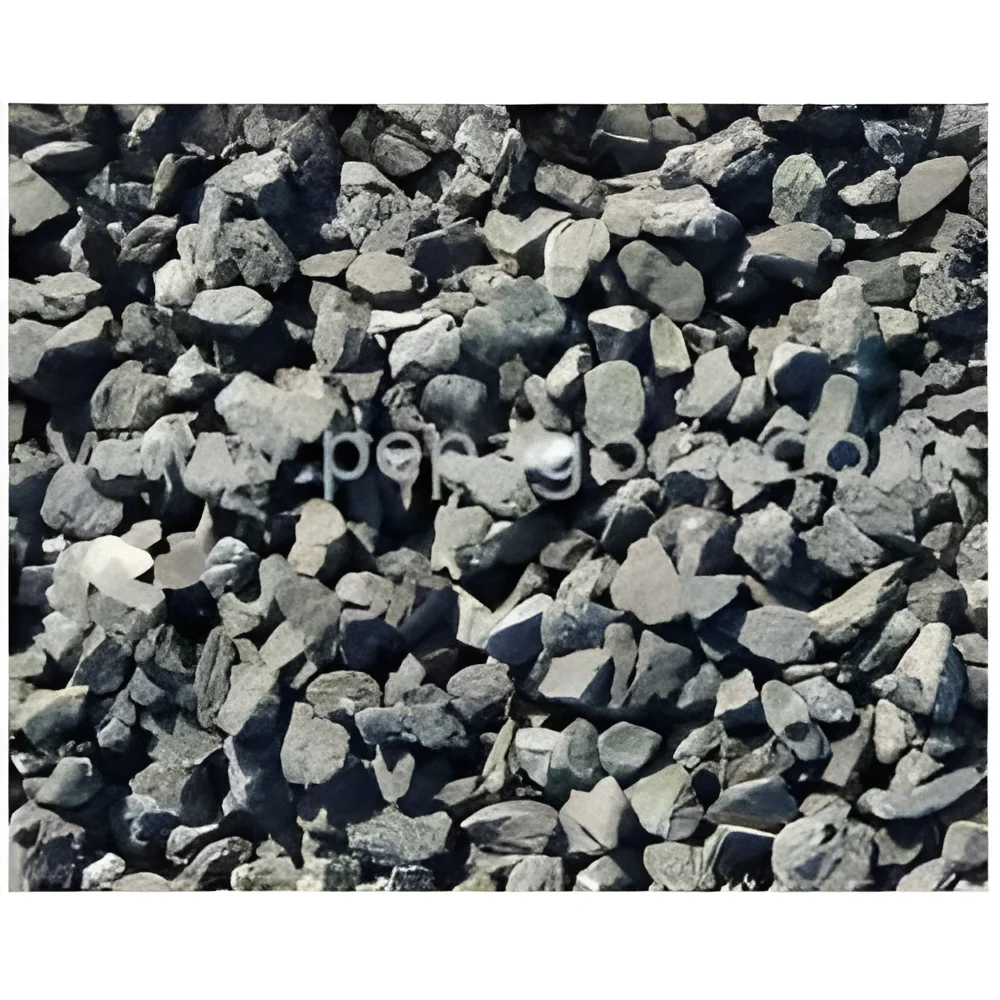
Blast Furnace Slag Aggregates are a type of construction material derived from the byproduct of iron and steel manufacturing. When iron ore is melted in a blast furnace, molten slag is produced, which can be rapidly cooled and processed into aggregates. These aggregates are typically used as a replacement for natural aggregates in various construction applications due to their unique properties.
The primary uses of Blast Furnace Slag Aggregates include their application in concrete production, road construction, and other structural applications. They are valued for their durability, resistance to environmental degradation, and ability to enhance the overall performance of concrete. As the construction industry increasingly focuses on sustainability, the demand for such recycled materials is growing, making Blast Furnace Slag Aggregates an important consideration for builders and contractors.
In the context of the industry, Blast Furnace Slag Aggregates play a significant role in addressing the environmental challenges posed by the extraction of natural resources. Their use contributes to reducing waste and promoting the sustainable use of materials. As construction practices evolve, the market for these aggregates is expected to grow, driven by regulatory pressures and an increasing emphasis on green building practices.
Key Features and Specifications
Blast Furnace Slag Aggregates are characterized by several key features that make them suitable for various applications. These aggregates boast a range of specifications that align with industry standards, ensuring quality and performance.
Key specifications include:
1. Particle Size Distribution
- Typically ranges from fine to coarse aggregates
- Ensures optimal mixing and performance in concrete applications
2. Specific Gravity
- Generally ranges from 2.5 to 2.9
- Important for understanding material density and strength
3. Absorption Rate
- Commonly between 1% to 3%
- Affects the water-cement ratio in concrete mixes
4. Bulk Density
- Usually around 1,400 to 1,800 kg/m3
- Influences the overall weight and structural integrity of constructions
5. Chemical Composition
- Rich in silica, alumina, and calcium
- Contributes to the pozzolanic activity in concrete
6. Environmental Benefits
- Reduces carbon footprint compared to natural aggregates
- Aids in sustainable construction practices
7. Color and Aesthetic Options
- Available in various colors based on processing
- Enhances visual appeal in architectural applications
8. Freeze-Thaw Resistance
- Excellent resistance to freeze-thaw cycles
- Ensures long-term durability in varying climates
In summary, the features and specifications of Blast Furnace Slag Aggregates highlight their utility in construction while promoting sustainability.
Common Applications and Use Cases
Blast Furnace Slag Aggregates find diverse applications across multiple industries due to their beneficial properties.
1. Construction: Used as a substitute for natural aggregates in concrete mixes, enhancing strength and durability.
2. Road Building: Ideal for base and sub-base layers in road construction, providing excellent load-bearing capacity.
3. Landscaping: Employed as decorative aggregates in landscaping projects, contributing to aesthetic designs.
4. Infrastructure Projects: Utilized in the construction of bridges, tunnels, and other critical infrastructure due to their resilience.
5. Environmentally Friendly Projects: Favored in green building initiatives for their low carbon footprint and recycled nature.
6. Industrial Flooring: Applied in flooring systems that require high durability and resistance to wear and tear.
7. Soil Stabilization: Effective in improving soil properties for construction sites, enhancing stability and load distribution.
Product Variants and Subcategories
Blast Furnace Slag Aggregates offer various options to meet specific project requirements.
Granulated Blast Furnace Slag (GBFS)
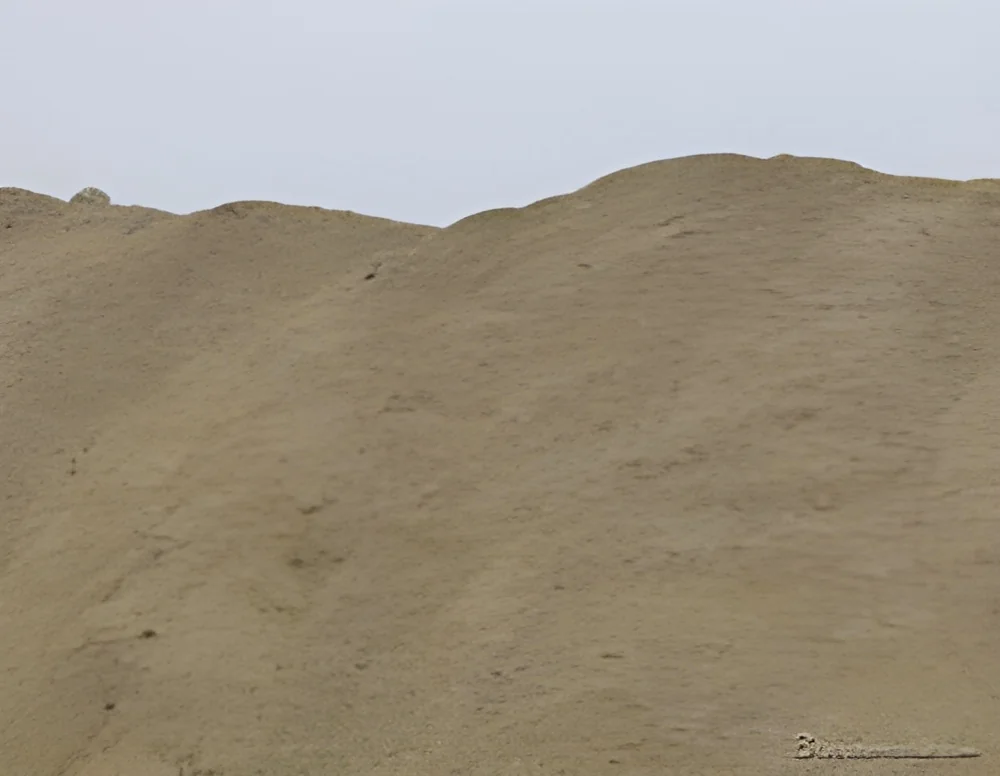
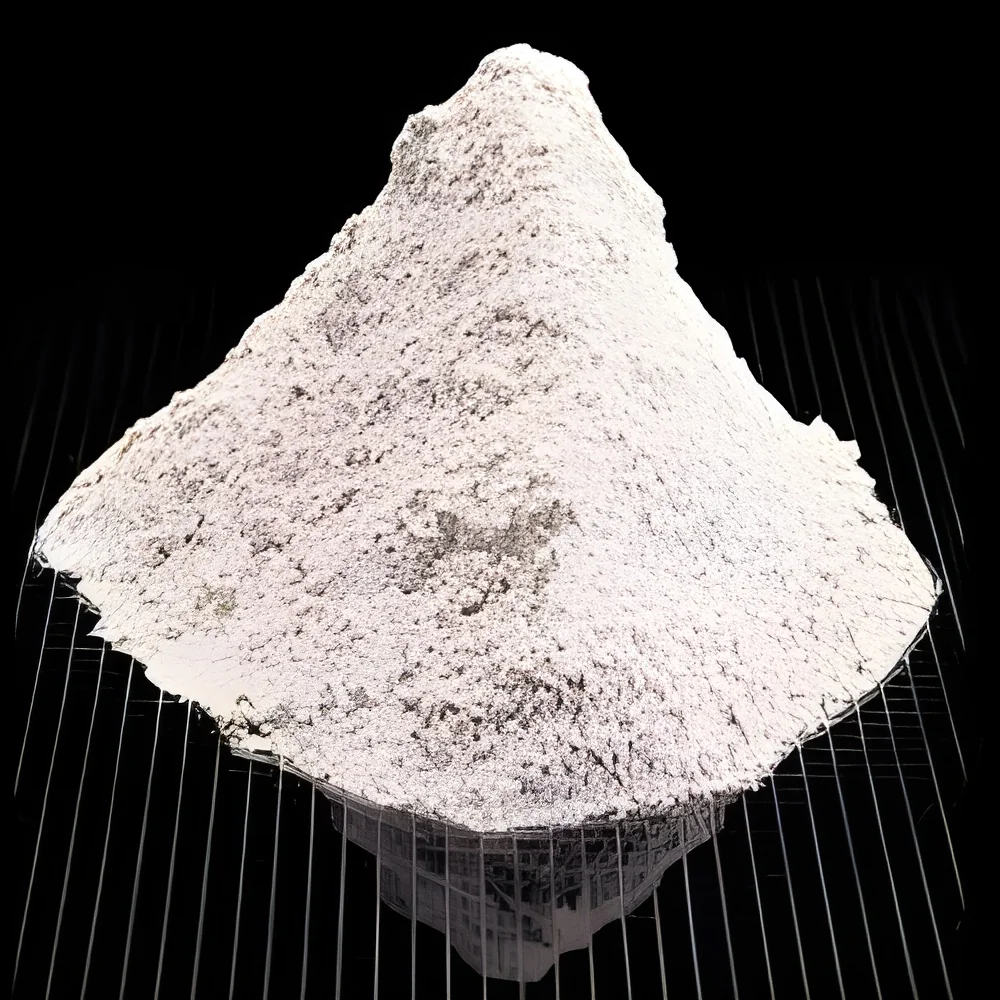
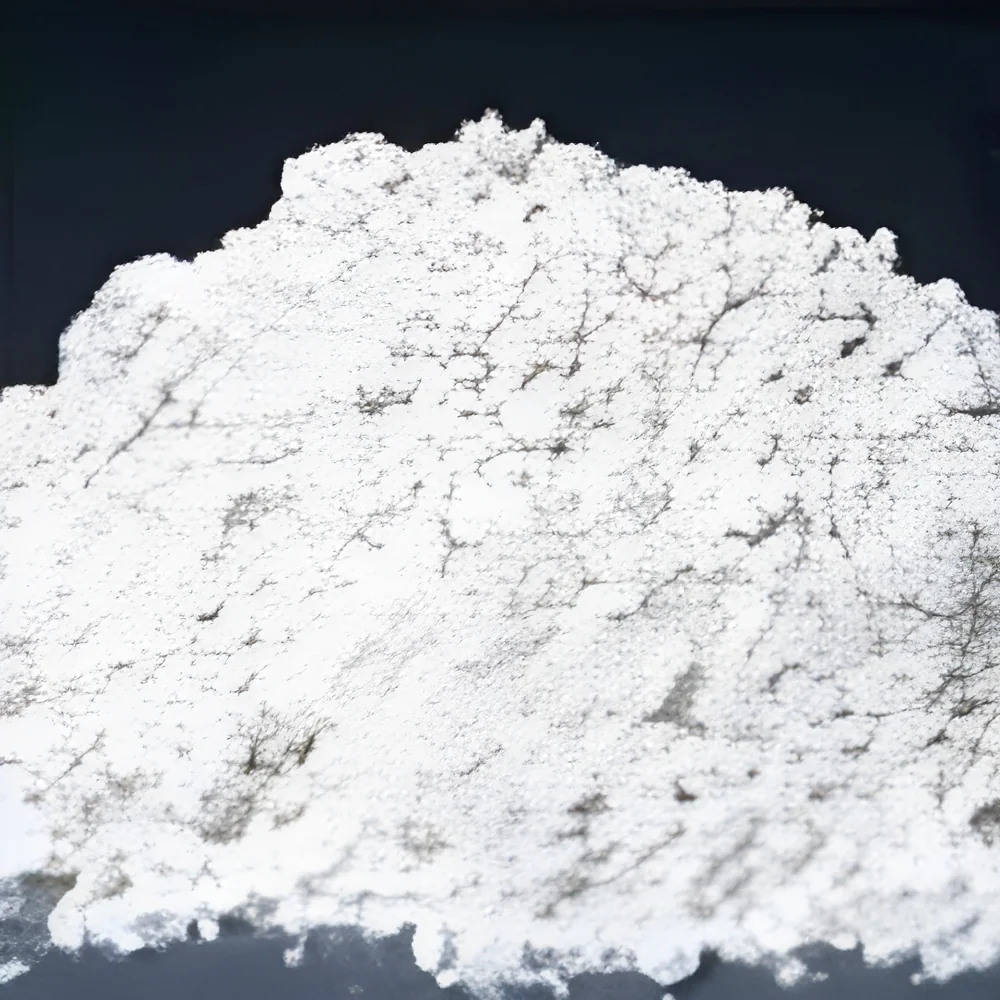
This variant is produced by rapidly cooling molten slag with water, forming a glassy, granular material. It is widely used in cement production and concrete applications, enhancing strength and durability.
Air-Cooled Blast Furnace Slag (ACBFS)
ACBFS is formed by allowing the molten slag to cool slowly in air, resulting in a dense and robust aggregate. It is commonly utilized in road construction and as a lightweight fill material.
Benefits and Advantages
The use of Blast Furnace Slag Aggregates brings numerous benefits to construction projects.
Key benefits include:
1. Sustainability: Reduces reliance on natural resources, promoting eco-friendly construction practices.
2. Enhanced Durability: Increases the lifespan of concrete structures due to superior resistance to environmental factors.
3. Cost-Effectiveness: Often more affordable than traditional aggregates, leading to overall project savings.
4. Improved Workability: Contributes to better workability in concrete mixes, facilitating easier handling and application.
5. Reduced Shrinkage: Helps minimize shrinkage in concrete, reducing the risk of cracking over time.
6. Versatility: Suitable for a wide range of applications across various industries, ensuring flexibility in usage.
Buying Guide for B2B Buyers
When sourcing Blast Furnace Slag Aggregates, buyers should consider several essential factors to ensure quality and suitability for their projects.
1. Quality Assessment: Evaluate the material's properties, including particle size, specific gravity, and chemical composition, to ensure it meets project requirements.
2. Supplier Verification: Vet suppliers for their experience, reputation, and adherence to quality standards. Look for certifications and customer feedback.
3. Pricing and MOQ: Understand the cost implications and minimum order quantities to align with project budgets and timelines.
4. Delivery and Lead Times: Confirm logistics capabilities, including delivery schedules and lead times, to ensure timely availability of materials.
5. Compliance Requirements: Ensure that the aggregates meet all relevant regulations and quality standards required for specific applications.
Compliance and Certifications
Blast Furnace Slag Aggregates are subject to various quality standards and compliance requirements.
Relevant quality standards such as ISO 9001 ensure that manufacturers maintain consistent quality management systems throughout production. This guarantees that the aggregates produced meet industry expectations for performance and reliability.
Industry certifications like CE indicate that the products meet European safety and environmental requirements, instilling confidence in buyers regarding material quality and compliance.
Additionally, safety and testing requirements are crucial to ensure that the aggregates are free from harmful contaminants and suitable for use in construction applications. Regular testing can help maintain compliance with these standards.
Regional compliance considerations may vary, and it is essential for buyers to understand local regulations concerning the use of recycled materials in construction to ensure full compliance.
Why Source Blast Furnace Slag Aggregates from Pepagora?
Pepagora provides a trusted platform for sourcing Blast Furnace Slag Aggregates, offering several key advantages to B2B buyers.
Verified Supplier Network: Pepagora connects buyers with a network of verified suppliers who meet stringent quality and compliance standards. This ensures that buyers can trust the sources of their materials.
Streamlined RFQ Process: The platform offers a simplified request for quotation (RFQ) process, enabling buyers to receive competitive quotes from multiple suppliers quickly and efficiently.
Trade Assurance and Support: Pepagora prioritizes buyer protection by offering trade assurance mechanisms, ensuring that transactions are secure and that buyers receive the quality they expect.
Regional Coverage: With a strong presence in India, the GCC, and Southeast Asia, Pepagora facilitates access to a wide range of suppliers and materials, making it easier for buyers to find suitable options for their projects.

 India
 India
 India
Frequently Asked Questions
What are Blast Furnace Slag Aggregates?
Blast Furnace Slag Aggregates are by-products generated during the production of iron in a blast furnace. These aggregates are formed when molten slag is rapidly cooled and solidified, resulting in a glassy material that can be crushed and used as an aggregate in construction and road-making.
What are the different types of Blast Furnace Slag Aggregates?
There are primarily two types of Blast Furnace Slag Aggregates: granulated slag and air-cooled slag. Granulated slag is produced by rapidly cooling molten slag with water, while air-cooled slag is allowed to cool naturally in the air, leading to different physical properties and applications.
How do I choose the right Blast Furnace Slag Aggregates?
Choosing the right Blast Furnace Slag Aggregates depends on the intended use, required strength, and specific project specifications. It is essential to consider factors such as particle size, durability, and compatibility with other materials in the construction process.
What are the standard specifications for Blast Furnace Slag Aggregates?
Standard specifications for Blast Furnace Slag Aggregates typically include criteria such as size, gradation, density, and compressive strength. These specifications may vary based on regional standards and the specific use case, so it is advisable to consult relevant codes and guidelines.
What is the price range for Blast Furnace Slag Aggregates?
The price range for Blast Furnace Slag Aggregates can vary significantly based on factors such as quality, location, and supplier pricing strategies. Generally, the cost can range from INR 1,000 to INR 3,500 per ton, but it is recommended to check with multiple suppliers for accurate pricing.
What quality standards apply to Blast Furnace Slag Aggregates?
Quality standards for Blast Furnace Slag Aggregates may include compliance with IS 12089:1987 in India, which outlines the requirements for granulated slag for use in cement and concrete. Additionally, aggregates should meet relevant ASTM or AASHTO standards based on the intended application.
Where can I find Blast Furnace Slag Aggregates suppliers in India?
You can find Blast Furnace Slag Aggregates suppliers in India through various online marketplaces, industry directories, and local construction material suppliers. Platforms like Pepagora.com also provide a comprehensive list of manufacturers and suppliers in this category.
Can Blast Furnace Slag Aggregates be customized?
Yes, Blast Furnace Slag Aggregates can be customized based on specific project requirements. Suppliers may offer options for different sizes, gradations, and blends to meet the unique needs of various construction applications.
What is the typical minimum order quantity for Blast Furnace Slag Aggregates?
The typical minimum order quantity (MOQ) for Blast Furnace Slag Aggregates can vary by supplier but often ranges from 10 to 50 tons. It is advisable to confirm the MOQ with the supplier before placing an order.
What is the typical lead time for Blast Furnace Slag Aggregates?
The typical lead time for Blast Furnace Slag Aggregates usually ranges from 1 to 4 weeks, depending on the supplier's inventory and the order size. It is important to communicate your timeline requirements with the supplier to ensure timely delivery.
Why Businesses Trust Pepagora
Thousands of companies trust Pepagora to source smarter and sell faster
Expand Your Sales Globally

Source Smarter,Grow Faster
