
 IN
Battery Containers & Housings
42 products available
What are Battery Containers & Housings?
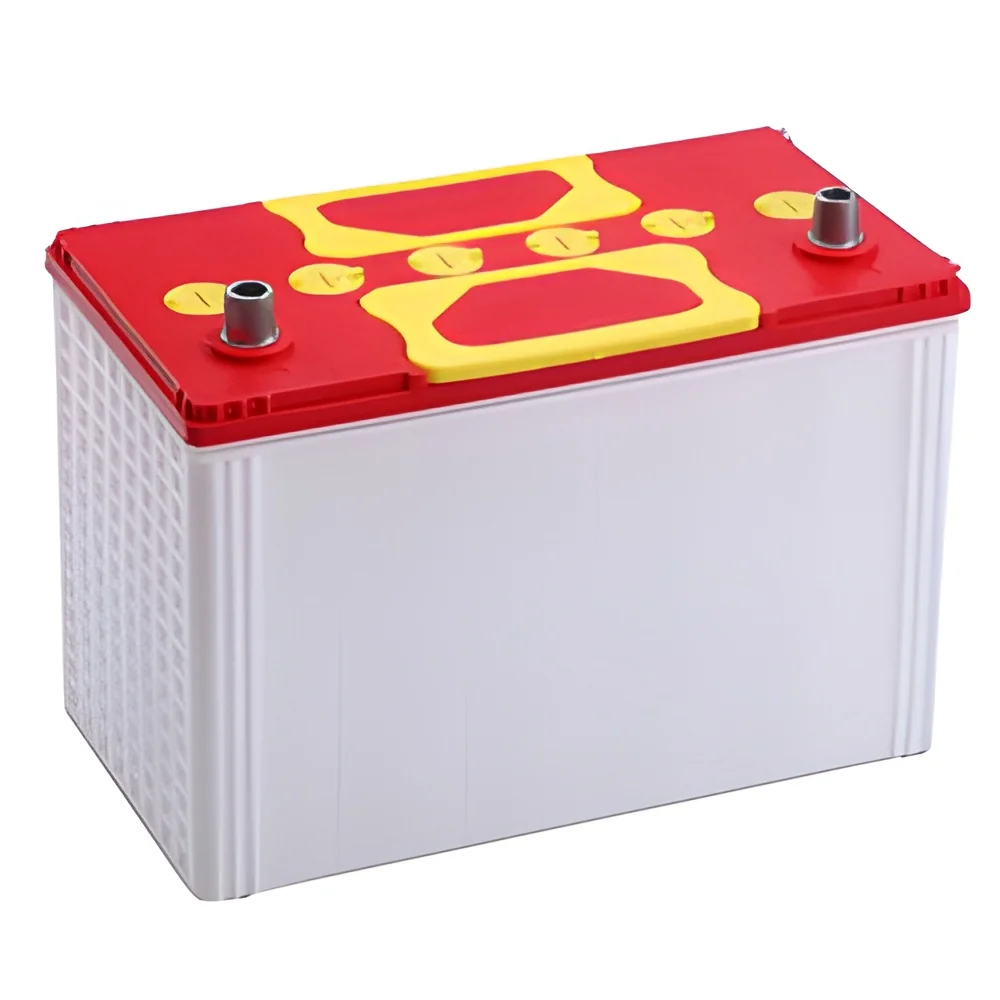
Battery containers and housings are specialized enclosures designed to protect batteries from environmental factors and mechanical damage. They are engineered to provide structural integrity while ensuring safe operation in various applications. These containers are commonly made from durable materials that can withstand temperature fluctuations, moisture, and physical impacts, thus prolonging the lifespan of the batteries they house.
In a business context, battery containers and housings are essential for industries reliant on battery power, including telecommunications, renewable energy, and automotive sectors. They facilitate the safe storage and management of batteries in systems such as uninterruptible power supplies (UPS), electric vehicles (EVs), and renewable energy storage solutions. Their relevance extends to ensuring compliance with safety regulations and promoting operational efficiency in battery management.
The market for battery containers and housings is growing, driven by advancements in battery technology and increasing demand for energy storage solutions. As industries evolve towards sustainability, the need for reliable battery housing solutions becomes critical, making it a significant focus for manufacturers and suppliers in the sector.
Key Features and Specifications
Battery containers and housings come with several key features that ensure safety and efficiency. Understanding these specifications is crucial for businesses looking to invest in these products.
Key specifications include:
1. Material Composition
- Typically made from high-strength plastics or metals.
- Designed to resist corrosion and environmental degradation.
2. Size and Dimensions
- Available in various sizes to accommodate different battery types.
- Custom sizing options may be available for specific applications.
3. Ventilation Features
- Includes built-in vents for gas release and heat dissipation.
- Helps maintain optimal operating temperatures.
4. Mounting Options
- Designed for easy installation in diverse settings.
- May include brackets or clips for secure attachment.
5. Weight Capacity
- Engineered to support specific battery weights safely.
- Ensures stability during operation and transport.
6. Environmental Resistance
- Rated for resistance against dust, moisture, and UV exposure.
- Suitable for both indoor and outdoor use.
7. Compliance Standards
- Must meet industry standards for safety and performance.
- Compliance with regulations such as CE certification.
In summary, knowing these features and specifications helps businesses choose the right battery containers and housings that align with their operational needs.
Common Applications and Use Cases
Battery containers and housings are versatile products with applications across multiple industries.
1. Telecommunications: Used to house batteries for backup power systems in telecommunications infrastructure, ensuring uninterrupted service during outages.
2. Renewable Energy: Essential for solar and wind energy storage systems, protecting batteries from environmental factors while maximizing performance.
3. Electric Vehicles: Provide robust protection for batteries in electric and hybrid vehicles, contributing to safety and efficiency in transportation.
4. Industrial Equipment: Used in various industrial machines and equipment that require reliable power sources, extending battery life and enhancing performance.
5. UPS Systems: Integral to uninterruptible power supplies for critical systems, ensuring reliable power backup in data centers and healthcare facilities.
6. Marine Applications: Protect batteries in boats and other marine vessels, ensuring reliability in harsh marine environments.
7. Military and Aerospace: Designed for rugged use, providing secure housing for batteries in defense and aerospace applications.
Product Variants and Subcategories
Battery containers and housings offer a variety of options to suit different applications.
Standard Battery Housing
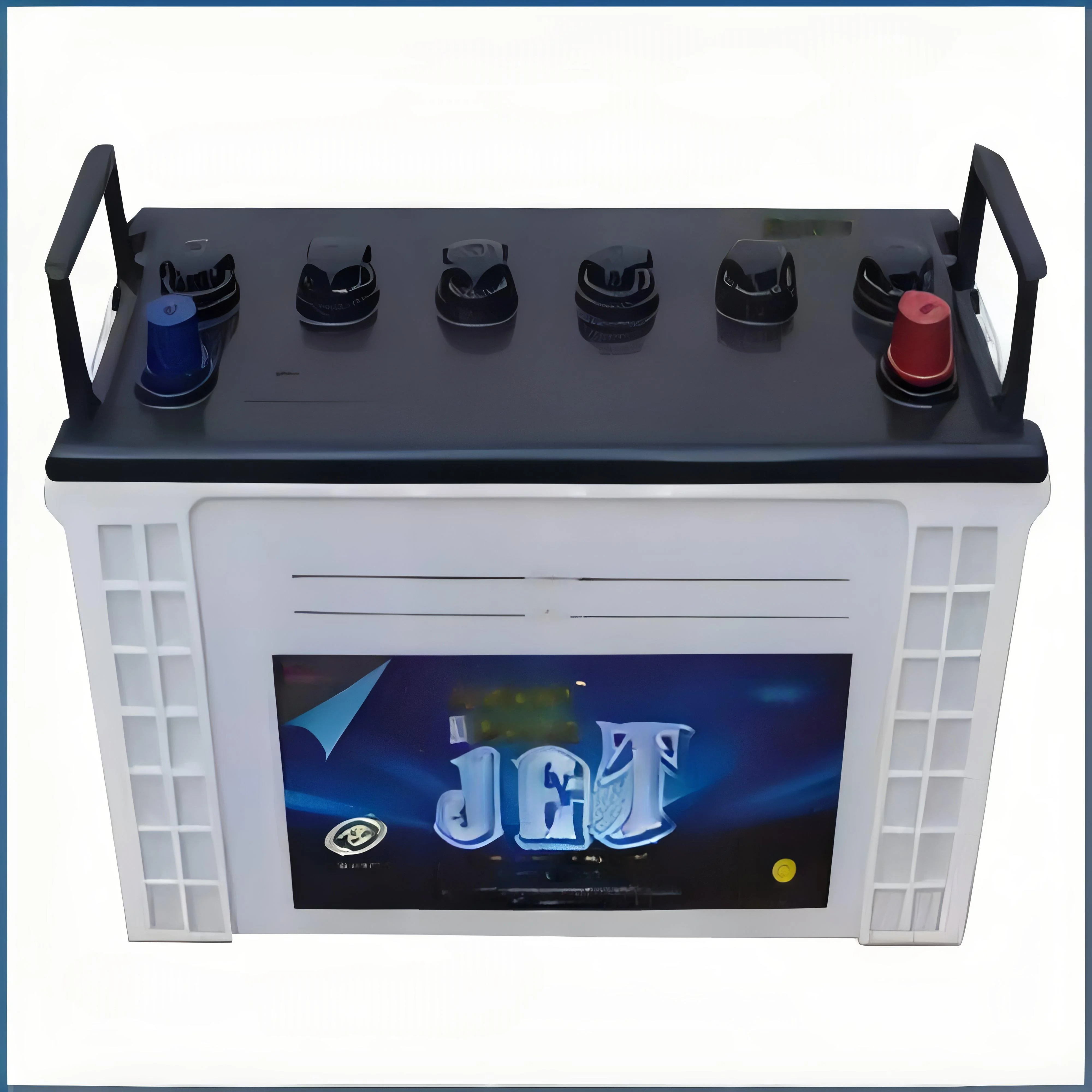
This variant is typically used in general applications. It features durable construction and various mounting options, making it versatile for many industries.
Heavy-Duty Battery Container
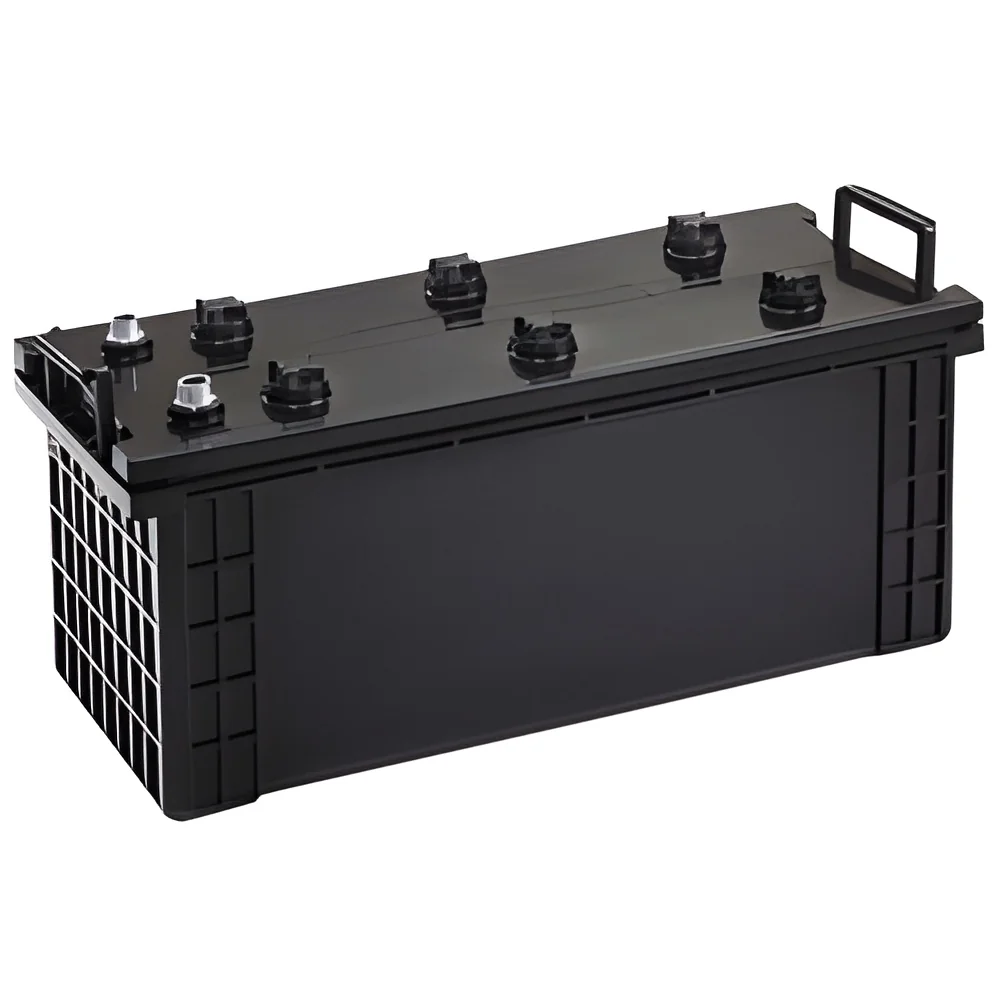
Engineered for industrial applications, this variant offers enhanced protection and is designed to withstand extreme conditions, making it ideal for sectors such as mining and heavy machinery.
Compact Battery Enclosure
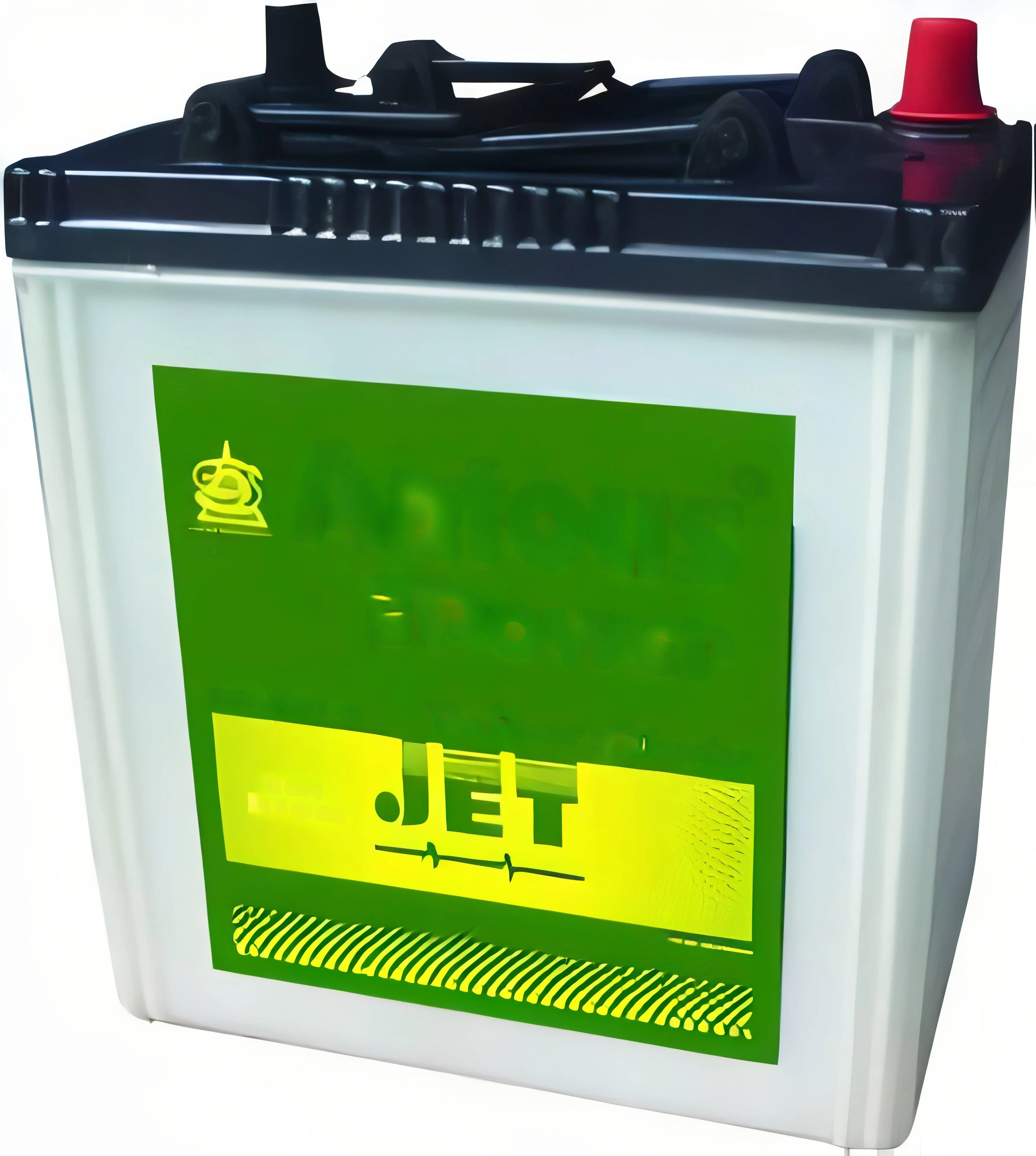
Aimed at applications where space is limited, this variant provides efficient battery storage without compromising safety or performance.
Benefits and Advantages
Investing in quality battery containers and housings provides numerous advantages for businesses.
1. Enhanced Safety: Protects batteries from external damage and reduces the risk of accidents or failures.
2. Prolonged Battery Life: Helps maintain optimal operating conditions, leading to longer battery lifespan and better performance.
3. Compliance Assurance: Ensures adherence to industry regulations, avoiding potential legal issues and enhancing brand reputation.
4. Cost Efficiency: Reduces the need for frequent battery replacements, leading to significant cost savings over time.
5. Improved Organization: Facilitates better management of battery systems, making it easier to monitor and maintain battery health.
6. Versatile Applications: Suitable for diverse industries, providing flexibility in usage and installation.
Buying Guide for B2B Buyers
When sourcing battery containers and housings, businesses should consider several key factors to ensure they make informed purchasing decisions.
1. Quality Assessment: Look for products that meet industry standards and specifications. Check for certifications like CE to ensure quality and safety.
2. Supplier Verification: Vet suppliers to confirm their credibility and reliability. Request references and check past performance to ensure they can deliver on their promises.
3. Pricing and MOQ: Understand the pricing structure and minimum order quantities. This helps in budgeting and planning for inventory needs.
4. Delivery and Lead Times: Inquire about logistics and expected delivery times to ensure timely availability of products for your operations.
5. Compliance Requirements: Be aware of any regulatory standards that apply to your industry, ensuring that the battery containers and housings conform to these requirements.
Compliance and Certifications
Battery containers and housings must adhere to various quality standards and certifications to ensure safety and reliability.
ISO 9001 is a widely recognized standard that ensures a consistent quality management system, which is essential for manufacturers of battery containers. Compliance with this standard indicates a company’s commitment to maintaining high-quality production processes.
The CE certification signifies that the products meet European safety, health, and environmental protection standards. This certification is crucial for businesses looking to operate in European markets and assures buyers of product safety.
Safety and testing requirements also play a significant role in the compliance of battery containers. These products must undergo rigorous testing to assess their durability, resistance to environmental factors, and overall performance.
Additionally, regional compliance considerations may vary, necessitating an understanding of local regulations that influence the design and manufacturing of battery containers and housings.
Why Source Battery Containers & Housings from Pepagora?
Pepagora offers a trusted platform for sourcing battery containers and housings, providing businesses with several key advantages.
Verified Supplier Network: Pepagora ensures that all suppliers undergo thorough verification processes. This helps businesses find reliable partners who offer quality products and services.
Streamlined RFQ Process: The request for quotation system simplifies the procurement process. Buyers can easily compare offers from multiple suppliers, ensuring they get the best value for their investments.
Trade Assurance and Support: Pepagora provides buyer protection services, helping to mitigate risks associated with online transactions. This includes support for dispute resolution and ensuring that products meet specified standards.
Regional Coverage: With a focus on markets in India, the GCC, and Southeast Asia, Pepagora connects businesses with local suppliers, facilitating easier logistics and faster delivery times. This regional reach enhances the sourcing experience, making it more efficient for businesses looking for battery containers and housings.

 India
 India
 India
 India
 India
 India
 India

 India
 India
Frequently Asked Questions
What are Battery Containers & Housings?
Battery containers & housings are protective enclosures designed to hold and safeguard batteries, ensuring they operate safely and efficiently. These housings are typically made from durable materials that provide insulation, protection from environmental factors, and secure attachment for batteries in various applications.
What are the different types of Battery Containers & Housings?
There are several types of battery containers & housings, including rigid plastic housings, metal enclosures, and flexible bags. Each type is designed to meet specific requirements based on the battery's application, size, and environmental conditions.
How do I choose the right Battery Containers & Housings?
When selecting battery containers & housings, consider factors like the battery size, type, application environment, and safety requirements. It is also important to look for features such as ventilation, thermal management, and compatibility with other components.
What are the standard specifications for Battery Containers & Housings?
Standard specifications for battery containers & housings may vary depending on the application and the battery type. Common specifications include dimensions, material type, weight capacity, heat resistance, and electrical insulation properties.
What is the price range for Battery Containers & Housings?
The price range for battery containers & housings can vary significantly based on material, size, and manufacturer. Generally, prices can start from a few hundred rupees for basic models and can go up to several thousand rupees for specialized or high-capacity housings.
What quality standards apply to Battery Containers & Housings?
Battery containers & housings must adhere to various quality standards, including ISO certifications and industry-specific guidelines. These standards ensure that the products meet safety, durability, and performance requirements for different applications.
Where can I find Battery Containers & Housings suppliers in India?
You can find battery containers & housings suppliers in India through B2B marketplaces like Pepagora.com. Additionally, industry trade shows and online directories can also provide valuable contacts and options for sourcing.
Can Battery Containers & Housings be customized?
Yes, many manufacturers offer customization options for battery containers & housings to meet specific client needs. Customizations may include size adjustments, material selection, and unique design features to enhance functionality.
What is the typical minimum order quantity for Battery Containers & Housings?
The typical minimum order quantity (MOQ) for battery containers & housings can vary by supplier and product type, often ranging from 50 to 100 units. It is advisable to check with individual suppliers for their specific MOQ requirements.
What is the typical lead time for Battery Containers & Housings?
The typical lead time for battery containers & housings can range from a few weeks to several months, depending on factors such as order size, customization, and supplier location. It is recommended to discuss lead times with the supplier during the ordering process.
Why Businesses Trust Pepagora
Thousands of companies trust Pepagora to source smarter and sell faster
Expand Your Sales Globally

Source Smarter,Grow Faster
