
 IN
Office Stationery
487 products available
𝗪𝗵𝗮𝘁 𝗮𝗿𝗲 𝗢𝗳𝗳𝗶𝗰𝗲 𝗦𝘁𝗮𝘁𝗶𝗼𝗻𝗲𝗿𝘆?
Office stationery refers to a collection of essential supplies used in various business environments. This category includes products such as paper, writing instruments, folders, binders, and other organizational materials. Office stationery plays a crucial role in facilitating daily operations and communication within an office setting. These items are designed to enhance productivity and support administrative tasks.
The primary uses of office stationery are to aid in documentation, organization, and communication. Businesses rely on these supplies for tasks ranging from note-taking and report preparation to filing and correspondence. In an increasingly digital world, the relevance of traditional office stationery remains significant, as many organizations still value physical documentation and the tactile experience of writing. The market for office stationery continues to thrive, with ongoing demand from various sectors including education, corporate, and healthcare.
𝗞𝗲𝘆 𝗙𝗲𝗮𝘁𝘂𝗿𝗲𝘀 𝗮𝗻𝗱 𝗦𝗽𝗲𝗰𝗶𝗳𝗶𝗰𝗮𝘁𝗶𝗼𝗻𝘀
Office stationery offers a wide range of features and specifications that cater to the diverse needs of businesses. Understanding these specifications is crucial for selecting the right products for your organization.
Key specifications include:
1. Material Quality
- High-quality paper and plastic materials are commonly used.
- Specifications may include weight, thickness, and durability.
2. Size Variations
- Office stationery comes in various sizes, including standard A4, letter, and custom sizes.
- Size affects usability for different tasks, such as printing or filing.
3. Color Options
- Available in multiple colors to suit branding or personal preferences.
- Color choices can enhance organization and visual appeal.
4. Eco-friendliness
- Many products are now made from recycled materials.
- Certifications may indicate eco-friendly production processes.
5. Customization
- Options for branding or personalizing items for corporate identity.
- Custom sizes and designs may be available upon request.
6. Packaging
- Bulk packaging options for cost efficiency in larger organizations.
- Individual packaging for retail settings.
7. Compatibility
- Some stationery is designed for compatibility with printers and copiers.
- Check for specifications on ink compatibility and paper types.
In summary, the specifications of office stationery not only enhance functionality but also address the diverse needs of businesses looking for quality and efficiency.
𝗖𝗼𝗺𝗺𝗼𝗻 𝗔𝗽𝗽𝗹𝗶𝗰𝗮𝘁𝗶𝗼𝗻𝘀 𝗮𝗻𝗱 𝗨𝘀𝗲 𝗖𝗮𝘀𝗲𝘀
Office stationery is utilized across various industries, each with unique applications.
1. Education: Schools and universities utilize stationery for administrative tasks, classroom supplies, and student projects. Items like notebooks, markers, and binders are essential for both teachers and students.
2. Corporate: Businesses rely on stationery for daily operations, including meetings, presentations, and client communications. Common supplies include notepads, pens, and business cards.
3. Healthcare: Medical offices use stationery for patient documentation, record-keeping, and communication. Items such as prescription pads, labels, and filing systems are crucial for efficient operations.
4. Retail: Retail environments require stationery for inventory management, pricing, and customer communication. Tags, labels, and promotional materials are commonly used.
5. Non-profit: Non-profit organizations use stationery for fundraising, outreach, and awareness campaigns. Brochures, flyers, and donation forms play a vital role in their operations.
6. Government: Government offices depend on stationery for documentation, reports, and public communication. Forms, letterhead, and envelopes are essential for official correspondence.
7. Creative Industries: Designers and artists use specialized stationery for presentations, sketches, and portfolios. High-quality paper and unique formats support their creative processes.
𝗣𝗿𝗼𝗱𝘂𝗰𝘁 𝗩𝗮𝗿𝗶𝗮𝗻𝘁𝘀 𝗮𝗻𝗱 𝗦𝘂𝗯𝗰𝗮𝘁𝗲𝗴𝗼𝗿𝗶𝗲𝘀
Office stationery encompasses a diverse range of products, each tailored to specific needs and preferences.
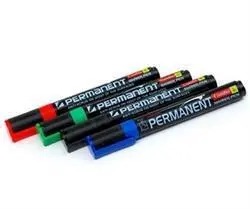
Writing Instruments: This category includes pens, pencils, markers, and highlighters. Each type serves different writing styles and purposes, from everyday note-taking to artistic endeavors.
Paper Products: This variant covers a wide range of items such as notebooks, notepads, sticky notes, and printer paper. The variety in sizes and styles allows businesses to choose products that meet their specific documentation needs.
Organization Tools: Binders, folders, and file organizers fall under this category. These tools help maintain order and make information retrieval easier in busy office environments.
Adhesives and Tapes: This includes glue, tape, and correction fluid. These items are essential for crafting, repairing documents, and organizing materials.
𝗕𝗲𝗻𝗲𝗳𝗶𝘁𝘀 𝗮𝗻𝗱 𝗔𝗱𝘃𝗮𝗻𝘁𝗮𝗴𝗲𝘀
Utilizing office stationery offers numerous benefits for businesses looking to enhance their operational efficiency.
1. Improved Organization: Office stationery helps maintain structured documentation, making it easier to retrieve information when needed.
2. Enhanced Productivity: With the right tools at hand, employees can focus on their tasks without interruption, boosting overall productivity.
3. Professional Presentation: Quality stationery contributes to a professional image, particularly in client-facing situations. Well-designed materials reflect a company’s brand and values.
4. Cost-Effectiveness: Bulk purchasing and durable stationery options can lead to significant cost savings over time.
5. Flexibility: A wide range of products allows businesses to customize their stationery according to specific needs, promoting a tailored approach to office management.
6. Eco-Friendly Options: Many suppliers now offer sustainable stationery products, allowing businesses to align with environmental goals and enhance their corporate responsibility.
𝗕𝘂𝘆𝗶𝗻𝗴 𝗚𝘂𝗶𝗱𝗲 𝗳𝗼𝗿 𝗕𝟮𝗕 𝗕𝘂𝘆𝗲𝗿𝘀
When sourcing office stationery, it is important to consider several critical factors to ensure that you make informed purchasing decisions.
1. Quality Assessment: Evaluate the quality of materials used in the stationery products. Look for reputable brands that comply with industry standards to ensure durability and functionality.
2. Supplier Verification: Vet suppliers through reviews, recommendations, and certifications. A reliable supplier can provide consistent quality and timely delivery.
3. Pricing and MOQ: Consider the pricing structure and minimum order quantities. Bulk purchasing can lead to discounts, so assess the cost implications based on your usage patterns.
4. Delivery and Lead Times: Understand the logistics involved in the delivery process. Confirm lead times to avoid disruptions in your operations.
5. Compliance Requirements: Familiarize yourself with any regulatory requirements that may affect your stationery purchases. This includes certifications and quality standards relevant to the materials used.
𝗖𝗼𝗺𝗽𝗹𝗶𝗮𝗻𝗰𝗲 𝗮𝗻𝗱 𝗖𝗲𝗿𝘁𝗶𝗳𝗶𝗰𝗮𝘁𝗶𝗼𝗻𝘀
Office stationery must adhere to various quality standards and certifications to ensure safety and reliability.
Relevant standards such as ISO 9001 establish guidelines for quality management systems, ensuring that products meet customer expectations and regulatory requirements. Compliance with these standards helps businesses maintain consistent quality and reliability in their stationery supplies.
Industry certifications, such as CE marking, signify that products meet European safety and health standards. This is crucial for businesses operating in regions where such regulations apply.
Safety and testing requirements are also important considerations. Products should undergo rigorous testing to ensure they are safe for use, particularly in environments like schools and healthcare facilities.
Moreover, regional compliance considerations may vary. Businesses should be aware of local regulations that could affect their stationery choices, ensuring that they remain compliant with applicable laws.
𝗪𝗵𝘆 𝗦𝗼𝘂𝗿𝗰𝗲 𝗢𝗳𝗳𝗶𝗰𝗲 𝗦𝘁𝗮𝘁𝗶𝗼𝗻𝗲𝗿𝘆 𝗳𝗿𝗼𝗺 𝗣𝗲𝗽𝗮𝗴𝗼𝗿𝗮?
Pepagora stands out as a trusted platform for sourcing office stationery, providing several key advantages to B2B buyers.
Verified Supplier Network: Pepagora takes pride in its rigorous supplier verification process. This ensures that buyers are connected with reputable suppliers who meet quality and reliability standards.
Streamlined RFQ Process: The platform offers a streamlined Request for Quotation (RFQ) process, allowing buyers to easily compare prices and specifications from multiple suppliers. This efficiency saves time and aids in making informed purchasing decisions.
Trade Assurance and Support: Pepagora prioritizes buyer protection through trade assurance policies. This offers peace of mind when placing orders, ensuring that transactions are secure and transparent.
Regional Coverage: With a strong presence in India, the GCC, and Southeast Asia, Pepagora provides extensive geographical reach for sourcing office stationery. This allows businesses to tap into diverse markets and suppliers to meet their specific needs.
In conclusion, Pepagora is an ideal partner for businesses seeking reliable office stationery solutions, supported by a robust network and comprehensive service offerings.





Frequently Asked Questions
What are Office Stationery?
Office stationery refers to a range of essential items used in offices for various tasks such as writing, printing, organizing, and storing documents. Common items include paper, pens, staplers, folders, and envelopes, which facilitate daily operations and communication within a business.
What are the different types of Office Stationery?
The different types of office stationery include writing instruments (pens, pencils), paper products (notepads, sticky notes), filing supplies (folders, binders), and organizational tools (clipboards, desk organizers). Additionally, there are printing supplies such as inks and cartridges, as well as mailing supplies like envelopes and labels.
How do I choose the right Office Stationery?
Choosing the right office stationery involves assessing your specific needs, such as the types of tasks you perform and the volume of work. Consider factors like quality, functionality, and the compatibility of items with your office equipment to ensure efficiency. Additionally, evaluate suppliers for reliability and customer service.
What are the standard specifications for Office Stationery?
Standard specifications for office stationery typically include dimensions, paper weight, and material quality. For instance, printer paper is often specified in grams per square meter (GSM), while writing instruments may have specifications for ink flow and tip size. Compliance with industry standards can also affect quality and usability.
What is the price range for Office Stationery?
The price range for office stationery can vary widely based on the type and quality of items. Basic supplies like pens and notepads may start at a few rupees, while specialized products or bulk orders can range from hundreds to thousands of rupees depending on specifications and brands.
What quality standards apply to Office Stationery?
Quality standards for office stationery often include durability, safety, and environmental considerations. Products may need to comply with local and international standards, such as ISO certifications, which ensure that they meet specific performance and safety criteria.
Where can I find Office Stationery suppliers in India?
You can find office stationery suppliers in India through various channels including online marketplaces, trade directories, and local wholesalers. Websites like Pepagora.com provide a platform to connect with multiple suppliers, making it easier to compare offerings and make informed purchasing decisions.
Can Office Stationery be customized?
Yes, many office stationery items can be customized to suit specific branding or functional needs. Customization options may include printing logos on notepads, choosing colors for pens, or designing unique folder styles to enhance corporate identity.
What is the typical minimum order quantity for Office Stationery?
The typical minimum order quantity (MOQ) for office stationery can vary by supplier and product type. Generally, MOQs range from as low as 10 items for basic supplies to larger quantities for bulk orders or customized products, usually starting at 50 or more.
What is the typical lead time for Office Stationery?
The typical lead time for office stationery can range from a few days to several weeks, depending on the supplier and whether the items are in stock or need to be customized. It is advisable to check with suppliers for specific timelines to ensure timely delivery for your office needs.
Why Businesses Trust Pepagora
Thousands of companies trust Pepagora to source smarter and sell faster
Expand Your Sales Globally

Source Smarter,Grow Faster
