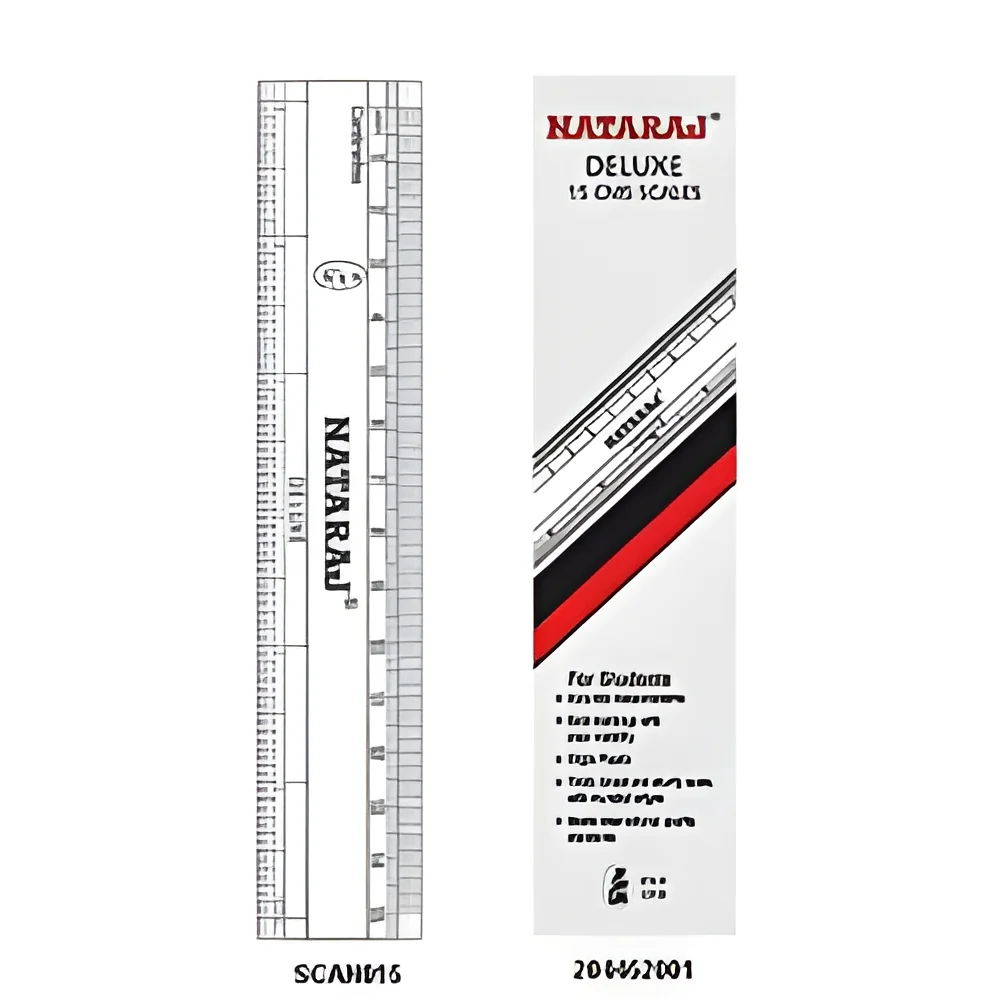
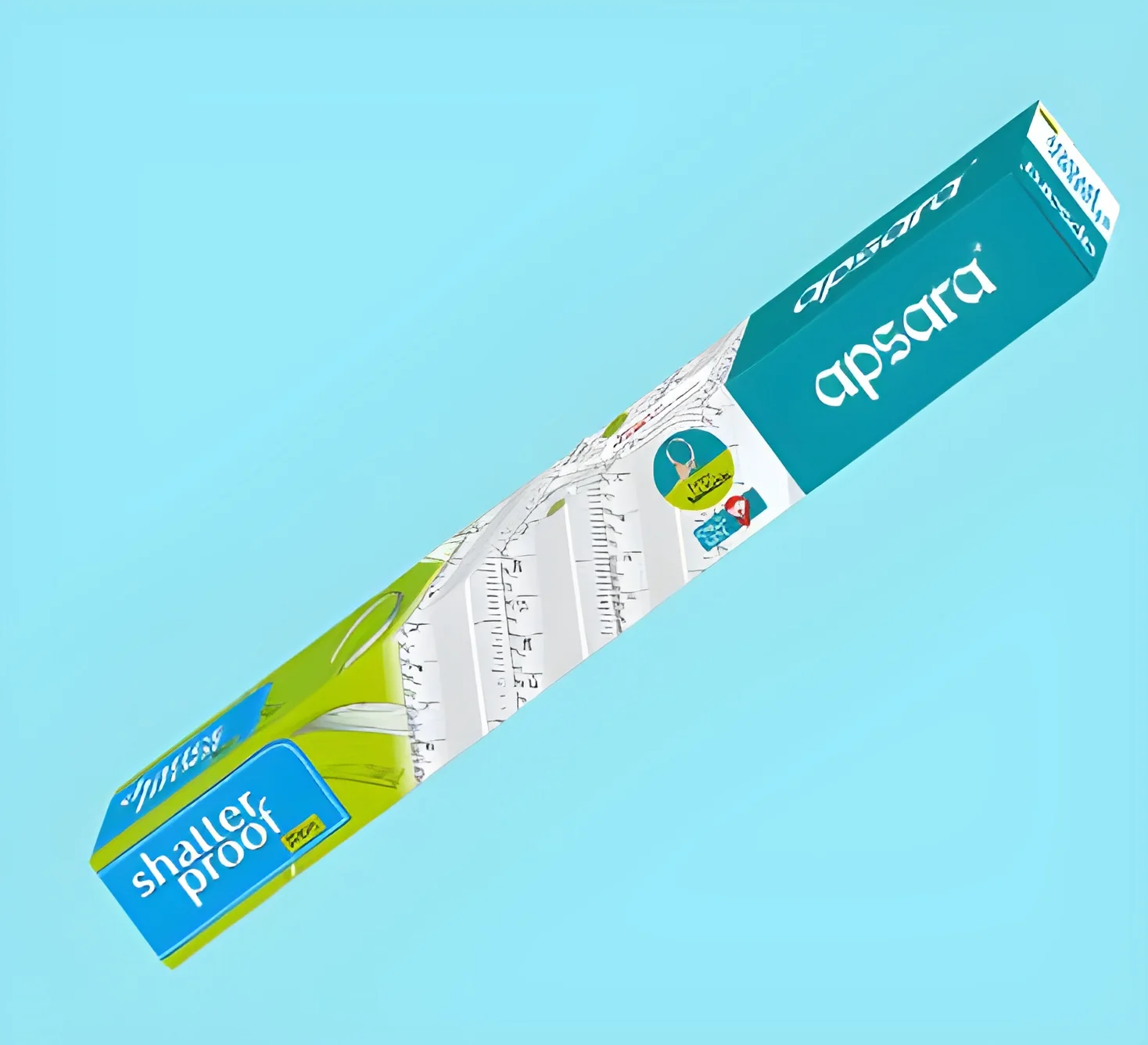
What are Rulers & Measuring Scales?
Rulers and measuring scales are essential tools used for precise measurement in various industrial and commercial applications. Typically made from materials like plastic, metal, or wood, these instruments provide a linear measurement format that can be easily read and utilized. Rulers often feature markings along their length, indicating measurements in both imperial and metric units. Measuring scales, on the other hand, may include specialized scales for specific applications such as architectural or engineering needs.
These tools are primarily used in fields such as construction, manufacturing, design, and education. In construction, for instance, they are crucial for ensuring accurate dimensions in building plans and layouts. In manufacturing, measuring scales help in the precise cutting and assembly of materials. Their versatility makes them a staple in various business environments, where accuracy in measurement is paramount.
In the current market context, the demand for rulers and measuring scales continues to grow as industries increasingly emphasize precision and quality in their processes. With advancements in technology, modern measuring tools are often equipped with additional features, enhancing their functionality and usability across diverse sectors.
Key Features and Specifications
Rulers and measuring scales come equipped with various features designed to enhance their usability and accuracy. These features are critical for both general and specialized applications across industries.
Key specifications include:
1. Material Type
- Common materials include stainless steel, aluminum, plastic, and wood.
- Each material offers different benefits, such as durability, flexibility, or lightweight properties.
2. Measurement Units
- Available in both metric (millimeters, centimeters) and imperial (inches, feet) units.
- Dual-scale options are often provided for versatility in measurement.
3. Length Options
- Standard lengths typically range from 6 inches to 36 inches.
- Custom lengths can be requested based on specific business needs.
4. Graduations
- Rulers may feature various graduation types, including decimal, fractional, or dual.
- Fine graduations allow for more precise measurements.
5. Edge Type
- Options include straight edges, beveled edges, and serrated edges for different applications.
- Serrated edges may assist in gripping materials during cutting tasks.
6. Flexibility
- Flexible rulers allow for measuring curved surfaces, while rigid rulers offer stability for straight measurements.
- Flexibility is particularly beneficial in design and drafting tasks.
7. Special Features
- Some models include built-in levels, protractors, or conversion tables for added functionality.
- These features enhance the usability of rulers in engineering and architectural applications.
In summary, rulers and measuring scales are versatile tools with various specifications that cater to the unique needs of different industries. Selecting the right features can significantly impact measurement accuracy and efficiency.
Common Applications and Use Cases
Rulers and measuring scales serve a broad range of industries, each with specific applications tailored to their needs.
1. Construction: In the construction industry, rulers are essential for measuring lengths and widths in blueprints. They ensure accurate dimensions are maintained for structural integrity.
2. Manufacturing: Measuring scales are used extensively in manufacturing for cutting materials to precise lengths. This accuracy is critical in assembly line production processes.
3. Design and Architecture: Designers and architects use measuring tools to create detailed drawings and plans. Accurate measurements are vital for functionality and aesthetics in design.
4. Education: In educational settings, rulers are standard tools for teaching students about measurement concepts. They are frequently used in math and science classes.
5. Engineering: Engineers rely on measuring scales for detailed specifications in technical drawings. Precise measurements are crucial for machinery and structural design.
6. Arts and Crafts: In arts and crafts, rulers help artists achieve accurate dimensions for projects. They are essential in activities like woodworking, sewing, and drafting.
7. Logistics and Shipping: Rulers are used in logistics to measure package dimensions for shipping purposes. This ensures compliance with shipping regulations.
Product Variants and Subcategories
Rulers and measuring scales come in various types to meet the diverse requirements of users.
Standard Ruler
This is the most basic type, typically made from plastic or wood, featuring standard measurements. It is ideal for everyday use in schools and offices.
Metal Ruler
Made from durable materials like stainless steel, metal rulers provide high accuracy and are resistant to wear and tear. They are commonly used in engineering and technical fields.
Flexible Ruler
These rulers are made from bendable materials, allowing users to measure curved surfaces easily. They are particularly useful in crafting and design applications.
Architectural Scale
An architectural scale ruler is specifically designed for architects. It has multiple scales for measuring architectural drawings, ensuring precise conversions between the drawing and actual size.
Engineer Scale
Similar to the architectural scale, this tool is tailored for engineers, featuring scales that correspond to engineering drawings. It simplifies the process of interpreting technical drawings.
Benefits and Advantages
Rulers and measuring scales offer several benefits that enhance their utility across different sectors.
1. Precision: These tools provide high levels of accuracy, critical for tasks requiring exact measurements.
2. Versatility: Rulers can be used in a wide array of applications, from construction to arts and crafts, making them indispensable tools.
3. Ease of Use: Rulers and measuring scales are straightforward to use, often requiring minimal training for effective application.
4. Durability: Many rulers are made from durable materials, ensuring they withstand rigorous use in industrial settings.
5. Cost-Effectiveness: Rulers and measuring scales are generally affordable, providing excellent value for businesses needing reliable measuring tools.
6. Portability: Most rulers are lightweight and easy to carry, making them suitable for on-the-go measurements in various environments.
Buying Guide for B2B Buyers
When sourcing rulers and measuring scales, B2B buyers should consider several critical factors to ensure they make informed purchasing decisions.
1. Quality Assessment: Evaluate the quality of materials and construction. Look for products that meet industry standards for durability and precision.
2. Supplier Verification: Vet suppliers to ensure they have a reputation for reliability and quality. Check reviews and certifications to gauge their credibility.
3. Pricing and MOQ: Understand the pricing structure and minimum order quantities. Compare different suppliers to find the best balance between cost and quality.
4. Delivery and Lead Times: Inquire about delivery options and lead times to ensure timely receipt of products. This is crucial for maintaining project schedules.
5. Compliance Requirements: Be aware of any industry-specific compliance needs. Ensure that the products meet relevant standards and certifications.
Compliance and Certifications
Rulers and measuring scales must adhere to specific quality standards and certifications to ensure reliability and safety.
Relevant quality standards include ISO 9001, which emphasizes quality management systems, ensuring that products are consistently produced and controlled according to quality standards.
Industry certifications such as UL and CE indicate that the products meet specific safety and performance criteria. These certifications help buyers ensure that the measuring tools are safe for use in their intended applications.
Testing requirements often include checks for accuracy and durability to ensure that the tools can withstand the rigors of industrial use.
Buyers should also consider regional compliance, as standards may vary between countries or regions. Ensuring compliance with local regulations is essential for legal and operational reasons.
Why Source Rulers & Measuring Scales from Pepagora?
Pepagora provides a trusted platform for sourcing rulers and measuring scales, offering several key advantages to B2B buyers.
Verified Supplier Network: Pepagora’s extensive network of verified suppliers ensures that buyers can access high-quality products from reputable manufacturers. This reduces the risk associated with purchasing from unverified sources.
Streamlined RFQ Process: The request for quotation (RFQ) process on Pepagora is designed to be efficient, allowing buyers to obtain quotes quickly from multiple suppliers. This simplifies the purchasing process and promotes competitive pricing.
Trade Assurance and Support: Pepagora offers trade assurance to protect buyers during transactions. This support includes assistance with disputes, ensuring a smoother purchasing experience.
Regional Coverage: With a focus on regions like India, the GCC, and Southeast Asia, Pepagora provides a wide reach for sourcing rulers and measuring scales. This geographic coverage allows businesses to access a diverse range of products tailored to their specific regional needs.

 IN
IN