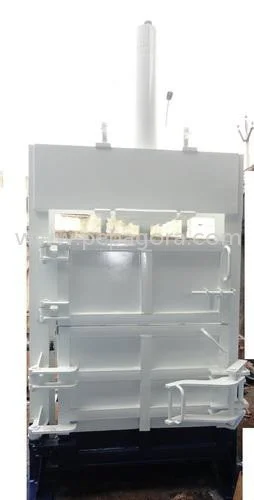
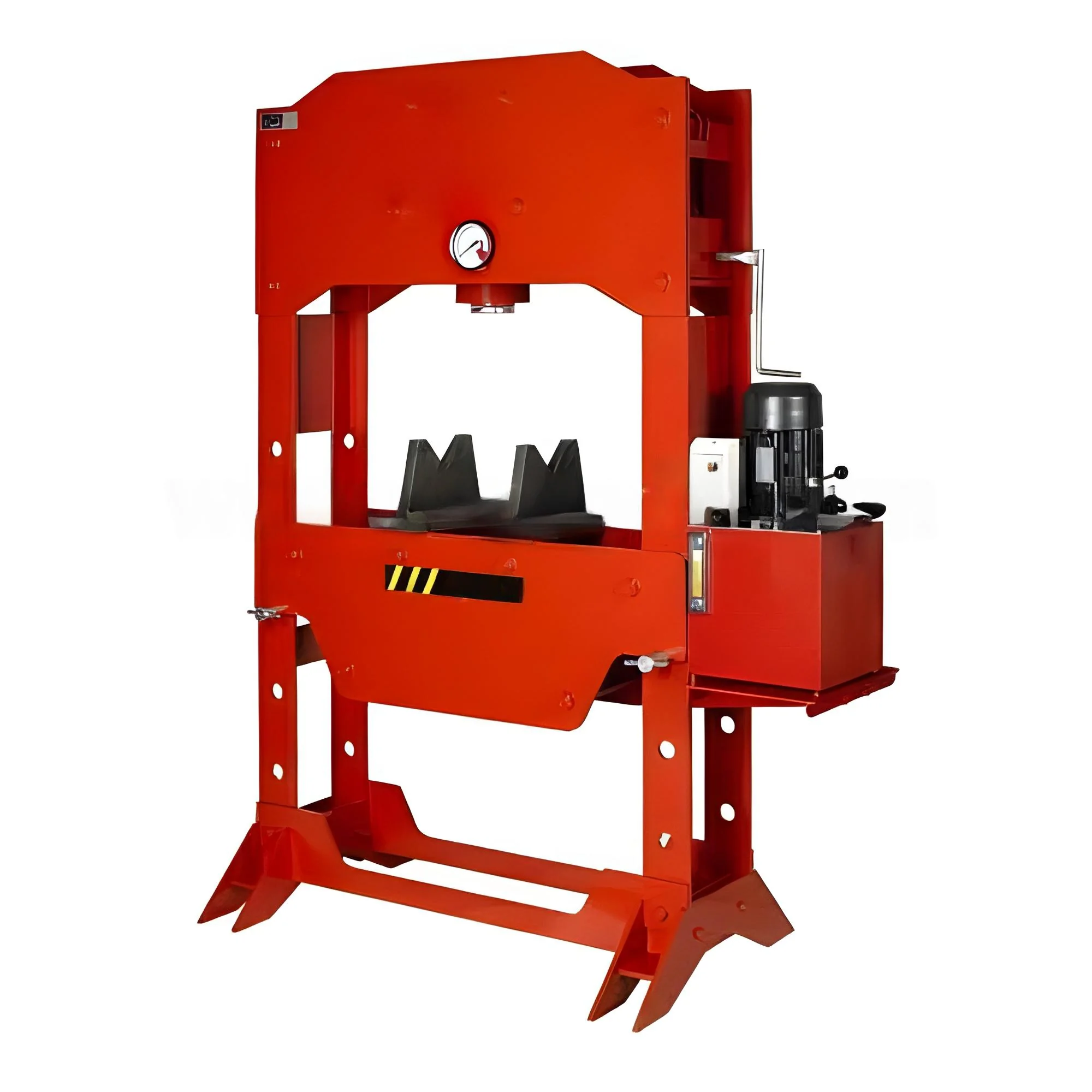
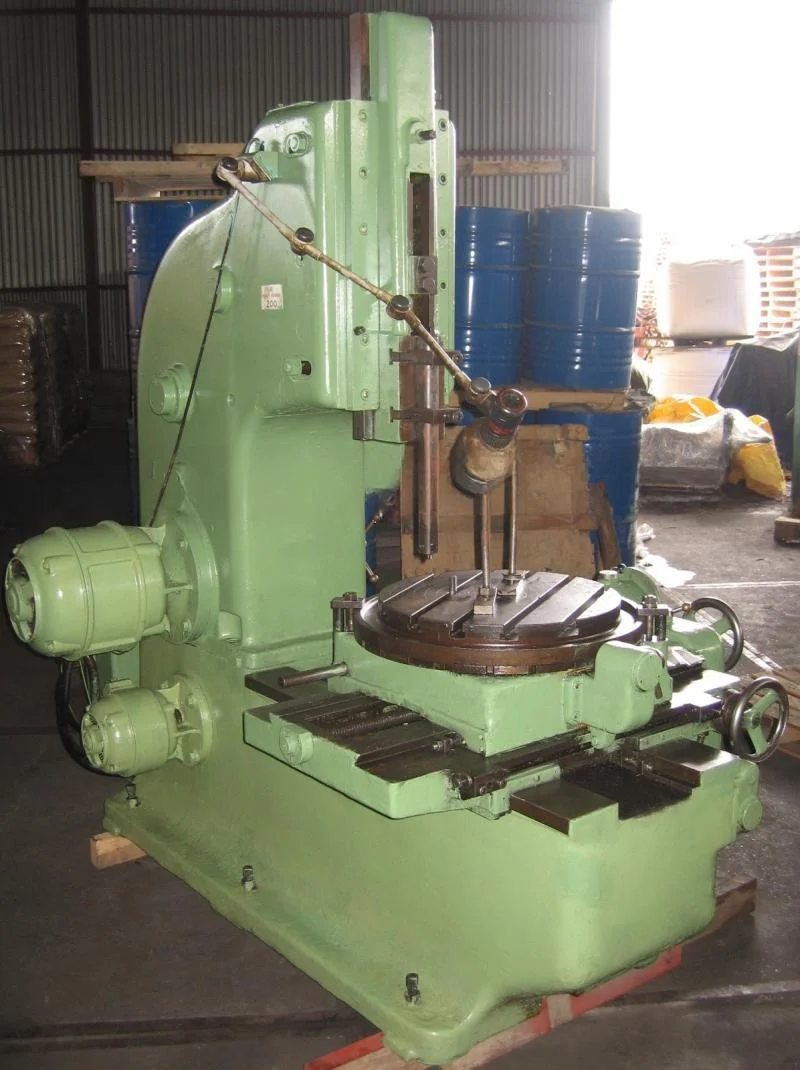
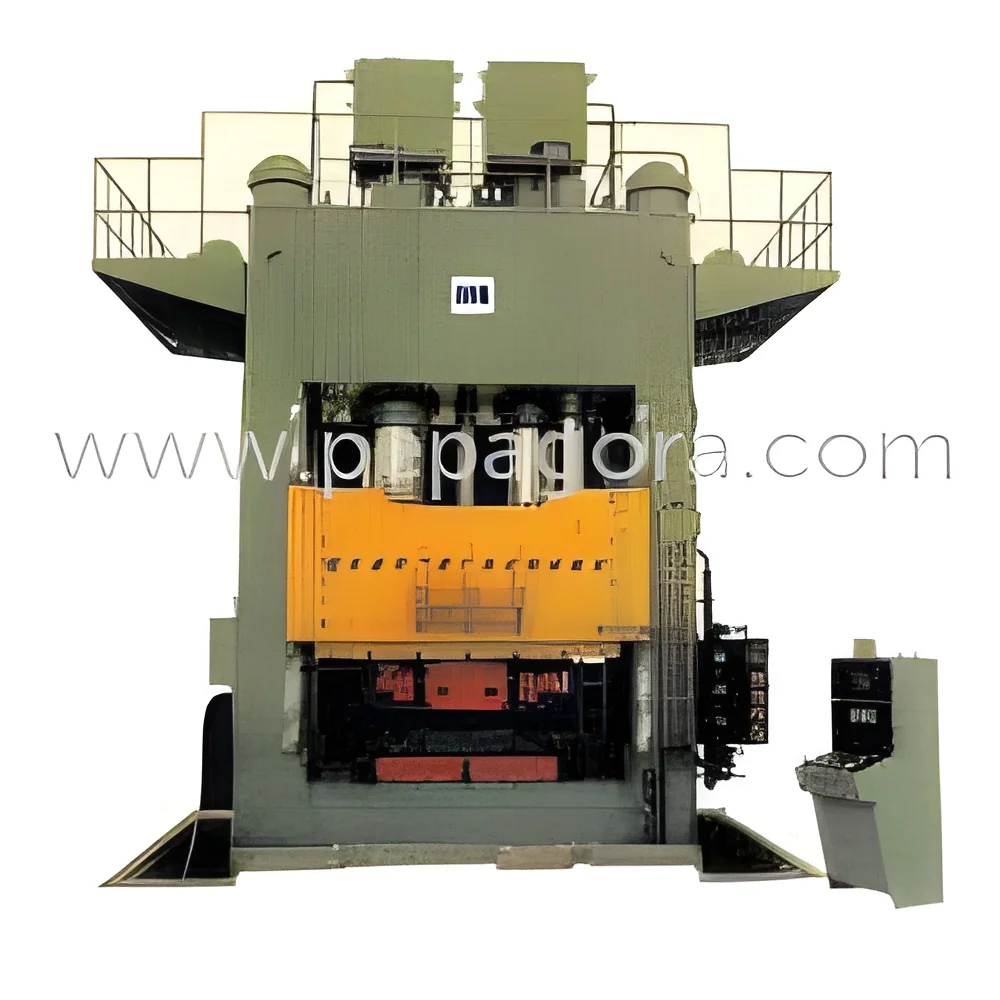
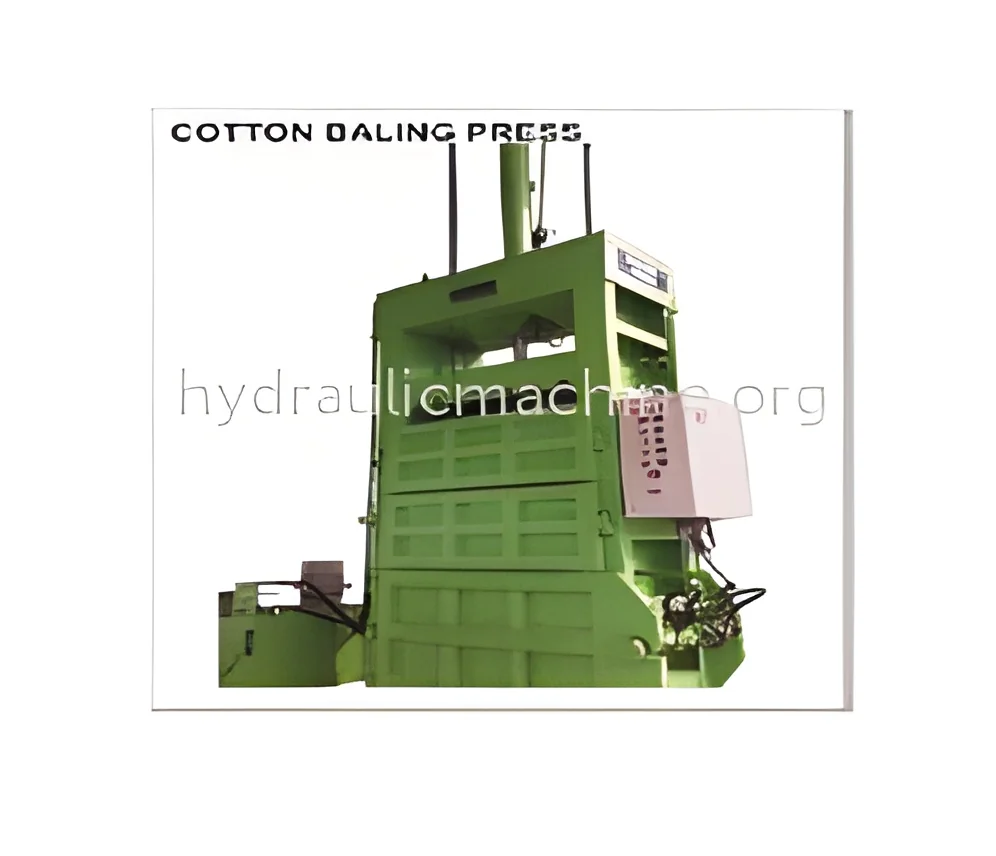
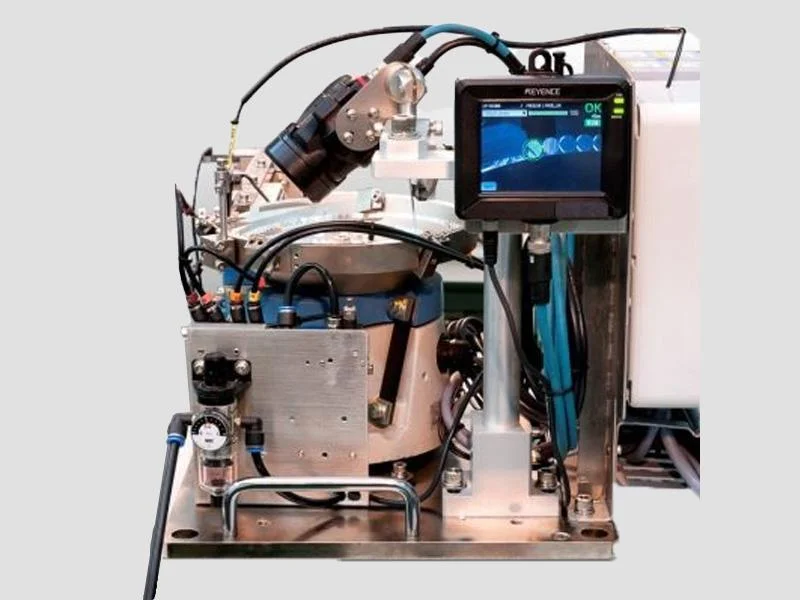
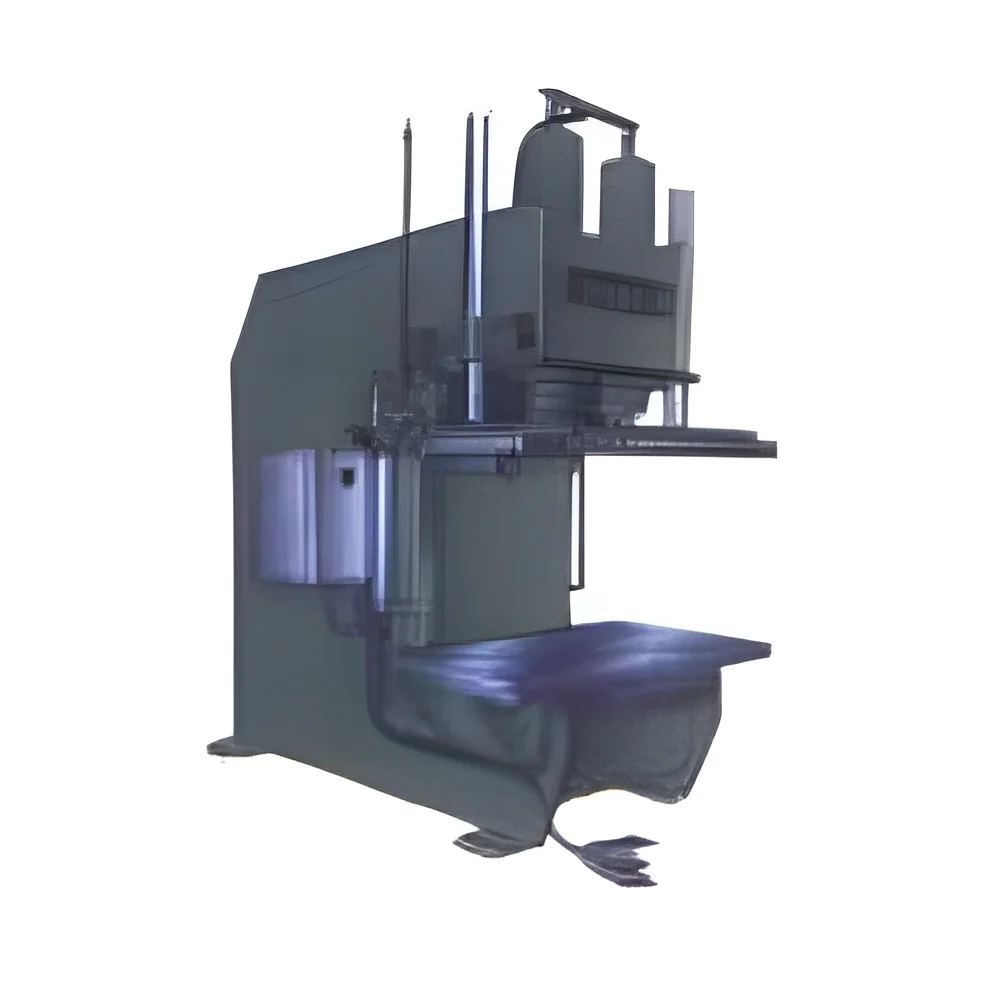
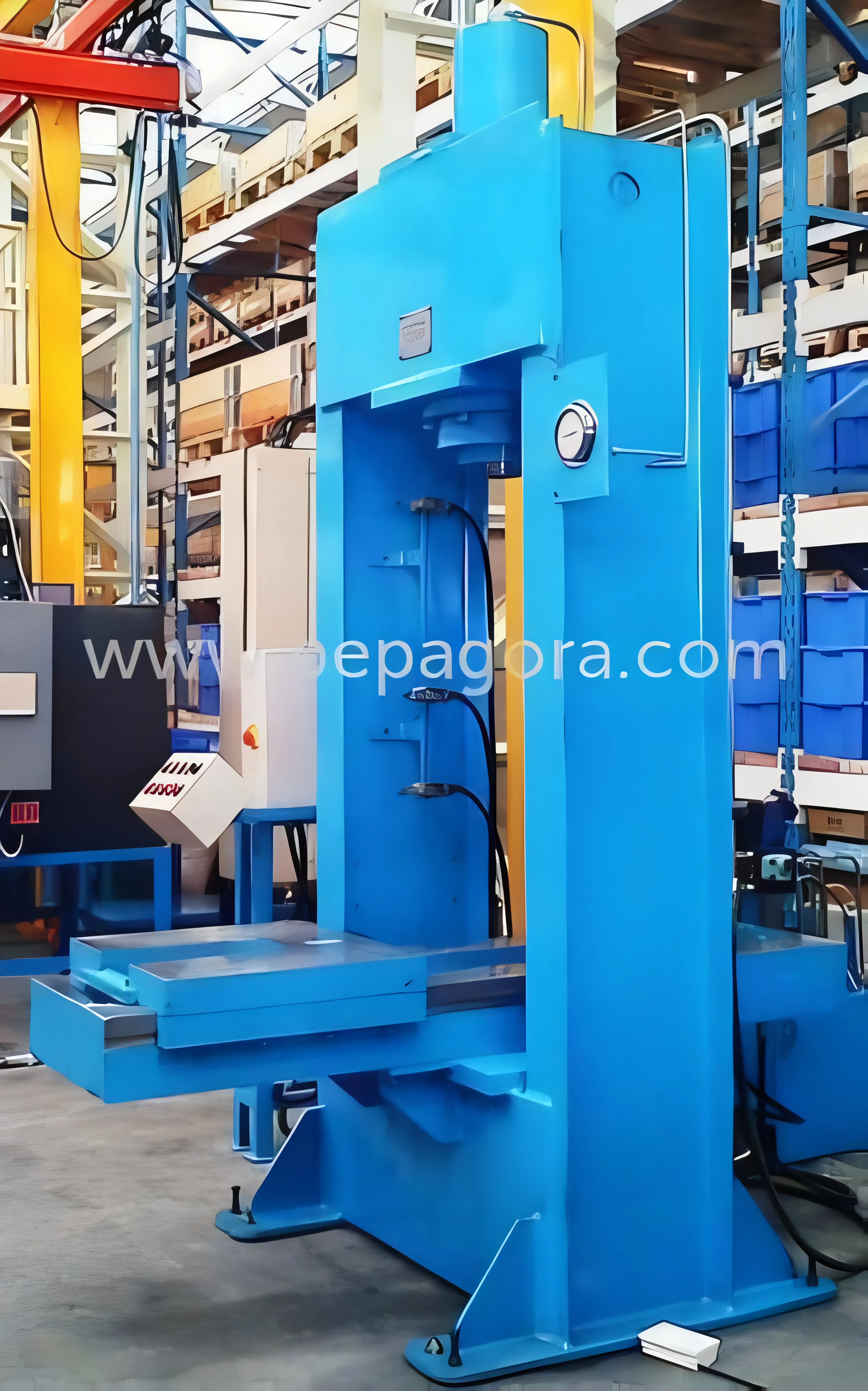
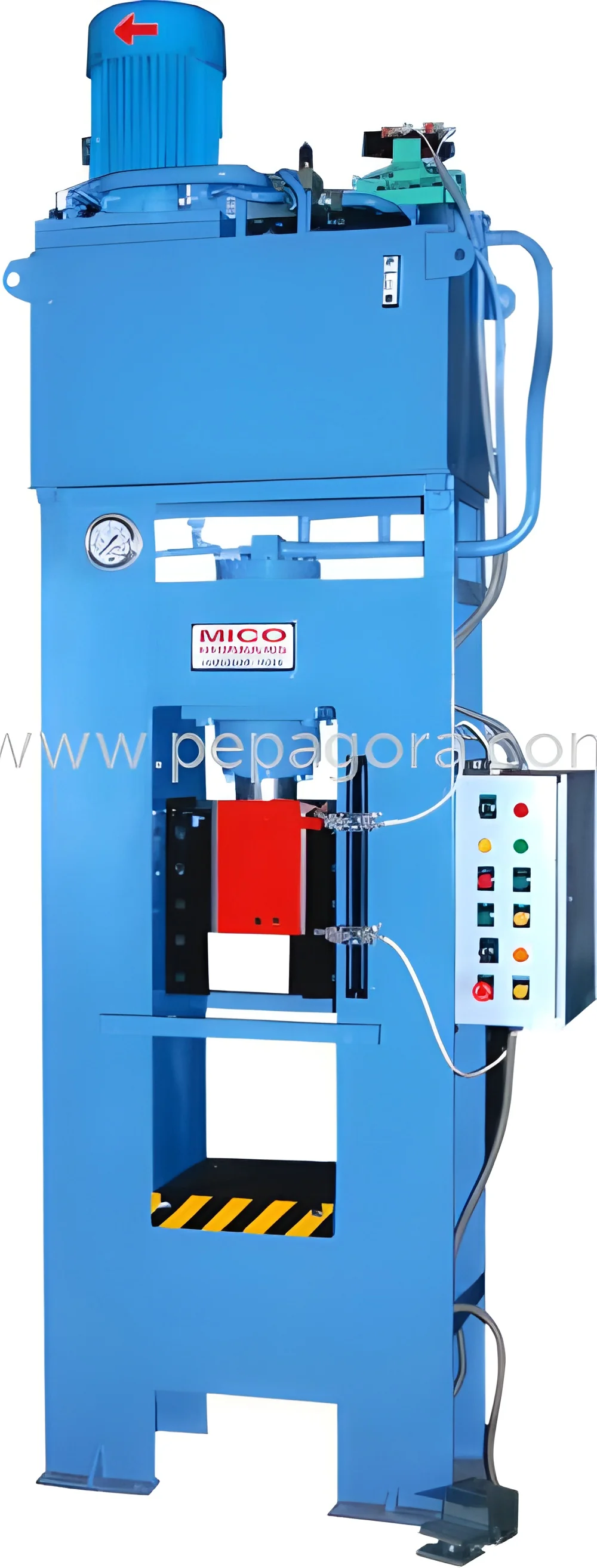
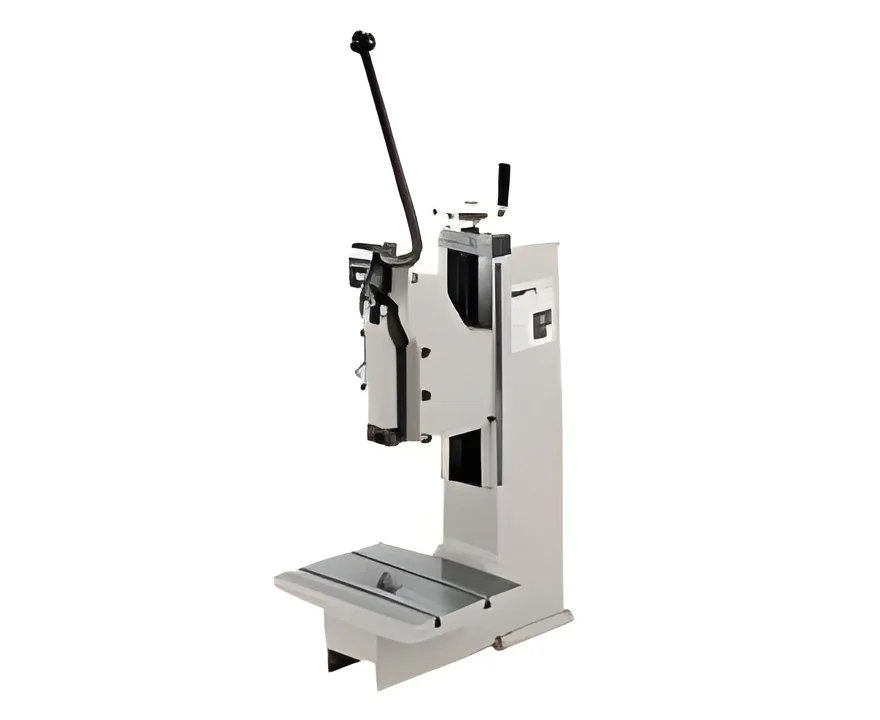
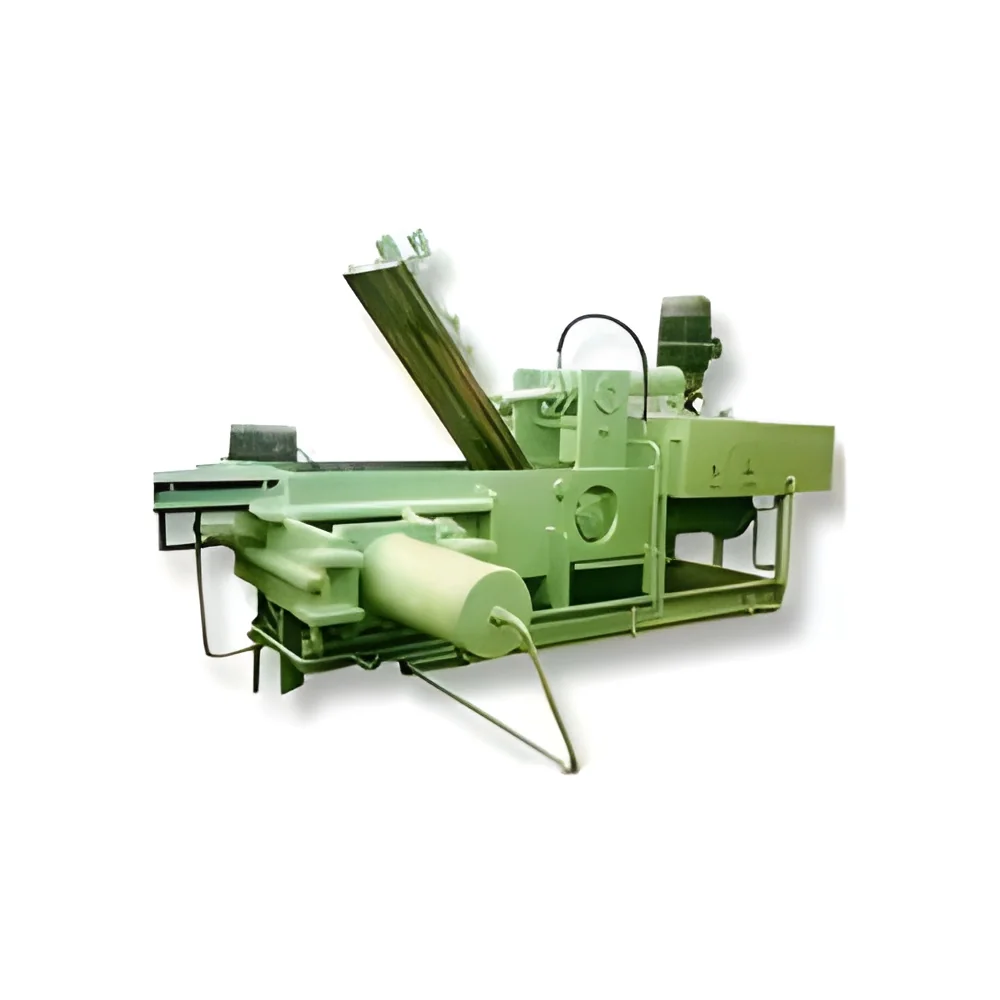
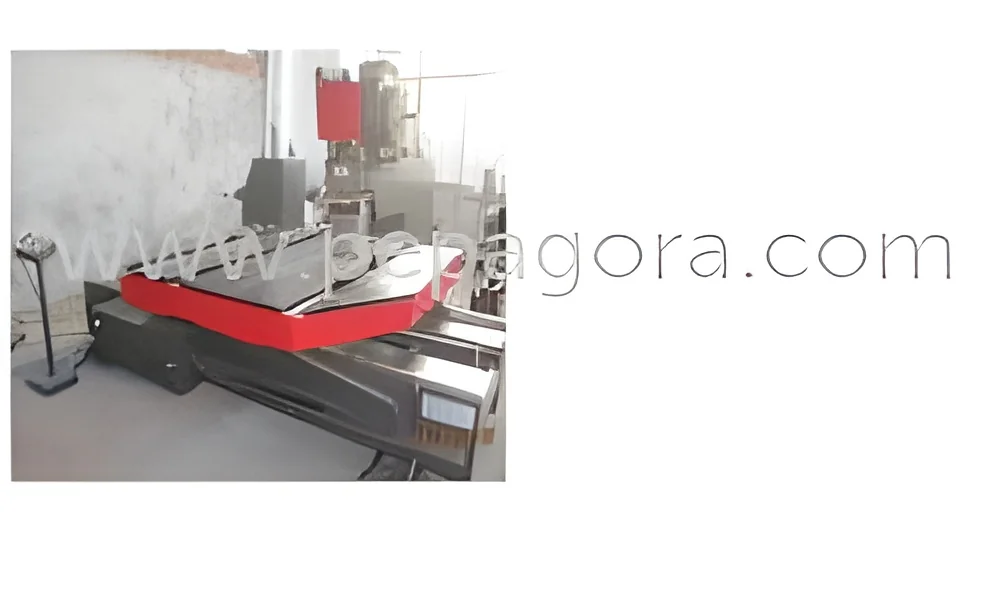
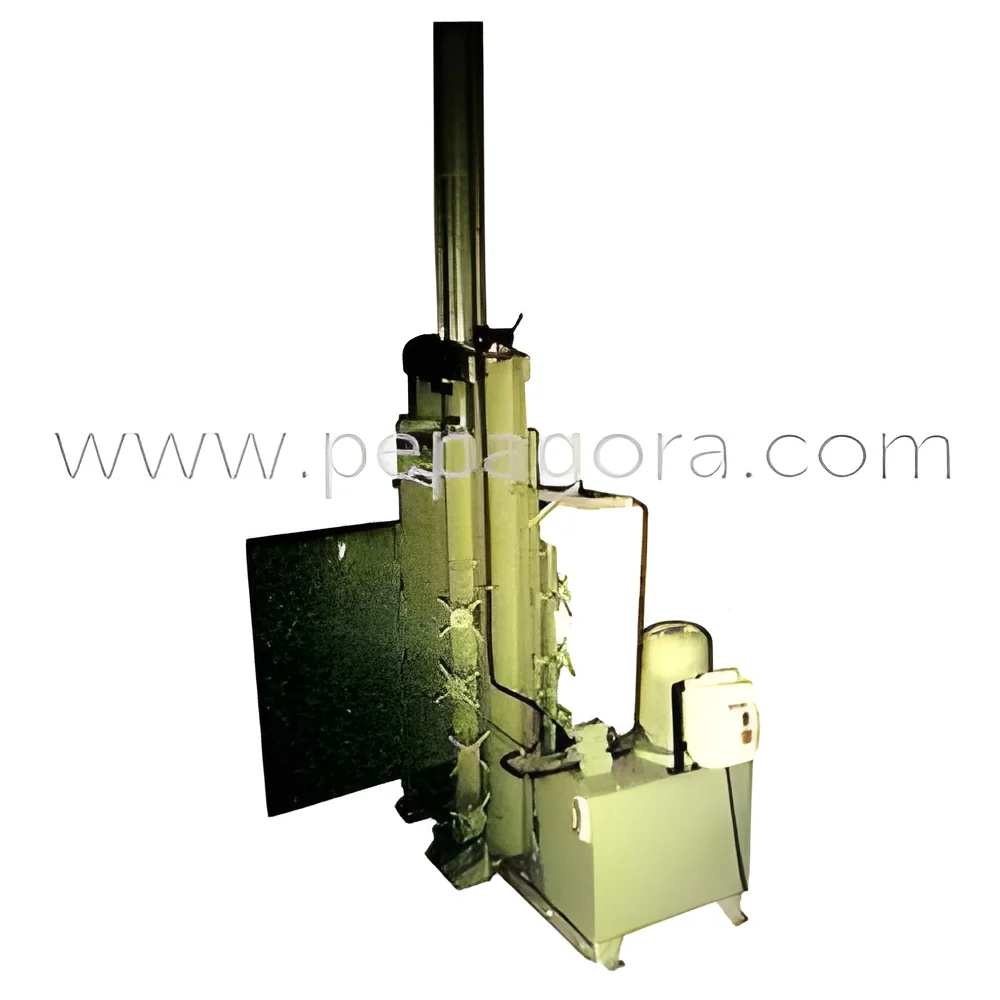
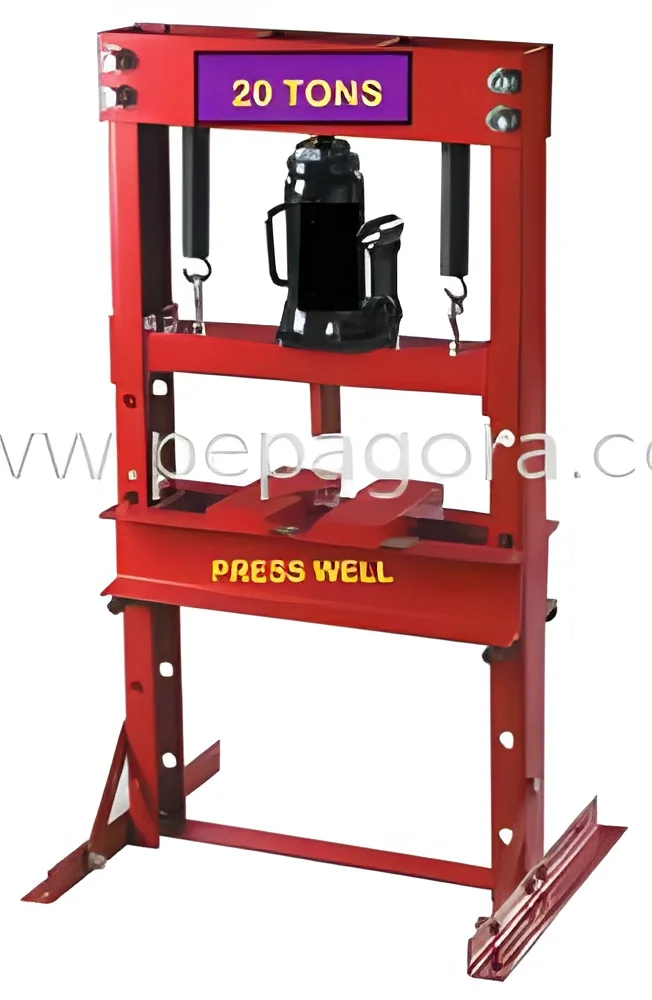
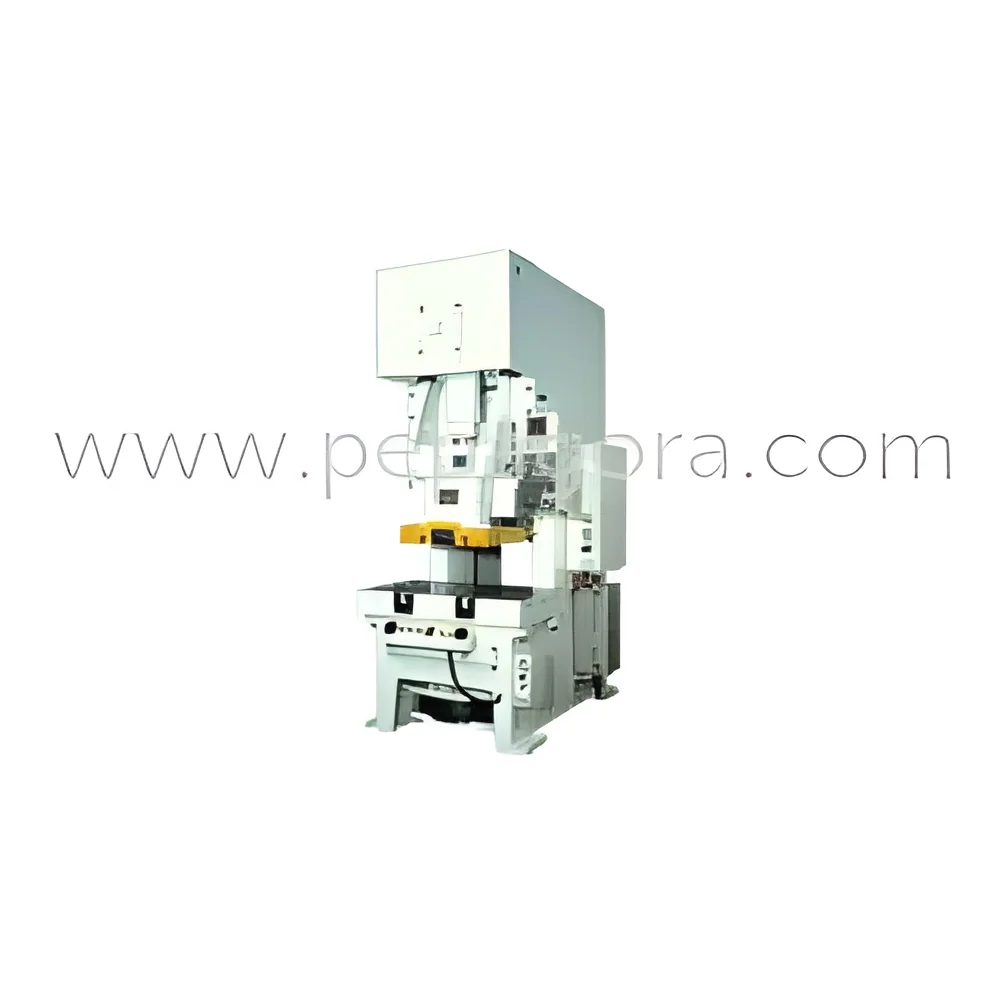
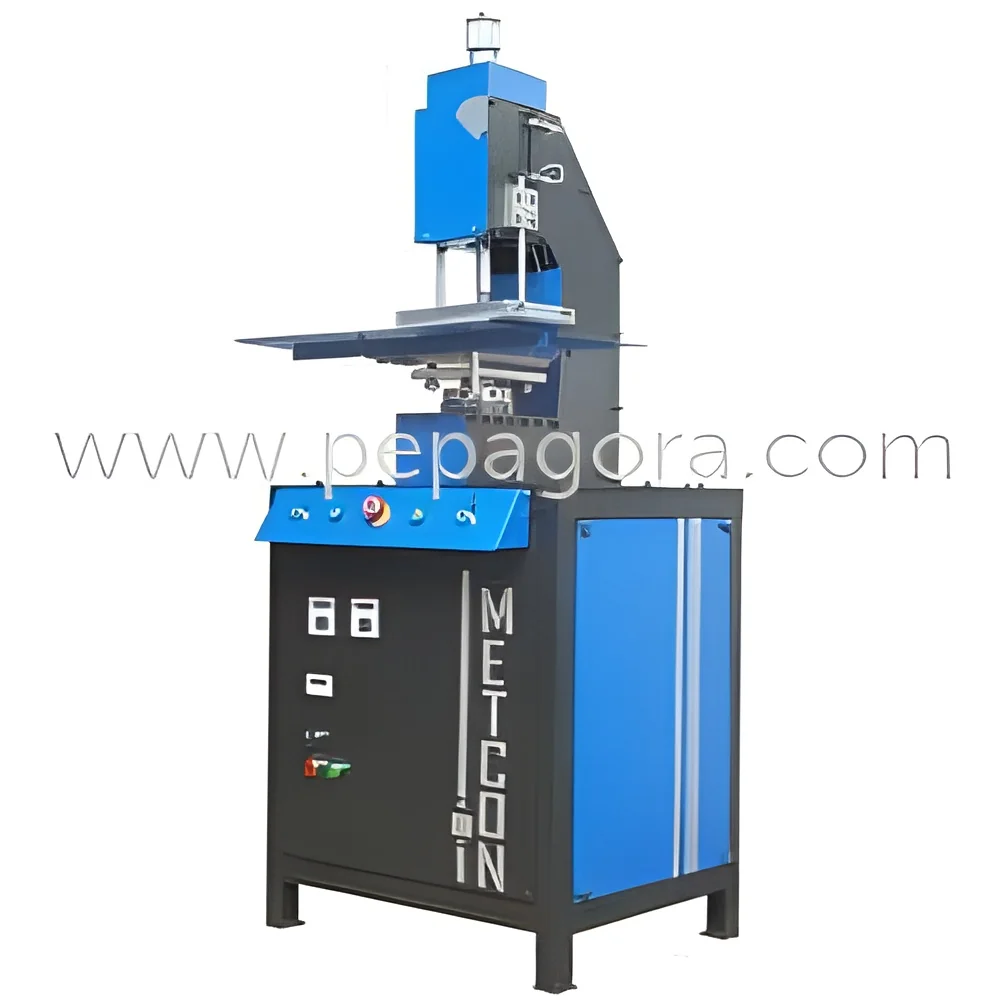
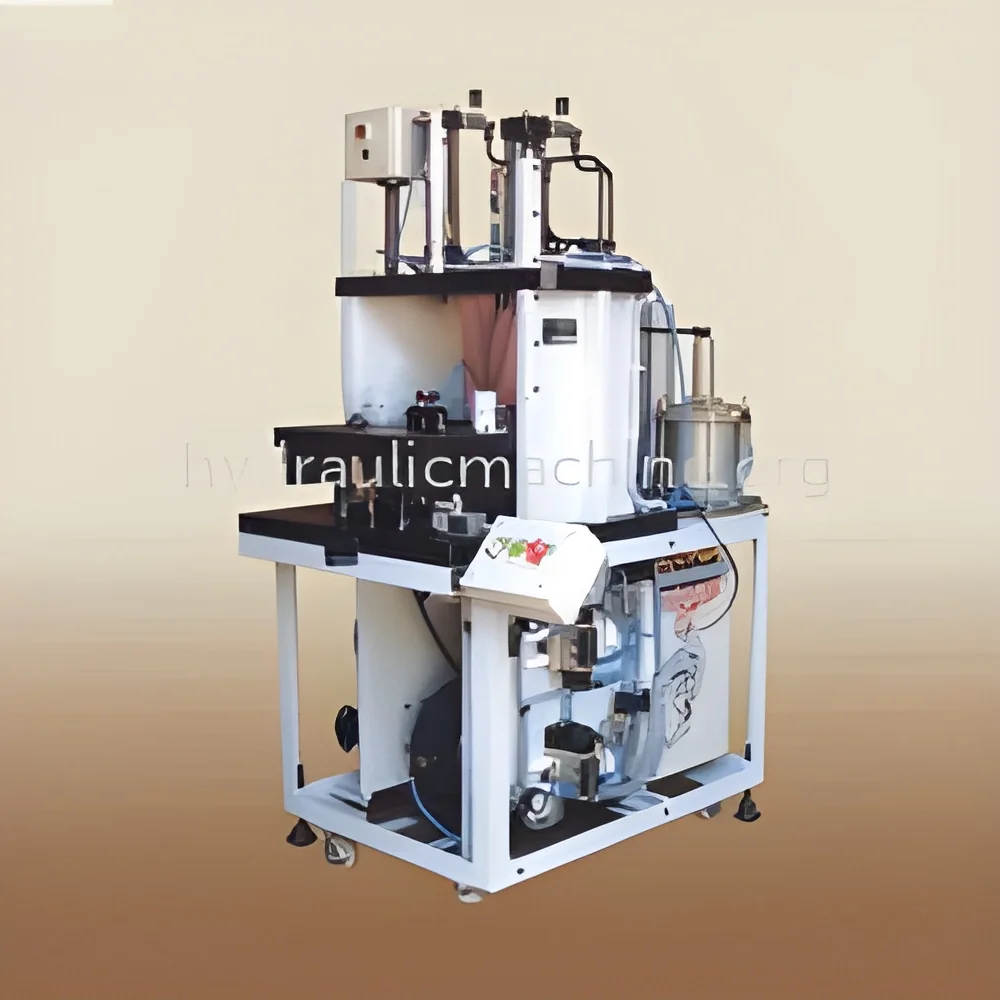
What are Punching Machines?
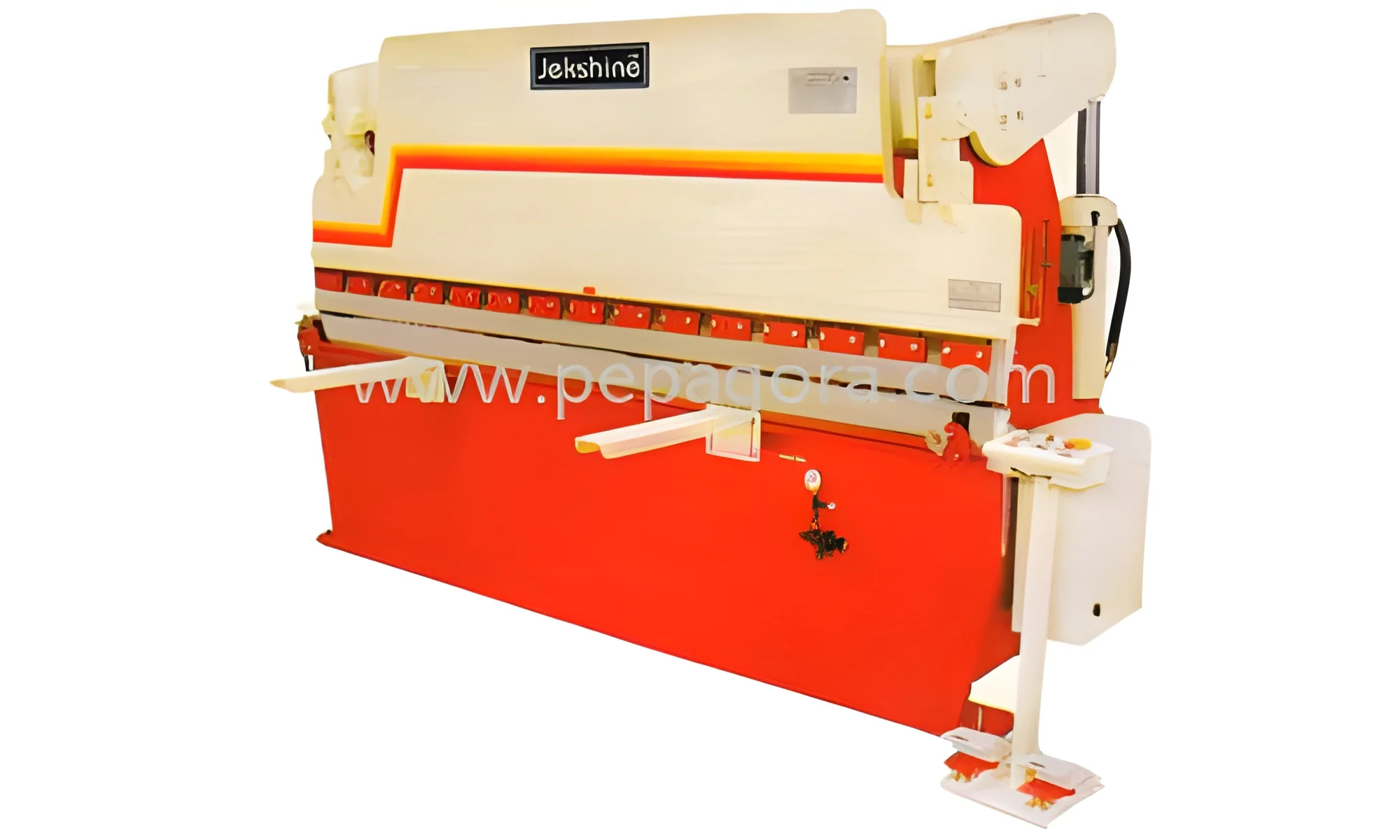
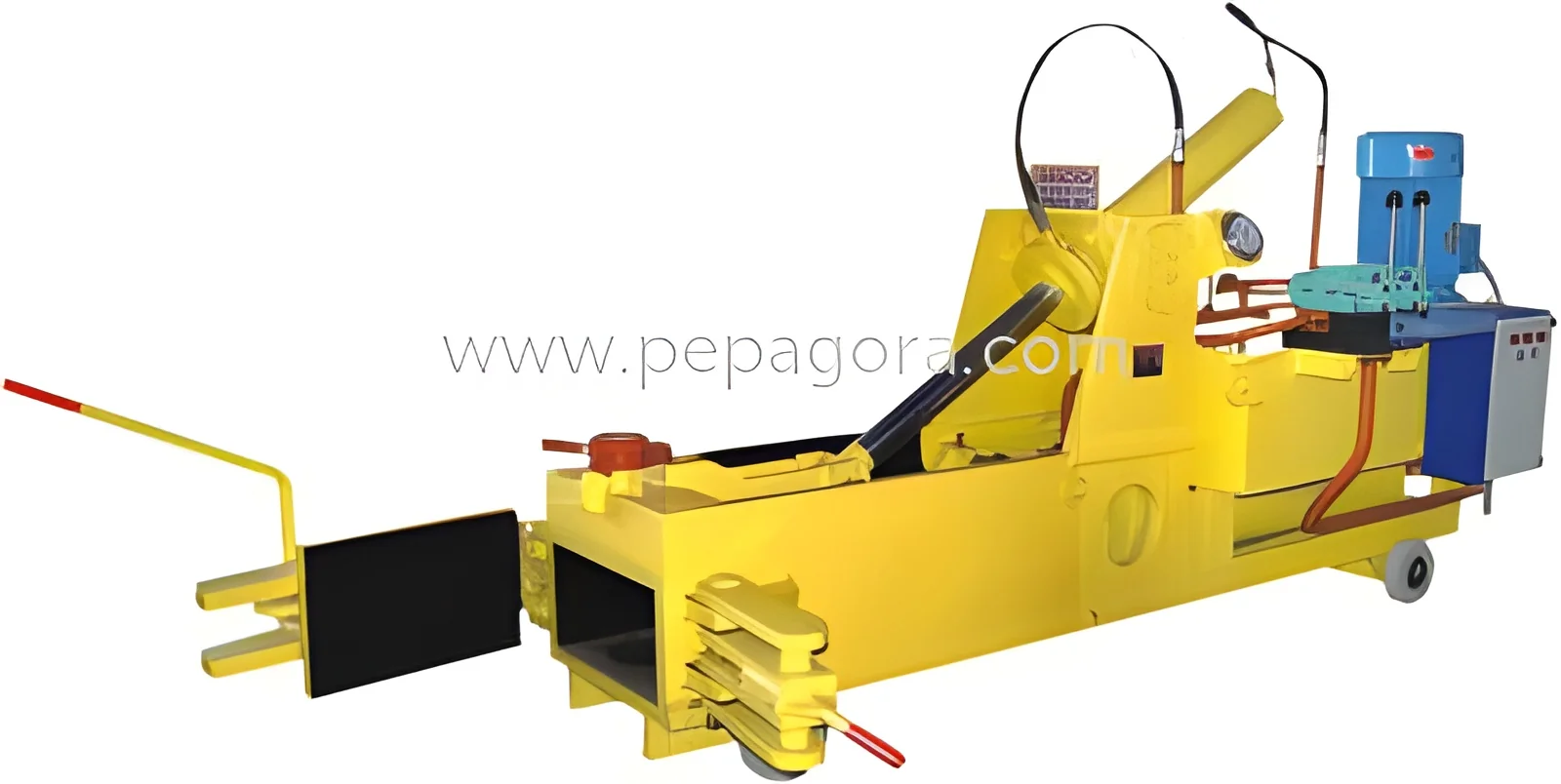
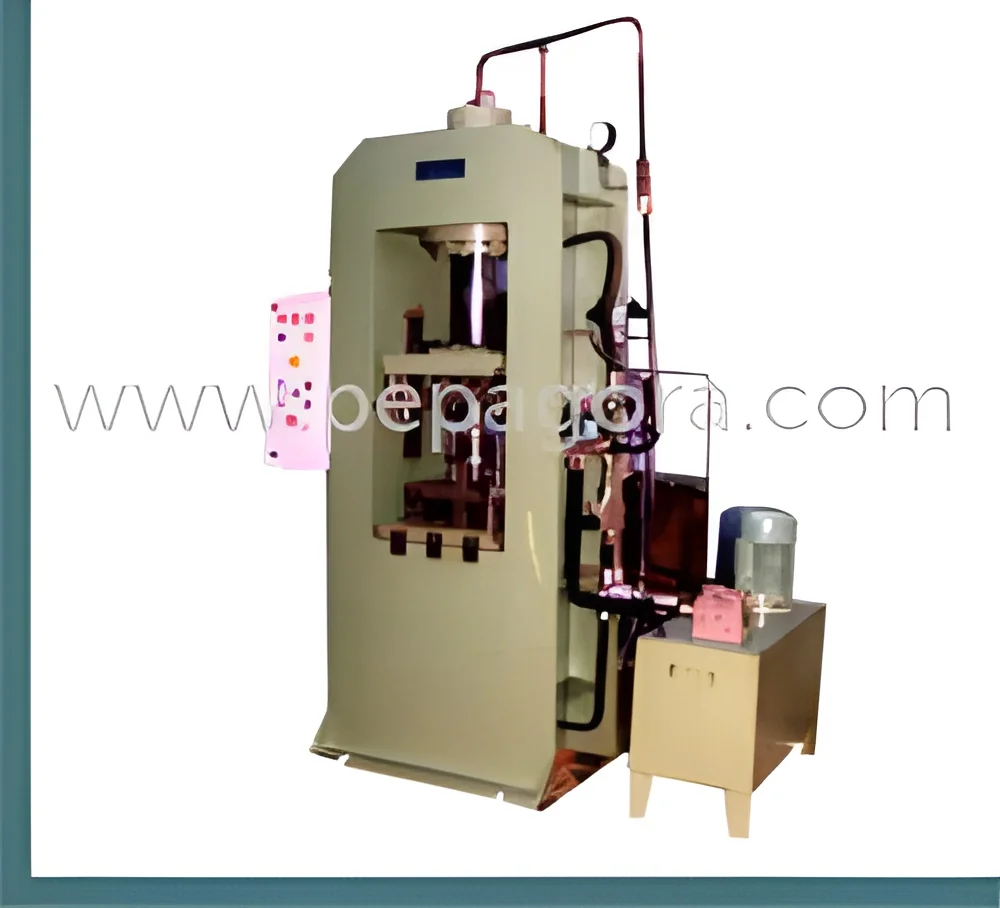
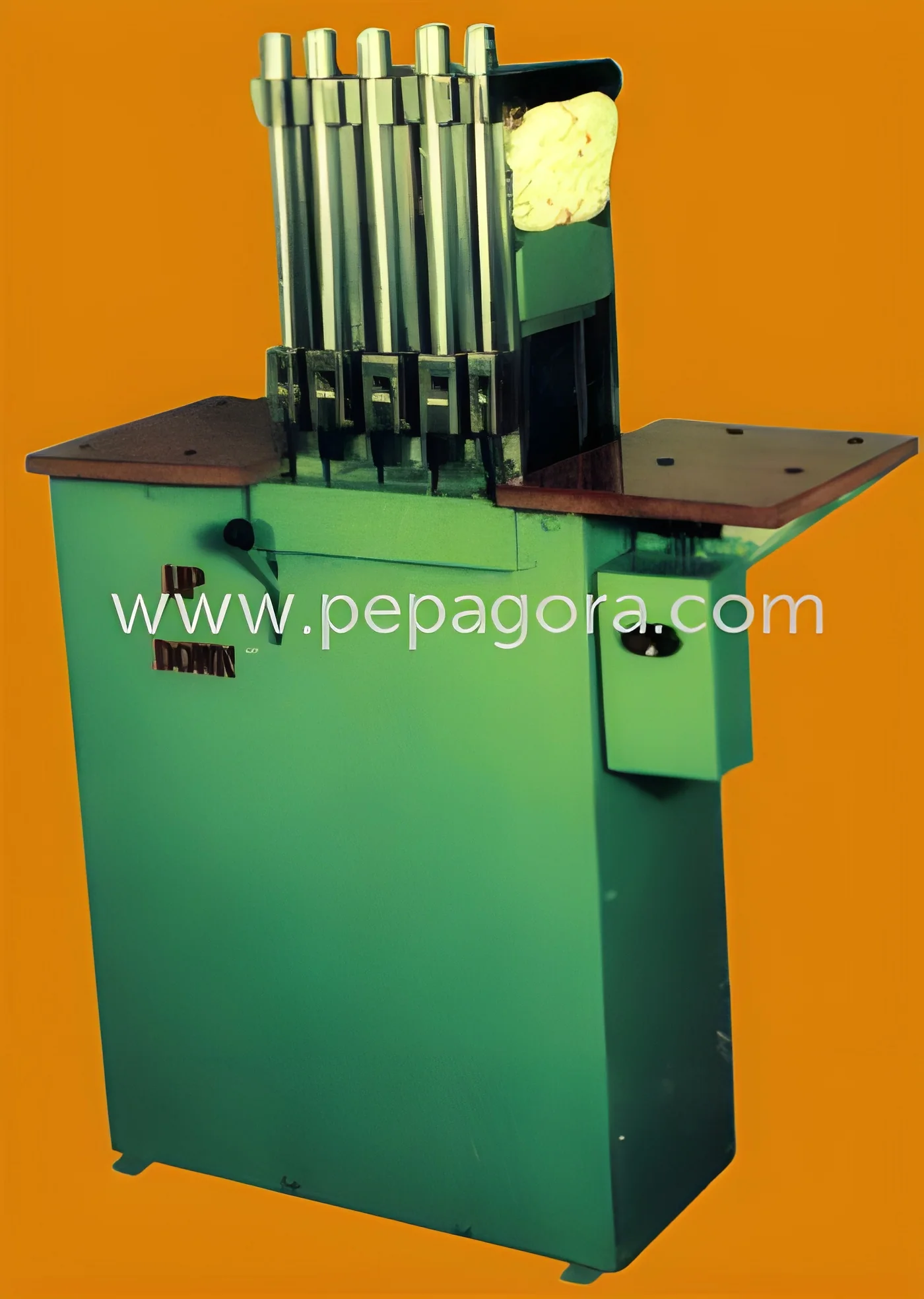
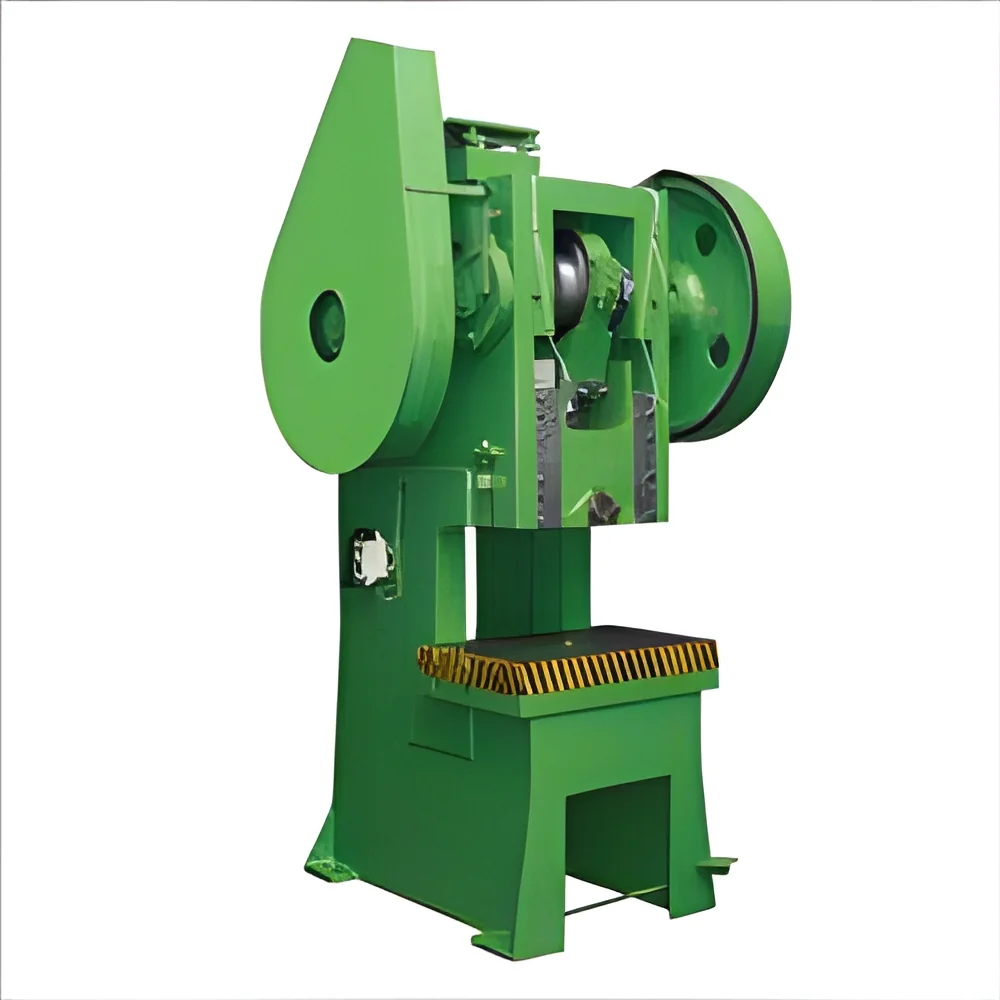
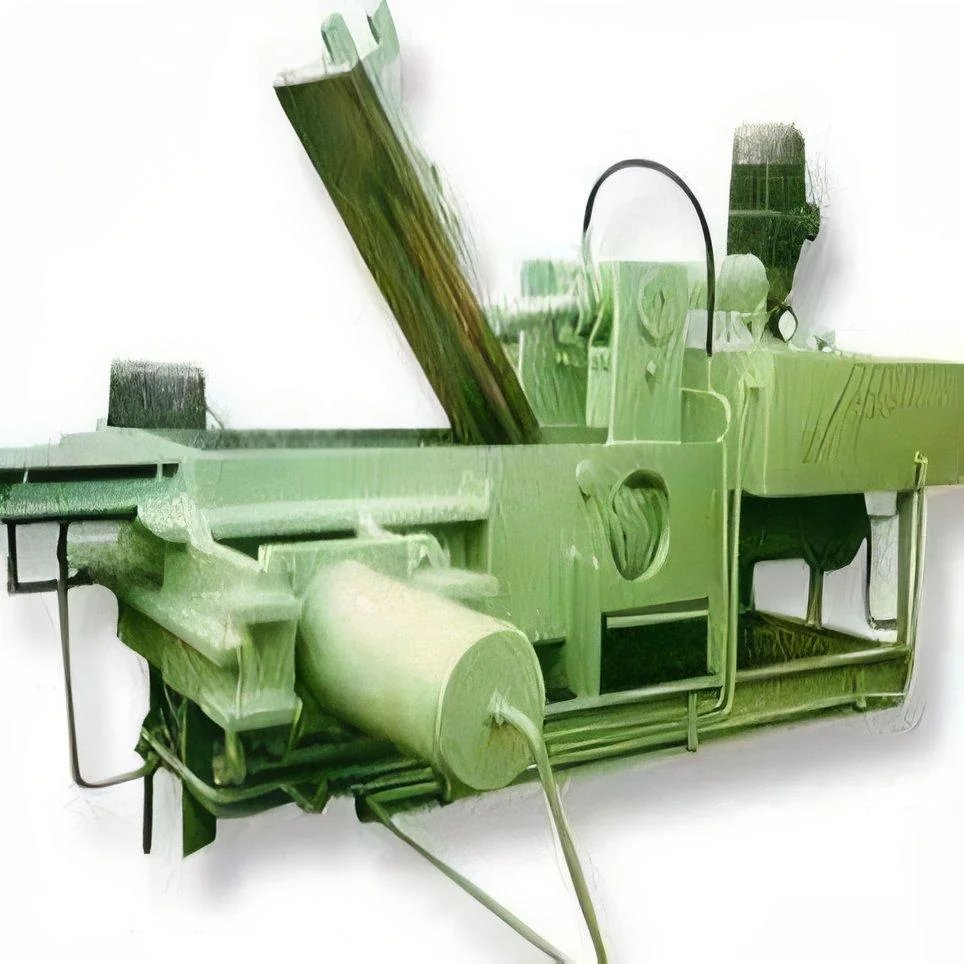
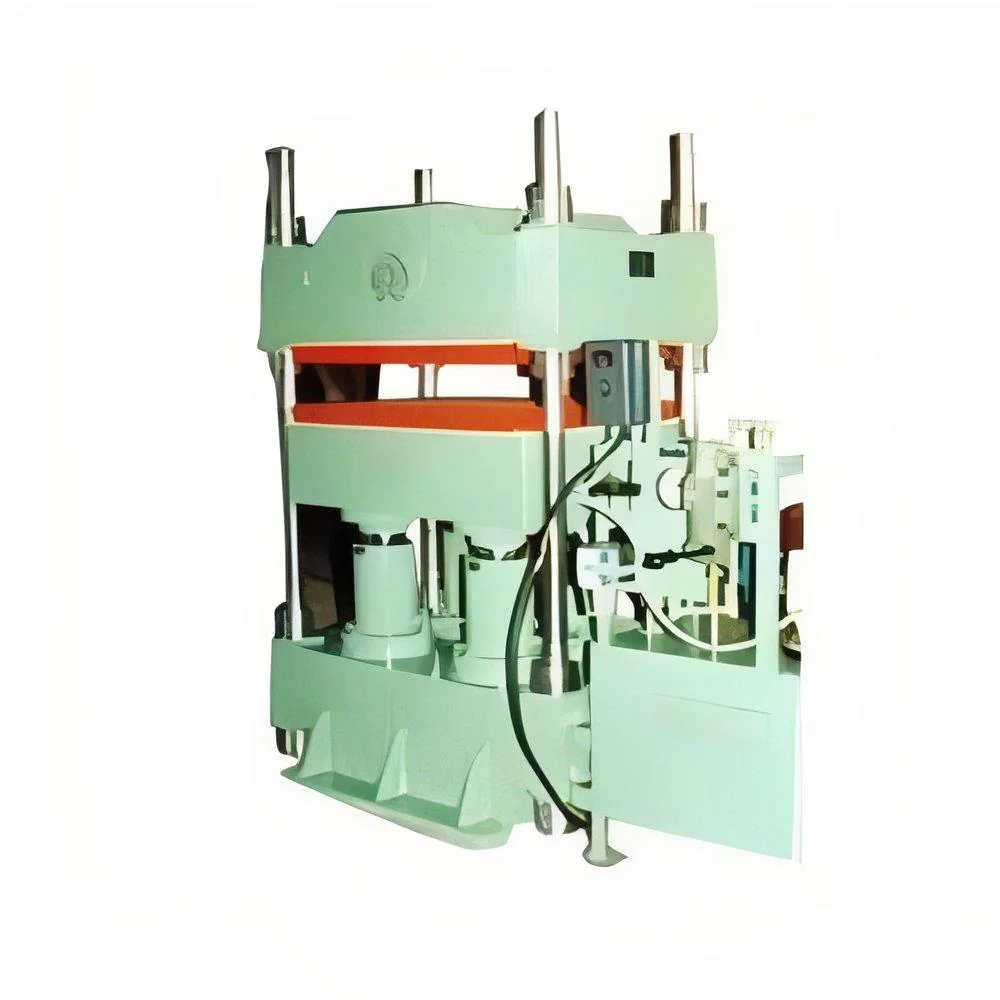
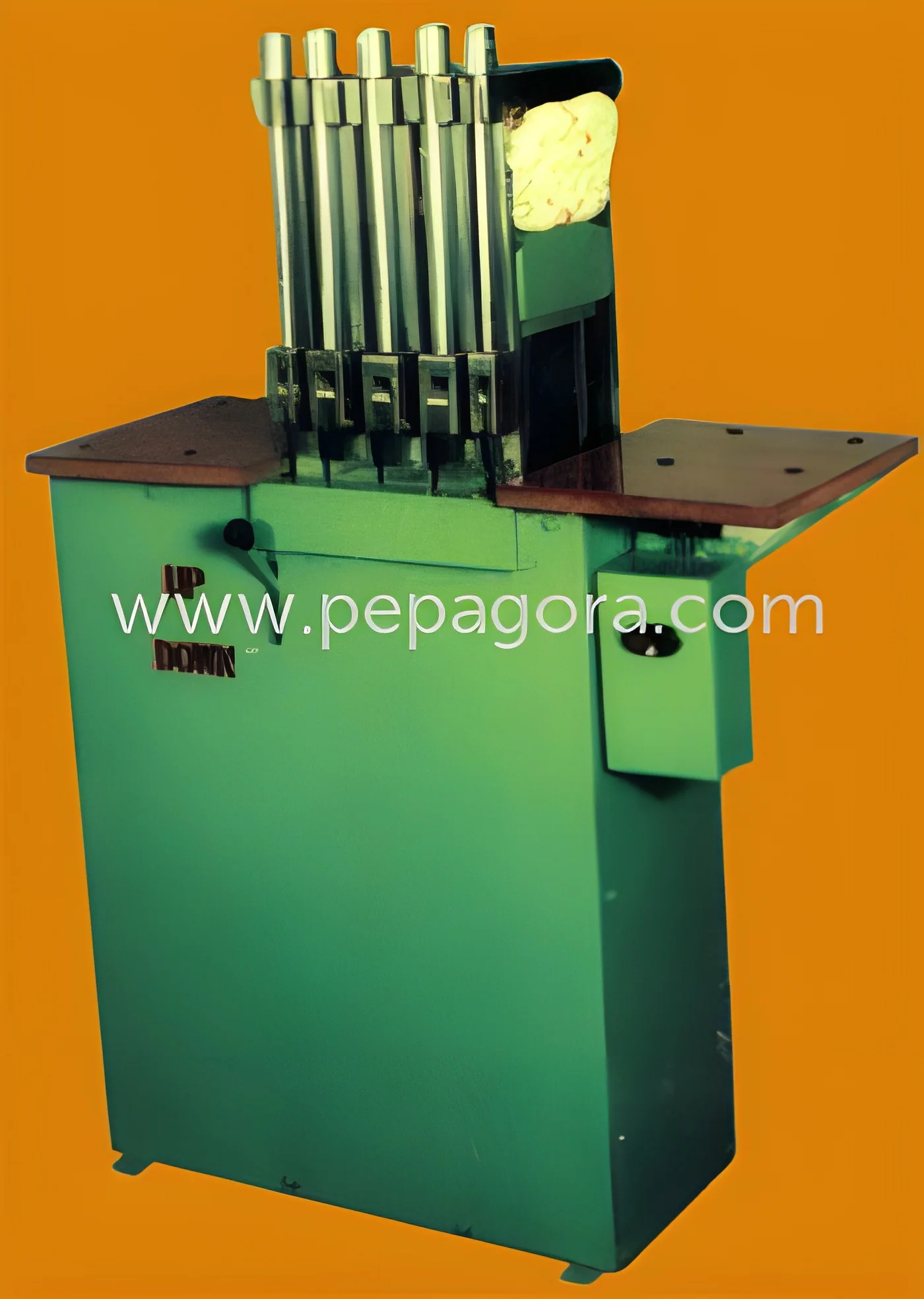
Punching machines are industrial tools designed to create holes or cut shapes in various materials, primarily metal and plastic. They operate using a punch and die mechanism, where the punch exerts force to pierce or shape the material. These machines can range from small, manual units to large, automated systems capable of high-speed production. Their versatility and efficiency make them essential in manufacturing processes.
Primarily, punching machines are used in industries such as automotive, aerospace, and construction. They are employed to fabricate parts, create components, and produce decorative features on various products. Businesses rely on these machines for their ability to enhance productivity and accuracy while minimizing material waste. The demand for punching machines continues to grow as manufacturers seek to optimize their operations and maintain competitive advantages in the market.
In today's industrial landscape, punching machines play a crucial role in streamlining production processes. They not only improve the speed of manufacturing but also ensure consistent quality across products. As industries evolve, the technology behind punching machines is advancing, leading to more efficient and user-friendly options for businesses.
Key Features and Specifications
Punching machines come equipped with various features that enhance their functionality and performance. When considering these machines, it is important to understand the key specifications that set them apart.
Key specifications include:
1. Punching Force
- This specification refers to the maximum force exerted by the machine during operation.
- Common ranges are between 10 to 200 tons, depending on the machine size and application.
2. Stroke Length
- Stroke length indicates the distance the punch travels during operation.
- Standard stroke lengths can vary from 20 mm to over 100 mm.
3. Material Thickness Capacity
- This specification defines the maximum thickness of material the machine can handle.
- Typical ranges are from 0.5 mm to 20 mm, depending on the material type.
4. Speed
- This refers to the number of strokes per minute (SPM) the machine can achieve.
- Machines may operate at speeds ranging from 30 to 600 SPM.
5. Die Size
- The die size determines the dimensions of the holes or shapes that can be punched.
- Dies can vary greatly, with sizes customized based on specific applications.
6. Control System
- Many punching machines feature advanced control systems for precision operations.
- Options may include manual, semi-automatic, or fully automatic controls.
7. Safety Features
- Safety mechanisms are essential for protecting operators during machine operation.
- Common features include emergency stop buttons, safety guards, and sensors.
8. Energy Consumption
- Energy efficiency is a growing concern for businesses.
- Machines are available with specifications that optimize energy use during operation.
In summary, understanding the key features and specifications of punching machines is vital for selecting the right equipment for specific applications. These machines can significantly enhance production efficiency and quality.
Common Applications and Use Cases
Punching machines are utilized in a wide range of industries, demonstrating their versatility and importance in manufacturing.
1. Automotive: In the automotive sector, punching machines are used to create components like brackets, panels, and frames. Their precision ensures that parts fit accurately, which is essential for vehicle assembly.
2. Aerospace: Punching machines play a critical role in the aerospace industry by fabricating lightweight structural components. Accurate punching is crucial for maintaining safety and performance standards in aircraft.
3. Construction: Within the construction industry, punching machines are employed to produce metal sheets and components for building structures. They help in creating parts for scaffolding, frames, and decorative elements.
4. Electronics: In electronics manufacturing, punching machines are used to create circuit boards and enclosures. Precision punching ensures that components fit correctly and function as intended.
5. Furniture: Punching machines are used to create decorative patterns and holes in metal and wood furniture. This enhances both aesthetic appeal and functionality.
6. HVAC: In the heating, ventilation, and air conditioning industry, punching machines are used to manufacture ductwork and metal fittings, ensuring proper airflow and efficiency.
7. Signage: Punching machines are essential in the signage industry for creating letters and shapes from metal and plastic materials. Their precision allows for detailed and intricate designs.
Product Variants and Subcategories
Punching machines come in various types to meet the diverse needs of different industries. Each variant is designed with specific features to address particular applications.
CNC Punching Machines
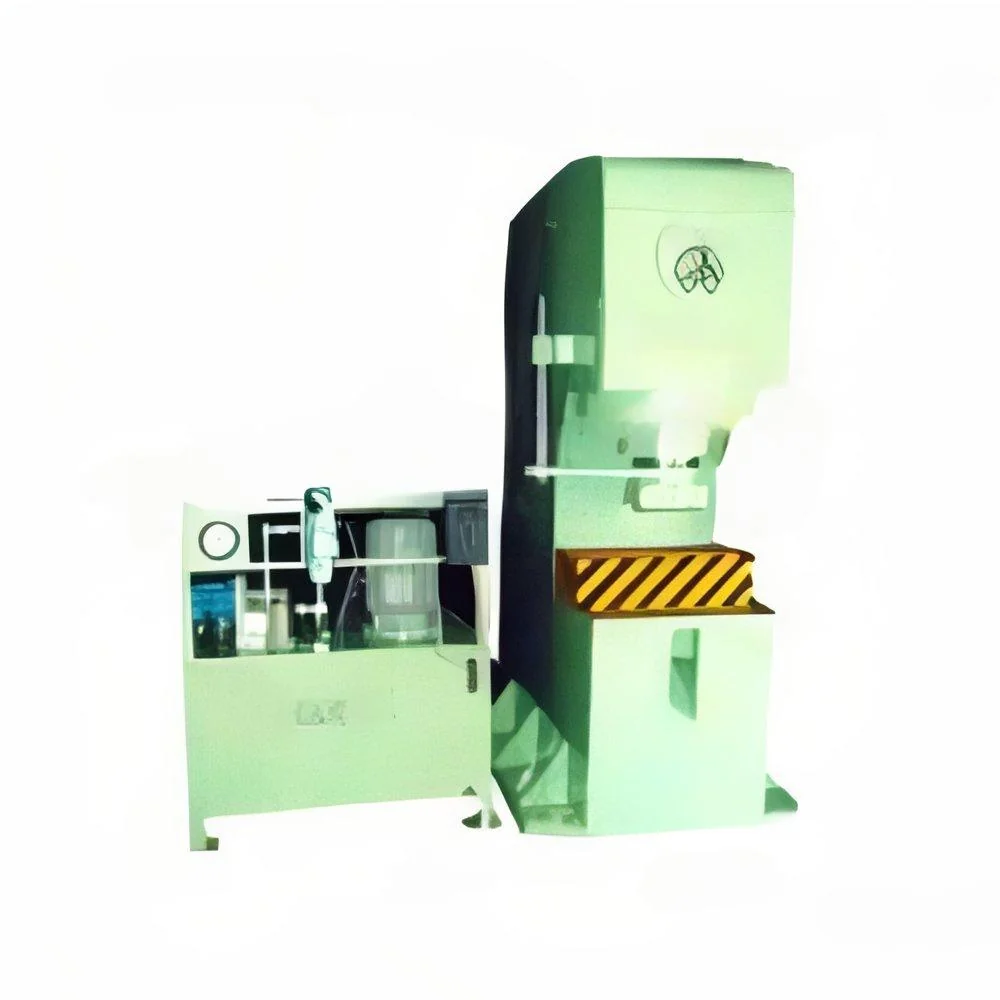
CNC punching machines utilize computer numerical control technology for precision and automation. They allow for complex designs and high-volume production runs. These machines are ideal for manufacturers needing consistent quality and efficiency.
Hydraulic Punching Machines
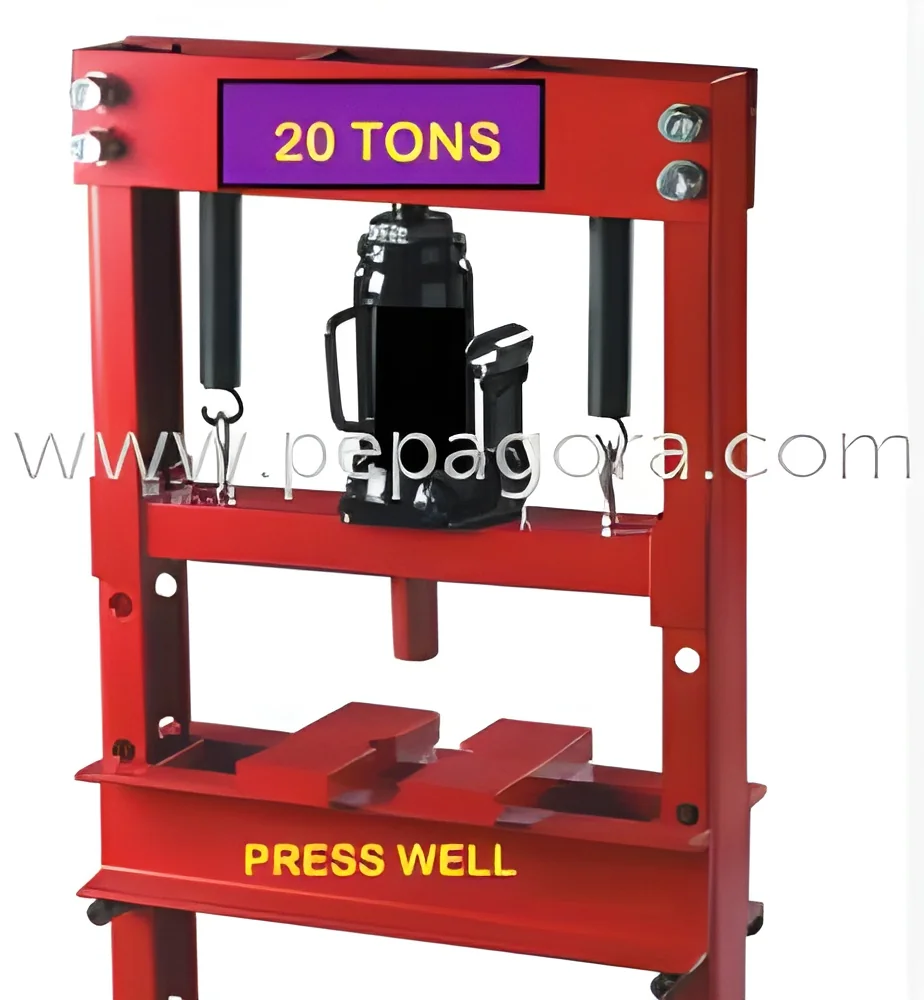
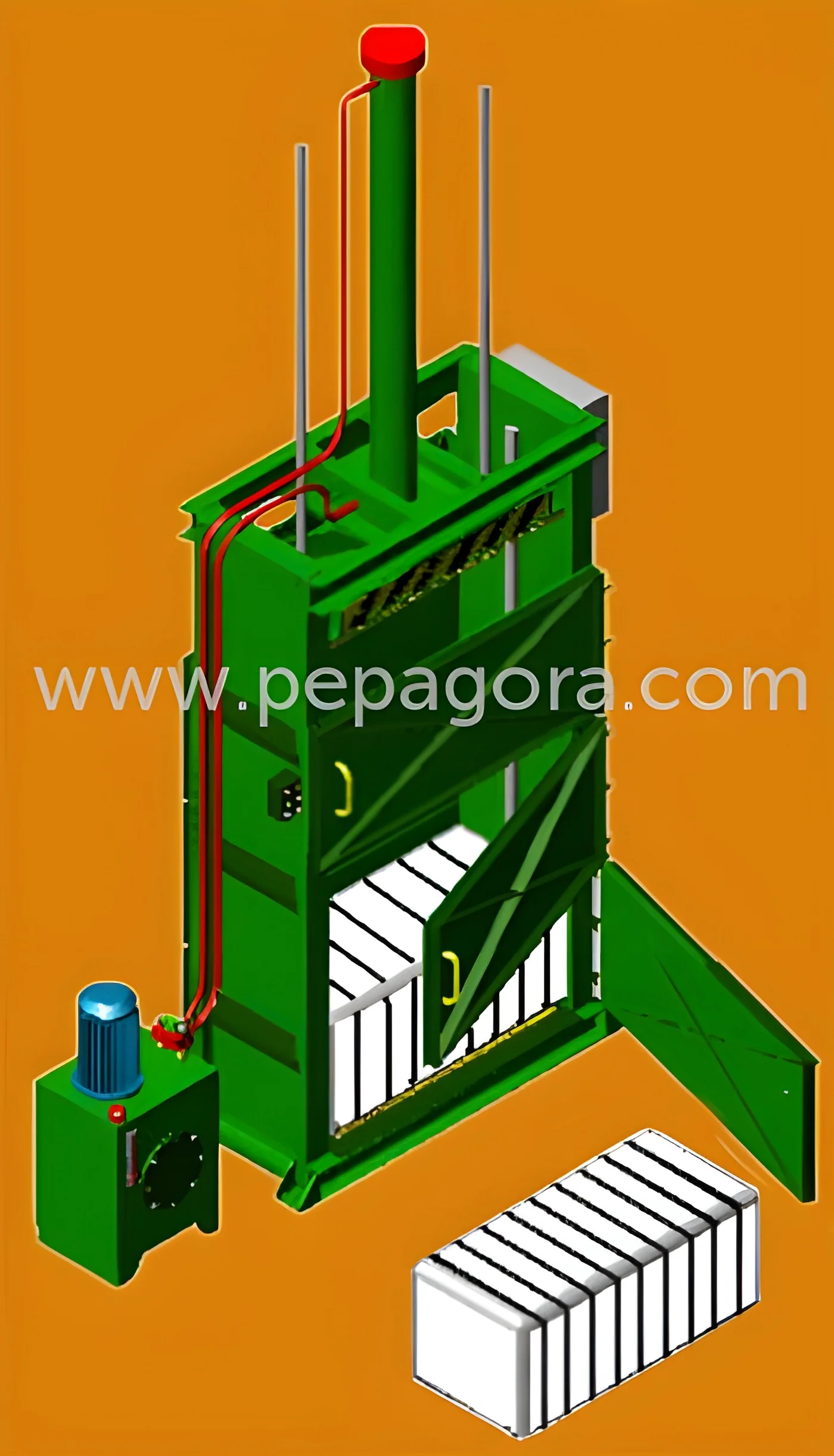
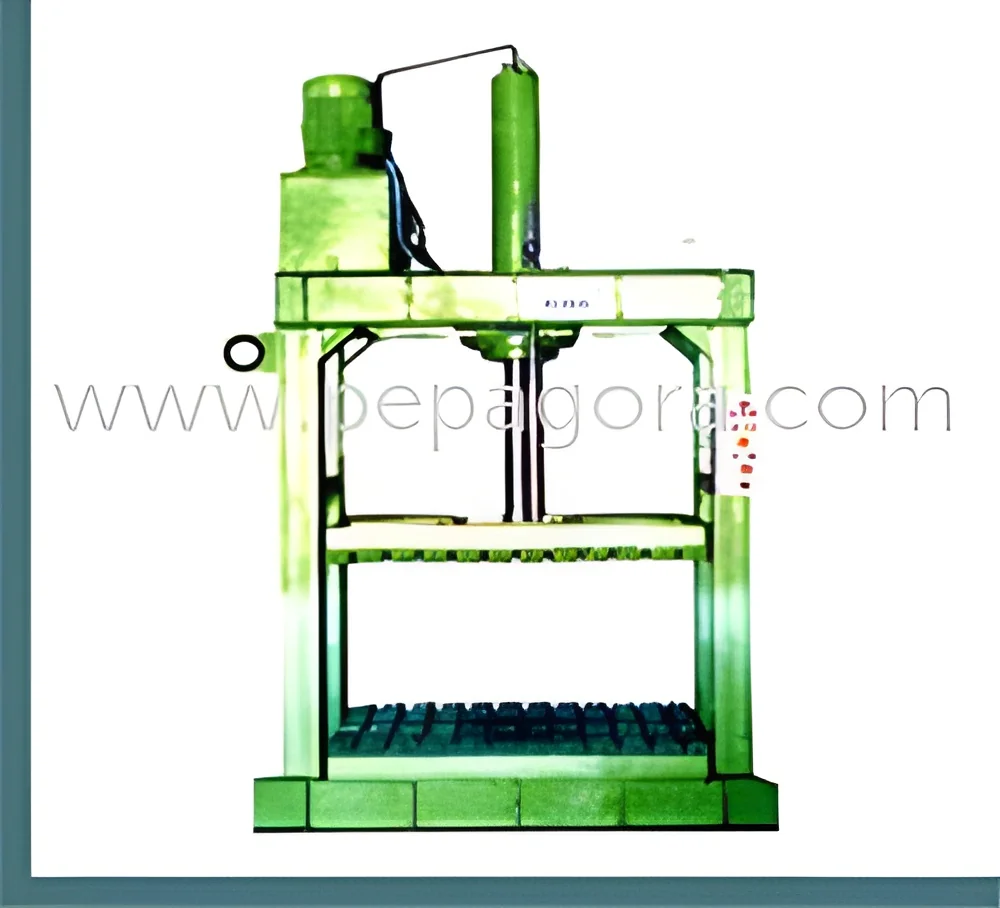
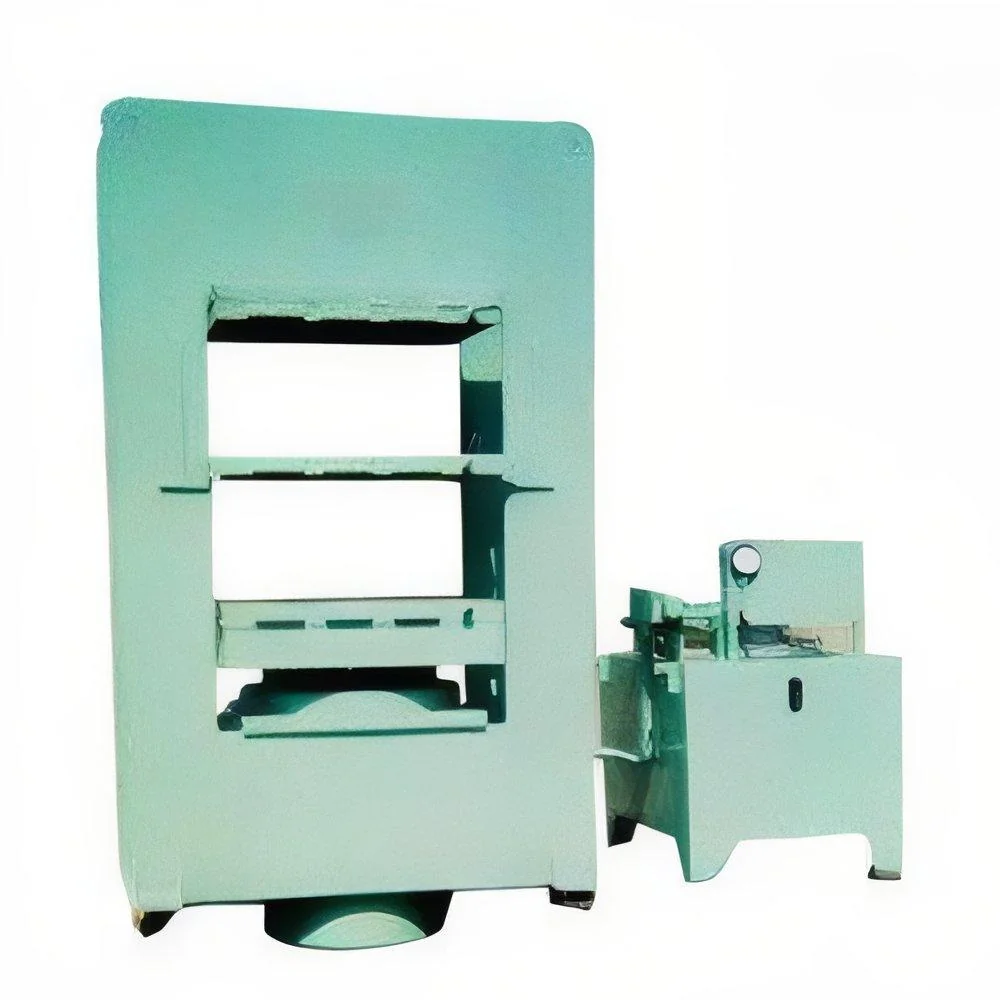
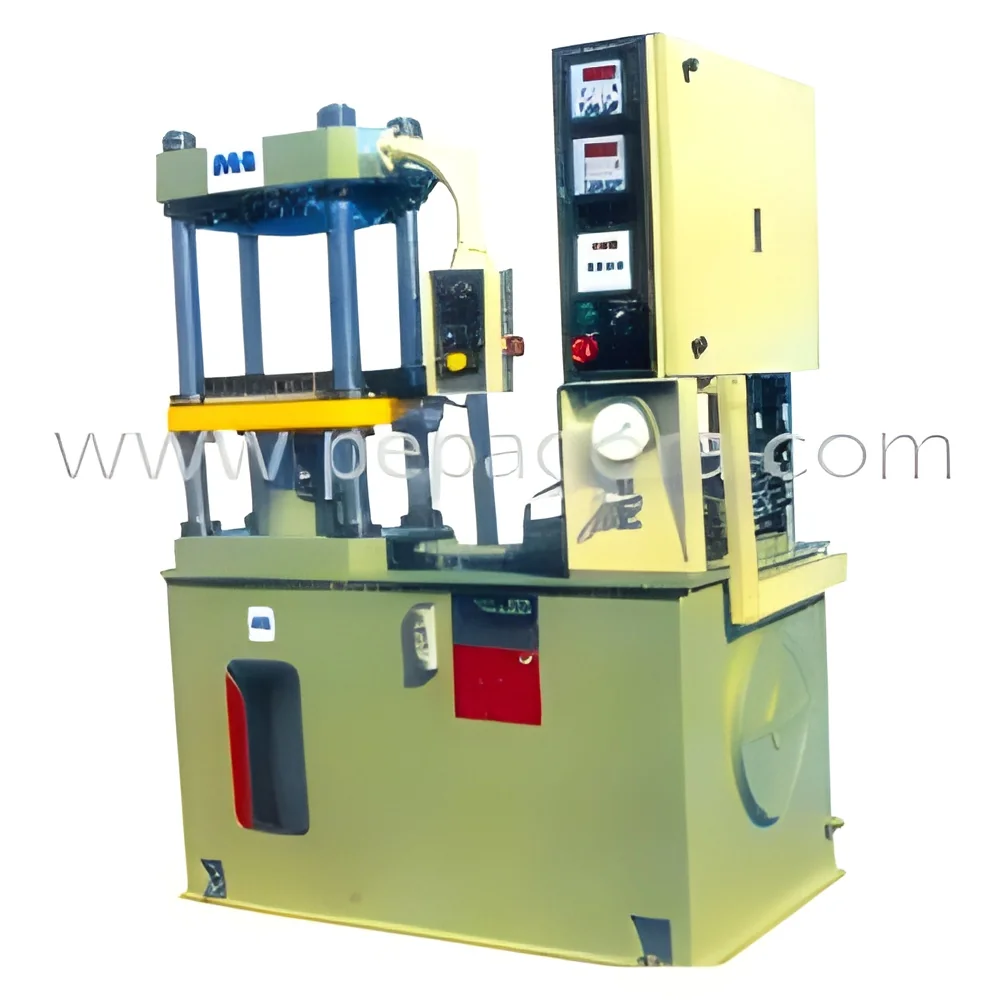
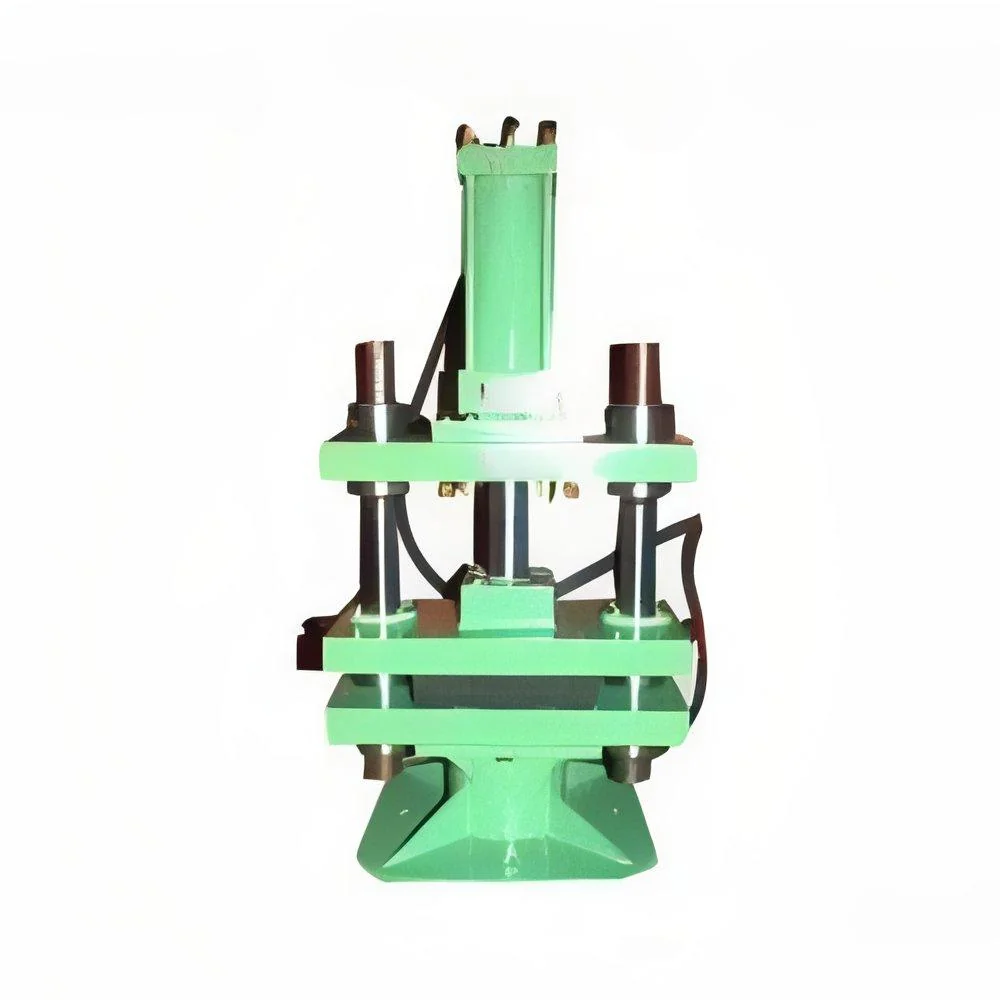
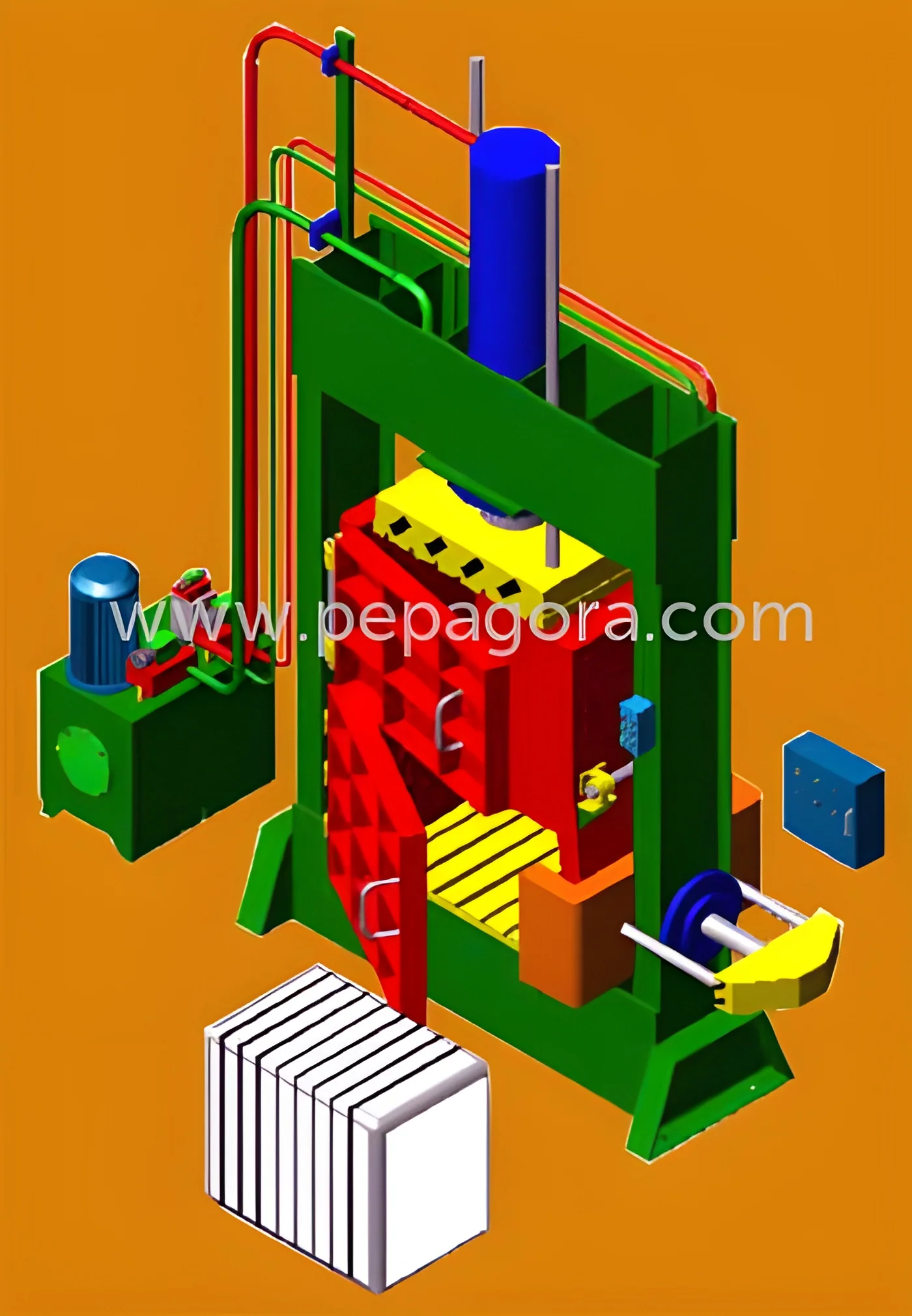
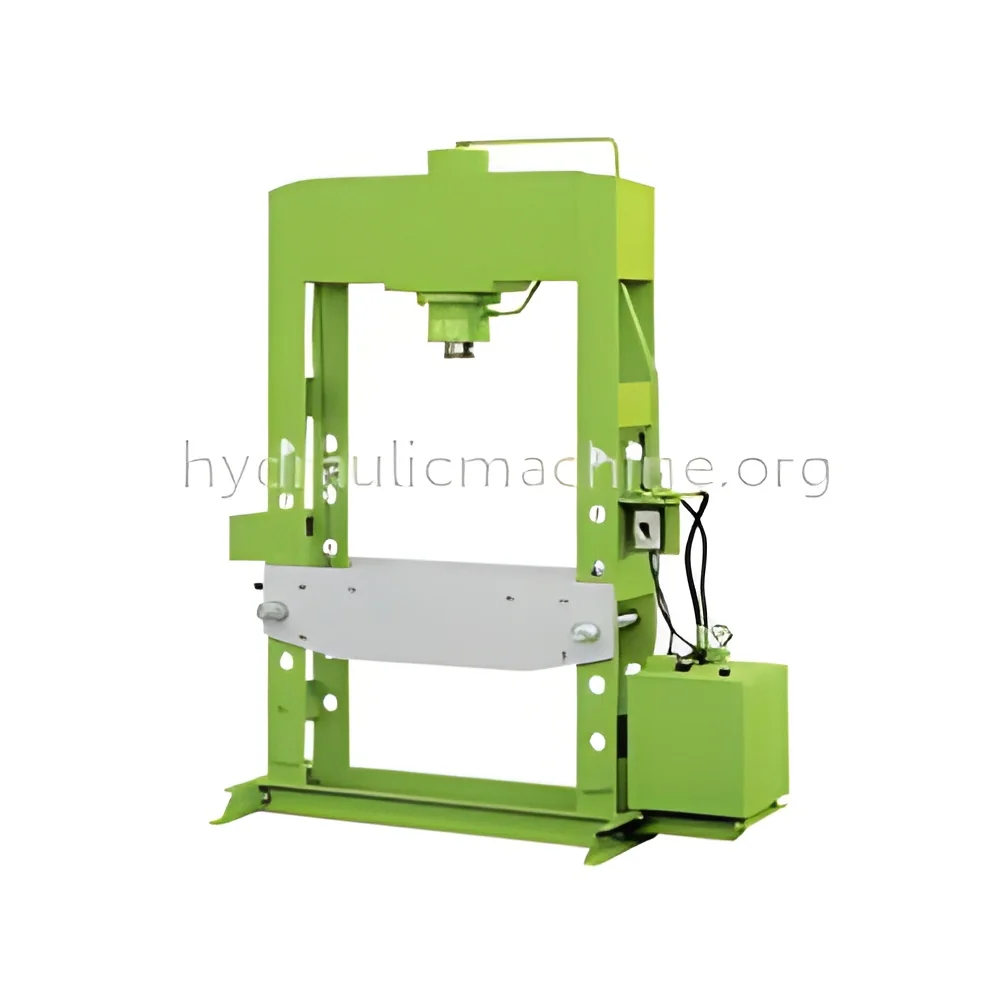
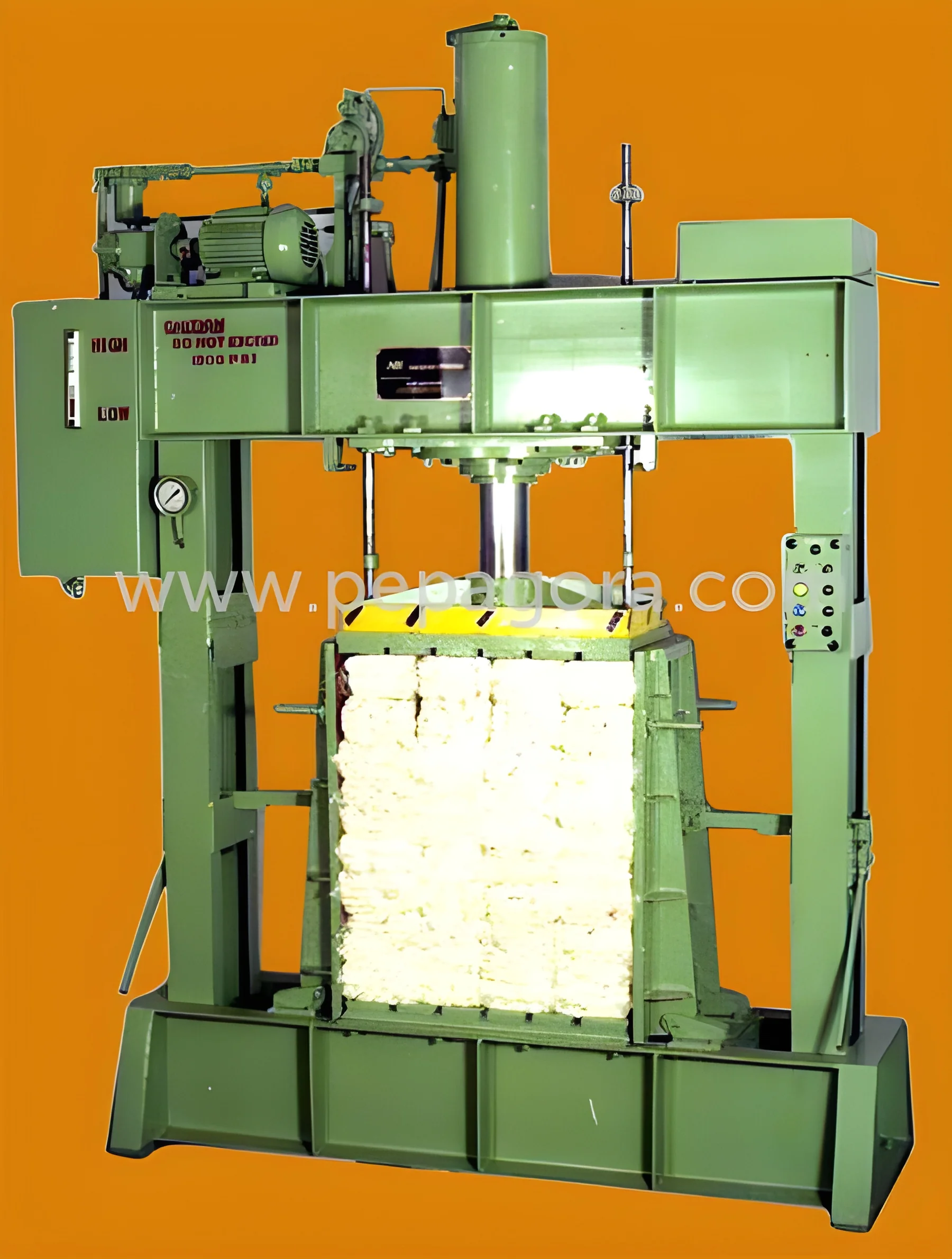
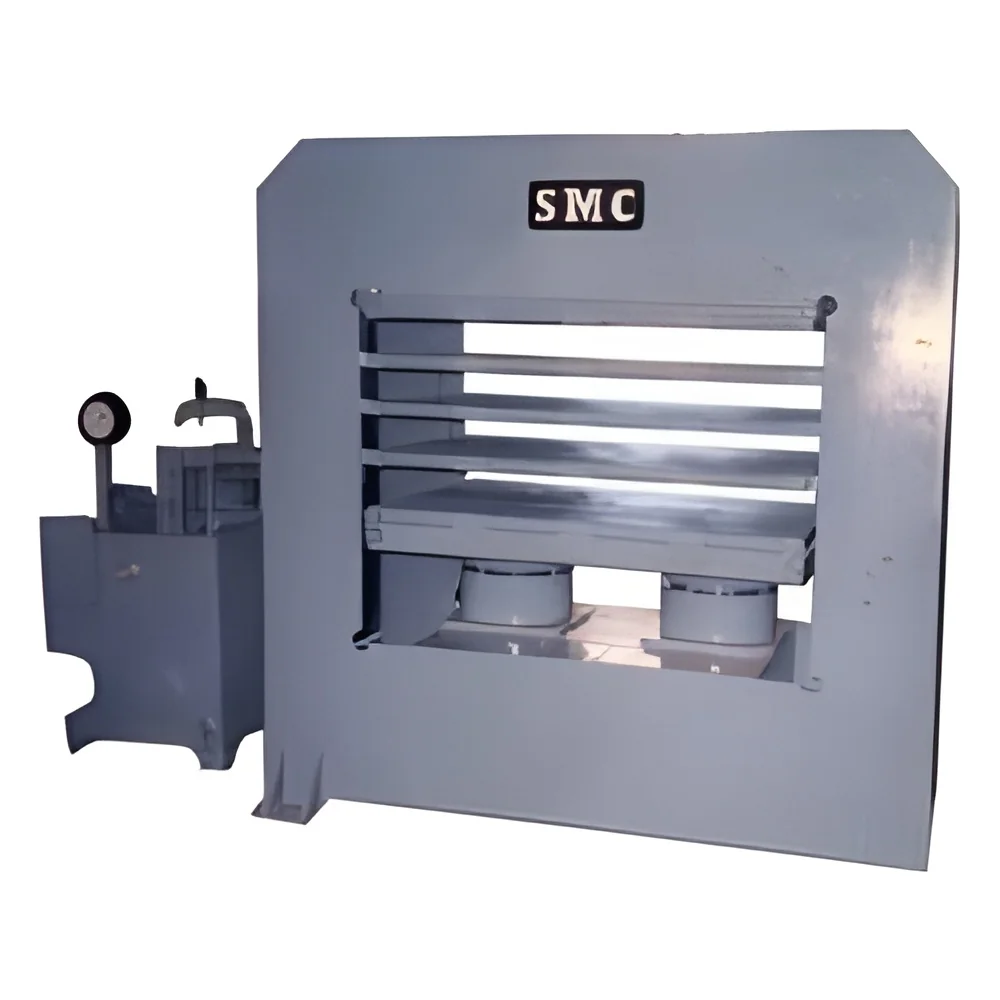
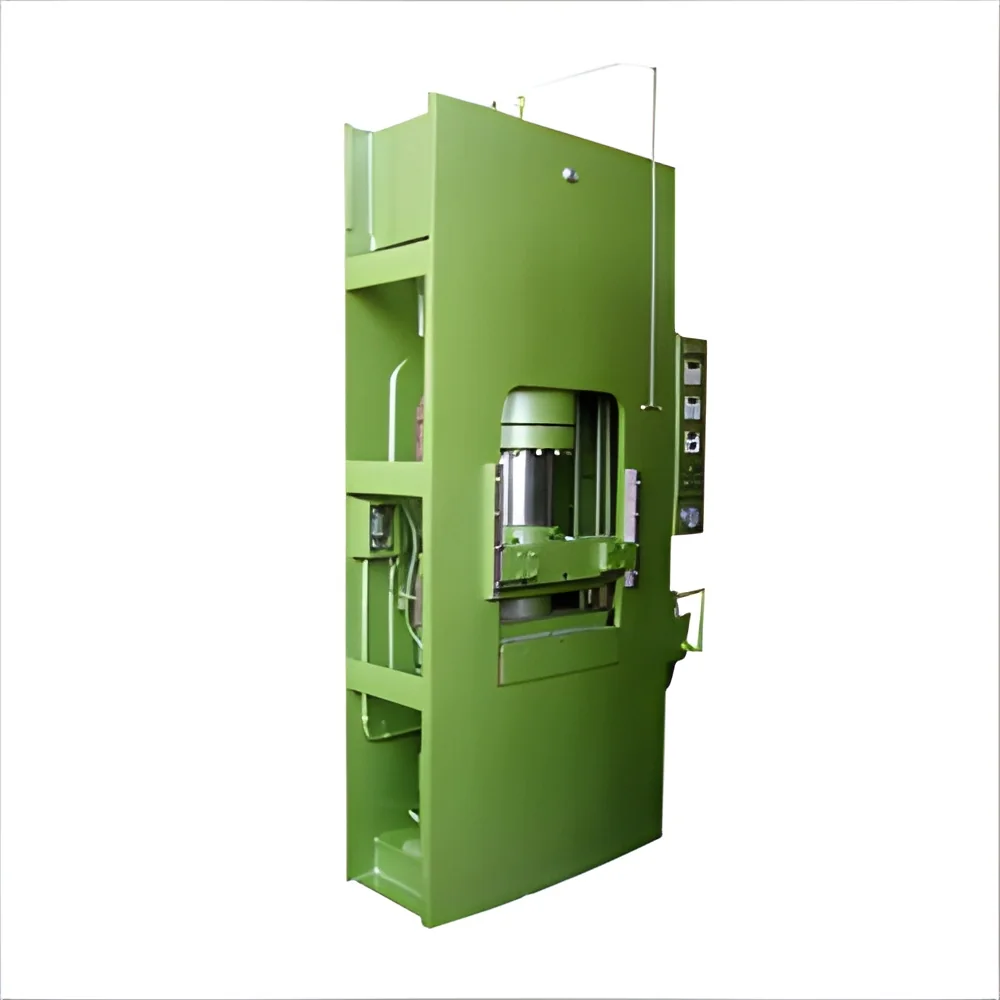
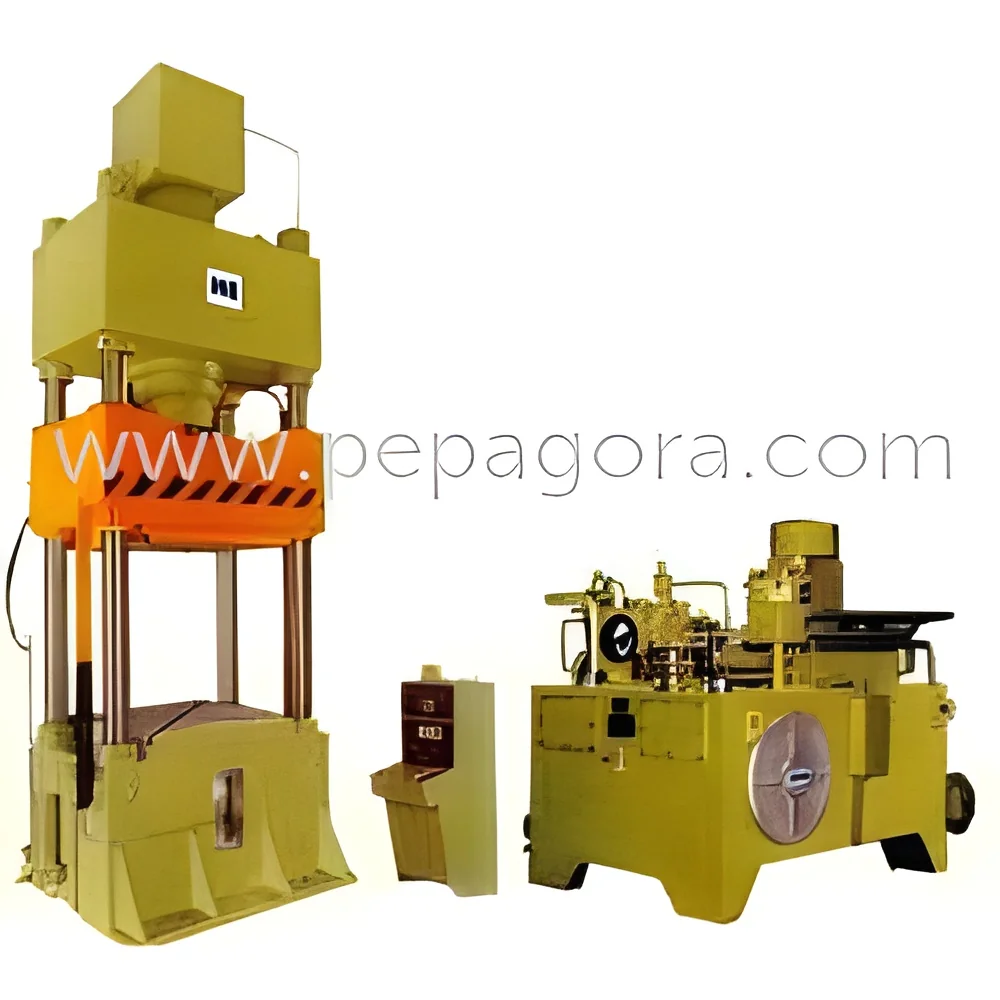
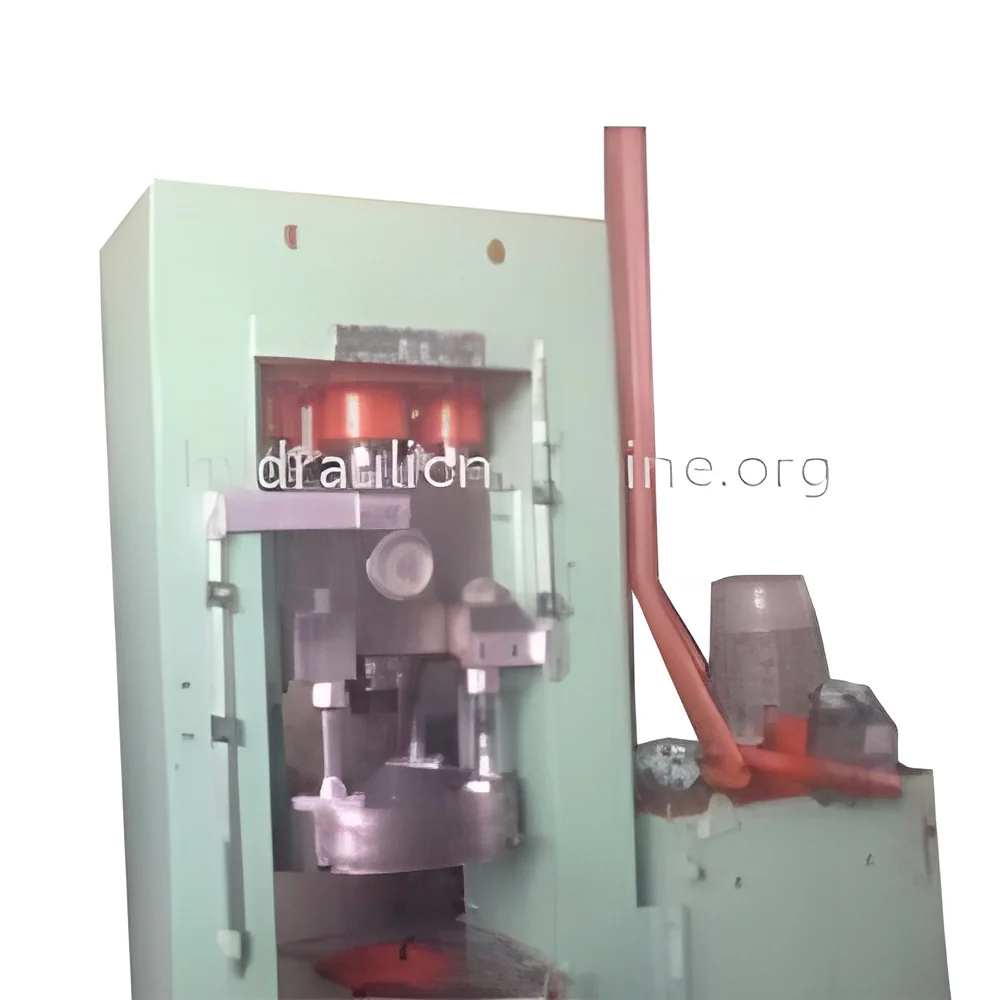
Hydraulic punching machines use hydraulic pressure to operate the punch. This type of machine offers high force output and is suitable for handling thicker materials. Hydraulic machines are often preferred for heavy-duty applications.
Mechanical Punching Machines
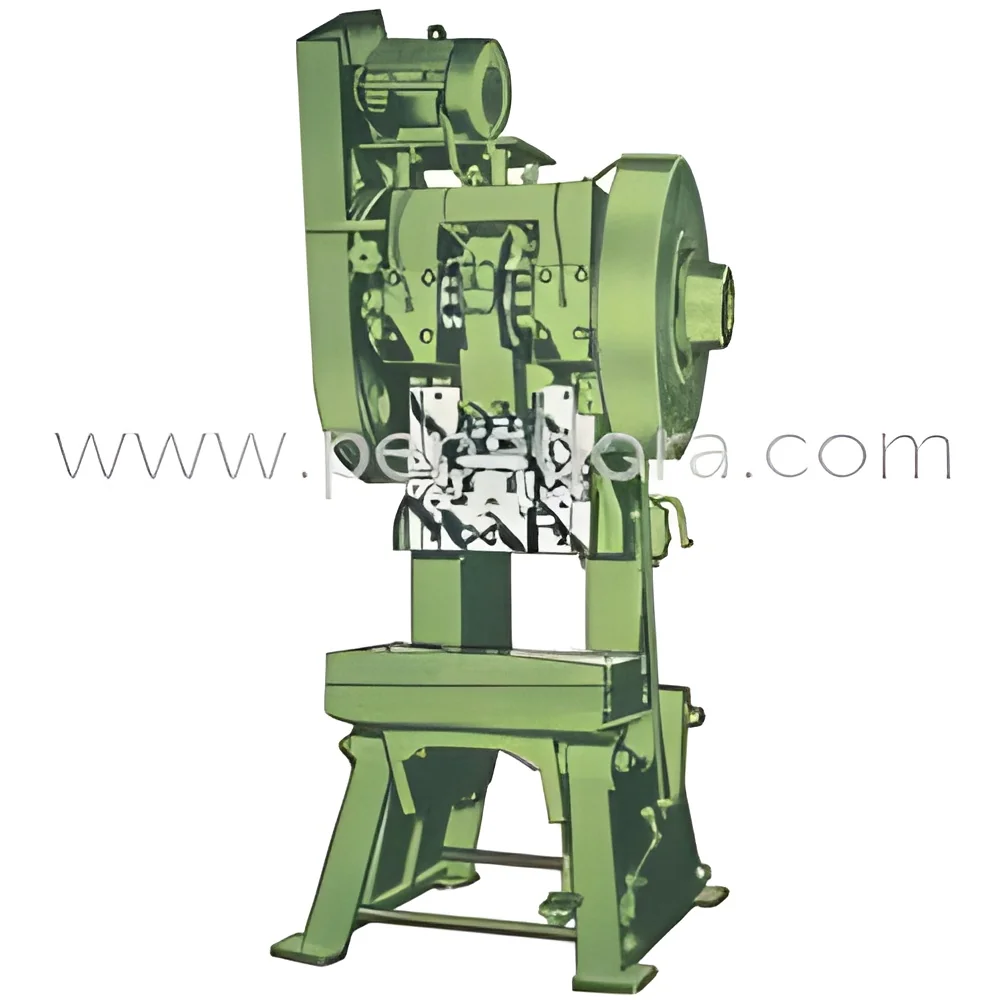
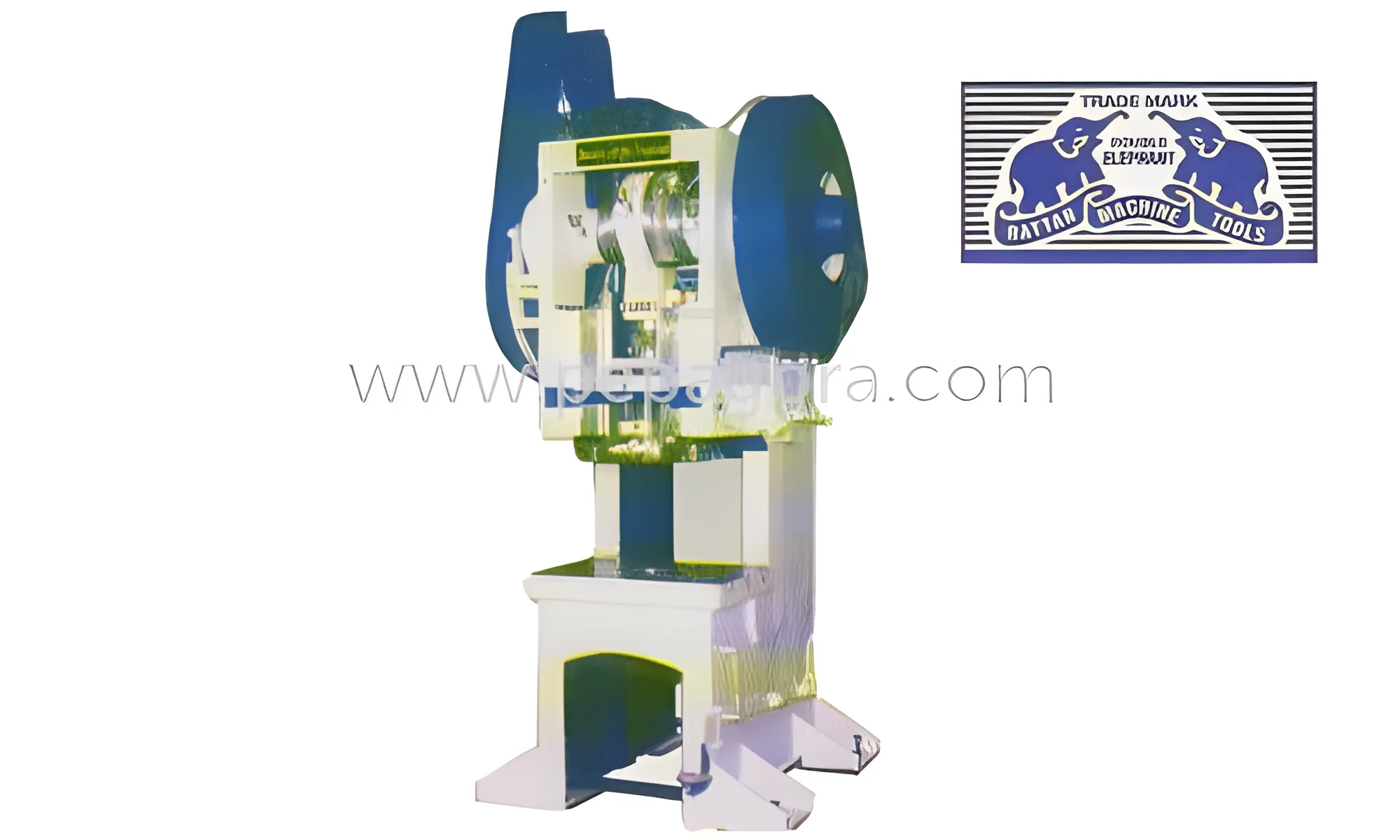
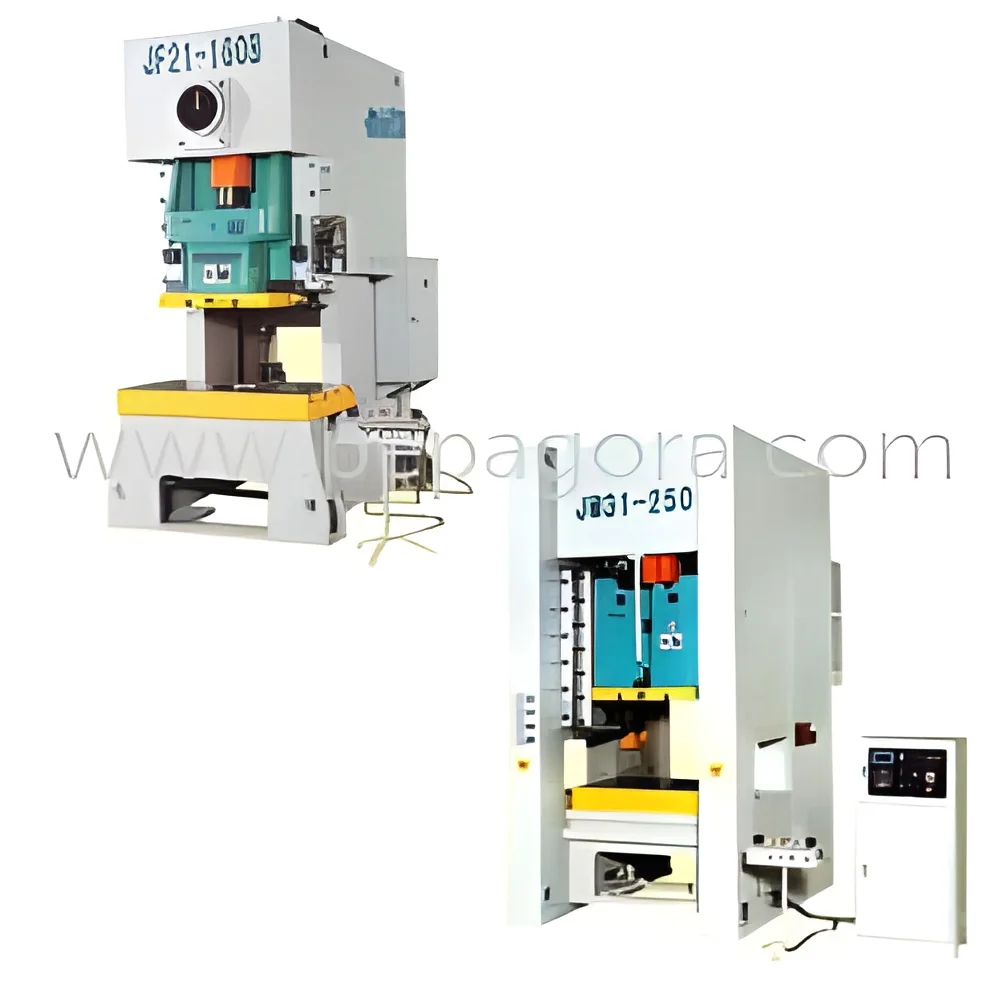
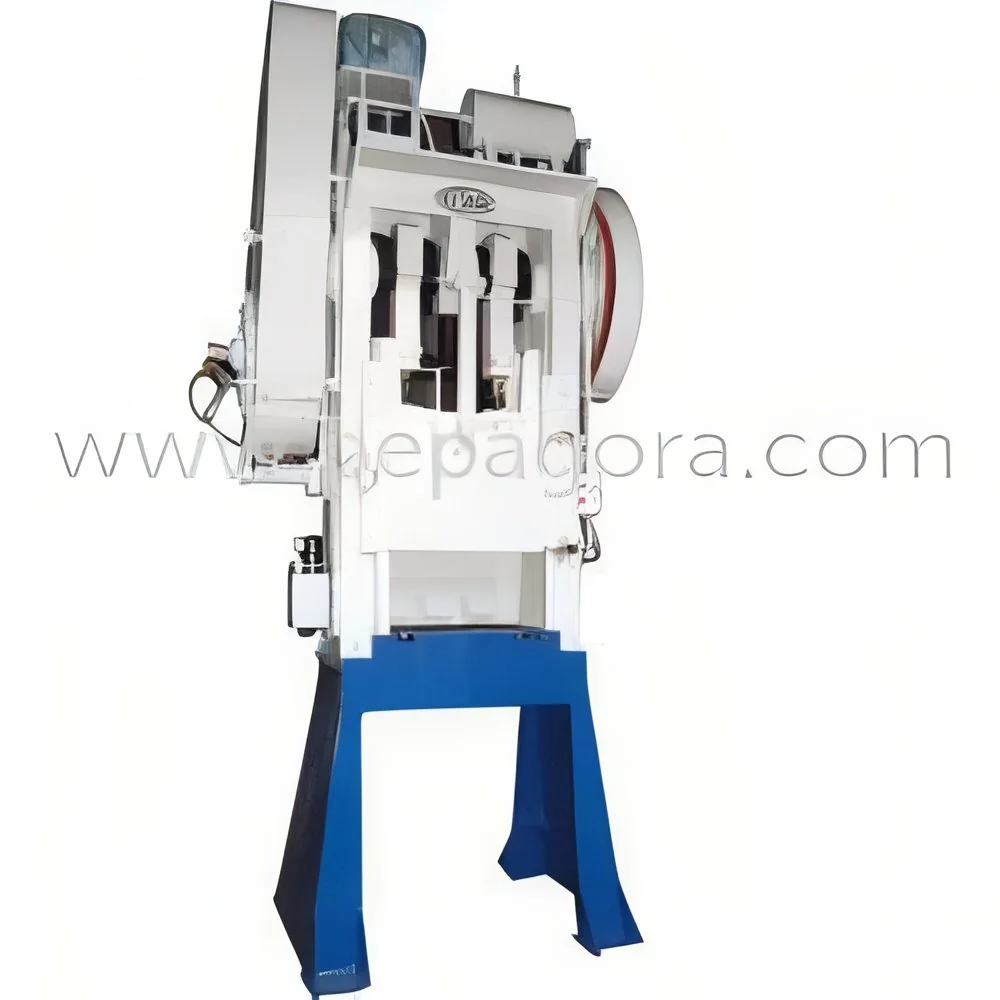
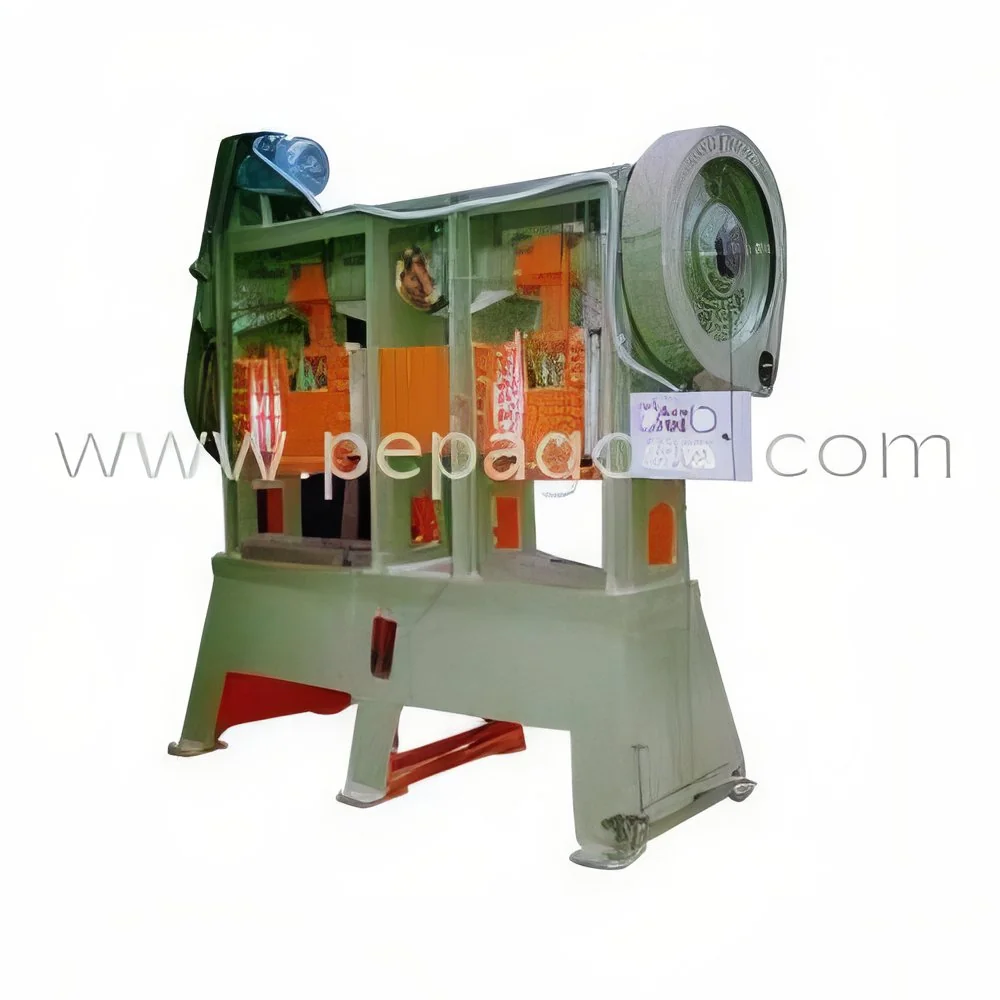
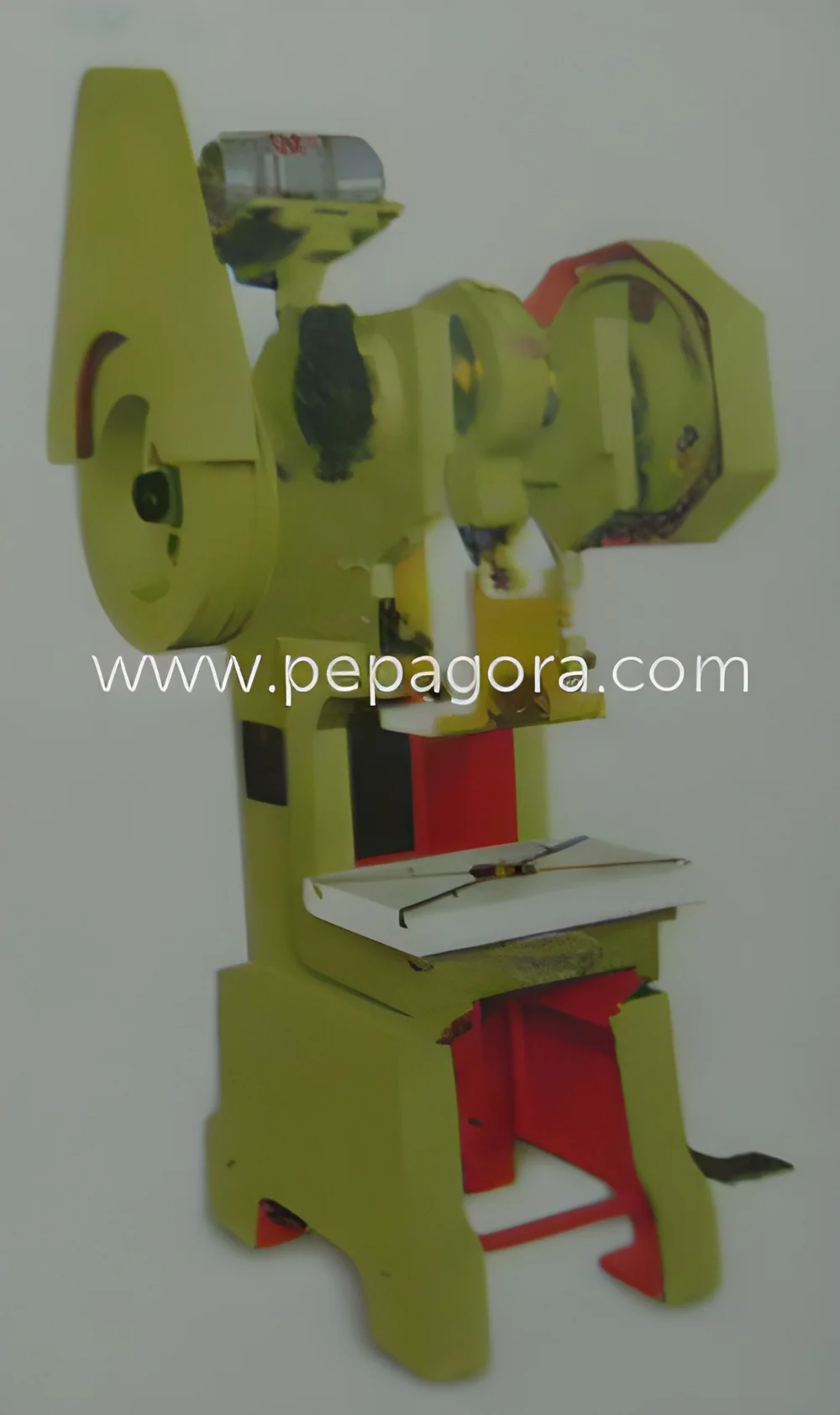
Mechanical punching machines operate using a crank or flywheel mechanism. They are typically faster than hydraulic machines and are best suited for lighter materials. These machines are common in high-speed production environments.
Benefits and Advantages
The use of punching machines in manufacturing offers numerous advantages that can significantly impact production efficiency and product quality.
Key benefits include:
1. Increased Productivity: Punching machines can operate at high speeds, allowing for the rapid production of parts and components.
2. Precision and Consistency: These machines ensure that each punch is accurate, reducing material waste and improving overall quality.
3. Versatility: Punching machines can handle a variety of materials and thicknesses, making them suitable for diverse applications.
4. Cost Efficiency: By optimizing production processes, punching machines help reduce labor costs and material waste.
5. Customization: Many punching machines can be customized with different dies and tooling, allowing for tailored solutions to meet specific manufacturing needs.
6. Enhanced Safety: Modern punching machines come equipped with safety features that protect operators and reduce the risk of accidents.
Buying Guide for B2B Buyers
When sourcing punching machines, B2B buyers should consider several critical factors to ensure they make informed purchasing decisions.
1. Quality Assessment: Evaluate the machine's build quality, materials used, and overall durability. Look for manufacturers that adhere to international quality standards.
2. Supplier Verification: It is essential to vet suppliers to ensure they have a good reputation and experience in providing reliable machinery. Check for references and customer reviews.
3. Pricing and MOQ: Understand the cost of the machines and any associated fees. Consider the minimum order quantity (MOQ) and how it aligns with your production needs.
4. Delivery and Lead Times: Assess the supplier's ability to deliver the machines within your required time frame. Consider logistics and transportation costs.
5. Compliance Requirements: Ensure that the machines meet all regulatory and safety standards applicable in your region. Verify any certifications that may be necessary for operation.
Compliance and Certifications
Compliance and certifications are vital aspects of purchasing punching machines to ensure they meet industry standards and regulations.
Many punching machines adhere to quality standards such as ISO 9001, which ensures a consistent quality management system. This certification indicates that the manufacturer follows strict guidelines to maintain product quality and improve operational processes.
Additionally, some machines may be certified with CE marking, which signifies compliance with European safety, health, and environmental standards. This certification is particularly important for companies operating in or exporting to European markets.
Safety and testing requirements are crucial for punching machines, as they must meet industry-specific regulations to ensure safe operation. This includes ensuring that machines are equipped with necessary safety features to protect operators.
Finally, regional compliance considerations may vary, and it is essential to understand local regulations that could impact the operation and safety of punching machines.
Why Source Punching Machines from Pepagora?
Pepagora offers a reliable platform for sourcing punching machines, providing several key advantages for buyers in the industrial sector.
Verified Supplier Network: Pepagora connects buyers with a network of verified suppliers. Each supplier undergoes a thorough vetting process to ensure they meet industry standards and deliver quality products.
Streamlined RFQ Process: The platform features a user-friendly Request for Quotation (RFQ) system. This allows buyers to easily request quotes from multiple suppliers, simplifying the sourcing process.
Trade Assurance and Support: Pepagora provides trade assurance, ensuring that buyers are protected throughout their purchasing journey. This includes support for resolving disputes and ensuring compliance with agreements.
Regional Coverage: With a strong presence in India, the Gulf Cooperation Council (GCC), and Southeast Asia, Pepagora facilitates connections across diverse markets, making it easier for businesses to find suitable punching machines for their operations.

 IN
IN