
 IN
Label Rolls
7 products available
What are Label Rolls?
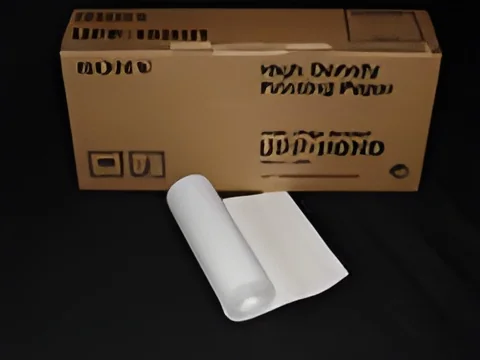
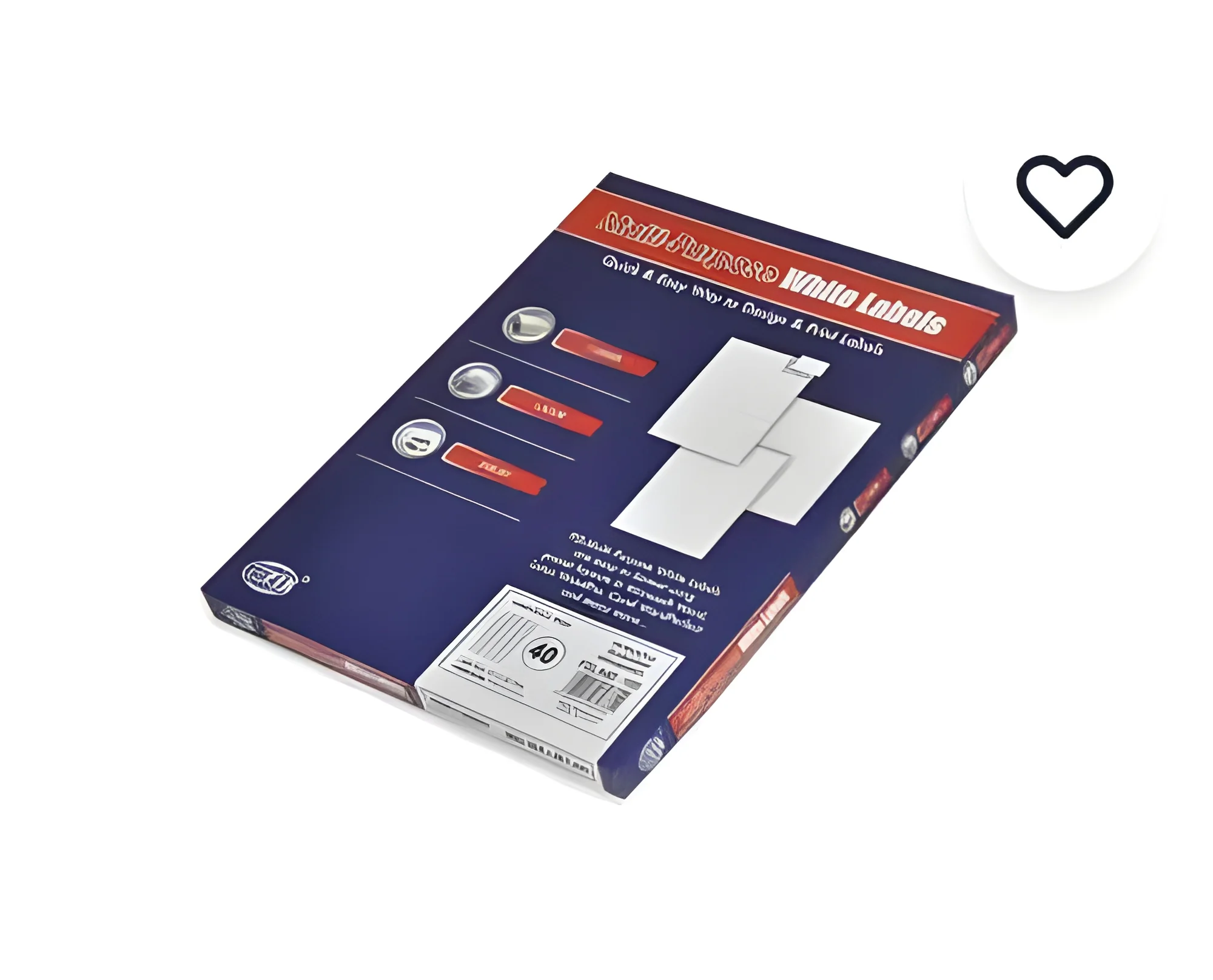
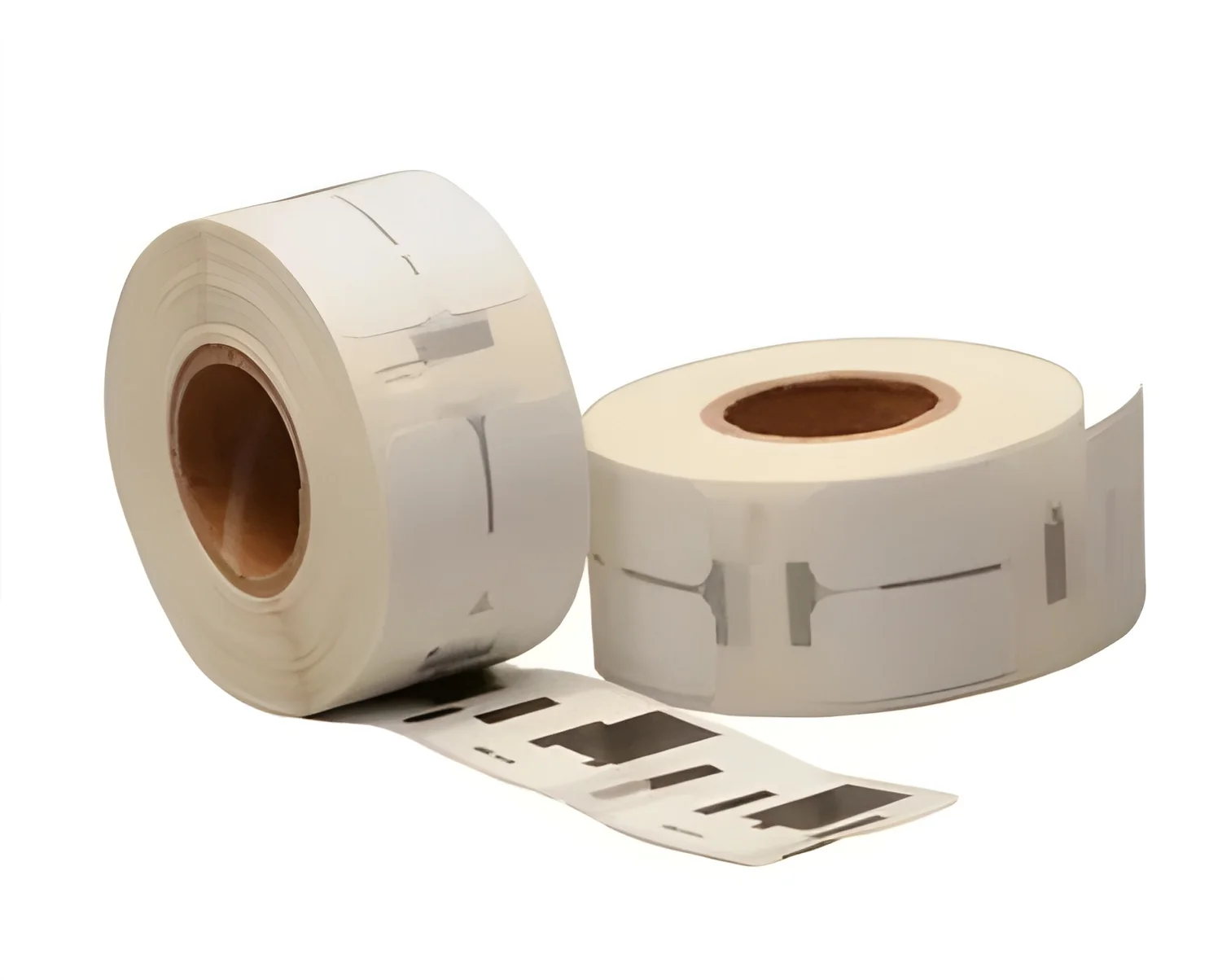
Label rolls are cylindrical spools of adhesive labels that are used in various industries for labeling products, packaging, and inventory management. These rolls can be made from a variety of materials, including paper, vinyl, and synthetic substrates, which can be printed on using different printing technologies. Label rolls are designed to be compatible with label printers, allowing businesses to create custom labels on demand.
The primary applications of label rolls include product identification, barcoding, shipping labels, and compliance labeling. They are widely used in manufacturing, logistics, retail, and healthcare sectors. As businesses look to streamline their operations and improve accuracy in inventory management, the demand for label rolls continues to grow. In the current market, label rolls are considered essential tools for enhancing operational efficiency and maintaining regulatory compliance.
The industrial relevance of label rolls is significant, as they play a crucial role in supply chain management and branding. With advancements in printing technology and label materials, the label roll market is evolving, leading to increased customization options and improved durability. Businesses that leverage label rolls effectively can enhance their product visibility and organization, ultimately contributing to their overall success.
Key Features and Specifications
Label rolls come with a variety of features that cater to different business needs. Understanding these specifications is key to selecting the right label rolls for your applications.
Key specifications include:
1. Material Type
- Common materials include paper, vinyl, and polyester
- Each material offers different durability and adhesive properties
2. Roll Size
- Available in various widths and lengths to fit different printers
- Standard sizes often range from 1 inch to 8 inches in width
3. Adhesive Type
- Permanent, removable, and repositionable options are available
- Adhesive choice affects the label's application and removal process
4. Print Compatibility
- Designed for thermal transfer, direct thermal, or inkjet printing technologies
- Ensures versatility across different printing methods
5. Finish
- Options include matte, glossy, and clear finishes
- Finish impacts the label's appearance and resistance to wear
6. Temperature and Humidity Resistance
- Some labels are designed to withstand extreme conditions
- Important for applications in refrigeration and outdoor environments
7. Customization Options
- Ability to print custom designs, logos, and barcodes
- Enhances brand recognition and product information
8. Core Size
- Standard sizes typically include 1 inch and 3 inches
- Core size must match the printer’s specifications for proper feeding
With these specifications in mind, businesses can choose label rolls that best fit their operational requirements and ensure optimal performance.
Common Applications and Use Cases
Label rolls play a vital role across numerous industries, providing essential labeling solutions for various applications.
1. Retail: In retail settings, label rolls are used for price tags, product labels, and promotional stickers, helping customers identify products quickly.
2. Manufacturing: Manufacturers utilize label rolls for inventory management, tracking materials, and ensuring compliance with safety regulations.
3. Logistics: Shipping companies rely on label rolls for shipping labels, barcodes, and tracking information, streamlining the shipping process.
4. Healthcare: In healthcare, label rolls are crucial for medication labeling, patient identification, and laboratory sample tracking, ensuring accuracy and safety.
5. Food and Beverage: Food manufacturers use label rolls for ingredient lists, nutritional information, and expiration dates, complying with labeling laws.
6. Pharmaceuticals: Pharmaceutical companies employ label rolls for prescription labels and regulatory compliance, ensuring clarity and safety in medication distribution.
7. Warehousing: Warehouses utilize label rolls for product identification, organizing inventory, and facilitating efficient picking and packing processes.
Product Variants and Subcategories
Label rolls come in a variety of forms to meet different needs across industries.
Direct Thermal Labels: These labels are designed for direct thermal printing, making them ideal for short-term applications. They are commonly used for shipping labels and retail pricing.
Thermal Transfer Labels: These labels require a thermal transfer ribbon for printing, providing higher durability and resistance to harsh conditions. They are suitable for long-term labeling in manufacturing and logistics.
Custom Printed Labels: Businesses can order custom printed labels to include specific designs, logos, and barcodes. These labels enhance branding and product information.
Weather-Resistant Labels: Designed to withstand outdoor conditions, these labels are perfect for labeling products exposed to moisture and varying temperatures.
Benefits and Advantages
Label rolls offer numerous advantages that can enhance business operations and improve efficiency.
1. Cost-Effective: Label rolls provide a cost-effective solution for businesses needing large quantities of labels, reducing per-label costs.
2. Versatility: The variety of materials and sizes available ensures that label rolls can be used for numerous applications across different industries.
3. Customization: Businesses can customize labels to fit their branding and informational needs, enhancing product visibility and recognition.
4. Efficiency: Label rolls streamline the labeling process, allowing for quick production and application, which saves time and labor costs.
5. Durability: Many label rolls are designed for durability, resisting wear and tear in challenging environments, which ensures longevity.
6. Compliance: Label rolls help businesses meet regulatory requirements by ensuring proper labeling of products, which is crucial in many industries.
Buying Guide for B2B Buyers
When sourcing label rolls, several factors should be considered to ensure the right choice for your business needs.
1. Quality Assessment: Evaluate the quality of materials used in label rolls. Look for options that meet specific durability and adhesive requirements for your applications.
2. Supplier Verification: Vet potential suppliers by checking their reputation, reviews, and certifications. Reliable suppliers are crucial for maintaining quality and consistency.
3. Pricing and MOQ: Understand the pricing structure and minimum order quantities offered by suppliers. Consider volume discounts and budget constraints when making your decision.
4. Delivery and Lead Times: Inquire about delivery schedules and lead times to ensure that your label rolls arrive when needed. Timely delivery is essential for maintaining production schedules.
5. Compliance Requirements: Ensure that the label rolls conform to relevant industry standards and regulations. Compliance is critical in sectors such as food and pharmaceuticals.
Compliance and Certifications
Label rolls must adhere to various compliance and certification standards to ensure quality and safety. Key standards include ISO 9001, which focuses on quality management systems, ensuring that manufacturers meet customer and regulatory requirements.
Additionally, certifications such as CE indicate that products comply with European safety standards. This is particularly important for businesses operating in multiple regions, as compliance ensures that label rolls are safe for use in their respective applications.
Safety and testing requirements vary by industry. For example, labels used in food packaging must adhere to specific safety guidelines to avoid contamination. Businesses should also consider regional compliance needs, as regulations can differ significantly across countries and regions.
Why Source Label Rolls from Pepagora?
Pepagora provides a trusted platform for sourcing label rolls, offering several key advantages that benefit B2B buyers.
Verified Supplier Network: Pepagora has established a network of verified suppliers, ensuring that businesses can source high-quality label rolls with confidence. This network provides peace of mind when making purchasing decisions.
Streamlined RFQ Process: The platform offers a straightforward request for quotation (RFQ) process, allowing buyers to receive competitive pricing and options from multiple suppliers efficiently. This saves time and resources.
Trade Assurance and Support: Pepagora offers trade assurance measures that protect buyers during transactions, ensuring that they receive the products as expected. The support team is also available to assist with any concerns or queries.
Regional Coverage: Pepagora has a broad geographic reach, serving markets in India, the GCC, and Southeast Asia. This allows businesses to access a diverse range of label rolls that meet local requirements and preferences, facilitating seamless operations across regions.

Frequently Asked Questions
What are Label Rolls?
Label rolls are pre-printed or blank labels that are wound onto a core and designed for easy dispensing. They are commonly used for product labeling, shipping, and organization in various industries.
What are the different types of Label Rolls?
Label rolls come in various types, including thermal transfer labels, direct thermal labels, adhesive labels, and custom printed labels. Each type serves different applications depending on the printing method and intended use.
How do I choose the right Label Rolls?
To choose the right label rolls, consider factors such as the printing technology you will use, the material and adhesive type, and the label size. It's also important to assess the environmental conditions where the labels will be applied.
What are the standard specifications for Label Rolls?
Standard specifications for label rolls include the label size, core diameter, roll diameter, and label material. Additionally, specifications may include the type of adhesive and whether the labels are compatible with specific printers.
What is the price range for Label Rolls?
The price range for label rolls can vary widely based on material, size, and customization options, typically starting from a few hundred to several thousand rupees per roll. Bulk purchasing often leads to cost savings.
What quality standards apply to Label Rolls?
Quality standards for label rolls generally include specifications for adhesion, durability, and print quality. Labels should meet industry standards such as ISO for durability and compatibility with printing equipment.
Where can I find Label Rolls suppliers in India?
You can find label rolls suppliers in India through online B2B marketplaces like Pepagora, trade directories, and industry trade shows. It's advisable to compare suppliers for pricing, quality, and service.
Can Label Rolls be customized?
Yes, label rolls can often be customized according to specific requirements such as size, shape, color, and printing design. Customization options may vary by supplier, so it's important to inquire about available services.
What is the typical minimum order quantity for Label Rolls?
The typical minimum order quantity (MOQ) for label rolls varies by manufacturer, but it often ranges from 500 to 1,000 labels per order. Some suppliers may offer lower MOQs for standard products.
What is the typical lead time for Label Rolls?
The typical lead time for label rolls can range from 5 to 14 business days, depending on factors such as order quantity, customization, and supplier capacity. It's advisable to check with the supplier for specific timelines.
Why Businesses Trust Pepagora
Thousands of companies trust Pepagora to source smarter and sell faster
Expand Your Sales Globally

Source Smarter,Grow Faster
