
 IN
INCompasses & Protractors
8 products available
What are Compasses & Protractors?
Key Features and Specifications
Common Applications and Use Cases
Product Variants and Subcategories
Benefits and Advantages
Buying Guide for B2B Buyers
Compliance and Certifications
Why Source Compasses & Protractors from Pepagora?

Frequently Asked Questions
What are Compasses & Protractors?
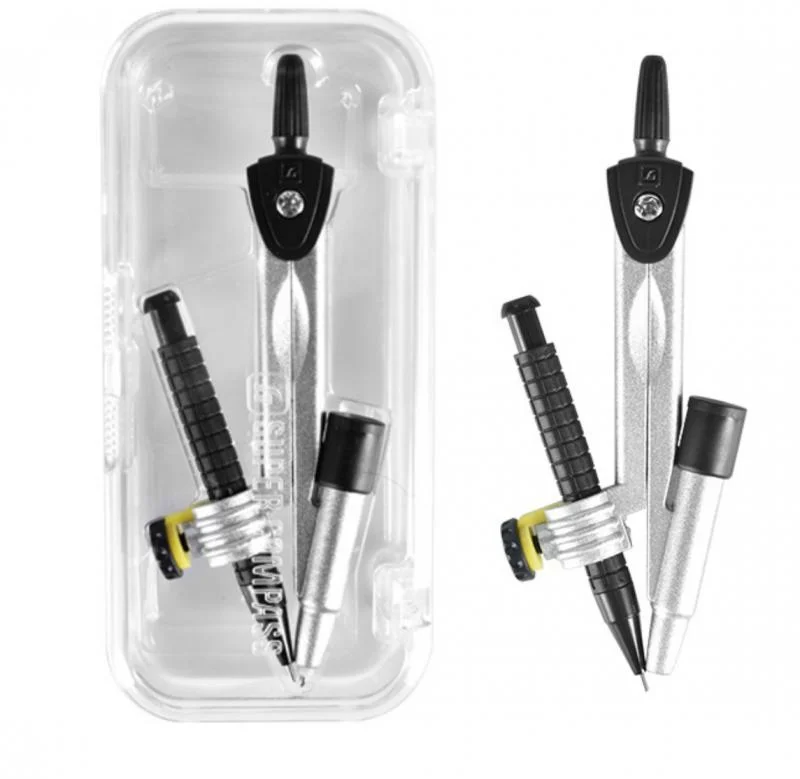
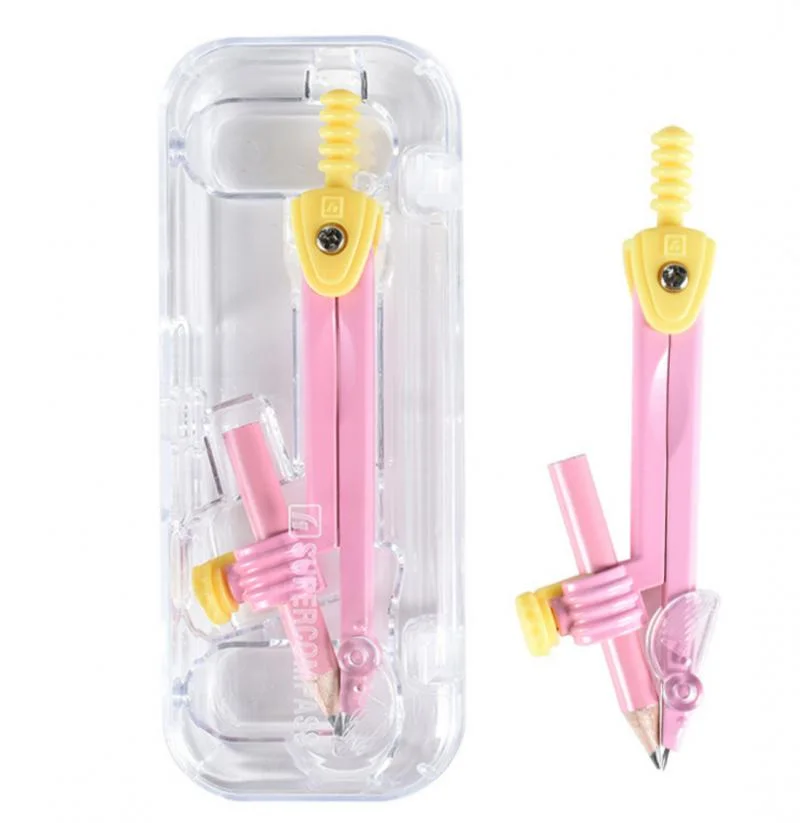
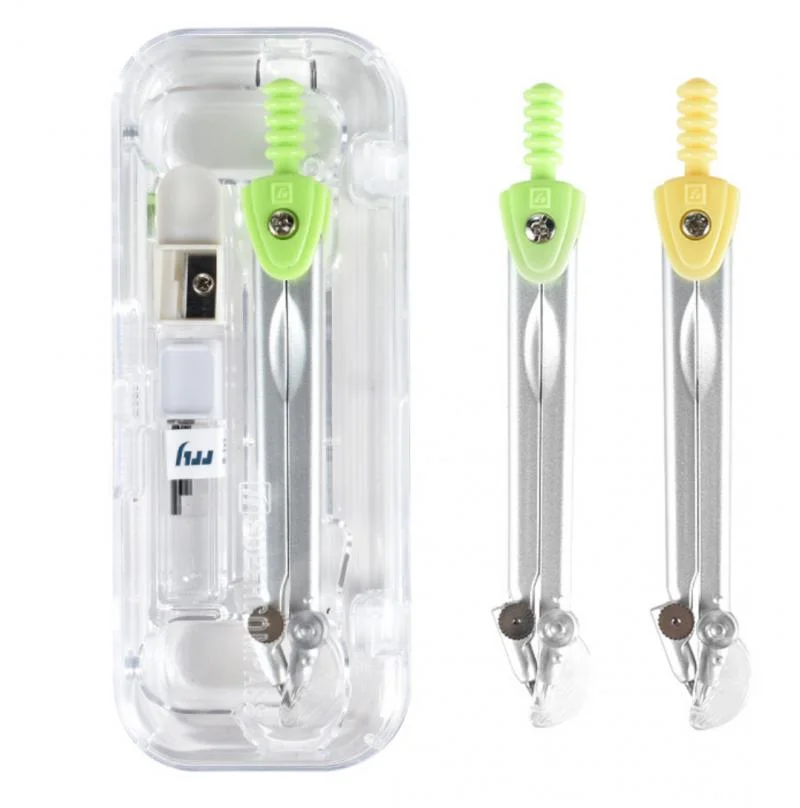
Compasses and protractors are essential tools used in geometry and technical drawing. A compass is primarily used for drawing arcs and circles, while a protractor is used to measure angles. Together, they are crucial for accurate measurements in various fields including engineering and architecture.
What are the different types of Compasses & Protractors?
Compasses come in various types including classic, bow, and digital compasses, each serving specific functions. Protractors can also be found in different forms, such as standard, half-circle, and adjustable protractors. Each type is designed to meet specific needs in measurement and drawing tasks.
How do I choose the right Compasses & Protractors?
Choosing the right compasses and protractors depends on the intended use and personal preference. Consider factors such as accuracy, ease of use, and material quality when selecting these tools. Additionally, evaluating the specific requirements of your projects can help in making an informed decision.
What are the standard specifications for Compasses & Protractors?
Standard specifications for compasses and protractors include dimensions, measurement accuracy, and materials used in construction. For compasses, the leg length and the adjustment mechanism are crucial, while protractors should have clear markings for accurate angle measurement. Always check for compliance with industry standards when selecting these tools.
What is the price range for Compasses & Protractors?
The price range for compasses and protractors can vary significantly based on brand, quality, and features. Generally, basic models can start as low as INR 50, while high-quality or specialized tools may cost several hundred rupees. It is advisable to compare prices from different suppliers to find the best options.
What quality standards apply to Compasses & Protractors?
Quality standards for compasses and protractors typically include durability, accuracy, and material safety. Many manufacturers adhere to ISO standards to ensure their products meet specific performance criteria. Checking for certifications can help ensure the tools you choose are of high quality.
Where can I find Compasses & Protractors suppliers in India?
You can find compasses and protractors suppliers in India through various online B2B marketplaces, including Pepagora. Additionally, local stationery stores and specialized tool suppliers may offer a range of options. It is recommended to research and read reviews to identify reliable suppliers.
Can Compasses & Protractors be customized?
Yes, many suppliers offer customization options for compasses and protractors. Customization can include branding, specific measurements, and unique designs to meet particular project requirements. Contacting suppliers directly can provide information on available customization services.
What is the typical minimum order quantity for Compasses & Protractors?
The typical minimum order quantity (MOQ) for compasses and protractors can vary by supplier. Generally, MOQs can range from a single item for retail purchases to bulk orders of 100 or more units for wholesale. It is advisable to confirm the MOQ with the supplier before placing an order.
What is the typical lead time for Compasses & Protractors?
The typical lead time for compasses and protractors can vary based on the supplier and order size. Generally, standard orders may take anywhere from 5 to 15 business days for delivery. Custom orders or larger quantities may require additional time, so it's best to check with the supplier for specific timelines.
Why Businesses Trust Pepagora
Thousands of companies trust Pepagora to source smarter and sell faster
Expand Your Sales Globally

Source Smarter,Grow Faster
