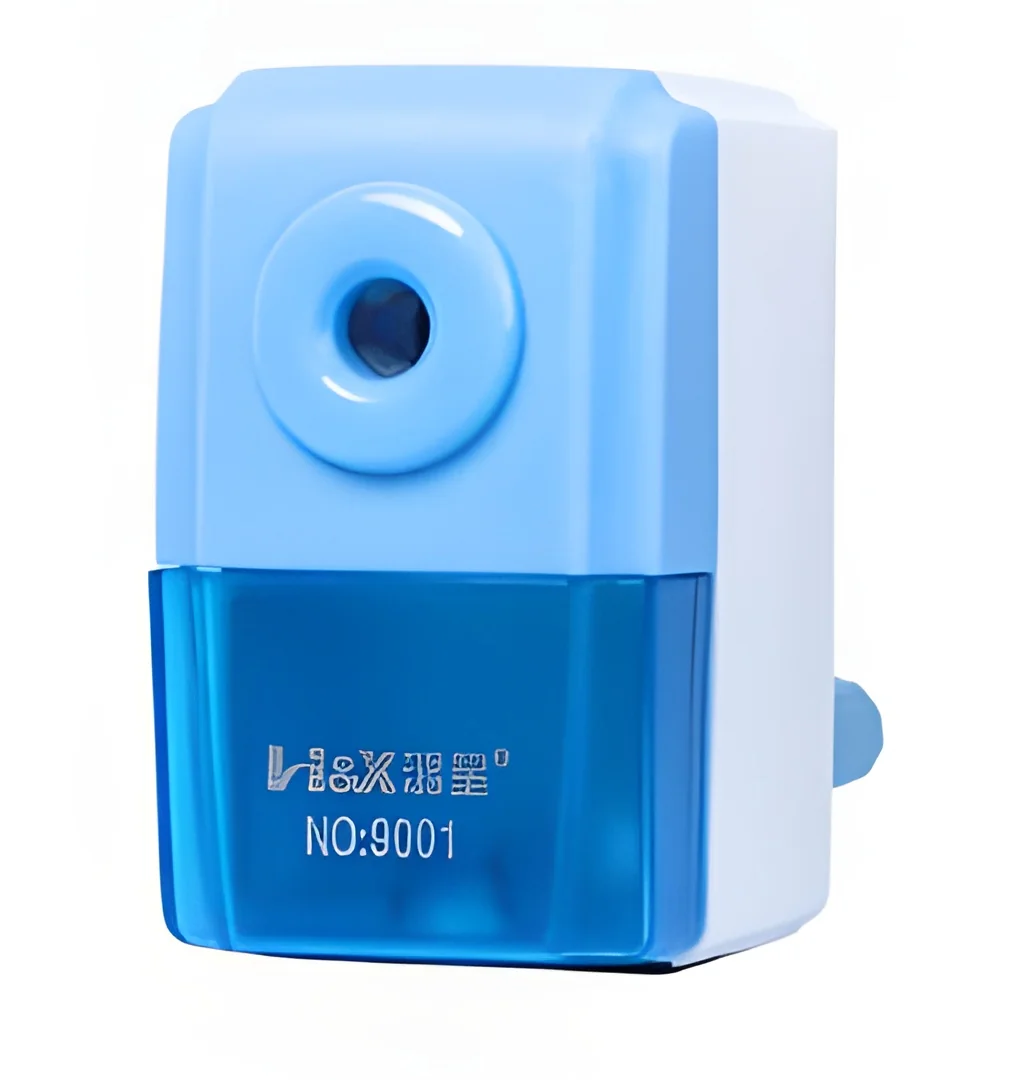
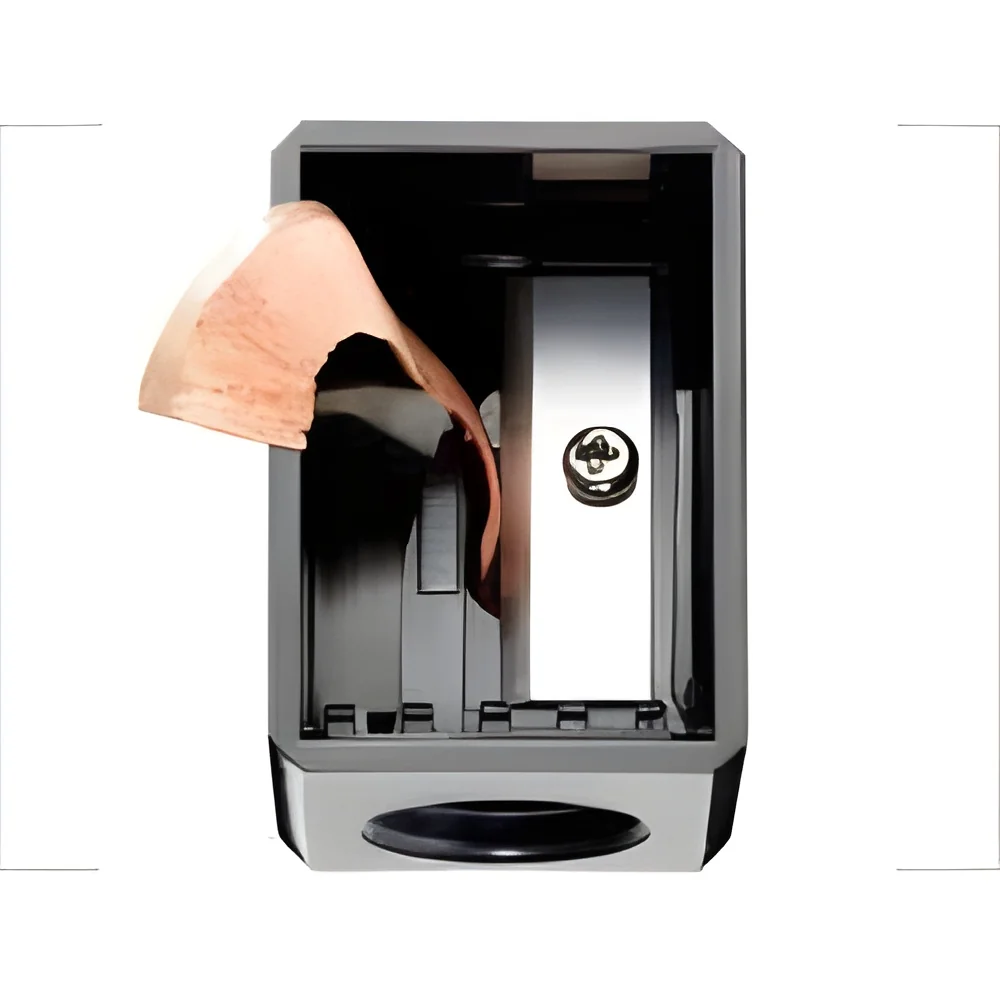
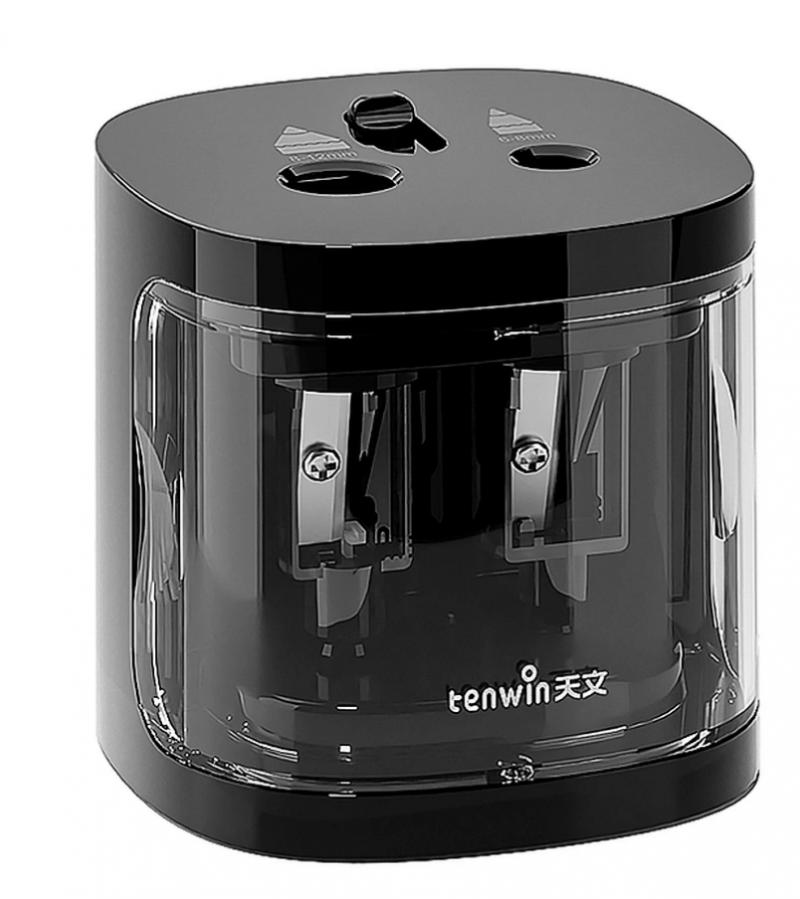
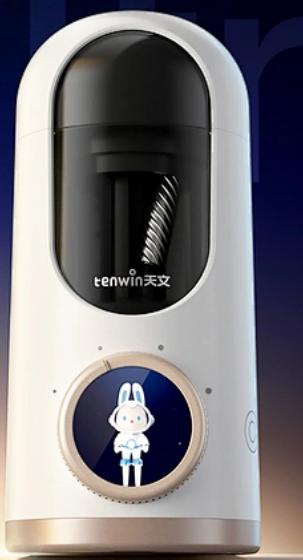
What are Sharpeners?
Sharpeners are essential tools designed to restore the cutting edge of blades and tools by grinding and honing them to their original sharpness. These devices can range from simple handheld models to sophisticated electric versions that automate the sharpening process. They are used across various industries to maintain the performance and longevity of cutting tools, ensuring efficiency and precision in their use.
The primary applications of sharpeners include maintaining tools in woodworking, metalworking, and culinary settings. In woodworking, sharpeners help keep chisels and plane blades sharp for clean cuts. In metalworking, they are vital for ensuring that tools like drill bits and saw blades perform optimally. In culinary environments, chefs rely on knife sharpeners to ensure that their knives are always ready for precise cutting. The relevance of sharpeners in industries is underscored by the demand for high-quality tools that enhance productivity and safety.
In today's market, the variety and technology of sharpeners are continually evolving. Businesses are increasingly seeking out advanced sharpening solutions that offer efficiency, ease of use, and consistent results. This has led to a growing market for both manual and electric sharpeners, catering to a wide array of professional needs.
Key Features and Specifications
Sharpeners come equipped with various features that enhance their functionality and ease of use. Understanding these specifications is crucial for selecting the right sharpener for specific applications.
Key specifications include:
1. Type of Sharpener
- Manual or electric options
- Varies in ease of use and speed
2. Blade Compatibility
- Designed for different types of blades (e.g., kitchen, workshop)
- Ensures versatility in application
3. Sharpening Angle
- Adjustable angles for precision sharpening
- Common angles range from 15 to 30 degrees
4. Material of Sharpening Surface
- Diamond, ceramic, or carbide surfaces
- Affects the longevity and effectiveness of the sharpener
5. Portability
- Handheld or stationary designs
- Influences ease of transport and workspace requirements
6. Safety Features
- Guards and non-slip bases
- Essential for user safety during operation
7. Maintenance Requirements
- Easy cleaning and upkeep
- Important for long-term performance
8. Warranty and Support
- Manufacturer warranties and customer service
- Critical for buyer confidence in product durability
In summary, selecting the right sharpener involves understanding these specifications and their implications on performance and usability.
Common Applications and Use Cases
Sharpeners are utilized across multiple industries, each with specific applications that highlight their importance.
1. Woodworking: In this industry, sharpeners are used to maintain chisels, saw blades, and plane irons. Sharp tools ensure clean cuts and reduce the risk of injury.
2. Metalworking: Sharpeners are vital for keeping drill bits and cutting tools in optimal condition. This ensures precise machining and extends tool life.
3. Culinary: In professional kitchens, chefs require sharp knives for food preparation. Knife sharpeners are essential for maintaining the quality and safety of kitchen tools.
4. Manufacturing: Sharpeners are used to maintain industrial blades and cutting tools, which are critical for production efficiency.
5. Gardening: Landscape professionals use sharpeners for garden tools like shears and pruners to ensure clean cuts and healthy plant care.
6. Automotive: In automotive repair, sharpeners help maintain tools used for precision tasks, ensuring accuracy in repairs.
7. Crafting: Artisans use sharpeners for tools like carving knives and rotary cutters to achieve detailed work.
Product Variants and Subcategories
Sharpeners come in a variety of forms to cater to different needs and preferences. This diversity allows users to choose a sharpener that best fits their specific applications.
Manual Sharpeners
These are simple, handheld devices that allow users to sharpen blades by manually running them through a sharpening surface. They are often compact and easy to store, ideal for portable use.
Electric Sharpeners
Electric models automate the sharpening process, making it faster and more efficient. They typically allow for various blade types and angles, offering versatility for different sharpening needs.
Professional Sharpeners
Designed for heavy-duty use, these sharpeners are built to handle frequent sharpening of multiple tools in an industrial setting. They often feature durable materials and advanced technology for superior performance.
Pocket Sharpeners
These compact tools are designed for portability and convenience, suitable for on-the-go sharpening needs, especially for outdoor activities or fieldwork.
Benefits and Advantages
The use of sharpeners offers several advantages that contribute to enhanced tool performance and user safety.
1. Enhanced Tool Performance: Regular sharpening maintains the cutting edge, improving efficiency and precision in tasks.
2. Cost Savings: By prolonging the lifespan of tools, sharpeners help reduce replacement costs and minimize downtime.
3. Improved Safety: Sharp tools are safer to use, reducing the risk of accidents caused by slips or excessive force.
4. Versatility: Many sharpeners can accommodate various blade types, making them suitable for multiple applications.
5. User-Friendly: Modern sharpeners are designed for ease of use, allowing both professionals and amateurs to achieve great results.
6. Compact Designs: Many sharpeners are portable, making them convenient for on-site use or storage.
Buying Guide for B2B Buyers
When sourcing sharpeners, it is important for businesses to consider several key factors to ensure they make an informed purchasing decision.
1. Quality Assessment: Look for sharpeners that are made from high-quality materials and have a proven track record in performance. Reviews and testimonials can provide insights into their effectiveness.
2. Supplier Verification: Vetting suppliers is crucial to ensure reliability and quality. Check for certifications and industry experience when selecting a supplier.
3. Pricing and MOQ: Understand the pricing structure and minimum order quantities. This will help in budgeting and planning for inventory needs.
4. Delivery and Lead Times: Consider the logistics involved, including lead times for delivery. Timely access to sharpeners can impact operational efficiency.
5. Compliance Requirements: Ensure that the sharpeners meet any regulatory standards specific to your industry. This may include safety and quality certifications.
Compliance and Certifications
Sharpeners must adhere to relevant quality standards to ensure safety and effectiveness in their applications. ISO 9001 is a widely recognized standard that focuses on quality management systems. Compliance with such standards ensures that manufacturers consistently meet customer requirements and enhance satisfaction.
Additionally, industry-specific certifications, such as CE marking, indicate that sharpeners comply with European safety, health, and environmental protection standards. This certification is essential for businesses operating in regions where such compliance is mandated.
Safety and testing requirements are also critical in ensuring that sharpeners are safe for use. Manufacturers should conduct rigorous testing to confirm that products meet industry standards. Furthermore, regional compliance considerations may vary, so it's important to be aware of local regulations that apply to sharpeners in different markets.
Why Source Sharpeners from Pepagora?
Pepagora provides a trusted platform for sourcing sharpeners with several key advantages that appeal to B2B buyers.
Verified Supplier Network: Pepagora features a network of verified suppliers who have been vetted for quality and reliability. This ensures that buyers can confidently select products that meet their needs.
Streamlined RFQ Process: The Request for Quotation (RFQ) system simplifies the purchasing process, allowing buyers to receive competitive pricing and fast responses from suppliers.
Trade Assurance and Support: Pepagora offers trade assurance programs that protect buyers against potential issues, providing peace of mind throughout the procurement process.
Regional Coverage: With a strong presence in India, GCC, and Southeast Asia, Pepagora provides extensive geographic reach, catering to businesses looking for sharpeners across different regions.
By choosing Pepagora, businesses can leverage these advantages to enhance their sourcing experience and ensure they acquire high-quality sharpeners for their operational needs.

 IN
IN