
 IN
Notebooks & Writing Pads
33 products available
What are Notebooks & Writing Pads?
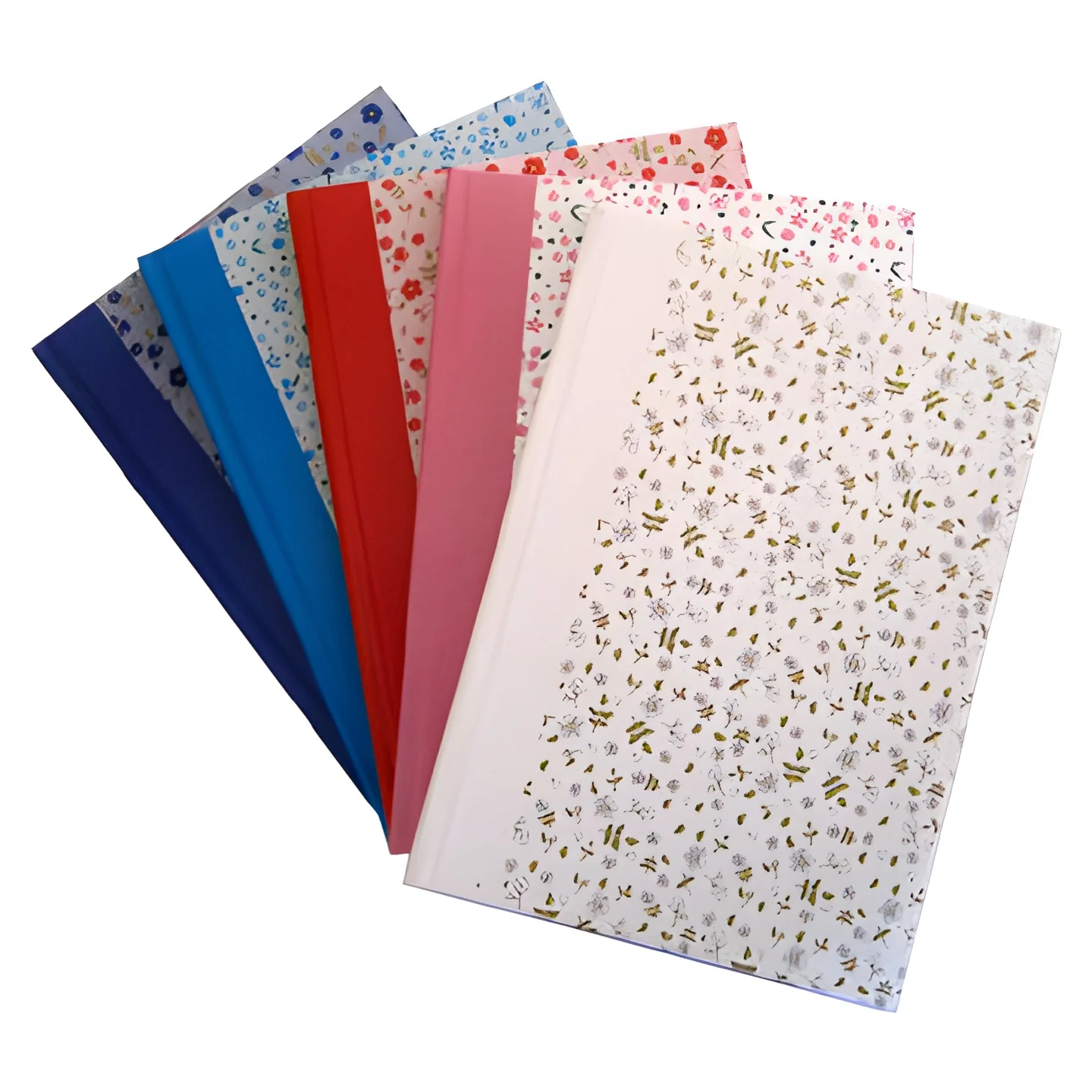
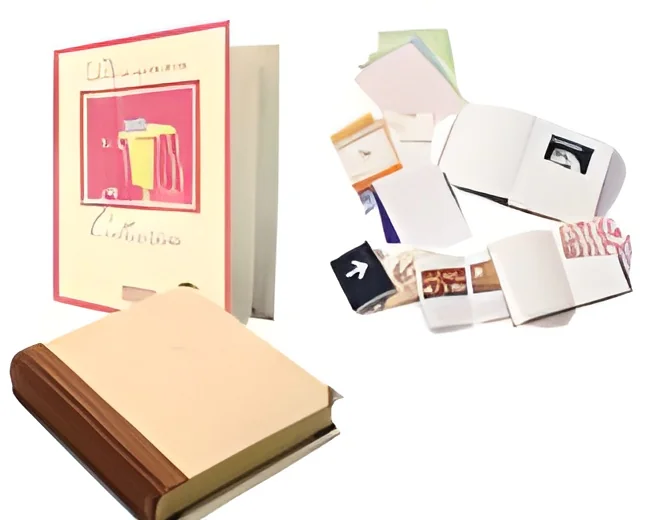
Notebooks and writing pads are essential tools used for recording information, thoughts, and ideas in a structured format. Typically composed of multiple sheets of paper bound together, these products come in various formats, sizes, and styles to suit different needs. Notebooks often feature lined, blank, or grid pages, while writing pads are typically single sheets that can be torn off when needed. Both products serve as a reliable medium for note-taking, brainstorming, and documentation.
In a business context, notebooks and writing pads are widely used for meetings, presentations, and collaborative discussions. They are instrumental in capturing important information and serve as a reference for future tasks and projects. Many organizations utilize these writing tools for training sessions, workshops, and project planning, enhancing productivity and organization. The demand for notebooks and writing pads remains strong across various industries, including education, corporate, healthcare, and creative sectors, reflecting their ongoing relevance in the market.
Key Features and Specifications
Notebooks and writing pads come with a range of features and specifications that cater to diverse user requirements. Understanding these specifications can help businesses select the right products for their needs.
Key specifications include:
1. Page Count
- Notebooks typically range from 50 to 200 pages.
- Writing pads may have variable page counts, usually from 50 to 100 sheets.
2. Paper Weight
- Standard paper weight ranges from 70 to 100 GSM.
- Heavier paper provides better ink absorption and reduces bleed-through.
3. Binding Type
- Common binding types include spiral, stitched, and glued.
- Each binding affects the usability and durability of the notebook or pad.
4. Size Options
- Notebooks and writing pads are available in A4, A5, and other custom sizes.
- Size selection may depend on the intended use, such as portability or writing space.
5. Cover Material
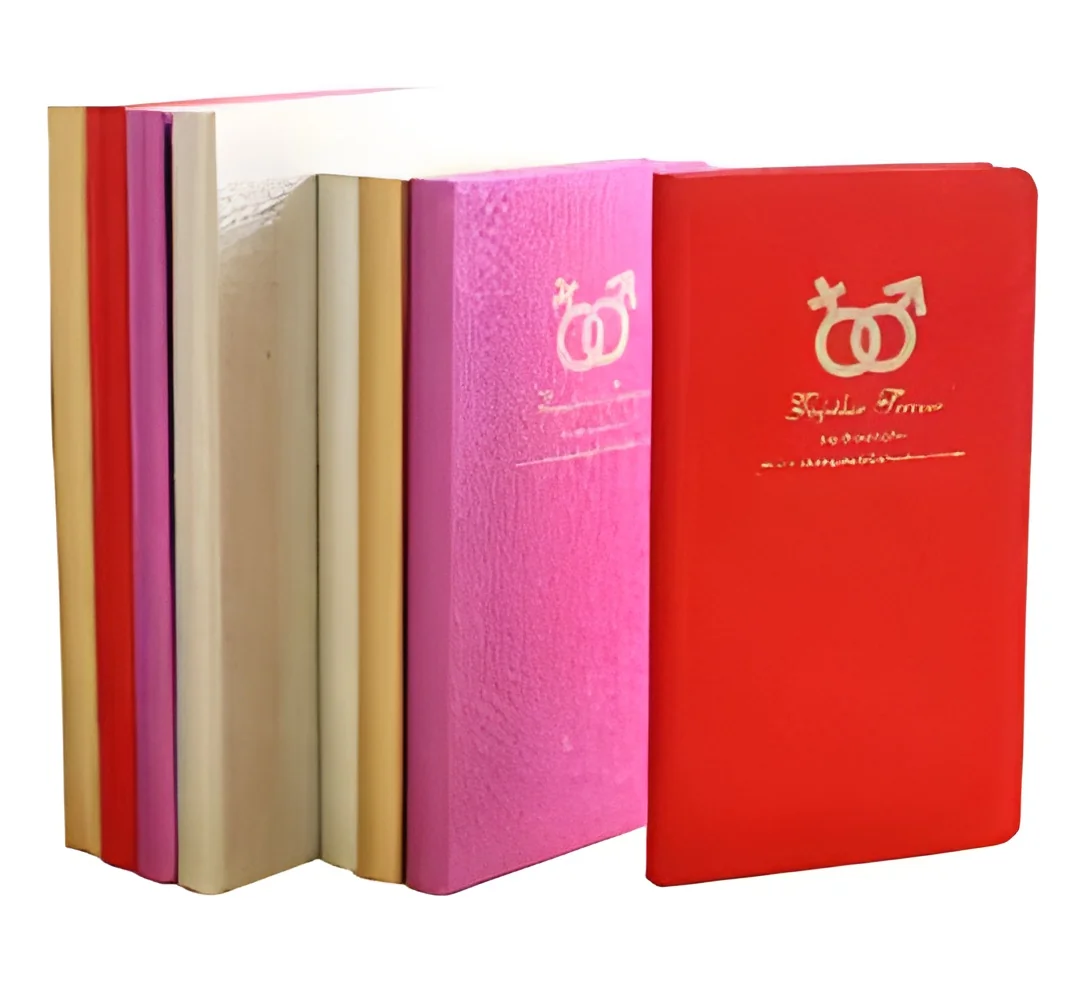
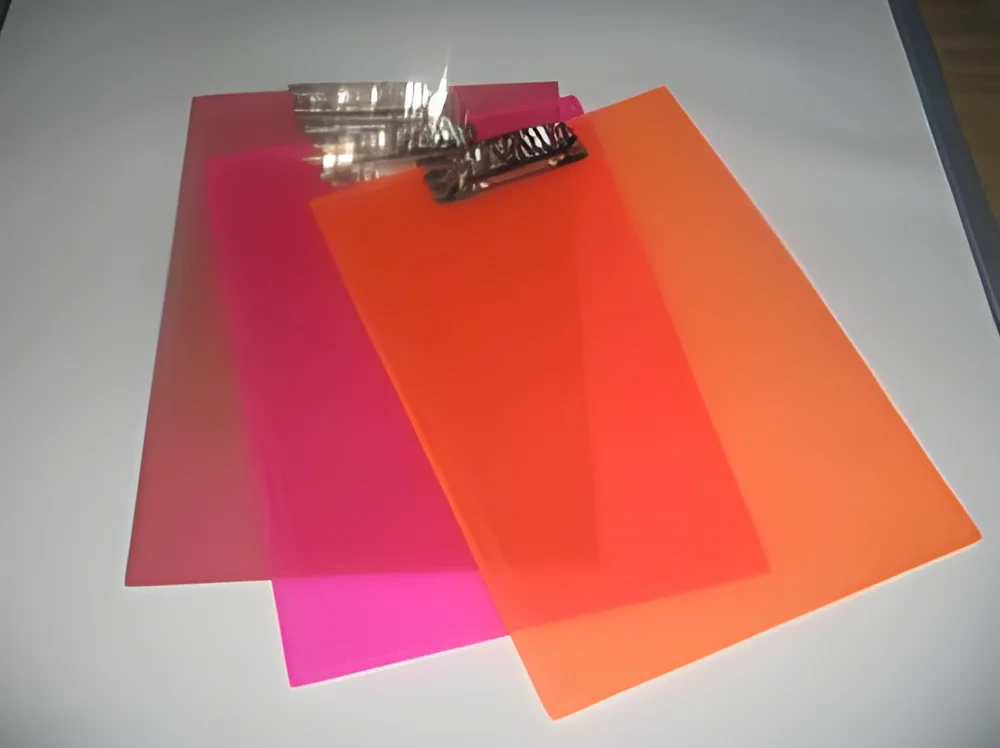
- Covers can be made from cardboard, plastic, or leather.
- The choice of cover material impacts durability and aesthetic appeal.
6. Special Features
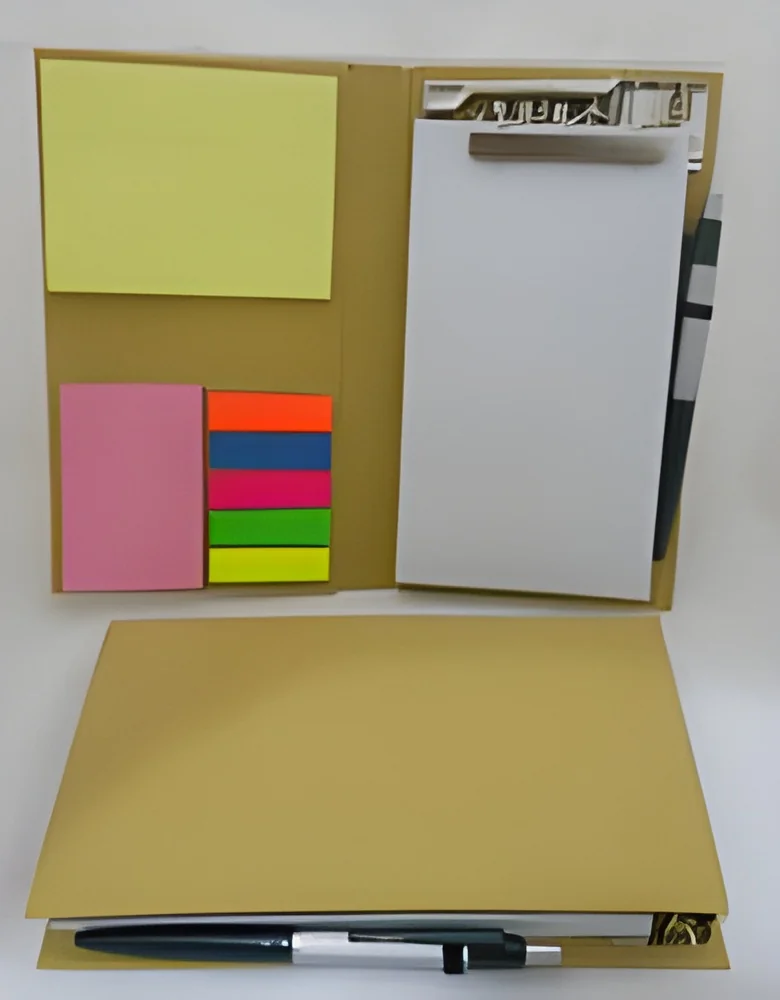
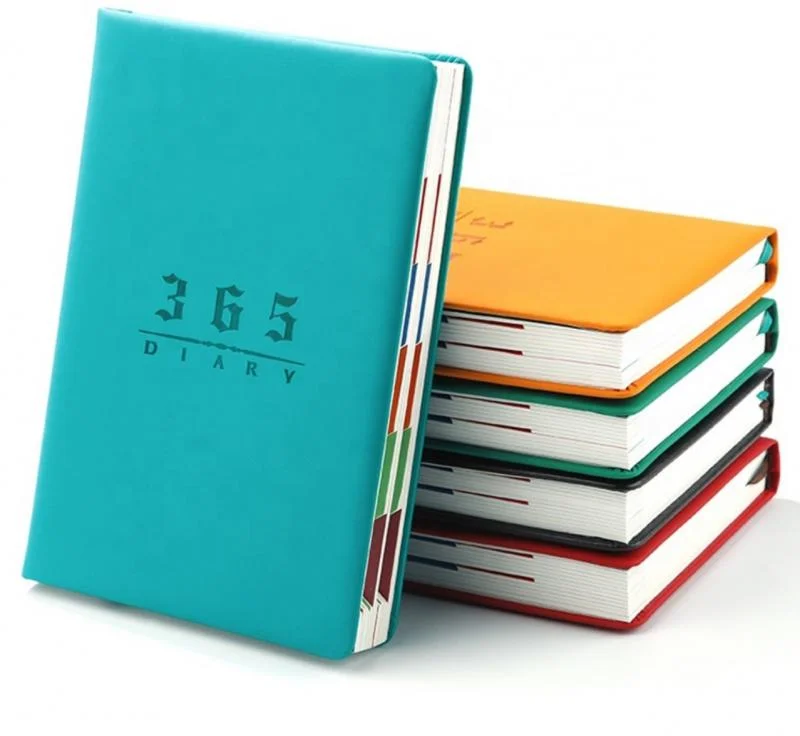
- Some notebooks may include features like perforated pages, indexes, or built-in bookmarks.
- Writing pads often have features like a sturdy backing for ease of use.
In summary, the right combination of features and specifications can enhance the functionality and user experience of notebooks and writing pads, making them valuable tools in various business applications.
Common Applications and Use Cases
Notebooks and writing pads are versatile tools that find application across numerous industries.
1. Education: In schools and universities, students use notebooks for taking notes, completing assignments, and organizing their study materials.
2. Corporate: In the corporate world, professionals use notebooks during meetings and presentations to jot down important points and action items.
3. Healthcare: Medical professionals utilize writing pads for documenting patient information, treatment plans, and other critical notes.
4. Creative Industries: Artists and designers often use specialized notebooks for sketching and brainstorming ideas, making them integral to the creative process.
5. Research and Development: Researchers employ notebooks for recording observations, experiments, and findings, ensuring accurate data collection.
6. Event Planning: Event planners use writing pads to outline schedules, budgets, and logistics, facilitating organized planning.
7. Field Work: Professionals in fieldwork rely on notebooks to capture on-site observations and data, ensuring thorough documentation.
Product Variants and Subcategories
The market for notebooks and writing pads offers a multitude of variants to cater to different user preferences and requirements.
Classic Notebooks
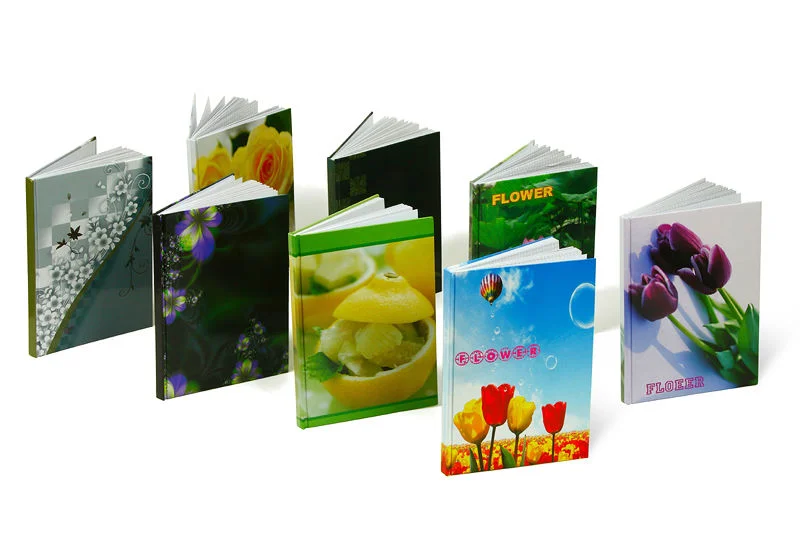
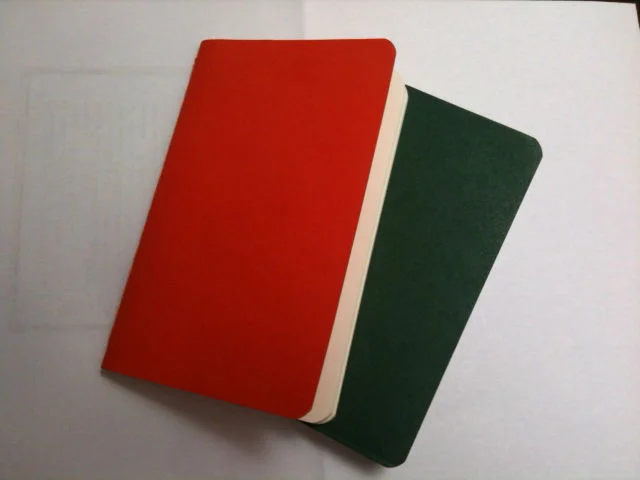
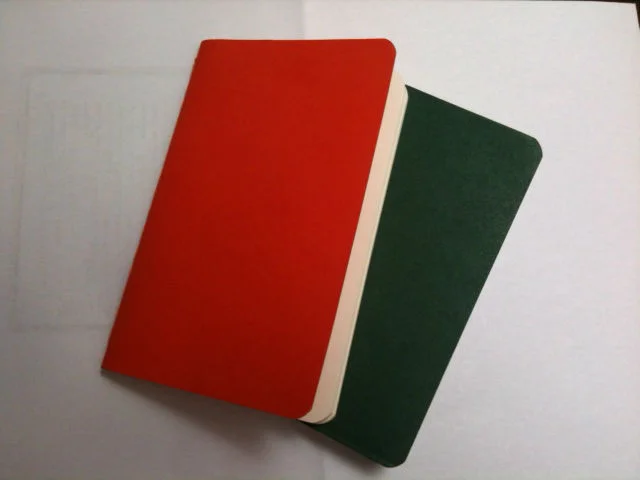
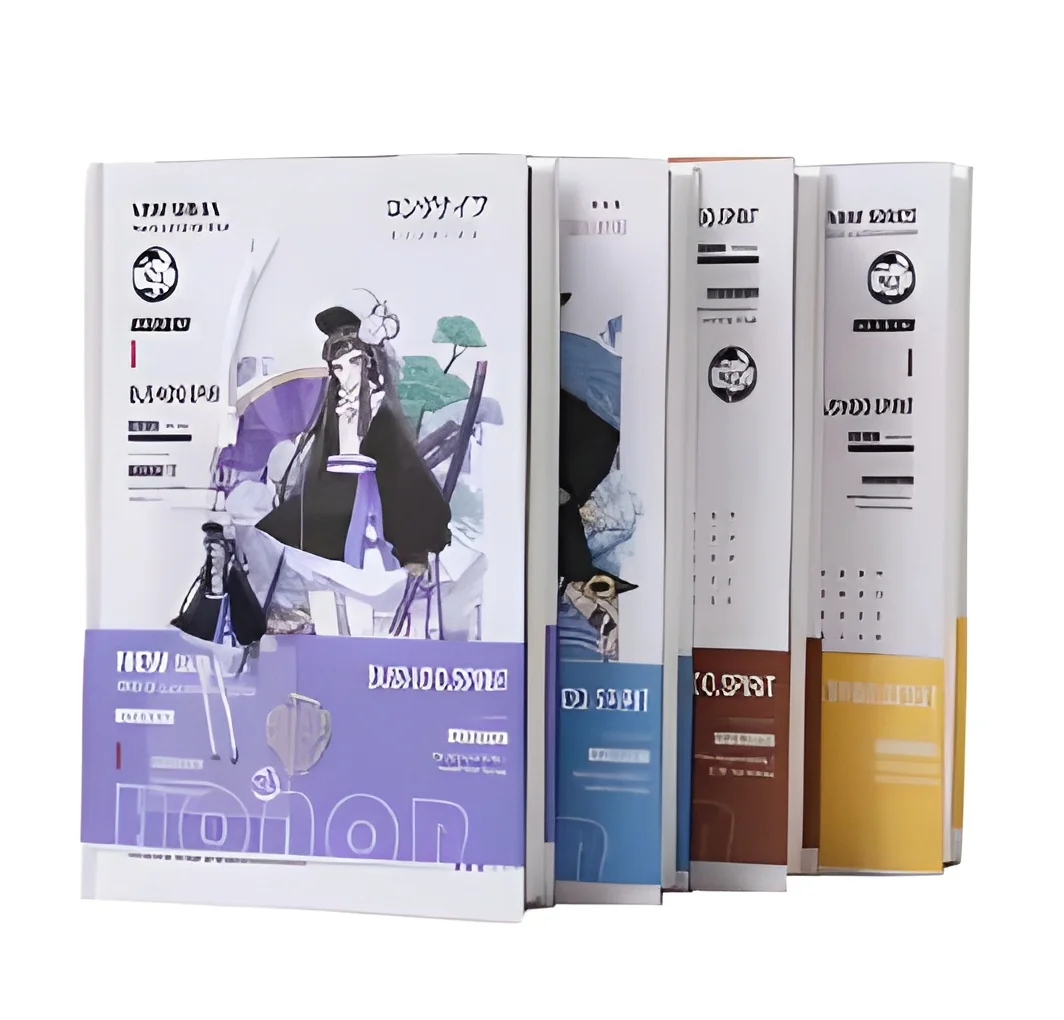
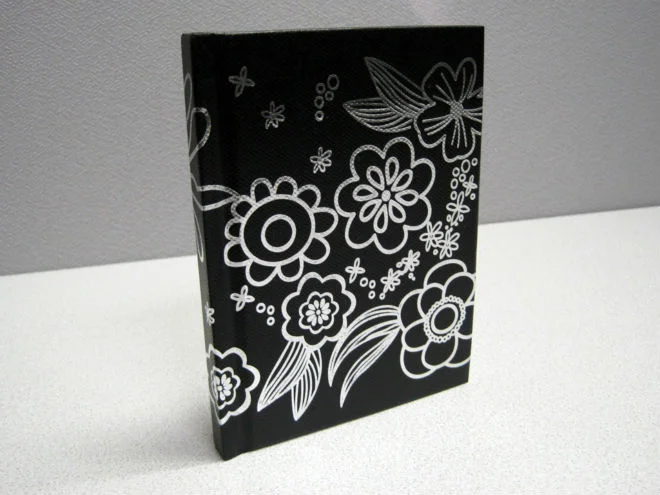
These are traditional bound notebooks featuring lined or blank pages. Ideal for everyday note-taking, they are commonly used in schools and corporate settings.
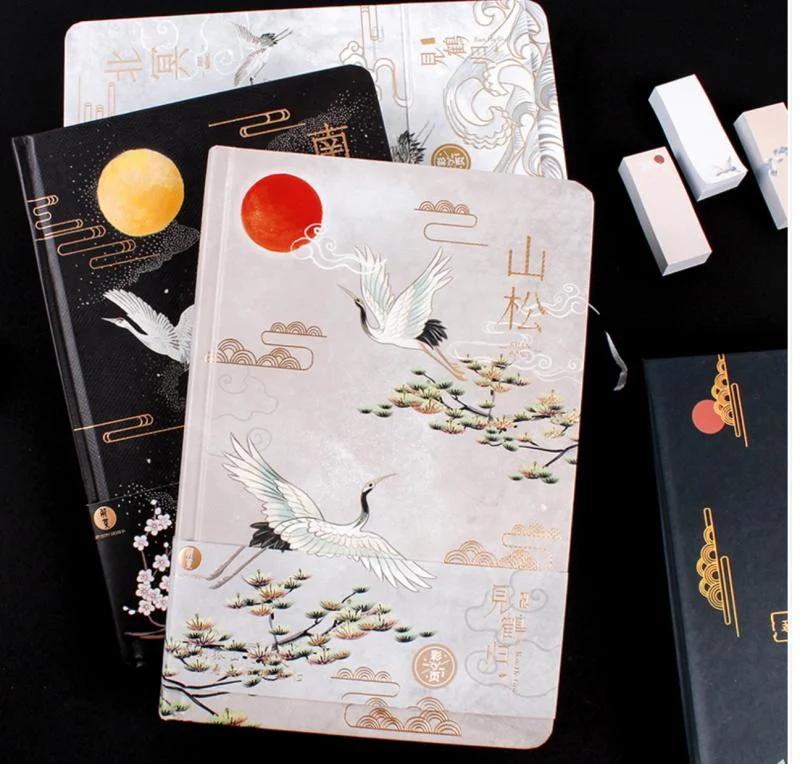
Executive Notebooks
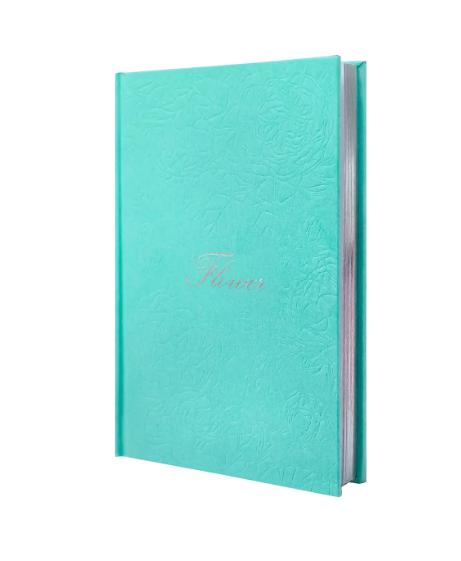
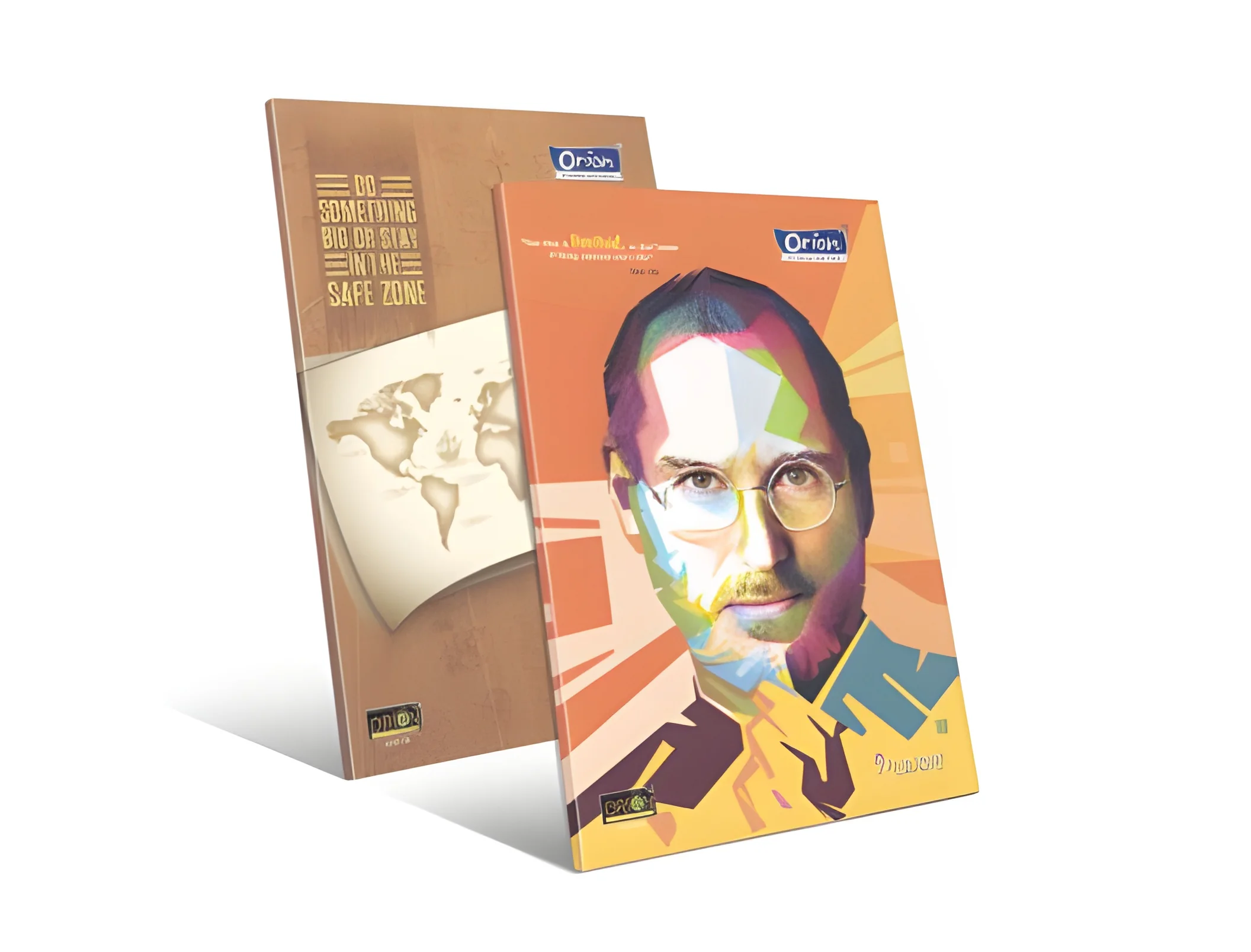
Designed for professionals, these notebooks often include premium paper and covers. They are suitable for meetings and presentations, providing a polished appearance.
Spiral Notebooks
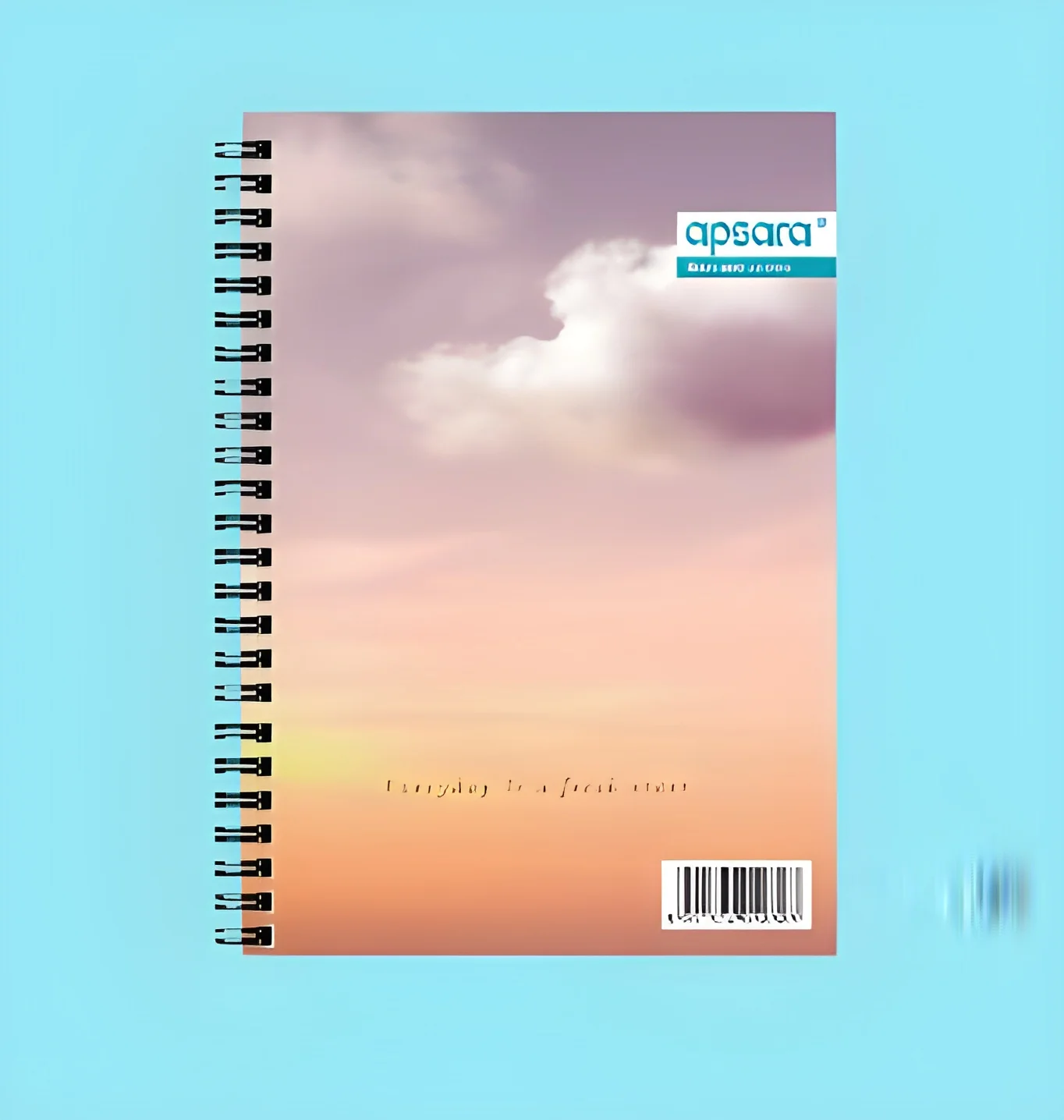
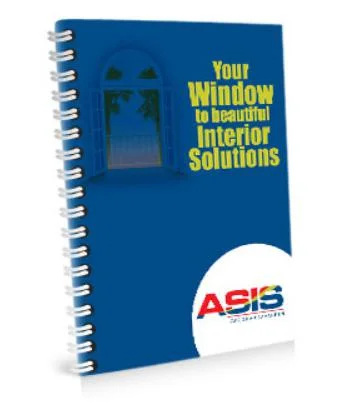
With a flexible binding, spiral notebooks allow for easy page turning and writing flexibility. They are favored for their durability and convenience in various settings.
Writing Pads
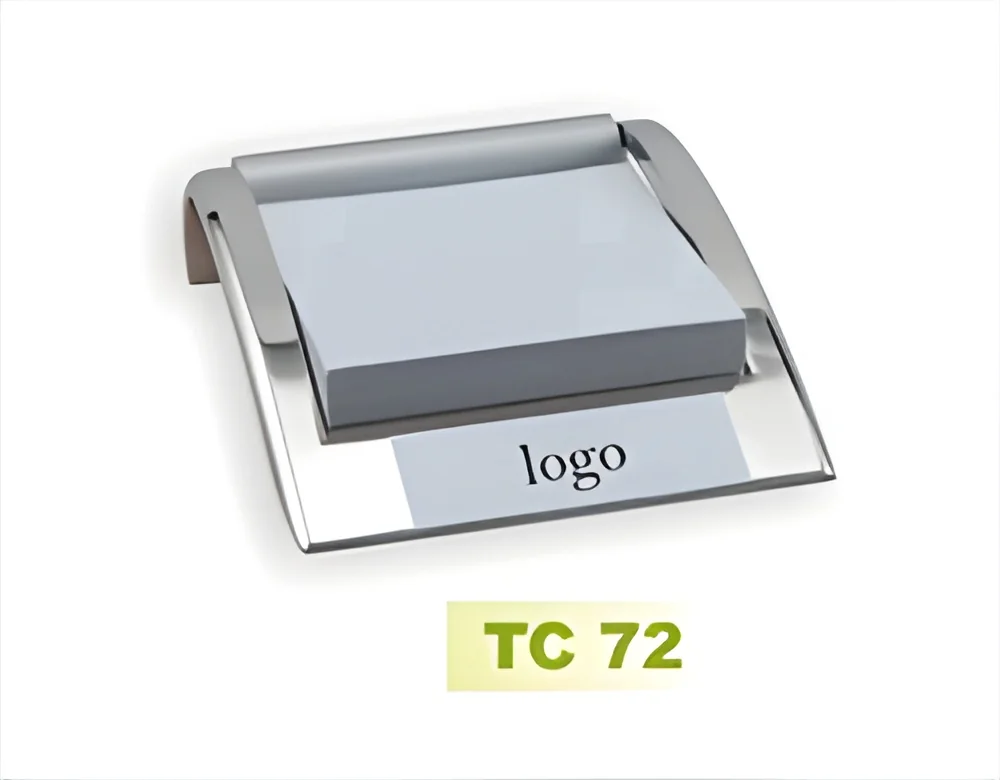
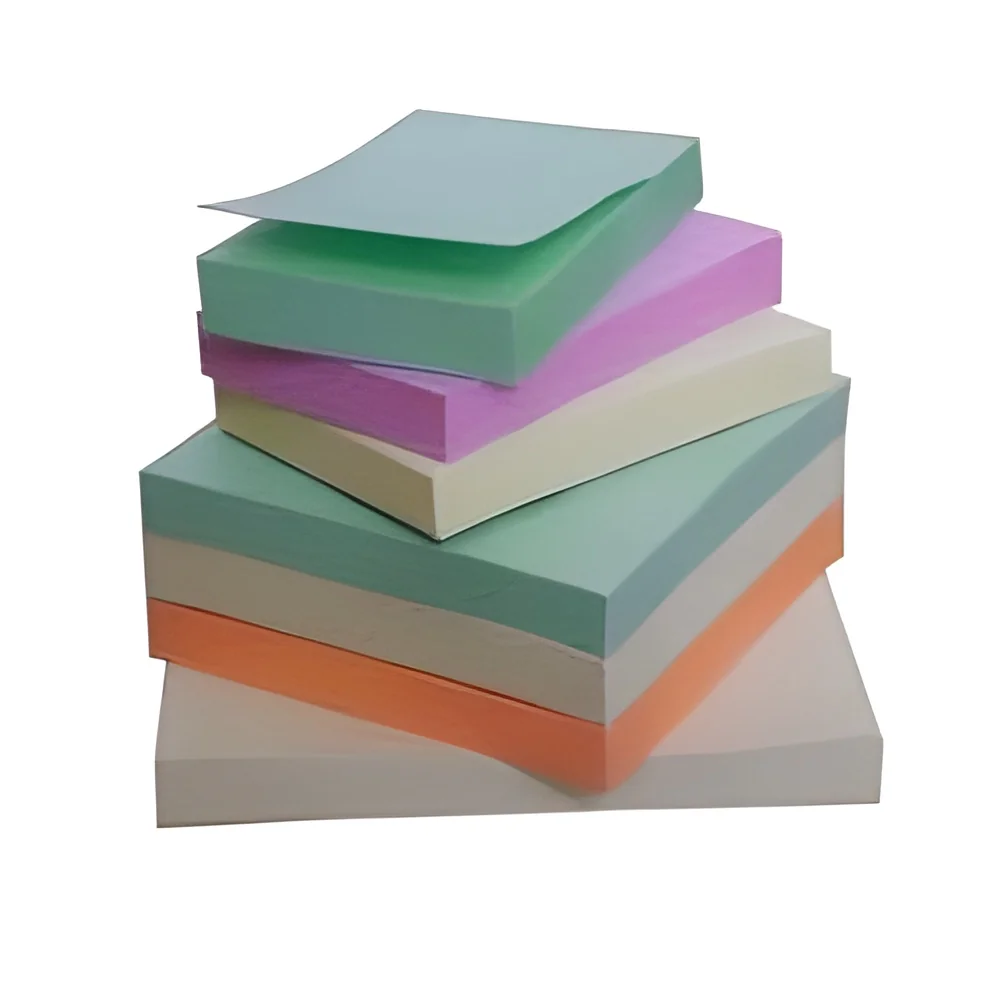
These typically consist of loose sheets that can be easily torn off. They are popular in offices for quick note-taking and are often used by professionals.
Bullet Journals
These notebooks are designed for organizing tasks and projects using a bullet system. They appeal to users looking for a customizable planning solution.
Benefits and Advantages
Notebooks and writing pads offer numerous benefits that enhance productivity and organization in various settings.
Key benefits include:
1. Increased Organization: Users can keep their notes and ideas in one place, making information retrieval easier.
2. Enhanced Focus: Writing by hand can improve concentration and retention of information compared to digital methods.
3. Customization: Many notebooks allow users to personalize their layouts, making them suitable for individual preferences and tasks.
4. Portability: Lightweight and compact, notebooks and writing pads can be easily carried to meetings, classes, or fieldwork.
5. Cost-Effectiveness: These products are generally affordable, providing a budget-friendly solution for note-taking and documentation.
6. Eco-Friendly Options: Many manufacturers offer recycled paper options, appealing to environmentally conscious consumers.
Buying Guide for B2B Buyers
When sourcing notebooks and writing pads for business use, several factors merit consideration to ensure the best selection.
1. Quality Assessment: Look for products that meet specific quality standards, such as paper weight and durability. High-quality materials enhance the writing experience.
2. Supplier Verification: Vet potential suppliers to ensure they have a good reputation and can provide reliable products. Checking reviews and certifications can help.
3. Pricing and MOQ: Evaluate the pricing structure and minimum order quantities. Understanding bulk pricing can lead to significant cost savings.
4. Delivery and Lead Times: Consider logistics, including delivery times and shipping costs. Timely delivery is crucial for maintaining operations.
5. Compliance Requirements: Be aware of any regulatory requirements or certifications that may apply to specific industries or regional markets.
Compliance and Certifications
Compliance and certifications are vital aspects of sourcing notebooks and writing pads. These products should adhere to relevant quality standards to ensure reliability and safety.
ISO 9001 is a quality management standard that ensures products meet customer and regulatory requirements. Many manufacturers strive to comply with these standards to enhance product quality.
CE certification indicates that products meet European safety, health, and environmental protection standards. It is crucial for businesses sourcing products for the European market.
Safety and testing requirements should also be considered, particularly for products used in sensitive environments, such as healthcare. Ensuring that materials do not contain harmful substances is essential.
Regional compliance considerations may vary, necessitating an understanding of local regulations regarding paper products. Keeping abreast of these requirements can help mitigate risks.
Why Source Notebooks & Writing Pads from Pepagora?
Pepagora provides a trusted platform for sourcing notebooks and writing pads, offering several key advantages to B2B buyers.
Verified Supplier Network: Pepagora connects buyers with a network of verified suppliers. This ensures that buyers can trust the quality and reliability of the products being sourced.
Streamlined RFQ Process: The platform features a streamlined Request for Quotation (RFQ) process that simplifies price comparison and negotiation, saving time for buyers.
Trade Assurance and Support: Buyers benefit from trade assurance, which protects their orders and provides support throughout the purchasing process. This adds an extra layer of security to transactions.
Regional Coverage: Pepagora has a strong presence in markets such as India, the GCC, and Southeast Asia. This broad geographic reach allows buyers to access diverse suppliers and products tailored to their regional needs.











Frequently Asked Questions
What are Notebooks & Writing Pads?
Notebooks & Writing Pads are essential stationery items used for writing, drawing, and note-taking. They typically consist of a collection of paper sheets bound together, often featuring a cover for protection and aesthetics.
What are the different types of Notebooks & Writing Pads?
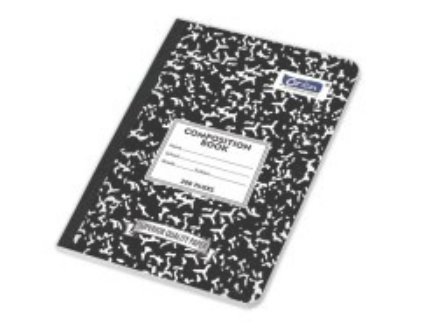
There are various types of Notebooks & Writing Pads, including spiral-bound notebooks, composition books, legal pads, and graph paper pads. Each type serves different purposes, such as note-taking, sketching, or organizing information.
How do I choose the right Notebooks & Writing Pads?
When choosing Notebooks & Writing Pads, consider factors such as the intended use, size, binding type, and paper quality. Additionally, think about whether you need features like perforated pages or specific ruling styles.
What are the standard specifications for Notebooks & Writing Pads?
Standard specifications for Notebooks & Writing Pads include paper weight (usually measured in GSM), page count, size (A4, A5, etc.), and binding method (spiral, glue, or stitched). These specifications vary based on the manufacturer and intended use.
What is the price range for Notebooks & Writing Pads?
The price range for Notebooks & Writing Pads can vary widely based on factors such as brand, type, and quality. Generally, prices can start from as low as INR 20 for basic options and go up to INR 500 or more for premium products.
What quality standards apply to Notebooks & Writing Pads?
Quality standards for Notebooks & Writing Pads typically include considerations for paper quality, durability, and environmental safety. Many manufacturers adhere to ISO standards for paper products to ensure consistent quality.
Where can I find Notebooks & Writing Pads suppliers in India?
You can find Notebooks & Writing Pads suppliers in India through B2B marketplaces like Pepagora, trade shows, and online directories. Additionally, manufacturer websites and local stationery stores may offer supplier information.
Can Notebooks & Writing Pads be customized?
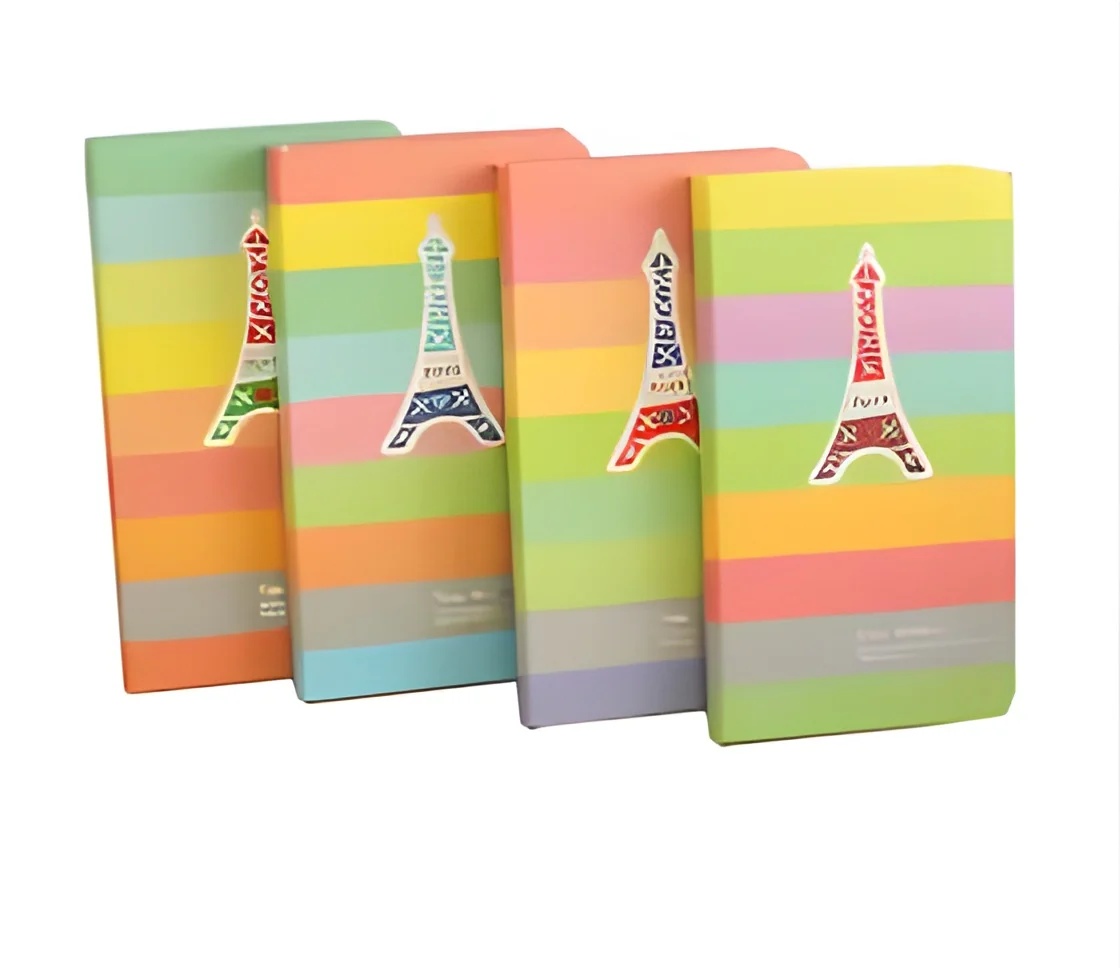
Yes, many manufacturers offer customization options for Notebooks & Writing Pads. Customization can include personalized covers, specific page layouts, or branding with logos, which is beneficial for promotional purposes.
What is the typical minimum order quantity for Notebooks & Writing Pads?
The typical minimum order quantity (MOQ) for Notebooks & Writing Pads varies by supplier and product type. Generally, MOQs can range from 50 to 500 units, depending on the customization and production capabilities.
What is the typical lead time for Notebooks & Writing Pads?
The typical lead time for Notebooks & Writing Pads can range from 7 to 30 days, depending on the supplier, order size, and any customization required. It's advisable to confirm lead times with the supplier at the time of order placement.
Why Businesses Trust Pepagora
Thousands of companies trust Pepagora to source smarter and sell faster
Expand Your Sales Globally

Source Smarter,Grow Faster
