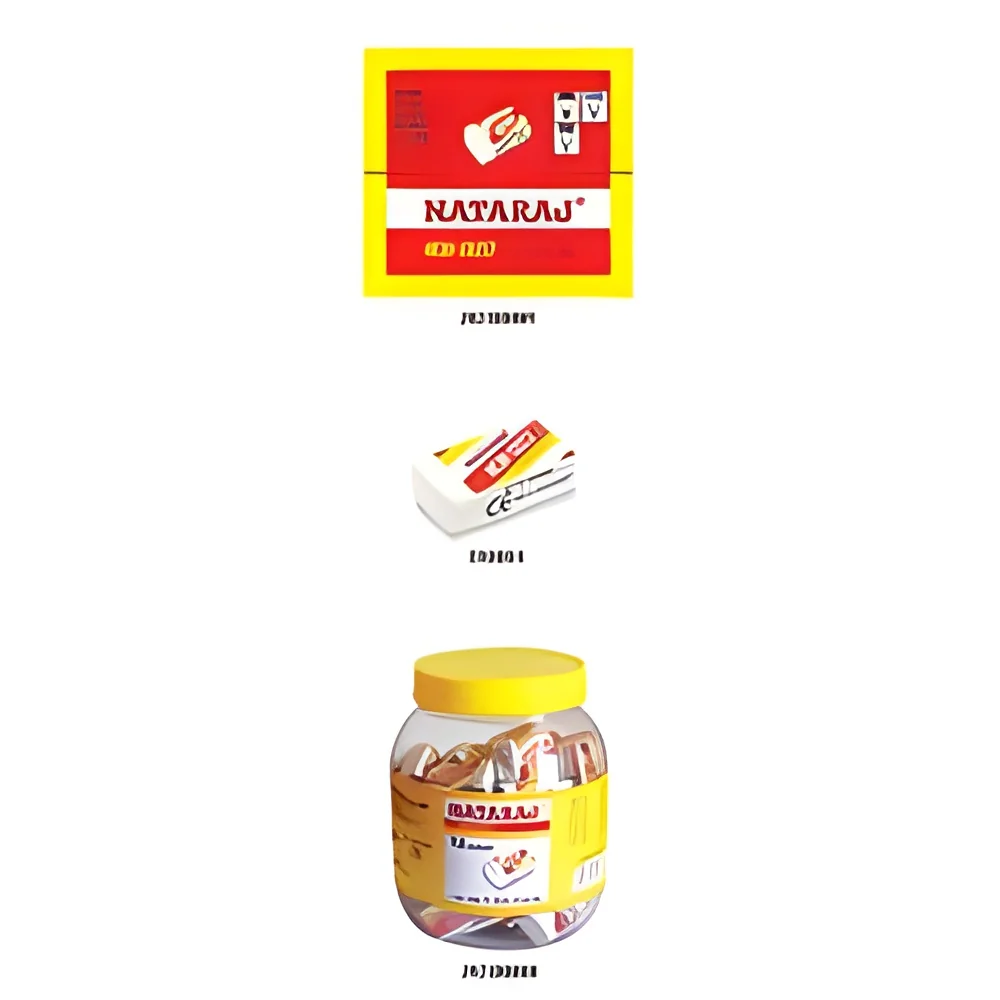
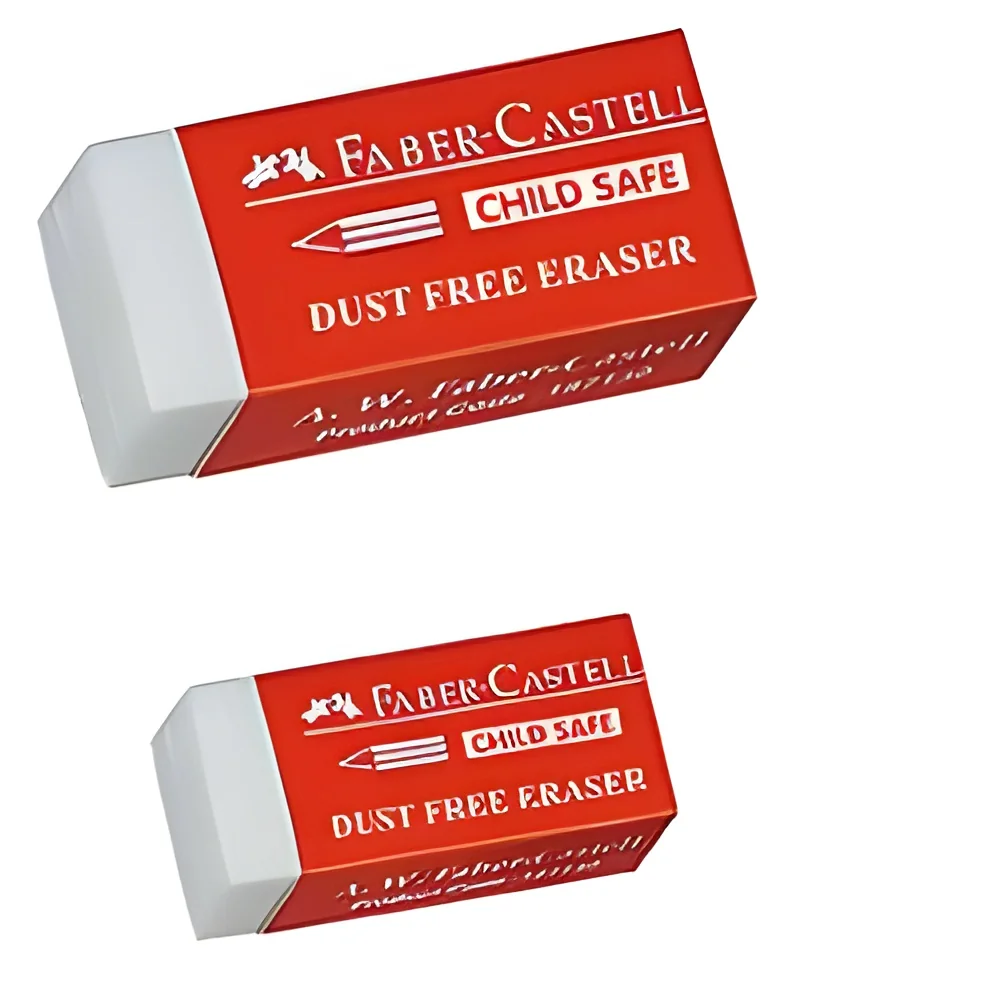
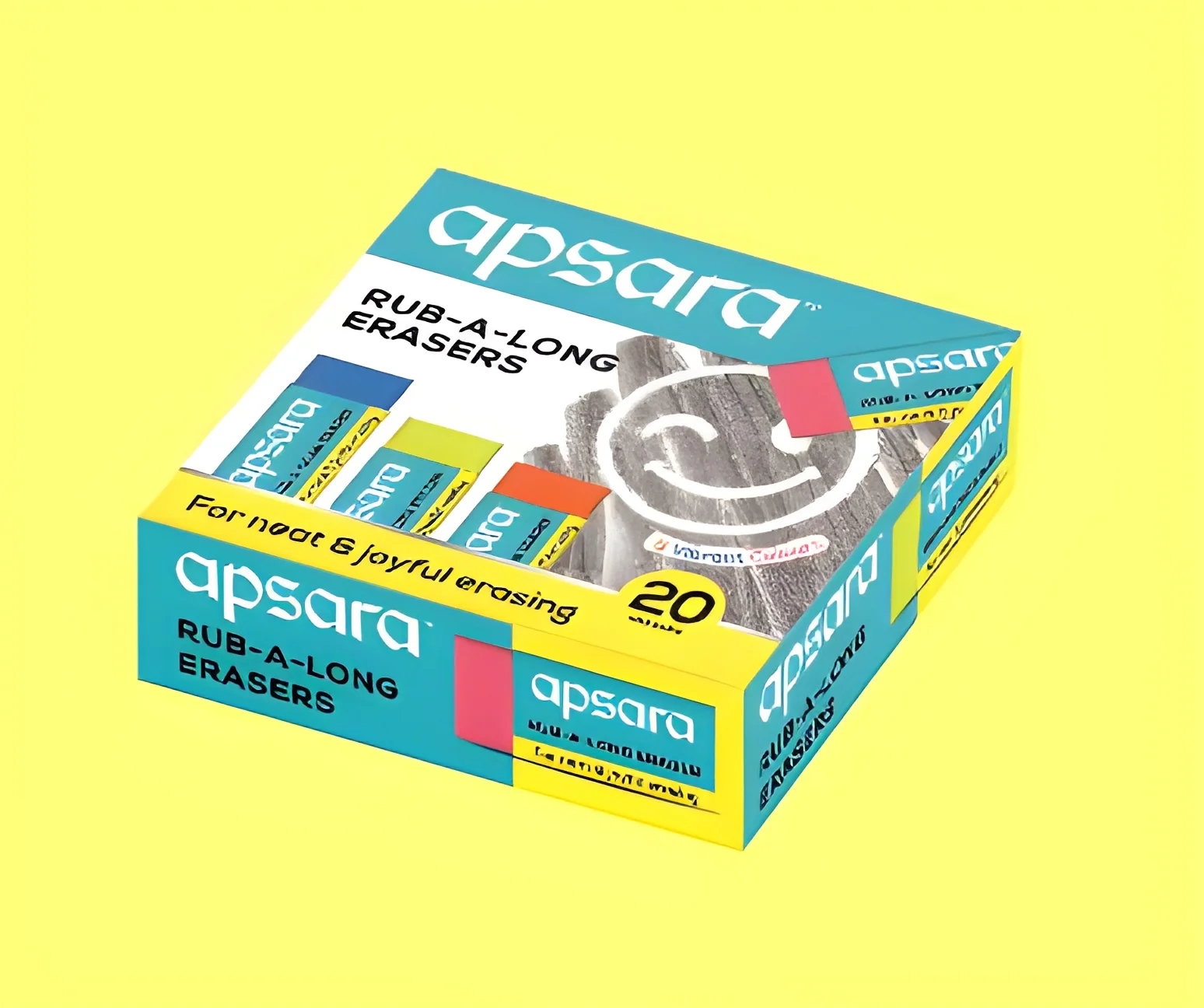
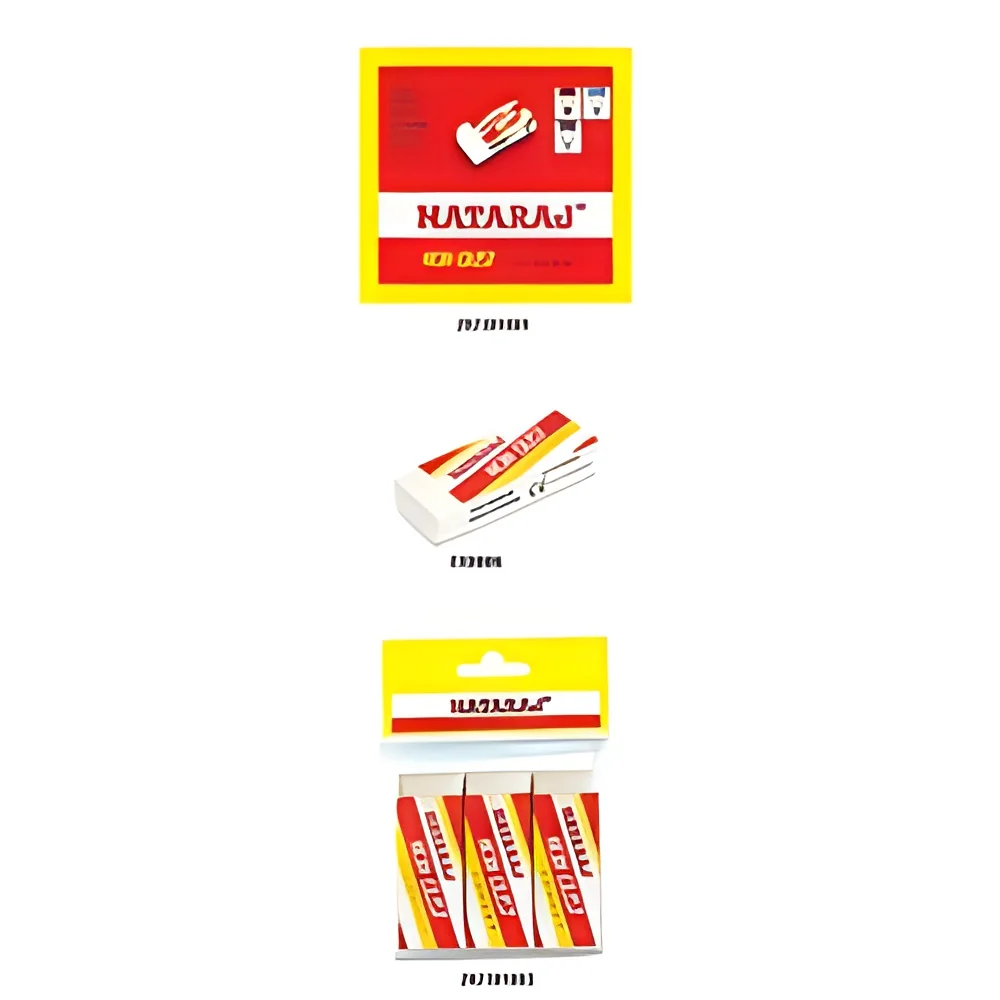
What are Erasers?
Erasers are essential tools used primarily for removing pencil marks from paper. They come in various shapes, sizes, and materials, including rubber, vinyl, and plastic. The primary function of an eraser is to lift graphite or ink from a surface without damaging the paper. This makes them invaluable in educational settings, design, engineering, and other fields where drafting is common.
In a B2B context, erasers are used across multiple industries including education, architecture, and manufacturing. They play a vital role in ensuring accuracy and precision in documents and designs. Erasers are also relevant in the creative arts sector, where artists may need to correct or modify their work frequently. The global market for erasers reflects their widespread use, with demand driven by the growth of educational institutions and creative industries.
Key Features and Specifications
Erasers come with a variety of features tailored to specific needs. Understanding these specifications is crucial for businesses looking to purchase erasers in bulk.
Key specifications include:
1. Material Type
- Erasers can be made from rubber, vinyl, or thermoplastic materials.
- Each type offers different levels of effectiveness and durability.
2. Size Variations
- Sizes typically range from small, handheld versions to larger block sizes.
- The choice of size may depend on the intended use.
3. Shape Options
- Erasers are available in shapes such as rectangular, cylindrical, or novelty shapes.
- Unique shapes can appeal to specific markets, like children or artists.
4. Hardness Levels
- Hardness can vary from soft to firm, impacting the erasing efficiency.
- Softer erasers generally work better on delicate papers.
5. Dust-Free Formulation
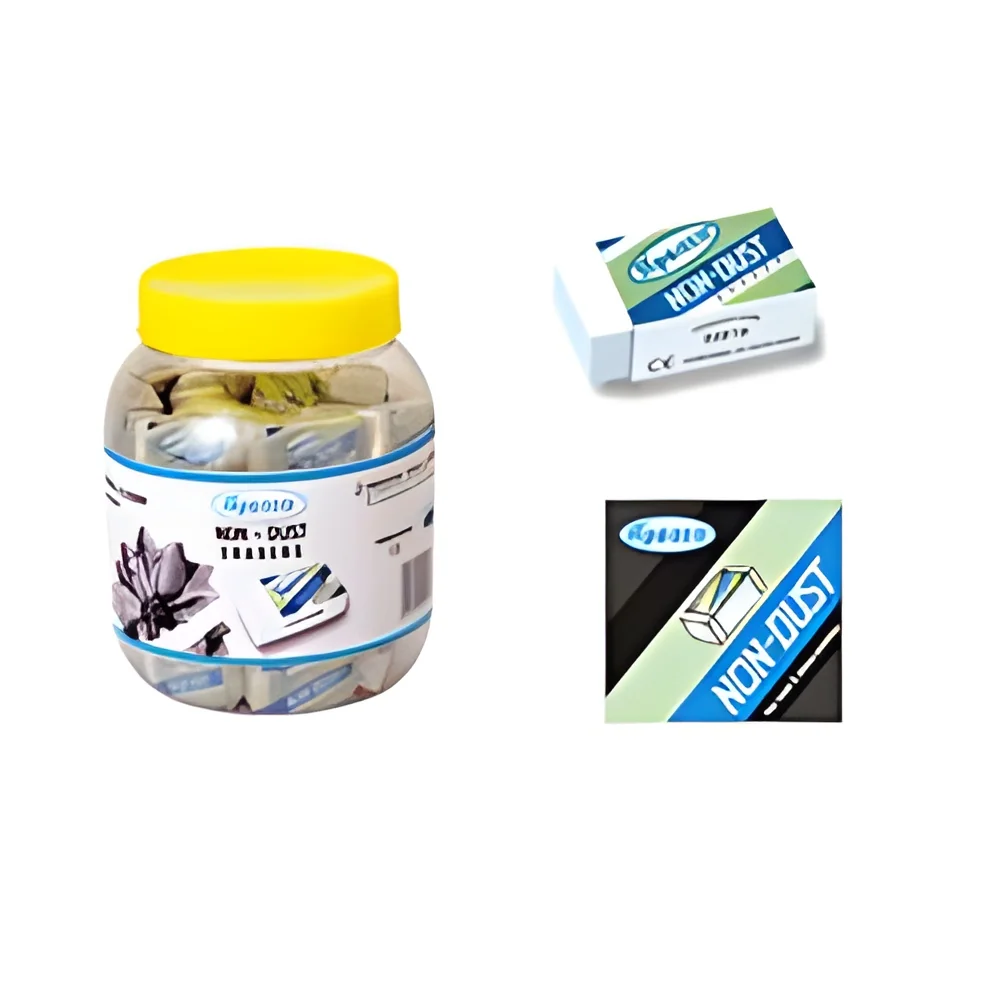
- Some erasers are designed to produce minimal dust during use.
- This feature is particularly important for clean environments.
6. Compatibility with Paper Types
- Certain erasers are optimized for specific paper types, such as glossy or textured paper.
- Businesses should consider the paper they use when choosing erasers.
7. Color Options
- Erasers come in various colors, which can enhance brand recognition.
- Custom colors may be available for promotional purposes.
In summary, selecting the right eraser requires an understanding of these key features and specifications to meet specific business needs.
Common Applications and Use Cases
Erasers serve a variety of industries and applications.
1. Education: In schools and universities, erasers are standard tools for students and teachers alike, facilitating corrections in writing and drawing.
2. Architecture and Engineering: Professionals in these fields rely on erasers to make adjustments to technical drawings and blueprints, ensuring precision.
3. Art and Design: Artists use specialized erasers to create shading effects and modify their work, making them essential tools in creative processes.
4. Office Supplies: Erasers are commonly found in offices for general use by employees who work with paper documents.
5. Manufacturing: In industries that produce printed materials, erasers may be used during the prototyping phase to refine designs.
6. Crafting: Hobbyists and crafters utilize erasers to enhance their projects, especially those involving sketching and drafting.
7. Retail: Educational and office supply retailers stock various types of erasers to meet consumer demand.
Product Variants and Subcategories
Erasers come in various forms to cater to different needs and preferences.
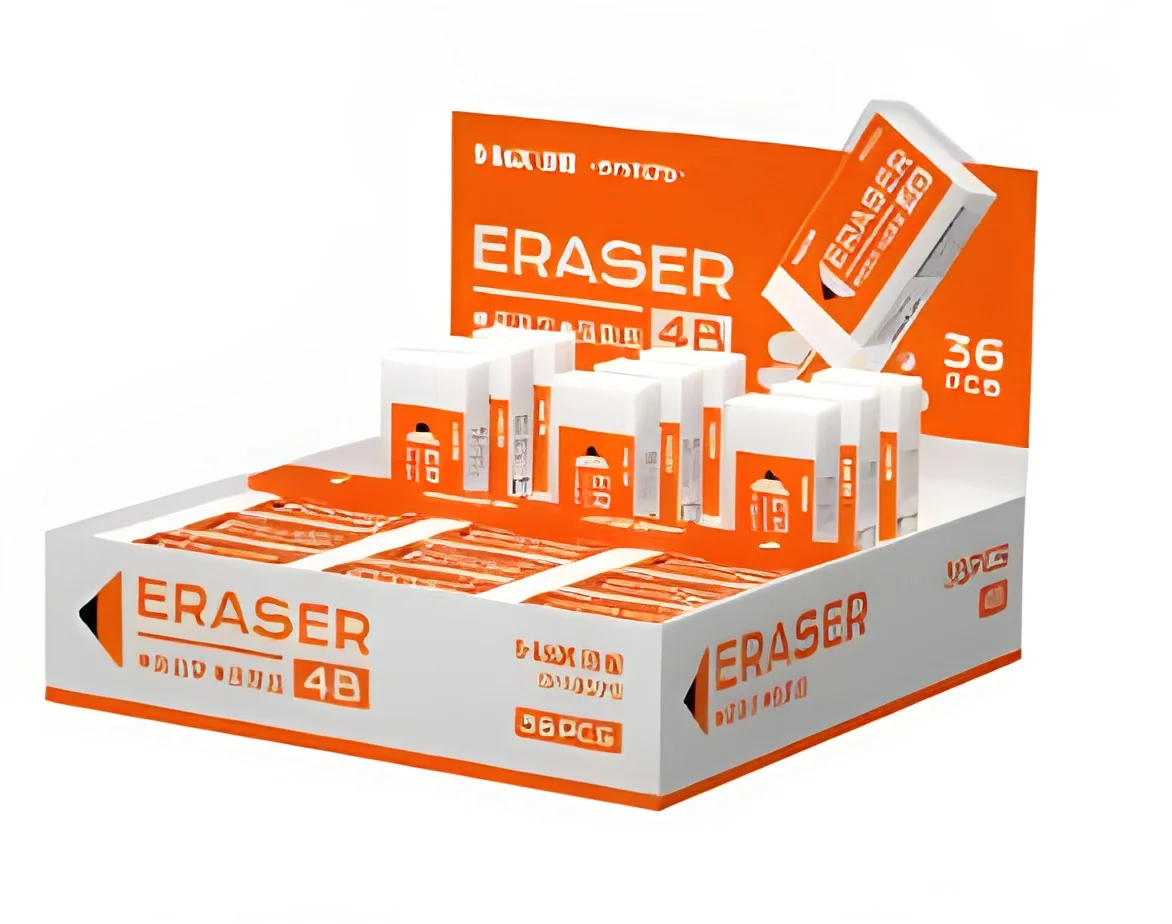
Standard Erasers: These are the most common type, usually made of rubber or vinyl. They are designed for general use and are effective on standard paper.
Kneadable Erasers: Made from a pliable material, kneadable erasers can be shaped to a fine point for precise erasing. They are popular among artists for their versatility.
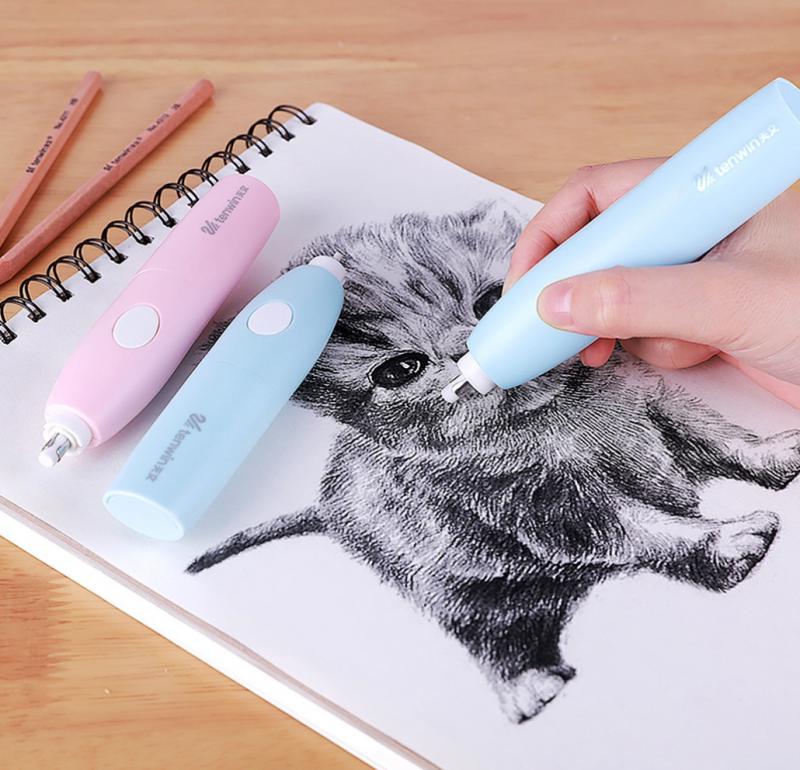
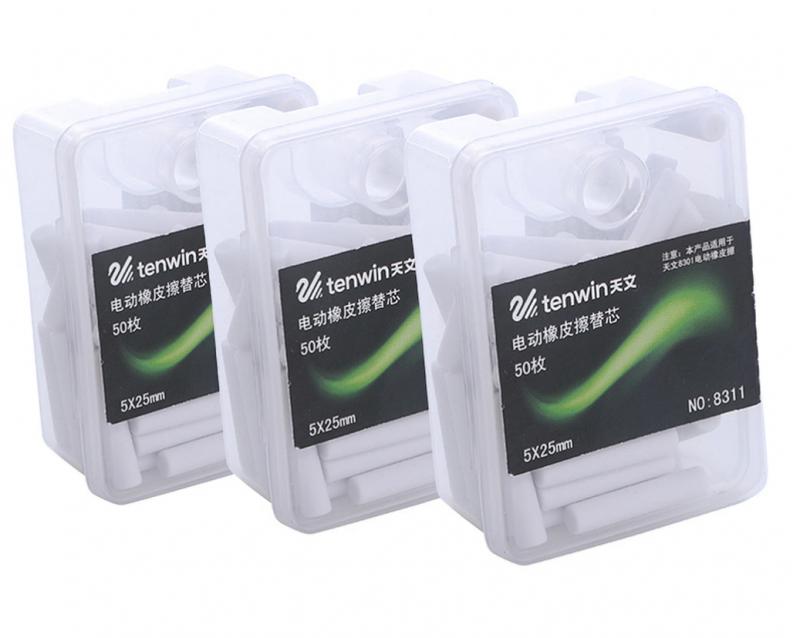
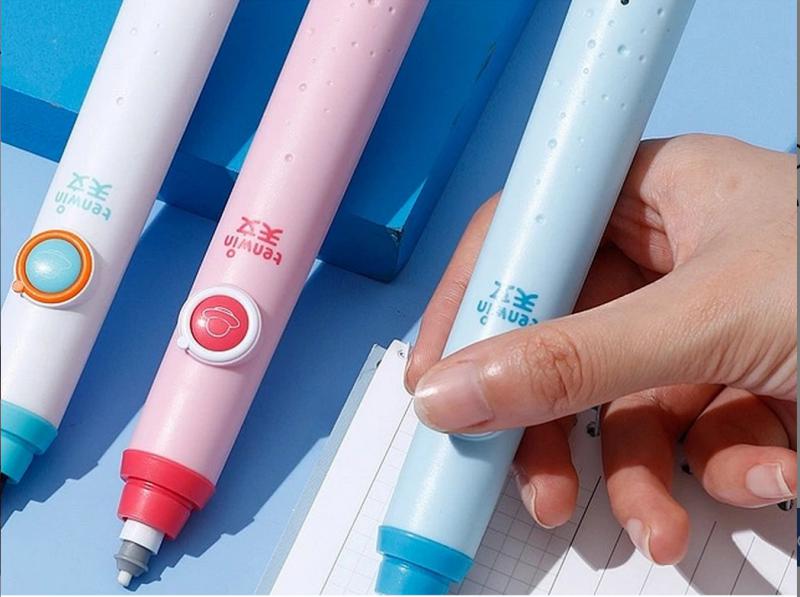
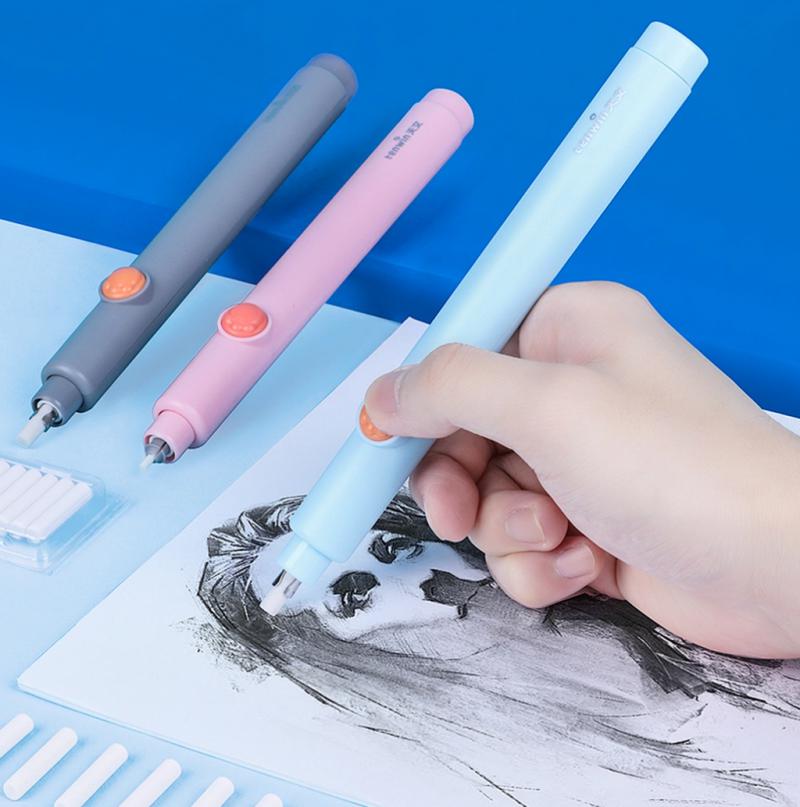
Electrical Erasers: These battery-operated devices provide a powered option for erasing. They are often used in professional settings where speed and efficiency are crucial.
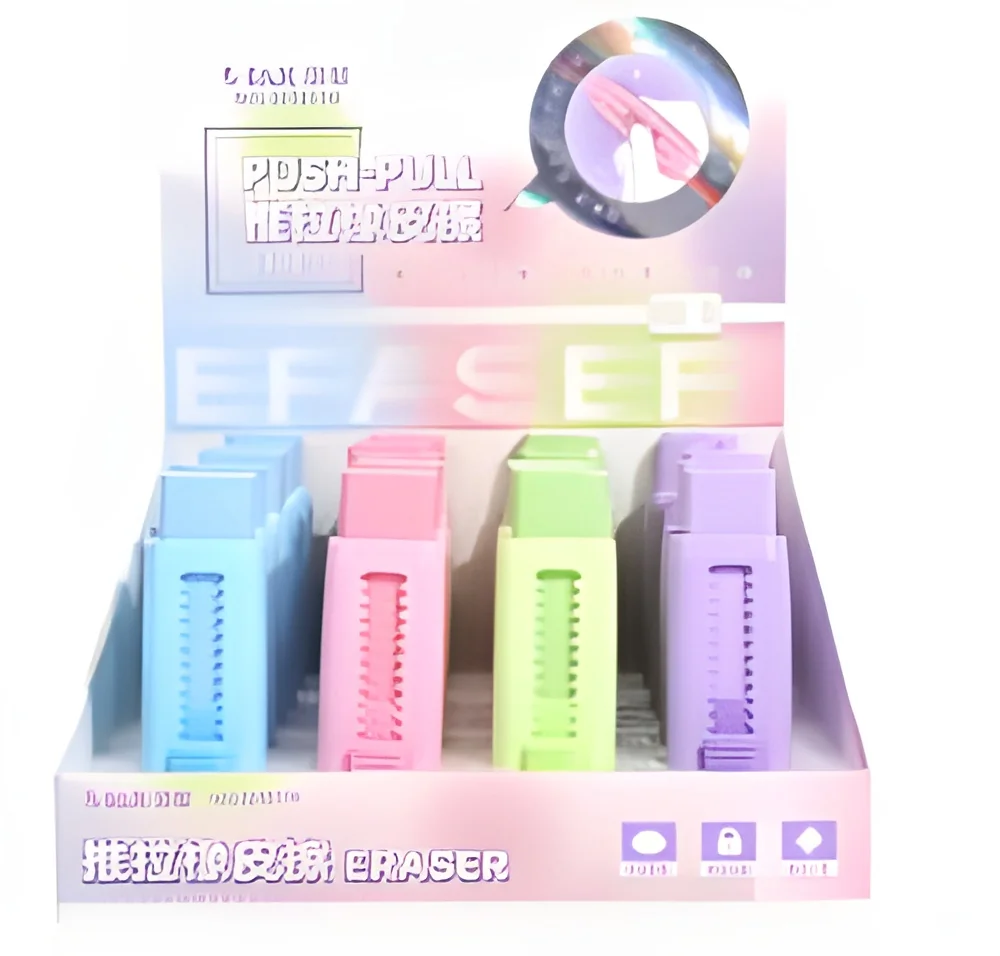
Novelty Erasers: These come in fun shapes and colors, appealing to children and collectors. They are often used in educational settings to engage younger students.
Benefits and Advantages
Erasers provide numerous benefits that make them invaluable tools in various sectors.
1. Precision Correction: Erasers allow for accurate corrections without damaging the paper or leaving smudges, ensuring a clean final product.
2. Versatility: Different types of erasers can accommodate various materials and applications, making them suitable for multiple industries.
3. Cost-Effective: Erasers are relatively inexpensive, providing a low-cost solution for correcting mistakes in documents and designs.
4. User-Friendly: Simple to use, erasers require no special skills or training, making them accessible to everyone.
5. Enhances Quality: Using the right eraser can improve the overall quality of work, particularly in drafting and artistic creations.
6. Availability: Erasers are widely available and can be sourced easily, ensuring that businesses can maintain adequate supplies.
Buying Guide for B2B Buyers
When sourcing erasers for business needs, several factors should be considered to ensure optimal selection.
1. Quality Assessment: Review the material and construction of the erasers. High-quality options will perform better and have a longer lifespan.
2. Supplier Verification: Vet potential suppliers by checking their credentials and reputations. Reliable suppliers should have a track record of quality and service.
3. Pricing and MOQ: Understand the pricing structure and minimum order quantities (MOQ) from suppliers. This helps in budgeting and managing inventory effectively.
4. Delivery and Lead Times: Assess the logistics of ordering erasers. Timely delivery is crucial for maintaining operations, so verify lead times before placing an order.
5. Compliance Requirements: Ensure that the erasers meet any regulatory or safety standards relevant to your industry. Compliance can vary by region and application.
Compliance and Certifications
Erasers must adhere to various quality standards and certifications to ensure safety and effectiveness in use.
Relevant quality standards include ISO 9001, which establishes criteria for quality management systems. This certification ensures that suppliers maintain high-quality production processes.
In addition, meeting CE certification requirements indicates that the products conform to European safety standards. This is particularly important for businesses exporting to or operating within the European market.
Safety and testing requirements may also include ensuring that erasers are free from harmful chemicals and materials, which is critical for products used in educational settings.
Regional compliance considerations can vary significantly, so it is essential to understand the specific regulations that apply to the target market.
Why Source Erasers from Pepagora?
Pepagora offers a reliable platform for sourcing erasers, providing several key advantages for B2B buyers.
Verified Supplier Network: Pepagora connects buyers with a network of verified suppliers, ensuring that businesses can source quality products with confidence. This reduces the risk of dealing with unreliable vendors.
Streamlined RFQ Process: The Request for Quotation (RFQ) system simplifies the process of obtaining quotes from multiple suppliers, allowing buyers to compare prices and terms efficiently.
Trade Assurance and Support: Pepagora offers trade assurance, providing buyers with protection throughout the purchasing process. This support helps mitigate risks associated with transactions.
Regional Coverage: With a strong presence in India, the GCC, and Southeast Asia, Pepagora provides access to a wide range of suppliers, ensuring that businesses can find the right erasers to meet their needs.
In summary, sourcing erasers from Pepagora ensures businesses receive quality products backed by a reliable supplier network, competitive pricing, and comprehensive support.

 IN
IN