
 IN
Lighting Fixtures & Fittings
407 products available
𝗪𝗵𝗮𝘁 𝗮𝗿𝗲 𝗟𝗶𝗴𝗵𝘁𝗶𝗻𝗴 𝗙𝗶𝘅𝘁𝘂𝗿𝗲𝘀 & 𝗙𝗶𝘁𝘁𝗶𝗻𝗴𝘀?
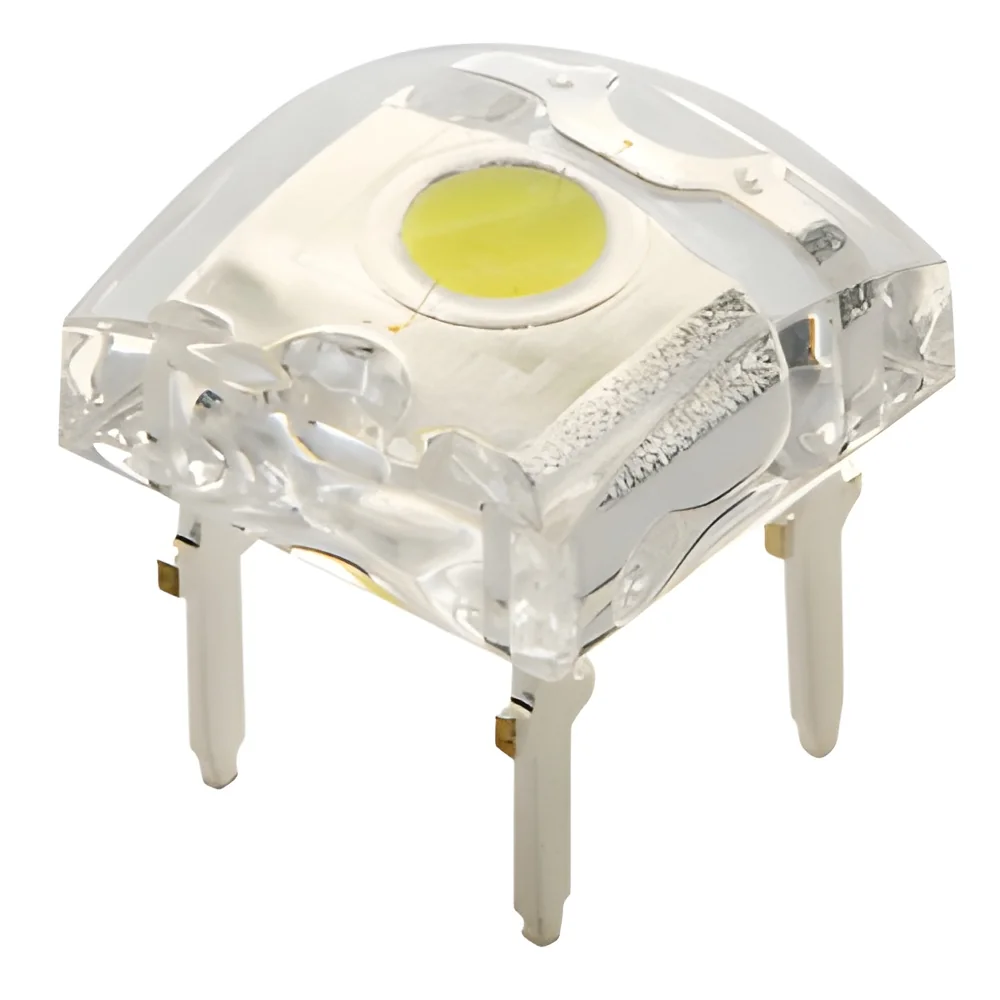
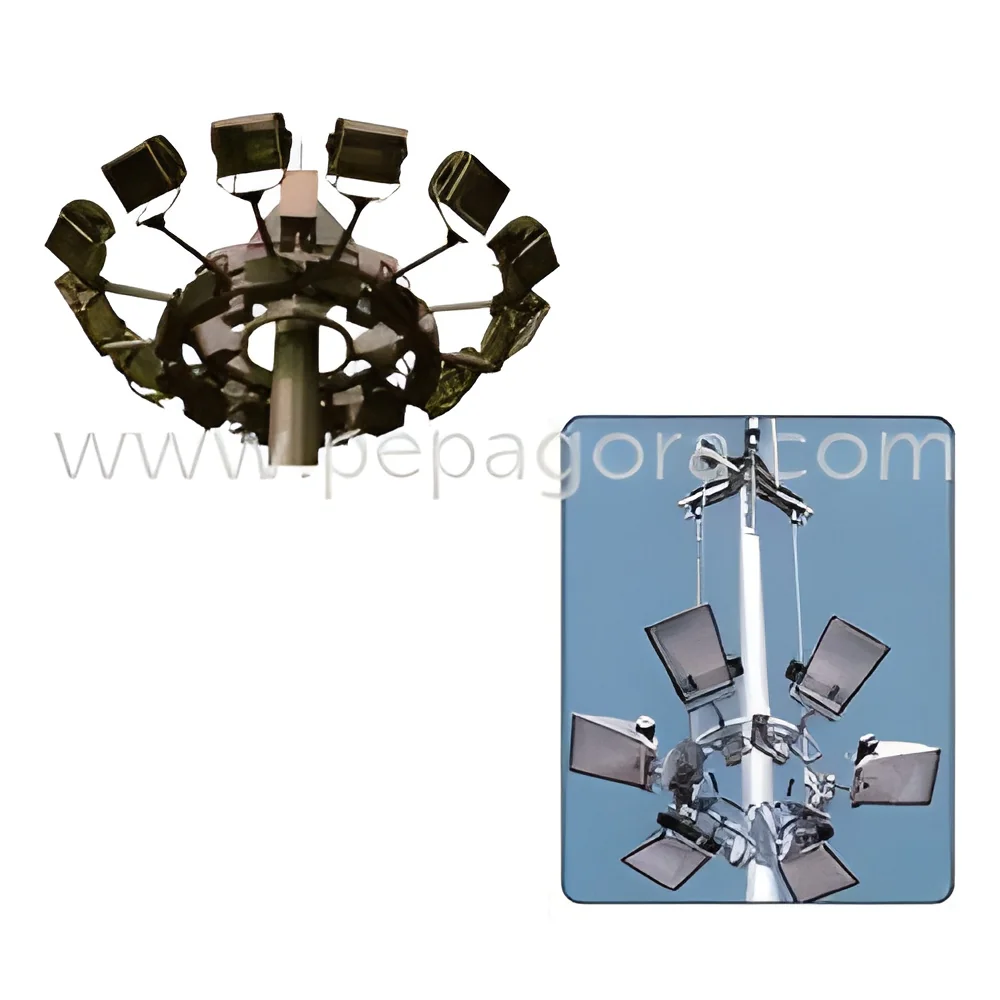
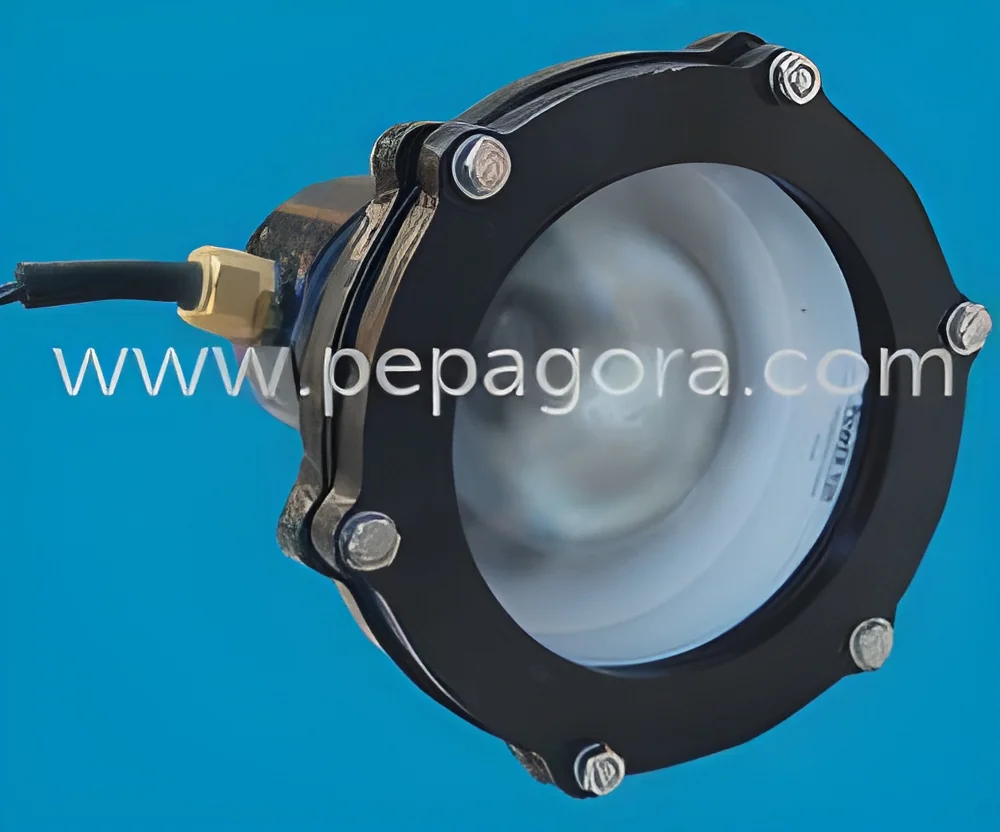
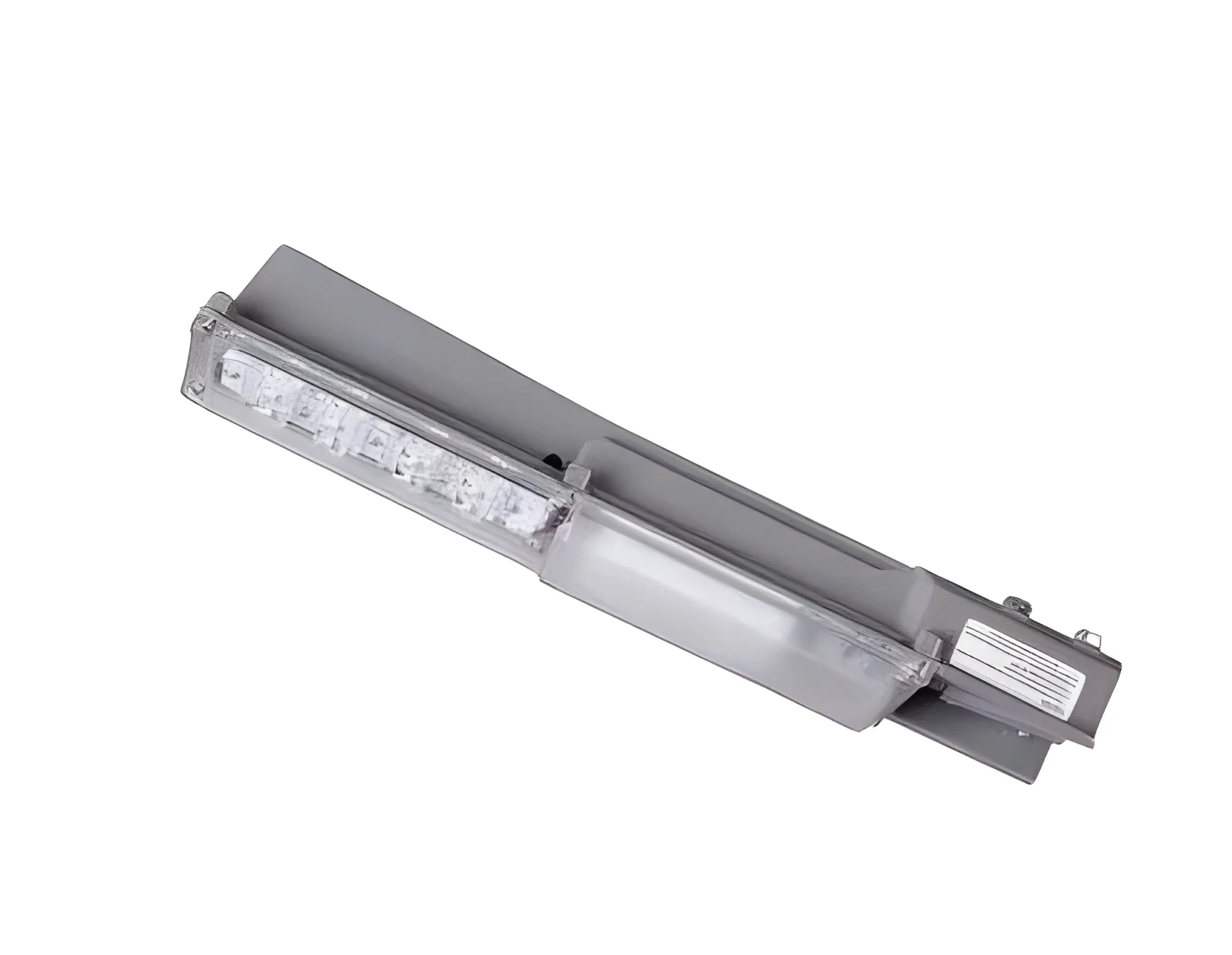
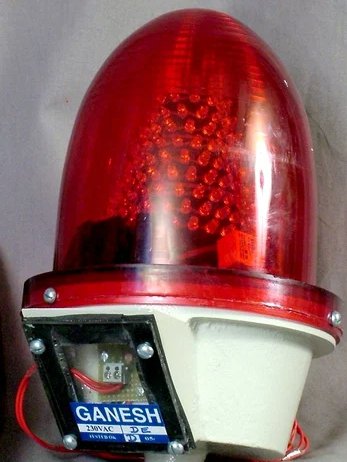
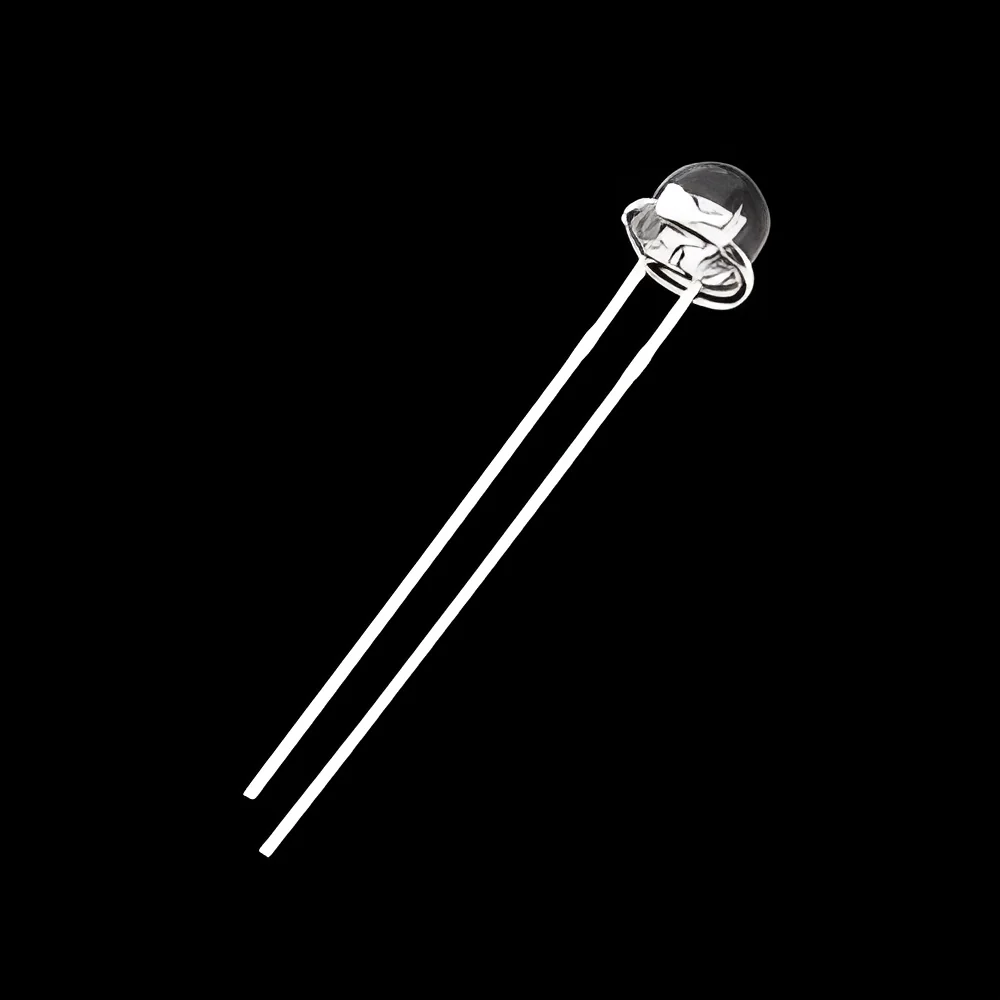
Lighting fixtures and fittings are essential components in both commercial and industrial spaces, designed to provide illumination and enhance functionality. These products encompass a wide range of items including ceiling lights, wall sconces, recessed lights, and outdoor lighting solutions. They are typically composed of various materials and technologies, integrating energy-efficient solutions like LED and fluorescent options to meet diverse lighting needs.
The primary uses of lighting fixtures and fittings extend across numerous industries, including manufacturing, retail, hospitality, and healthcare. In these settings, proper lighting is crucial for productivity, safety, and creating an inviting atmosphere. Businesses utilize these fixtures to ensure optimal visibility in work environments, highlight products in retail spaces, and create comfortable settings in public areas.
In the current market context, the demand for innovative lighting solutions is growing, driven by advancements in technology and a shift towards energy efficiency. The lighting industry is becoming increasingly competitive, with a focus on sustainability and smart technology integration. This evolution presents opportunities for businesses to optimize their lighting systems while reducing energy costs and enhancing operational efficiency.
𝗞𝗲𝘆 𝗙𝗲𝗮𝘁𝘂𝗿𝗲𝘀 𝗮𝗻𝗱 𝗦𝗽𝗲𝗰𝗶𝗳𝗶𝗰𝗮𝘁𝗶𝗼𝗻𝘀
Lighting fixtures and fittings are characterized by several key features and specifications that cater to specific applications and user requirements. Understanding these specifications is essential for making informed purchasing decisions.
Key specifications include:
1. Energy Efficiency
- Measured in lumens per watt (lm/W)
- Higher lm/W indicates better efficiency
2. Brightness Levels
- Available in various lumen outputs
- Suitable for different settings based on required illumination
3. Color Temperature
- Ranges from warm white (2700K) to cool daylight (6500K)
- Affects ambiance and mood in spaces
4. Material Composition
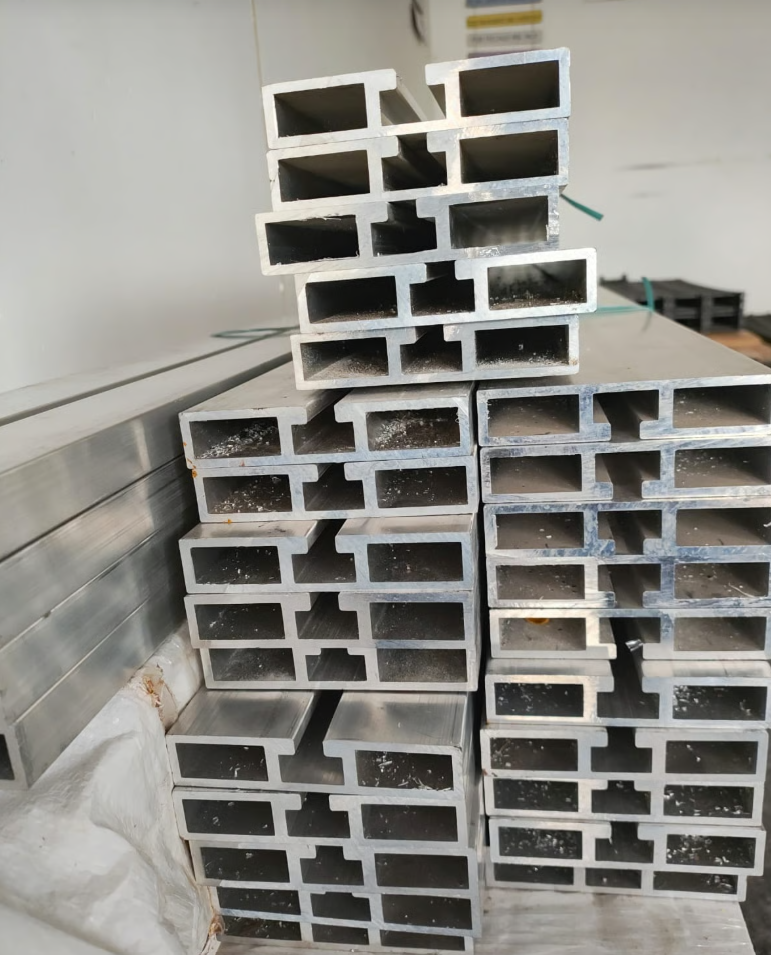
- Common materials include aluminum, glass, and polycarbonate
- Durability and aesthetics vary by material choice
5. Mounting Options
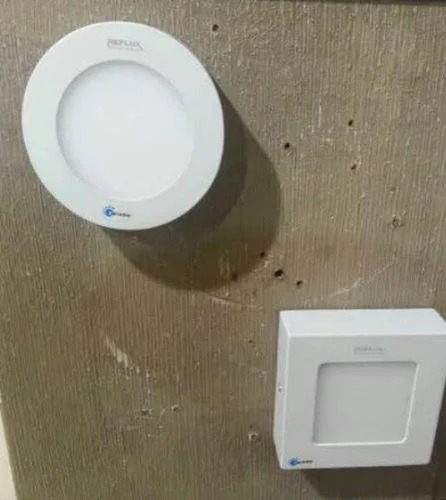
- Includes surface-mounted, recessed, and pendant styles
- Selection based on design and functional needs
6. Dimming Capabilities
- Options for adjustable brightness levels
- Enhances versatility in various applications
7. Lifespan
- Measured in hours of operation
- Quality fixtures often last over 25,000 hours
8. Compliance Standards
- Adherence to safety and performance standards
- Important for regulatory compliance in specific industries
In summary, selecting the right lighting fixtures and fittings requires understanding these specifications to ensure they meet the intended use and performance requirements.
𝗖𝗼𝗺𝗺𝗼𝗻 𝗔𝗽𝗽𝗹𝗶𝗰𝗮𝘁𝗶𝗼𝗻𝘀 𝗮𝗻𝗱 𝗨𝘀𝗲 𝗖𝗮𝘀𝗲𝘀
Lighting fixtures and fittings are versatile products that find applications across various sectors.
1. Manufacturing: Proper lighting is crucial for safety and productivity in manufacturing facilities. Fixtures are designed to illuminate work areas, ensuring visibility during operations.
2. Retail: In retail environments, lighting is used to highlight products and create an inviting atmosphere. Strategic placement of fixtures can enhance customer experience and drive sales.
3. Hospitality: Hotels and restaurants utilize diverse lighting solutions to set the mood and enhance the aesthetic appeal of spaces, from lobbies to dining areas.
4. Healthcare: In hospitals and clinics, appropriate lighting is essential for patient comfort and staff efficiency. Specialized fixtures are used in treatment areas and waiting rooms.
5. Offices: Modern office spaces depend on efficient lighting to improve employee productivity and comfort. Adjustable fixtures cater to individual needs and workspace requirements.
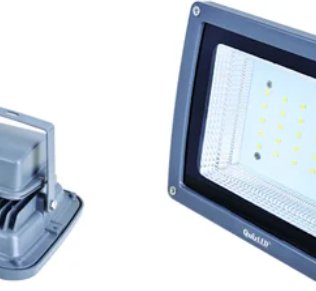
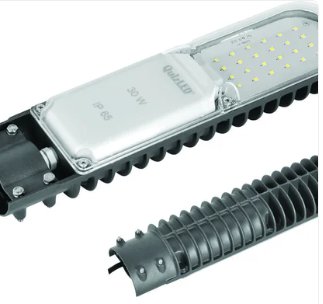
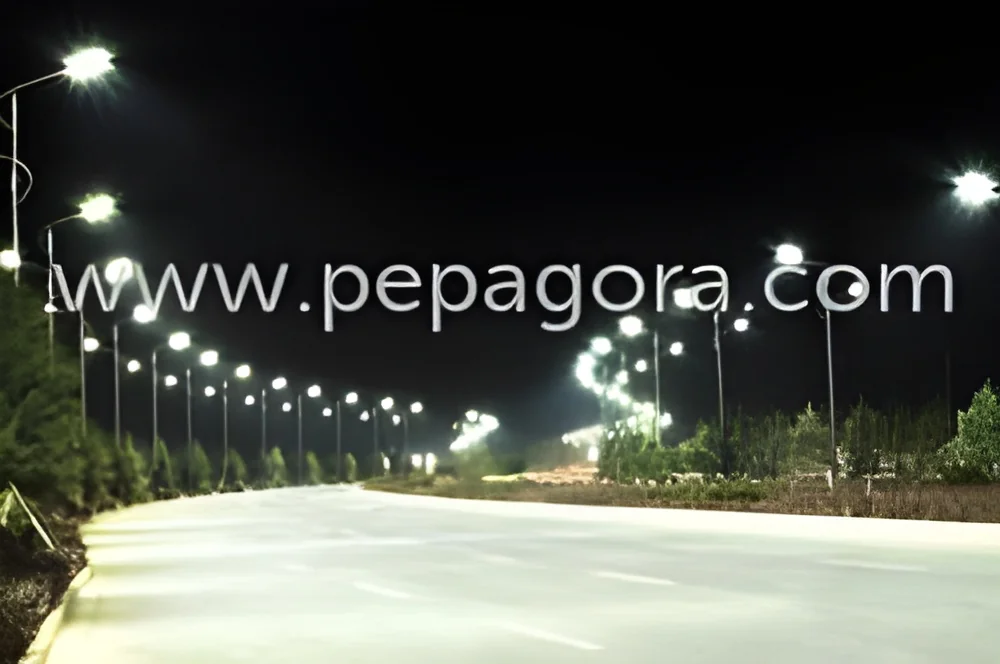
6. Outdoor Spaces: Street lighting and landscape fixtures enhance safety and aesthetics in outdoor environments. These fixtures are designed to withstand weather conditions.
7. Educational Institutions: Classrooms and lecture halls require adequate lighting for learning environments. Fixtures are selected to provide clear visibility without causing glare.
𝗣𝗿𝗼𝗱𝘂𝗰𝘁 𝗩𝗮𝗿𝗶𝗮𝗻𝘁𝘀 𝗮𝗻𝗱 𝗦𝘂𝗯𝗰𝗮𝘁𝗲𝗴𝗼𝗿𝗶𝗲𝘀
Lighting fixtures and fittings come in various designs and styles to meet diverse needs.
Recessed Lighting
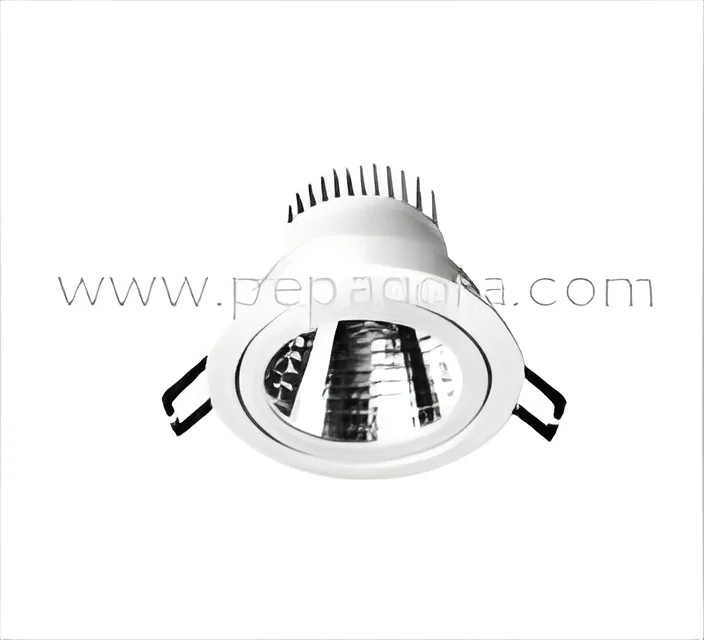
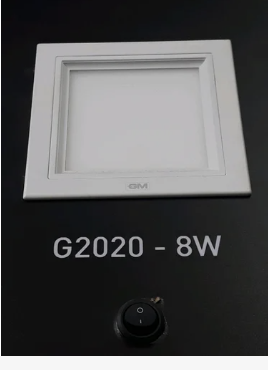
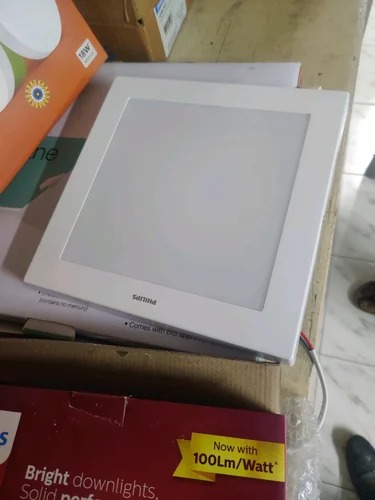
Recessed lights are installed into the ceiling, providing a sleek and modern look. They are commonly used in residential and commercial settings to create a clean and unobtrusive lighting solution.
Pendant Lighting
Pendant lights hang from the ceiling and are ideal for dining areas and workspaces. They provide focused illumination and can be a significant design element in the space.
Wall Sconces
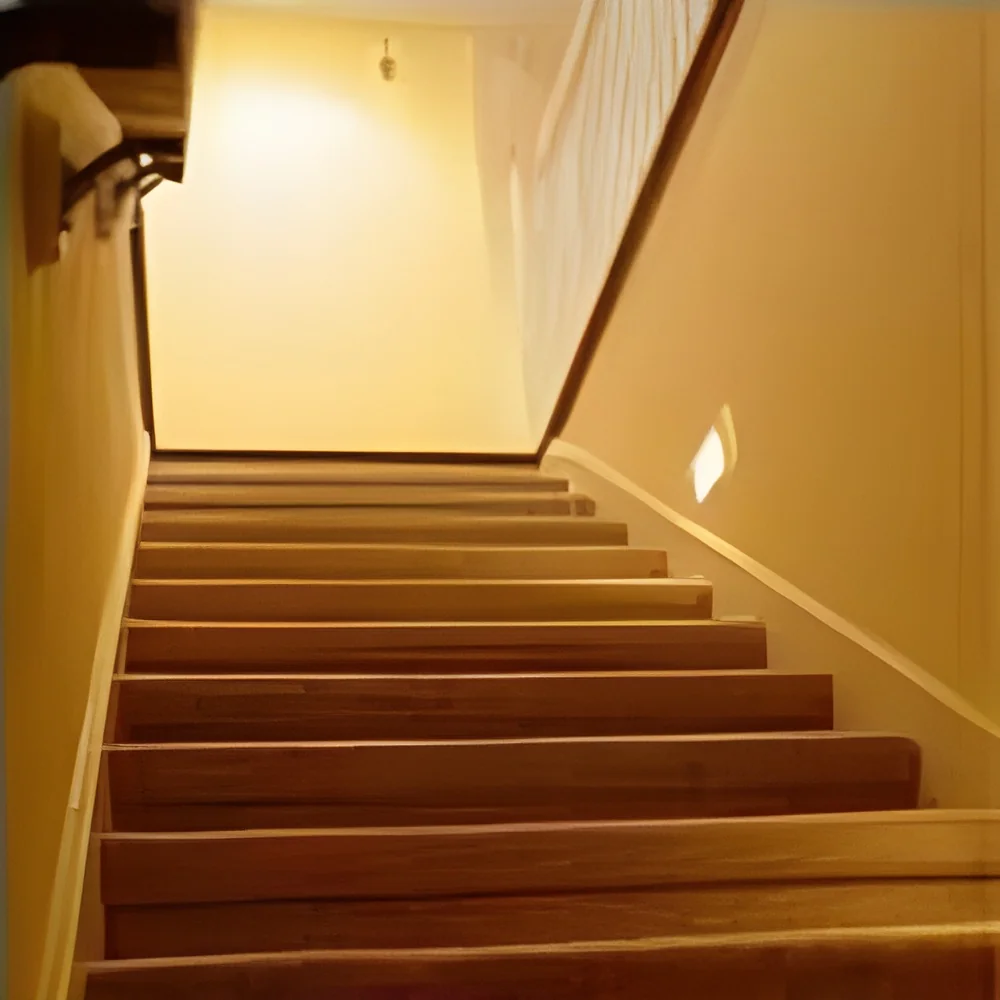
These fixtures are mounted on walls and are suitable for providing ambient lighting. They are often used in hallways, entryways, and as decorative elements in living spaces.
Track Lighting
Track lighting allows for adjustable light direction, making it suitable for galleries and retail displays. This versatility provides flexibility in showcasing products or artworks.
𝗕𝗲𝗻𝗲𝗳𝗶𝘁𝘀 𝗮𝗻𝗱 𝗔𝗱𝘃𝗮𝗻𝘁𝗮𝗴𝗲𝘀
Investing in quality lighting fixtures and fittings offers several advantages for businesses.
1. Energy Savings: High-efficiency lighting options reduce energy consumption, leading to lower utility bills over time.
2. Enhanced Safety: Proper illumination in workspaces minimizes the risk of accidents and injuries, promoting a safer environment.
3. Improved Productivity: Well-lit environments contribute to employee satisfaction and productivity, positively impacting overall business performance.
4. Aesthetic Appeal: Attractive lighting fixtures can enhance the visual appeal of spaces, making them more inviting for customers and clients.
5. Long Lifespan: Quality fixtures often come with extended lifespans, reducing the need for frequent replacements and maintenance costs.
6. Environmental Impact: Energy-efficient lighting solutions contribute to sustainability efforts by reducing carbon footprints and energy demand.
𝗕𝘂𝘆𝗶𝗻𝗴 𝗚𝘂𝗶𝗱𝗲 𝗳𝗼𝗿 𝗕𝟮𝗕 𝗕𝘂𝘆𝗲𝗿𝘀
When sourcing lighting fixtures and fittings, B2B buyers should consider various factors to ensure successful procurement.
1. Quality Assessment: Evaluate the materials, construction, and energy efficiency ratings of the fixtures to ensure they meet industry standards and durability requirements.
2. Supplier Verification: Conduct thorough research on potential suppliers, checking their reputation, certifications, and customer reviews to ensure reliability.
3. Pricing and MOQ: Compare prices among different suppliers and understand minimum order quantities to align with budgetary constraints and project needs.
4. Delivery and Lead Times: Confirm the supplier's delivery capabilities and lead times to ensure timely project completion and avoid disruptions.
5. Compliance Requirements: Ensure that the chosen products meet local and international compliance standards, including safety and performance regulations.
𝗖𝗼𝗺𝗽𝗹𝗶𝗮𝗻𝗰𝗲 𝗮𝗻𝗱 𝗖𝗲𝗿𝘁𝗶𝗳𝗶𝗰𝗮𝘁𝗶𝗼𝗻𝘀
Lighting fixtures and fittings are subject to various quality standards and certifications that ensure safety and performance.
ISO 9001 is a widely recognized quality management standard that ensures manufacturers follow systematic procedures for product quality. Compliance with this standard indicates a commitment to maintaining high manufacturing practices.
CE marking signifies compliance with European standards for safety, health, and environmental protection. It is essential for products sold within the European Economic Area, ensuring they meet necessary regulatory requirements.
Safety and testing requirements may include assessments for electrical safety, fire resistance, and environmental impact. These standards provide assurance that lighting products are safe for use.
Regional compliance considerations may vary based on local regulations and standards. Buyers should research specific requirements in their regions to ensure full compliance.
𝗪𝗵𝘆 𝗦𝗼𝘂𝗿𝗰𝗲 𝗟𝗶𝗴𝗵𝘁𝗶𝗻𝗴 𝗙𝗶𝘅𝘁𝘂𝗿𝗲𝘀 & 𝗙𝗶𝘁𝘁𝗶𝗻𝗴𝘀 𝗳𝗿𝗼𝗺 𝗣𝗲𝗽𝗮𝗴𝗼𝗿𝗮?
Pepagora offers a trusted platform for sourcing lighting fixtures and fittings, providing several key advantages for businesses.
Verified Supplier Network: Pepagora connects buyers with a network of verified suppliers, ensuring quality and reliability in product sourcing. Each supplier undergoes a rigorous verification process to maintain high standards.
Streamlined RFQ Process: The platform features a streamlined Request for Quotation (RFQ) process, allowing buyers to easily compare quotes from multiple suppliers. This efficiency saves time and facilitates better decision-making.
Trade Assurance and Support: Pepagora provides trade assurance, offering buyers protection against potential risks in transactions. The platform also offers support throughout the purchasing process, ensuring a smooth experience.
Regional Coverage: With a strong presence in India, the GCC, and Southeast Asia, Pepagora caters to a broad geographic market. This regional coverage ensures buyers have access to a diverse range of products and suppliers in their local areas.


Frequently Asked Questions
What are Lighting Fixtures & Fittings?
Lighting fixtures and fittings are devices that hold and distribute light in various environments. They can range from simple lamps to complex installations that serve both functional and aesthetic purposes in residential, commercial, and industrial settings.
What are the different types of Lighting Fixtures & Fittings?
There are several types of lighting fixtures and fittings, including ceiling lights, wall sconces, pendant lights, chandeliers, track lighting, and outdoor lights. Each type serves a specific purpose and is designed for different settings and applications.
How do I choose the right Lighting Fixtures & Fittings?
Choosing the right lighting fixtures and fittings involves considering the purpose of the space, the desired ambiance, and the existing decor. It is also important to assess the size of the area and the type of lighting required, such as ambient, task, or accent lighting.
What are the standard specifications for Lighting Fixtures & Fittings?
Standard specifications for lighting fixtures and fittings typically include wattage, lumens output, energy efficiency ratings, and material quality. Additionally, compliance with safety standards and certifications is essential for ensuring reliability and performance.
What is the price range for Lighting Fixtures & Fittings?
The price range for lighting fixtures and fittings can vary widely based on the type, material, and brand. Generally, basic models start from a few hundred rupees, while designer or specialized fixtures can cost several thousand rupees.
What quality standards apply to Lighting Fixtures & Fittings?
Quality standards for lighting fixtures and fittings typically include compliance with international safety regulations, energy efficiency certifications, and performance metrics. Manufacturers may also adhere to ISO standards to ensure quality assurance.
Where can I find Lighting Fixtures & Fittings suppliers in India?
You can find lighting fixtures and fittings suppliers in India through B2B marketplaces, trade shows, and industry directories. Websites like Pepagora.com offer a comprehensive list of manufacturers and suppliers, making it easier to connect with them.
Can Lighting Fixtures & Fittings be customized?
Yes, many manufacturers offer customization options for lighting fixtures and fittings to meet specific requirements. Customizations can include design alterations, size adjustments, and variations in materials and finishes.
What is the typical minimum order quantity for Lighting Fixtures & Fittings?
The typical minimum order quantity (MOQ) for lighting fixtures and fittings can vary by supplier and product type. Generally, MOQs can range from 10 to 50 units, depending on the manufacturer's policies.
What is the typical lead time for Lighting Fixtures & Fittings?
The typical lead time for lighting fixtures and fittings varies based on the supplier and order specifications. Generally, standard orders can take anywhere from 2 to 6 weeks for delivery, while customized orders may require additional time.
Why Businesses Trust Pepagora
Thousands of companies trust Pepagora to source smarter and sell faster
Expand Your Sales Globally

Source Smarter,Grow Faster
