
 IN
Interior Design Services
165 products available
𝗪𝗵𝗮𝘁 𝗮𝗿𝗲 𝗜𝗻𝘁𝗲𝗿𝗶𝗼𝗿 𝗗𝗲𝘀𝗶𝗴𝗻 𝗦𝗲𝗿𝘃𝗶𝗰𝗲𝘀?
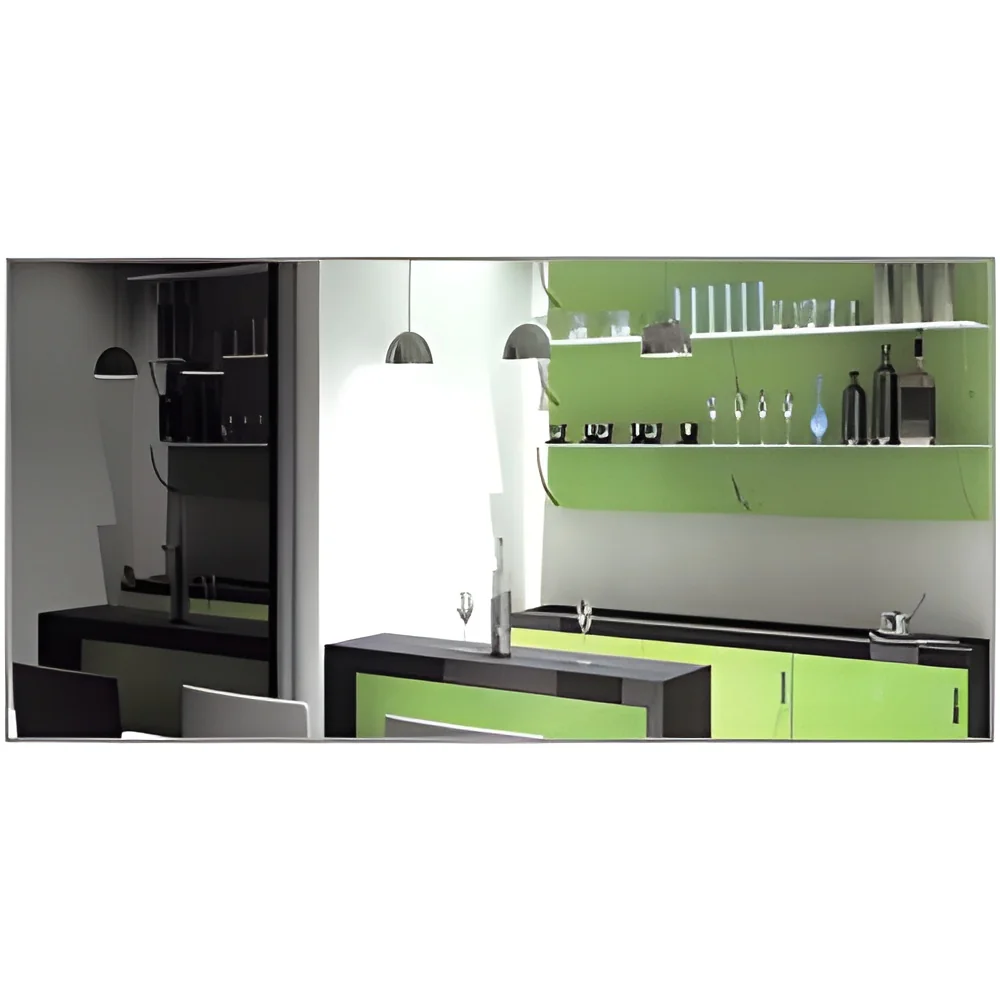
Interior design services encompass a range of professional activities aimed at enhancing the functionality and aesthetics of interior spaces. These services involve the planning, design, and execution of various elements within a space, including layout, furnishings, fixtures, colors, and materials. Interior designers work closely with clients to understand their needs and preferences, ensuring that the final design reflects the client's vision while adhering to practical requirements.
The primary applications of interior design services are found in various business sectors, including commercial, residential, and hospitality industries. Businesses rely on these services to create environments that are not only visually appealing but also conducive to productivity and customer engagement. As the demand for aesthetically pleasing and functional spaces grows, the interior design industry continues to expand, adapting to trends and technological advancements that influence how spaces are utilized.
In the current market context, the relevance of interior design services is underscored by a growing emphasis on branding and customer experience. Companies recognize that their physical environments play a crucial role in shaping perceptions and influencing behavior. As a result, investing in professional interior design services has become a strategic move for businesses aiming to optimize their spaces and enhance overall brand image.
𝗞𝗲𝘆 𝗙𝗲𝗮𝘁𝘂𝗿𝗲𝘀 𝗮𝗻𝗱 𝗦𝗽𝗲𝗰𝗶𝗳𝗶𝗰𝗮𝘁𝗶𝗼𝗻𝘀
Interior design services offer several key features that contribute to their effectiveness in transforming spaces. These features allow businesses to create tailored environments that meet specific needs and preferences.
Key specifications include:
1. Concept Development
- Comprehensive analysis of client needs and preferences
- Creation of design concepts that align with brand identity
2. Space Planning
- Efficient layout design to optimize functionality
- Consideration of traffic flow, accessibility, and zoning
3. Material Selection
- Sourcing and recommending suitable materials and finishes
- Ensuring aesthetic appeal and durability
4. Lighting Design
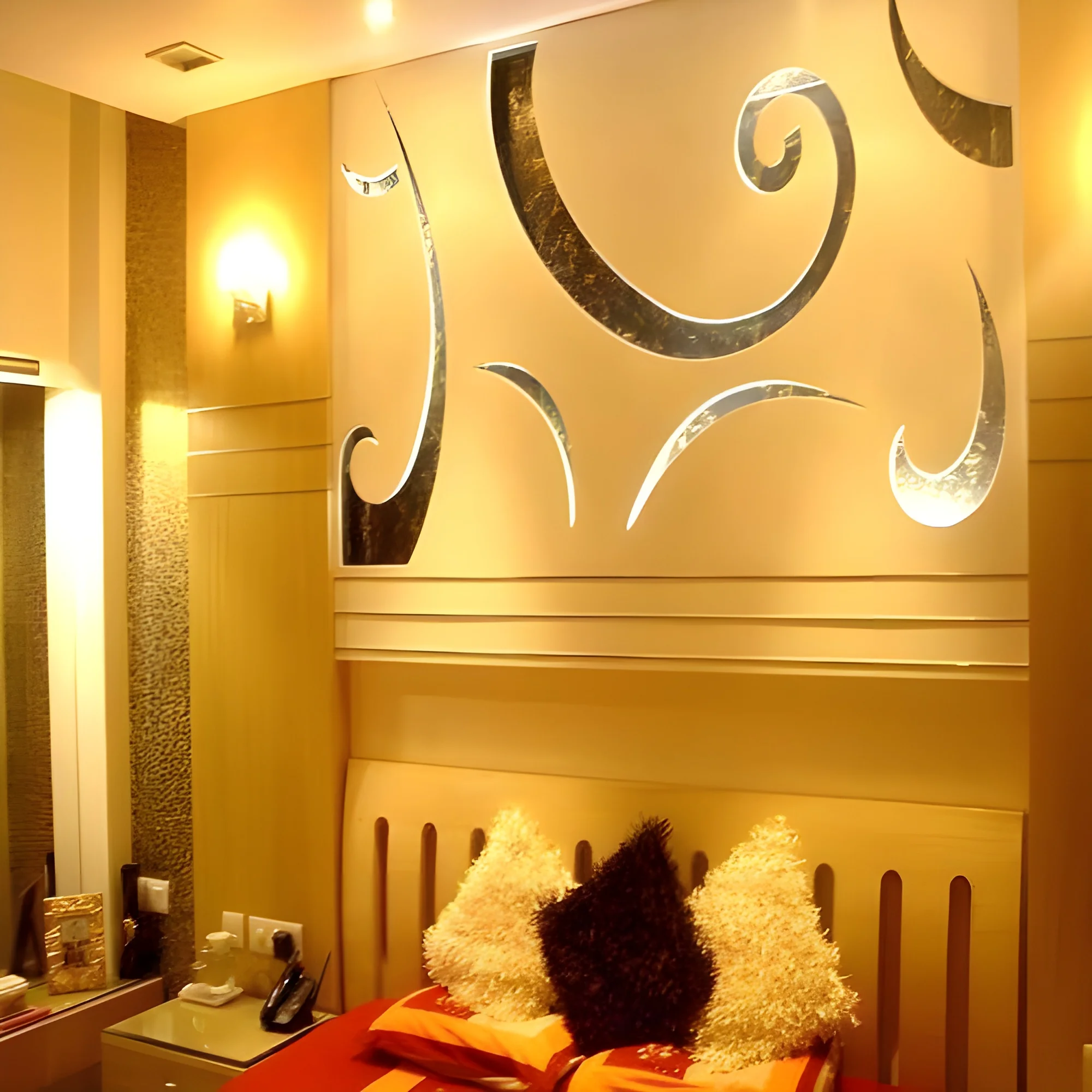
- Strategic placement of lighting fixtures to enhance ambiance
- Consideration of both natural and artificial lighting sources
5. Color Consultation
- Expert advice on color schemes that reflect brand values
- Understanding of color psychology in design
6. Project Management
- Oversight of design implementation and contractor coordination
- Ensuring adherence to timelines and budgets
7. Compliance with Regulations
- Awareness of local building codes and safety regulations
- Ensuring designs meet accessibility standards
8. Sustainability Considerations
- Incorporating eco-friendly materials and practices
- Focus on energy efficiency and sustainable design principles
Overall, these features collectively contribute to the successful execution of interior design projects, resulting in spaces that are both functional and visually appealing.
𝗖𝗼𝗺𝗺𝗼𝗻 𝗔𝗽𝗽𝗹𝗶𝗰𝗮𝘁𝗶𝗼𝗻𝘀 𝗮𝗻𝗱 𝗨𝘀𝗲 𝗖𝗮𝘀𝗲𝘀
Interior design services find applications across various industries, each with unique requirements and objectives.
1. Corporate Offices: Interior design enhances office spaces to promote productivity, collaboration, and employee well-being. Thoughtful layouts and color schemes can improve morale and inspire creativity.
2. Retail Stores: Retail environments benefit from strategic design that attracts customers and promotes product visibility. Designers create immersive experiences that align with brand identity.
3. Hospitality: Hotels and restaurants rely on interior design to create inviting and memorable experiences for guests. Aesthetic considerations are paired with functionality to enhance guest satisfaction.
4. Healthcare: Interior design in healthcare settings focuses on creating calming and efficient environments for patients and staff. Attention to layout and materials can significantly impact patient recovery.
5. Educational Institutions: Schools and universities utilize design services to create engaging learning environments. Designs can facilitate collaboration and accommodate diverse teaching methods.
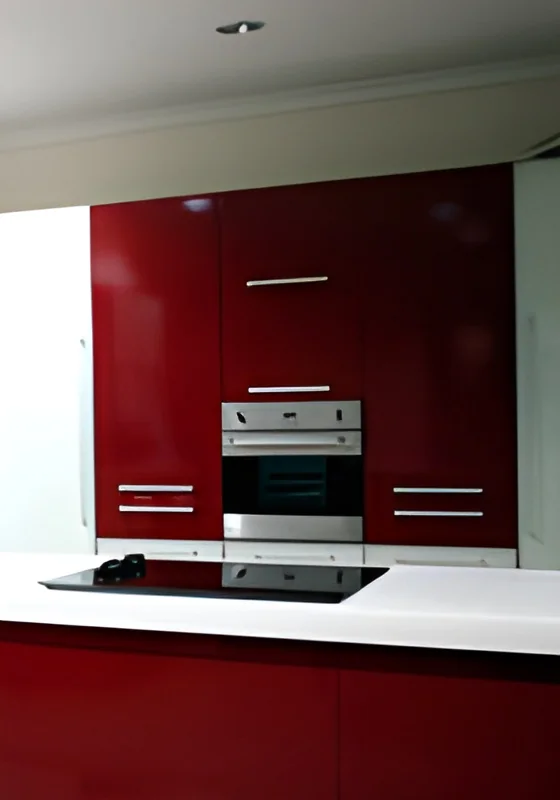
6. Residential Spaces: Homeowners seek interior design services to transform living spaces into personalized sanctuaries. Designers work to reflect individual tastes while ensuring comfort and functionality.
7. Showrooms: Businesses in various sectors use interior design to create compelling showrooms that showcase products effectively. Design elements can enhance the customer experience and drive sales.
𝗣𝗿𝗼𝗱𝘂𝗰𝘁 𝗩𝗮𝗿𝗶𝗮𝗻𝘁𝘀 𝗮𝗻𝗱 𝗦𝘂𝗯𝗰𝗮𝘁𝗲𝗴𝗼𝗿𝗶𝗲𝘀
Interior design services can vary widely depending on the specific needs of the client and the type of project. Though specific subcategories are not available, several common variants exist within the field.
Residential Design
This variant focuses on creating functional and aesthetically pleasing environments for homes. Designers consider the lifestyle and preferences of homeowners to craft personalized spaces.
Commercial Design
Commercial design services cater to businesses, focusing on creating spaces that enhance productivity and reflect brand identity. This includes offices, retail spaces, and showrooms.
Hospitality Design
Hospitality design is tailored for hotels, restaurants, and recreational facilities. Designers aim to create unique experiences that attract and retain guests while ensuring operational efficiency.
𝗕𝗲𝗻𝗲𝗳𝗶𝘁𝘀 𝗮𝗻𝗱 𝗔𝗱𝘃𝗮𝗻𝘁𝗮𝗴𝗲𝘀
Investing in interior design services offers numerous benefits that can significantly impact a business's success and environment.
Key benefits include:
1. Enhanced Aesthetic Appeal: Professional design creates visually appealing spaces that leave a lasting impression on clients and customers.
2. Improved Functionality: Interior designers optimize layouts and workflows, leading to increased efficiency and productivity for businesses.
3. Increased Property Value: Well-designed spaces can enhance the overall value of a property, making it more attractive to potential buyers or tenants.
4. Brand Alignment: Interior design helps convey a brand's identity and values, reinforcing messaging through visual elements and themes.
5. Greater Employee Satisfaction: Thoughtfully designed workspaces contribute to employee well-being and job satisfaction, reducing turnover rates.
6. Compliance with Regulations: Experienced designers ensure that spaces meet safety and accessibility standards, reducing legal risks.
𝗕𝘂𝘆𝗶𝗻𝗴 𝗚𝘂𝗶𝗱𝗲 𝗳𝗼𝗿 𝗕𝟮𝗕 𝗕𝘂𝘆𝗲𝗿𝘀
When sourcing interior design services, B2B buyers should consider several important factors to ensure they find the right fit for their needs.
1. Quality Assessment: Evaluate the quality of past projects and client testimonials. Look for designers with a portfolio that aligns with your vision and standards.
2. Supplier Verification: Research potential suppliers thoroughly. Check references and verify their credentials to ensure they have the necessary expertise and experience.
3. Pricing and MOQ: Understand pricing structures and minimum order quantities. Get quotes from multiple providers to compare costs and services offered.
4. Delivery and Lead Times: Inquire about project timelines and the ability to meet deadlines. Clear communication about lead times is essential for project planning.
5. Compliance Requirements: Ensure that the designer is familiar with local regulations and compliance standards relevant to your industry. This will help avoid potential issues during implementation.
𝗖𝗼𝗺𝗽𝗹𝗶𝗮𝗻𝗰𝗲 𝗮𝗻𝗱 𝗖𝗲𝗿𝘁𝗶𝗳𝗶𝗰𝗮𝘁𝗶𝗼𝗻𝘀
Compliance and certifications play a critical role in ensuring that interior design services meet industry standards. Relevant quality standards such as ISO 9001 help maintain consistent quality in service delivery. This standard focuses on effective quality management systems that enhance customer satisfaction.
Additionally, industry certifications such as CE indicate adherence to safety and performance standards in design practices. Designers must be aware of safety and testing requirements to ensure that all elements of the design are safe for use.
Regional compliance considerations are also essential. Different regions may have specific regulations regarding building codes, accessibility, and environmental impact. Compliance with these requirements is crucial for successful project execution and to avoid legal complications.
𝗪𝗵𝘆 𝗦𝗼𝘂𝗿𝗰𝗲 𝗜𝗻𝘁𝗲𝗿𝗶𝗼𝗿 𝗗𝗲𝘀𝗶𝗴𝗻 𝗦𝗲𝗿𝘃𝗶𝗰𝗲𝘀 𝗳𝗿𝗼𝗺 𝗣𝗲𝗽𝗮𝗴𝗼𝗿𝗮?
Pepagora offers a trusted platform for sourcing interior design services that come with several key advantages.
Verified Supplier Network: Pepagora connects buyers with a network of verified suppliers, ensuring that businesses can find qualified professionals for their design needs. This verification process adds a layer of trust and reliability.
Streamlined RFQ Process: The platform features a streamlined Request for Quotation (RFQ) process, allowing buyers to easily communicate their requirements and receive quotes from multiple suppliers. This simplifies the sourcing process and saves time.
Trade Assurance and Support: Pepagora provides trade assurance and buyer protection, giving businesses confidence in their transactions. The platform offers customer support to address any concerns during the sourcing process.
Regional Coverage: With a strong presence in India, the GCC, and Southeast Asia, Pepagora provides regional coverage that makes it easier for businesses to connect with local interior design service providers. This geographic reach ensures that buyers can find the right services tailored to their specific market needs.


Frequently Asked Questions
What are Interior Design Services?
Interior Design Services encompass a range of professional services aimed at enhancing the interior of a space to achieve a healthier and more aesthetically pleasing environment. These services include space planning, color consultation, furniture selection, and overall design coordination.
What are the different types of Interior Design Services?
Different types of Interior Design Services include residential design, commercial design, hospitality design, and specialized services such as sustainable design and ergonomic design. Each type caters to specific needs and environments, ensuring functionality and style.
How do I choose the right Interior Design Services?
To choose the right Interior Design Services, consider factors such as the designer's portfolio, experience, and specialization in your desired area. It’s also important to review client testimonials and assess their communication style to ensure a good fit for your project.
What are the standard specifications for Interior Design Services?
Standard specifications for Interior Design Services typically include detailed design plans, material choices, color palettes, and furniture layouts. These specifications help ensure that the design meets both aesthetic and functional requirements.
What is the price range for Interior Design Services?
The price range for Interior Design Services can vary widely based on the complexity of the project, the designer's expertise, and the location. Generally, costs can range from ₹500 to ₹2,500 per square foot, depending on the specific services requested.
What quality standards apply to Interior Design Services?
Quality standards for Interior Design Services include adherence to building codes, safety regulations, and sustainability practices. Designers often follow industry benchmarks and guidelines to ensure that their work meets client expectations and regulatory requirements.
Where can I find Interior Design Services suppliers in India?
You can find Interior Design Services suppliers in India through online B2B marketplaces like Pepagora.com, trade shows, and local directories. Networking within the industry and seeking recommendations can also help identify reputable service providers.
Can Interior Design Services be customized?
Yes, Interior Design Services can be tailored to meet individual client needs and preferences. Customization may include unique design concepts, personalized material selections, and adjustments based on specific spatial requirements.
What is the typical minimum order quantity for Interior Design Services?
The typical minimum order quantity (MOQ) for Interior Design Services varies based on the scope of the project and the service provider. It is advisable to consult directly with suppliers to understand their specific requirements and standards.
What is the typical lead time for Interior Design Services?
The typical lead time for Interior Design Services can range from a few weeks to several months, depending on the project's complexity and the designer's schedule. Early planning and clear communication with the service provider can help establish realistic timelines.
Why Businesses Trust Pepagora
Thousands of companies trust Pepagora to source smarter and sell faster
Expand Your Sales Globally

Source Smarter,Grow Faster
