What are Theme-Based Styling (Minimalist, Industrial, Boho, etc.)?
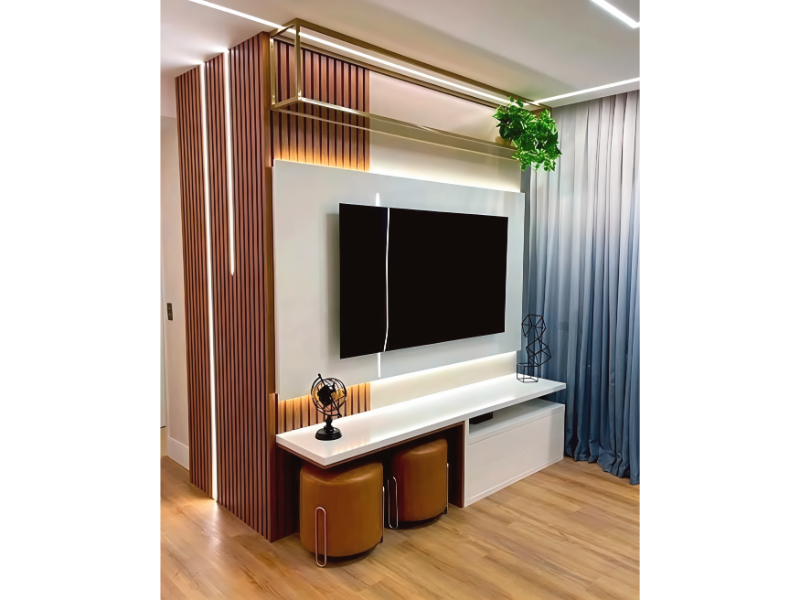
Theme-based styling refers to design approaches that utilize specific aesthetics to create functional and visually appealing environments. These themes can range from minimalist to industrial and bohemian styles, each offering distinct characteristics and emotional responses. Minimalist styling emphasizes simplicity and functionality, industrial styling incorporates raw materials and a rugged feel, while boho styling embraces eclectic and artistic elements. By applying these specific themes, businesses can create tailored spaces that resonate with their brand identity and customer preferences.
In a B2B context, theme-based styling is primarily used in sectors such as interior design, architecture, and hospitality. Businesses leverage these styles to enhance their physical environments, making them more attractive to clients and customers. For example, a cafรฉ might adopt an industrial theme with exposed brick and metal fixtures to appeal to a modern clientele. The relevance of theme-based styling in todayโs market is underscored by the growing trend toward customized, experience-driven environments that reflect current consumer values and aesthetics.
๐๐ฒ๐ ๐๐ฒ๐ฎ๐๐๐ฟ๐ฒ๐ ๐ฎ๐ป๐ฑ ๐ฆ๐ฝ๐ฒ๐ฐ๐ถ๐ณ๐ถ๐ฐ๐ฎ๐๐ถ๐ผ๐ป๐
Theme-based styling products are characterized by various key features that enhance their application and usability in different environments. These features are crucial for businesses looking to implement effective design solutions.
Key specifications include:
1. Aesthetic Diversity
- Offers a range of styles including minimalist, industrial, and boho.
- Tailored designs to suit varied customer preferences.
2. Material Quality
- Sourced from durable and sustainable materials.
- Ensures longevity and minimal maintenance.
3. Customization Options
- Availability of bespoke designs to meet specific client needs.
- Flexibility in color, size, and material selection.
4. Functionality
- Designed for practical use in both residential and commercial spaces.
- Enhances user experience through thoughtful layouts.
5. Compliance with Safety Standards
- Adheres to industry safety regulations.
- Certification such as CE ensures quality assurance.
6. Environmental Considerations
- Designed with sustainability in mind.
- Utilizes eco-friendly materials and practices.
In summary, theme-based styling products offer a blend of aesthetic appeal and functional practicality, making them ideal for various applications across different sectors.
๐๐ผ๐บ๐บ๐ผ๐ป ๐๐ฝ๐ฝ๐น๐ถ๐ฐ๐ฎ๐๐ถ๐ผ๐ป๐ ๐ฎ๐ป๐ฑ ๐จ๐๐ฒ ๐๐ฎ๐๐ฒ๐
Theme-based styling serves various industries, providing tailored design solutions that meet specific needs.
1. Hospitality: Hotels and restaurants utilize theme-based styling to create unique atmospheres that attract guests and enhance their experience.
2. Retail: Stores leverage specific themes to align the shopping environment with brand identity, encouraging customer engagement and loyalty.
3. Corporate Offices: Businesses adopt different styles to foster creativity and productivity among employees while reflecting company culture.
4. Residential Spaces: Homeowners use theme-based styling to personalize their living spaces, creating environments that reflect their tastes and lifestyles.
5. Event Planning: Event organizers employ theme-based styling to create memorable settings for weddings, corporate gatherings, and other special occasions.
๐ฃ๐ฟ๐ผ๐ฑ๐๐ฐ๐ ๐ฉ๐ฎ๐ฟ๐ถ๐ฎ๐ป๐๐ ๐ฎ๐ป๐ฑ ๐ฆ๐๐ฏ๐ฐ๐ฎ๐๐ฒ๐ด๐ผ๐ฟ๐ถ๐ฒ๐
Theme-based styling encompasses a diverse range of product variants that cater to different aesthetic preferences and functional needs.
Minimalist Design: This variant focuses on clean lines and uncluttered spaces, ideal for modern homes and offices. It emphasizes functionality while promoting a serene environment.
Industrial Style: Characterized by raw materials like metal and wood, this variant suits urban environments and is popular in commercial spaces such as restaurants and cafes.
Bohemian Aesthetic: This variant incorporates vibrant colors and eclectic patterns, making it perfect for creative spaces and artistic venues.
Modern Rustic: Merging contemporary elements with rustic charm, this style appeals to those seeking warmth and sophistication in both residential and commercial settings.
๐๐ฒ๐ป๐ฒ๐ณ๐ถ๐๐ ๐ฎ๐ป๐ฑ ๐๐ฑ๐๐ฎ๐ป๐๐ฎ๐ด๐ฒ๐
The adoption of theme-based styling offers numerous advantages to businesses and consumers alike.
1. Enhanced Customer Experience: Thoughtfully designed environments improve customer satisfaction and encourage repeat visits.
2. Brand Identity Reinforcement: A distinctive theme helps businesses communicate their brand values and personality effectively.
3. Increased Property Value: Well-styled spaces can enhance the overall value of commercial properties, attracting potential buyers or tenants.
4. Versatility: Theme-based styling can be adapted to various settings, making it suitable for diverse applications.
5. Improved Employee Morale: Aesthetic work environments can boost employee productivity and satisfaction.
6. Cost-Effective Solutions: Custom designs can be tailored to fit budgets while still achieving desired aesthetic outcomes.
๐๐๐๐ถ๐ป๐ด ๐๐๐ถ๐ฑ๐ฒ ๐ณ๐ผ๐ฟ ๐๐ฎ๐ ๐๐๐๐ฒ๐ฟ๐
When sourcing theme-based styling products, B2B buyers should consider several key factors to ensure they make informed purchasing decisions.
1. Quality Assessment: Evaluate the materials and craftsmanship of the products. Ensure they meet durability and aesthetic standards.
2. Supplier Verification: Conduct thorough checks on potential suppliers, including their reputation, reliability, and past projects to ensure quality.
3. Pricing and MOQ: Understand pricing structures and minimum order quantities to align with budget constraints and project requirements.
4. Delivery and Lead Times: Inquire about logistics and expected delivery timelines to ensure products arrive when needed for projects.
5. Compliance Requirements: Ensure products comply with relevant industry standards and regulations to avoid legal issues.
๐๐ผ๐บ๐ฝ๐น๐ถ๐ฎ๐ป๐ฐ๐ฒ ๐ฎ๐ป๐ฑ ๐๐ฒ๐ฟ๐๐ถ๐ณ๐ถ๐ฐ๐ฎ๐๐ถ๐ผ๐ป๐
Theme-based styling products must adhere to various quality standards and certifications to ensure safety and reliability.
Relevant quality standards include ISO 9001, which ensures effective quality management systems are in place. This certification demonstrates a commitment to consistent quality and customer satisfaction.
Industry certifications like CE indicate compliance with European health, safety, and environmental protection standards. This certification is crucial for products intended for the European market.
Safety and testing requirements are essential to ensure products are free from harmful substances and safe for use in commercial and residential settings.
Regional compliance considerations may vary, so it is important for businesses to stay informed about local regulations that apply to their specific markets.
Why Source Theme-Based Styling (Minimalist, Industrial, Boho, etc.) from Pepagora?
Pepagora provides a trusted platform for sourcing theme-based styling products, offering several key advantages that enhance the buying experience for businesses.
Verified Supplier Network: Pepagora ensures that all suppliers are thoroughly vetted, guaranteeing quality and reliability. This network allows buyers to source products with confidence.
Streamlined RFQ Process: The platform simplifies the request for quotation process, enabling businesses to receive competitive pricing and streamline their procurement process.
Trade Assurance and Support: Buyers benefit from trade assurance that protects their purchases, along with dedicated support to address any inquiries or issues that may arise.
Regional Coverage: With a strong presence in India, GCC, and Southeast Asia, Pepagora offers extensive regional coverage, allowing businesses to connect with suppliers in key markets.