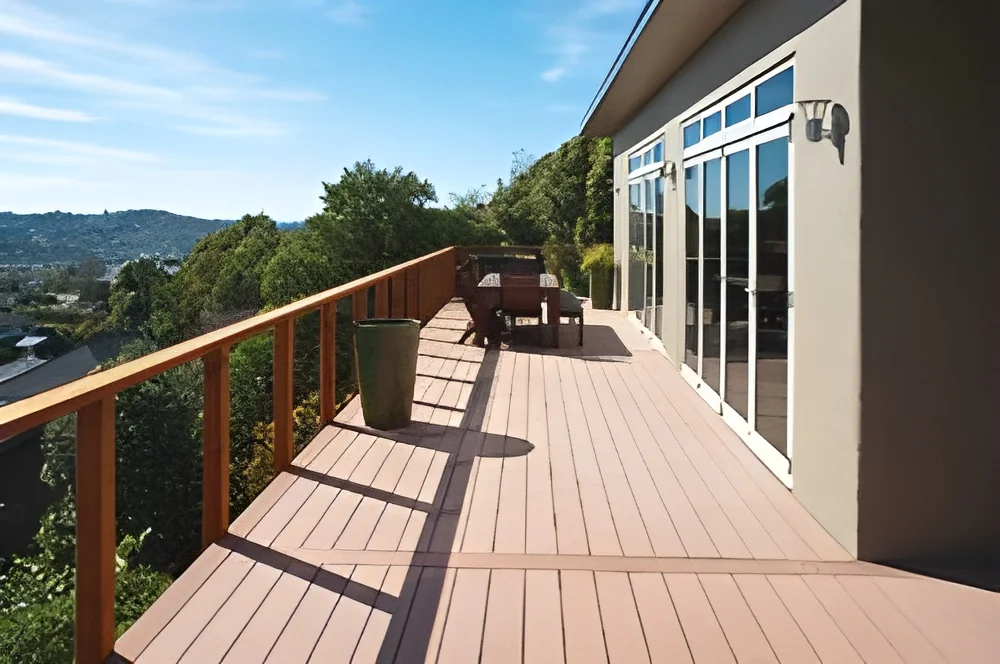
What are Sustainable & Eco-Friendly Interiors?
Sustainable and eco-friendly interiors refer to spaces designed with a focus on minimizing environmental impact while promoting health and well-being. This approach utilizes materials and practices that reduce carbon footprints and enhance energy efficiency. Key elements include the use of renewable resources, non-toxic finishes, and efficient energy systems. The goal is to create interiors that not only meet aesthetic and functional needs but also contribute positively to the environment.
These interiors find application across various sectors, including commercial, residential, and institutional settings. Businesses are increasingly adopting sustainable design practices to meet consumer demand for environmentally responsible choices. By incorporating eco-friendly materials and technologies, companies not only improve their brand image but also comply with evolving regulations focused on sustainability. The market for sustainable interiors is rapidly growing, driven by heightened awareness of environmental issues and the push for greener building practices.
Key Features and Specifications
Sustainable and eco-friendly interiors are characterized by several key features that ensure both functionality and environmental responsibility. These features align with modern design trends and regulatory standards, making them essential for businesses looking to enhance their spaces.
Key specifications include:
1. Material Selection
- Use of recycled or sustainably sourced materials
- Low VOC (Volatile Organic Compounds) options to improve indoor air quality
2. Energy Efficiency
- Incorporation of energy-efficient lighting and appliances
- Use of natural light through strategic design elements
3. Water Conservation
- Installation of low-flow fixtures to reduce water usage
- Greywater recycling systems for irrigation
4. Indoor Air Quality
- Use of air-purifying plants and non-toxic finishes
- Advanced ventilation systems to promote air circulation
5. Waste Management
- Strategies for reducing construction waste
- Use of modular designs to allow for future adaptability
6. Certifications
- Compliance with industry standards such as CE certification
- Adherence to local sustainability guidelines and regulations
7. Biophilic Design
- Incorporation of natural elements to enhance mental well-being
- Use of organic shapes and materials that connect to nature
8. Smart Technology Integration
- Implementation of smart systems for energy management
- Use of sensors for lighting and climate control
These specifications not only enhance the aesthetic appeal of interiors but also contribute to long-term sustainability goals.
Common Applications and Use Cases
Sustainable and eco-friendly interiors are versatile and applicable in various industries. Their design principles can be adapted to meet the specific needs of different sectors.
1. Commercial Spaces: Offices and retail spaces benefit from sustainable design through improved employee productivity and customer satisfaction. Eco-friendly materials and layouts can enhance brand image and attract eco-conscious consumers.
2. Residential Design: Homeowners are increasingly investing in sustainable interiors to create healthier living environments. Features like energy-efficient appliances and sustainable materials appeal to environmentally aware buyers.
3. Educational Institutions: Schools and universities adopt eco-friendly designs to promote sustainability education. Classrooms with natural lighting and air-purifying plants enhance learning experiences.
4. Hospitality Industry: Hotels and restaurants leverage sustainable interiors to differentiate themselves in a competitive market. Eco-conscious design attracts guests and improves operational efficiency.
5. Healthcare Facilities: Sustainable interiors in healthcare settings contribute to better patient outcomes. Improved air quality and natural light can accelerate recovery and enhance overall well-being.
6. Retail Environments: Sustainable design in retail can influence consumer purchasing decisions. Stores showcasing eco-friendly interiors may attract a loyal customer base focused on sustainability.
7. Government Buildings: Public sector projects increasingly prioritize sustainability to set an example for communities. Eco-friendly interiors can reduce operational costs and enhance public trust.
Product Variants and Subcategories
Sustainable and eco-friendly interiors come in a range of designs and styles to suit different preferences and needs. This diversity allows businesses to choose options that align with their brand values and operational goals.
Eco-Friendly Flooring Options
These flooring materials are made from sustainable resources, such as bamboo or reclaimed wood. They provide durability and aesthetic appeal while minimizing environmental impact.
Sustainable Wall Finishes
Wall finishes made from recycled materials or low-VOC paints contribute to indoor air quality and environmental responsibility. These finishes can be customized to fit various design aesthetics.
Energy-Efficient Lighting Solutions
Lighting options that utilize LED technology or natural light sources help reduce energy consumption. These solutions add to the overall sustainability of the interior space.
Green Furniture
Furniture crafted from sustainable materials, such as reclaimed wood or recycled plastics, offers an eco-friendly alternative. These pieces can be both stylish and functional, enhancing the overall interior design.
Benefits and Advantages
Investing in sustainable and eco-friendly interiors provides numerous benefits for businesses and their stakeholders. These advantages contribute to improved operations and a positive brand image.
1. Cost Savings: Sustainable design often results in reduced energy and water bills, leading to significant long-term savings for businesses.
2. Enhanced Brand Image: Companies that prioritize sustainability are viewed favorably by consumers, which can lead to increased customer loyalty and market share.
3. Improved Employee Well-Being: Eco-friendly interiors enhance indoor air quality and natural lighting, contributing to higher employee satisfaction and productivity.
4. Regulatory Compliance: Adopting sustainable practices helps businesses meet local and international standards, reducing the risk of penalties and enhancing credibility.
5. Increased Property Value: Properties designed with sustainability in mind often have higher resale values and attract environmentally conscious buyers.
6. Positive Environmental Impact: By choosing sustainable materials and practices, businesses contribute to a healthier planet, addressing climate change and conserving resources.
Buying Guide for B2B Buyers
When sourcing sustainable and eco-friendly interiors, B2B buyers should take several important factors into account. These considerations ensure a successful procurement process and alignment with sustainability goals.
1. Quality Assessment: Evaluate materials and finishes for durability, sustainability, and performance. Look for products that meet recognized quality standards to ensure longevity and effectiveness.
2. Supplier Verification: Conduct thorough research on potential suppliers. Verify their commitment to sustainability and check for certifications or industry recognition.
3. Pricing and MOQ: Understand the pricing structure and minimum order quantities (MOQ) for sustainable products. Balance cost with quality and sustainability to achieve the best value.
4. Delivery and Lead Times: Discuss logistics and delivery timelines with suppliers to ensure timely project completion. Consider lead times in your planning to avoid delays.
5. Compliance Requirements: Familiarize yourself with local regulations and compliance standards related to sustainability. Ensure that products sourced meet these requirements to avoid potential issues.
Compliance and Certifications
Sustainable and eco-friendly interiors must adhere to various compliance standards and certifications to ensure quality and safety. Key certifications include CE marking, which indicates conformity with health, safety, and environmental protection standards.
Quality standards such as ISO 9001 ensure effective quality management systems are in place. These standards promote consistent product quality and reliability. Additionally, adherence to HACCP (Hazard Analysis Critical Control Point) guidelines is essential in industries where safety is paramount.
Testing requirements may vary based on the materials and applications. It is crucial to ensure that products meet all relevant safety and performance standards. Regional compliance considerations must also be taken into account, as regulations can differ significantly from one area to another.
Why Source Sustainable & Eco-Friendly Interiors from Pepagora?
Pepagora stands out as a trusted platform for sourcing sustainable and eco-friendly interiors, providing several key advantages for B2B buyers.
Verified Supplier Network: Pepagora connects buyers with a network of verified suppliers committed to sustainability. This ensures that businesses can source high-quality products with confidence.
Streamlined RFQ Process: The platform offers an efficient Request for Quotation (RFQ) system that simplifies the procurement process. Buyers can easily compare options and select suppliers that meet their needs.
Trade Assurance and Support: Pepagora prioritizes buyer protection through trade assurance. This includes support throughout the purchasing process, ensuring satisfaction and addressing any concerns.
Regional Coverage: With a strong presence in India, the GCC, and Southeast Asia, Pepagora provides extensive geographic coverage. This allows businesses to connect with local suppliers and access sustainable products tailored to their market needs.

 IN
IN