Key Features and Specifications
Restaurant and café interiors are characterized by several key features that ensure functionality, comfort, and style. These specifications can help businesses choose the right elements for their space.
Key specifications include:
1. Aesthetic Design
- Tailored to the theme and brand identity of the restaurant or café
- Incorporates color schemes, materials, and layout that promote a certain atmosphere
2. Durability
- Materials used must withstand heavy foot traffic and everyday use
- Quality furnishings that can endure wear and tear over time
3. Comfort
- Seating must be designed for extended use, with ergonomic considerations
- Layout should allow for easy movement while providing intimate dining experiences
4. Safety Standards
- Compliance with fire safety regulations and building codes
- Non-toxic materials that are safe for food service environments
5. Acoustic Control
- Design elements that minimize noise levels and enhance conversation
- Use of sound-absorbing materials to create a pleasant dining atmosphere
6. Lighting
- Varied lighting options to create ambiance and highlight specific areas
- Energy-efficient solutions that reduce operational costs
7. Flexibility
- Modular furniture that can be easily rearranged for different occasions
- Adaptable spaces for various events and crowd sizes
8. Accessibility
- Compliance with ADA standards for accessibility
- Considerations for wheelchair users and individuals with disabilities
In summary, these features and specifications are crucial for creating effective restaurant and café interiors that meet both operational needs and customer expectations.
Common Applications and Use Cases
Restaurant and café interiors are utilized across various sectors, catering to specific needs and preferences.
1. Fine Dining: High-end establishments often focus on luxurious materials and sophisticated designs that enhance the overall dining experience.
2. Casual Dining: These spaces prioritize comfort and functionality, using versatile furniture layouts that accommodate families and groups.
3. Cafés and Coffee Shops: Interiors in this category often emphasize a cozy atmosphere, encouraging patrons to linger while enjoying their beverages and snacks.
4. Fast Casual: These venues combine quick service with quality food, necessitating efficient layouts that facilitate high turnover without sacrificing comfort.
5. Food Trucks and Pop-Ups: Mobile dining experiences require adaptable interior designs that maximize limited space while ensuring an appealing environment.
6. Bars and Lounges: Interiors in these settings focus on creating a vibrant atmosphere where social interaction is encouraged, often featuring dynamic lighting and seating arrangements.
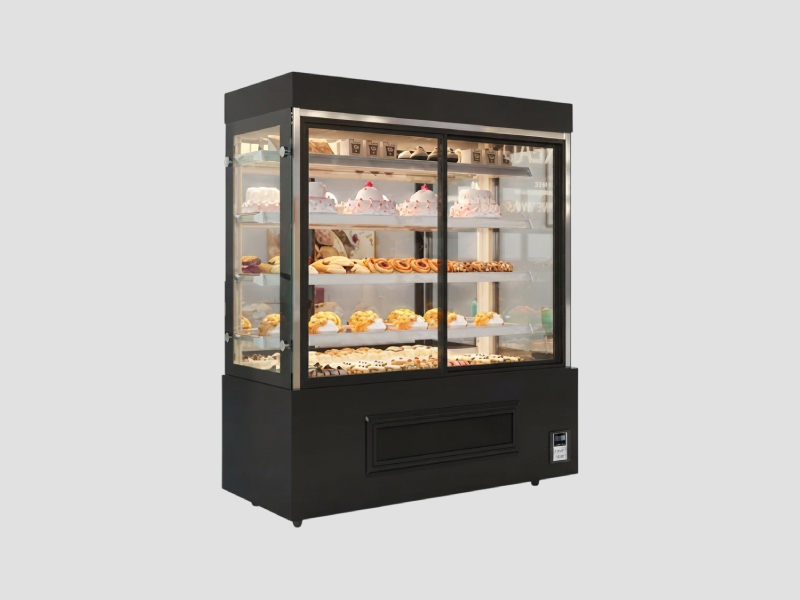
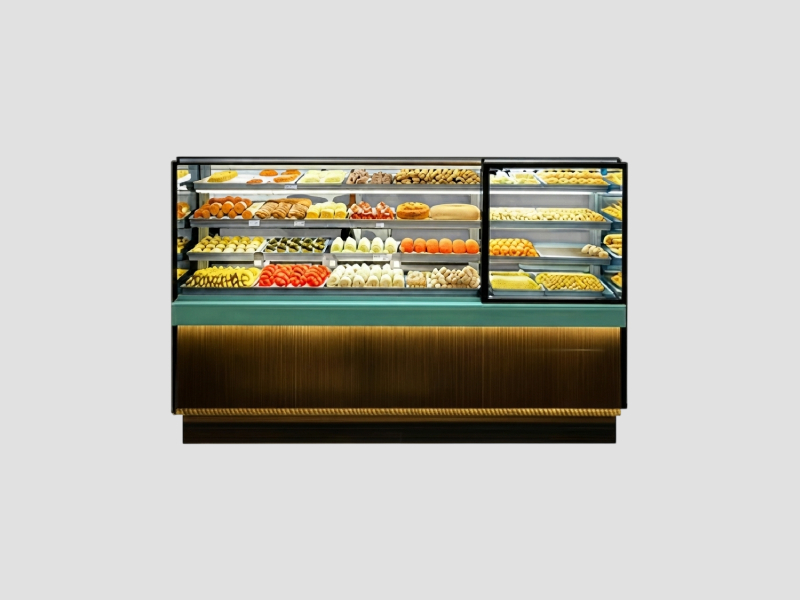
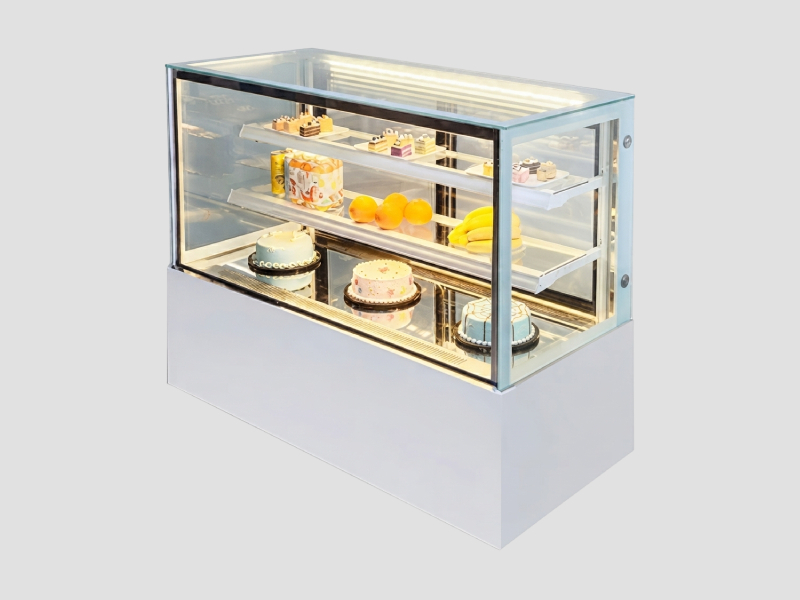
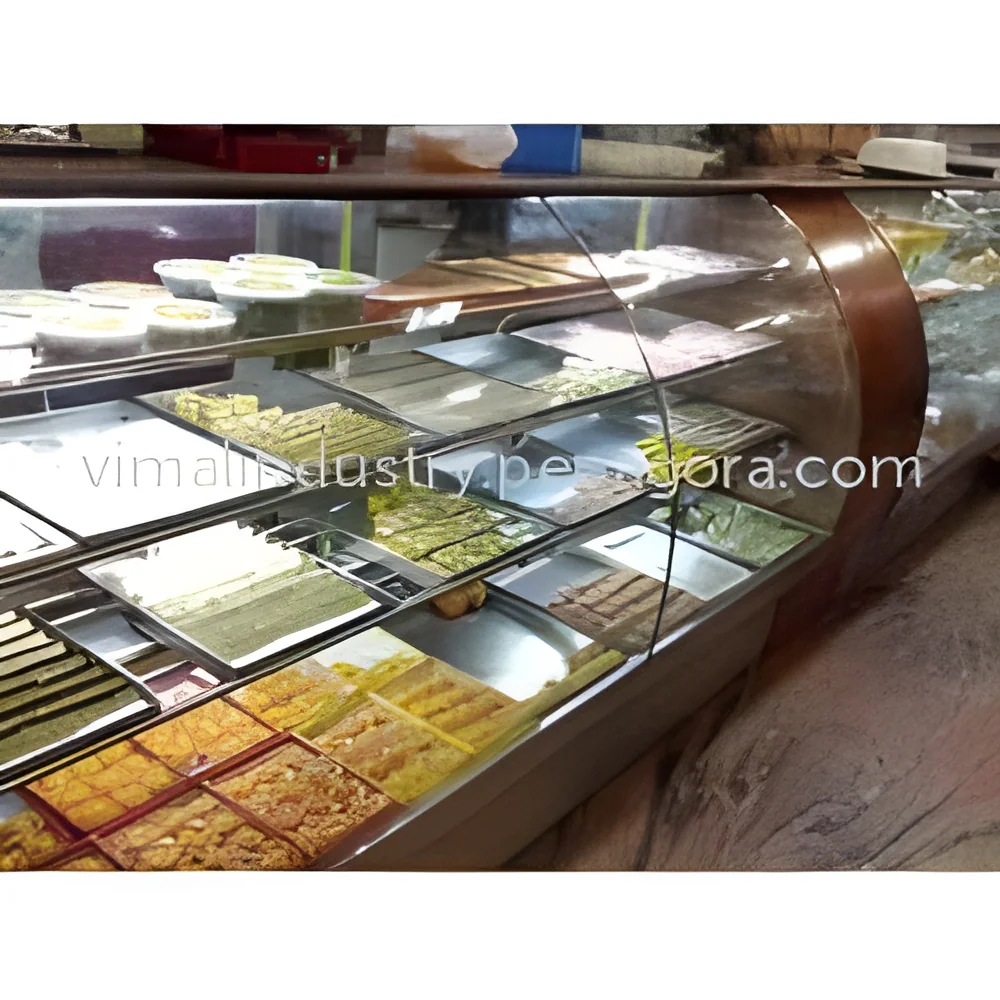
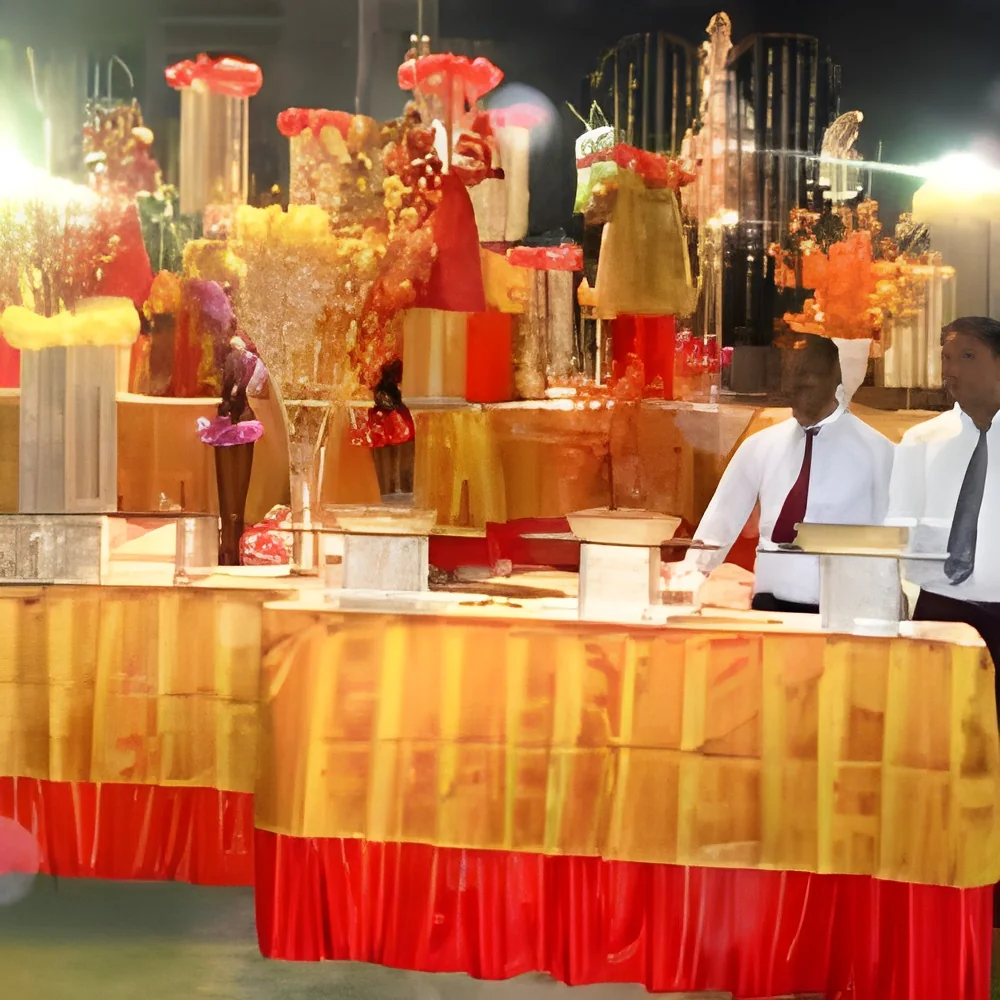
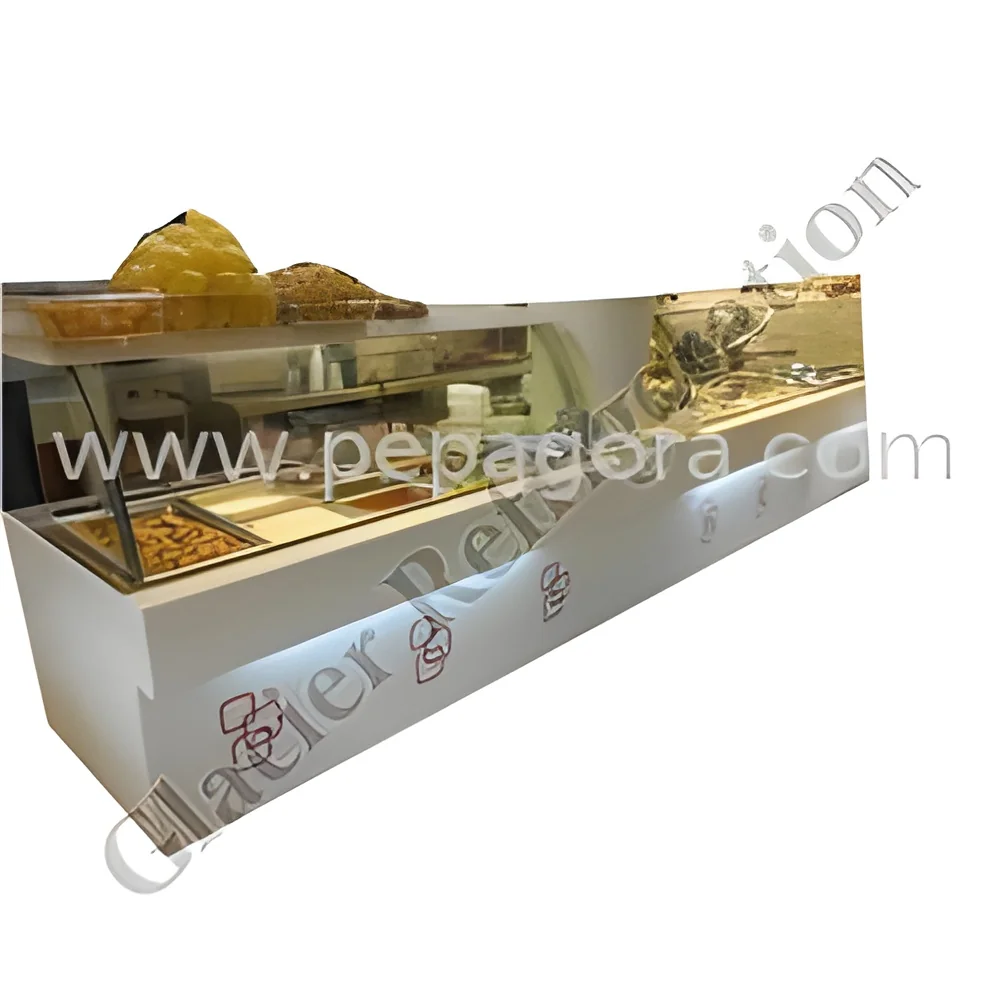
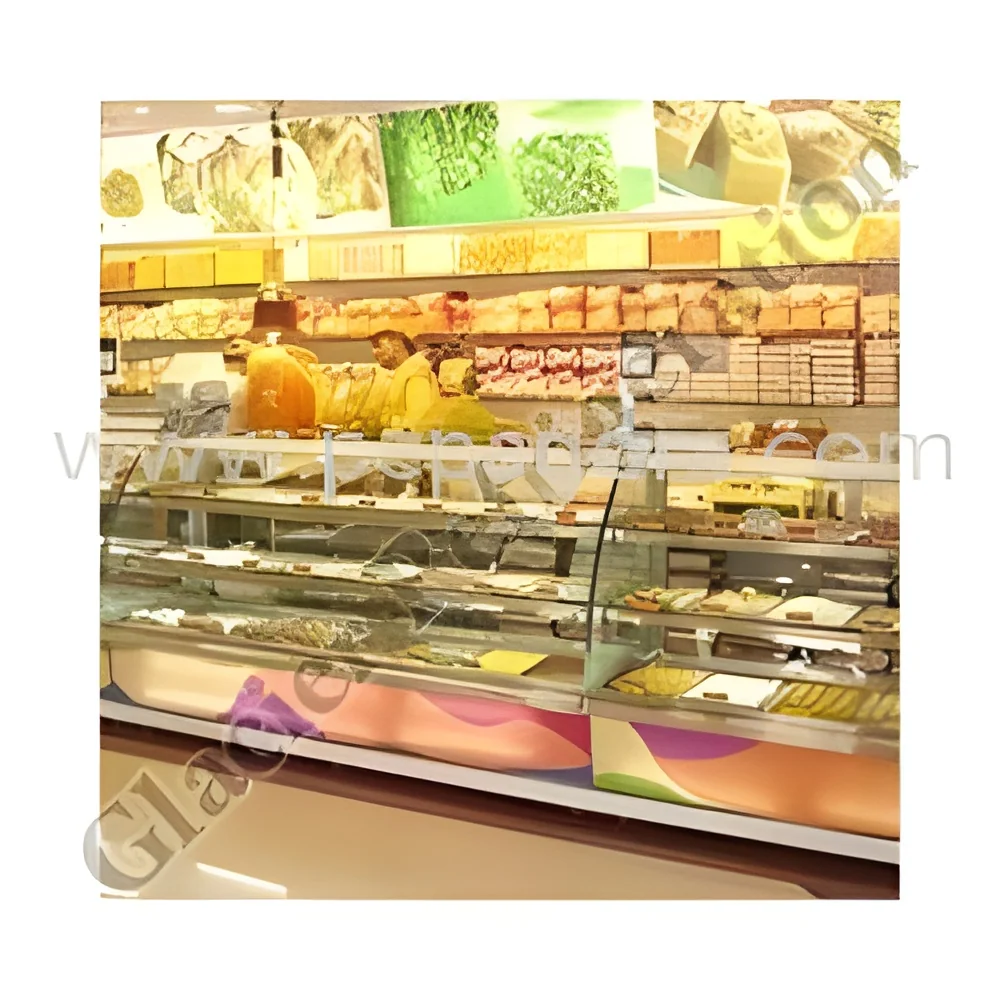
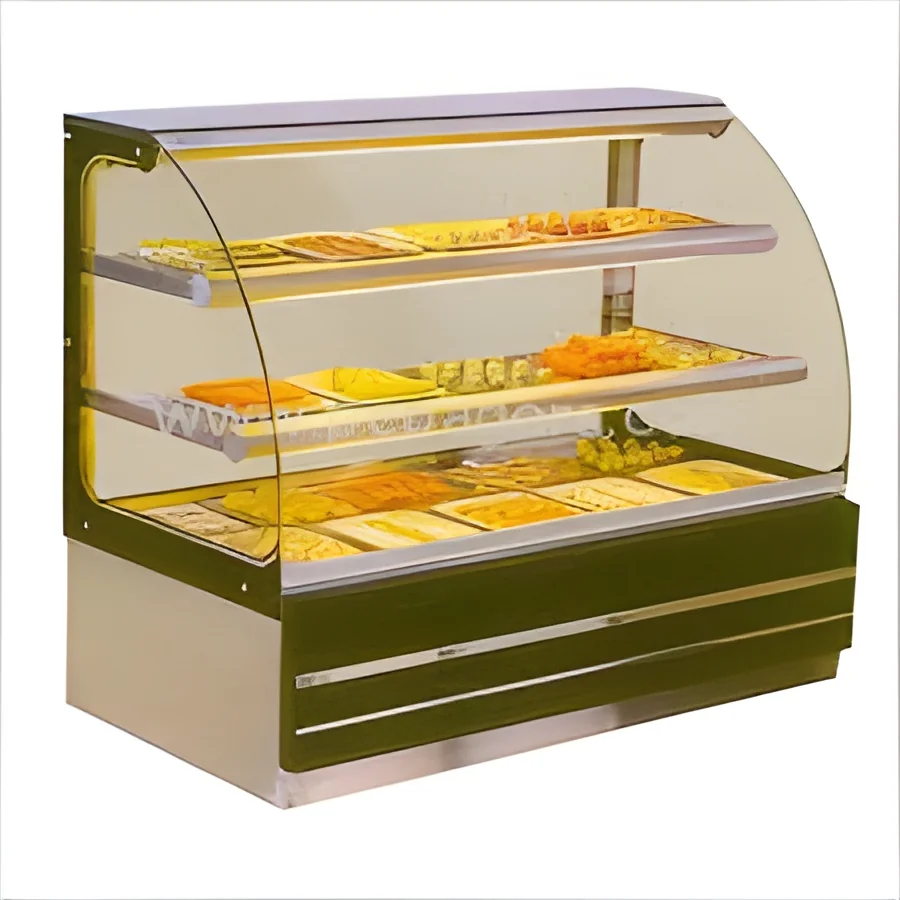
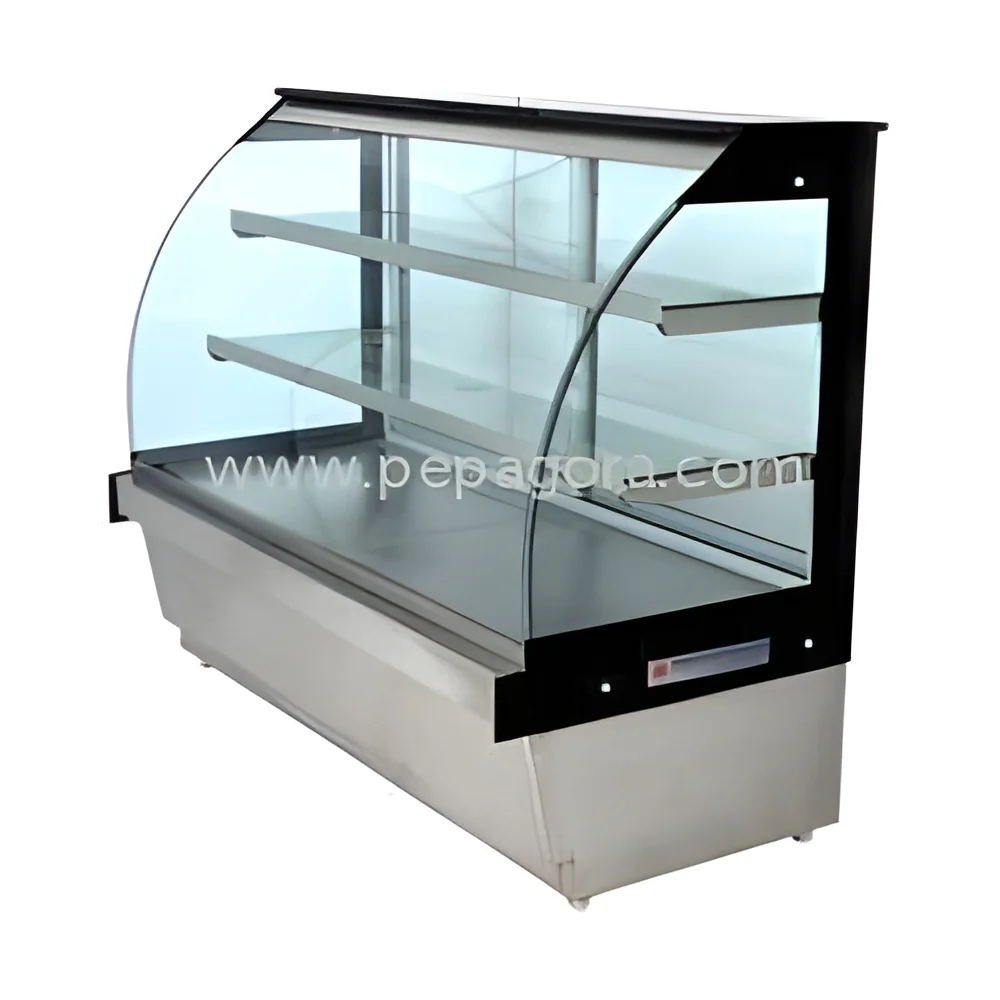
7. Bakeries: These spaces often incorporate open designs that showcase baked goods, enticing customers and creating an inviting atmosphere.
Product Variants and Subcategories
Restaurant and café interiors encompass a diverse range of products to suit various business needs and styles.
Seating Solutions
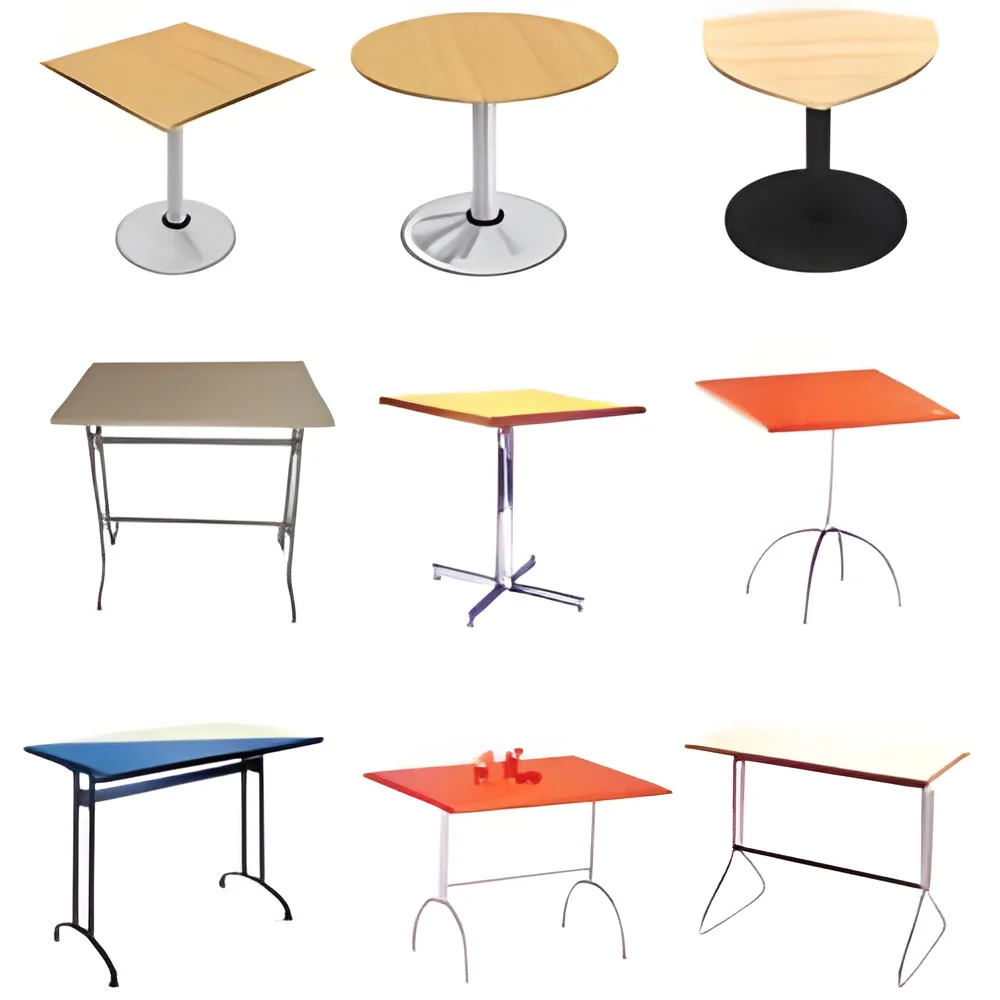
These include chairs, booths, and communal tables designed for comfort and style. Available in various materials and designs, they can be customized to reflect the brand's identity.
Lighting Fixtures
From pendant lights to wall sconces, lighting plays a crucial role in setting the mood. Various styles and energy-efficient options are available to enhance ambiance while reducing operational costs.
Flooring Options
Durable and aesthetically pleasing flooring materials are essential for high-traffic areas. Options include hardwood, laminate, tile, and carpet, each providing unique benefits and styles.
Wall Treatments
Paint, wallpaper, and paneling can dramatically impact the overall look. Businesses can choose from a variety of textures and colors that align with their brand theme.
Decorative Elements
Art, plants, and other decorative items can personalize a space. Choosing the right elements can enhance the dining experience and create a memorable atmosphere.
Benefits and Advantages
Investing in well-designed restaurant and café interiors offers several benefits for business owners.
1. Enhanced Customer Experience: A thoughtfully designed space can elevate the dining experience, encouraging longer visits and repeat customers.
2. Brand Identity: Custom interiors play a critical role in establishing and reinforcing brand identity, helping businesses stand out in a competitive market.
3. Increased Revenue: Attractive interiors can boost customer satisfaction, leading to higher sales and profitability over time.
4. Operational Efficiency: Well-planned layouts facilitate smoother service and operations, improving staff efficiency and reducing wait times.
5. Employee Satisfaction: Comfortable working conditions enhance staff morale and productivity, contributing to better service quality.
6. Compliance and Safety: Properly designed interiors ensure compliance with health and safety regulations, minimizing liability risks for business owners.
Buying Guide for B2B Buyers
When sourcing restaurant and café interiors, various factors should be considered to make informed purchasing decisions.
1. Quality Assessment: It is essential to evaluate the quality of materials and craftsmanship. Look for products that meet industry standards and offer durability.
2. Supplier Verification: Vet suppliers thoroughly to ensure they have a reliable track record and can provide quality products consistently.
3. Pricing and MOQ: Understand the pricing structures and minimum order quantities (MOQ) to align with budget constraints and inventory needs.
4. Delivery and Lead Times: Consider the logistics of delivery and the time required for installation, especially if there are tight project deadlines.
5. Compliance Requirements: Be aware of any regulatory compliance needed for materials and designs, ensuring all elements meet local safety and health standards.
Compliance and Certifications
Compliance and certifications are critical in ensuring that restaurant and café interiors meet industry standards and regulations.
Relevant quality standards, such as ISO 9001, ensure consistent quality management systems are in place for suppliers. This certification indicates that manufacturers adhere to global quality benchmarks.
Industry certifications like CE signify compliance with European health, safety, and environmental protection standards. This is particularly important for businesses operating in or exporting to European markets.
Safety and testing requirements often include fire resistance, load-bearing capacities, and non-toxic materials. Meeting these regulations is essential for protecting both customers and employees.
Additionally, regional compliance considerations may vary based on local laws and regulations. It is crucial for businesses to stay informed about these requirements to avoid potential legal issues.
Why Source Restaurant & Café Interiors from Pepagora?
Pepagora provides a trusted platform for sourcing restaurant and café interiors, offering several key advantages that benefit B2B buyers.
Verified Supplier Network: Pepagora connects buyers with a network of verified suppliers, ensuring that products meet quality and safety standards. This reduces the risk of sourcing from unreliable vendors.
Streamlined RFQ Process: The platform simplifies the request for quotation (RFQ) process, allowing buyers to easily obtain and compare quotes from multiple suppliers, saving time and effort.
Trade Assurance and Support: Pepagora offers buyer protection through trade assurance, ensuring that transactions are secure and providing support in case of disputes.
Regional Coverage: With a strong presence in India, the GCC, and Southeast Asia, Pepagora can cater to a diverse range of businesses and help buyers find the right products for their specific market needs.

 IN
IN