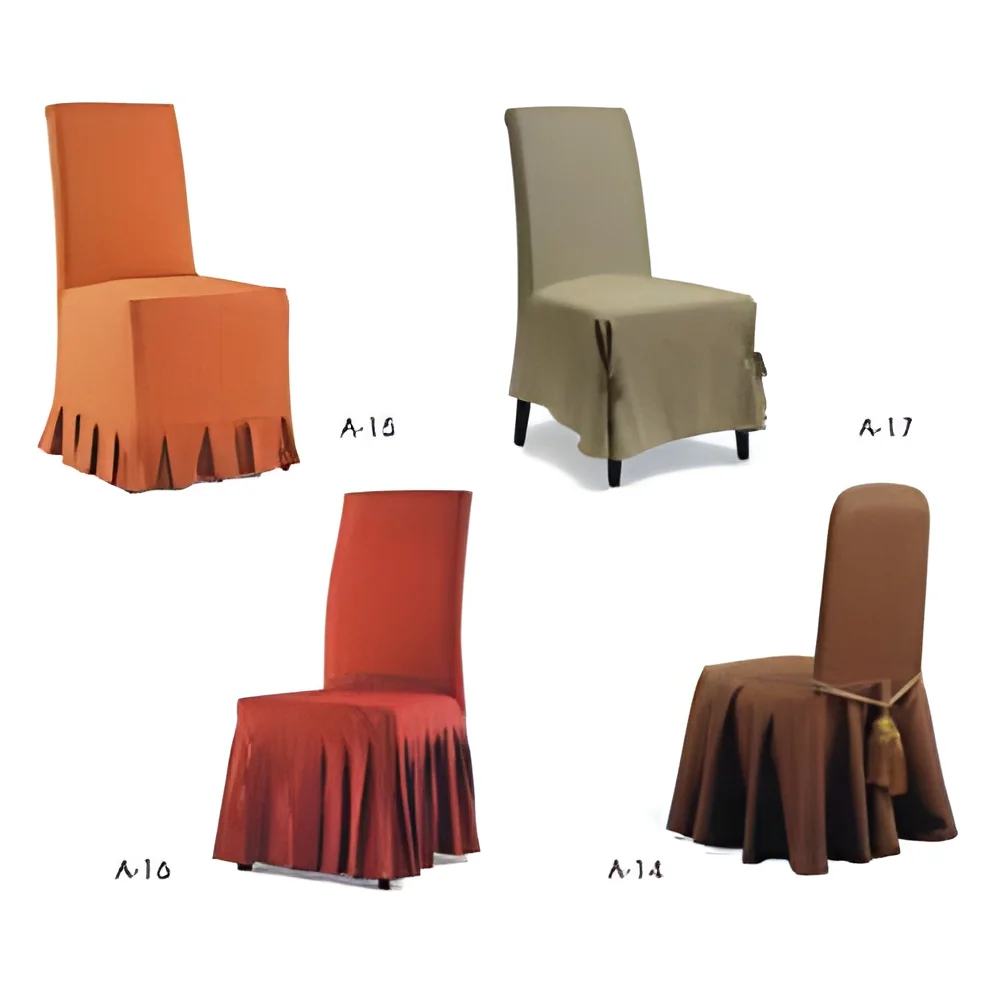
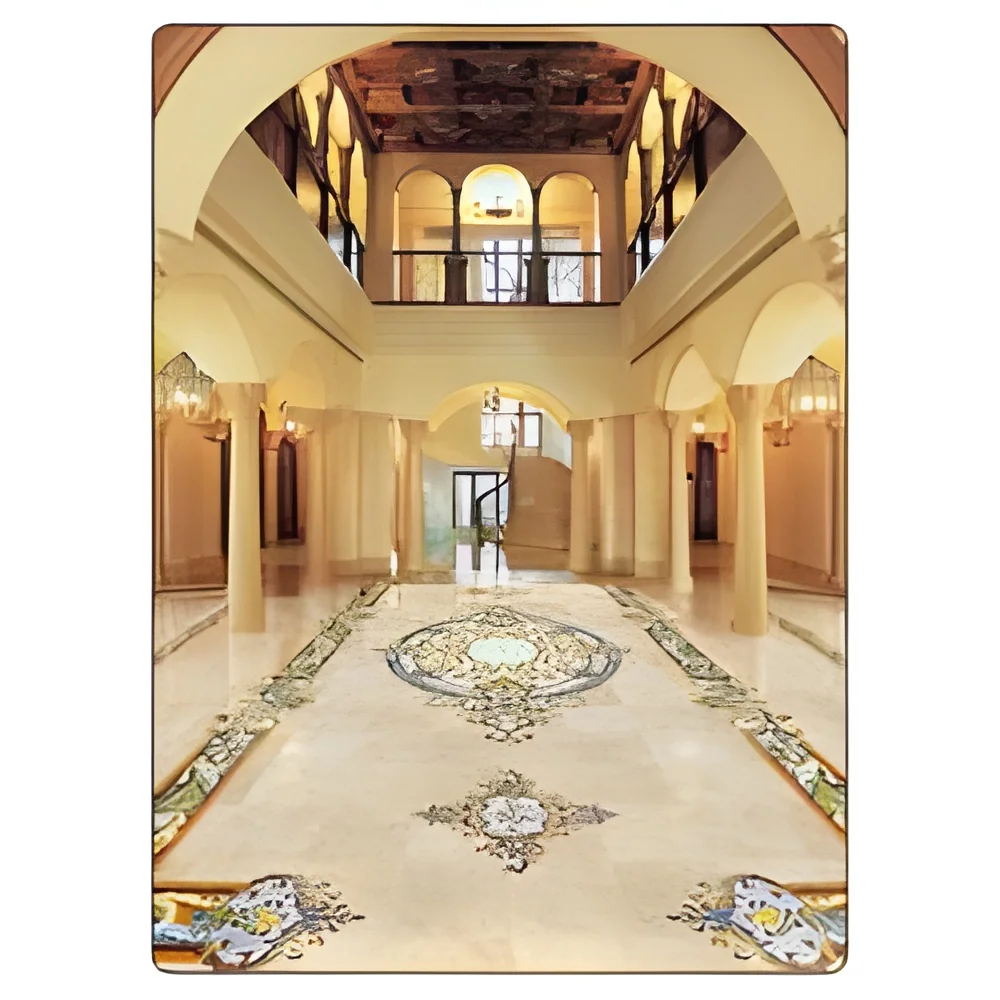
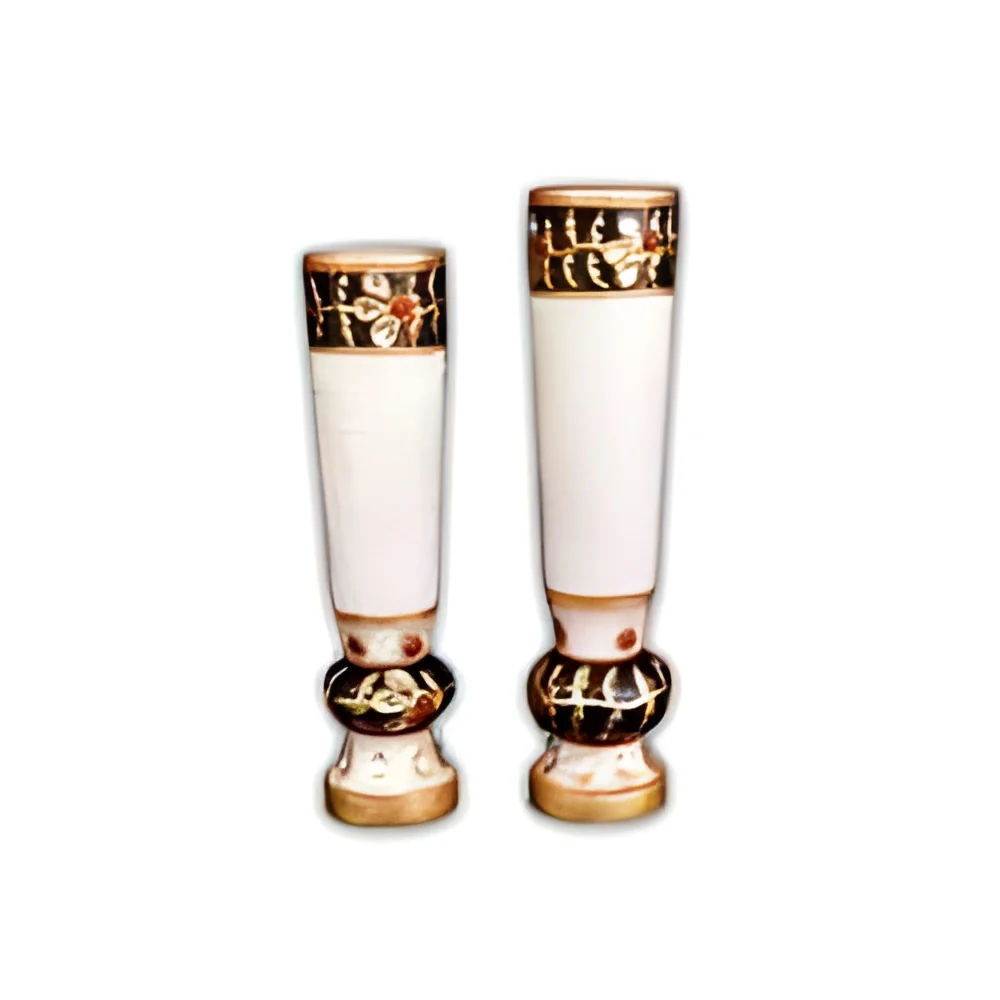
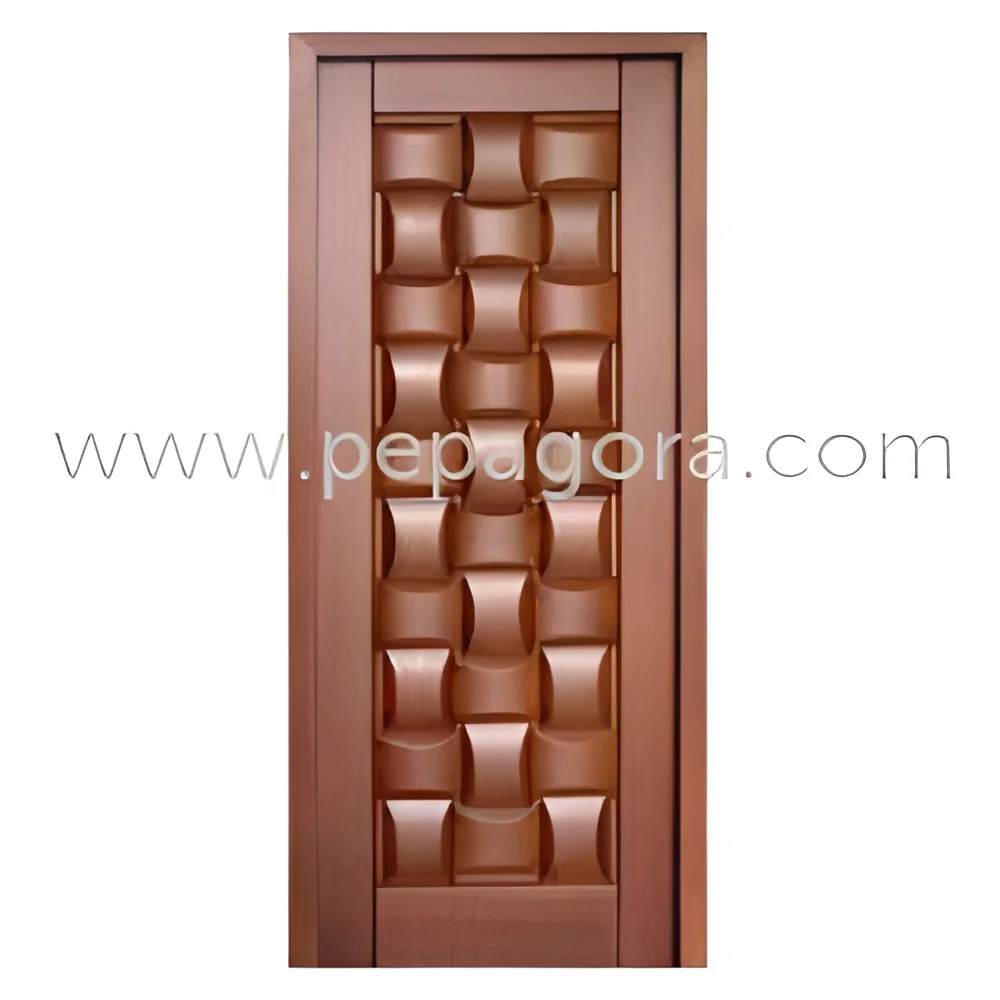
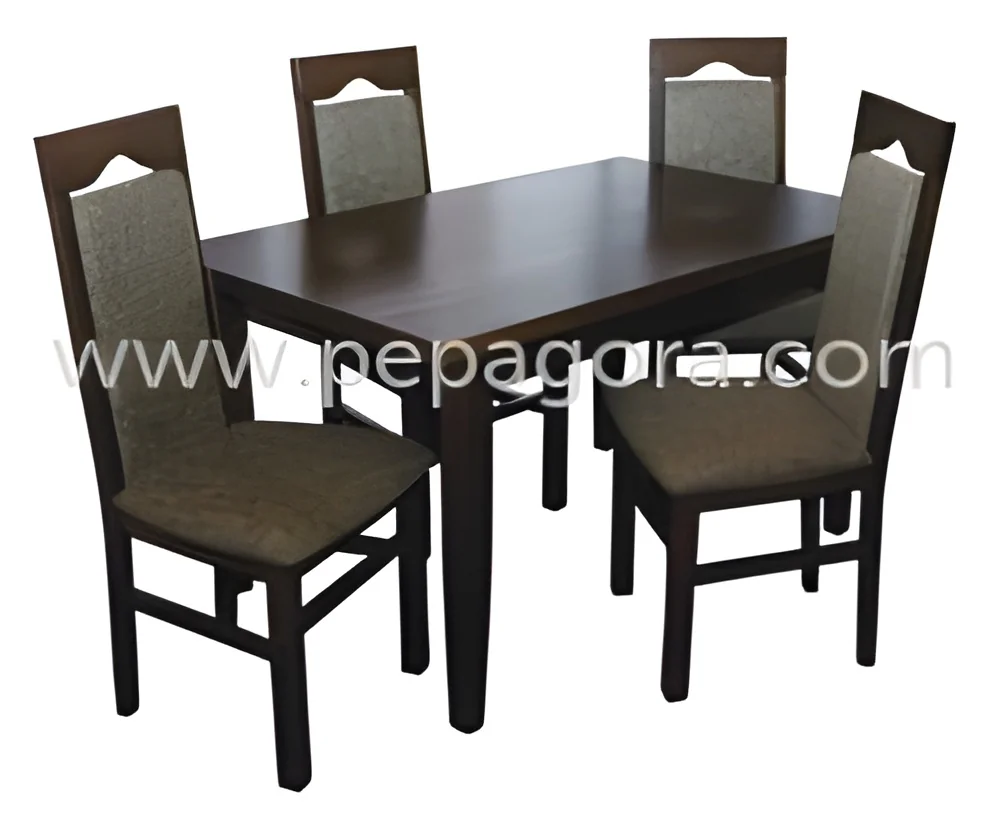
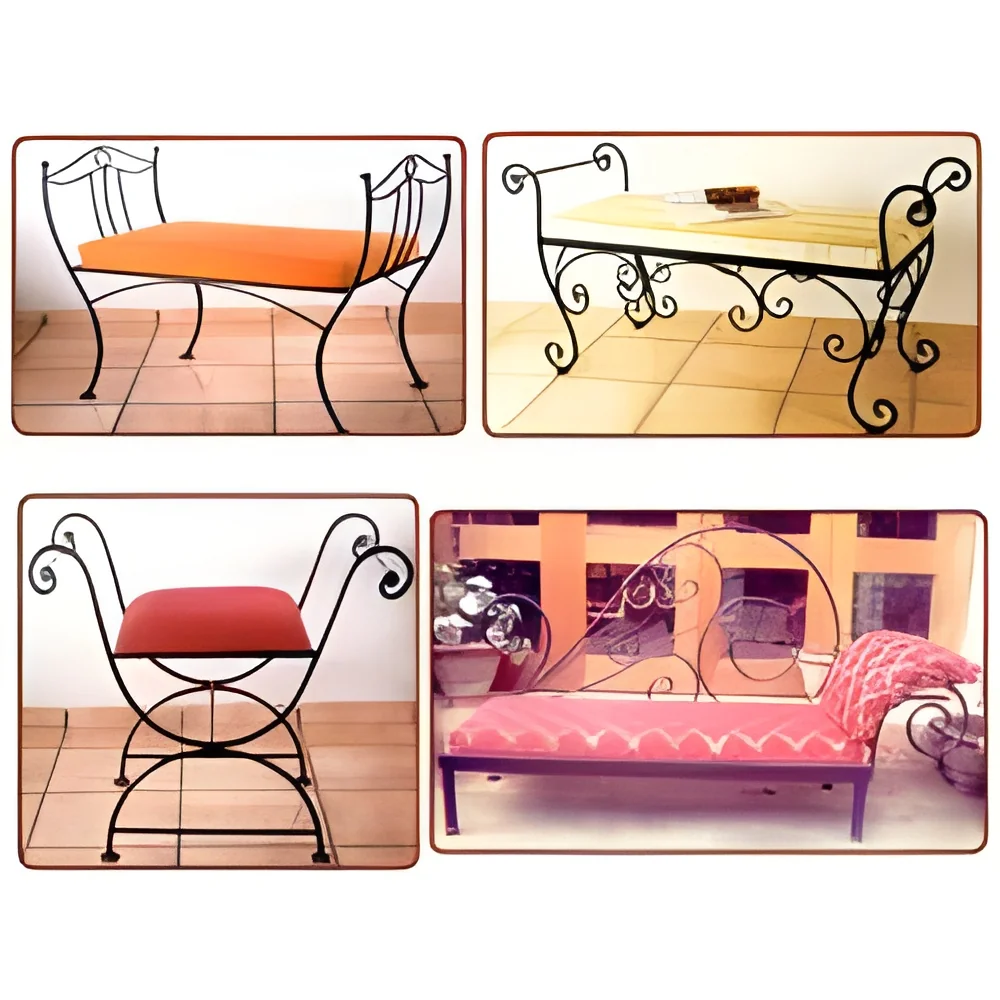
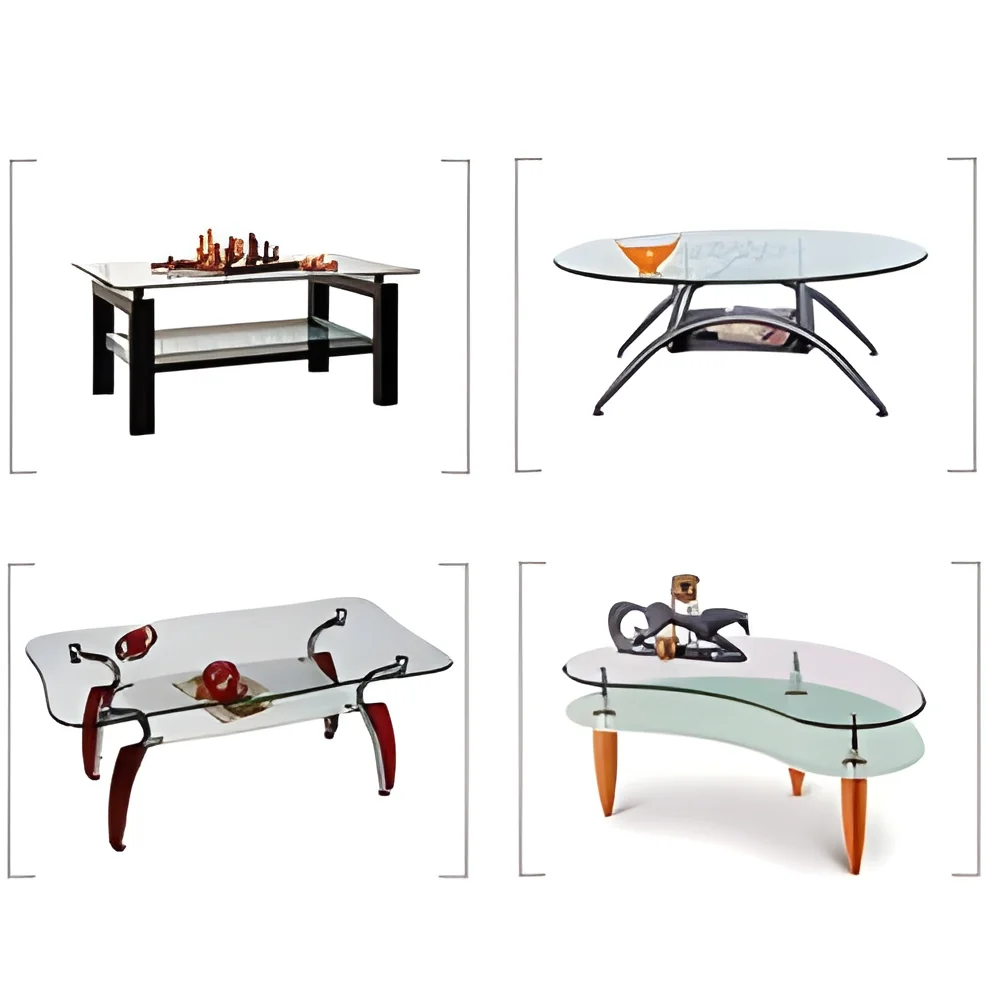
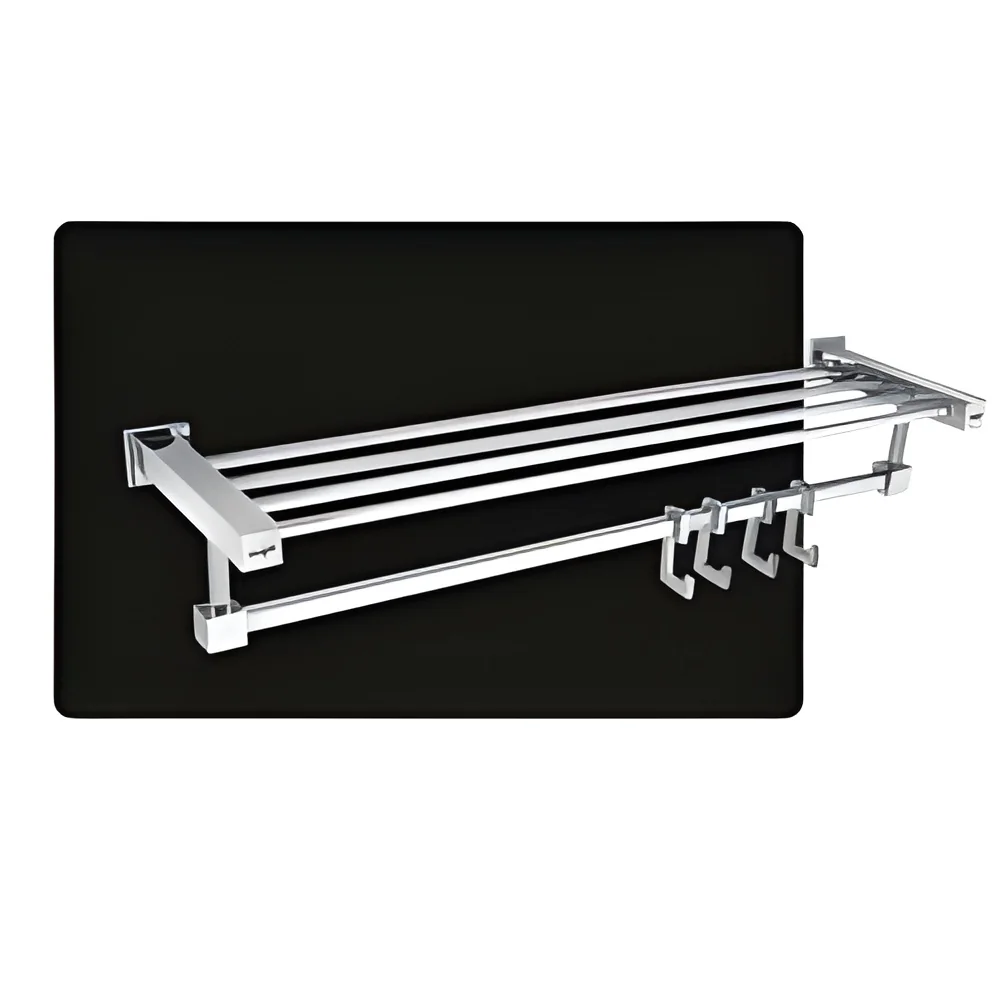
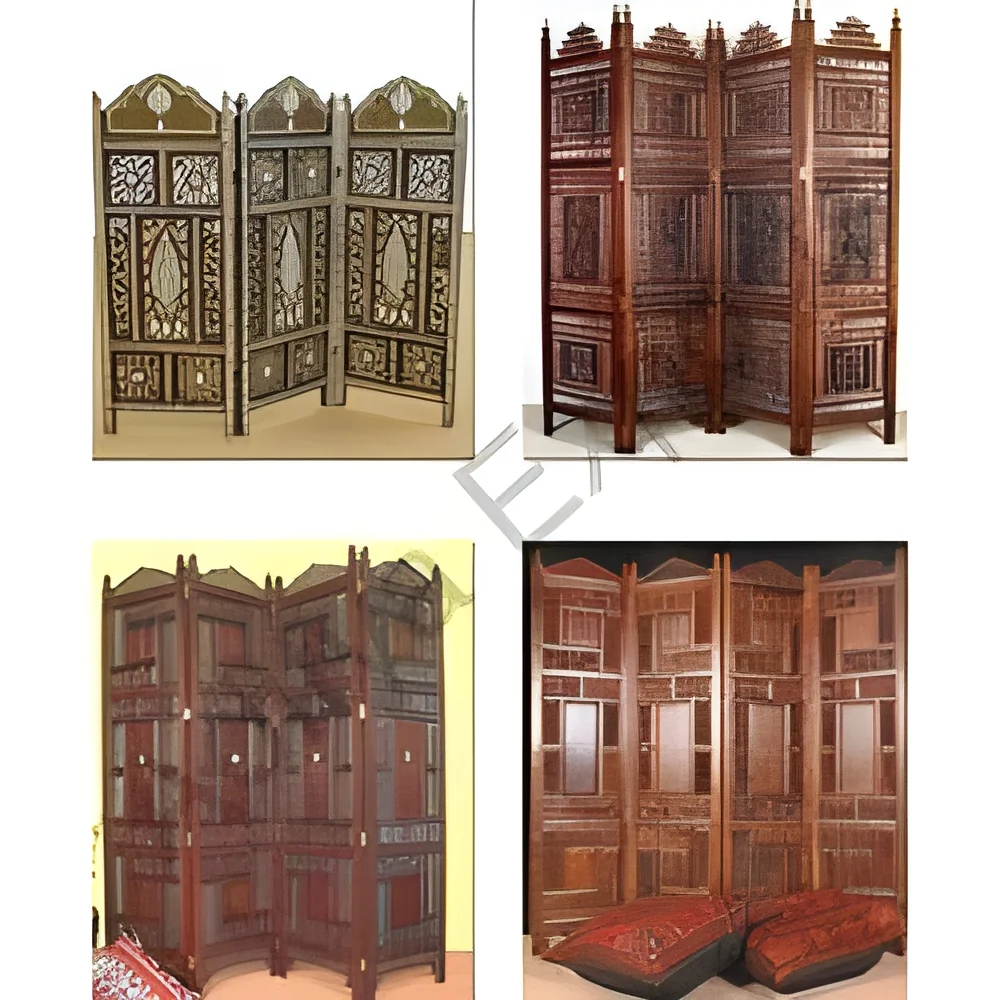
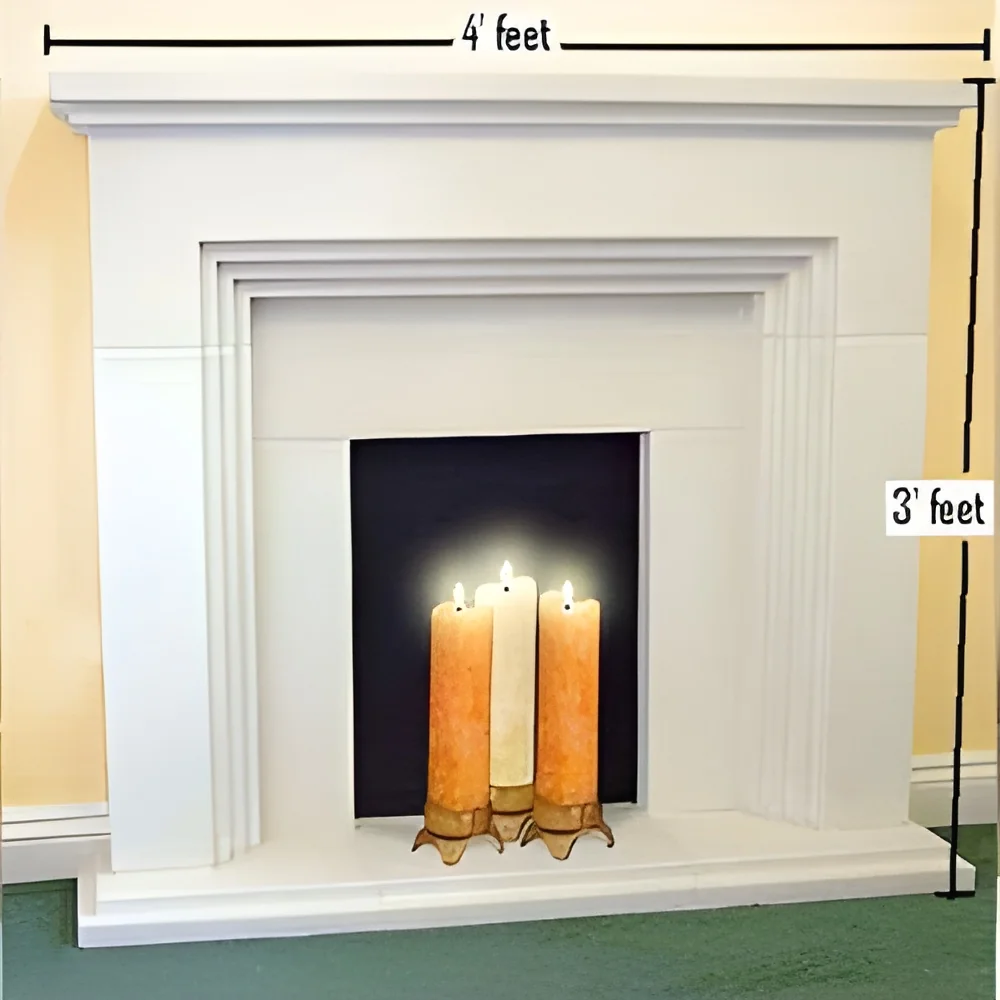
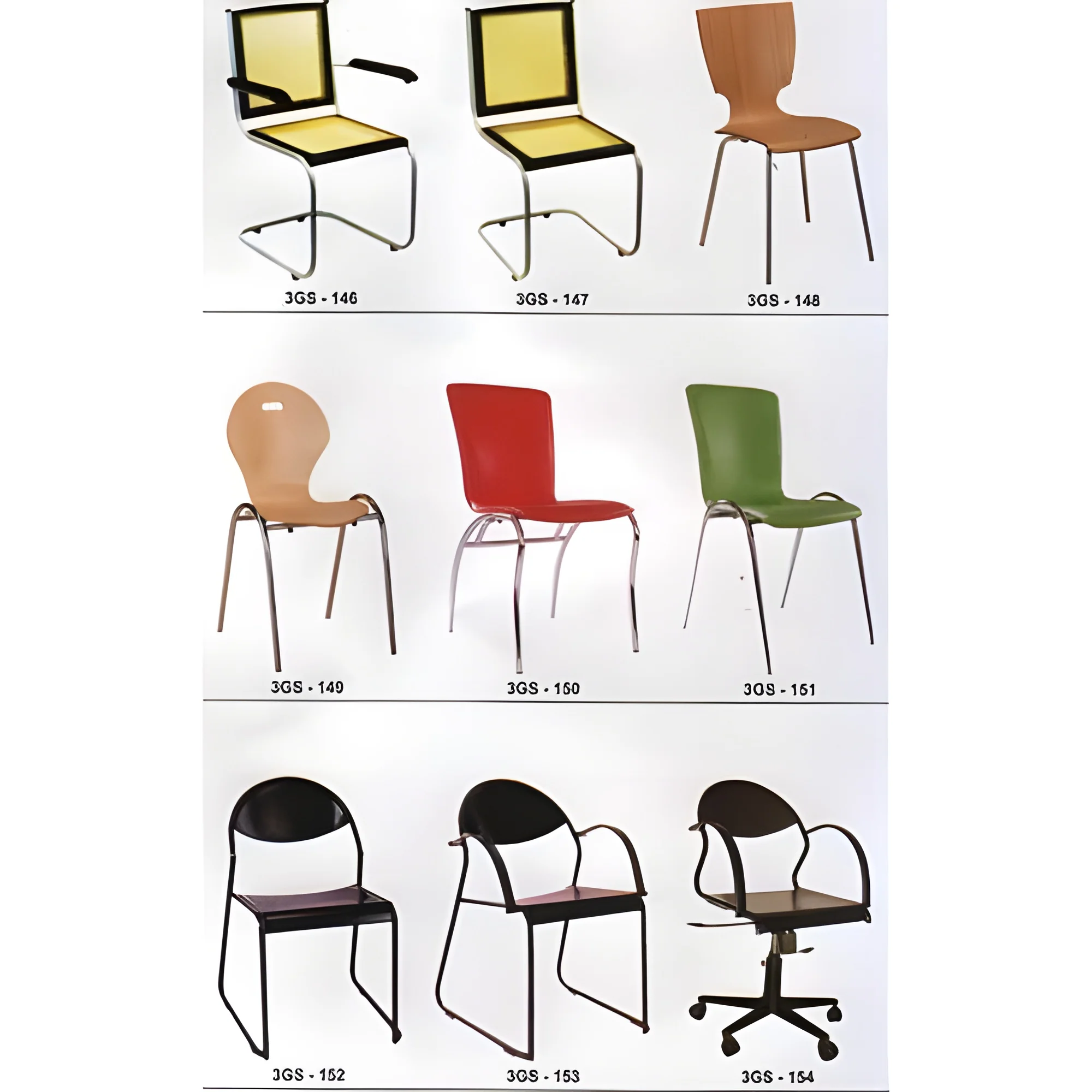
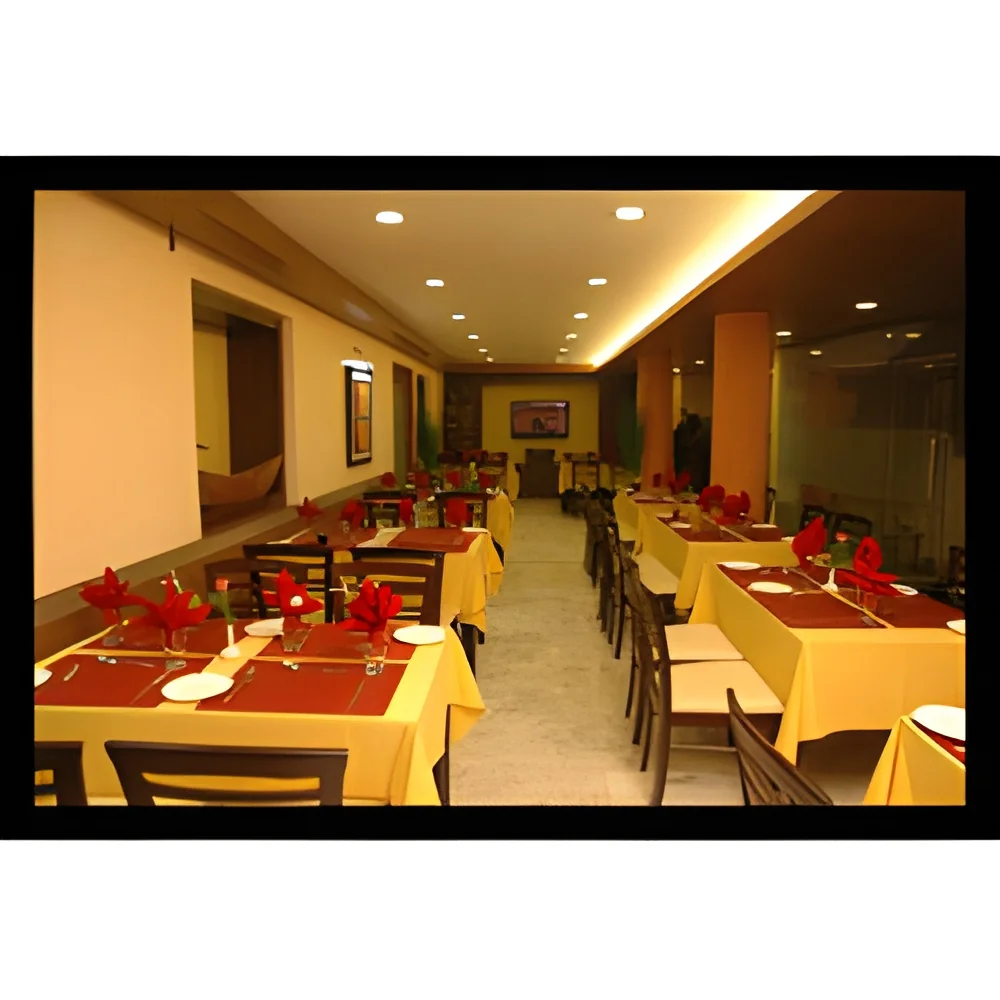
What are Hotel & Hospitality Design?
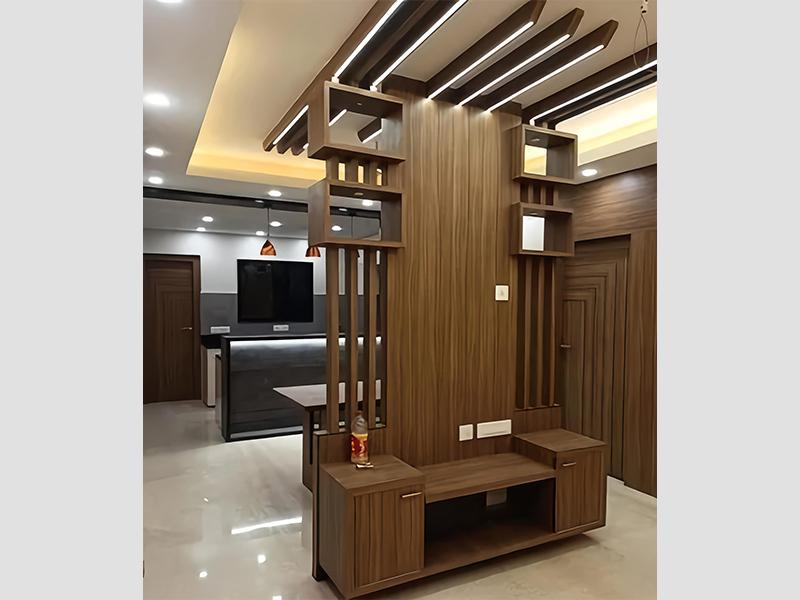
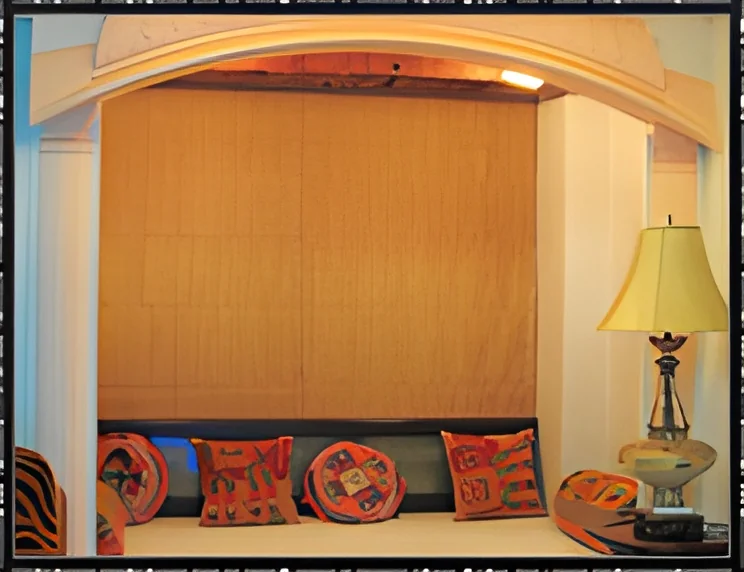
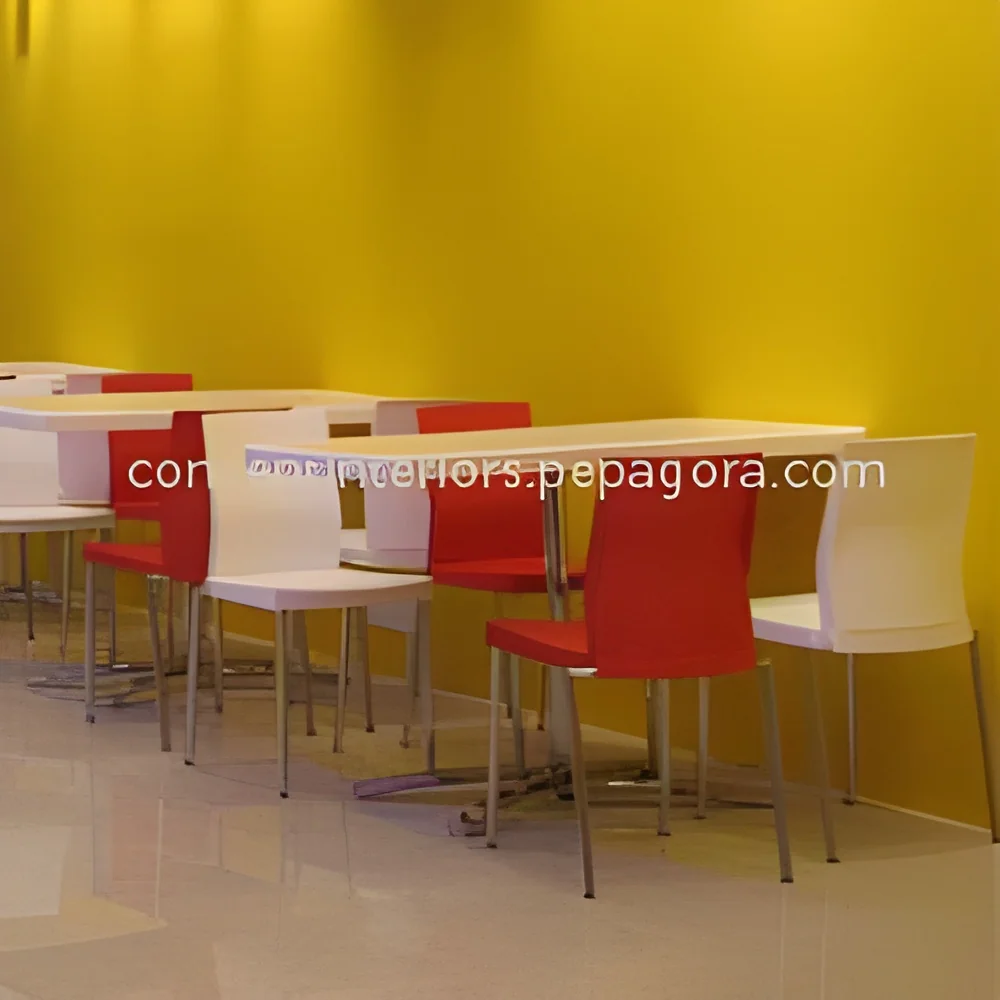
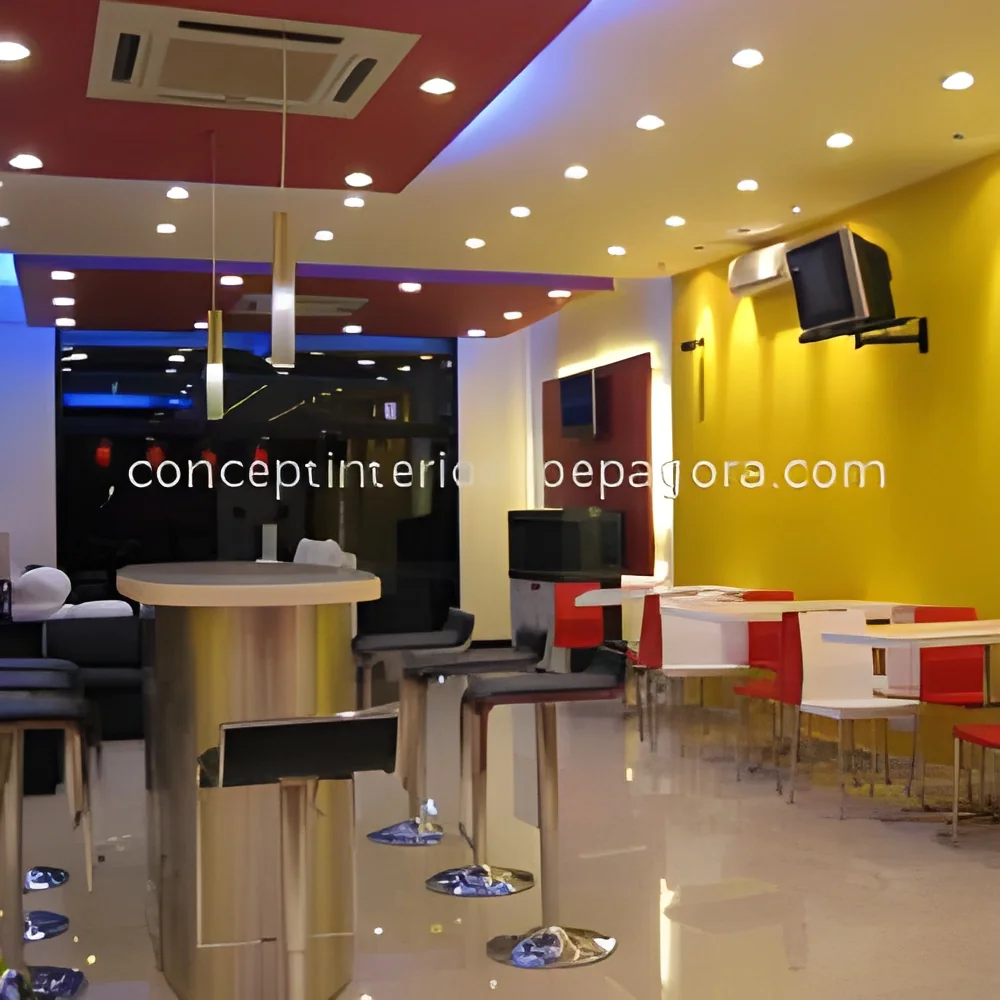
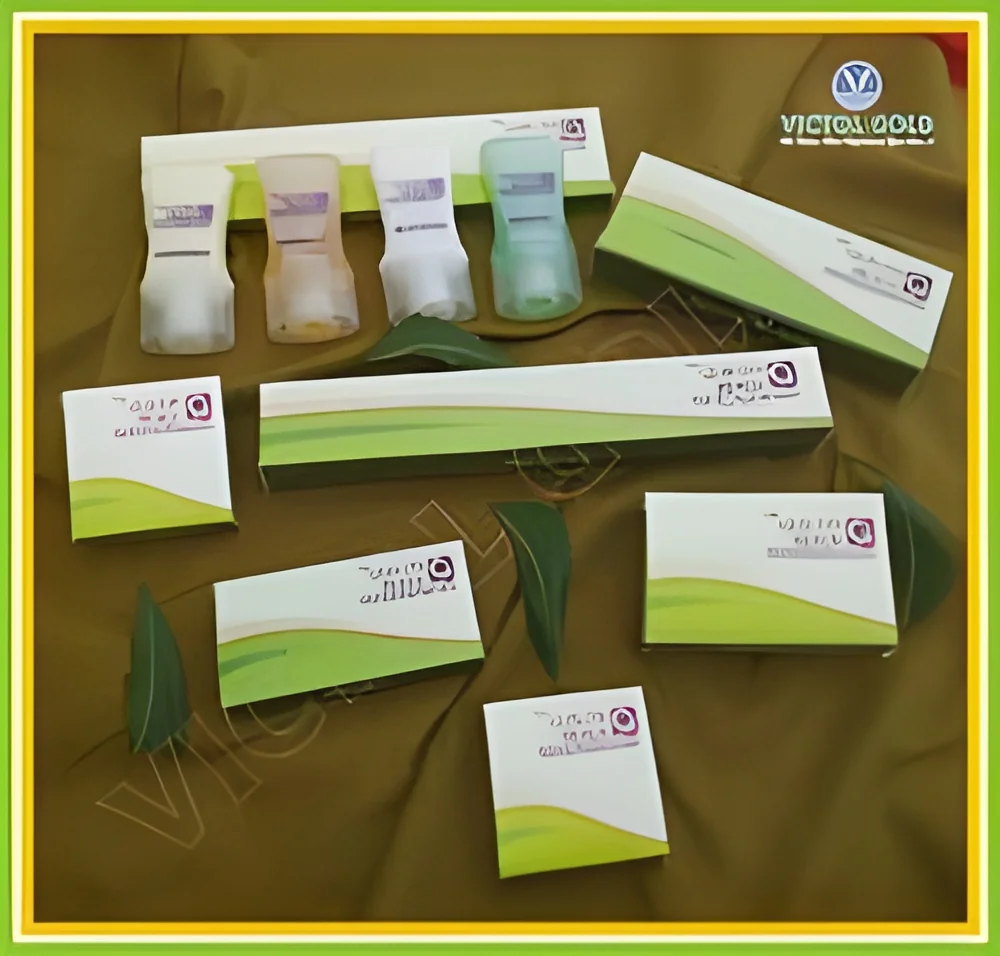
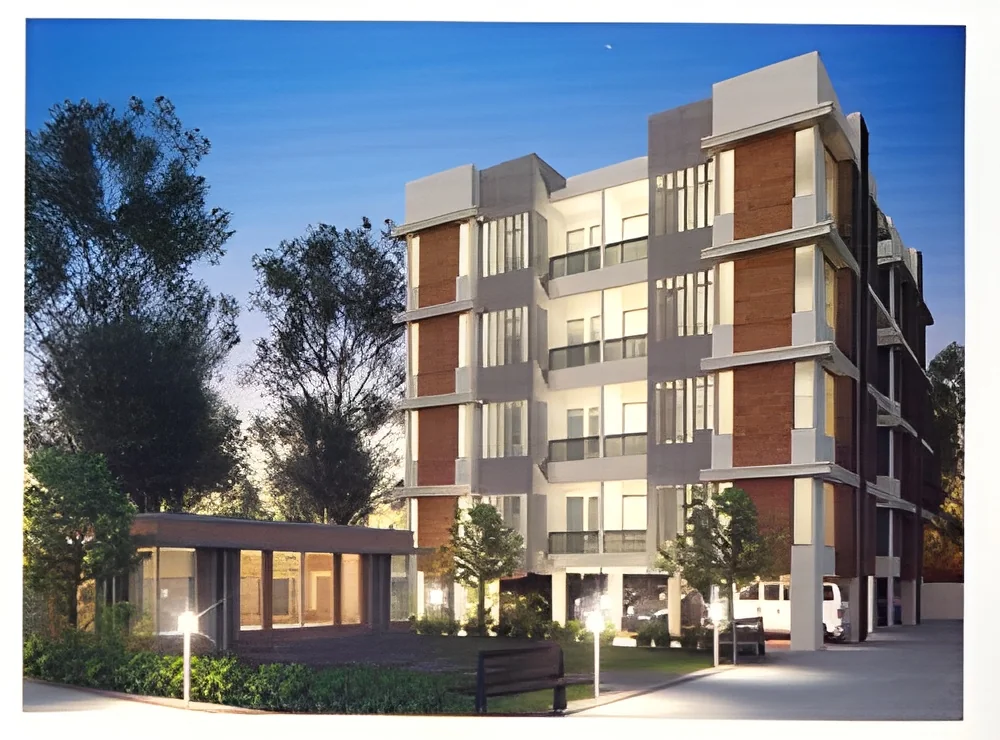
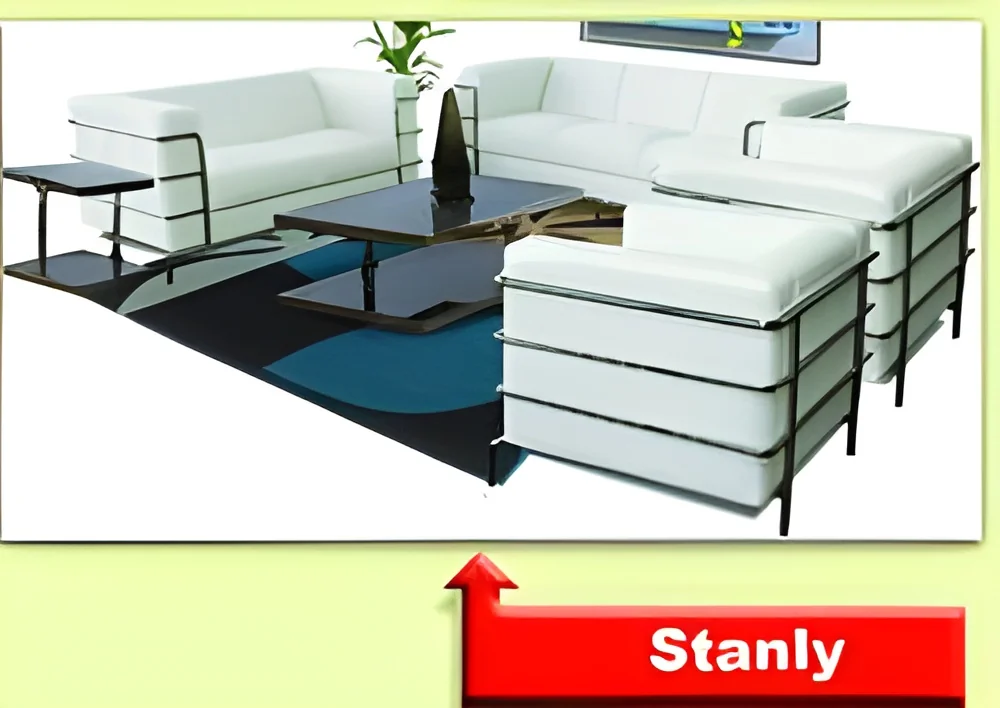
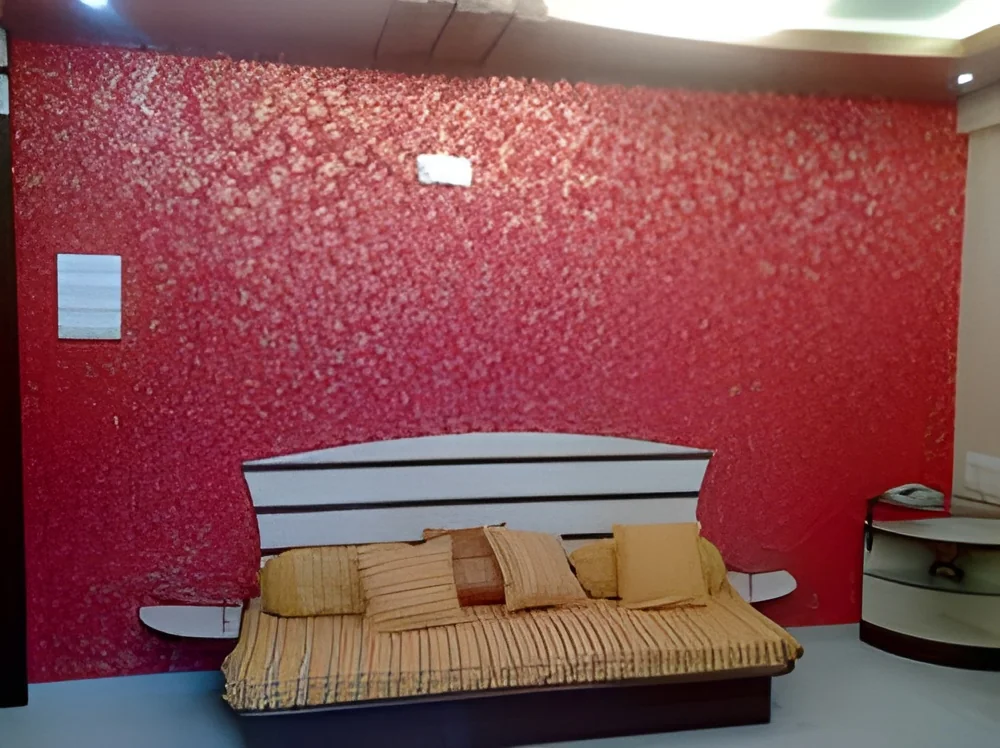
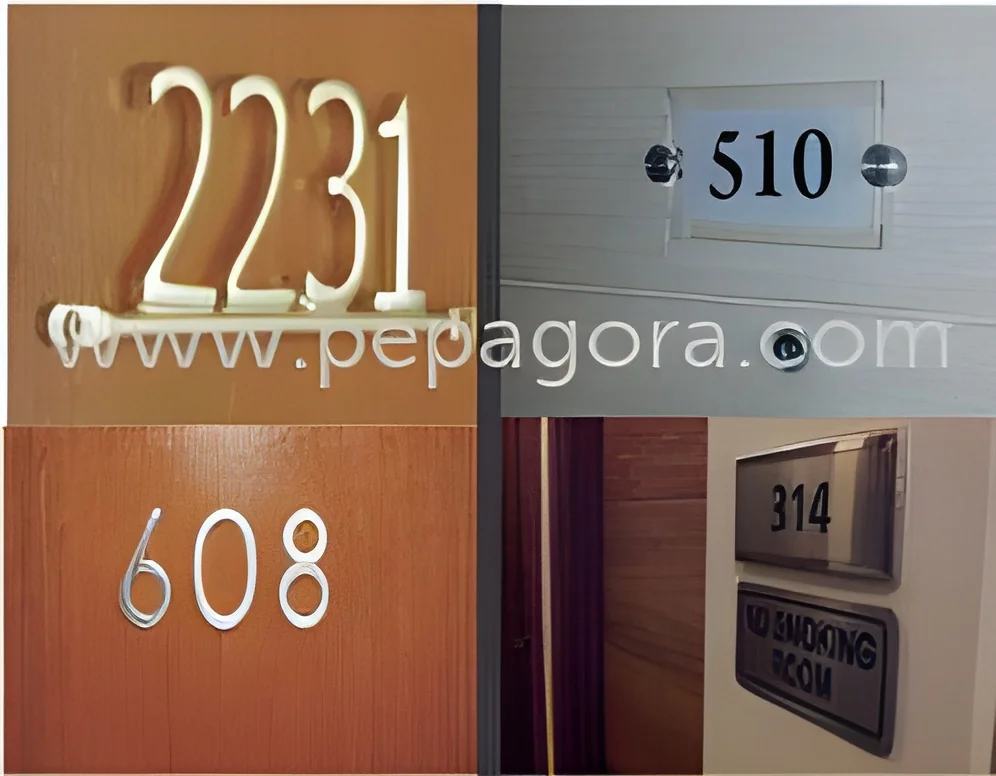
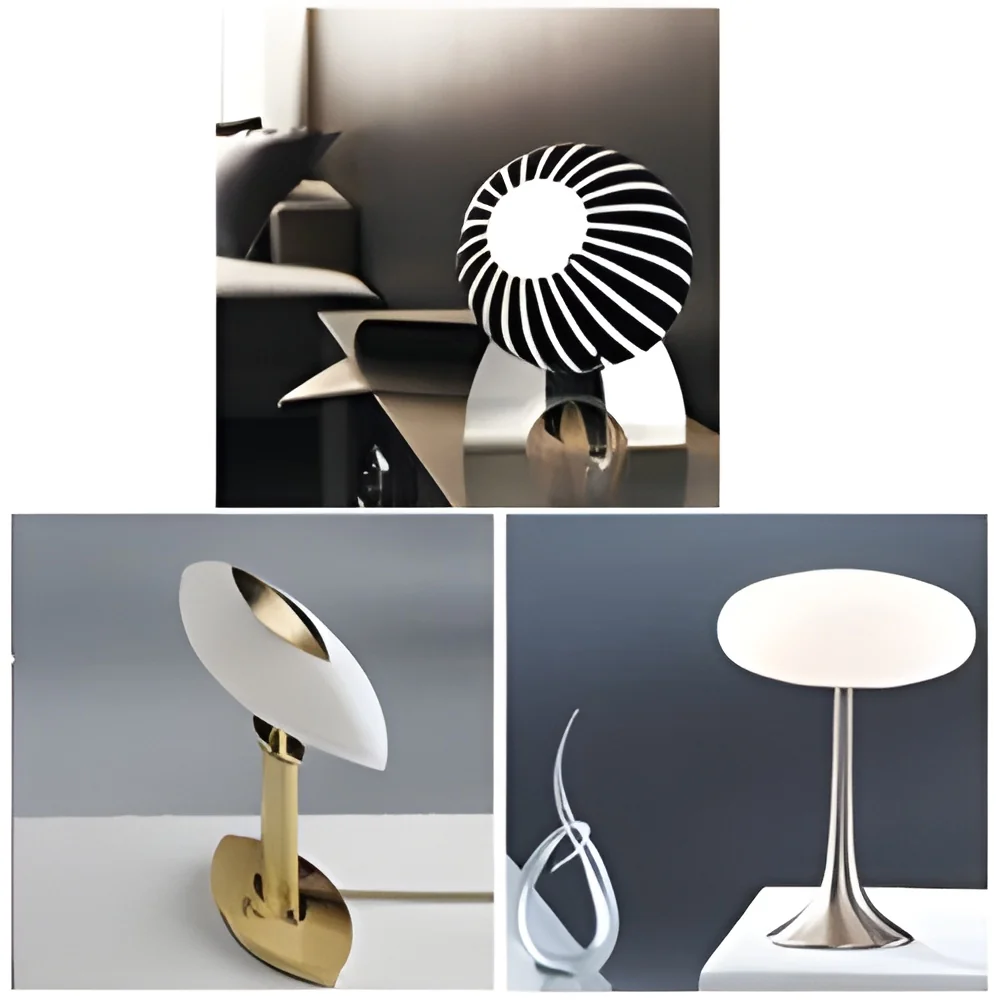
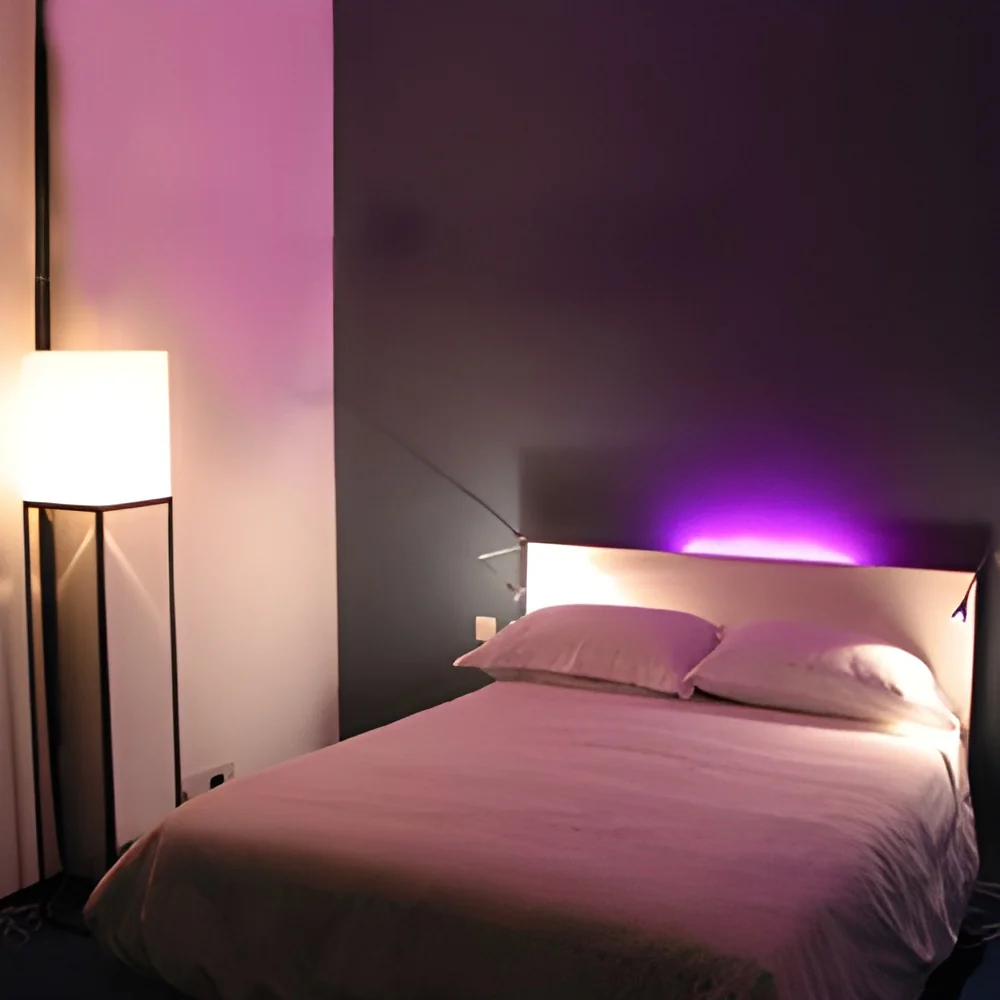
Hotel and hospitality design refers to the specialized process of creating functional and aesthetic environments in hotels, resorts, restaurants, and other establishments within the hospitality sector. This design discipline encompasses various elements, including architectural layout, interior design, and furnishings, all aimed at enhancing guest experience and operational efficiency. The focus is on creating spaces that are not only visually appealing but also practical for both guests and staff.
The primary applications of hotel and hospitality design include the development of new facilities, renovations of existing properties, and the optimization of space usage in response to evolving customer expectations. This can involve a wide range of activities, from selecting materials and finishes to planning layouts for public spaces and guest rooms. Industry relevance continues to grow as competition increases and consumer preferences shift towards unique and memorable experiences.
As the hospitality market expands, the importance of professional design services becomes even more pronounced. Effective design can significantly impact guest satisfaction and retention, directly influencing revenue and brand reputation. With an increasing emphasis on sustainability and technology integration, hotel and hospitality design is evolving to meet modern demands and challenges.
Key Features and Specifications
Hotel and hospitality design is characterized by its focus on quality, functionality, and aesthetics. The specifications for this design category are crucial for ensuring that the end products meet industry standards and client expectations.
Key specifications include:
1. Layout Planning
- Effective space utilization for guest rooms, lobbies, and dining areas
- Consideration of traffic flow and accessibility
2. Material Selection
- Use of durable and aesthetically pleasing materials
- Compliance with safety and environmental standards
3. Lighting Design
- Integration of natural and artificial lighting for ambiance
- Energy-efficient lighting options to reduce operational costs
4. Acoustic Treatment
- Use of soundproofing materials to enhance guest comfort
- Design strategies for noise control in public areas
5. Sustainability Features
- Implementation of eco-friendly materials and practices
- Energy-efficient systems for heating and cooling
6. Technology Integration
- Smart room features for enhanced guest experience
- Wi-Fi and connectivity considerations for business travelers
7. Compliance with Regulations
- Adherence to local building codes and safety regulations
- Consideration of accessibility standards for all guests
8. Aesthetic Cohesion
- Consistent design themes and branding throughout the property
- Attention to detail in finishes and furnishings
In summary, the key features of hotel and hospitality design revolve around creating functional, attractive, and compliant spaces that enhance the guest experience while promoting operational efficiency.
Common Applications and Use Cases
Hotel and hospitality design finds application across a variety of sectors, each with unique requirements and standards.
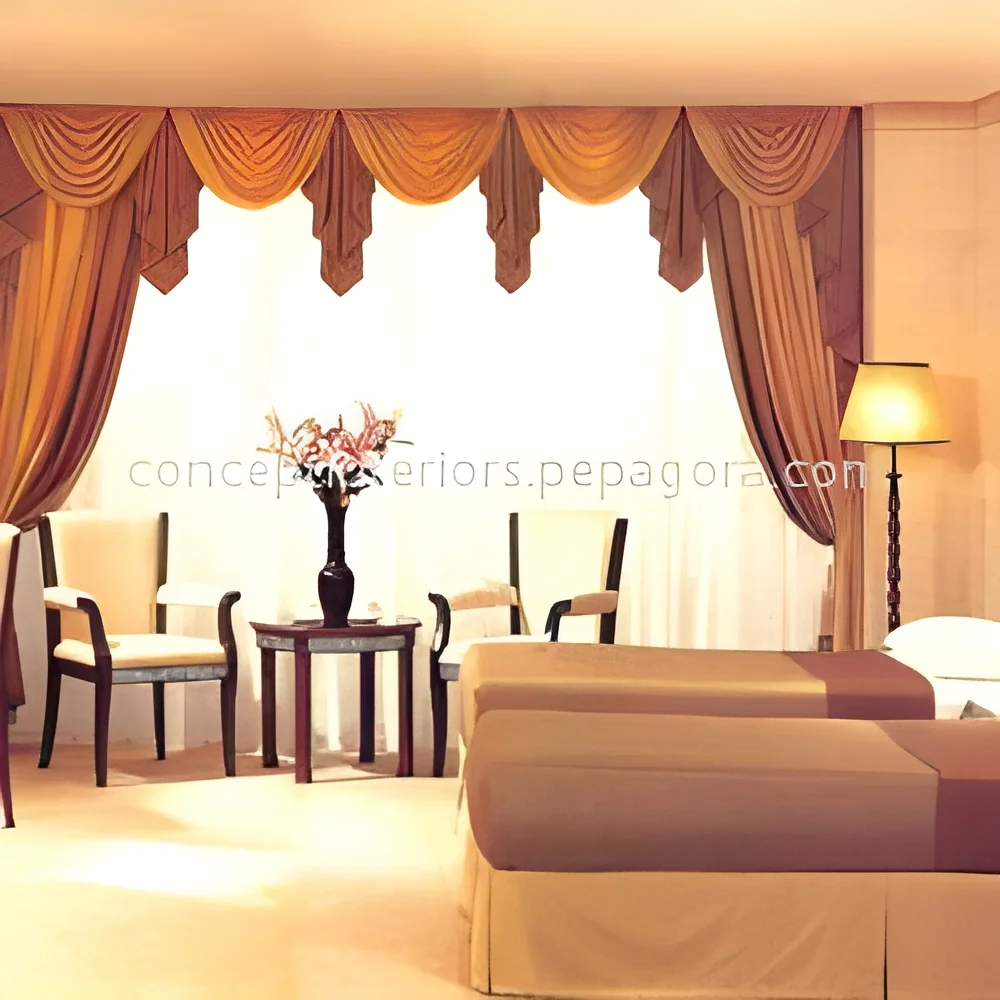
1. Hotels: Design focuses on guest room layouts, lobbies, and amenities, ensuring comfort and functionality for travelers.
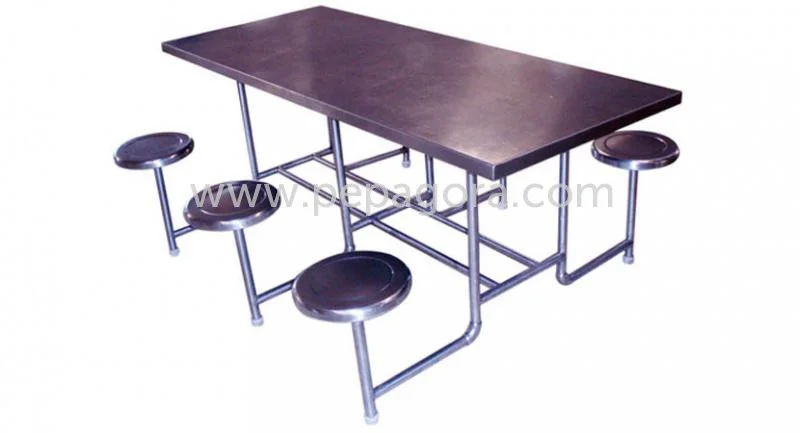
2. Restaurants: The design emphasizes ambiance and dining flow, enhancing the overall dining experience for patrons.
3. Resorts: These designs create leisure-oriented environments that include recreational spaces, wellness centers, and family-friendly areas.
4. Conference Centers: The layout is tailored for meetings and events, ensuring effective use of space for various group sizes.
5. Spas: Design focuses on creating serene environments that promote relaxation and wellness.
6. Cafes: Attention to casual dining experiences with designs that encourage social interaction and comfort.
7. Bars and Nightclubs: Emphasis on dynamic environments that enhance nightlife experiences through unique design elements.
Product Variants and Subcategories
Hotel and hospitality design encompasses a diverse range of variations to meet specific needs and preferences.
Contemporary Design
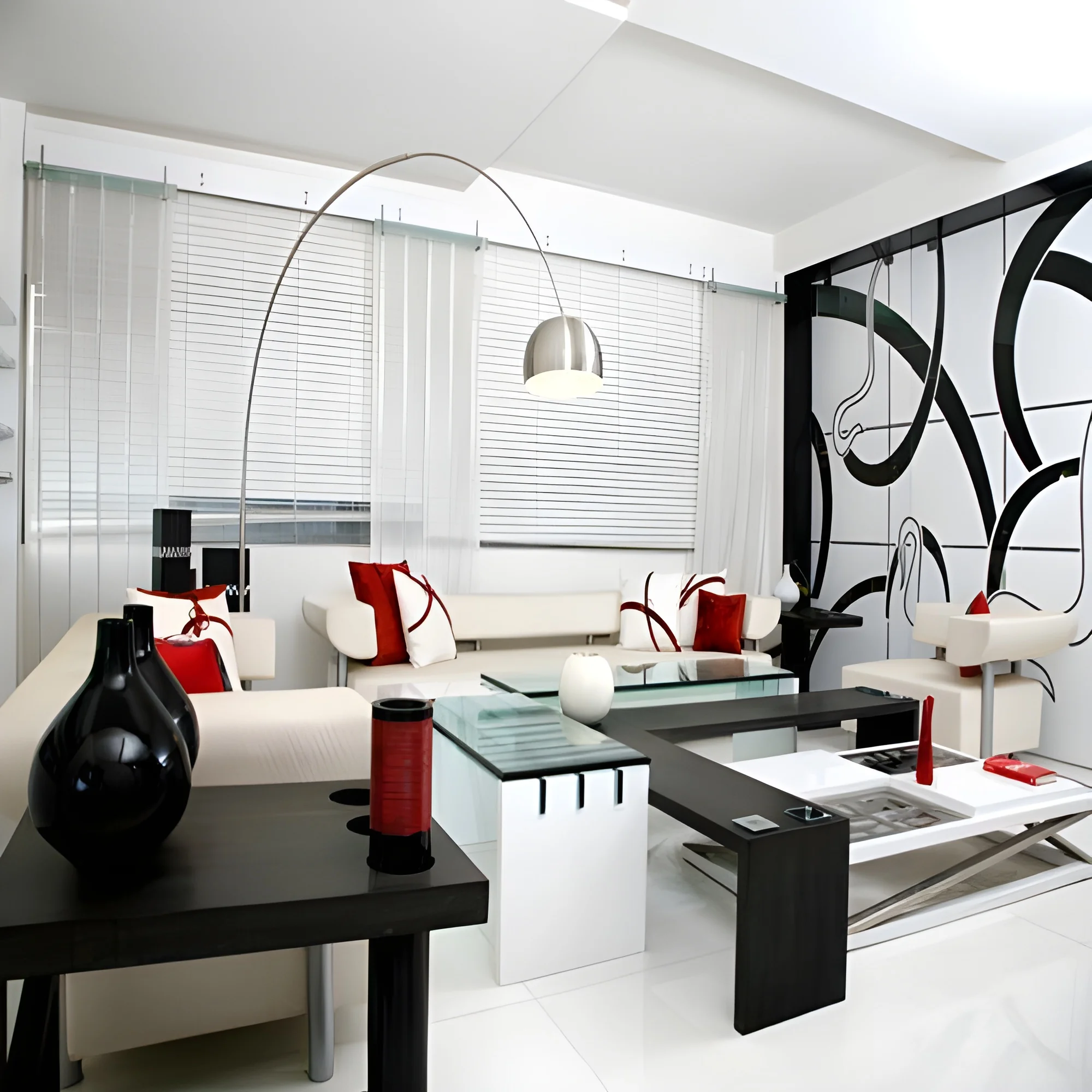
This variant focuses on modern aesthetics with clean lines and minimalist elements. Features often include open spaces, neutral color palettes, and technology integration for a seamless guest experience.
Luxury Design
Luxury designs emphasize opulence and comfort, utilizing high-end materials and sophisticated finishes. Customization is key, with personalized elements that cater to high-end clientele.
Sustainable Design
This variant prioritizes environmental responsibility, incorporating eco-friendly materials and energy-efficient systems. The goal is to create stunning spaces that minimize ecological impact.
Cultural Design
Cultural designs reflect the local heritage and traditions of a region. This approach involves using local materials and motifs, creating a unique identity that resonates with guests.
Benefits and Advantages
Investing in hotel and hospitality design offers numerous benefits for businesses in this sector.
Key benefits include:
1. Enhanced Guest Experience: Thoughtful design creates inviting spaces that improve guest satisfaction and encourage repeat visits.
2. Increased Operational Efficiency: Effective layouts and functional designs streamline staff workflows, reducing operational costs.
3. Brand Differentiation: Unique design elements help establish a strong brand identity, setting a property apart from competitors.
4. Higher Revenue Potential: Well-designed spaces can attract more guests and increase average spending per visit.
5. Improved Safety Standards: Compliance with safety regulations ensures a secure environment for both guests and staff.
6. Sustainability: Eco-friendly designs appeal to environmentally conscious consumers and can lead to cost savings through energy efficiency.
Buying Guide for B2B Buyers
When sourcing hotel and hospitality design, buyers should consider several essential factors to ensure they make informed decisions.
1. Quality Assessment: Evaluate the quality of materials and craftsmanship. Look for samples and past projects to gauge the design firm's capabilities.
2. Supplier Verification: Vet suppliers thoroughly, checking for industry experience and client testimonials. Ensure they have a proven track record in hospitality design.
3. Pricing and MOQ: Understand the pricing structure and any minimum order quantities. This helps in budgeting and financial planning for projects.
4. Delivery and Lead Times: Discuss timelines for design and implementation. Ensure suppliers can meet project deadlines to avoid delays.
5. Compliance Requirements: Familiarize yourself with local regulations and compliance standards. Ensure that the designs meet necessary safety and accessibility guidelines.
Compliance and Certifications
Compliance with industry standards and certifications is critical in hotel and hospitality design. Key quality standards such as ISO 9001 ensure that design processes meet customer and regulatory requirements. Additionally, compliance with HACCP and GDP standards is essential for establishments that serve food and beverages.
Industry certifications like CE signify that products and designs adhere to European health, safety, and environmental protection standards.
Safety and testing requirements must also be met, especially in terms of materials used in public spaces. Regional compliance considerations vary, and it's essential for designers and suppliers to stay updated on local regulations to ensure that all aspects of the design project are legally compliant.
Why Source Hotel & Hospitality Design from Pepagora?
Pepagora provides a trusted platform for sourcing hotel and hospitality design, offering numerous advantages for businesses in the sector.
Verified Supplier Network: Pepagora's rigorous supplier verification process ensures that buyers connect with reputable vendors who have a proven track record in the industry.
Streamlined RFQ Process: The platform facilitates a straightforward request for quotation system, allowing buyers to receive competitive pricing and comprehensive proposals from multiple suppliers efficiently.
Trade Assurance and Support: With trade assurance features, Pepagora offers protection for buyers, ensuring that transactions are secure and that support is available throughout the sourcing process.
Regional Coverage: Pepagora's geographic reach extends across India, the GCC, and Southeast Asia, providing access to a diverse range of suppliers and products tailored to various hospitality needs.

 IN
IN