What are Clinic & Healthcare Facility Interiors?
Clinic and healthcare facility interiors refer to the specialized design and furnishing of spaces where medical care is provided. These interiors are crafted to enhance the functionality and comfort of both patients and healthcare professionals. The design elements include layout planning, furniture selection, lighting, and overall aesthetics, ensuring that the environments support health-related activities.
These interiors are primarily used in hospitals, clinics, outpatient facilities, and other healthcare establishments. They encompass various zones such as waiting areas, examination rooms, treatment spaces, and administrative offices. The goal is to create environments that facilitate patient care, improve workflow, and enhance the overall experience for patients, families, and staff.
In the current market, there is a growing emphasis on creating healing environments that promote wellness and reduce stress. As the healthcare industry evolves, the demand for innovative and functional interiors continues to rise, making it a significant niche within the broader construction and design sectors.
Key Features and Specifications
Clinic and healthcare facility interiors come with a range of features designed to meet the specific needs of medical environments. These features ensure that the spaces are not only functional but also conducive to healing and comfort.
Key specifications include:
1. Ergonomic Furniture
- Designed to support long hours of use by medical staff
- Adjustable options for different user needs
2. Infection Control Materials
- Surfaces that are easy to clean and resistant to bacteria
- Use of antimicrobial finishes
3. Acoustical Treatments
- Designed to minimize noise pollution
- Materials that absorb sound for patient comfort
4. Flexible Space Design
- Modular furniture that can be reconfigured as needed
- Adaptable layouts for various healthcare activities
5. Natural Lighting Solutions
- Windows and skylights that provide ample natural light
- Adjustable window treatments for light control
6. Accessibility Features
- Compliance with ADA standards for ease of access
- Design elements that accommodate all patient needs
7. Energy-Efficient Systems
- Use of sustainable materials and technologies
- HVAC systems designed for energy efficiency
8. Patient-Centered Design
- Layouts that promote interaction between patients and staff
- Spaces designed to enhance patient privacy and comfort
In summary, the specifications for clinic and healthcare facility interiors focus on creating functional, safe, and welcoming environments that meet the diverse needs of healthcare delivery.
Common Applications and Use Cases
Clinic and healthcare facility interiors find applications across various sectors of the healthcare industry.
1. Hospitals: These spaces are designed for patient care areas, surgical suites, and recovery rooms, focusing on functionality and patient comfort.
2. Outpatient Clinics: Interiors in these facilities prioritize efficiency and patient flow, often including waiting areas and examination rooms designed for quick service.
3. Rehabilitation Centers: These spaces require specialized environments that support therapy and recovery, with areas designed for physical therapy sessions.
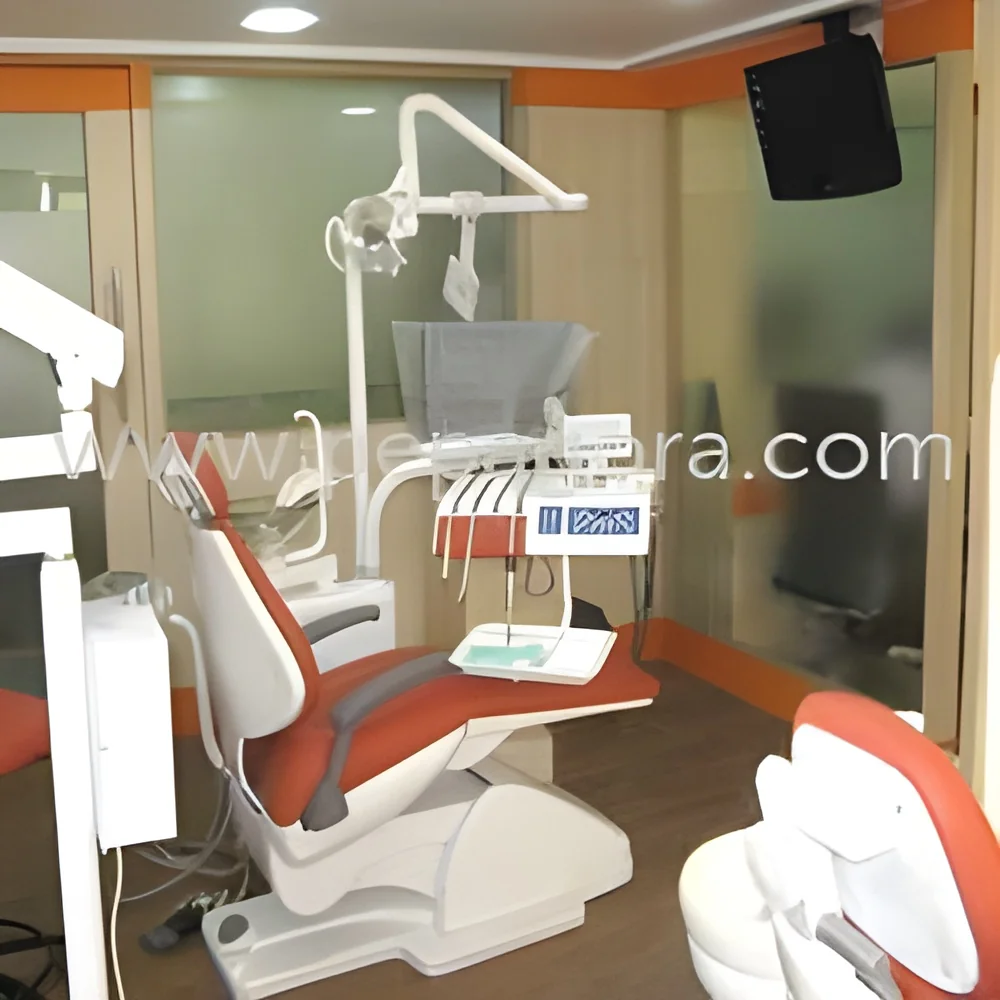
4. Dental Offices: Clinic interiors in dental settings must accommodate treatment rooms and patient waiting areas, emphasizing a calm and reassuring atmosphere.
5. Urgent Care Facilities: Fast-paced environments that need efficient layouts for rapid patient service and clear signage for ease of navigation.
6. Mental Health Facilities: Interiors designed to create a calming and supportive environment, often incorporating soothing colors and natural light.
7. Long-term Care Facilities: Spaces that focus on comfort and accessibility for residents, with communal areas that encourage social interaction.
Product Variants and Subcategories
The diversity of clinic and healthcare facility interiors allows for various product variants tailored to specific needs.
Standard Examination Rooms
These rooms are equipped with essential medical furniture and technology to facilitate patient examinations, ensuring comfort and accessibility.
Surgical Suites
Designed for optimal functionality, surgical suites include specialized equipment and materials that meet stringent hygiene standards.
Waiting Areas
These spaces are designed to provide comfort and privacy for patients and their families, often featuring ergonomic seating and calming aesthetics.
Treatment Rooms
Treatment rooms are designed for various procedures, with flexible layouts to accommodate different medical needs and equipment.
Benefits and Advantages
Choosing the right clinic and healthcare facility interiors provides several key benefits.
1. Enhanced Patient Experience: Well-designed interiors create a welcoming atmosphere that can ease patient anxiety and improve satisfaction.
2. Improved Workflow: Efficient layouts and ergonomic designs help healthcare providers perform their tasks more effectively, leading to better patient outcomes.
3. Compliance with Regulations: Quality interiors ensure adherence to healthcare standards and regulations, minimizing risks for healthcare providers.
4. Cost-Effectiveness: Durable materials and energy-efficient systems reduce long-term operational costs for healthcare facilities.
5. Customization Options: Interiors can be tailored to meet the specific needs and branding of the healthcare facility, enhancing identity and patient recognition.
6. Future-Proofing: Flexible designs allow healthcare facilities to adapt to changing needs and technologies over time.
Buying Guide for B2B Buyers
When sourcing clinic and healthcare facility interiors, several factors should be considered to ensure optimal selection.
1. Quality Assessment: Look for materials that meet healthcare industry standards for performance and durability. Assess the reputation of materials and finishes used in the interiors.
2. Supplier Verification: Conduct thorough research to ensure suppliers have a proven track record in the healthcare sector. Check references and certifications to confirm reliability.
3. Pricing and MOQ: Understand the pricing structure and minimum order quantities to align with budget constraints and project requirements.
4. Delivery and Lead Times: Consider the logistics of delivery timelines to ensure that the interiors can be installed on schedule without affecting operations.
5. Compliance Requirements: Verify that the interiors comply with relevant healthcare regulations and standards, including safety and accessibility guidelines.
Compliance and Certifications
Clinic and healthcare facility interiors must adhere to various quality standards and certifications to ensure safety and effectiveness.
ISO 9001 certification is important as it indicates that the supplier follows quality management principles, ensuring consistent quality in design and manufacturing.
CE certification is another essential compliance mark that indicates products meet European health, safety, and environmental protection standards.
Safety and testing requirements are critical, especially for materials used in healthcare settings, which must be demonstrated to resist infection and be easy to clean.
Additionally, regional compliance considerations must be taken into account, as different countries may have specific regulations governing healthcare facilities.
Why Source Clinic & Healthcare Facility Interiors from Pepagora?
Pepagora offers a reliable platform for sourcing clinic and healthcare facility interiors with several key advantages.
Verified Supplier Network: Pepagora connects buyers with a network of verified suppliers who specialize in healthcare interiors, ensuring quality and reliability in sourcing.
Streamlined RFQ Process: The platform simplifies the request for quotation process, enabling buyers to obtain competitive pricing and timely responses from multiple suppliers.
Trade Assurance and Support: Buyers benefit from trade assurance features that protect their investments and ensure that transactions are secure and transparent.
Regional Coverage: With a strong presence in India, the GCC, and Southeast Asia, Pepagora provides extensive coverage to cater to diverse healthcare facility needs across multiple regions.

 IN
IN