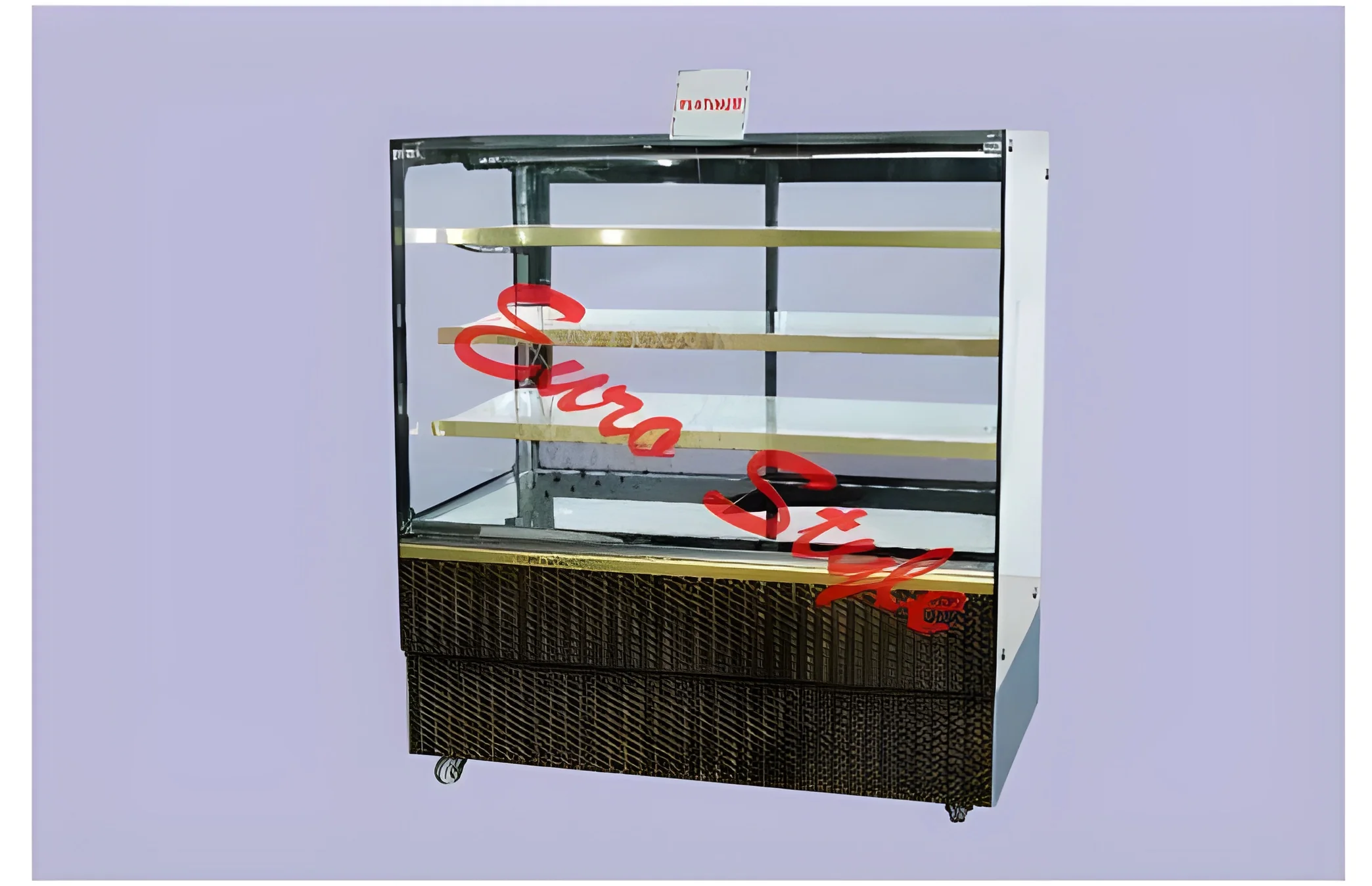
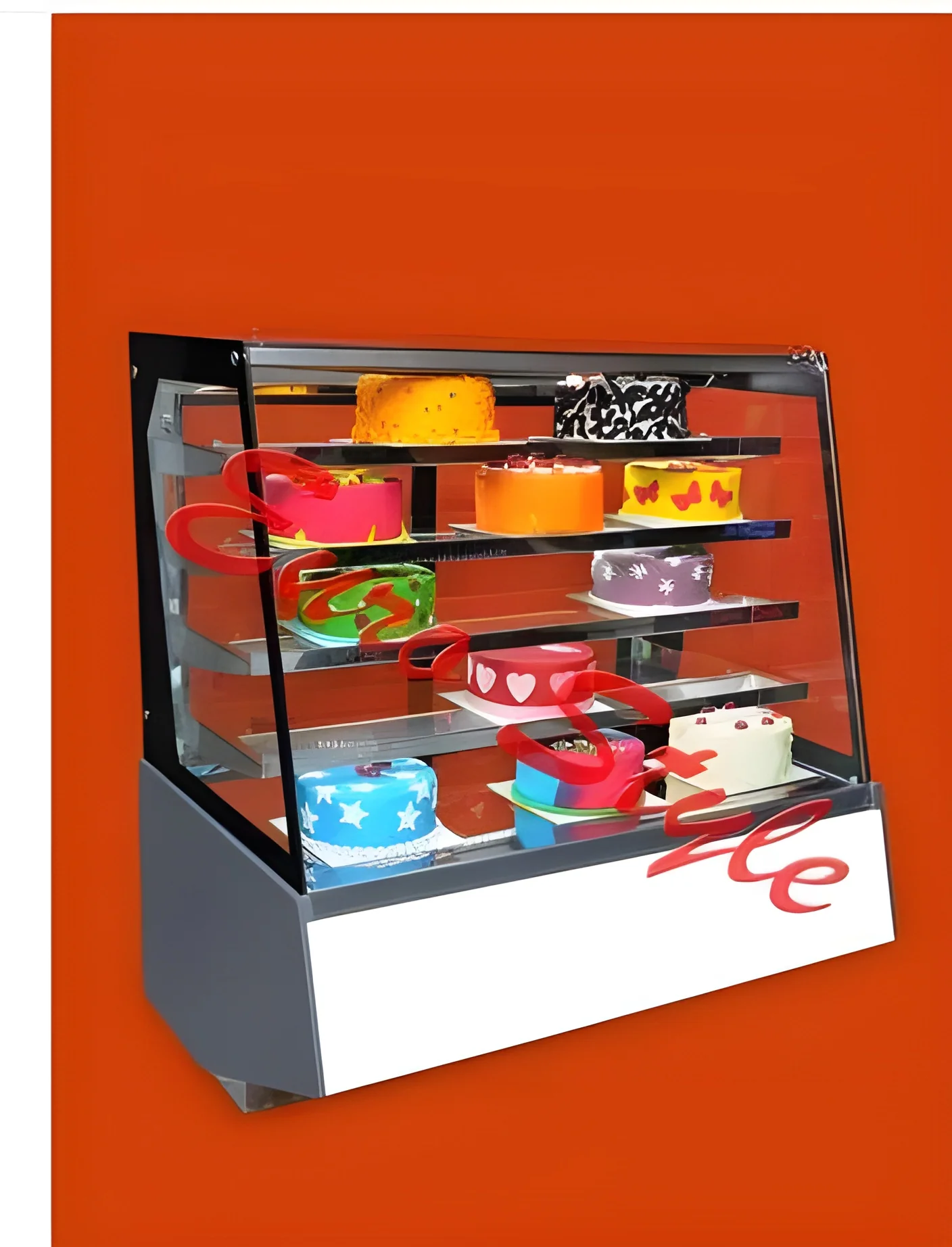
What are Retail Store & Showroom Interiors?
Retail store and showroom interiors refer to the design and arrangement of spaces used for displaying products in retail environments. These interiors are crucial for enhancing the customer's shopping experience and are designed to reflect the brand identity while maximizing product visibility. A well-structured interior layout can significantly influence consumer behavior, encouraging longer visits and increased sales.
These interiors are primarily used in various business applications, including retail stores, showrooms, and exhibition spaces. They serve as a platform for showcasing products, providing customers an immersive experience that engages their senses. By integrating functional design elements with aesthetic appeal, businesses can create inviting environments that not only attract customers but also facilitate effective merchandising strategies.
In the current market, the relevance of retail store and showroom interiors cannot be overstated. As e-commerce grows, brick-and-mortar stores must enhance their physical spaces to compete. This has led to increased investment in innovative interior designs that reflect evolving consumer preferences and shopping habits, making it an essential aspect of retail strategy.
Key Features and Specifications
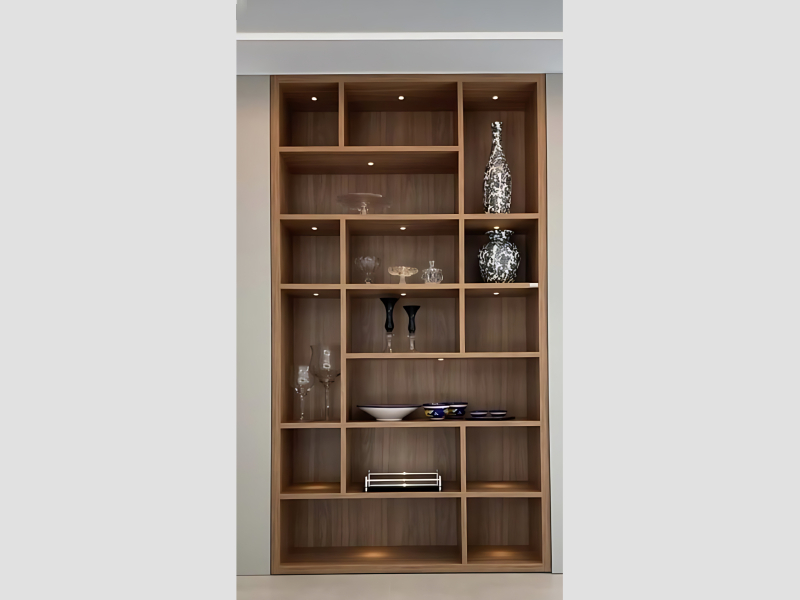
Retail store and showroom interiors feature a diverse range of elements designed to enhance functionality and aesthetics. These elements include layout design, lighting, shelving, and display fixtures, all tailored to meet specific business needs. The specifications of these interiors can vary widely based on industry requirements and design objectives.
Key specifications include:
1. Layout Design
- Focused on optimizing traffic flow and product visibility
- Configurations can be open or segmented based on product types
2. Lighting Solutions
- Utilizes ambient, task, and accent lighting to enhance product presentation
- Energy-efficient options available to reduce operational costs
3. Display Fixtures
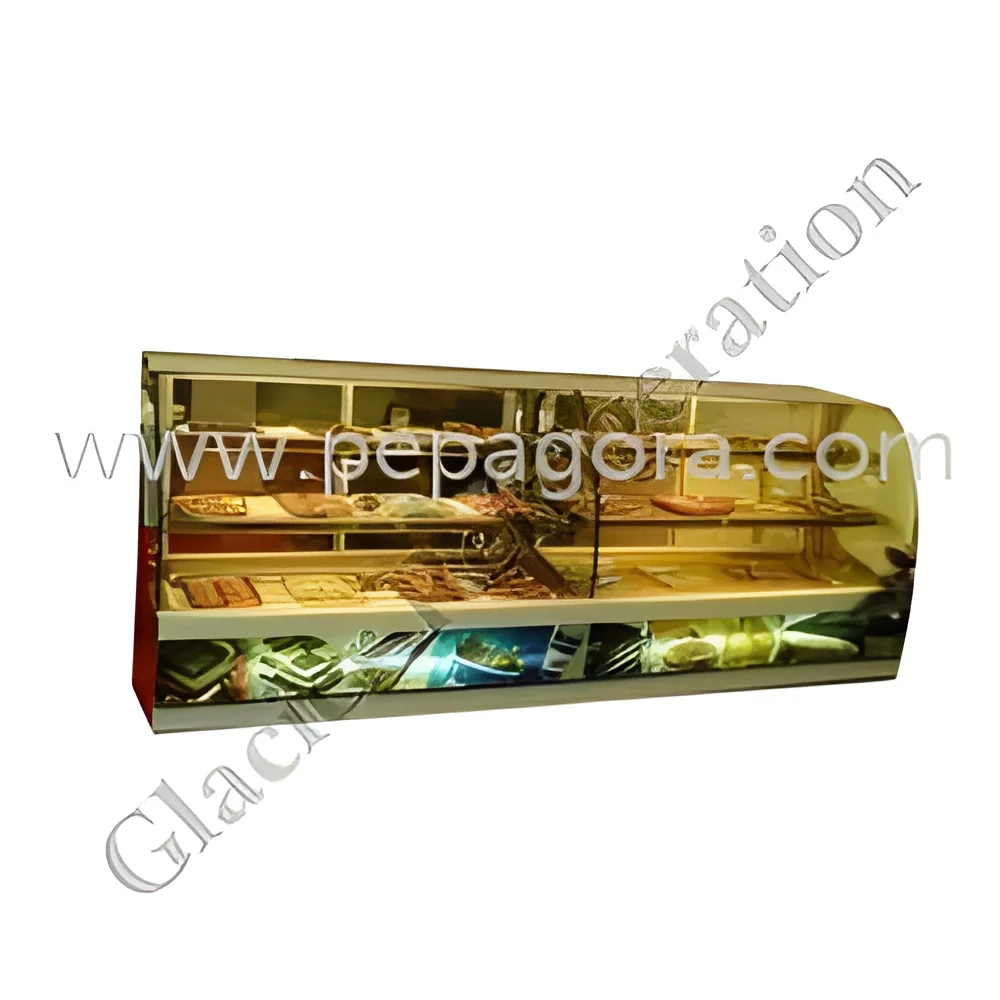
- Customizable shelving, racks, and counters suitable for various products
- Designed to maximize space while ensuring easy accessibility
4. Materials Used
- High-quality materials for durability and aesthetic appeal
- Options include wood, metal, glass, and composites
5. Branding Elements
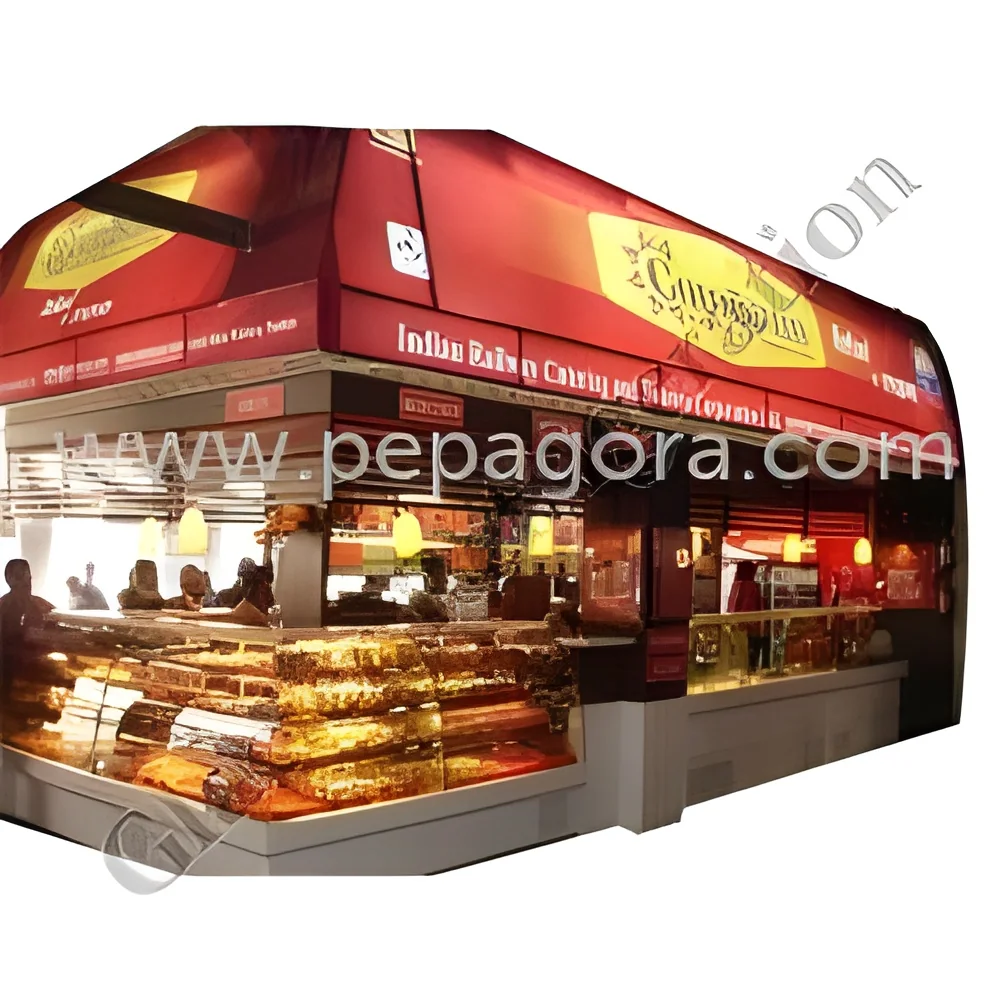
- Integration of brand colors and logos into the design
- Signage options to guide customers and promote products
6. Flooring Options
- Variety of materials such as tiles, hardwood, or carpets
- Consideration for durability and ease of maintenance
7. Acoustics
- Design considerations to manage sound and enhance the shopping experience
- Use of sound-absorbing materials to create a comfortable environment
8. Flexibility
- Modular designs that allow for easy reconfiguration as needed
- Adaptable to different product lines or seasonal changes
In summary, the features and specifications of retail store and showroom interiors are essential in creating an engaging shopping environment that aligns with business objectives.
Common Applications and Use Cases
Retail store and showroom interiors have a broad range of applications across several industries. Each industry has specific requirements that shape the design and functionality of these spaces.
1. Fashion Retail: Showrooms for clothing brands often feature dynamic layouts and customizable display fixtures to showcase the latest collections effectively.
2. Electronics Stores: These interiors focus on high-tech displays and interactive elements to engage customers with product capabilities and features.
3. Furniture Showrooms: Layouts are designed to mimic home settings, allowing customers to visualize products in real-life scenarios.
4. Automotive Showrooms: Interiors often include large display areas for vehicles and interactive zones for customer engagement.
5. Grocery Stores: Designed to facilitate easy navigation, these interiors focus on product accessibility and effective merchandising.
6. Jewelry Stores: High-security design combined with luxurious aesthetics to enhance customer experience and product value perception.
7. Home Improvement Centers: These spaces often feature large layouts with demo areas to showcase tools and materials in practical settings.
Product Variants and Subcategories
Retail store and showroom interiors encompass a variety of designs and configurations tailored for different needs. The diversity in products allows businesses to select solutions that best fit their objectives.
Standard Retail Interiors: These are versatile solutions that can be adapted for various retail sectors. They often include modular shelving and display units that can be customized based on product type.
Luxury Showroom Interiors: Designed with high-end materials and finishes, these interiors focus on creating a premium shopping experience. They are often used in luxury goods sectors such as jewelry and high-fashion.
Pop-Up Store Designs: Temporary retail environments that allow brands to create unique customer experiences. These designs are flexible and can be assembled quickly for short-term promotions.
Seasonal Displays: Interiors that are adapted for specific seasons or holidays. They often feature thematic decorations and layouts that align with seasonal promotions.
Benefits and Advantages
Retail store and showroom interiors offer several benefits that can enhance business performance. A well-designed interior can significantly impact customer engagement and sales.
Key benefits include:
1. Enhanced Customer Experience: Thoughtful design elements create an inviting atmosphere that encourages customers to explore.
2. Increased Sales: Effective product placement and visibility can lead to higher conversion rates.
3. Brand Identity: Customized interiors help reinforce brand messaging and create a memorable shopping experience.
4. Flexibility: Modular designs allow for easy changes and updates based on seasonal trends or product launches.
5. Improved Operational Efficiency: A well-planned layout can streamline processes, making it easier for staff to manage inventory and assist customers.
6. Competitive Advantage: Unique and innovative designs can differentiate a retail space from competitors, attracting more foot traffic.
Buying Guide for B2B Buyers
When sourcing retail store and showroom interiors, it is essential for B2B buyers to consider several factors to ensure a successful purchase.
1. Quality Assessment: Evaluate materials and craftsmanship to ensure durability and aesthetic appeal. Consider the long-term value of the investment.
2. Supplier Verification: Vet suppliers to confirm their credibility and reliability. Reviews and case studies can provide insights into their performance.
3. Pricing and MOQ: Understand pricing structures and minimum order quantities to align with budget and inventory needs. Seek quotes from multiple suppliers for comparison.
4. Delivery and Lead Times: Assess logistics and delivery timelines to ensure that the interiors can be installed within the desired timeframe.
5. Compliance Requirements: Be aware of any regulatory standards that apply to the products, such as safety and environmental considerations.
Compliance and Certifications
Retail store and showroom interiors must adhere to various compliance and certification standards, ensuring they meet quality and safety requirements.
Relevant quality standards include ISO 9001, which ensures that products meet customer and regulatory requirements. Compliance with HACCP and GDP may also be necessary for specific industries, particularly those that involve food and pharmaceuticals.
Industry certifications, such as CE marking, indicate that products meet European Union safety, health, and environmental protection standards. This certification assures buyers of the product's compliance with essential regulations.
In addition to these standards, safety and testing requirements must be adhered to. This may involve using materials that are fire-resistant or environmentally friendly, depending on the specific retail environment.
Regional compliance considerations may vary, so it is crucial for businesses to understand local regulations and standards to ensure complete compliance in their respective markets.
Why Source Retail Store & Showroom Interiors from Pepagora?
Pepagora offers a trusted platform for sourcing retail store and showroom interiors with several key advantages that benefit B2B buyers.
Verified Supplier Network: Pepagora connects buyers with a network of verified suppliers. This ensures that businesses can find reputable manufacturers who provide high-quality products.
Streamlined RFQ Process: The platform simplifies the request for quotation process, allowing buyers to easily compare pricing and specifications from different suppliers. This efficiency helps businesses make informed purchasing decisions.
Trade Assurance and Support: Pepagora provides trade assurance, protecting buyers from potential issues during transactions. This support fosters a reliable purchasing environment.
Regional Coverage: With a presence in India, the GCC, and Southeast Asia, Pepagora has a broad geographic reach. This allows businesses to access a wide range of suppliers and products tailored to their specific markets.
By choosing Pepagora, businesses can enhance their retail environments with superior interiors that meet their unique needs while ensuring a reliable sourcing process.

 IN
IN