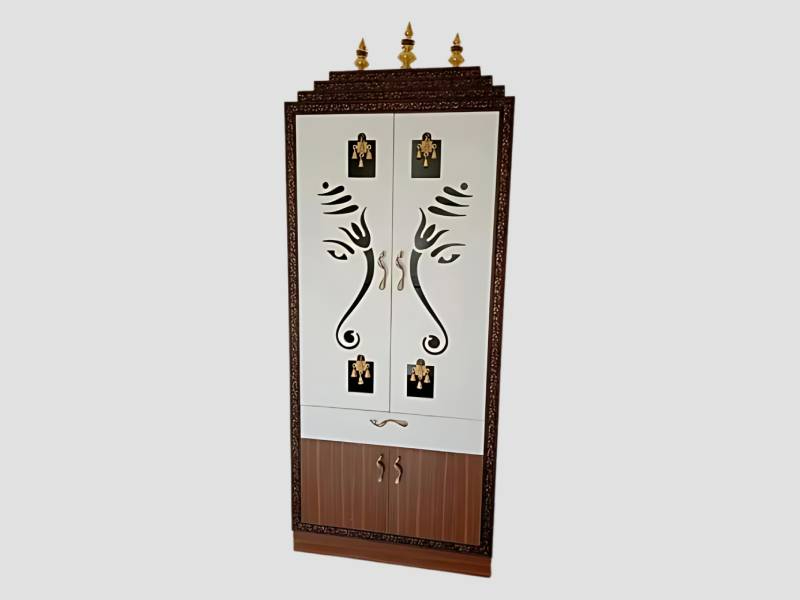
What are Furniture Layout Planning?
Furniture layout planning involves the strategic arrangement of furniture within a space to optimize functionality, aesthetics, and workflow. This process is critical in various environments, including offices, retail spaces, and healthcare facilities. Proper layout planning ensures that spaces are utilized efficiently, enhancing both user experience and operational effectiveness.
Furniture layout planning is utilized across numerous business applications. In office settings, it helps create collaborative environments, while in retail, it can influence customer behavior and sales. Additionally, healthcare facilities benefit from well-planned layouts that ensure patient comfort and staff efficiency. The relevance of furniture layout planning in these contexts reflects its importance in enhancing productivity and customer satisfaction in various industries.
The market for furniture layout planning is expanding, driven by trends in workspace design and the increasing emphasis on employee well-being. As businesses strive to create appealing and functional spaces, the demand for effective furniture layout solutions continues to grow. This presents opportunities for suppliers and service providers in the furniture and design industries.
Key Features and Specifications
Furniture layout planning encompasses several key features and specifications designed to meet the diverse needs of various industries. The following specifications highlight the essential components of effective layout planning.
Key specifications include:
1. Space Optimization
- Ensures maximum use of available space.
- Balances aesthetics with functionality.
2. Flexibility and Adaptability
- Allows for easy reconfiguration of furniture.
- Supports changing business needs.
3. User-Centric Design
- Focuses on the needs of end-users.
- Enhances comfort and accessibility.
4. Compliance with Regulatory Standards
- Adheres to relevant industry standards and regulations.
- Ensures safety and functionality in design.
5. Aesthetic Appeal
- Considers color schemes and materials.
- Enhances the overall ambiance of the space.
6. Technology Integration
- Incorporates technology solutions within the layout.
- Facilitates modern workspace requirements.
7. Cost Efficiency
- Aims to provide value within budget constraints.
- Considers long-term operational costs.
8. Sustainability
- Promotes the use of eco-friendly materials.
- Supports energy-efficient design practices.
In summary, effective furniture layout planning combines various features to create spaces that are functional, appealing, and compliant with industry standards.
Common Applications and Use Cases
Furniture layout planning is applicable in a variety of sectors, each with specific needs and requirements.
1. Office Spaces: In offices, furniture layout planning creates collaborative areas that enhance teamwork and productivity. It ensures that workstations are ergonomically designed and strategically placed to promote workflow.
2. Retail Environments: Retailers utilize furniture layout planning to guide customer movement and maximize product visibility. A well-planned layout can significantly impact sales and improve the shopping experience.
3. Healthcare Facilities: In healthcare settings, effective layout planning is crucial for patient comfort and staff efficiency. It facilitates easy access to medical equipment and supports better patient care.
4. Educational Institutions: Schools and universities benefit from furniture layout planning to create dynamic learning environments. Flexible seating arrangements can foster collaboration and engagement among students.
5. Hospitality Industry: Hotels and restaurants use layout planning to create inviting spaces that enhance guest experiences. Thoughtful arrangement of furniture can influence customer satisfaction and retention.
6. Event Spaces: Convention centers and event venues rely on furniture layout planning to accommodate various functions. Versatile layouts can be adapted for different types of events, ensuring optimal use of space.
7. Residential Design: Interior designers apply furniture layout planning to create functional and aesthetically pleasing home environments. Effective layouts help maximize space in smaller homes.
Product Variants and Subcategories
Furniture layout planning offers a diverse range of options to meet various needs and preferences.
Consultation Services
These services involve professional assessment and recommendations for optimal furniture arrangements. Experts analyze the specific requirements of a space and provide tailored solutions.
Software Solutions
Furniture layout planning software allows businesses to visualize and experiment with different layouts. These tools often include features for 3D modeling and design simulations, aiding in decision-making.
Custom Design Services
Some providers offer custom design services to create unique furniture layouts tailored to the client's specifications. This approach ensures that the final layout aligns perfectly with the business's identity and functional needs.
Pre-Designed Templates
Pre-designed layout templates offer quick solutions for common spaces. These templates can be easily adapted to suit specific requirements while saving time and effort in the planning process.
Benefits and Advantages
Utilizing furniture layout planning offers several key advantages for businesses.
1. Improved Space Utilization: Effective layout planning maximizes the use of available space, ensuring that every area serves a purpose.
2. Enhanced Productivity: A well-planned layout promotes efficient workflows and reduces obstacles, leading to increased productivity among employees.
3. Better Customer Experience: In retail and hospitality settings, thoughtful furniture arrangements enhance customer satisfaction and encourage longer visits.
4. Cost Savings: By optimizing space and enhancing functionality, businesses can reduce operational costs associated with inefficient layouts.
5. Increased Flexibility: Adaptive layout solutions allow businesses to quickly respond to changing needs and trends, ensuring long-term viability.
6. Compliance with Standards: Proper furniture layout planning helps meet industry-specific regulations and safety standards, minimizing liability issues.
Buying Guide for B2B Buyers
When sourcing furniture layout planning solutions, B2B buyers should consider several critical factors.
1. Quality Assessment: Evaluate the quality of materials and design processes to ensure durability and functionality. Look for suppliers with a strong reputation for quality assurance.
2. Supplier Verification: Vet potential suppliers thoroughly. Check references, reviews, and past project portfolios to ensure they have a proven track record in delivering successful layout planning solutions.
3. Pricing and MOQ: Understand the pricing structure and minimum order quantities. Compare costs among various suppliers to find the best value without compromising quality.
4. Delivery and Lead Times: Inquire about delivery schedules and lead times. Timely delivery is essential to align with project timelines and minimize disruptions.
5. Compliance Requirements: Ensure that the layout planning solutions meet all relevant compliance and regulatory standards. This includes safety certifications and industry-specific regulations.
Compliance and Certifications
Compliance with relevant standards and certifications is vital in the furniture layout planning industry. Key quality standards include ISO 9001, which focuses on quality management systems, ensuring that products meet customer requirements consistently.
Industry certifications, such as CE marking, indicate that products comply with European safety and health standards. These certifications enhance the credibility of suppliers and instill confidence in buyers regarding product safety and reliability.
Additionally, safety testing requirements are crucial to ensure that furniture layouts do not pose hazards to users. Compliance with regional regulations, including local building codes and accessibility standards, is also necessary to avoid legal complications and ensure user safety.
Why Source Furniture Layout Planning from Pepagora?
Pepagora offers a reliable platform for sourcing furniture layout planning solutions, providing numerous advantages for businesses.
Verified Supplier Network: Pepagora has a robust network of verified suppliers who have undergone thorough vetting processes. This ensures that buyers can trust the quality and reliability of the products and services offered.
Streamlined RFQ Process: The platform features an efficient request for quotation (RFQ) process, allowing buyers to easily compare multiple offers from different suppliers. This simplifies procurement and enables informed decision-making.
Trade Assurance and Support: Pepagora provides trade assurance to protect buyers throughout the purchasing process. This includes support for resolving disputes and ensuring that orders are fulfilled as agreed.
Regional Coverage: With a strong presence in India, the GCC, and Southeast Asia, Pepagora caters to a diverse range of businesses. This geographic reach allows for tailored solutions that meet regional market demands and preferences.

 IN
IN