
 IN
Industrial Vices & Clamps
97 products available
𝗪𝗵𝗮𝘁 𝗮𝗿𝗲 𝗜𝗻𝗱𝘂𝘀𝘁𝗿𝗶𝗮𝗹 𝗩𝗶𝗰𝗲𝘀 & 𝗖𝗹𝗮𝗺𝗽𝘀?
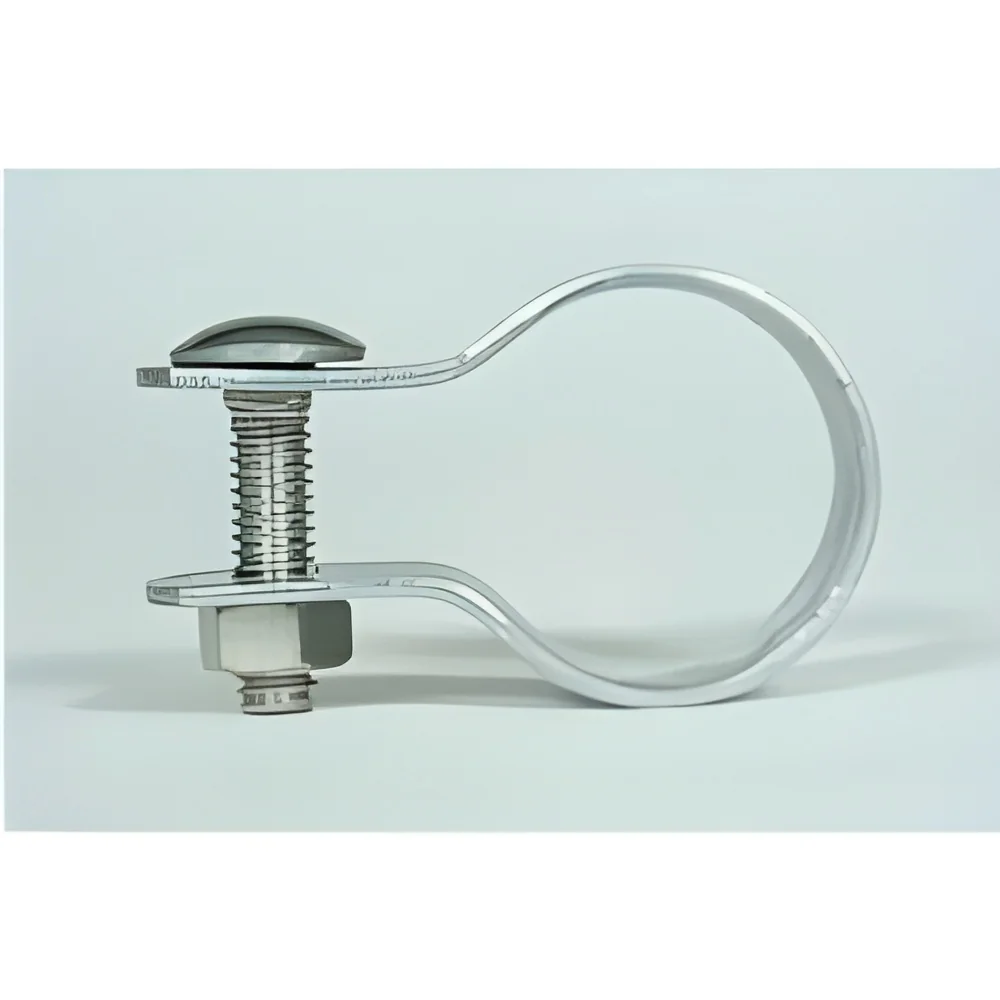
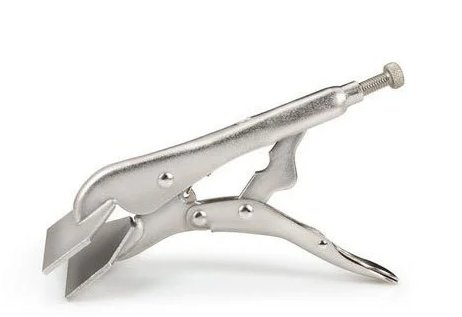
Industrial vices and clamps are essential tools used in various manufacturing and assembly processes. They are designed to hold workpieces securely in place, allowing operators to perform tasks such as cutting, drilling, and welding with precision. Industrial vices typically feature a fixed jaw and a movable jaw that can be adjusted to accommodate different sizes of workpieces. Clamps, on the other hand, come in various designs and are used to apply pressure to materials, ensuring they remain stationary during operations.
These tools are widely used across multiple industries, including metalworking, woodworking, automotive, and construction. Their primary function is to provide stability and support, which is crucial for achieving accurate results in production tasks. In business applications, the reliability and performance of vices and clamps directly impact productivity and product quality. As industries continue to evolve, the demand for high-quality industrial vices and clamps remains strong, reflecting their importance in maintaining efficient manufacturing processes.
𝗞𝗲𝘆 𝗙𝗲𝗮𝘁𝘂𝗿𝗲𝘀 𝗮𝗻𝗱 𝗦𝗽𝗲𝗰𝗶𝗳𝗶𝗰𝗮𝘁𝗶𝗼𝗻𝘀
Industrial vices and clamps come with various features and specifications that cater to the diverse needs of different applications. Understanding these specifications is crucial for selecting the right tools for specific tasks.
Key specifications include:
1. Jaw Width
- The width of the jaws determines the size of the workpieces that can be securely held.
- Common ranges vary from 4 inches to 12 inches.
2. Jaw Opening
- This specification indicates the maximum distance between the jaws when fully opened.
- Typical openings can range from 2 inches to 8 inches.
3. Material Construction
- Industrial vices and clamps are usually made from steel, cast iron, or aluminum for durability.
- Steel variants are preferred for heavy-duty applications.
4. Clamping Force
- The amount of force applied by the clamps to hold materials in place.
- Ranges can vary significantly based on design, often exceeding 1,000 pounds.
5. Finish Type
- The surface treatment that protects against corrosion and wear.
- Common finishes include powder coating and zinc plating.
6. Weight
- The overall weight of the vice or clamp affects portability and stability.
- Weights can range from a few pounds to over 50 pounds depending on the model.
7. Mounting Options
- Options may include bench-mounted, portable, or floor-mounted configurations.
- Different mounting styles cater to specific workspace requirements.
8. Adjustment Mechanism
- Various mechanisms like screw, lever, or hydraulic for adjusting jaw position.
- Each mechanism offers different levels of convenience and speed of adjustment.
In summary, selecting the right industrial vice or clamp involves understanding these key specifications to match the tool's capabilities with the intended application.
𝗖𝗼𝗺𝗺𝗼𝗻 𝗔𝗽𝗽𝗹𝗶𝗰𝗮𝘁𝗶𝗼𝗻𝘀 𝗮𝗻𝗱 𝗨𝘀𝗲 𝗖𝗮𝘀𝗲𝘀
Industrial vices and clamps serve a wide range of industries, providing essential support for various tasks.
1. Metalworking: In metal fabrication shops, vices are used to secure metals during cutting and welding processes, ensuring precision and safety.
2. Woodworking: Woodworkers utilize clamps to hold pieces securely while gluing or cutting, which helps achieve clean and accurate joints.
3. Automotive: In automotive repair and assembly, vices are employed to hold car parts in place, allowing technicians to work efficiently.
4. Construction: Clamps are commonly used on construction sites to hold materials together during assembly and installation tasks.
5. Electronics: In electronics manufacturing, precision clamps secure components during soldering and assembly processes to prevent movement.
6. Aerospace: The aerospace industry relies on specialized vices for holding components during assembly and inspection, ensuring strict adherence to standards.
7. Marine: In shipbuilding, vices are used to hold heavy components securely, facilitating welding and assembly.
𝗣𝗿𝗼𝗱𝘂𝗰𝘁 𝗩𝗮𝗿𝗶𝗮𝗻𝘁𝘀 𝗮𝗻𝗱 𝗦𝘂𝗯𝗰𝗮𝘁𝗲𝗴𝗼𝗿𝗶𝗲𝘀
Industrial vices and clamps are available in various forms to suit different applications and user preferences. This diversity allows businesses to select tools that best meet their operational needs.
Manual Vices: These vices are operated by hand using a screw mechanism, providing simplicity and reliability. They are ideal for general-purpose tasks in workshops.
Pneumatic Clamps: Utilizing compressed air for operation, pneumatic clamps offer rapid clamping action. They are effective in high-volume production environments where speed is essential.
Magnetic Clamps: These clamps use magnets to secure workpieces, allowing for quick adjustments. They are particularly useful in metalworking and machining applications.
C-Clamps: Known for their versatility, C-clamps can be used in various applications across industries. They are lightweight and easy to adjust, making them a favorite among tradespeople.
Edge Clamps: Designed specifically for holding panels and sheets, edge clamps provide firm support along the edges, making them valuable in woodworking and manufacturing.
𝗕𝗲𝗻𝗲𝗳𝗶𝘁𝘀 𝗮𝗻𝗱 𝗔𝗱𝘃𝗮𝗻𝘁𝗮𝗴𝗲𝘀
Investing in high-quality industrial vices and clamps offers numerous advantages that can enhance productivity and efficiency.
1. Enhanced Precision: Securely holding workpieces allows for more accurate cuts and assembly, reducing errors.
2. Increased Safety: Properly clamped materials minimize the risk of accidents, protecting workers and equipment.
3. Versatility: With various designs available, these tools can be adapted for multiple applications across different industries.
4. Time Efficiency: Quick-adjust mechanisms and reliable clamping reduce setup time, allowing for faster project completion.
5. Durability: High-quality materials ensure long-lasting performance, reducing the need for frequent replacements.
6. Improved Workflow: Reliable tools streamline operations, creating a smoother workflow and higher output in manufacturing settings.
𝗕𝘂𝘆𝗶𝗻𝗴 𝗚𝘂𝗶𝗱𝗲 𝗳𝗼𝗿 𝗕𝟮𝗕 𝗕𝘂𝘆𝗲𝗿𝘀
When sourcing industrial vices and clamps, several factors should be considered to ensure the right selection for your business needs.
1. Quality Assessment: Evaluate the materials and construction quality. Look for tools that meet industry standards and are built to withstand rigorous use.
2. Supplier Verification: Vet suppliers by checking their reputation, customer reviews, and compliance with industry regulations. A reliable supplier is crucial for consistent product quality.
3. Pricing and MOQ: Understand the pricing structure and minimum order quantities. Compare quotes from multiple suppliers to ensure competitive pricing without compromising quality.
4. Delivery and Lead Times: Inquire about shipping options and lead times. Timely delivery is essential for maintaining project schedules.
5. Compliance Requirements: Ensure that the products meet relevant safety and quality standards, such as CE certification. Compliance is crucial for operational integrity and safety.
𝗖𝗼𝗺𝗽𝗹𝗶𝗮𝗻𝗰𝗲 𝗮𝗻𝗱 𝗖𝗲𝗿𝘁𝗶𝗳𝗶𝗰𝗮𝘁𝗶𝗼𝗻𝘀
Compliance and certifications are vital in ensuring that industrial vices and clamps meet industry standards and safety requirements. Many products adhere to quality standards like ISO 9001, which outlines the criteria for a quality management system. This ensures that the tools are manufactured consistently and meet customer expectations.
Additionally, certifications such as CE mark indicate that the products comply with European health, safety, and environmental protection standards. This certification is essential for products sold in the European market, ensuring they meet regulatory requirements.
Safety and testing requirements also play a crucial role in the manufacturing process. Products should undergo rigorous testing to ensure they can withstand the necessary load and stress during use. Furthermore, regional compliance considerations must be taken into account, as different regions may have specific regulations that affect the design and performance of industrial vices and clamps.
𝗪𝗵𝘆 𝗦𝗼𝘂𝗿𝗰𝗲 𝗜𝗻𝗱𝘂𝘀𝘁𝗿𝗶𝗮𝗹 𝗩𝗶𝗰𝗲𝘀 & 𝗖𝗹𝗮𝗺𝗽𝘀 𝗳𝗿𝗼𝗺 𝗣𝗲𝗽𝗮𝗴𝗼𝗿𝗮?
Pepagora stands out as a trusted platform for sourcing industrial vices and clamps, offering several key advantages to businesses.
Verified Supplier Network: Pepagora ensures that all suppliers are thoroughly vetted, providing buyers with access to a network of reliable manufacturers. This verification process guarantees quality and accountability in product sourcing.
Streamlined RFQ Process: The request for quotation (RFQ) system simplifies the procurement process. Buyers can easily submit their requirements and receive competitive quotes from multiple suppliers, saving time and effort.
Trade Assurance and Support: Pepagora offers trade assurance, protecting buyers from potential issues during transactions. This support instills confidence in the purchasing process, ensuring that businesses receive what they pay for.
Regional Coverage: With a strong presence in markets such as India, the Gulf Cooperation Council (GCC), and Southeast Asia, Pepagora facilitates access to a wide range of suppliers. This geographic reach allows businesses to find the right products for their specific needs, regardless of location.





Frequently Asked Questions
What are Industrial Vices & Clamps?
Industrial vices and clamps are tools used to securely hold objects in place during manufacturing, assembly, or repair processes. They come in various designs and sizes, allowing for a wide range of applications across different industries.
What are the different types of Industrial Vices & Clamps?
There are several types of industrial vices and clamps, including bench vices, pipe vices, and C-clamps. Each type is designed for specific tasks and materials, ensuring that workpieces are held securely and accurately.
How do I choose the right Industrial Vices & Clamps?
Choosing the right industrial vices and clamps depends on the type of work you are doing, the materials you are using, and the size of the workpiece. It's important to consider factors such as grip strength, jaw size, and material compatibility.
What are the standard specifications for Industrial Vices & Clamps?
Standard specifications for industrial vices and clamps typically include jaw width, throat depth, and maximum clamping force. Additionally, materials used in construction, such as steel or aluminum, can impact durability and performance.
What is the price range for Industrial Vices & Clamps?
The price range for industrial vices and clamps varies widely depending on the type, size, and brand. Generally, prices can range from a few hundred to several thousand Indian Rupees, reflecting the quality and features of the product.
What quality standards apply to Industrial Vices & Clamps?
Industrial vices and clamps are often manufactured to meet specific quality standards such as ISO or ASTM. These standards ensure that the products are reliable, safe, and perform effectively under various conditions.
Where can I find Industrial Vices & Clamps suppliers in India?
You can find industrial vices and clamps suppliers in India through online B2B marketplaces like Pepagora, trade shows, and industry directories. It's advisable to compare different suppliers to find the best options for your needs.
Can Industrial Vices & Clamps be customized?
Yes, many manufacturers offer customization options for industrial vices and clamps to meet specific requirements. Customization may include adjustments in size, jaw design, or materials used, depending on the application.
What is the typical minimum order quantity for Industrial Vices & Clamps?
The typical minimum order quantity (MOQ) for industrial vices and clamps can vary by supplier and product type. Generally, MOQs range from a single unit for standard products to larger quantities for customized orders or bulk purchases.
What is the typical lead time for Industrial Vices & Clamps?
The typical lead time for industrial vices and clamps varies based on factors such as the type of product, customization requests, and supplier capabilities. Generally, lead times can range from a few days for standard items to several weeks for customized solutions.
Why Businesses Trust Pepagora
Thousands of companies trust Pepagora to source smarter and sell faster
Expand Your Sales Globally

Source Smarter,Grow Faster
