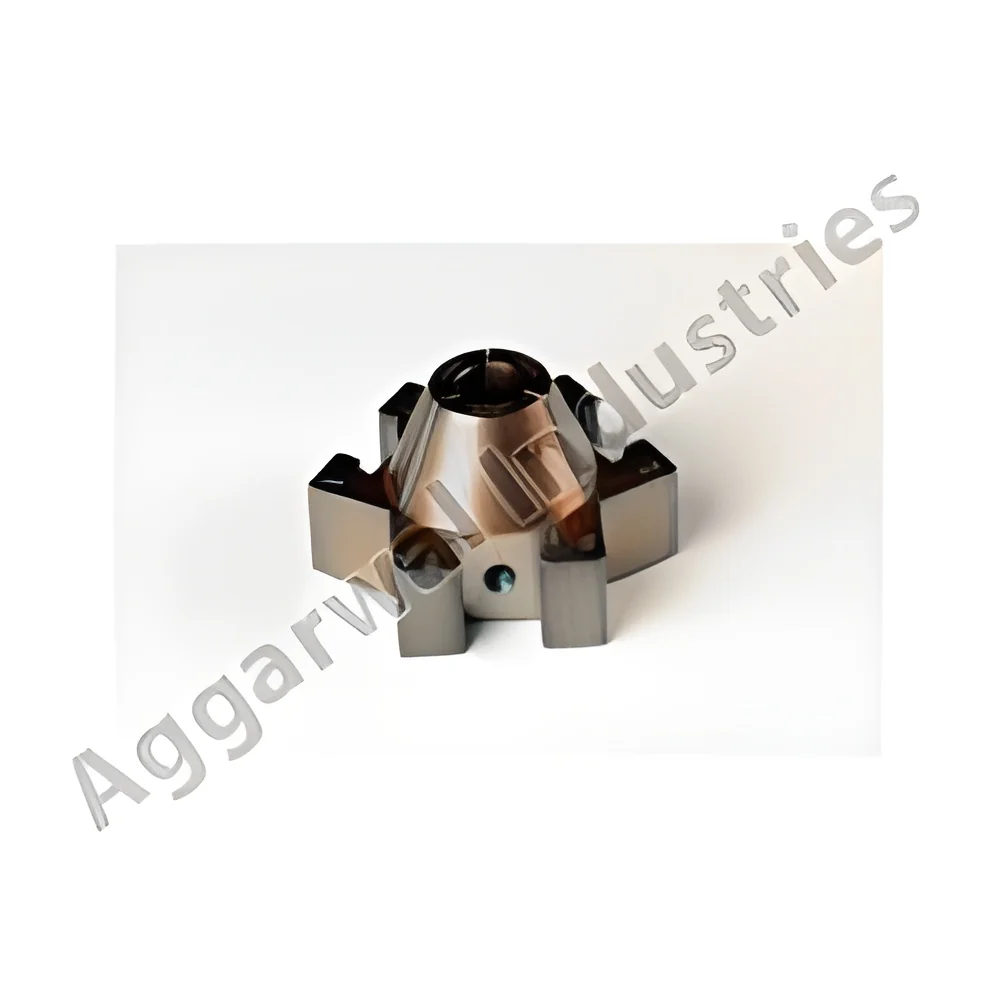
What are Heavy-Duty Vices?
Heavy-duty vices are robust clamping tools designed to securely hold objects in place during various industrial tasks. These vices are constructed from high-strength materials that enable them to withstand significant forces and resist wear and tear, ensuring longevity and reliability in demanding environments. They feature a jaw mechanism that allows users to grip materials tightly, providing stability for machining, welding, and assembly applications.
These vices are primarily used in sectors such as metalworking, woodworking, and construction, where precision and safety are critical. In metalworking, they hold workpieces for machining operations, while in woodworking, they assist in shaping and finishing tasks. Their versatility makes them indispensable in workshops, factories, and construction sites. As industries evolve, the demand for heavy-duty vices continues to grow, driven by advancements in manufacturing techniques and the need for reliable tools that enhance productivity and safety.
Key Features and Specifications
Heavy-duty vices are characterized by several key features that contribute to their performance and usability. Understanding these specifications can guide buyers in selecting the right product for their needs.
Key specifications include:
1. Jaw Width
- The width of the jaws determines the size of the materials that can be held.
- Typical ranges vary from 4 inches to 12 inches.
2. Jaw Opening Capacity
- This specification indicates how wide the jaws can open to accommodate different workpieces.
- Common capacities range from 4 inches to 10 inches.
3. Maximum Clamping Force
- This indicates the amount of pressure the vice can exert on the workpiece.
- Some models can exert forces exceeding 5,000 pounds.
4. Base Material
- Heavy-duty vices are typically made from cast iron or steel, providing durability and stability.
- Cast iron is favored for its weight and vibration-damping properties.
5. Swivel Base
- Some models feature a swivel base that allows for angular adjustments.
- This is particularly useful for complex machining tasks.
6. Finish Type
- Vices may have various finishes such as powder-coated or painted to resist corrosion.
- The finish can also enhance grip and visibility.
7. Weight
- Heavier vices typically provide more stability and resistance to movement during use.
- Weights can range from 20 to over 100 pounds depending on the size.
8. Clamping Mechanism
- Different designs include quick-release mechanisms or traditional screw types.
- The choice impacts convenience and speed of use.
In summary, heavy-duty vices come with essential features and specifications that cater to the diverse needs of industrial applications, making them crucial tools in various settings.
Common Applications and Use Cases
Heavy-duty vices are utilized across multiple industries, each with unique applications and requirements.
1. Metalworking: In this industry, heavy-duty vices hold metal pieces securely for machining, welding, and fabrication tasks, ensuring precision and safety.
2. Woodworking: Carpenters and woodworkers use these vices to clamp wood pieces during cutting, sanding, and assembly, allowing for accurate work without damaging the materials.
3. Automotive: Heavy-duty vices are essential in automotive repair shops for holding components securely while technicians perform repairs or modifications.
4. Construction: In construction, these vices are used to hold materials for cutting and joining, providing stability for tools and reducing the risk of accidents.
5. Manufacturing: Heavy-duty vices support various manufacturing processes, holding parts during assembly lines and ensuring consistent quality.
6. Metal Fabrication: Fabricators use heavy-duty vices to assist in bending, cutting, and shaping metal parts, enhancing workflow efficiency.
7. Maintenance and Repair: These tools are indispensable in maintenance shops for holding parts securely during inspections and repairs, ensuring thorough work.
Product Variants and Subcategories
Heavy-duty vices come in various designs to cater to specific needs in different industries.
Fixed Heavy-Duty Vices: These are designed for permanent installation on workbenches. They provide exceptional stability and are ideal for heavy machining tasks.
Rotating Heavy-Duty Vices: These vices feature a swivel base, allowing users to rotate the workpiece for easier access and adjustment during tasks. They are beneficial for complex assembly work.
Pneumatic Heavy-Duty Vices: Incorporating pneumatic mechanisms, these vices allow for faster clamping and release, ideal for high-volume production environments where efficiency is critical.
Benefits and Advantages
Investing in heavy-duty vices offers numerous advantages for businesses seeking to improve operational efficiency and safety.
1. Enhanced Stability: Heavy-duty vices provide a secure grip on workpieces, reducing movement and vibration during operations.
2. Increased Precision: With reliable clamping, these vices help ensure accurate machining, leading to higher quality outputs.
3. Durability: Made from robust materials, heavy-duty vices are designed to withstand harsh conditions, offering a long service life.
4. Versatility: These vices can accommodate various materials and sizes, making them suitable for multiple applications across different industries.
5. Improved Safety: By securely holding materials, heavy-duty vices minimize the risk of accidents associated with loose or shifting workpieces.
6. Time Efficiency: Quick-release mechanisms and swivel capabilities allow for faster setup and adjustments, enhancing productivity.
Buying Guide for B2B Buyers
When sourcing heavy-duty vices, it's essential for buyers to consider several factors to ensure they select the right product for their needs.
1. Quality Assessment: Evaluate the material quality and construction standards of the vices. Look for brands that adhere to recognized quality standards, ensuring reliability and durability.
2. Supplier Verification: Vet potential suppliers to confirm their reputation and reliability. Check for reviews, certifications, and their history in supplying heavy-duty vices.
3. Pricing and MOQ: Understand the pricing structure and minimum order quantities. Compare costs across suppliers to ensure you receive competitive pricing without compromising quality.
4. Delivery and Lead Times: Inquire about delivery options and lead times. Ensure that suppliers can meet your operational timelines to avoid project delays.
5. Compliance Requirements: Be aware of any industry-specific regulations or compliance standards that the heavy-duty vices must meet. This includes safety certifications and quality standards.
Compliance and Certifications
Heavy-duty vices are subject to various compliance and certification requirements to ensure safety and performance standards are met.
Quality standards such as ISO 9001 are critical for ensuring that manufacturers maintain consistent quality in their production processes. These standards focus on continual improvement and customer satisfaction.
Industry certifications like CE mark signify that the product meets European safety and health regulations. This certification is essential for buyers looking to ensure that the vices they purchase adhere to recognized safety standards.
Additionally, heavy-duty vices may be subject to testing requirements to verify their performance under different conditions. Buyers should also consider regional compliance, as different regions may have specific safety and quality regulations that affect the types of vices available.
Why Source Heavy-Duty Vices from Pepagora?
Pepagora provides a trusted platform for sourcing heavy-duty vices, offering numerous advantages that enhance the buying experience.
Verified Supplier Network: Pepagora connects buyers with verified suppliers who have undergone rigorous vetting processes. This ensures that businesses can rely on quality products and reputable sources.
Streamlined RFQ Process: The Request for Quotation (RFQ) system simplifies the pricing inquiry process. Buyers can efficiently obtain quotes from multiple suppliers, helping them make informed decisions quickly.
Trade Assurance and Support: Pepagora offers trade assurance, giving buyers confidence in their purchases. This support includes assistance with order tracking, payment security, and dispute resolution.
Regional Coverage: With a strong presence in India, the GCC, and Southeast Asia, Pepagora provides extensive regional coverage. This allows businesses to source heavy-duty vices from local suppliers, reducing shipping costs and lead times while supporting regional economies.

 IN
IN