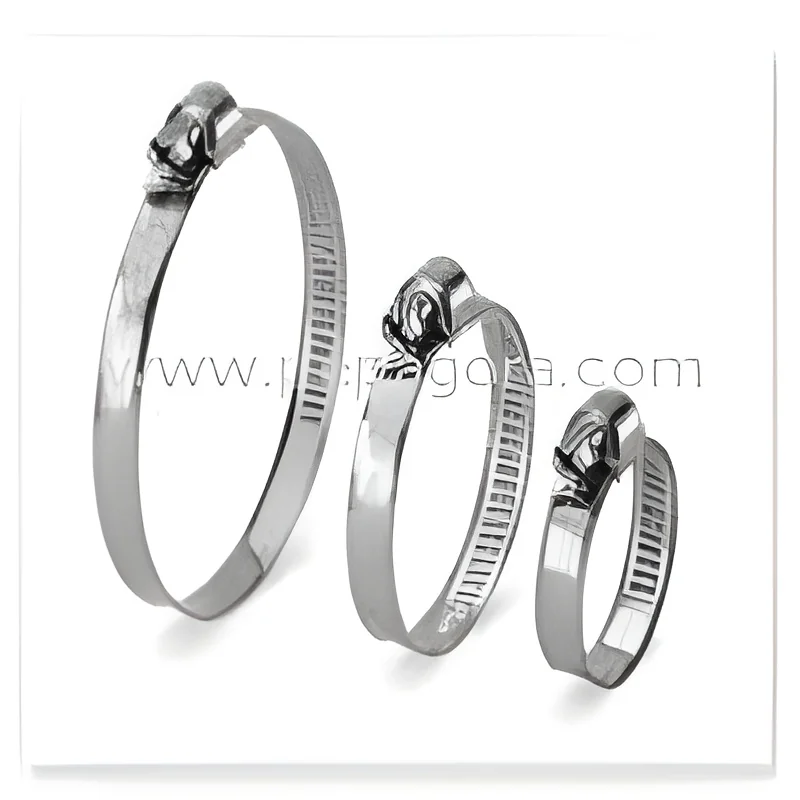
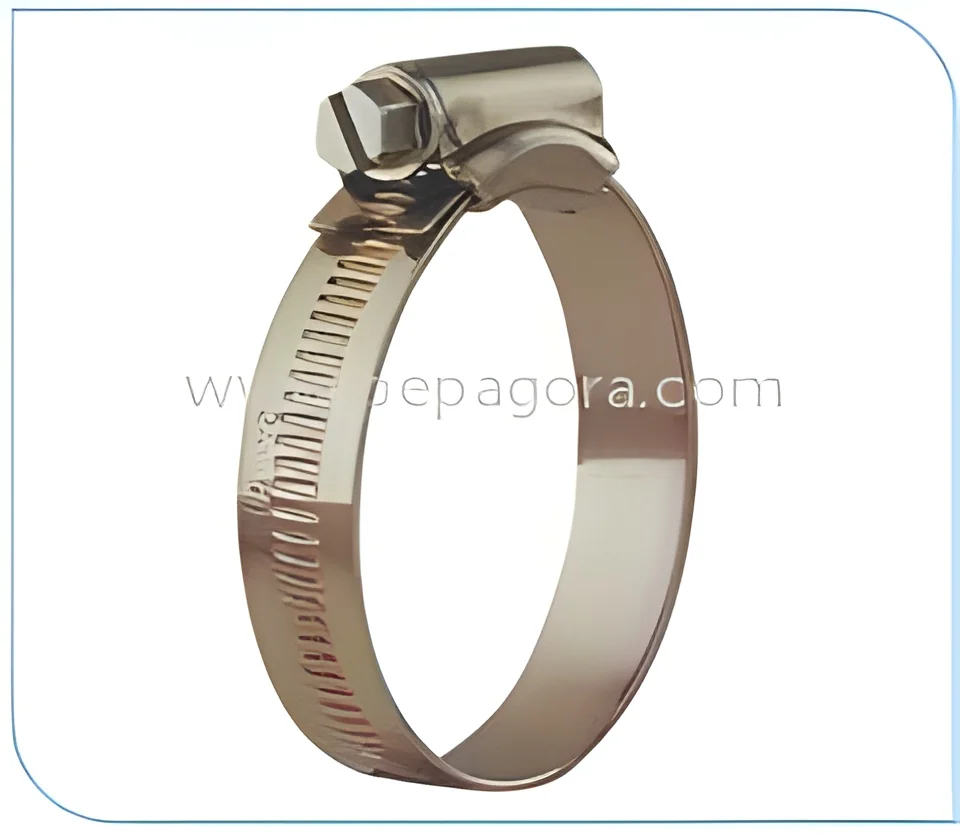
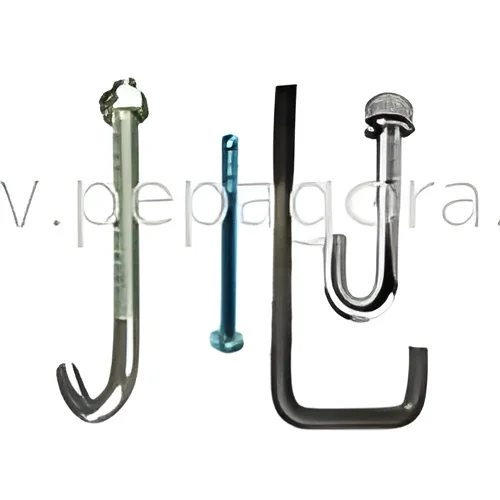
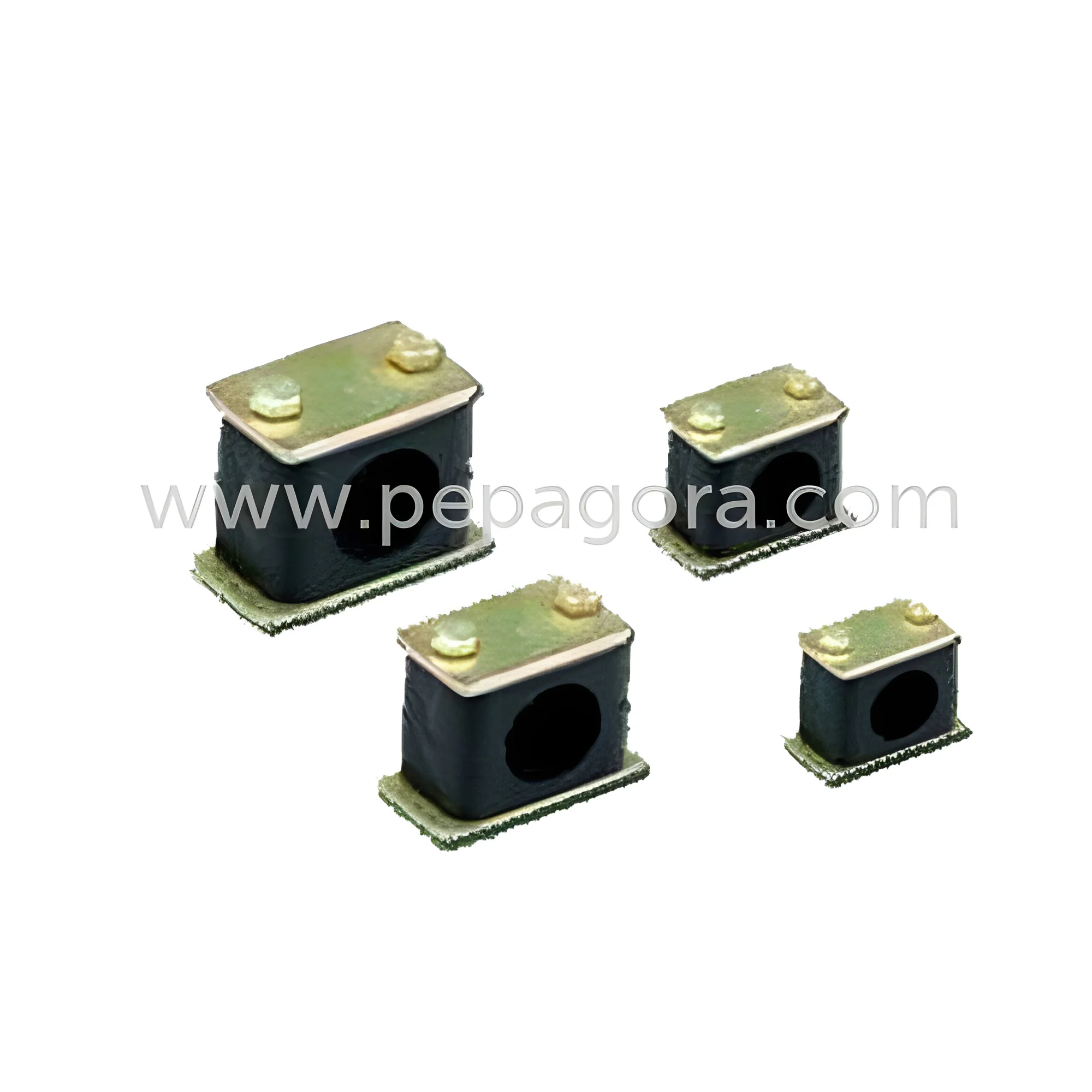
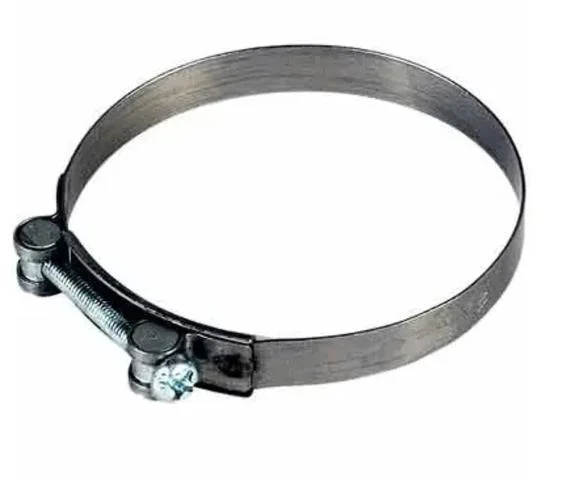
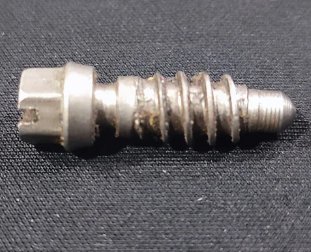
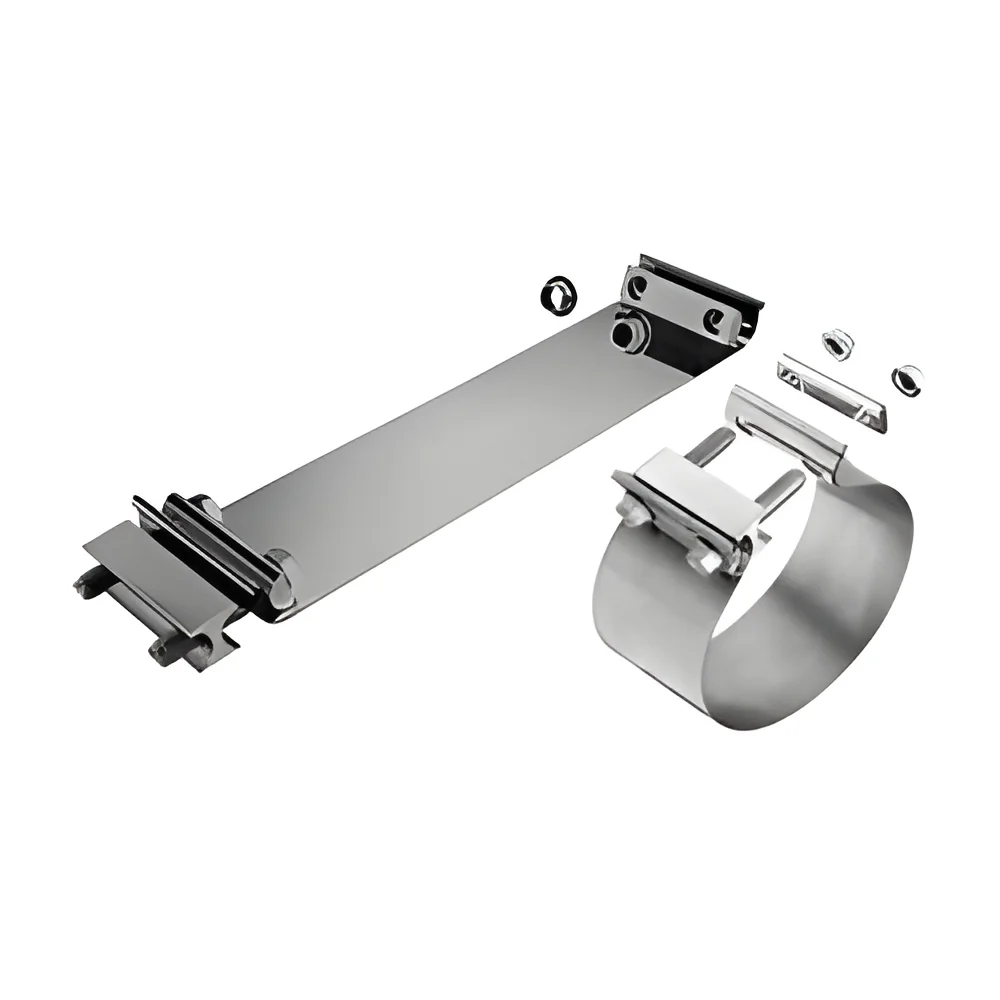
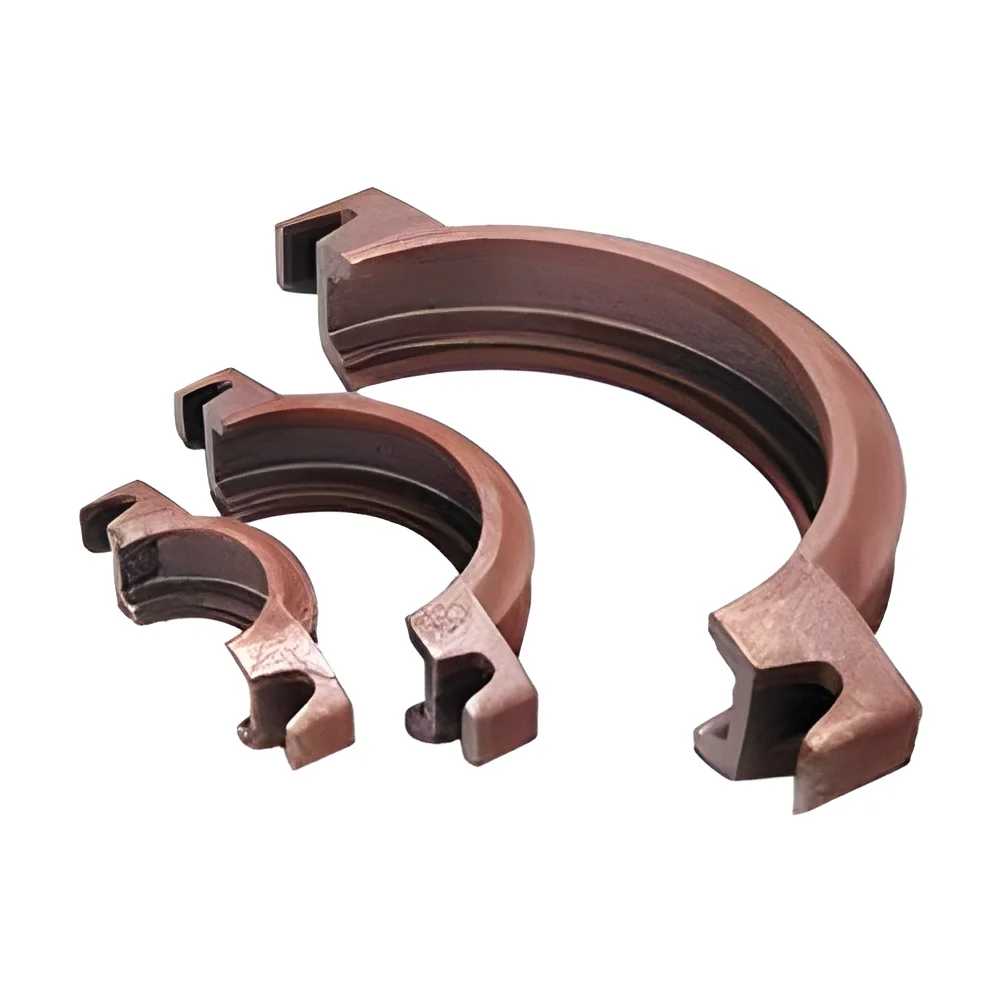
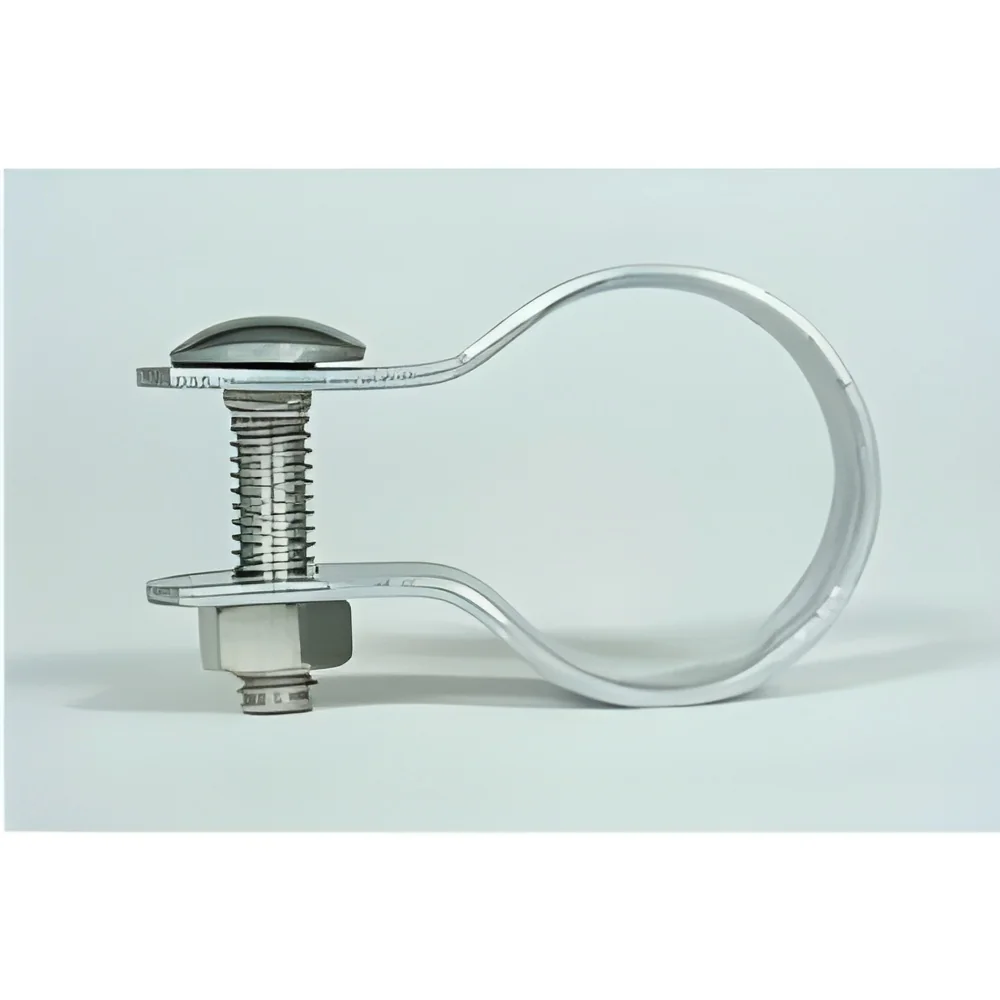
What are Pipe Clamps?
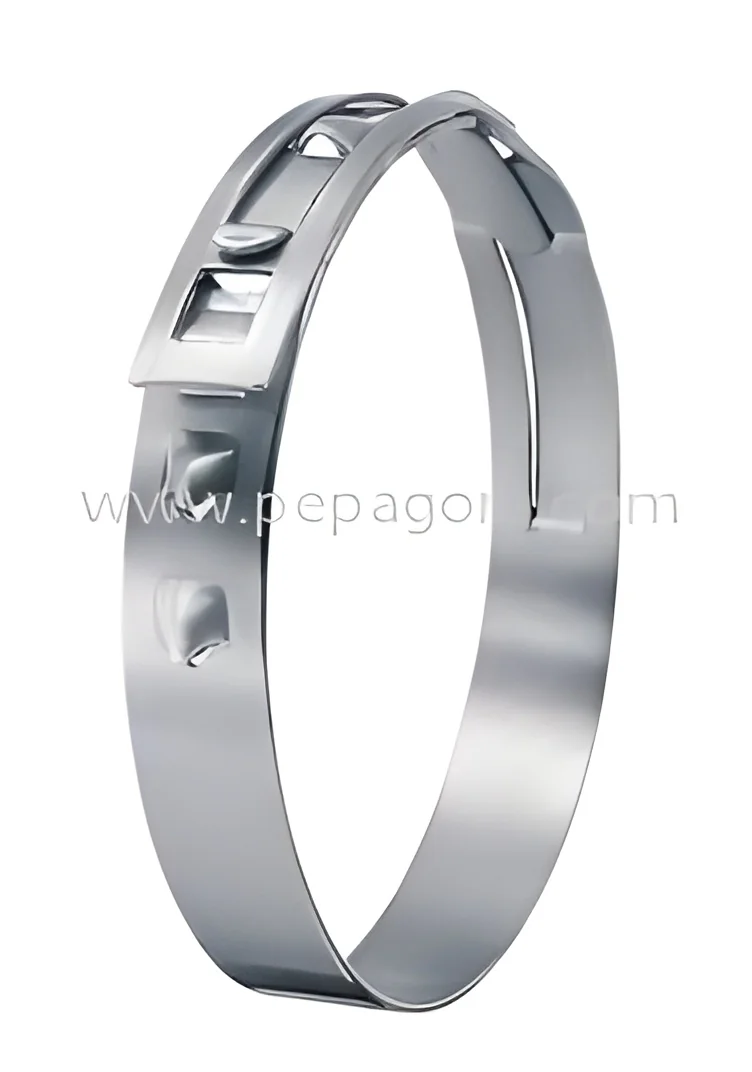
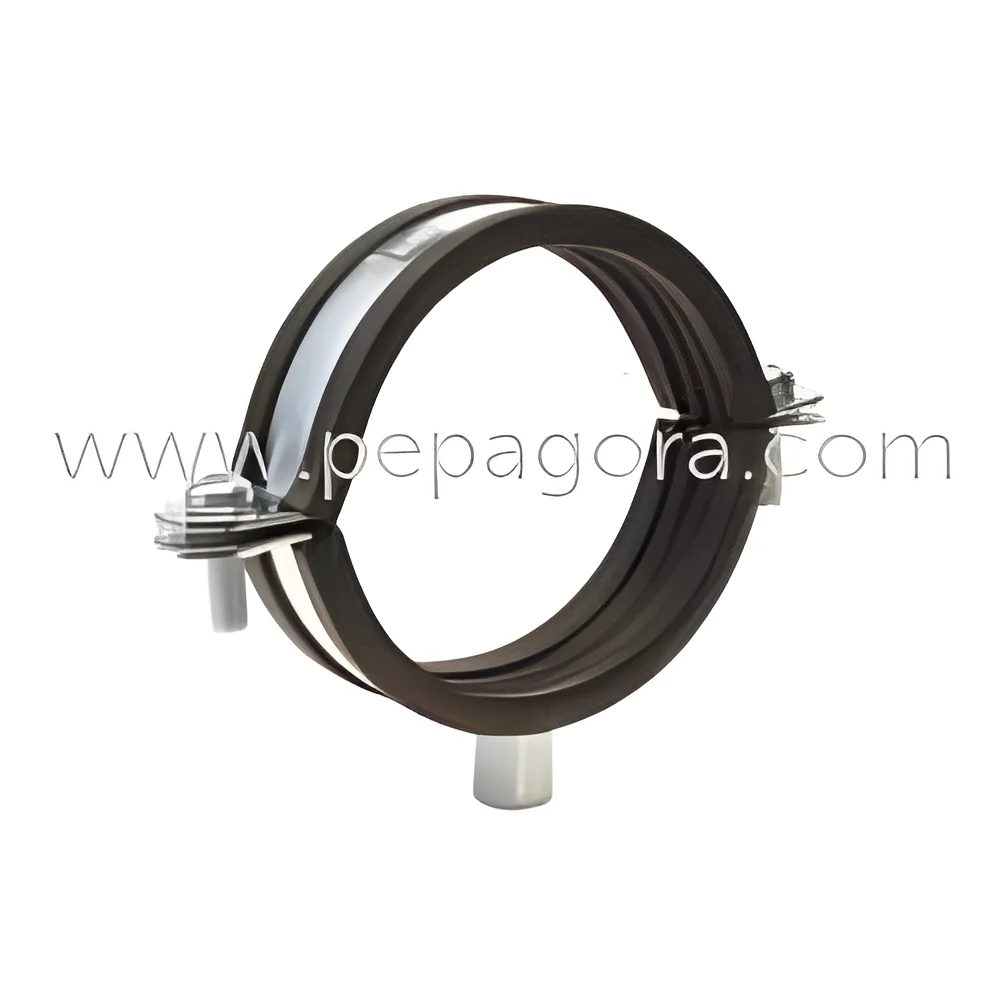
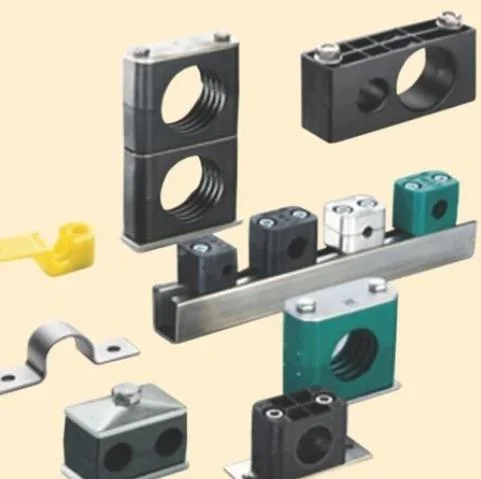
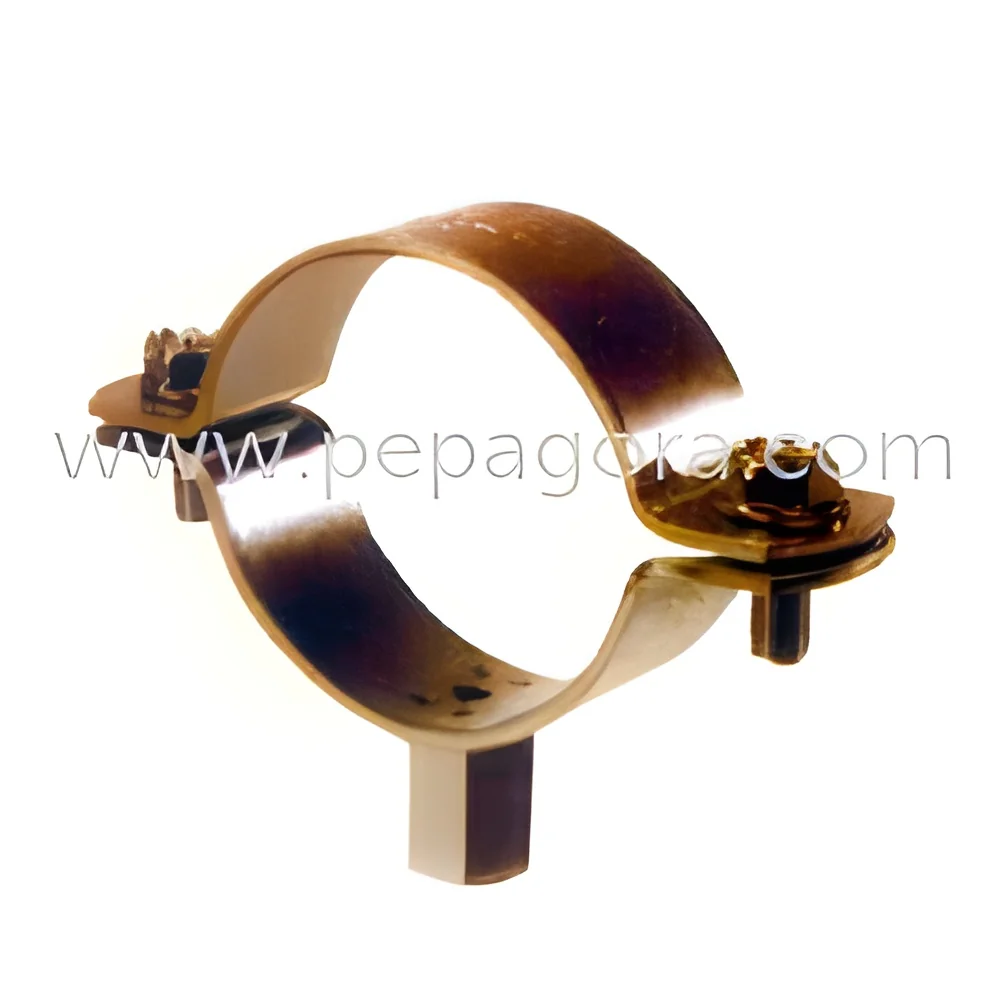
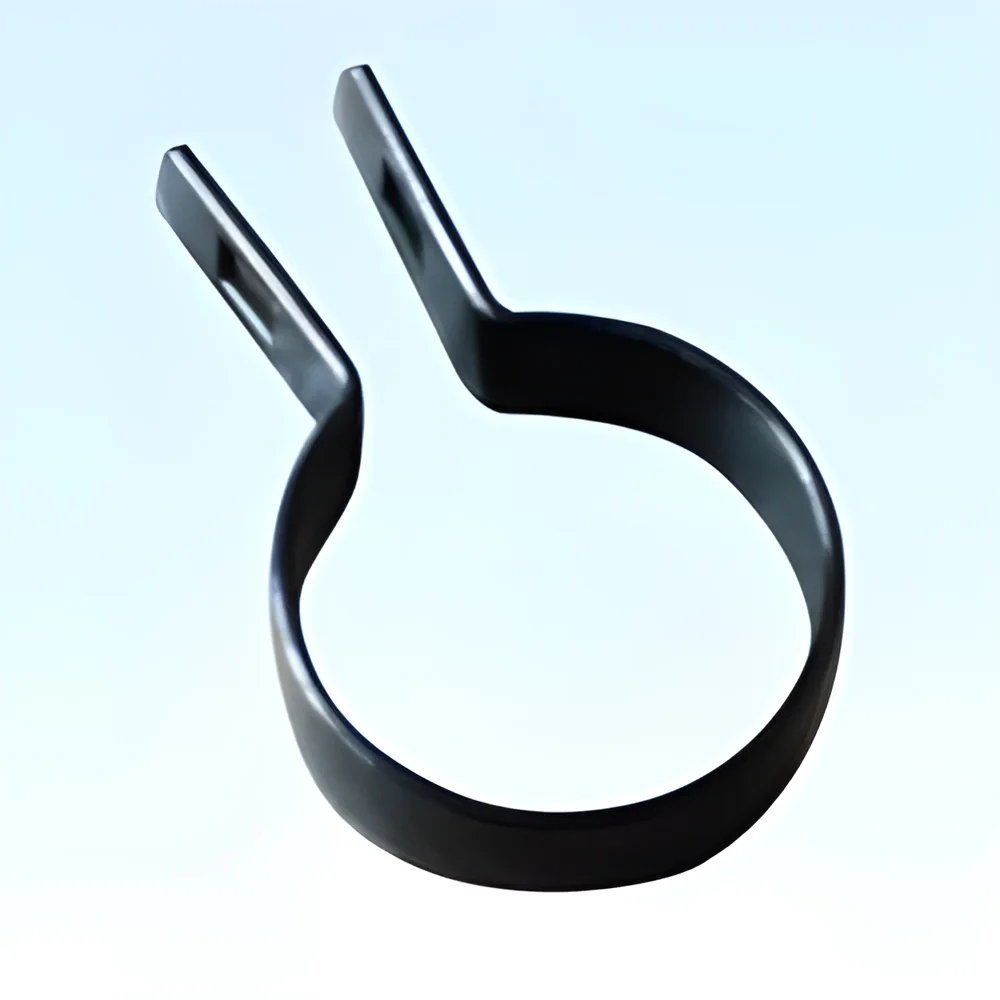
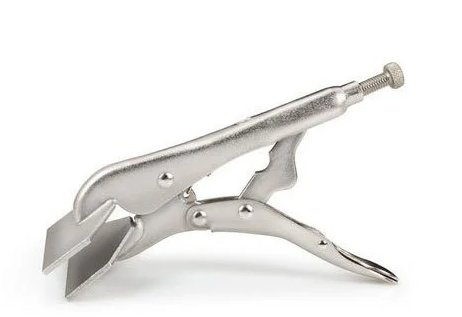
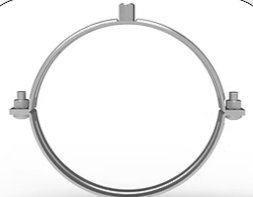
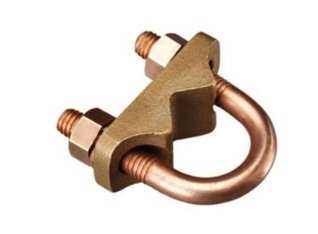
Pipe clamps are mechanical devices designed to secure and support pipes in a variety of applications. They function by holding the pipes firmly in place, preventing movement and vibration that could lead to leaks or damage. Pipe clamps are typically constructed from durable materials such as steel, stainless steel, or plastic, ensuring they withstand the rigors of industrial environments.
These clamps are widely used across several industries, including construction, plumbing, HVAC, and manufacturing. Their primary purpose is to facilitate the safe and efficient transport of fluids and gases through piping systems. Pipe clamps are essential in maintaining the integrity of piping networks, making them a critical component in various engineering applications. With the growing demand for reliable plumbing and piping systems in industrial settings, the market for pipe clamps continues to expand, reflecting their importance in maintaining operational efficiency.
Key Features and Specifications
Pipe clamps come with several key features and specifications that enhance their functionality and reliability. Understanding these specifications is essential for selecting the right pipe clamp for specific applications.
Key specifications include:
1. Material Composition
- Common materials include steel, stainless steel, and plastic.
- Material choice affects durability and corrosion resistance.
2. Size Range
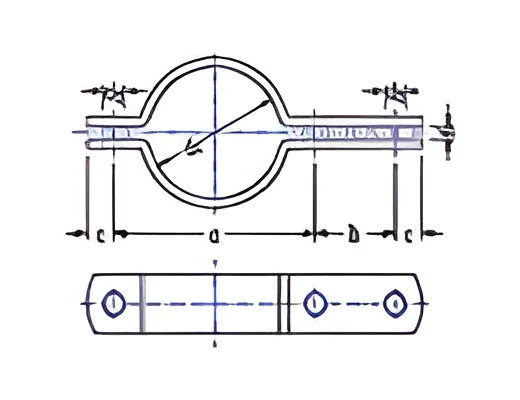
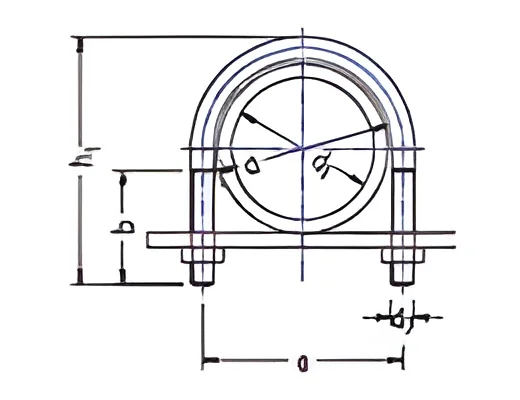
- Available in various sizes to accommodate different pipe diameters.
- Sizing options ensure compatibility with standard piping systems.
3. Load Capacity
- Designed to support specific weight loads without deformation.
- Load ratings vary based on material and design.
4. Installation Type
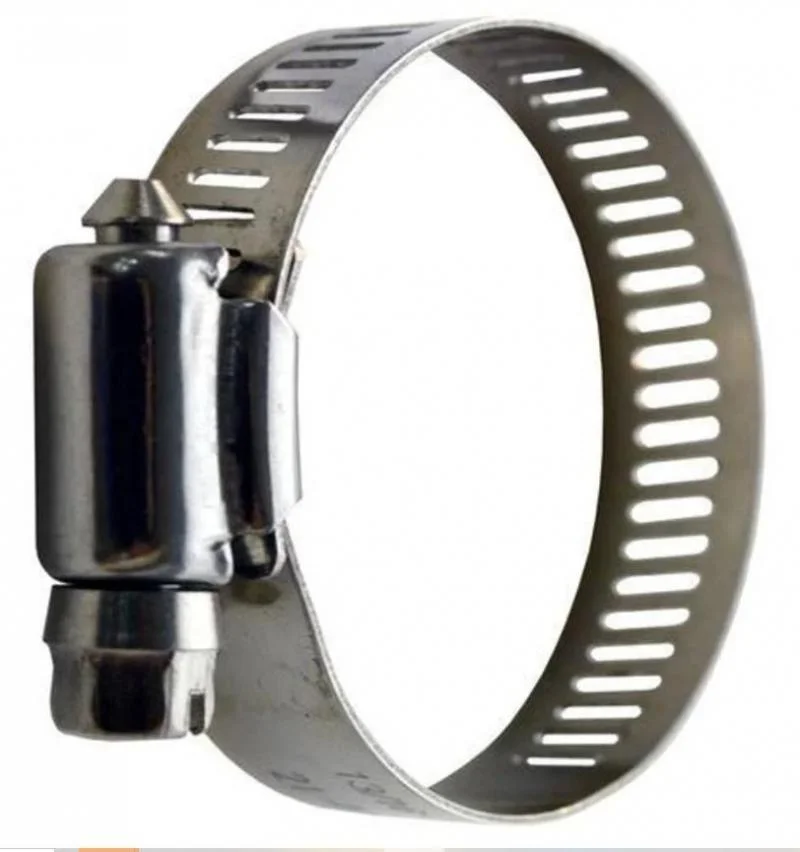
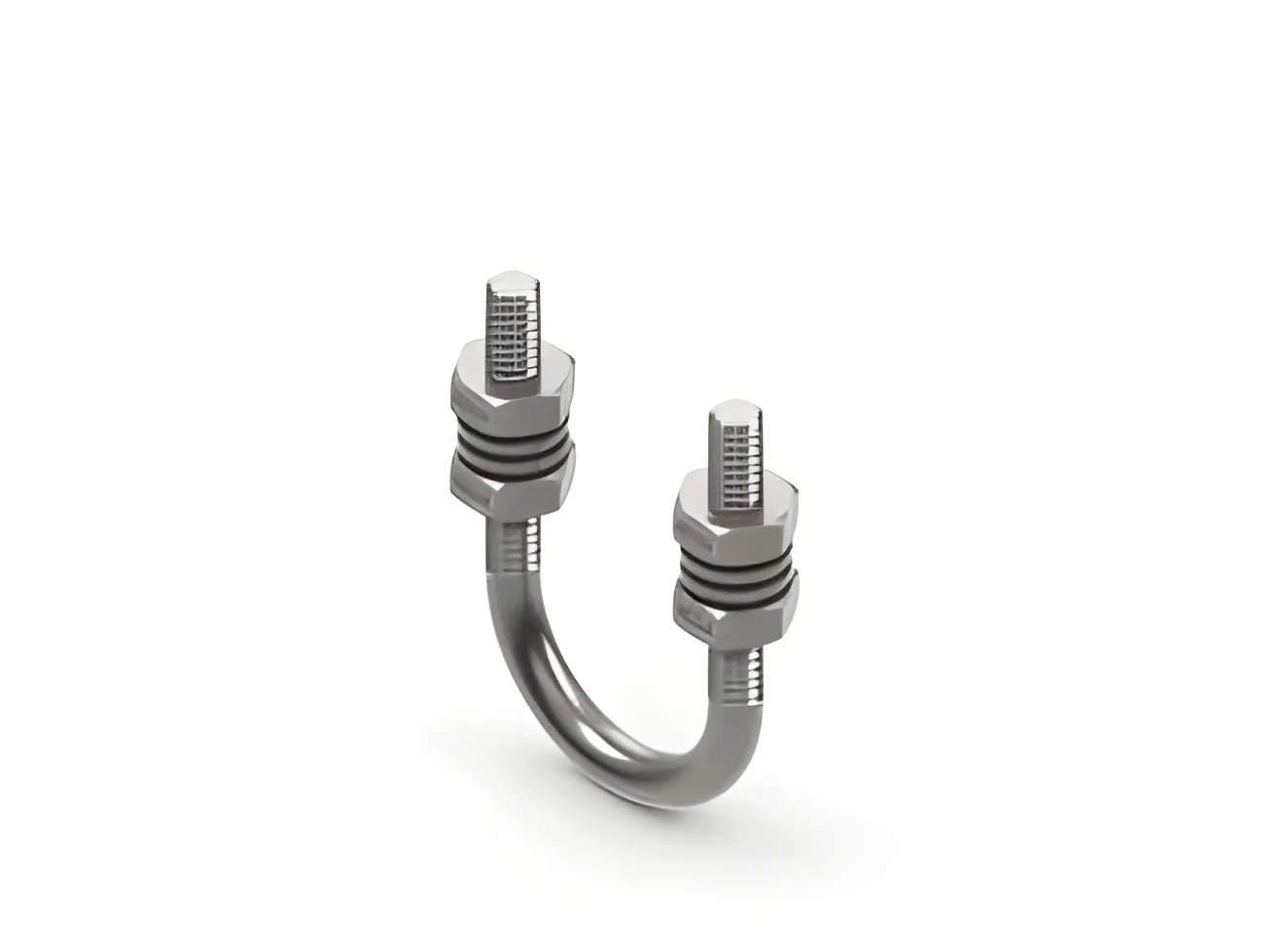
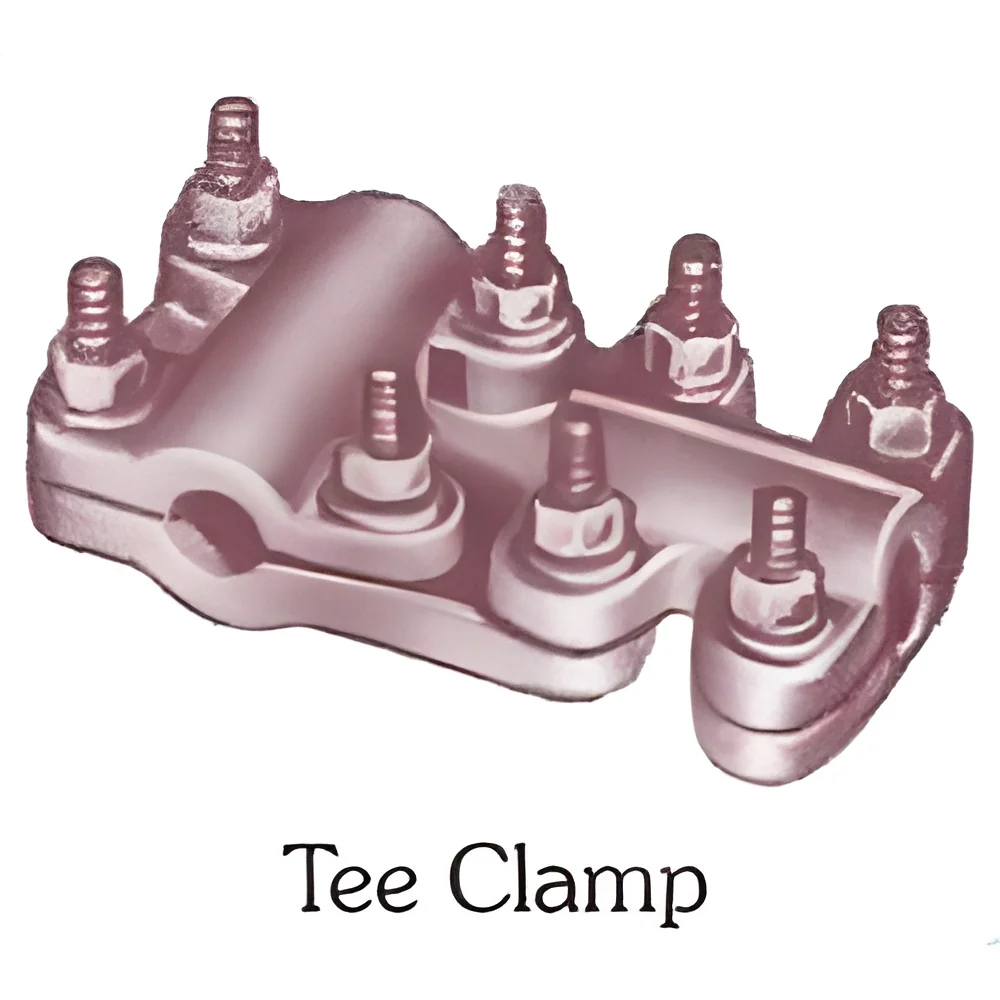
- Options include bolt-on, snap-on, and adjustable clamps.
- Installation type influences ease of use and maintenance.
5. Corrosion Resistance
- Many clamps feature coatings or materials that resist oxidation.
- Corrosion resistance is critical for longevity in harsh environments.
6. Temperature Tolerance
- Capable of functioning in varying temperature ranges.
- Important for applications involving hot or cold fluids.
7. Compliance Standards
- Must meet industry-specific quality standards such as CE certification.
- Compliance ensures safety and reliability in use.
8. Customization Options
- Some suppliers offer custom sizes or designs based on unique requirements.
- Customization provides flexibility for specialized projects.
In summary, understanding these features and specifications helps buyers make informed decisions based on their specific needs.
Common Applications and Use Cases
Pipe clamps are utilized in a wide array of industries, highlighting their versatility and importance.
1. Plumbing: In plumbing systems, pipe clamps secure water pipes to walls or ceilings, helping to maintain alignment and prevent leaks.
2. HVAC: In heating, ventilation, and air conditioning systems, they support ductwork and refrigerant pipes, ensuring efficient airflow and system stability.
3. Manufacturing: In manufacturing processes, pipe clamps are used to hold pipes that transport materials, ensuring safe and reliable operation.
4. Oil and Gas: In the oil and gas sector, these clamps secure pipelines, preventing movement that could lead to failure or spills.
5. Construction: In construction projects, pipe clamps are essential for supporting plumbing and electrical conduits, aiding in structural integrity.
6. Automotive: In automotive applications, they are used to secure fuel and exhaust pipes, contributing to vehicle safety and performance.
7. Food and Beverage: In the food industry, pipe clamps are used in processing plants to secure pipes that transport liquids, ensuring compliance with hygiene standards.
Product Variants and Subcategories
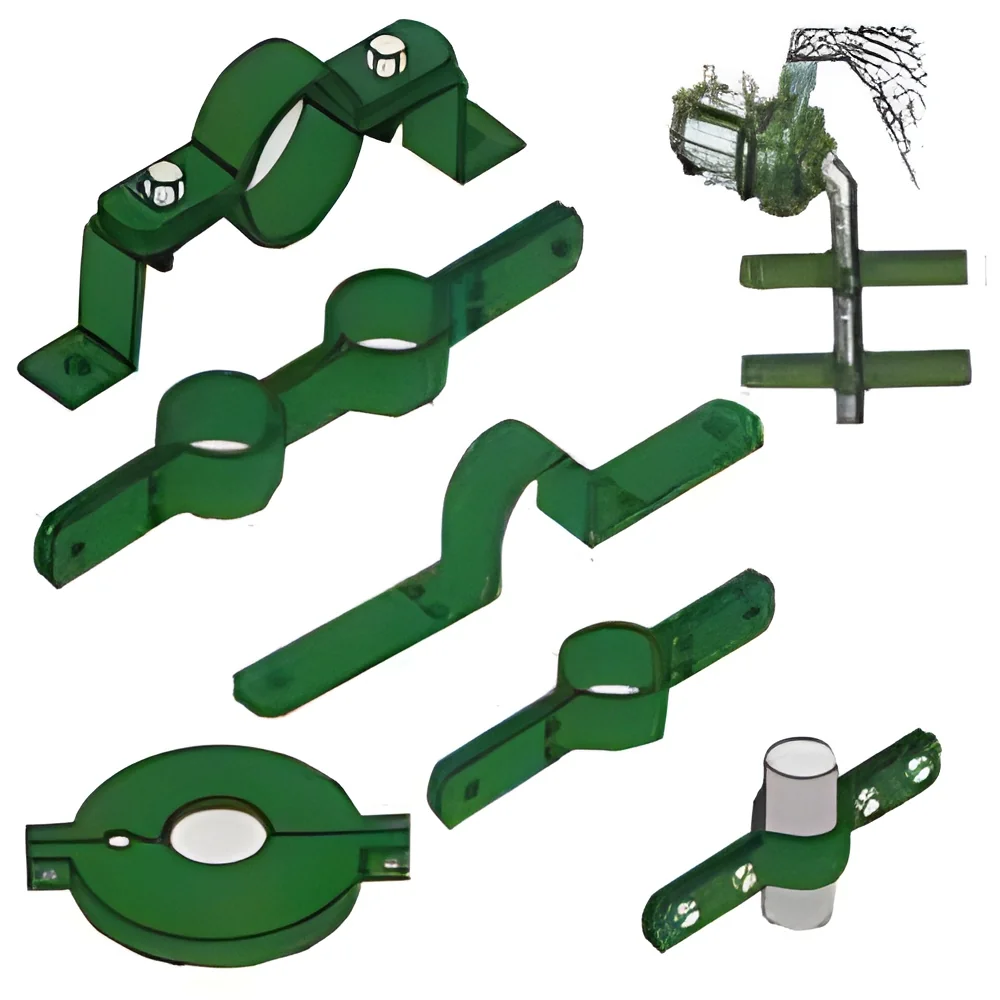
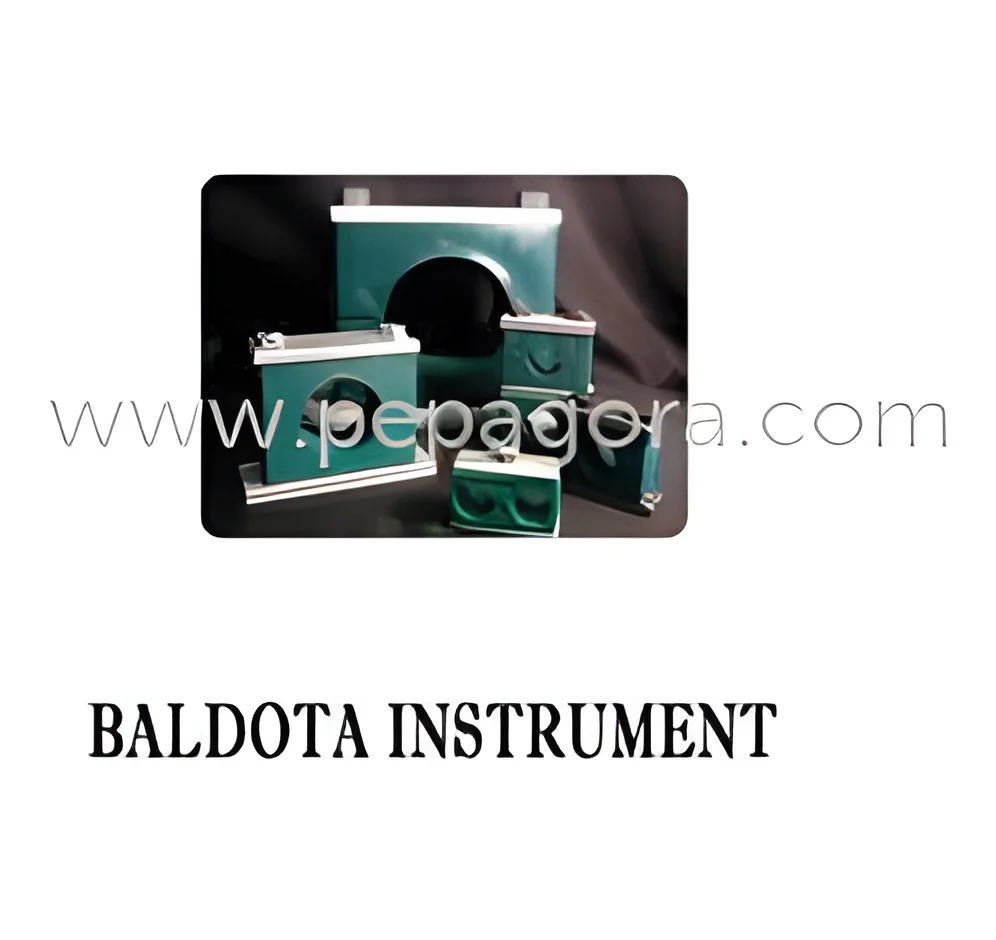
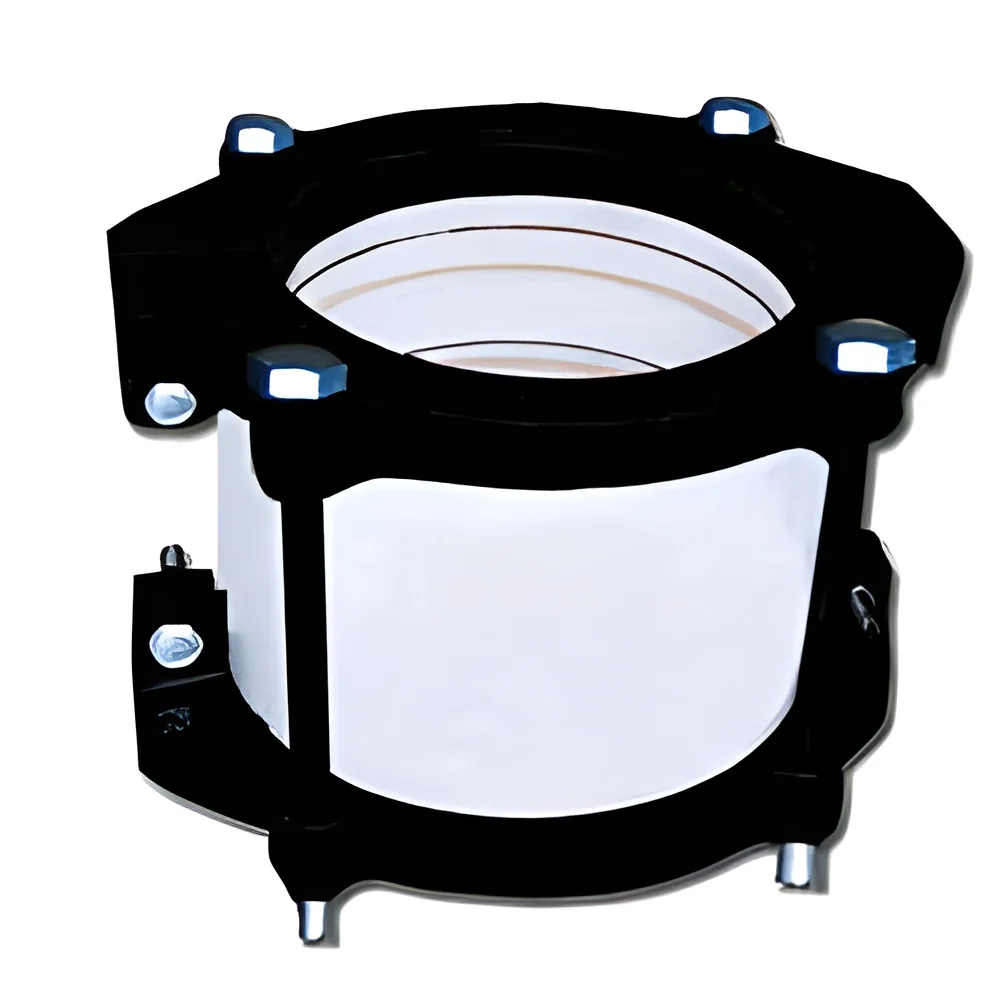
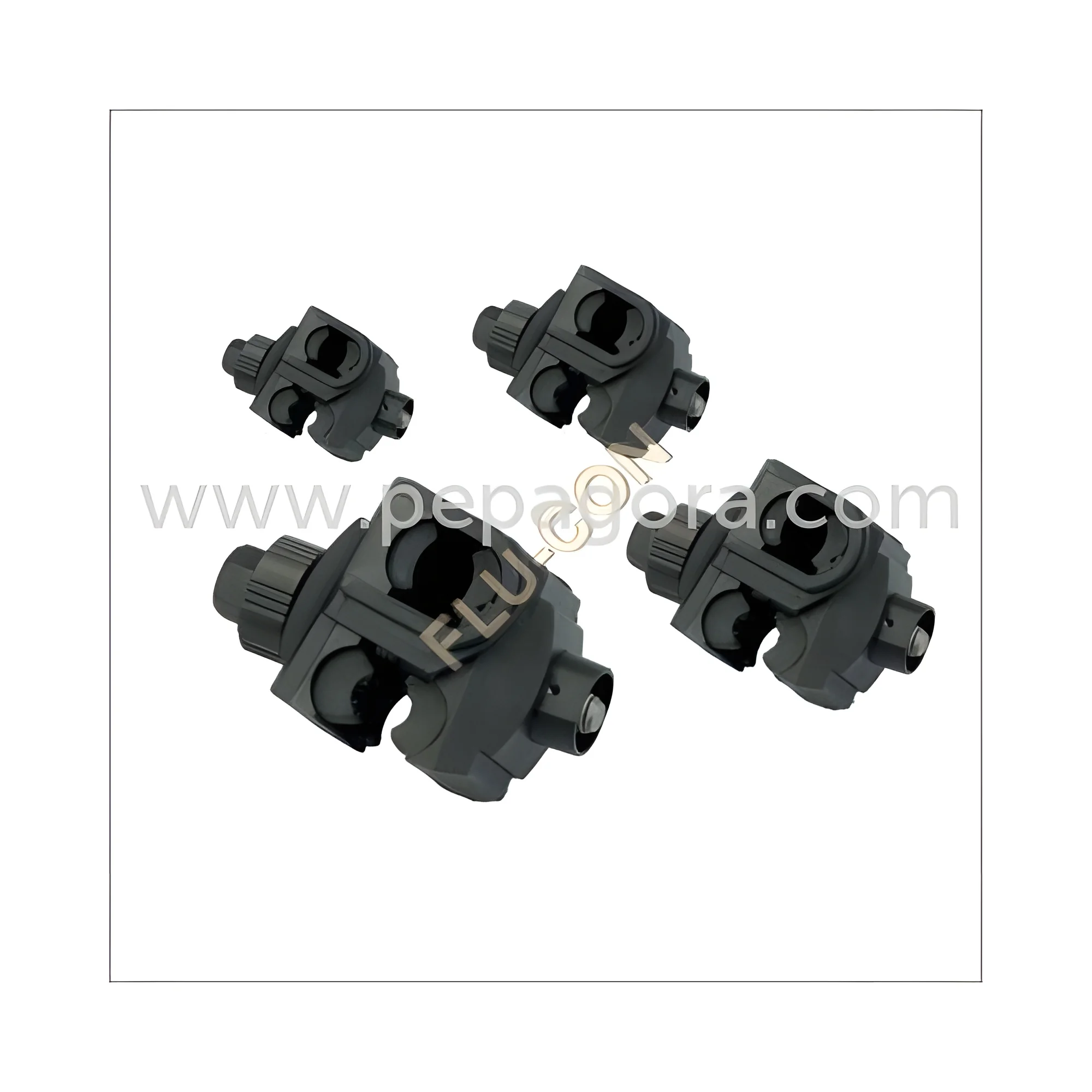
Pipe clamps come in various designs to cater to different requirements.
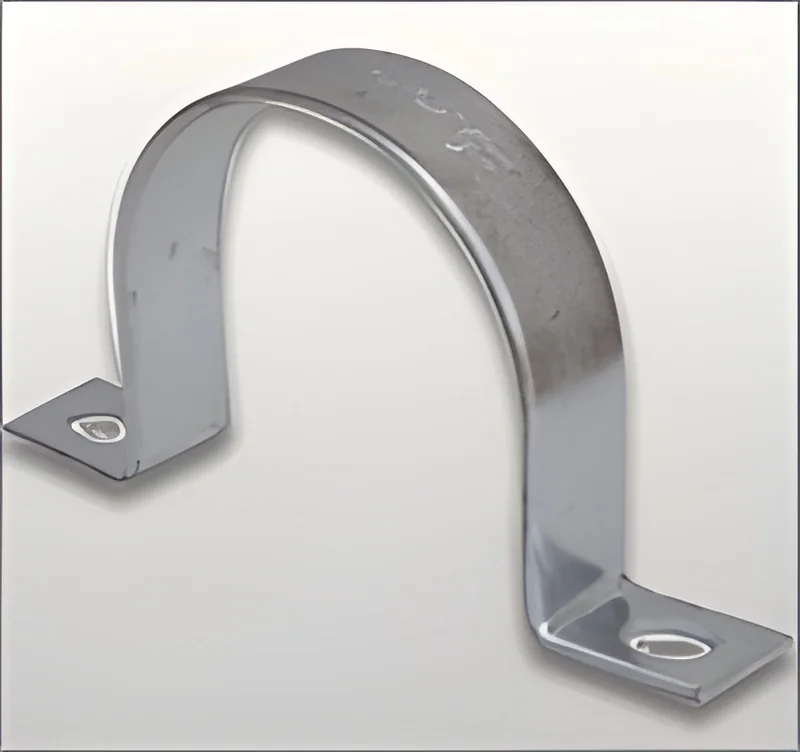
Standard Pipe Clamp
This variant is the most common type, designed for general-purpose applications. It is typically made from durable materials and is available in a range of sizes. Standard pipe clamps provide reliable support and are easy to install.
Heavy-Duty Pipe Clamp
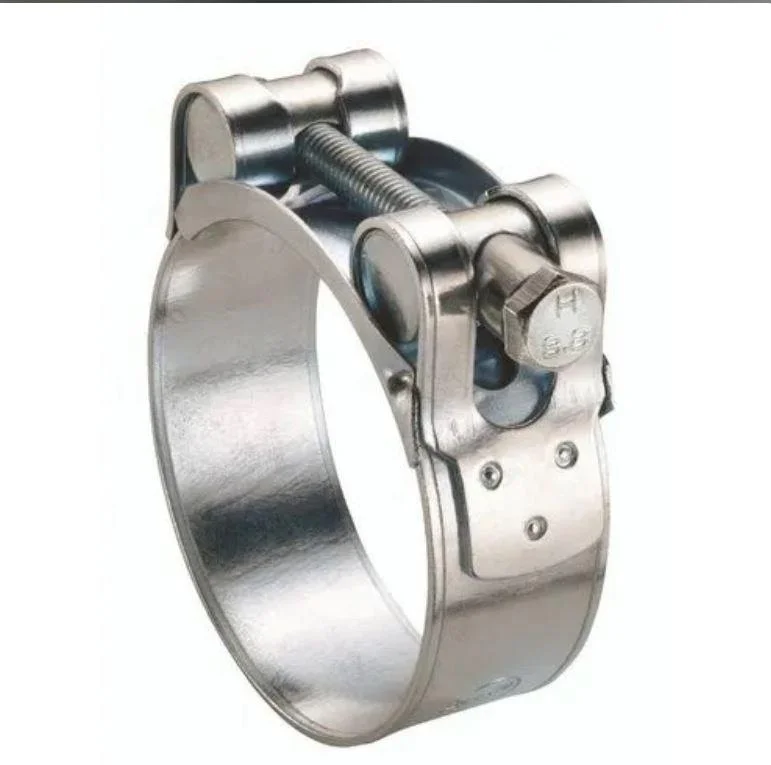
Designed for more demanding environments, heavy-duty pipe clamps are built to handle higher loads and harsher conditions. They often feature enhanced corrosion resistance and are suitable for industrial applications.
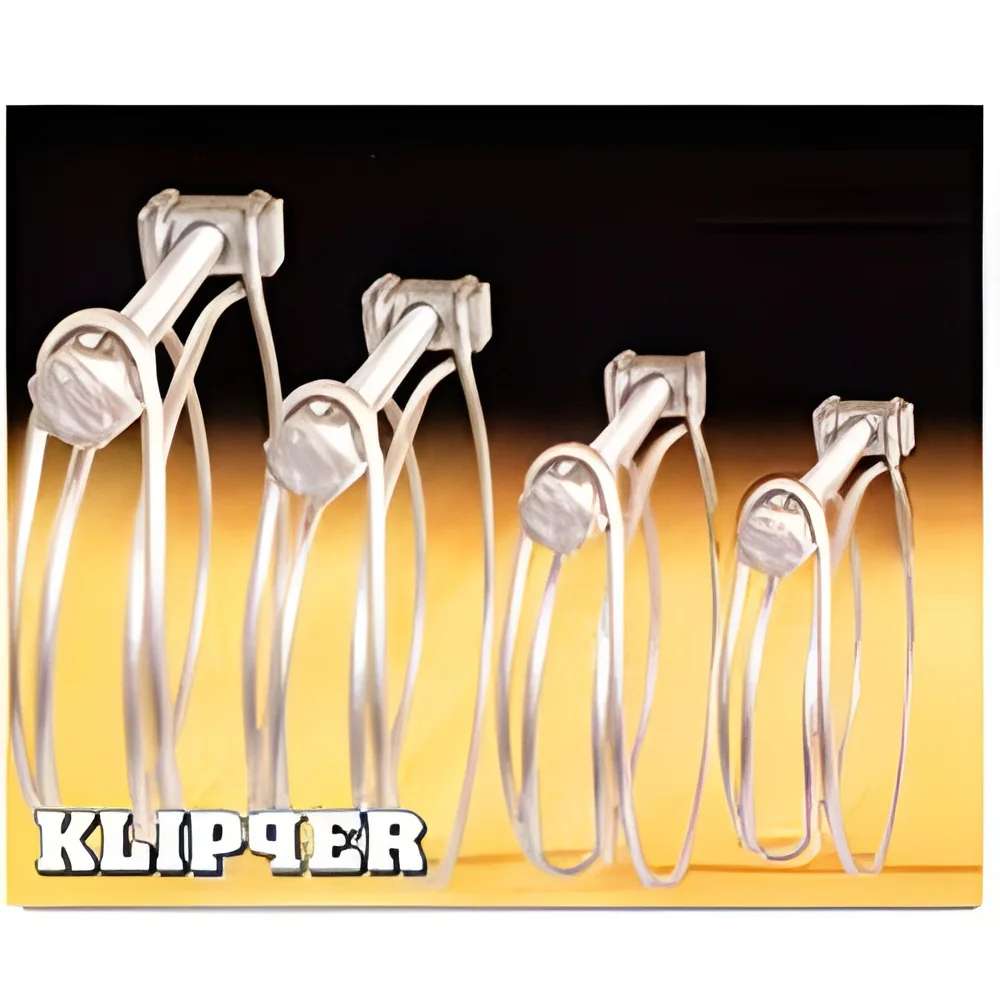
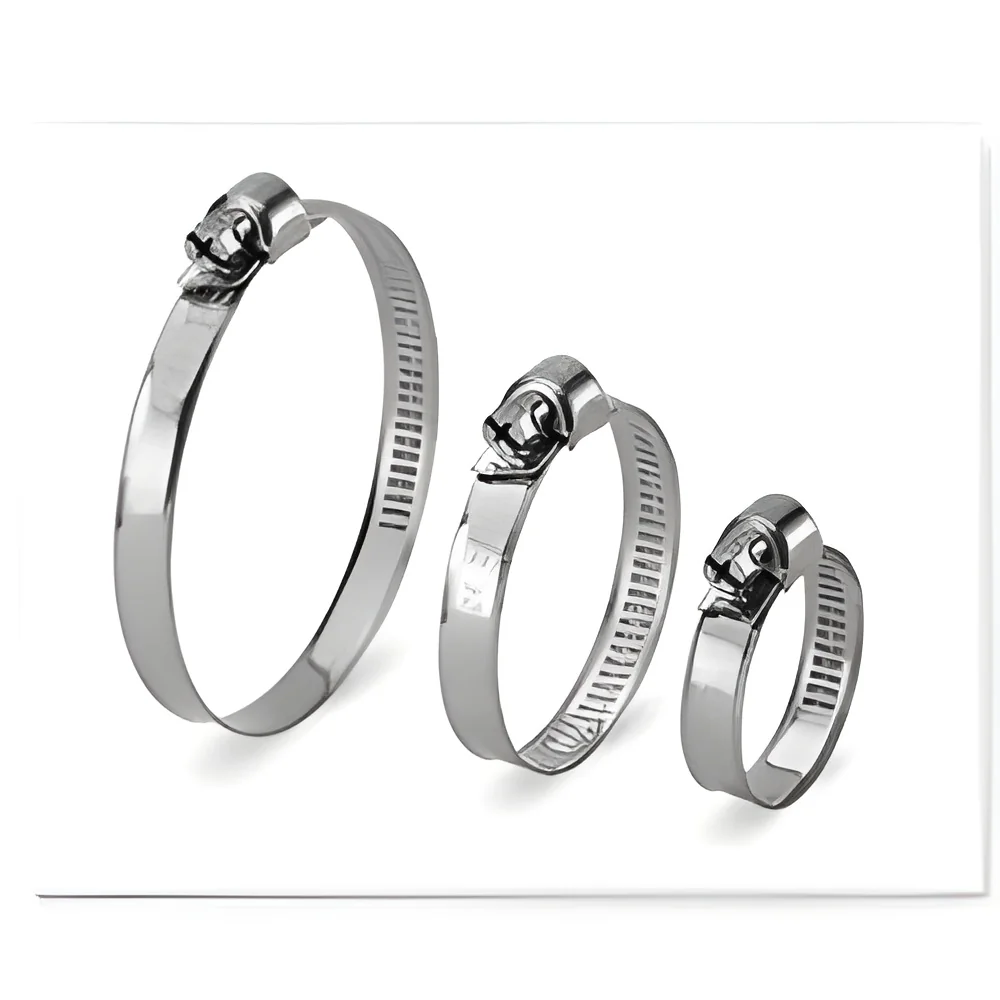
Adjustable Pipe Clamp
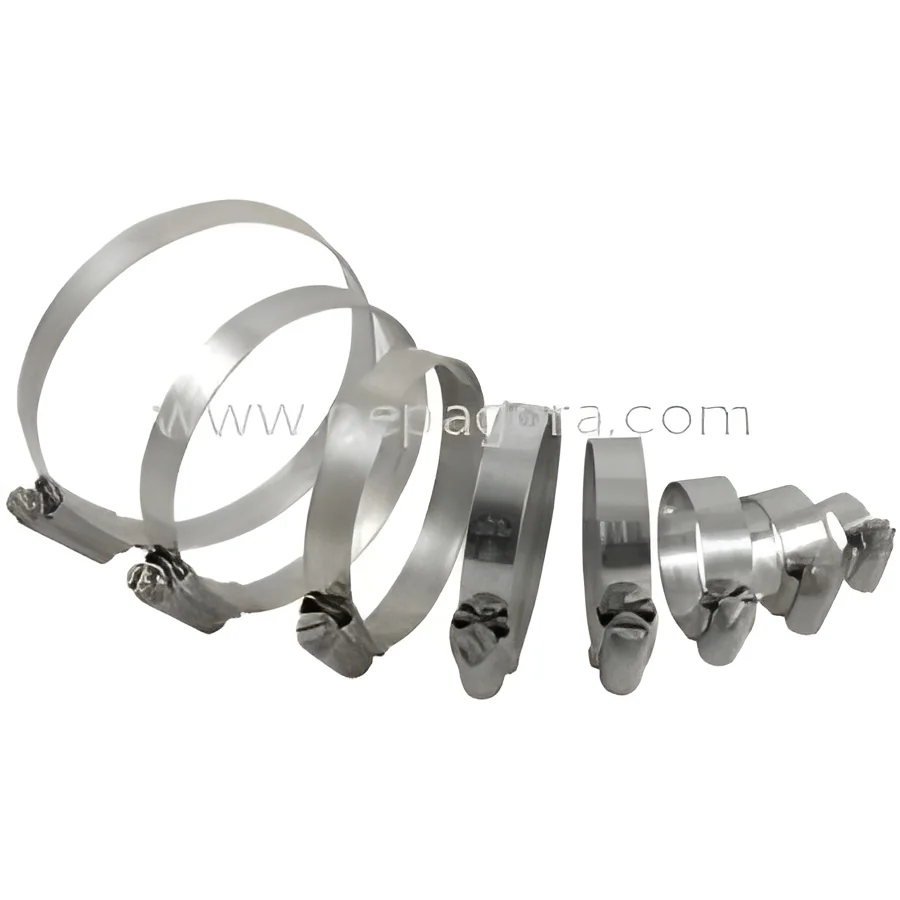
This variant allows for flexibility in installation, accommodating different pipe sizes without needing multiple clamps. Adjustable pipe clamps are particularly useful in situations where pipe dimensions may vary.
Benefits and Advantages
Pipe clamps offer several key advantages that make them indispensable in industrial applications.
1. Enhanced Stability: Pipe clamps provide a stable support system for pipes, reducing the risk of movement and potential damage.
2. Easy Installation: Most pipe clamps are designed for quick and straightforward installation, minimizing downtime during setup.
3. Cost-Effective: By preventing leaks and pipe damage, these clamps can reduce maintenance costs and improve overall system efficiency.
4. Versatility: With various sizes and designs available, pipe clamps can be used in multiple applications across different industries.
5. Durability: Made from robust materials, pipe clamps are built to withstand harsh conditions, ensuring a long service life.
6. Compliance Assurance: Many pipe clamps meet industry standards, providing peace of mind regarding safety and reliability.
Buying Guide for B2B Buyers
When sourcing pipe clamps, buyers should consider several important factors to ensure they select the right product for their needs.
1. Quality Assessment: Evaluate the quality of the materials used in the clamps. Look for certifications that confirm compliance with industry standards to ensure durability and reliability.
2. Supplier Verification: Vet potential suppliers thoroughly. Check their credentials, customer reviews, and track record to ensure they can deliver quality products consistently.
3. Pricing and MOQ: Consider the pricing structure and minimum order quantities. Ensure that the pricing aligns with your budget while taking into account the value offered.
4. Delivery and Lead Times: Inquire about delivery schedules and lead times. Prompt delivery is crucial for maintaining project timelines.
5. Compliance Requirements: Ensure that the clamps meet all regulatory and industry-specific compliance requirements to avoid legal issues and ensure safety in use.
Compliance and Certifications
Pipe clamps must adhere to various compliance and certification standards to ensure they meet safety and performance requirements. Commonly referenced quality standards include ISO 9001, which outlines requirements for a quality management system. This standard helps organizations ensure consistent product quality and customer satisfaction.
Additionally, certifications like CE mark indicate that the product meets European safety, health, and environmental protection standards. Compliance with these standards is vital for manufacturers and suppliers to demonstrate their commitment to quality and safety.
Testing requirements may also apply, depending on the specific industry and usage scenarios. Rigorous testing ensures that the pipe clamps can withstand expected loads and environmental conditions. Regional compliance considerations may also vary, necessitating further evaluation based on the local regulations where the clamps will be used.
Why Source Pipe Clamps from Pepagora?
Pepagora provides an excellent platform for sourcing pipe clamps with several key advantages that benefit B2B buyers.
Verified Supplier Network: Pepagora features a robust network of verified suppliers, ensuring that buyers can connect with reputable manufacturers. This verification process helps mitigate risks associated with sourcing.
Streamlined RFQ Process: The request for quotation (RFQ) process on Pepagora is designed to be user-friendly, allowing buyers to receive multiple quotes quickly. This efficiency helps buyers compare options and make informed decisions.
Trade Assurance and Support: Pepagora offers trade assurance, providing buyers with protection against potential issues with orders. This support system adds an extra layer of security for transactions.
Regional Coverage: With a reach that spans India, the GCC, and Southeast Asia, Pepagora connects buyers with suppliers across diverse markets. This regional coverage ensures access to a wide range of products and competitive pricing, enhancing procurement efficiency.

 IN
IN