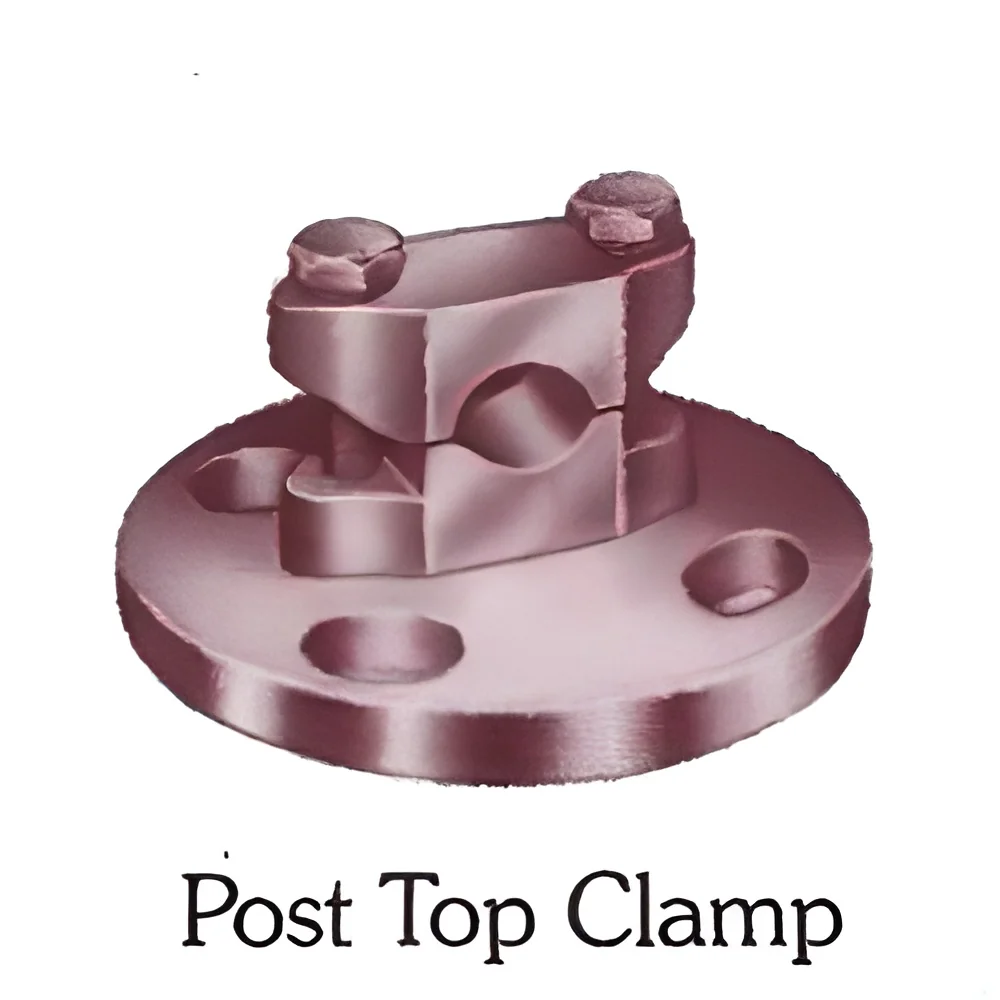
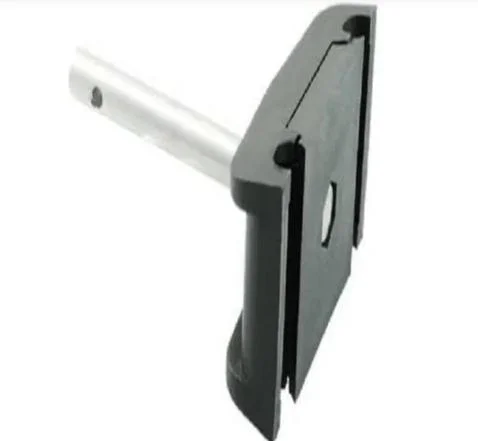
What are Track Clamps?
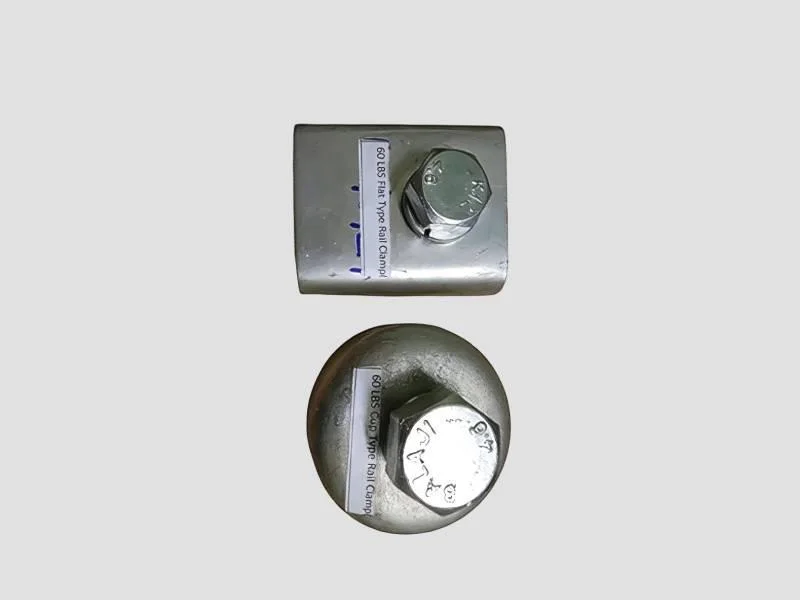
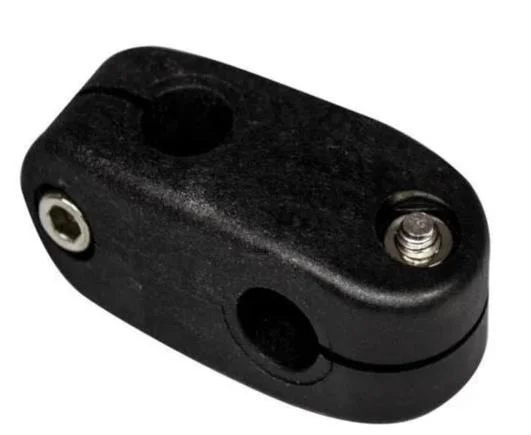
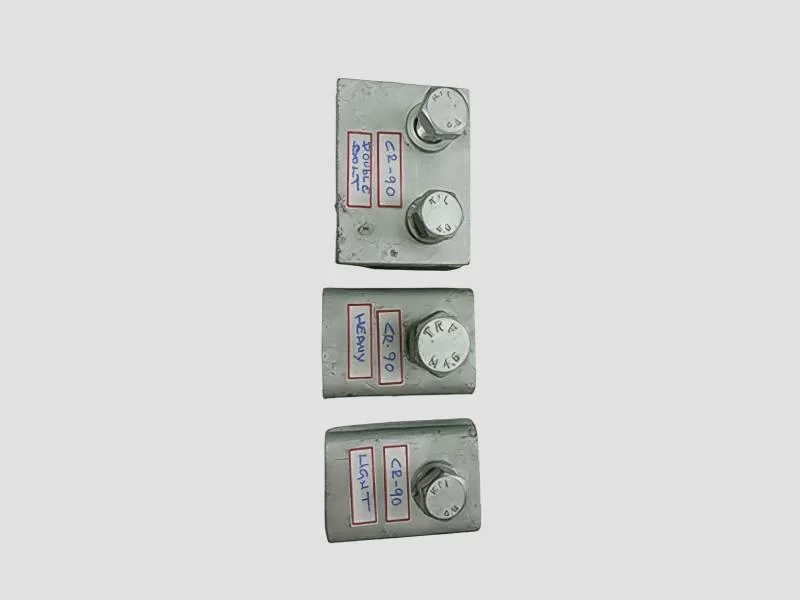
Track clamps are specialized fastening devices used primarily in industrial settings to secure workpieces or materials on a track system. They provide stable clamping for various operations, ensuring that components remain firmly in place during machining, assembly, or other manufacturing processes. Track clamps are essential for enhancing precision and safety, minimizing the risk of movement that could lead to errors or accidents.
These clamps find application in multiple business sectors, including woodworking, metalworking, and construction. They are particularly valuable in environments where materials are processed along tracks or rails. Track clamps can be adjusted to accommodate different sizes and shapes of workpieces, making them versatile tools for manufacturers. Their relevance in industry is underscored by the growing demand for efficient, reliable fastening solutions that enhance productivity and reduce downtime.
Key Features and Specifications
Track clamps come with a variety of features that enhance their functionality and suitability for different applications. Below are some key specifications that potential buyers should consider when evaluating track clamps.
Key specifications include:
1. Clamping Force
- The amount of force exerted by the clamp to hold materials in place.
- Typically ranges from 100 to 5000 N, depending on the clamp size and design.
2. Material Composition
- Often made from durable materials such as steel or aluminum.
- Ensures long-lasting performance and resistance to wear and corrosion.
3. Size and Weight
- Available in various sizes to accommodate different applications.
- Weight can vary, affecting portability and ease of use.
4. Adjustment Mechanism
- Many clamps feature adjustable components for flexibility in clamping different workpieces.
- Some may include quick-release mechanisms for faster operation.
5. Mounting Options
- Designed to be mounted on tracks or rails with various installation methods.
- Compatibility with standard track systems is crucial for usability.
6. Safety Features
- Some models include safety locks to prevent accidental release during operations.
- Ensures user safety and equipment integrity.
7. Temperature Resistance
- Certain track clamps are designed to withstand high temperatures.
- Ideal for applications involving heat-intensive processes.
8. Compliance Standards
- Many track clamps adhere to industry standards such as CE certification.
- Ensures reliability and safety in industrial applications.
In summary, track clamps offer a range of specifications that cater to various industrial needs. Understanding these features will help buyers select the right clamps for their specific applications.
Common Applications and Use Cases
Track clamps are utilized across multiple industries, each benefiting from their unique fastening capabilities.
1. Woodworking: In woodworking, track clamps are used to secure pieces during cutting and assembly, ensuring precise joints and finishes.
2. Metalworking: These clamps play a critical role in metal fabrication, holding metal sheets and components in place during welding and machining processes.
3. Construction: In construction, track clamps assist with the assembly of structural components, providing stability and alignment during installation.
4. Automotive: The automotive sector employs track clamps for securing parts on assembly lines, enhancing efficiency and precision in vehicle manufacturing.
5. Aerospace: In aerospace applications, track clamps are used to hold components during testing and assembly, ensuring safety and compliance with strict industry standards.
6. Robotics: Track clamps are integrated into robotic systems for precise material handling and assembly tasks, improving automation efficiency.
7. Textile Manufacturing: In textile production, track clamps secure fabric layers during cutting and stitching operations, contributing to quality control.
Product Variants and Subcategories
Track clamps are available in various designs and configurations to meet diverse industrial requirements. This diversity allows businesses to select the most appropriate clamp for their specific applications.
Manual Track Clamps: These clamps are operated by hand, allowing users to easily adjust the clamping force and position. They are ideal for setups that require frequent adjustments.
Pneumatic Track Clamps: Utilizing compressed air for operation, these clamps offer quick and efficient clamping solutions. They are suitable for high-volume production environments where speed is essential.
Electric Track Clamps: These clamps are powered by electric motors, providing precise control over clamping force and positioning. They are particularly useful in automated systems and applications requiring consistent performance.
Hydraulic Track Clamps: Designed for heavy-duty applications, hydraulic clamps deliver high clamping forces with minimal effort. They are often used in environments where large or heavy materials need to be secured.
Benefits and Advantages
The use of track clamps offers numerous advantages that can significantly enhance operational efficiency.
1. Enhanced Stability: Track clamps provide reliable stability for workpieces, reducing the risk of movement during processing.
2. Increased Precision: With their ability to secure materials firmly, track clamps help achieve higher accuracy in manufacturing and assembly tasks.
3. Time Efficiency: Many clamps feature quick-adjust mechanisms, allowing for rapid setup and adjustments, thereby saving valuable production time.
4. Versatility: Track clamps can accommodate various sizes and shapes of materials, making them suitable for a wide range of applications across different industries.
5. Improved Safety: The secure holding of materials minimizes the risk of accidents or injuries, contributing to a safer work environment.
6. Cost-Effectiveness: By reducing errors and enhancing productivity, track clamps can lead to lower operational costs and improved profitability for businesses.
Buying Guide for B2B Buyers
When considering the purchase of track clamps, B2B buyers should evaluate several critical factors to ensure they choose the right products for their needs.
1. Quality Assessment: Buyers should look for track clamps made from high-quality materials and check for durability and performance standards. Conducting thorough research and obtaining samples can help gauge reliability.
2. Supplier Verification: It is essential to vet suppliers to ensure they have a good reputation and a history of providing quality products. Checking for customer reviews and industry certifications can aid in this process.
3. Pricing and MOQ: Understanding the pricing structure and minimum order quantities (MOQ) is crucial for budget planning. Buyers should compare quotes from multiple suppliers to secure the best deal.
4. Delivery and Lead Times: Timely delivery is critical for maintaining production schedules. Buyers should confirm lead times with suppliers to avoid delays and ensure smooth operations.
5. Compliance Requirements: Buyers must be aware of any regulatory compliance requirements that apply to their industry. Ensuring that track clamps meet these standards is vital for legal and safety considerations.
Compliance and Certifications
Compliance and certifications are essential aspects of track clamps, ensuring they meet industry standards for quality and safety. Relevant quality standards include ISO 9001, which focuses on quality management systems and continuous improvement, and other standards that may apply based on specific industries.
Many track clamps are CE certified, indicating they conform to European health, safety, and environmental protection standards. This certification is crucial for manufacturers looking to market their products in the European market.
Additionally, safety and testing requirements must be adhered to, ensuring that track clamps perform reliably under various conditions. Buyers should also consider regional compliance requirements, as different markets may have specific regulations that need to be met.
Why Source Track Clamps from Pepagora?
Pepagora stands out as a trusted platform for sourcing track clamps, offering several key advantages that cater to B2B buyers.
Verified Supplier Network: Pepagora features a robust network of verified suppliers, which provides buyers with confidence in the quality and reliability of the products offered. This network helps streamline the sourcing process and ensures access to reputable manufacturers.
Streamlined RFQ Process: The platform offers a user-friendly request for quotation (RFQ) process, allowing buyers to easily obtain quotes from multiple suppliers. This efficiency enables businesses to compare options quickly and make informed purchasing decisions.
Trade Assurance and Support: Pepagora provides trade assurance and support, ensuring that buyers are protected throughout the transaction process. This support adds an extra layer of security, making it easier for businesses to engage with suppliers.
Regional Coverage: With a strong presence in India, the GCC, and Southeast Asia, Pepagora offers extensive regional coverage. This geographic reach allows buyers to connect with local suppliers and reduces shipping times and costs, enhancing overall supply chain efficiency.

 IN
IN