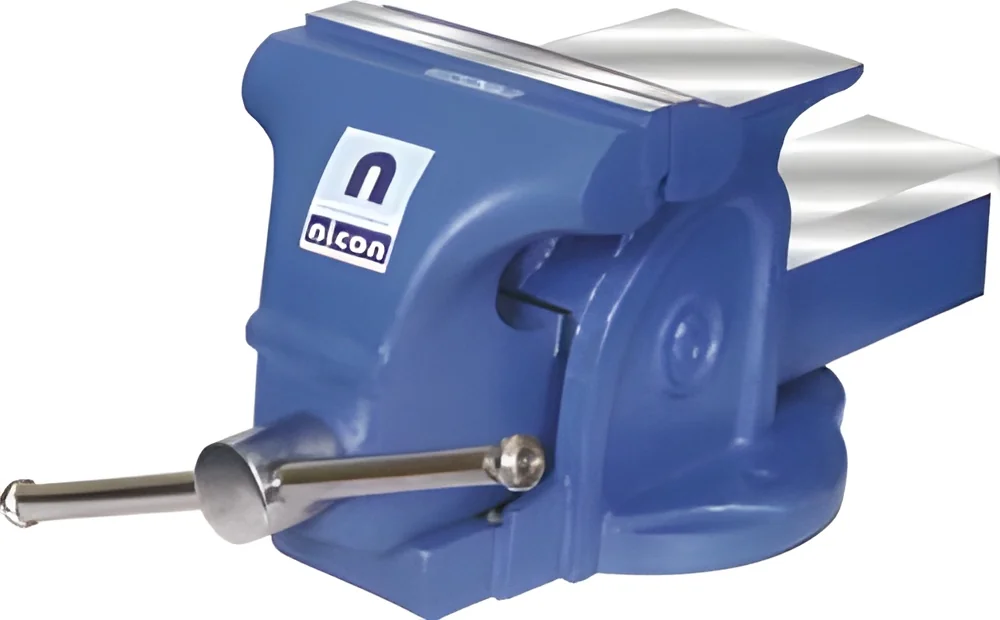
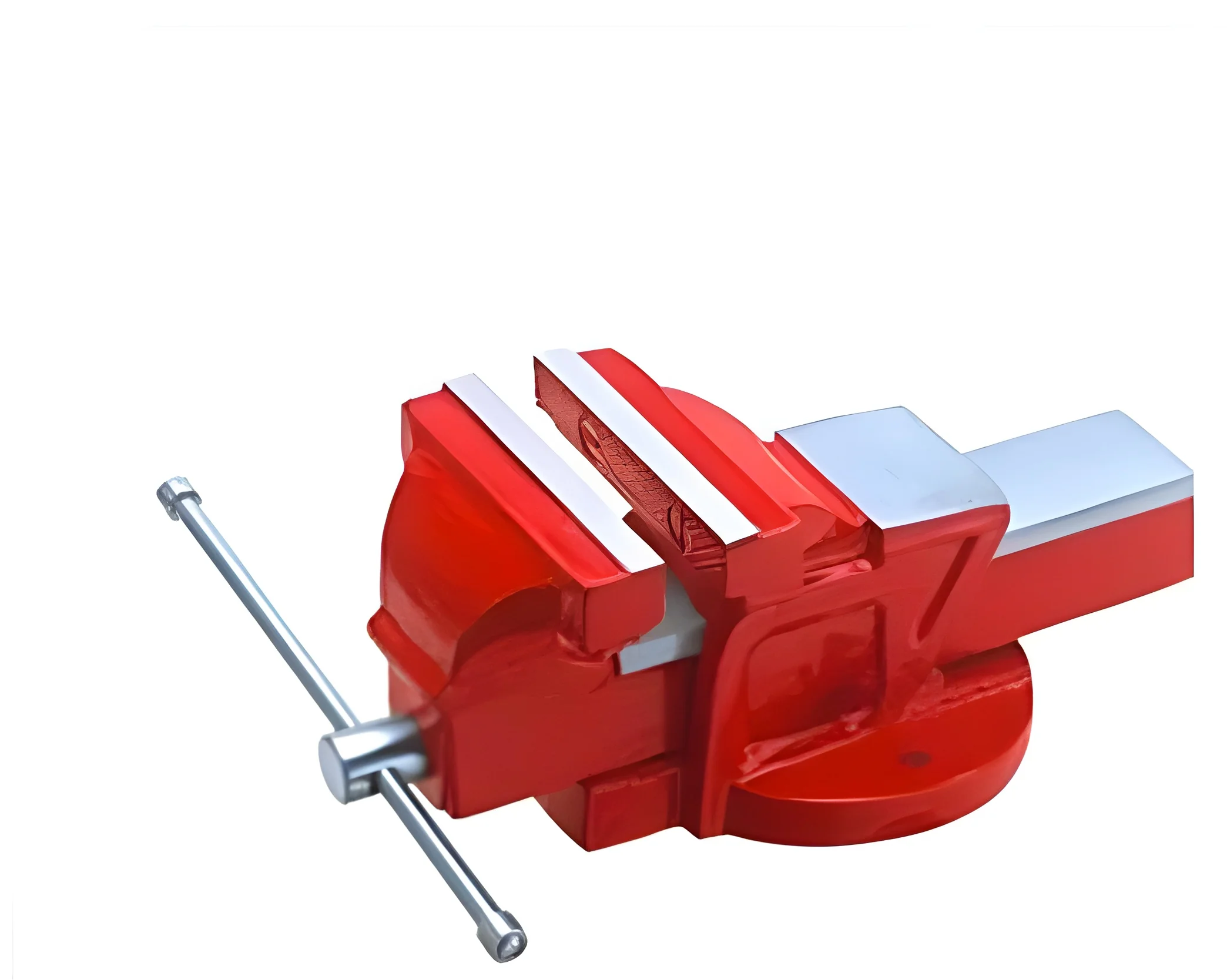
What are Bench Vices?
Bench vices are essential tools used in various industrial and workshop settings to securely hold workpieces in place during machining, assembly, or repair tasks. They are typically mounted to workbenches or tables and come equipped with jaws that can be tightened to grip materials firmly. The design of bench vices allows for ease of use and versatility, making them a staple for professionals in metalworking, woodworking, and other crafts.
The primary uses of bench vices encompass a wide range of applications, including metal fabrication, woodworking, and general maintenance. They are critical in workshops for tasks that require precision, such as cutting, drilling, and sanding. By providing a stable platform for workpieces, bench vices enhance safety and efficiency, allowing operators to focus on the task without the worry of parts shifting or slipping.
In terms of industry relevance, bench vices are utilized extensively across sectors such as manufacturing, automotive, and construction. The demand for high-quality vices continues to grow as industries seek to improve productivity and safety standards. As such, understanding the various types and specifications of bench vices is crucial for businesses looking to invest in reliable tools for their operations.
Key Features and Specifications
Bench vices come with a variety of features that cater to different industrial needs. When selecting a bench vice, buyers should consider both the functionality and durability of the product. Key specifications will influence performance in various applications.
Key specifications include:
1. Jaw Width
- Typically ranges from 3 to 8 inches
- Determines the size of the workpiece that can be held
2. Jaw Opening
- Capacity ranges from 2 to 10 inches
- Indicates how wide the jaws can open to accommodate different materials
3. Material Construction
- Often made from cast iron or steel for durability
- Provides resistance to wear and deformation
4. Clamping Force
- Measured in pounds or kilograms
- Indicates the maximum pressure the vice can apply to a workpiece
5. Swivel Base
- Allows for 360-degree rotation
- Enhances versatility for different working angles
6. Weight
- Typically ranges from 10 to 50 pounds
- Heavier models provide more stability during use
7. Finish
- Options include powder-coated or painted surfaces
- Affects corrosion resistance and longevity
8. Mounting Type
- Commonly features bolt-down or clamp-on designs
- Determines how the vice can be attached to a work surface
In summary, understanding the key features of bench vices helps buyers select the right tool for their specific needs and applications.
Common Applications and Use Cases
Bench vices are utilized across a diverse range of industries, each with unique applications.
1. Metalworking: In metal fabrication shops, bench vices are used for holding metal pieces during cutting, welding, or machining processes. Their strong grip provides stability, ensuring precision in operations.
2. Woodworking: Carpenters rely on bench vices to secure wooden materials for planing, chiseling, and assembly tasks. The ability to hold irregular shapes is particularly beneficial in this field.
3. Automotive: In automotive repair shops, bench vices assist in holding engine components and tools during maintenance and assembly. Their durability is essential for handling heavy parts.
4. Construction: Construction professionals use bench vices to secure materials for cutting and shaping on-site. Their portability and reliability make them ideal for various job conditions.
5. Plumbing: Plumbers often require bench vices to hold pipes and fittings securely while they are cut or assembled. This ensures accuracy and safety during installation.
6. Electronics: In electronics manufacturing, bench vices are used for holding circuit boards and components during soldering and testing. Precision is critical in this application.
7. Crafting: Hobbyists and crafters use bench vices for a variety of projects, from jewelry making to model building. Their versatility accommodates different materials and sizes.
Product Variants and Subcategories
Bench vices come in various forms to meet the diverse needs of users. Each variant offers unique features suited for specific tasks.
Heavy-Duty Bench Vices: Designed for industrial applications, these vices have robust construction and larger jaw openings. They are ideal for holding heavy workpieces securely during machining operations.
Rotating Bench Vices: These vices feature a swivel base that allows for easy adjustment and access from different angles. They are particularly useful in tasks that require multi-directional access.
Quick-Release Bench Vices: Equipped with a mechanism for fast jaw opening and closing, these vices enhance efficiency when switching between tasks. They are favored by professionals who need to frequently adjust their workpieces.
Lightweight Bench Vices: Ideal for portable use, these vices are designed for smaller tasks and easy transportation. They are commonly used by hobbyists and in small workshops.
Benefits and Advantages
Investing in high-quality bench vices offers numerous advantages to businesses and professionals.
1. Enhanced Precision: Bench vices provide a stable grip on materials, which allows for more accurate cuts and assembly, reducing errors in projects.
2. Improved Safety: By securely holding workpieces, bench vices minimize the risk of accidents related to slipping or shifting materials during operation.
3. Versatility: With various designs and features, bench vices can adapt to multiple tasks across different industries, making them a valuable addition to any workshop.
4. Durability: Made from strong materials like cast iron or steel, bench vices are built to withstand heavy use, ensuring a long lifespan and consistent performance.
5. Increased Efficiency: The ability to quickly secure and release materials enables users to work faster, improving overall productivity in the workplace.
6. Cost-Effectiveness: A reliable bench vice can reduce material waste and the need for frequent replacements, providing long-term savings for businesses.
Buying Guide for B2B Buyers
When sourcing bench vices, it is essential for buyers to consider several key factors to ensure they make informed purchasing decisions.
1. Quality Assessment: Buyers should evaluate the material quality and construction of bench vices. High-quality vices often have a longer lifespan and better performance, making them a worthwhile investment.
2. Supplier Verification: It is important to vet suppliers for their reputation, reliability, and the quality of their products. Established suppliers with positive reviews are often more trustworthy.
3. Pricing and MOQ: Understanding the price range and minimum order quantities (MOQ) can help buyers budget effectively. Comparing prices from multiple suppliers can also uncover the best deals.
4. Delivery and Lead Times: Buyers should inquire about delivery options and lead times to ensure that they receive their products promptly and can plan their projects accordingly.
5. Compliance Requirements: Knowing the relevant industry standards and compliance requirements is crucial. Buyers should confirm that the bench vices meet any necessary safety and quality certifications, such as CE.
Compliance and Certifications
In the industrial sector, compliance with quality standards and certifications plays a vital role in ensuring product reliability and safety. Bench vices may adhere to standards such as ISO 9001, which focuses on quality management systems, ensuring that products consistently meet customer and regulatory requirements.
Additionally, industry certifications, like CE marking, indicate that the product complies with EU safety, health, and environmental protection standards. This certification is particularly important for businesses exporting to Europe or operating within the EU.
Safety and testing requirements are also critical in the manufacturing of bench vices. Products should undergo rigorous testing to ensure they can withstand the forces and pressures involved in various applications. This includes assessments for durability and performance under strain.
Regionally, compliance considerations may vary. Buyers should be aware of local regulations that could impact the use of bench vices in their specific market. Understanding these compliance factors helps businesses avoid legal issues and ensures the safety of their operations.
Why Source Bench Vices from Pepagora?
Pepagora is a trusted platform for sourcing bench vices, offering several key advantages that benefit B2B buyers.
Verified Supplier Network: Pepagora connects buyers with a vetted network of suppliers. Each supplier undergoes a thorough verification process to ensure they meet quality standards and deliver reliable products.
Streamlined RFQ Process: The platform simplifies the request for quotation (RFQ) process, allowing buyers to submit their requirements and receive competitive quotes from multiple suppliers quickly. This efficiency helps buyers make informed decisions faster.
Trade Assurance and Support: Pepagora provides trade assurance, which includes buyer protection measures. This instills confidence in purchasers, knowing they are supported throughout the procurement process.
Regional Coverage: With a broad geographic reach that includes India, GCC, and Southeast Asia, Pepagora facilitates access to a diverse range of bench vices. This allows buyers to find products that meet their specific needs, regardless of location.
By leveraging these advantages, businesses can source high-quality bench vices that enhance productivity and safety in their operations.

 IN
IN