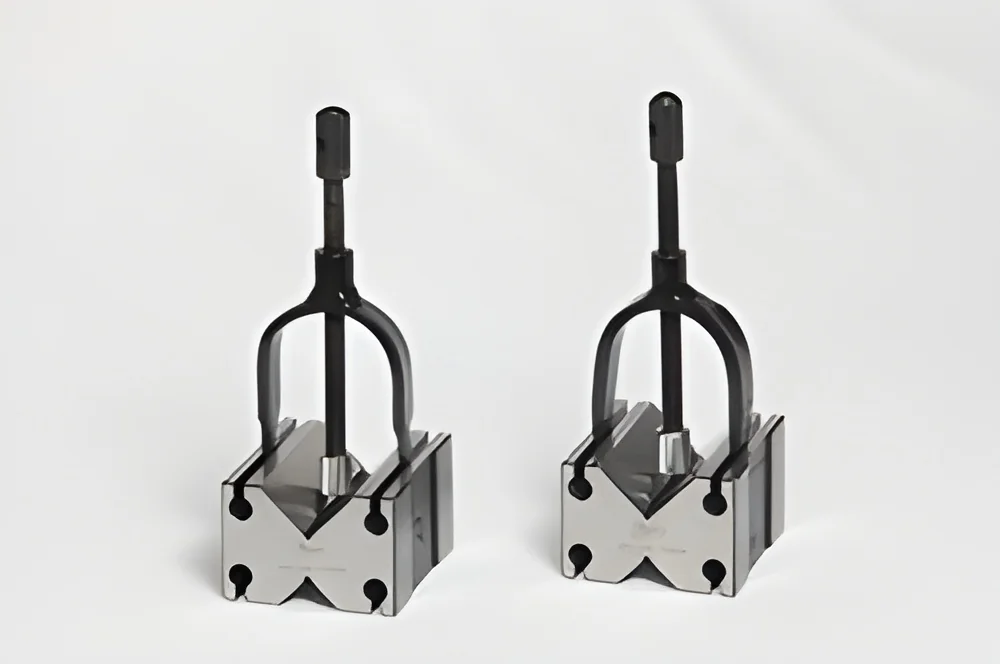
What are Precision Vices?
Precision vices are specialized clamping tools designed to hold workpieces securely and accurately during machining and assembly processes. These tools are essential in various manufacturing environments, providing stability and precision to ensure high-quality results. Precision vices typically feature adjustable jaws that can accommodate different sizes and shapes of materials, making them versatile for a range of applications.
The primary uses of precision vices are found in industries such as metalworking, woodworking, and electronics, where accuracy is paramount. They are commonly employed in tasks such as milling, drilling, and grinding, where a stable workpiece is crucial for achieving precise dimensions and finishes. The demand for precision vices continues to rise as industries increasingly focus on quality control and efficiency, making them a vital component in modern manufacturing processes.
In today's market, precision vices are relevant across various sectors, including aerospace, automotive, and electronics. As technology advances, the need for high-precision tools that can enhance productivity and reduce error margins is greater than ever. Manufacturers are continually seeking reliable solutions that can deliver consistent performance, contributing to the growth of the precision vice market.
Key Features and Specifications
Precision vices are designed with a range of features to meet the needs of various industrial applications. Understanding these specifications is crucial for selecting the right tool for your operations.
Key specifications include:
1. Jaw Width
- The width of the jaws determines the size of the workpieces that can be held.
- Common ranges vary from 80 mm to 200 mm.
2. Jaw Opening
- This specification indicates the maximum distance between the jaws when fully opened.
- Typical ranges are from 75 mm to 150 mm.
3. Clamping Force
- The force applied by the vice to hold the workpiece securely in place.
- Clamping forces can range from 500 N to 3000 N.
4. Material
- Precision vices are usually made from high-strength materials like cast iron or steel for durability.
- Some models may feature hardened surfaces for increased wear resistance.
5. Finish
- A good finish is essential for precision vices to prevent corrosion and ensure smooth operation.
- Common finishes include anodized and powder-coated options.
6. Weight
- The weight of the vice affects its stability during operation.
- Typical weights can range from 5 kg to 20 kg, depending on size and design.
7. Mounting Options
- Precision vices can be mounted in various ways, including bench-mounted and machine-mounted designs.
- Compatibility with specific machines is crucial for effective use.
8. Adjustment Mechanism
- Many precision vices feature quick-release or screw-type adjustment mechanisms for ease of use.
- This affects how quickly the vice can be set up for different jobs.
In summary, understanding the key features and specifications of precision vices helps businesses choose the right tool for their specific applications, ensuring efficiency and quality in their manufacturing processes.
Common Applications and Use Cases
Precision vices are utilized across multiple industries, reflecting their versatility and importance in ensuring accurate workpiece handling.
1. Metalworking: In metal fabrication, precision vices are essential for tasks like milling and drilling. Their ability to hold metal pieces securely allows for accurate cuts and finishing.
2. Woodworking: Woodworkers use precision vices to hold various wood shapes during cutting and assembly. This stability ensures clean joints and precise angles.
3. Electronics: In electronics manufacturing, precision vices are used to secure delicate components during soldering and assembly processes. Their gentle clamping prevents damage to sensitive parts.
4. Aerospace: The aerospace industry relies on precision vices for machining complex component parts. Accuracy is critical in this sector, making high-quality vices a necessity.
5. Automotive: Automotive manufacturing employs precision vices for assembling engine parts and chassis components. The need for exact specifications makes these tools indispensable.
6. Research and Development: In R&D labs, precision vices aid in testing materials and components. Their accuracy helps in producing reliable data for experiments.
7. Prototyping: Designers and engineers use precision vices during the prototyping phase to ensure their models reflect the intended specifications accurately.
Product Variants and Subcategories
Precision vices come in various designs to cater to different industrial needs. Each variant has unique features that enhance its functionality.
Standard Precision Vice
This is the most common type, designed for general-purpose clamping. It often features adjustable jaws and a robust build, suitable for a variety of materials.
Angled Precision Vice
This variant is designed with an adjustable angle feature, allowing for precise clamping of workpieces at various angles. It is particularly useful in machining operations that require angled cuts.
Hydraulic Precision Vice
Hydraulic vices utilize hydraulic pressure for clamping, providing a strong and uniform force. They are ideal for heavy-duty applications where consistent clamping force is critical.
Magnetic Precision Vice
Equipped with a magnetic base, this variant provides quick and easy setup for ferromagnetic workpieces. It is especially useful in applications where conventional clamping may be challenging.
Benefits and Advantages
Precision vices offer numerous advantages that enhance operational efficiency and product quality. These benefits make them a valuable investment for any manufacturing facility.
1. Improved Accuracy: Precision vices ensure that workpieces are held securely and accurately, reducing errors during machining processes.
2. Increased Efficiency: The quick-release and adjustable features of many precision vices enable faster setup times, leading to increased productivity on the shop floor.
3. Versatility: With a range of models available, precision vices can adapt to various tasks and materials, making them suitable for multiple applications across different industries.
4. Durability: Made from high-strength materials, precision vices are built to withstand rigorous use, ensuring long-term reliability and performance.
5. Enhanced Safety: By securely holding workpieces in place, precision vices reduce the risk of accidents and injuries during machining operations.
6. Cost-Effectiveness: Investing in high-quality precision vices can lead to cost savings over time by minimizing errors and improving production quality.
Buying Guide for B2B Buyers
When sourcing precision vices, several factors should be considered to ensure the right purchase decision.
1. Quality Assessment: Evaluate the materials and construction of the vices. Look for reputable brands known for high-quality manufacturing standards to ensure durability and performance.
2. Supplier Verification: Conduct thorough research on potential suppliers. Check their reputation in the market, customer reviews, and certifications to ensure they provide reliable products.
3. Pricing and MOQ: Understand the pricing structure and minimum order quantities (MOQ) that suppliers offer. This helps in budgeting and ensures you meet order requirements.
4. Delivery and Lead Times: Discuss logistics with suppliers to understand delivery schedules and lead times. Timely delivery is crucial for maintaining production schedules.
5. Compliance Requirements: Ensure that the precision vices meet relevant industry standards and certifications, such as CE, to comply with safety and quality regulations.
Compliance and Certifications
Precision vices are subject to various compliance standards and certifications that ensure their quality and safety in industrial applications.
One of the most important quality standards is ISO 9001, which outlines the criteria for a quality management system. Adhering to this standard ensures that manufacturers of precision vices consistently provide products that meet customer and regulatory requirements.
Additionally, many precision vices carry certifications such as CE, which indicates compliance with European health, safety, and environmental protection standards. This certification is critical for businesses operating within the European market.
Safety and testing requirements are also paramount for precision vices, as they must withstand the rigors of machining without posing risks during operation. Manufacturers often engage in rigorous testing to ensure their products meet these safety standards.
Finally, regional compliance considerations may vary based on the geographical market. Understanding these regulations helps buyers select precision vices that are legally compliant and suitable for their specific operational environments.
Why Source Precision Vices from Pepagora?
Pepagora provides a trusted platform for sourcing precision vices, offering several key advantages that streamline the purchasing process.
Verified Supplier Network: Pepagora connects buyers with a robust network of verified suppliers. Each supplier undergoes stringent vetting to ensure they meet quality and reliability standards, giving buyers peace of mind.
Streamlined RFQ Process: The platform features an efficient Request for Quotation (RFQ) process, allowing buyers to quickly gather quotes from multiple suppliers. This competitive environment helps buyers secure the best price and terms.
Trade Assurance and Support: Pepagora offers trade assurance, providing buyers with protection against potential risks associated with transactions. This support enhances confidence in sourcing decisions.
Regional Coverage: With a strong presence in India, the GCC, and Southeast Asia, Pepagora enables buyers to access a diverse range of precision vices tailored to their regional needs. This geographic reach facilitates smoother transactions and faster delivery times.

 IN
IN