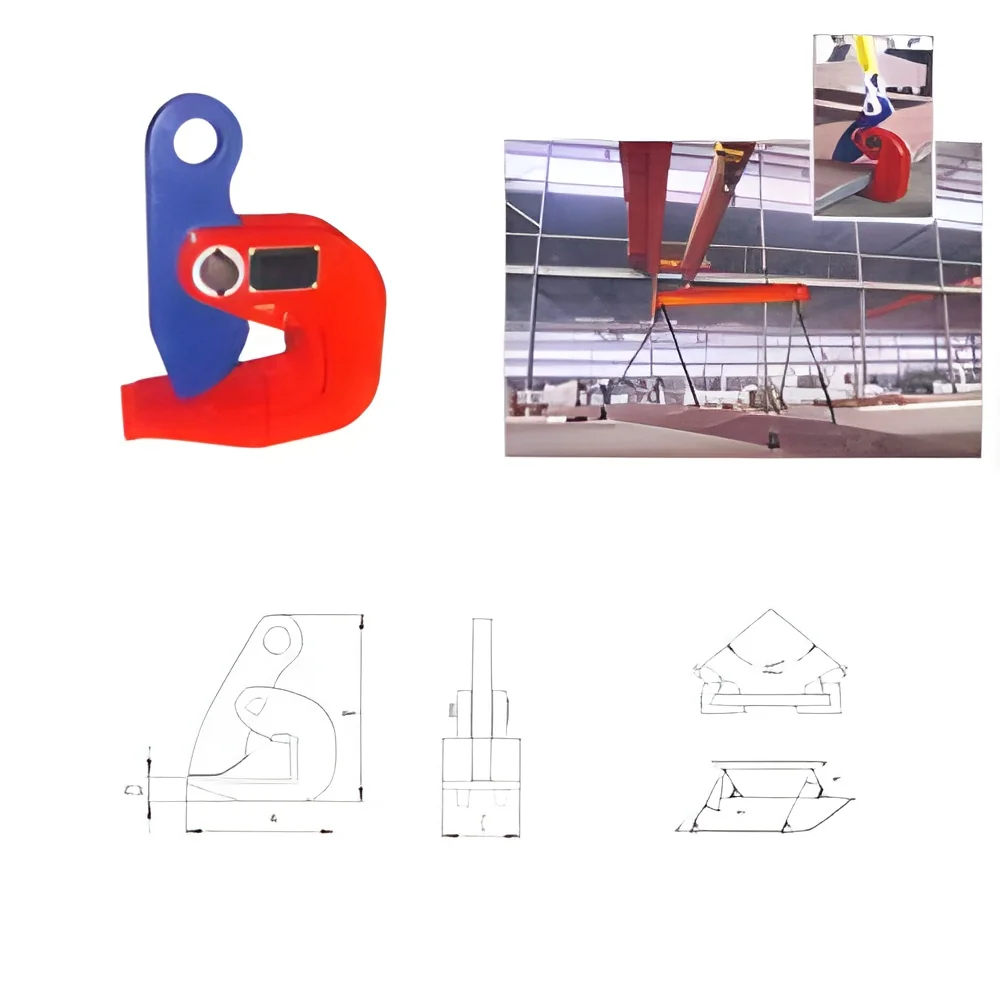
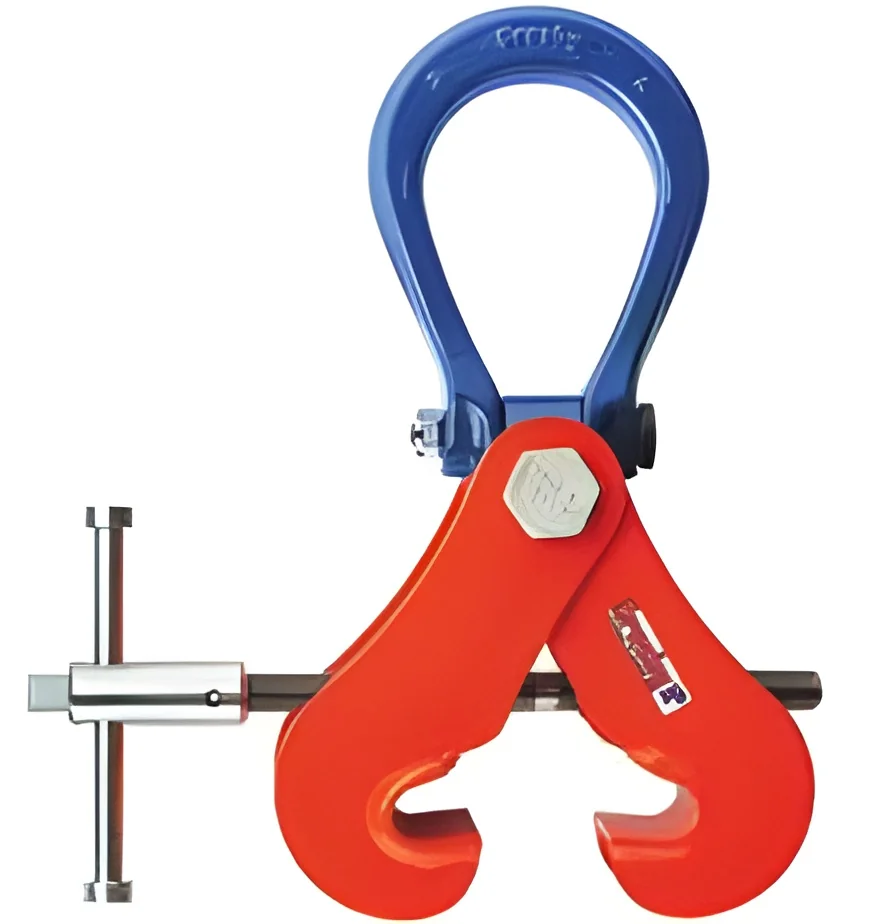
What are Frame Clamps?
Frame clamps are specialized tools designed to hold and secure various components during assembly or fabrication processes. They provide a stable grip on materials, allowing for precise alignment and positioning. These clamps are essential in industries where accuracy and stability are paramount, such as manufacturing, construction, and automotive sectors.
The primary uses of frame clamps include securing frames, panels, and other structural components for welding, machining, or assembly. They are particularly valuable in environments where repeated adjustments are necessary, as they enable quick setup and takedown while maintaining consistent pressure. Businesses utilize frame clamps to enhance workflow efficiency, reduce errors, and improve overall product quality.
In terms of industry relevance, frame clamps play a critical role in manufacturing operations across various sectors. Their demand is driven by the growing need for precision in production processes. As industries evolve, the need for reliable and effective clamping solutions continues to rise, positioning frame clamps as a vital component in modern industrial applications.
Key Features and Specifications
Frame clamps offer a range of features that enhance their functionality and usability in industrial settings. These features are designed to cater to the diverse needs of professionals across various sectors. Understanding the specifications can help buyers choose the right frame clamp for their applications.
Key specifications include:
1. Clamping Range
- The distance over which the clamp can effectively secure materials.
- Typically ranges from 0 to 6 inches.
2. Load Capacity
- The maximum weight the clamp can hold securely without failure.
- Commonly ranges from 300 lbs to 1,500 lbs.
3. Material Composition
- The materials used in the clamp's construction, such as steel or aluminum.
- Steel clamps offer higher durability, while aluminum clamps are lighter.
4. Jaw Design
- The shape and configuration of the clamp's gripping surface.
- Options include flat, curved, or serrated jaws for different applications.
5. Adjustment Mechanism
- The method by which the clamp's size or pressure is adjusted.
- Can include screw mechanisms, quick-release levers, or ratchet systems.
6. Finish Type
- The surface treatment applied to the clamp to enhance durability.
- Options include powder-coated, galvanized, or stainless steel finishes.
7. Weight
- The overall weight of the clamp, affecting portability and ease of use.
- Typically ranges from 2 lbs to 10 lbs.
8. Ergonomic Design
- Features that enhance user comfort and reduce fatigue during prolonged use.
- Includes contoured handles and anti-slip grips.
In summary, frame clamps come with various features and specifications that cater to different industrial needs. Understanding these details allows for informed purchasing decisions.
Common Applications and Use Cases
Frame clamps serve several industries by providing reliable solutions for securing materials during various processes. Their versatility makes them indispensable tools in many applications.
1. Manufacturing: Frame clamps are widely used in manufacturing environments to hold parts in place during welding and assembly, ensuring precision and stability.
2. Construction: In construction, frame clamps assist in aligning and securing structural components such as beams and panels, facilitating safe and efficient building practices.
3. Automotive: The automotive industry relies on frame clamps for assembling vehicle components, providing accurate positioning for welding and fastening.
4. Woodworking: In woodworking, frame clamps are essential for holding pieces together while glue sets, ensuring a tight bond and precise alignment.
5. Metal Fabrication: Metal fabricators use frame clamps to secure metal sheets and components during cutting and welding processes, enhancing safety and accuracy.
6. Aerospace: In aerospace manufacturing, frame clamps help maintain tight tolerances and secure components during assembly, critical for safety and performance.
7. Electronics: The electronics industry utilizes frame clamps for assembling circuit boards and other components, ensuring stability during soldering and testing.
Product Variants and Subcategories
Frame clamps come in various designs to meet specific application needs. This diversity allows businesses to select the most suitable clamps for their operations.
Heavy-Duty Frame Clamps
These clamps are designed for high-load applications, featuring robust construction and a significant load capacity. They are ideal for industrial environments where strength and durability are essential.
Adjustable Frame Clamps
Adjustable clamps offer versatility, allowing users to modify the clamping width according to the specific requirements of different projects. This adaptability makes them suitable for various materials and sizes.
Quick-Release Frame Clamps
Quick-release clamps provide ease of use with mechanisms that allow for fast adjustments and removals. They are particularly beneficial in fast-paced environments where efficiency is crucial.
Lightweight Frame Clamps
Lightweight variants are designed for portability and ease of use. These clamps are suitable for smaller tasks or projects where heavy-duty options may not be necessary.
Benefits and Advantages
Frame clamps offer numerous benefits that make them essential tools in various industries. Understanding these advantages can help businesses improve their operational efficiency.
1. Enhanced Stability: Frame clamps provide a secure hold on materials, reducing the risk of movement during critical processes like welding and assembly.
2. Increased Efficiency: The quick setup and takedown capabilities of frame clamps streamline workflows, allowing for faster project completion and reduced downtime.
3. Improved Accuracy: With a stable grip, frame clamps help ensure precise alignment of components, leading to higher quality products and reduced errors.
4. Versatility: Frame clamps can be used across multiple industries and applications, making them a flexible solution for diverse manufacturing needs.
5. Durability: Many frame clamps are constructed from high-quality materials that withstand wear and tear, ensuring long-term reliability.
6. Ergonomic Design: Many models feature ergonomic handles and designs that enhance user comfort, reducing fatigue during extended use.
Buying Guide for B2B Buyers
When sourcing frame clamps, it is essential for B2B buyers to consider several factors to ensure they select the right products for their needs.
1. Quality Assessment: Evaluate the materials and construction quality of the clamps. Look for products that meet industry standards and have a reputation for durability.
2. Supplier Verification: Vet potential suppliers by checking their credentials, reviews, and certifications. A reliable supplier will offer quality products and trustworthy service.
3. Pricing and MOQ: Consider the cost of the clamps and the minimum order quantity (MOQ) requirements. Compare pricing across suppliers to ensure competitive rates while maintaining quality.
4. Delivery and Lead Times: Understand the logistics involved in procuring frame clamps, including delivery schedules and lead times. This knowledge helps in planning and managing project timelines.
5. Compliance Requirements: Ensure that the clamps meet relevant compliance and regulatory standards applicable to your industry. This may include certifications for safety and quality assurance.
Compliance and Certifications
Frame clamps are subject to various compliance and certification standards that ensure their quality and safety. Organizations often seek products that adhere to recognized standards.
ISO 9001 is a quality management standard that assures buyers of a consistent level of quality in manufacturing processes. Compliance with this standard indicates that a supplier follows effective quality management practices.
CE certification is another important mark indicating that the product meets European safety, health, and environmental requirements. This certification is crucial for businesses looking to operate in or export to European markets.
Safety and testing requirements are essential to ensure that frame clamps perform reliably under specified conditions. Buyers should verify that products have undergone necessary testing for load capacity and safety.
Regional compliance considerations may vary depending on the location of the buyer and supplier. It is important to understand any specific regional regulations that may apply to the procurement of frame clamps.
Why Source Frame Clamps from Pepagora?
Pepagora provides a trusted platform for sourcing frame clamps, offering several key advantages that can benefit businesses seeking reliable solutions.
Verified Supplier Network: Pepagora connects buyers with a network of verified suppliers, ensuring that businesses can source quality frame clamps with confidence. The platform conducts thorough checks on suppliers to guarantee reliability.
Streamlined RFQ Process: The request for quotation (RFQ) process on Pepagora is designed to be efficient and user-friendly. Buyers can easily submit requirements and receive competitive quotes from multiple suppliers, streamlining the sourcing process.
Trade Assurance and Support: Pepagora offers trade assurance to protect buyers throughout the purchasing process. This includes support for resolving any disputes and ensuring that products meet quality standards.
Regional Coverage: With a strong presence in regions such as India, GCC, and Southeast Asia, Pepagora provides extensive geographic reach. This allows businesses to connect with local suppliers and access a wide range of frame clamp options tailored to their specific needs.

 IN
IN