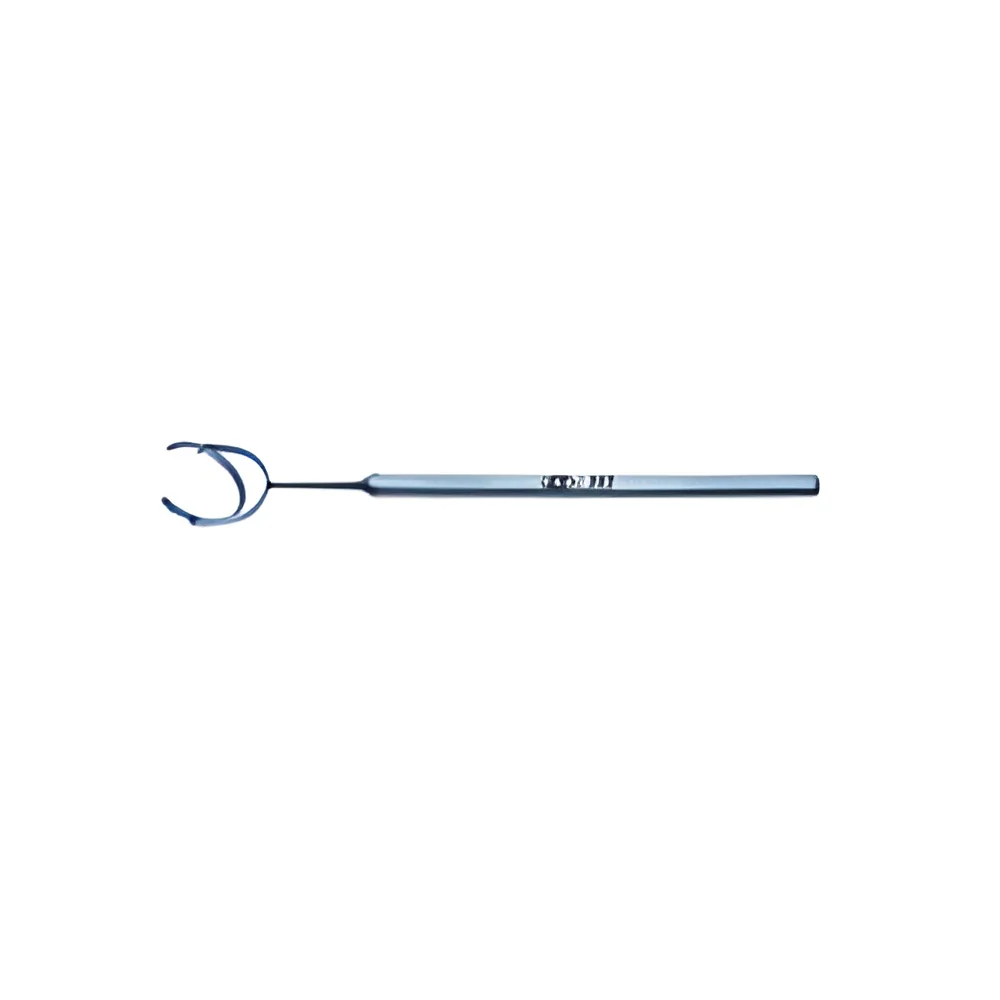
What are C-Clamps?
C-Clamps, also known as compression clamps, are versatile tools used in various industries for holding objects tightly together. They consist of a C-shaped frame with a screw mechanism that allows for adjustable clamping pressure. The design enables secure gripping of materials, making them essential for both temporary and permanent applications. C-Clamps are typically made from durable materials like steel or aluminum, ensuring they can withstand significant force without deforming.
These clamps find primary use in woodworking, metalworking, and construction industries. They are commonly employed to hold pieces of wood while cutting or gluing, secure metal parts during welding, or stabilize materials in manufacturing processes. Their ability to provide a strong grip makes them invaluable in manufacturing settings, where precision and stability are crucial for quality output. The market for C-Clamps continues to grow, driven by advancements in materials and engineering, as well as the increasing demand for robust clamping solutions in various industrial applications.
Key Features and Specifications
C-Clamps come equipped with several features designed to enhance their functionality and user experience. Understanding the specifications is critical for selecting the right clamp for specific applications.
Key specifications include:
1. Clamp Capacity
- Refers to the maximum load the clamp can hold.
- Typically ranges from 1 inch to over 12 inches, depending on size.
2. Jaw Opening
- The distance between the inner surfaces of the jaws.
- Available jaw openings can range from 1 inch to 6 inches.
3. Material Composition
- Most commonly made from steel or aluminum.
- Offers durability and resistance to corrosion.
4. Screw Thread Type
- Can be fine or coarse, affecting the clamping speed and ease of adjustment.
- Fine threads allow for more precise adjustments.
5. Weight
- Varies by size and material, impacting portability.
- Lightweight options are available for ease of handling.
6. Finish Type
- May include painted, galvanized, or powder-coated finishes.
- Affects resistance to rust and wear.
In summary, understanding these features and specifications can help users select the most appropriate C-Clamp for their needs, ensuring optimal performance and reliability.
Common Applications and Use Cases
C-Clamps serve a variety of industries, showcasing their versatility and reliability.
1. Woodworking: C-Clamps are essential in woodworking shops for holding boards together during cutting, drilling, or assembly. They ensure precision and stability, allowing craftsmen to achieve accurate results.
2. Metalworking: In metal fabrication, C-Clamps are used to secure metal pieces during welding and machining processes. Their strong grip is vital for maintaining alignment and safety during operations.
3. Construction: Construction sites frequently utilize C-Clamps to hold materials in place while fastening or reinforcing structures. Their ability to withstand heavy loads makes them ideal for various applications.
4. Automotive: In automotive repair, C-Clamps are often used to hold parts together while assembling or disassembling components. This helps ensure that parts fit correctly and securely.
5. Manufacturing: In manufacturing settings, C-Clamps are used to secure materials during assembly lines. Their efficiency in holding components allows for faster production times.
6. DIY Projects: Hobbyists and DIY enthusiasts rely on C-Clamps for various home projects, from furniture making to repairs. Their ease of use and effectiveness make them a go-to tool in any toolbox.
Product Variants and Subcategories
While specific subcategories of C-Clamps may not be available, there are several variants that cater to different needs and applications.
Heavy-Duty C-Clamps: Designed for robust applications, these clamps can handle higher loads and are made from thicker materials. They are ideal for industrial settings where strength is paramount.
Quick-Release C-Clamps: These clamps feature a mechanism that allows for faster adjustments and release. They are especially useful in situations where frequent repositioning is required.
Spring-Loaded C-Clamps: These clamps use a spring mechanism to automatically maintain pressure on the workpiece, providing ease of use in repetitive tasks. They are popular in both professional and DIY settings.
Benefits and Advantages
C-Clamps offer numerous benefits, making them a valuable tool in various applications.
1. Versatility: C-Clamps can be used across multiple industries for different applications, making them a practical investment for businesses.
2. Durability: Constructed from high-quality materials, C-Clamps are built to last and withstand heavy use, ensuring long-term reliability.
3. Ease of Use: The simple design and adjustable screw mechanism make C-Clamps easy to operate, allowing for quick setups and adjustments.
4. Cost-Effectiveness: With a relatively low price point, C-Clamps provide excellent value for their performance and longevity.
5. Precision: These clamps ensure that materials are held securely, which is crucial for achieving accurate results in any project.
6. Safety: By securely holding materials in place, C-Clamps help prevent accidents and injuries during operations, enhancing workplace safety.
Buying Guide for B2B Buyers
When sourcing C-Clamps for industrial use, it is essential to consider several factors to ensure you make an informed purchase.
1. Quality Assessment: Look for C-Clamps made from high-quality materials that can withstand the demands of your applications. Consider factors such as load capacity and durability.
2. Supplier Verification: Vet potential suppliers to ensure they are reputable and provide reliable products. Check for reviews, certifications, and references from other businesses.
3. Pricing and MOQ: Compare prices among different suppliers and be aware of minimum order quantities. This can impact your budget and inventory management.
4. Delivery and Lead Times: Understand the logistics involved in receiving your order. Ensure that suppliers can meet your deadlines to avoid interruptions in your projects.
5. Compliance Requirements: Ensure that the C-Clamps meet relevant industry standards and regulations to avoid potential compliance issues in your operations.
Compliance and Certifications
Compliance and certifications are crucial for ensuring that C-Clamps meet industry standards and safety requirements. Many C-Clamps adhere to quality management standards such as ISO 9001, which ensures consistent quality across production processes.
Additionally, industry certifications like CE indicate that the products meet European safety, health, and environmental protection standards.
Safety requirements and testing protocols should also be considered, as they help ensure that the clamps can withstand operational stresses without failure. Regional compliance may vary, so businesses should be aware of local regulations and standards applicable to their operations.
Why Source C-Clamps from Pepagora?
Pepagora provides a trusted platform for sourcing C-Clamps, offering several key advantages for B2B buyers.
Verified Supplier Network: Pepagora has established a network of verified suppliers, ensuring that buyers can trust the quality and reliability of the products they purchase.
Streamlined RFQ Process: The platform offers an efficient Request for Quotation (RFQ) system that simplifies the process of obtaining quotes from multiple suppliers, making it easier for buyers to compare options.
Trade Assurance and Support: Pepagora provides buyer protection through its trade assurance policies, offering support throughout the purchasing process to ensure a smooth experience.
Regional Coverage: With a focus on key markets such as India, the GCC, and Southeast Asia, Pepagora enables businesses to access a wide range of C-Clamps tailored to their regional needs, ensuring timely delivery and service.

 IN
IN