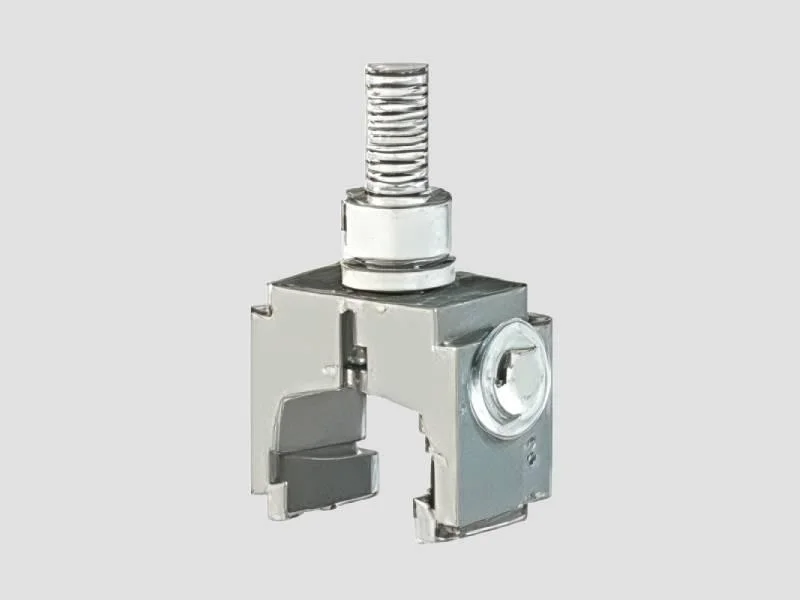
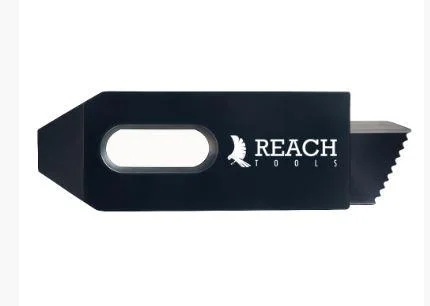
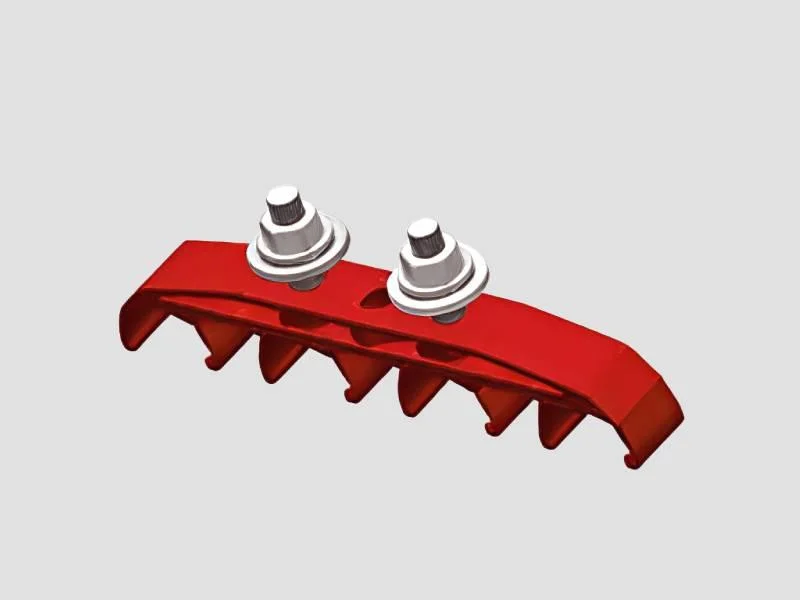
What are Bar Clamps?
Bar clamps, also known as framing clamps or parallel clamps, are essential tools in woodworking and metalworking. They consist of a long bar with two adjustable jaws on either end, allowing users to secure materials tightly together. This design enables a strong grip while maintaining even pressure across the clamped surfaces. Bar clamps are particularly valued for their versatility and efficiency in various applications, making them a staple in workshops and construction sites.
In business applications, bar clamps are primarily used for assembling, gluing, and holding materials in place during machining or finishing processes. They are commonly utilized in furniture manufacturing, cabinetry, and metal fabrication. The ability to quickly adjust and apply substantial force makes them ideal for tasks that require precision and stability. As industries continue to innovate, the demand for reliable clamping solutions remains high, positioning bar clamps as a vital tool in manufacturing and construction sectors.
The relevance of bar clamps extends across multiple industries, including woodworking, metalworking, and construction. Their widespread adoption is a testament to their effectiveness and reliability. As businesses focus on improving efficiency and product quality, the market for bar clamps continues to grow, driven by advancements in design and materials.
Key Features and Specifications
Bar clamps are designed with several key features that enhance their functionality and usability. Understanding these specifications can help buyers select the most suitable option for their needs.
Key specifications include:
1. Jaw Capacity
- The maximum distance between the jaws.
- Typically ranges from 6 inches to 36 inches.
2. Clamping Force
- The amount of pressure applied when the clamp is tightened.
- Can vary from 500 pounds to over 1000 pounds, depending on the model.
3. Material Construction
- Common materials include steel, aluminum, and high-strength plastic.
- The choice of material affects durability and weight.
4. Handle Type
- Available in different designs such as trigger grips or screw handles.
- Each type offers varying levels of ease and comfort during use.
5. Weight
- The overall weight of the clamp, which can impact portability.
- Typically ranges from 1 pound to over 5 pounds.
6. Finish
- Protective coatings or finishes to enhance corrosion resistance.
- Options may include powder coating or anodizing.
7. Adjustable Features
- Some clamps offer quick-release mechanisms or sliding jaws for easier adjustments.
- This feature enhances user efficiency and convenience.
In summary, understanding the specifications of bar clamps is crucial for ensuring that they meet the specific needs of your projects. By selecting the right features, businesses can maximize productivity and achieve better results.
Common Applications and Use Cases
Bar clamps serve various industries with diverse applications.
1. Woodworking: In the woodworking industry, bar clamps are frequently used for gluing joints and assembling cabinets and furniture. Their ability to apply even pressure ensures strong and durable bonds.
2. Metalworking: In metal fabrication, bar clamps are essential for holding workpieces in place during welding or machining processes. They provide stability, reducing the risk of movement and ensuring precision.
3. Construction: In construction sites, bar clamps are used to secure materials such as drywall, ensuring they stay in place while fasteners are applied. Their ease of use makes them a preferred choice among contractors.
4. Automotive: In the automotive sector, bar clamps can assist in bodywork and assembly tasks. They help secure parts for painting or welding, ensuring a tight fit.
5. DIY Projects: For hobbyists and DIY enthusiasts, bar clamps are invaluable for various home improvement projects. They offer a reliable solution for holding materials together while working on crafts or repairs.
6. Plumbing: Bar clamps can be used to hold pipes and fittings in place while adjustments are made, ensuring a secure and stable connection.
7. Electrical: In electrical work, bar clamps can help secure conduits and wiring during installation, maintaining organization and safety.
Product Variants and Subcategories
Bar clamps come in a variety of designs and configurations to suit different applications.
Standard Bar Clamps: These are the most common type, featuring a fixed jaw and an adjustable jaw. They are suitable for general use in woodworking and metalworking.
Parallel Clamps: Designed for larger projects, parallel clamps provide even pressure across the entire surface. They are ideal for gluing large panels or assemblies.
F-Style Clamps: These clamps have a more compact design, making them easier to maneuver in tight spaces. They are commonly used in quick assembly tasks.
Mini Bar Clamps: Perfect for smaller projects or delicate materials, mini bar clamps offer precision and control. They are ideal for hobbyists and intricate woodworking tasks.
Benefits and Advantages
Using bar clamps offers several key benefits that enhance productivity and efficiency in various applications.
1. Strong Grip: Bar clamps provide a reliable hold on materials, preventing movement during work. This strength ensures high-quality results in finished products.
2. Versatility: They can be used across multiple industries and applications, making them a valuable tool for any workshop. Their adaptability accommodates various project needs.
3. Ease of Use: With adjustable features and quick-release mechanisms, bar clamps are user-friendly. This design allows for fast setup and adjustments, saving time on projects.
4. Consistent Pressure: The ability to apply even pressure helps maintain the integrity of materials during assembly. This consistency is crucial for achieving strong bonds.
5. Durability: Made from high-quality materials, bar clamps are built to withstand heavy use. Their robust construction ensures long-lasting performance in demanding environments.
6. Cost-Effectiveness: Investing in quality bar clamps can reduce the need for additional tools. Their multifunctional nature makes them a cost-effective choice for businesses.
Buying Guide for B2B Buyers
When sourcing bar clamps, buyers should consider several key factors to ensure they select the right products for their needs.
1. Quality Assessment: Evaluate the materials and construction of the clamps. High-quality steel or aluminum options typically offer better durability and performance.
2. Supplier Verification: Research potential suppliers to confirm their reputation and reliability. Look for reviews, certifications, and industry experience to ensure a trustworthy partnership.
3. Pricing and MOQ: Understand the pricing structure and minimum order quantities (MOQ) from suppliers. Compare costs to find the best value while ensuring quality.
4. Delivery and Lead Times: Assess the supplier's delivery capabilities and lead times. Knowing how quickly you can receive your order is crucial for project planning.
5. Compliance Requirements: Ensure that the bar clamps meet relevant regulatory and safety standards. Check for certifications like CE to confirm compliance with industry guidelines.
Compliance and Certifications
Bar clamps are subject to several relevant quality standards and certifications that ensure their safety and effectiveness. Key standards include ISO 9001, which outlines quality management systems that enhance product quality and consistency. Additionally, compliance with HACCP and GDP standards may apply in industries where safety and quality control are critical.
Certain certifications, such as CE marking, indicate that the product meets European health, safety, and environmental protection standards. This certification is essential for ensuring that the clamps are acceptable for use in various applications across different regions.
Safety and testing requirements are also vital, particularly in industrial settings where equipment failure could lead to accidents. Manufacturers must adhere to rigorous testing protocols to ensure their products perform reliably under specified conditions.
Regional compliance considerations may vary, so it is crucial for buyers to verify that their selected clamps meet local regulations. This diligence helps avoid compliance issues and ensures safe use in their specific operational environments.
Why Source Bar Clamps from Pepagora?
Pepagora provides a trusted platform for sourcing bar clamps, offering several key advantages to B2B buyers.
Verified Supplier Network: Pepagora connects buyers with a network of verified suppliers. This rigorous vetting process ensures that businesses can find high-quality products from reputable manufacturers, reducing the risk of subpar purchases.
Streamlined RFQ Process: The platform offers an efficient request for quotation (RFQ) system, allowing buyers to easily compare offers from multiple suppliers. This feature simplifies the procurement process and helps businesses secure the best deals.
Trade Assurance and Support: Pepagora prioritizes buyer protection by offering trade assurance services. This support safeguards transactions, providing peace of mind when sourcing products.
Regional Coverage: With a strong presence in India, GCC, and Southeast Asia, Pepagora enables businesses to access a wide range of bar clamp options. Their geographic reach ensures that buyers can find suitable suppliers regardless of location.
By leveraging Pepagora's platform, B2B buyers can confidently source bar clamps that meet their operational needs while benefiting from a user-friendly experience.

 IN
IN