
 IN
Gardening Tools
199 products available
𝗪𝗵𝗮𝘁 𝗮𝗿𝗲 𝗚𝗮𝗿𝗱𝗲𝗻𝗶𝗻𝗴 𝗧𝗼𝗼𝗹𝘀?
Gardening tools are essential implements used for various tasks in gardening and landscaping. These tools are designed to enhance efficiency and effectiveness in maintaining gardens, lawns, and outdoor spaces. They encompass a wide range of hand-held and powered tools, each tailored for specific tasks such as planting, digging, pruning, and weeding. The design and functionality of gardening tools have evolved over time, integrating ergonomic principles to reduce user fatigue and improve performance.
The primary uses of gardening tools are evident in both residential and commercial applications. Home gardeners utilize these tools for routine maintenance, while landscaping professionals rely on them for larger projects. Businesses such as nurseries, garden centers, and landscape design firms benefit from high-quality gardening tools to ensure productivity and customer satisfaction. The gardening tools market is significant, driven by the growing interest in sustainability, urban gardening, and landscaping services.
𝗞𝗲𝘆 𝗙𝗲𝗮𝘁𝘂𝗿𝗲𝘀 𝗮𝗻𝗱 𝗦𝗽𝗲𝗰𝗶𝗳𝗶𝗰𝗮𝘁𝗶𝗼𝗻𝘀
Gardening tools come equipped with a variety of features aimed at increasing usability and durability. When selecting gardening tools, it is crucial to consider their specifications to meet specific gardening needs effectively.
Key specifications include:
1. Material Quality
- Often made from stainless steel, aluminum, or high-grade plastic
- Offers durability and resistance to corrosion
2. Ergonomic Design
- Features comfortable grips and balanced weight distribution
- Aims to reduce strain during prolonged use
3. Tool Types
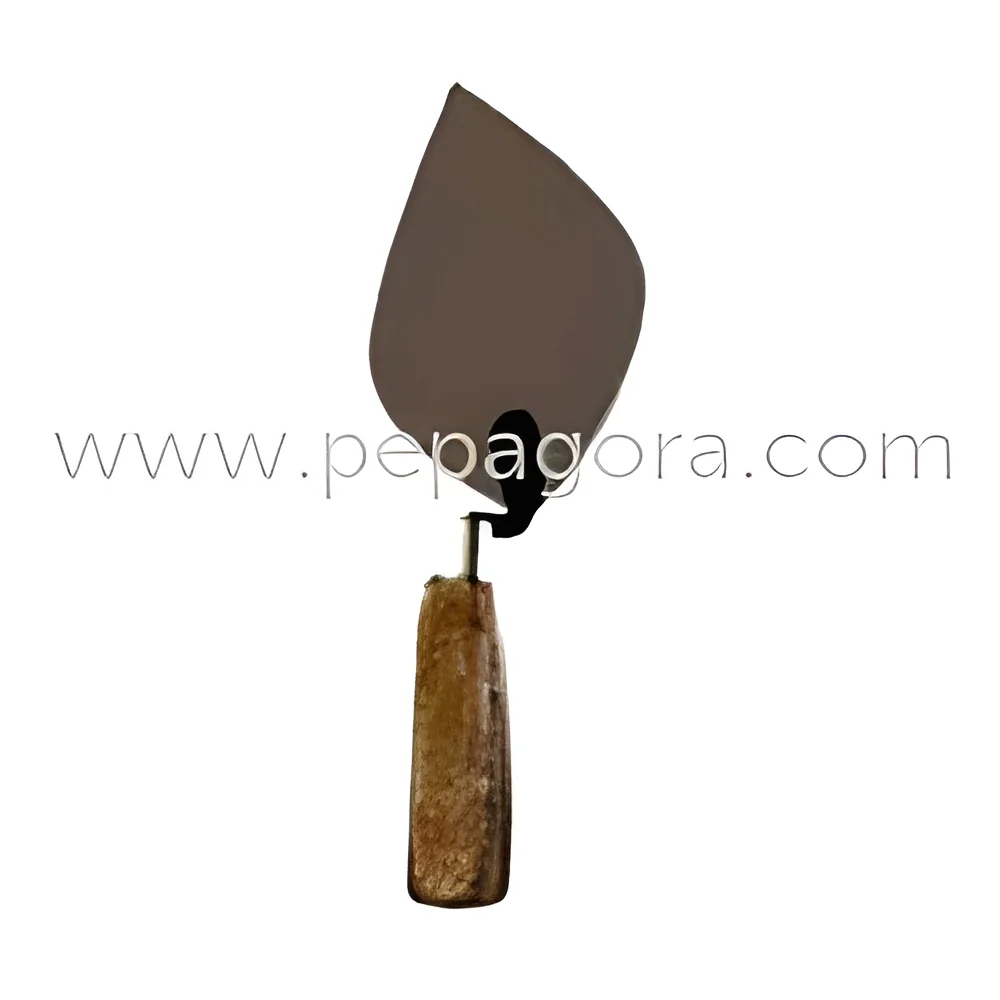
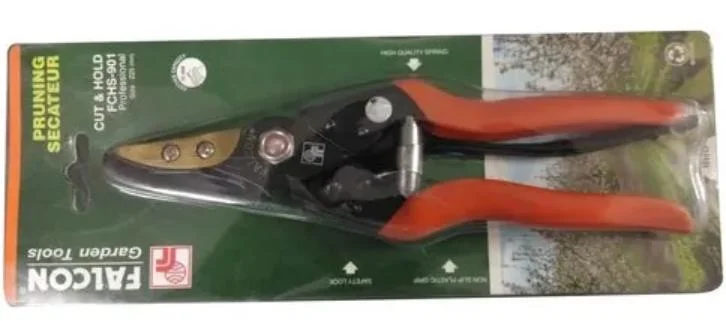
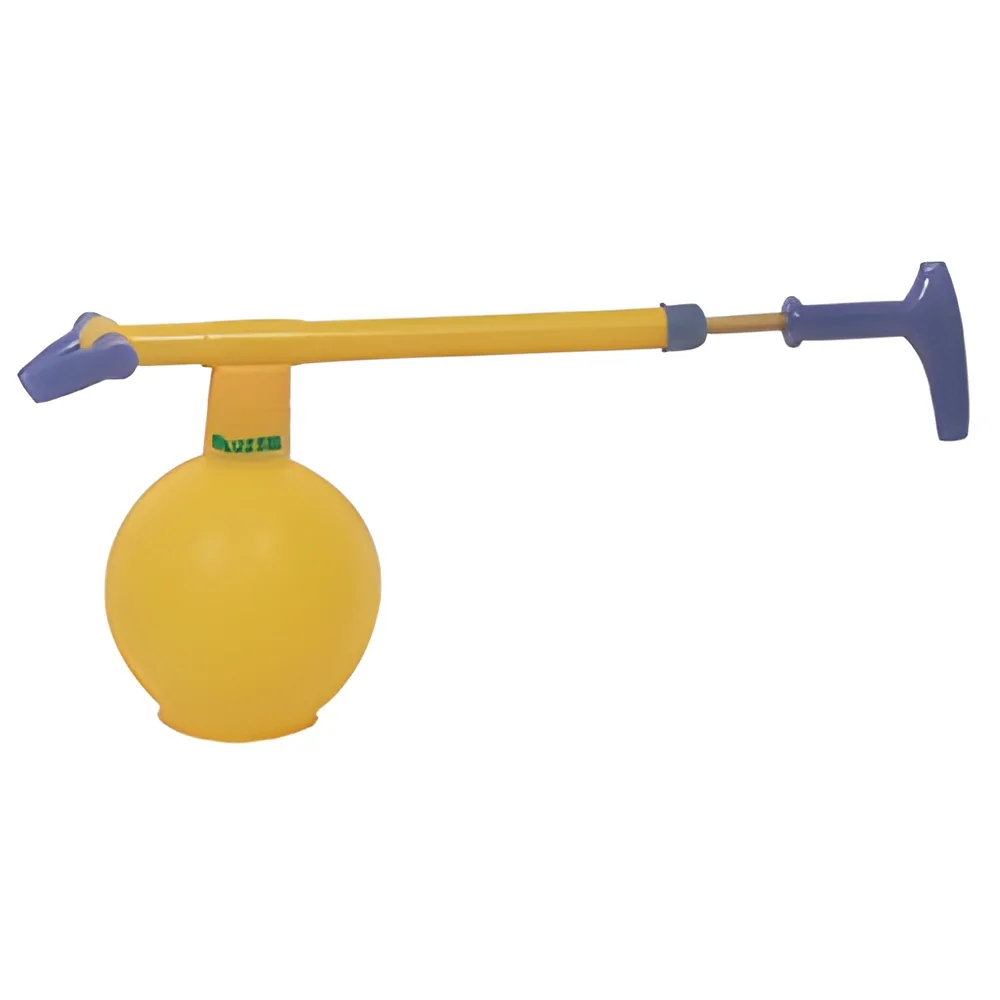
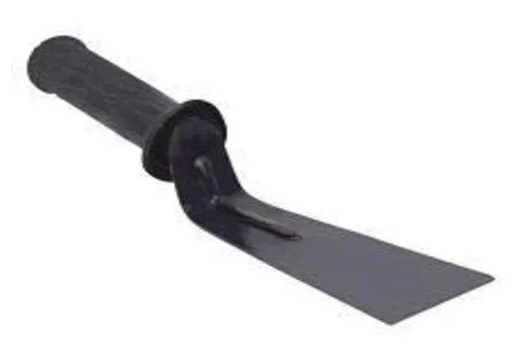
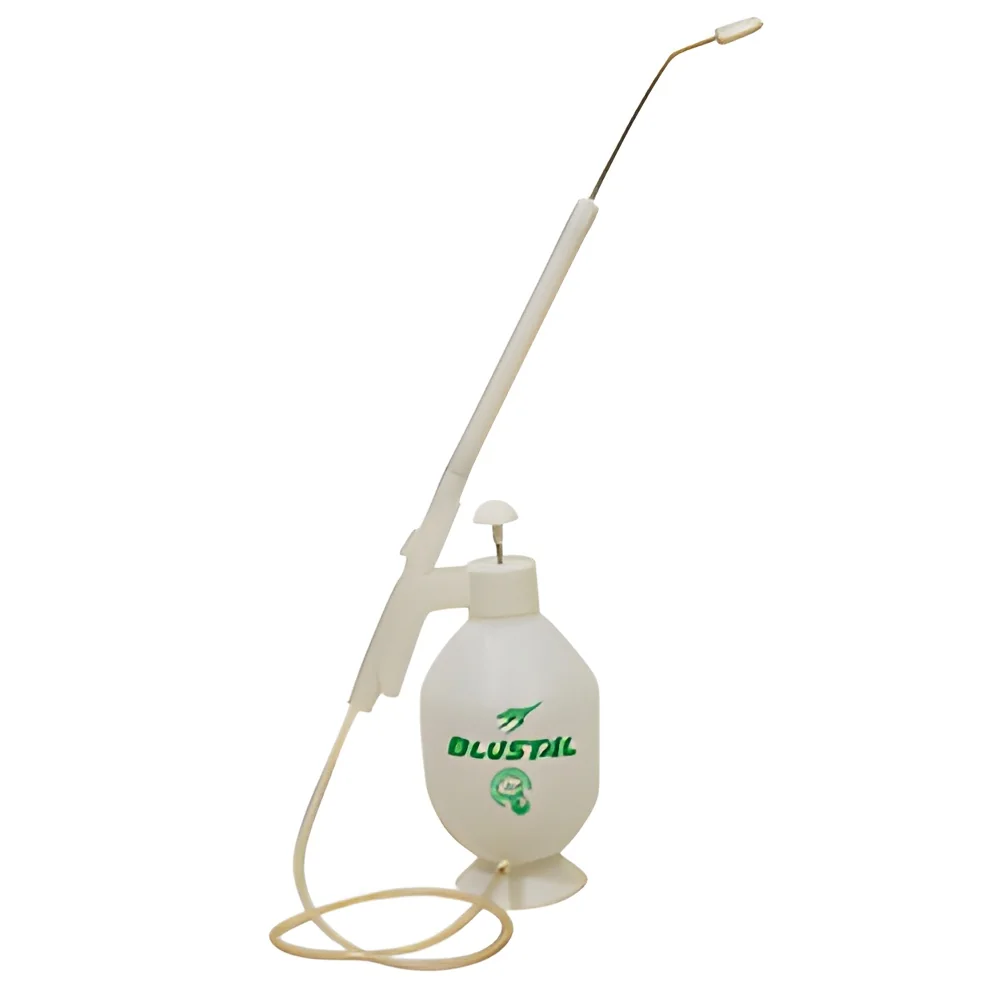
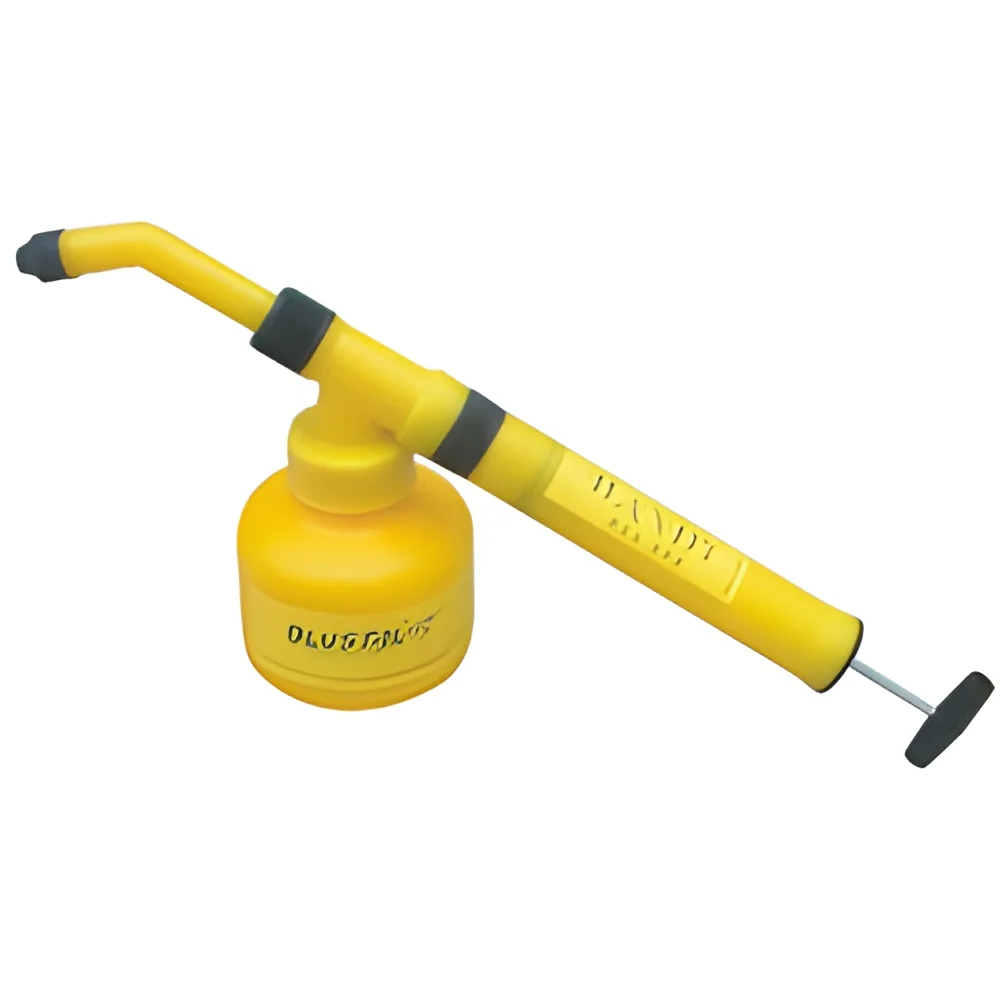
- Includes hand tools such as trowels, pruners, and hoes
- Also encompasses powered tools like lawnmowers and hedge trimmers
4. Size Options
- Available in various sizes to suit different user preferences
- Smaller tools for precision work, larger tools for heavy-duty tasks
5. Weight
- Lightweight options available for ease of handling
- Heavier tools designed for sturdiness and stability
6. Maintenance Requirements
- Some tools require minimal maintenance while others need regular care
- Stainless materials generally require less upkeep
7. Compatibility with Accessories
- Many tools can be adapted with attachments for enhanced functionality
- Compatibility with various gardening systems like drip irrigation
8. Warranty and Support
- Tools typically come with warranties covering defects and performance issues
- Availability of customer support for product-related inquiries
In summary, understanding the specifications of gardening tools helps buyers choose the right products to meet their gardening needs effectively.
𝗖𝗼𝗺𝗺𝗼𝗻 𝗔𝗽𝗽𝗹𝗶𝗰𝗮𝘁𝗶𝗼𝗻𝘀 𝗮𝗻𝗱 𝗨𝘀𝗲 𝗖𝗮𝘀𝗲𝘀
Gardening tools serve a diverse array of industries, each benefiting from specific applications.
1. Horticulture: In horticulture, gardeners use tools like spades and pruners to cultivate plants, ensuring optimal growth and health.
2. Landscaping: Landscape professionals utilize a variety of tools for design, maintenance, and installation, enhancing outdoor aesthetics and functionality.
3. Agriculture: Farmers employ gardening tools for planting, weeding, and harvesting, aiding in food production and crop management.
4. Nursery Management: Nurseries utilize specialized tools for transplanting and nurturing young plants, ensuring successful growth cycles.
5. Urban Gardening: In urban environments, compact tools facilitate gardening in limited spaces, catering to city dwellers interested in sustainable living.
6. Education: Schools and community programs use gardening tools for educational activities, promoting environmental awareness and hands-on learning.
7. Recreational Gardening: Hobbyists and enthusiasts use a range of gardening tools for personal enjoyment and beautification of their surroundings.
𝗣𝗿𝗼𝗱𝘂𝗰𝘁 𝗩𝗮𝗿𝗶𝗮𝗻𝘁𝘀 𝗮𝗻𝗱 𝗦𝘂𝗯𝗰𝗮𝘁𝗲𝗴𝗼𝗿𝗶𝗲𝘀
Gardening tools encompass a wide variety of products designed for different tasks and user preferences. While specific subcategories are not available, the diversity within gardening tools allows for tailored solutions.
Hand Tools
These tools include essential items such as trowels, weeders, and pruners. They are ideal for precision gardening and small-scale projects, providing users with control and flexibility.
Powered Tools
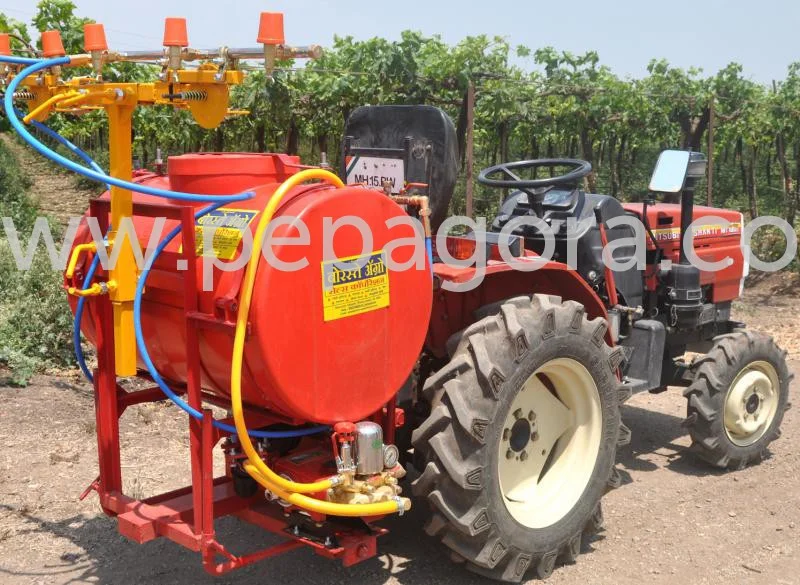
Powered gardening tools, such as electric or gas-powered lawnmowers and trimmers, are designed for efficiency in larger spaces. They significantly reduce manual labor and time spent on maintenance tasks.
Specialty Tools
Specialty gardening tools cater to specific needs, such as soil testing kits or ergonomic tools for individuals with physical limitations. They provide unique solutions that enhance the gardening experience.
𝗕𝗲𝗻𝗲𝗳𝗶𝘁𝘀 𝗮𝗻𝗱 𝗔𝗱𝘃𝗮𝗻𝘁𝗮𝗴𝗲𝘀
Investing in quality gardening tools offers numerous advantages for users.
1. Increased Efficiency: High-quality tools streamline gardening tasks, allowing users to complete work faster and with less effort.
2. Improved Results: Using the right tools enhances the outcome of gardening efforts, leading to healthier plants and more attractive gardens.
3. Reduced Physical Strain: Ergonomically designed tools minimize fatigue, making gardening accessible to a broader range of individuals.
4. Longevity: Durable materials ensure tools last longer, providing better value over time and reducing the need for frequent replacements.
5. Versatility: Many gardening tools can be used for multiple purposes, saving space and cost for users.
6. Enhanced Safety: Well-designed tools reduce the risk of injury, offering features such as non-slip grips to ensure safe handling.
𝗕𝘂𝘆𝗶𝗻𝗴 𝗚𝘂𝗶𝗱𝗲 𝗳𝗼𝗿 𝗕𝟮𝗕 𝗕𝘂𝘆𝗲𝗿𝘀
When sourcing gardening tools for business purposes, certain factors should be carefully considered to ensure a successful purchase.
1. Quality Assessment: Evaluate the quality of materials and construction. Look for tools that offer durability and performance to withstand regular use.
2. Supplier Verification: Vet potential suppliers by checking their reputation, customer reviews, and certifications. Reliable suppliers ensure consistent product quality.
3. Pricing and MOQ: Understand the pricing structure and minimum order quantities. Compare costs across suppliers to achieve the best deal while ensuring quality.
4. Delivery and Lead Times: Consider logistics and lead times when placing orders. Timely delivery is critical for maintaining operational efficiency.
5. Compliance Requirements: Ensure that the tools meet any relevant industry standards or regulations. This includes certifications like CE, which may be necessary for specific markets.
𝗖𝗼𝗺𝗽𝗹𝗶𝗮𝗻𝗰𝗲 𝗮𝗻𝗱 𝗖𝗲𝗿𝘁𝗶𝗳𝗶𝗰𝗮𝘁𝗶𝗼𝗻𝘀
Compliance and certifications are essential in the gardening tools industry, ensuring products meet quality and safety standards.
Relevant quality standards, such as ISO 9001, focus on effective quality management systems. Adhering to these standards helps manufacturers maintain consistent quality throughout production.
Industry certifications, including CE marking, indicate that products conform to European safety and environmental requirements. This certification is crucial for products sold in European markets.
Safety and testing requirements play a significant role in the production of gardening tools, ensuring that they are safe for consumer use. Manufacturers often conduct rigorous testing to verify performance and safety features.
Additionally, regional compliance considerations might vary, requiring manufacturers to adapt their products to meet local regulations. Understanding these requirements is vital for businesses operating in multiple markets.
𝗪𝗵𝘆 𝗦𝗼𝘂𝗿𝗰𝗲 𝗚𝗮𝗿𝗱𝗲𝗻𝗶𝗻𝗴 𝗧𝗼𝗼𝗹𝘀 𝗳𝗿𝗼𝗺 𝗣𝗲𝗽𝗮𝗴𝗼𝗿𝗮?
Pepagora provides a trusted platform for sourcing gardening tools, offering several key advantages to B2B buyers.
Verified Supplier Network: Pepagora connects buyers with a network of verified suppliers. This ensures that businesses can source high-quality gardening tools from reputable manufacturers.
Streamlined RFQ Process: The platform features a streamlined request for quotation (RFQ) process. This allows buyers to efficiently compare offers from multiple suppliers, saving time and effort.
Trade Assurance and Support: Pepagora offers trade assurance to protect buyers throughout the purchasing process. This includes support for resolving any issues that may arise, ensuring a smooth transaction.
Regional Coverage: With a wide geographic reach spanning India, the GCC, and Southeast Asia, Pepagora provides access to a diverse range of products and suppliers. This facilitates sourcing for businesses in various regions, optimizing supply chain operations.


Frequently Asked Questions
What are Gardening Tools?
Gardening tools are implements used in gardening and horticulture to aid in the cultivation and maintenance of plants. They can range from simple hand tools, like trowels and pruners, to larger equipment like lawnmowers and tillers.
What are the different types of Gardening Tools?
There are various types of gardening tools, including hand tools, power tools, and garden machinery. Common hand tools include shovels, rakes, hoes, and shears, while power tools encompass items like electric trimmers and tillers.
How do I choose the right Gardening Tools?
Choosing the right gardening tools depends on the type of gardening tasks you will perform. Consider the size of your garden, the specific tasks you need to accomplish, and your personal preferences for tool weight and comfort.
What are the standard specifications for Gardening Tools?
Standard specifications for gardening tools typically include material quality, size, weight, and ergonomic design. Tools should be durable, rust-resistant, and comfortable to handle, with appropriate sizes for the intended tasks.
What is the price range for Gardening Tools?
The price range for gardening tools can vary widely based on type and quality, typically starting from a few hundred rupees for basic hand tools to several thousand rupees for high-quality power tools. On average, you can expect to pay between INR 500 to INR 10,000.
What quality standards apply to Gardening Tools?
Quality standards for gardening tools often include durability, safety, and performance. Tools should meet industry standards for strength and reliability to ensure they can withstand regular use without failure.
Where can I find Gardening Tools suppliers in India?
You can find gardening tools suppliers in India through online B2B marketplaces, local hardware stores, and specialized gardening retailers. Websites like Pepagora.com can connect you with reliable manufacturers and suppliers.
Can Gardening Tools be customized?
Yes, many manufacturers offer customization options for gardening tools. Customization can include branding, specific sizes, or tailored features to meet the unique needs of users or businesses.
What is the typical minimum order quantity for Gardening Tools?
The typical minimum order quantity (MOQ) for gardening tools varies by supplier but usually ranges from 50 to 100 units. It is advisable to check with individual suppliers for their specific MOQ requirements.
What is the typical lead time for Gardening Tools?
The typical lead time for gardening tools can range from 1 to 4 weeks, depending on the supplier's production capacity and the complexity of the order. Custom orders may require additional time for manufacturing and delivery.
Why Businesses Trust Pepagora
Thousands of companies trust Pepagora to source smarter and sell faster
Expand Your Sales Globally

Source Smarter,Grow Faster
