
 IN
Hose Pipes
6 products available
What are Hose Pipes?
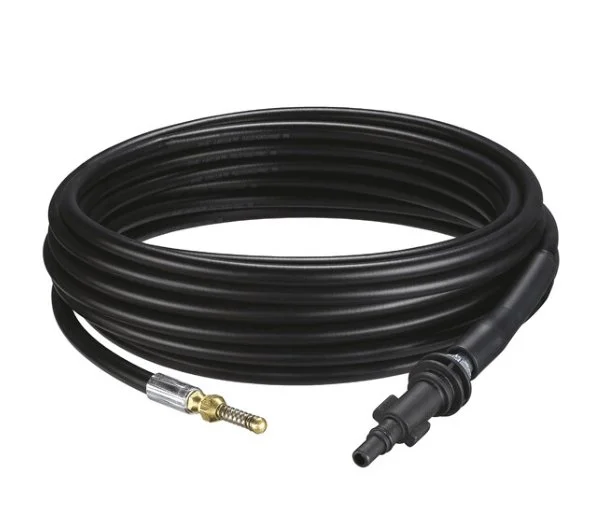
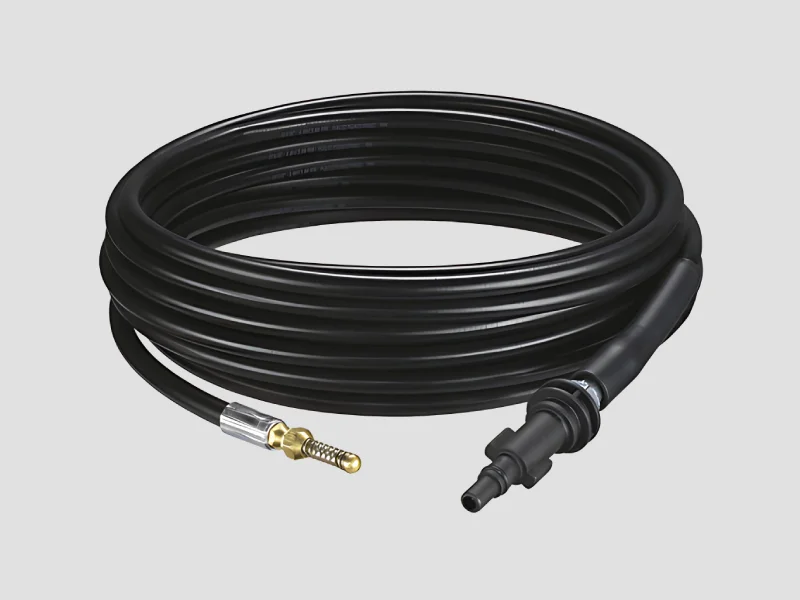
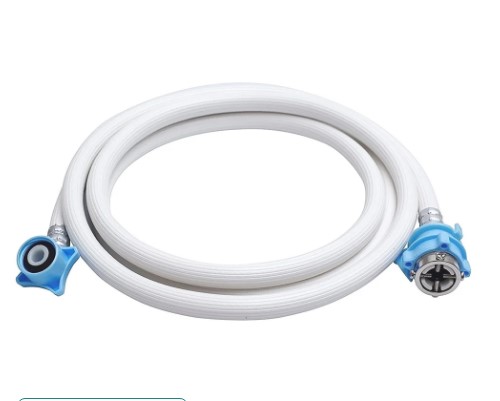
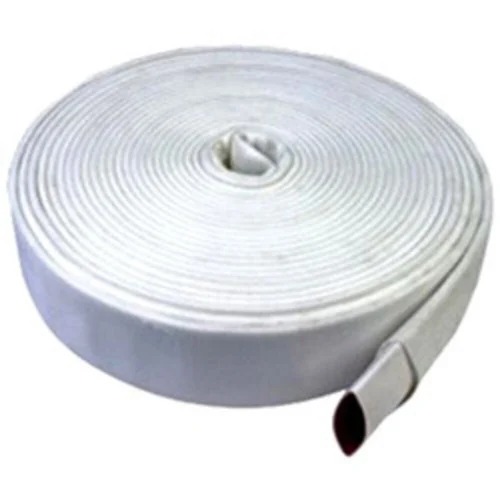
Hose pipes are flexible tubes designed to transport fluids, gases, and other materials in a variety of industrial applications. They are typically made from materials such as rubber, PVC, or polyurethane, which provide durability and flexibility. The design of hose pipes allows them to withstand pressure and environmental factors, making them essential in many sectors.
These pipes are primarily used in industries such as agriculture, construction, manufacturing, and automotive for tasks such as irrigation, transporting chemicals, and cooling systems. The versatility of hose pipes makes them a critical component in numerous processes, facilitating the movement of liquids and gases efficiently. Their relevance in the market is underscored by the growing demand for reliable and efficient fluid handling solutions across various industrial sectors.
Key Features and Specifications
Hose pipes come with a range of features and specifications tailored to meet specific application needs. Understanding these specifications is crucial for selecting the right hose for your business requirements.
Key specifications include:
1. Material Composition
- Hose pipes can be made from rubber, PVC, or thermoplastic materials.
- Each material offers different levels of flexibility, durability, and chemical resistance.
2. Diameter
- Common diameter sizes range from 1/4 inch to 12 inches.
- The choice of diameter depends on the application and flow requirements.
3. Pressure Rating
- Hose pipes can withstand varying pressure levels, typically ranging from 50 psi to 300 psi.
- Higher pressure ratings are essential for applications involving heavy-duty tasks.
4. Temperature Range
- Hose pipes can operate in temperature conditions from -40°F to 212°F.
- Temperature tolerance is crucial for applications involving hot or cold fluids.
5. Length Options
- Standard hose lengths vary from 25 feet to 100 feet.
- Custom lengths can be manufactured upon request.
6. Bend Radius
- The minimum bend radius is typically between 2 to 5 times the hose diameter.
- A smaller bend radius allows for tighter turns without compromising functionality.
7. Coupling Type
- Hose pipes may come with different coupling options such as threaded, flanged, or quick-connect types.
- The coupling type affects installation and compatibility with existing systems.
8. Certification
- Many hose pipes are certified under standards like CE to ensure quality and safety.
- Certification is important for regulatory compliance in specific industries.
In summary, selecting the right hose pipe involves understanding its features and specifications, which vary based on material, diameter, pressure rating, and other key factors.
Common Applications and Use Cases
Hose pipes are utilized across various industries, each with unique applications.
1. Agriculture: Hose pipes are used for irrigation systems, allowing for efficient water distribution to crops. They also transport fertilizers and pesticides, ensuring proper application throughout the fields.
2. Construction: In construction sites, hose pipes facilitate the movement of concrete, water, and other materials. They are essential for tasks such as dust suppression and equipment cooling.
3. Manufacturing: Hose pipes play a vital role in manufacturing processes by transporting liquids and gases between different machinery and stations. They are often utilized in hydraulic systems and chemical processing.
4. Automotive: In the automotive industry, hose pipes are used in cooling systems, fuel delivery, and air conditioning systems. Their flexibility and durability support various vehicle functions.
5. Food and Beverage: Hose pipes designed for food processing ensure safe transportation of liquids while adhering to hygiene standards. They are used in production lines and bottling processes.
6. Oil and Gas: In the oil and gas sector, hose pipes transport crude oil, natural gas, and other fluids between rigs and processing facilities. Their resistance to high pressure and temperature is crucial.
7. Mining: Hose pipes are utilized for transporting slurry and water in mining operations. They need to withstand harsh conditions and abrasive materials.
Product Variants and Subcategories
Hose pipes come in different variants to meet diverse needs across industries.
Rubber Hose Pipes: These are flexible and durable, making them ideal for high-pressure applications. They are commonly used in construction and mining for transporting water and slurry.
PVC Hose Pipes: Lightweight and resistant to chemicals, PVC hose pipes are widely used in agriculture and manufacturing. They are suitable for irrigation and chemical transportation.
Thermoplastic Hose Pipes: These hoses offer excellent flexibility and are often used in automotive applications. They are resistant to abrasion and can handle a range of fluids.
Reinforced Hose Pipes: Designed to withstand high pressure, these hoses are used in industrial applications where strength and durability are paramount. They are commonly found in manufacturing and oil and gas sectors.
Benefits and Advantages
Hose pipes provide several advantages that enhance efficiency and safety in industrial applications.
1. Flexibility: Hose pipes can bend and twist, allowing for easy routing in complex setups. This flexibility is crucial in environments with limited space.
2. Durability: Made from strong materials, hose pipes are designed to withstand wear and tear, leading to longer service life and reduced replacement costs.
3. Chemical Resistance: Many hose pipes are engineered to handle corrosive substances, ensuring safe transportation of various fluids without degradation.
4. Cost-Effectiveness: High-quality hose pipes reduce the need for frequent replacements, offering a cost-effective solution for fluid transportation needs.
5. Versatility: Hose pipes can be used in a wide range of industries, making them a versatile choice for many applications.
6. Easy Installation: Most hose pipes can be easily connected and disconnected, simplifying installation and maintenance processes.
Buying Guide for B2B Buyers
When sourcing hose pipes, several factors should be considered to ensure the right choice for your business needs.
1. Quality Assessment: Evaluate the quality of the hose pipes by checking material specifications and certifications. Look for products that adhere to industry standards to ensure reliability.
2. Supplier Verification: Vet suppliers by reviewing their history, reputation, and customer feedback. A trustworthy supplier will provide consistent quality and support.
3. Pricing and MOQ: Understand the pricing structure and minimum order quantity (MOQ) requirements. Compare prices from different suppliers to find the best value for your budget.
4. Delivery and Lead Times: Discuss delivery options and lead times with suppliers to ensure timely receipt of hose pipes for your projects. Efficient logistics are vital to maintaining operational schedules.
5. Compliance Requirements: Be aware of any regulatory compliance requirements relevant to your industry. Ensure that the hose pipes meet local and international safety standards.
Compliance and Certifications
Hose pipes are subject to various quality standards and certifications, which ensure their safety and reliability in industrial applications.
Many hose pipes conform to ISO 9001 standards, which outline requirements for a quality management system. This certification emphasizes the importance of consistent quality and customer satisfaction.
Industry certifications such as CE indicate that products meet European Union safety, health, and environmental protection standards. This is particularly important for businesses operating in regions with stringent regulations.
Safety and testing requirements are essential for hose pipes, especially those used in critical applications like food processing or chemical handling. Regular testing ensures that the hoses can withstand the pressures and environmental conditions they encounter.
Regional compliance considerations vary, with different countries having their own regulations. It's important for buyers to ensure that the hose pipes sourced meet the specific compliance requirements of their operating region.
Why Source Hose Pipes from Pepagora?
Pepagora is a trusted platform for sourcing hose pipes, offering several key advantages to B2B buyers.
Verified Supplier Network: Pepagora provides access to a network of verified suppliers, ensuring that buyers can find high-quality hose pipes from reliable sources. This verification process enhances trust and reduces the risk of subpar products.
Streamlined RFQ Process: The platform features an efficient Request for Quotation (RFQ) system, allowing buyers to easily request quotes from multiple suppliers. This simplifies the procurement process and enhances competitiveness.
Trade Assurance and Support: Pepagora offers trade assurance to protect buyers from risks associated with their transactions. This support fosters a secure purchasing environment, giving buyers confidence in their investments.
Regional Coverage: With a strong presence in India, the GCC, and Southeast Asia, Pepagora ensures broad geographical reach for sourcing hose pipes. This regional coverage caters to diverse markets and facilitates efficient supply chain management.


Frequently Asked Questions
What are Hose Pipes?
Hose pipes are flexible tubes designed to transport fluids or gases from one location to another. They are commonly used in various industries, including agriculture, construction, and manufacturing, for irrigation, fluid transfer, and more.
What are the different types of Hose Pipes?
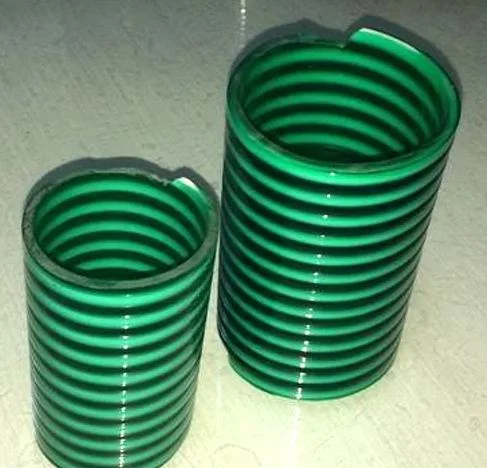
There are several types of hose pipes, including garden hoses, industrial hoses, suction hoses, and pressure hoses. Each type is designed for specific applications, with varying materials, diameters, and pressure ratings.
How do I choose the right Hose Pipes?
To choose the right hose pipes, consider factors such as the type of fluid being transported, the temperature and pressure requirements, and the environment in which the hose will be used. It's also important to assess the length and diameter needed for your specific application.
What are the standard specifications for Hose Pipes?
Standard specifications for hose pipes typically include parameters such as diameter, length, pressure rating, and temperature tolerance. These specifications ensure that the hose can perform effectively and safely in its intended application.
What is the price range for Hose Pipes?
The price range for hose pipes can vary significantly based on factors such as type, material, and length. Generally, prices can start from a few hundred rupees and go up to several thousand rupees for specialized industrial hoses.
What quality standards apply to Hose Pipes?
Hose pipes are subject to various quality standards depending on their application, including ISO, ASTM, and BIS standards. These standards ensure that the hoses meet safety and performance criteria for durability and reliability.
Where can I find Hose Pipes suppliers in India?
You can find hose pipes suppliers in India through B2B marketplaces like Pepagora, industry trade shows, and local manufacturing directories. Researching online and contacting suppliers directly can help you identify the best options for your needs.
Can Hose Pipes be customized?
Yes, many manufacturers offer customization options for hose pipes, including specific lengths, diameters, and material types. Customization can help meet unique application requirements and enhance performance.
What is the typical minimum order quantity for Hose Pipes?
The typical minimum order quantity (MOQ) for hose pipes can vary by supplier and product type, often ranging from 50 to 100 meters. It's advisable to check with individual suppliers for their specific MOQs.
What is the typical lead time for Hose Pipes?
The typical lead time for hose pipes can vary based on factors such as the type of hose, order quantity, and supplier location. Generally, lead times can range from a few days to several weeks, depending on the availability of materials and manufacturing schedules.
Why Businesses Trust Pepagora
Thousands of companies trust Pepagora to source smarter and sell faster
Expand Your Sales Globally

Source Smarter,Grow Faster
