
 IN
Garden Gloves
1 products available
What are Garden Gloves?
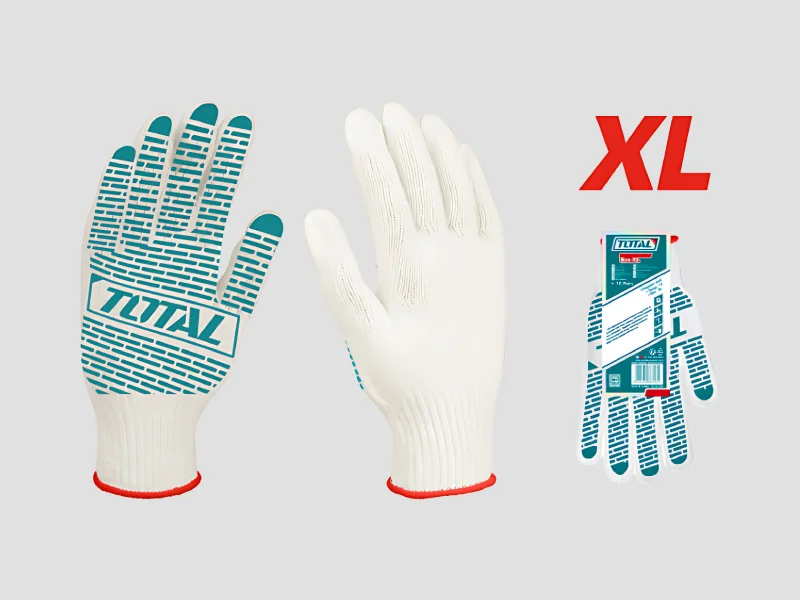
Garden gloves are protective handwear designed specifically for gardening and outdoor tasks. They serve to shield the hands from dirt, moisture, and potential injuries while providing grip and dexterity for various gardening activities. Made from a variety of materials, including leather, cotton, and synthetic fibers, these gloves can vary in thickness, length, and design to cater to different gardening needs.
Primarily, garden gloves are used by landscapers, horticulturists, and amateur gardeners for tasks such as planting, weeding, pruning, and general maintenance. They help improve grip on tools and protect against thorny plants or rough surfaces. In the commercial sector, garden gloves are essential for nurseries and landscaping businesses where frequent and prolonged exposure to soil and plants is common.
The garden glove market has seen steady growth as more people engage in gardening, both as a hobby and a profession. The rise of urban gardening and sustainability trends has further increased demand for quality garden gloves. As a result, manufacturers are continuously innovating to meet the varying needs of consumers, ensuring there are suitable options for every type of gardener.
Key Features and Specifications
Garden gloves come with various features that enhance their usability and comfort. These specifications can vary based on the intended use and material. Understanding these features helps buyers choose the right gloves for their specific needs.
Key specifications include:
1. Material Composition
- Common materials include leather, cotton, and synthetic blends.
- Each material offers different levels of durability and protection.
2. Size Options
- Gloves are available in various sizes to fit different hand dimensions.
- Proper fit is crucial for comfort and functionality.
3. Grip Design
- Some gloves feature textured palms for improved grip on tools and plants.
- Grip design varies based on the type of work being performed.
4. Water Resistance
- Certain gloves are designed to be water-resistant or waterproof.
- Useful for tasks in wet conditions or during watering.
5. Breathability
- Breathable fabrics help keep hands cool during extended use.
- Important for comfort in warmer climates.
6. Cuff Length
- Gloves can have different cuff lengths for added protection.
- Longer cuffs provide extra coverage against dirt and debris.
7. Safety Features
- Some gloves include reinforced fingertips for added protection.
- Essential for handling thorny plants or sharp tools.
8. Washability
- Many garden gloves are machine washable for easy maintenance.
- Ensures longevity and hygiene.
In summary, the key features and specifications of garden gloves are crucial for ensuring comfort, protection, and efficiency while performing various gardening tasks.
Common Applications and Use Cases
Garden gloves are versatile and find applications in several industries.
1. Horticulture: Professionals in horticulture use garden gloves for planting, pruning, and handling delicate plants, ensuring their hands are protected from soil and plant residues.
2. Landscaping: Landscape contractors rely on durable gloves to manage heavy-duty tasks such as digging, lifting, and maintaining garden beds, which require both grip and protection.
3. Agriculture: In agriculture, gloves are essential for handling crops and performing fieldwork, protecting workers' hands from chemicals and contaminants.
4. Nursery Operations: Employees in plant nurseries utilize gloves when potting, transplanting, and managing young plants, requiring dexterity and sensitivity.
5. Garden Retail: Retailers selling gardening supplies often require gloves for demonstrations and customer assistance, ensuring hands remain clean and protected.
6. Community Gardening: Volunteer programs and community gardens benefit from the use of gloves, as they encourage participation while protecting hands during group gardening activities.
7. Urban Gardening: As urban gardening becomes popular, gloves are essential for city dwellers who engage in small-scale gardening, container gardening, and rooftop gardening.
Product Variants and Subcategories
Garden gloves come in various variants to meet different gardening needs and user preferences.
Leather Gloves: These gloves are known for their durability and protection. They are ideal for tasks that involve handling rough materials or thorny plants. The natural material provides a good grip and is long-lasting.
Cotton Gloves: Lightweight and breathable, cotton gloves are perfect for light gardening tasks such as planting seeds or weeding. They allow for good dexterity and are often machine washable.
Rubberized Gloves: These gloves offer excellent water resistance and grip. They are commonly used for tasks that involve handling wet plants or soil, making them ideal for rainy weather.
Synthetic Gloves: Made from various synthetic materials, these gloves combine durability with flexibility. They often feature reinforced areas for added protection and are suitable for heavy-duty gardening tasks.
Benefits and Advantages
Garden gloves offer numerous benefits that enhance the gardening experience.
1. Hand Protection: They provide a barrier against cuts, scrapes, and skin irritations caused by plants and soil.
2. Improved Grip: Many gloves feature textured surfaces that enhance grip on tools and plants, reducing the risk of accidents.
3. Comfort: Well-designed gloves can reduce hand fatigue and discomfort during extended gardening sessions, allowing for better productivity.
4. Versatility: Available in various materials and styles, garden gloves can cater to different gardening tasks and environments.
5. Enhanced Dexterity: Gloves designed for gardening often allow for fine motor skills, making it easier to perform delicate tasks.
6. Hygiene: Wearing gloves helps keep hands clean and minimizes exposure to soil-borne pathogens, contributing to better overall health.
Buying Guide for B2B Buyers
When sourcing garden gloves, it is essential to consider several factors to ensure the right purchase.
1. Quality Assessment: Evaluate the material and construction of the gloves. Look for durability, comfort, and suitability for the intended tasks. Quality gloves will withstand frequent use and offer adequate protection.
2. Supplier Verification: Vet potential suppliers to ensure they meet industry standards and provide reliable products. Check for customer reviews and ask for samples if possible.
3. Pricing and MOQ: Understand the pricing structure and minimum order quantities. Compare quotes from multiple suppliers to find the best value without compromising quality.
4. Delivery and Lead Times: Assess the supplier's ability to meet delivery schedules. Timely delivery is crucial for maintaining inventory and fulfilling customer demands.
5. Compliance Requirements: Ensure the gloves meet any relevant safety standards and regulations. Check for certifications, such as CE, that may apply to garden gloves in your region.
Compliance and Certifications
Garden gloves are subject to various compliance and certification standards that ensure safety and quality.
Relevant quality standards, such as ISO 9001, provide guidelines for quality management systems in manufacturing. Adherence to these standards ensures that gloves meet customer expectations and regulatory requirements.
Additionally, industry certifications like CE indicate compliance with European health, safety, and environmental protection standards. This certification assures buyers that the gloves have been assessed for safety and performance.
Safety and testing requirements may include assessments for durability, cut resistance, and chemical resistance, depending on the intended use of the gloves. Buyers should verify that their chosen gloves meet these requirements to ensure optimal safety in the workplace.
Regional compliance considerations may vary, and it is critical for buyers to understand the specific regulations applicable in their area to avoid potential issues.
Why Source Garden Gloves from Pepagora?
Pepagora provides a trusted platform for sourcing garden gloves, offering several key advantages for B2B buyers.
Verified Supplier Network: Pepagora ensures that all suppliers are thoroughly vetted, providing buyers with confidence in the quality and reliability of the products. This reduces the risk associated with sourcing from unknown vendors.
Streamlined RFQ Process: The request for quotation process is user-friendly, enabling buyers to easily compare prices and specifications from multiple suppliers. This efficiency helps in making informed purchasing decisions quickly.
Trade Assurance and Support: Pepagora offers trade assurance, protecting buyers from potential disputes and ensuring that transactions are secure. Additional support is available to assist buyers throughout the sourcing process.
Regional Coverage: With a broad geographic reach covering India, the GCC, and Southeast Asia, Pepagora connects buyers with suppliers in multiple regions, ensuring access to a diverse range of garden gloves tailored to different market needs.

Frequently Asked Questions
What are Garden Gloves?
Garden gloves are protective handwear designed for gardening and landscaping tasks. They help to shield the hands from dirt, abrasions, and potential injuries from thorns or sharp objects while working in the garden.
What are the different types of Garden Gloves?
There are several types of garden gloves, including latex, leather, and cotton gloves. Each type offers varying levels of protection and dexterity, making it important to choose the right type based on the gardening task at hand.
How do I choose the right Garden Gloves?
When choosing garden gloves, consider the material, size, and the specific gardening tasks you will be performing. For example, if you need protection from thorns, leather gloves may be more suitable, while rubber gloves might be ideal for handling wet soil.
What are the standard specifications for Garden Gloves?
Standard specifications for garden gloves typically include material composition, size (small to extra-large), and specific features such as waterproofing or reinforced fingertips. Checking for breathable fabrics can also enhance comfort during prolonged use.
What is the price range for Garden Gloves?
The price range for garden gloves can vary widely depending on the material and brand. Generally, you can expect to pay anywhere from INR 200 to INR 1500 for a pair of quality garden gloves in India.
What quality standards apply to Garden Gloves?
Quality standards for garden gloves often include durability, comfort, and resistance to punctures and abrasions. Additionally, gloves should be tested for safety and compliance with relevant industry standards to ensure they provide adequate protection.
Where can I find Garden Gloves suppliers in India?
You can find garden gloves suppliers in India through various online B2B marketplaces such as Pepagora.com. Additionally, trade shows and local gardening supply stores may also offer connections to manufacturers and distributors.
Can Garden Gloves be customized?
Yes, many suppliers offer customization options for garden gloves, including size, color, and branding. Customization can be beneficial for businesses looking to promote their brand or for specific gardening needs.
What is the typical minimum order quantity for Garden Gloves?
The typical minimum order quantity (MOQ) for garden gloves can vary by supplier, but it generally ranges from 50 to 100 pairs. It's advisable to check with individual manufacturers for their specific MOQ requirements.
What is the typical lead time for Garden Gloves?
The typical lead time for garden gloves can range from 2 to 4 weeks, depending on the supplier and whether the gloves are in stock or require customization. It's best to confirm the lead time with the supplier when placing an order.
Why Businesses Trust Pepagora
Thousands of companies trust Pepagora to source smarter and sell faster
Expand Your Sales Globally

Source Smarter,Grow Faster
