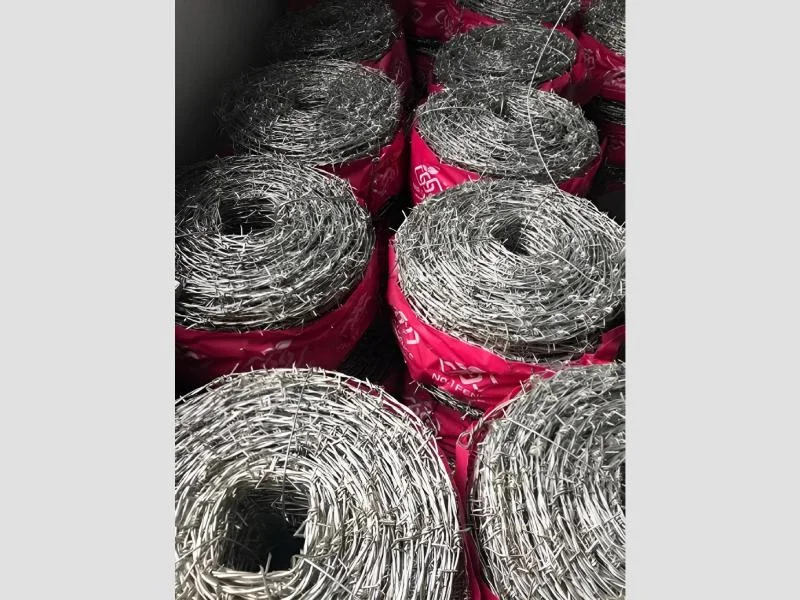
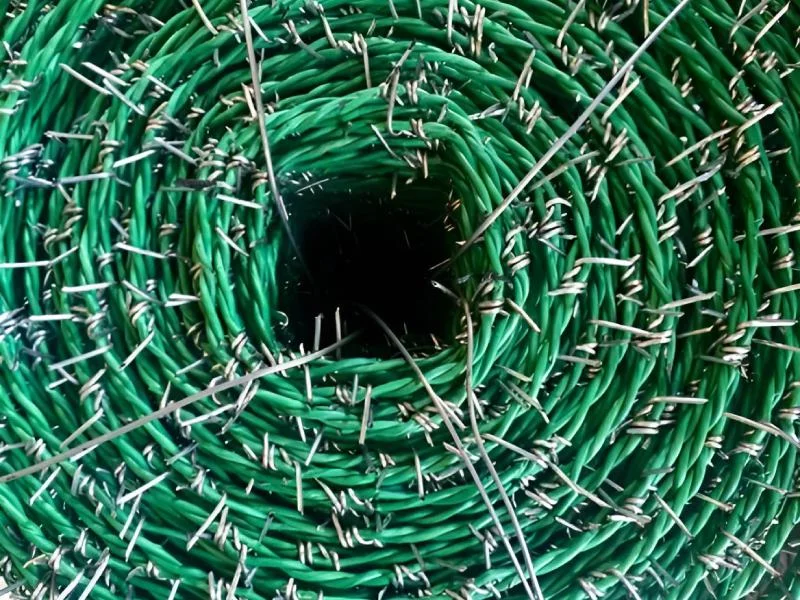
What are Garden Fencing Tools?
Garden fencing tools are specialized implements designed for the installation, maintenance, and repair of garden fencing systems. These tools can range from manual hand tools to powered equipment, each serving a unique purpose in the fencing process. The primary goal of these tools is to facilitate the creation of sturdy and durable boundaries around gardens, farms, or residential properties.
These tools are utilized by landscapers, gardeners, and contractors who require reliable solutions for fencing projects. Their functions include measuring, digging, cutting, and securing fencing materials, ensuring that installations are both efficient and effective. The growing demand for garden fencing tools is driven by the increasing focus on outdoor aesthetics and property security, making them a relevant product in the landscaping and construction markets.
Key Features and Specifications
Garden fencing tools are characterized by a variety of features that enhance their usability and effectiveness. When considering these tools, it is essential to pay attention to specifications that define their quality and performance.
Key specifications include:
1. Durability
- Made from high-grade materials that resist wear and tear.
- Typically has a lifespan of several years under regular use.
2. Ergonomic Design
- Designed for user comfort with handles that reduce strain.
- Lightweight options available for ease of handling.
3. Versatility
- Suitable for different types of fencing materials including wood, metal, and vinyl.
- Can accommodate various fence heights and styles.
4. Safety Features
- Equipped with safety guards and non-slip grips.
- Compliance with safety standards to ensure user protection.
5. Portability
- Compact designs for easy transport and storage.
- Some tools include carrying cases for convenience.
6. Maintenance Requirements
- Minimal maintenance needed with easy cleaning options.
- Some tools may require occasional sharpening or lubrication.
7. Compatibility
- Can work with a range of fencing systems and accessories.
- Often compatible with other landscaping tools for integrated use.
8. Cost-Effectiveness
- Designed to offer value without compromising quality.
- Available in various price ranges to suit different budgets.
These specifications play a vital role in ensuring that businesses choose the right tools for their gardening and fencing needs.
Common Applications and Use Cases
Garden fencing tools serve a wide array of industries and applications.
1. Landscaping: Professionals use these tools for installing decorative garden fences and creating defined spaces within outdoor environments.
2. Agriculture: Farmers utilize fencing tools for securing livestock and protecting crops from wildlife, ensuring the safety and productivity of their farms.
3. Construction: Contractors rely on these tools for installing boundary fences and barriers around residential and commercial properties, enhancing security and privacy.
4. Home Improvement: DIY enthusiasts and homeowners employ garden fencing tools for personal projects, improving the aesthetics and functionality of their outdoor spaces.
5. Municipal Projects: Local governments use these tools for public spaces, including parks and community gardens, promoting community engagement through well-maintained environments.
Product Variants and Subcategories
Garden fencing tools come in various types to cater to different needs and preferences.
Manual Fencing Tools: These include hand tools like post hole diggers, fencing pliers, and hammers. They are ideal for smaller projects or areas where power tools may not be practical.
Power Fencing Tools: Electric or gas-powered tools such as augers and electric post drivers make installations faster and less labor-intensive. They are suitable for larger fencing projects where efficiency is critical.
Specialty Tools: This category includes specific tools designed for unique fencing materials or tasks, such as wire cutters for chain-link fences or tensioners for barbed wire installations.
Benefits and Advantages
Using garden fencing tools brings numerous benefits to businesses involved in landscaping and fencing projects.
1. Increased Efficiency: Tools designed for specific tasks speed up the installation process, allowing for more projects to be completed in less time.
2. Improved Quality: High-quality tools lead to better installations, ensuring that fences are secure and long-lasting, which reduces the need for repairs.
3. Enhanced Safety: Many tools incorporate safety features that protect users from injury, creating a safer work environment.
4. Cost Savings: Investing in durable tools minimizes the need for frequent replacements, ultimately saving money over time.
5. User Comfort: Ergonomic designs reduce physical strain on users, making it easier to work for extended periods.
6. Versatility: A wide range of tools enables users to tackle various types of fencing installations, increasing their service offerings.
Buying Guide for B2B Buyers
When sourcing garden fencing tools, businesses should consider several critical factors to ensure they make informed purchasing decisions.
1. Quality Assessment: Evaluate the materials and construction of the tools to ensure they meet industry standards and will withstand regular use.
2. Supplier Verification: Conduct thorough research on potential suppliers, checking for reviews, certifications, and their history in supplying garden fencing tools.
3. Pricing and MOQ: Understand the pricing structure and minimum order quantities required by suppliers to ensure they align with budgetary constraints.
4. Delivery and Lead Times: Clarify logistics, including shipping times and costs, to avoid delays in project timelines.
5. Compliance Requirements: Be aware of any regulatory standards that must be met for safety and quality, ensuring that tools comply with local and national guidelines.
Compliance and Certifications
Compliance and certifications play a vital role in the quality and reliability of garden fencing tools. Relevant quality standards such as ISO 9001 ensure that products meet international safety and quality benchmarks. These standards are crucial for businesses seeking to maintain high-quality operations.
In addition, tools may carry industry certifications like CE marking, indicating compliance with European safety standards. This provides assurance to buyers that the products have undergone rigorous testing and meet the required safety criteria.
Moreover, regional compliance considerations vary, and businesses should ensure that their selected tools adhere to local regulations. This may include specific safety requirements, labeling, and usage standards, ensuring the tools are fit for purpose in their operational environments.
Why Source Garden Fencing Tools from Pepagora?
Pepagora offers a trusted platform for sourcing garden fencing tools, providing several key advantages for businesses.
Verified Supplier Network: Pepagora thoroughly vets suppliers, ensuring that buyers can access high-quality products from reliable sources. This reduces the risk associated with purchasing tools from unknown manufacturers.
Streamlined RFQ Process: The platform simplifies the request for quotation (RFQ) process, allowing buyers to efficiently compare offers and make informed decisions based on their specific needs.
Trade Assurance and Support: Pepagora provides buyer protection, ensuring that transactions are secure and that customers receive the support they need throughout the purchasing process.
Regional Coverage: With a strong presence in India, the GCC, and Southeast Asia, Pepagora connects buyers with suppliers across these regions, facilitating access to a diverse range of garden fencing tools. This wide geographic reach allows businesses to find the right tools for their projects, regardless of location.

 IN
IN