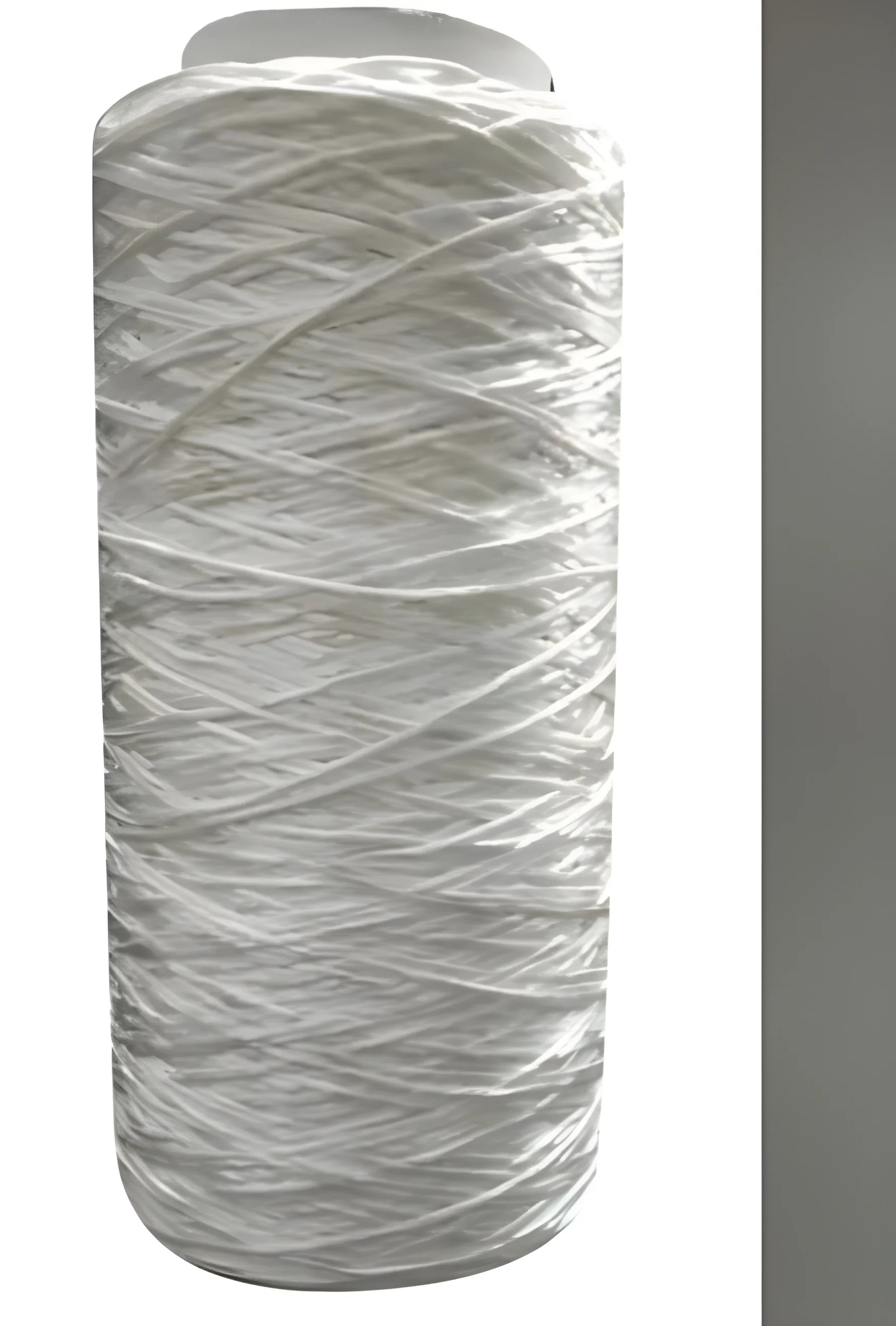
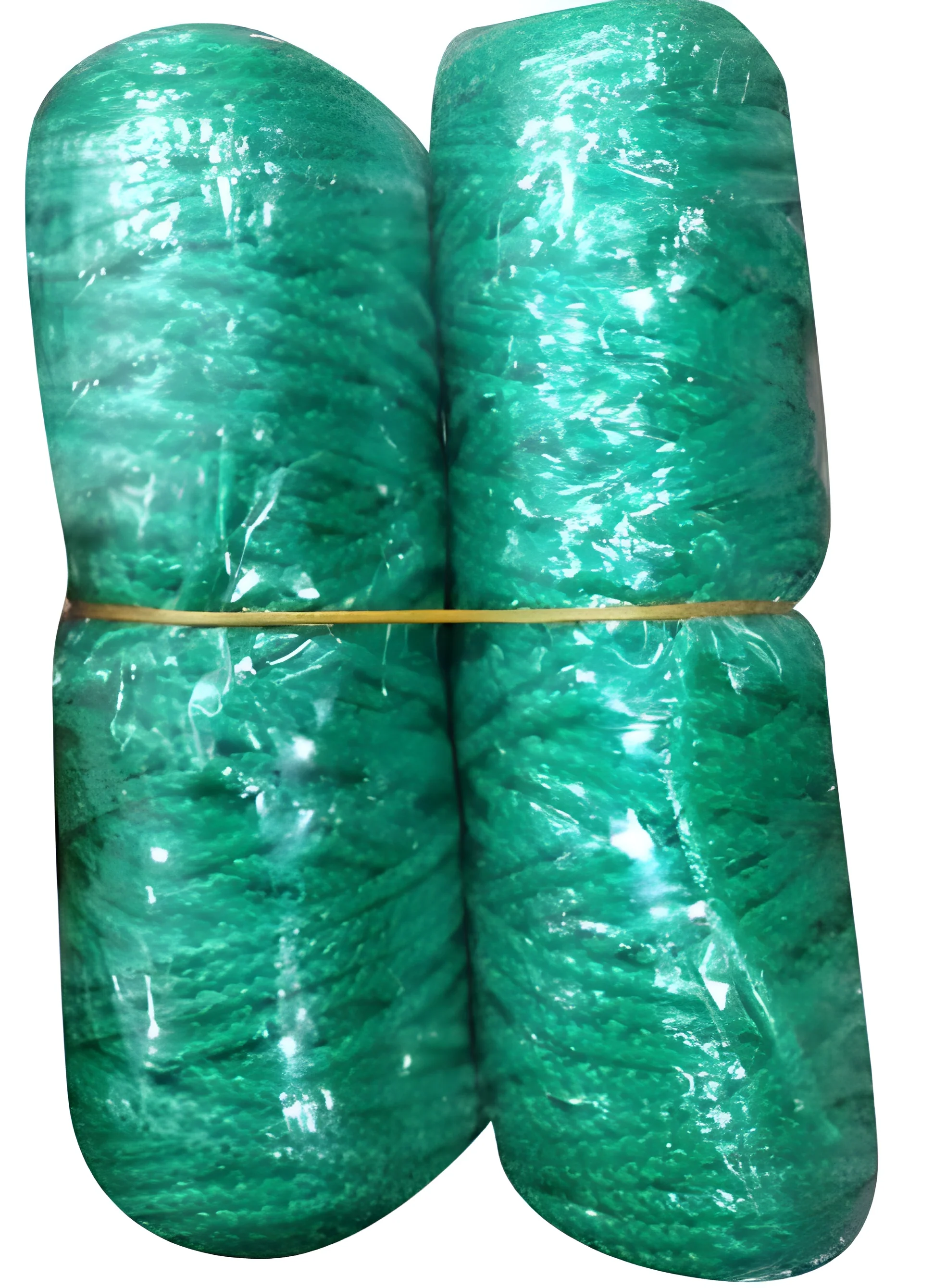
What are Plant Supports & Ties?
Plant supports and ties are essential tools used in various industries to assist in the growth and stability of plants. These products are designed to hold plants upright, ensuring proper air circulation, sunlight exposure, and overall health. Plant supports include items such as stakes, cages, and trellises, while ties are used to secure plants to these supports, allowing for controlled growth and maximum productivity.
The primary applications of plant supports and ties span across agriculture, horticulture, and landscaping. In agriculture, they are crucial for supporting crops, especially those that grow tall or require additional stability, such as tomatoes and climbing beans. In horticulture, plant supports are used to enhance the aesthetic appeal of garden designs while ensuring that flowers and shrubs maintain their shape. Landscaping professionals also rely on these products to create structured environments that promote healthy plant growth.
In terms of industry relevance, the market for plant supports and ties has seen consistent growth as the demand for high-quality produce increases. With the rise in urban gardening and sustainable practices, businesses are seeking reliable solutions that promote plant health and productivity. This has led to innovation in product development, ensuring that plant supports and ties meet the evolving needs of farmers, gardeners, and landscapers alike.
Key Features and Specifications
Plant supports and ties come with various features and specifications that cater to different applications. Understanding these specifications is crucial for businesses looking to invest in these products.
Key specifications include:
1. Material Composition
- Common materials include plastic, metal, and natural fibers.
- Each material offers distinct advantages such as durability, flexibility, and environmental friendliness.
2. Size and Height
- Available in multiple sizes to accommodate various plant types.
- Height options range from short stakes for small plants to tall supports for larger crops.
3. Load Capacity
- Designed to support a specific weight based on the type of plant.
- Load capacities vary widely depending on the material and design.
4. Weather Resistance
- Many products are treated to withstand various environmental conditions.
- Resistance to UV rays, moisture, and temperature fluctuations is common.
5. Ease of Installation
- Most plant supports and ties are designed for quick and easy setup.
- Some products include pre-attached ties or simple anchoring systems.
6. Customization Options
- Many suppliers offer customization based on specific needs.
- This can include size adjustments, color options, and branding opportunities.
7. Compliance Standards
- Certain products may adhere to specific industry standards for quality and safety.
- Compliance with certifications such as CE is important for market acceptance.
In summary, understanding the key features and specifications of plant supports and ties is essential for making informed purchasing decisions. This knowledge helps businesses choose the right products that align with their specific needs and applications.
Common Applications and Use Cases
Plant supports and ties are versatile products used across various industries, each with specific applications.
1. Agriculture: In this sector, plant supports are crucial for stabilizing crops like tomatoes and cucumbers, which require additional support for optimal growth and yield.
2. Horticulture: Gardeners use plant ties to secure climbing plants and maintain the structure of flowering plants, enhancing garden aesthetics and plant health.
3. Landscaping: Professionals employ plant supports to create visually appealing designs in public parks and private gardens, ensuring that plants grow in a controlled manner.
4. Greenhouses: Inside greenhouses, plant supports and ties help maintain plant organization and maximize space, allowing for efficient growth.
5. Indoor Gardening: Urban gardeners utilize smaller supports and ties to manage houseplants, ensuring they receive the necessary light and air circulation.
6. Hydroponics: In hydroponic systems, plant supports are essential for maintaining vertical growth, which is critical for maximizing yield in limited spaces.
7. Nursery Production: Nurseries use these products to prepare young plants for sale, ensuring they grow strong and healthy before reaching consumers.
Product Variants and Subcategories
Plant supports and ties come in various forms, catering to different gardening and farming needs. This diversity allows users to choose the most suitable option for their specific requirements.
Stakes
Stakes are simple supports that can be driven into the ground to hold plants upright. They are commonly used for individual plants like tomatoes and peppers. Stakes can be made from wood, metal, or plastic, depending on durability requirements.
Cages
Plant cages provide 360-degree support and are ideal for bushy plants that need overall stability. These cages are typically made of wire and can be adjusted for height, making them versatile for various plant sizes.
Trellises
Trellises are structures that allow climbing plants to grow upward, maximizing space and light exposure. They are often used in vegetable gardens and can be made from wood, metal, or plastic.
Garden Ties
Garden ties are flexible straps or wires used to secure plants to supports. They come in various materials and lengths, providing users with options tailored to specific plants and growth stages.
Benefits and Advantages
Investing in plant supports and ties offers several advantages for businesses and individuals involved in plant care and cultivation.
Key benefits include:
1. Enhanced Stability: Plant supports provide the necessary stability for plants, preventing breakage and ensuring healthy growth.
2. Improved Air Circulation: By holding plants upright, supports allow better airflow, reducing the risk of disease and promoting overall health.
3. Maximized Light Exposure: Properly supported plants receive more sunlight, which is essential for photosynthesis and growth.
4. Efficient Space Utilization: Vertical growth facilitated by supports allows for better use of limited space, particularly in urban gardening and greenhouse settings.
5. Aesthetic Appeal: Well-supported plants contribute to a more organized and visually appealing garden or landscape design.
6. Increased Yield: In agriculture, the use of supports can lead to higher yields by preventing crop damage and facilitating better access for harvesting.
Buying Guide for B2B Buyers
When sourcing plant supports and ties, B2B buyers should consider several important factors to ensure they make the right choice.
1. Quality Assessment: Evaluate the quality of materials used in the products. Look for durability and resistance to environmental factors to ensure longevity.
2. Supplier Verification: Vet suppliers to ensure they have a good reputation and provide reliable products. Check for reviews and past customer experiences.
3. Pricing and MOQ: Consider the pricing structure and minimum order quantities (MOQ). Ensure the pricing aligns with your budget while meeting your supply needs.
4. Delivery and Lead Times: Understand the logistics involved in delivery. Assess the lead times to ensure that products will arrive when needed, especially during peak planting seasons.
5. Compliance Requirements: Be aware of any regulatory compliance required for the products. This includes certifications that may be necessary for specific applications or regions.
Compliance and Certifications
Compliance with industry standards and certifications is essential for plant supports and ties to ensure safety and quality. Relevant quality standards often include ISO 9001, which sets requirements for a quality management system. Adhering to these standards helps manufacturers maintain consistency and reliability in their products.
Additionally, certifications such as CE indicate that products meet European safety and health requirements. These certifications are particularly important for businesses exporting products to international markets.
Safety and testing requirements also play a significant role in the production of plant supports and ties. Manufacturers must test their products to ensure they can withstand various environmental conditions without compromising performance.
Regional compliance considerations are also vital. Depending on the market, certain regulations may apply, and buyers should ensure that their suppliers meet all necessary compliance requirements.
Why Source Plant Supports & Ties from Pepagora?
Pepagora provides a trusted platform for sourcing plant supports and ties, offering several key advantages that make it an ideal choice for businesses.
Verified Supplier Network: Pepagora connects buyers with a network of verified suppliers, ensuring that they receive high-quality products from reputable sources.
Streamlined RFQ Process: The platform offers a simplified request for quotation (RFQ) process, allowing businesses to easily obtain pricing and product information, which saves time and enhances procurement efficiency.
Trade Assurance and Support: Buyers are protected through trade assurance policies that ensure product quality and timely delivery. This support gives companies peace of mind when making purchases.
Regional Coverage: Pepagora has a strong presence in key markets, including India, the GCC, and Southeast Asia. This extensive geographic reach allows businesses to access a wide variety of products tailored to their local needs.
By choosing Pepagora, businesses can confidently source plant supports and ties, ensuring they meet their operational requirements while benefiting from a reliable supply chain.

 IN
IN